Julije Knifer

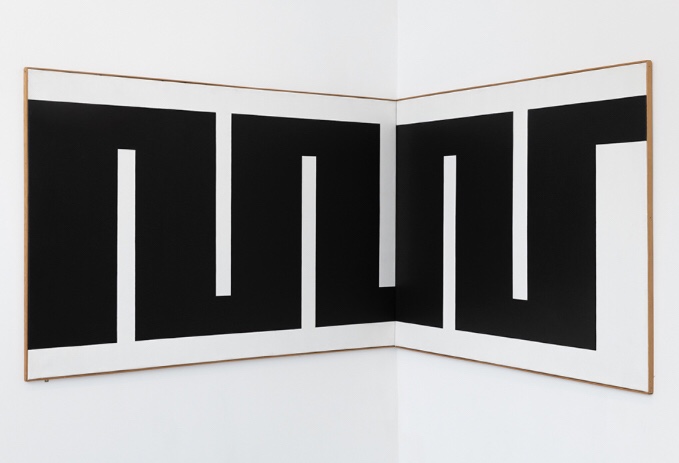
Since I’ve written about banal formalist modalities a couple of times recently I figured three times is the trick? Croatian artist Julije Knifer responded to the post-revolutionary socialist aestheticism (asceticism?) of the ’50s and ’60s “with black irony, riffing on geometric abstraction in “anti-paintings” characterized by a deliberately meaningless monotony.”

#julijeknifer
Susan Morris

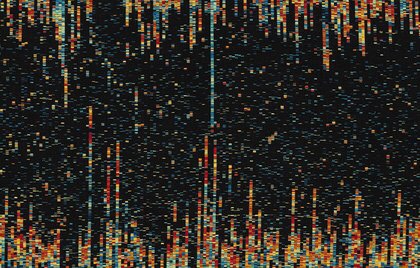
Was talking about automatism with a fellow artist who surprisingly was unfamiliar. In addition to other good material on the topic the Tate’s online presence has this great article on Susan “discussing her work in the context of involuntary drawing, Susan Morris provides a history of her practice by examining the art of Jules-Etienne Marey, Marcel Duchamp, Pablo Picasso and Tacita Dean.” Her work deriving from data on sleep patterns is also interesting.
#susanmorris

Ruth Asawa

“Asawa lived an extraordinary life independent of her incredible body of work. Her path was a series of trials overcome and small paradises found—from internment camps in America to, later, a creative coming-of-age at Black Mountain College and in San Francisco, where she lived until her death in 2013.

Her legacy of generosity and openness to the world continues to grow along with her reputation as an artist, which was underappreciated during her lifetime despite everyone from Josef Albers to Buckminster Fuller declaring her genius indisputable. But that has been changing, year by year—just a few weeks ago, the US Postal Service announced they would be featuring Asawa on a new stamp out this fall.”

More and more

#ruthasawa

Shirazeh Houshiary

Since exploring abstraction from artists born in Muslim countries was so enjoyable recently Artsy’s newest on #womenartists from the Middle East would have caught my eye even if Etel wasn’t featured.

Shirazeh Houshiary, who emerged in the early 1980s with British sculptors like Tony Cragg, Richard Deacon, and Anish Kapoor, first became known for her allusive environments and biomorphic sculptural forms. However, in the following decade, Houshiary increasingly created drawings and monochromatic paintings.”

#shirazehhoushiary

Maria Helena Vieira da Silva

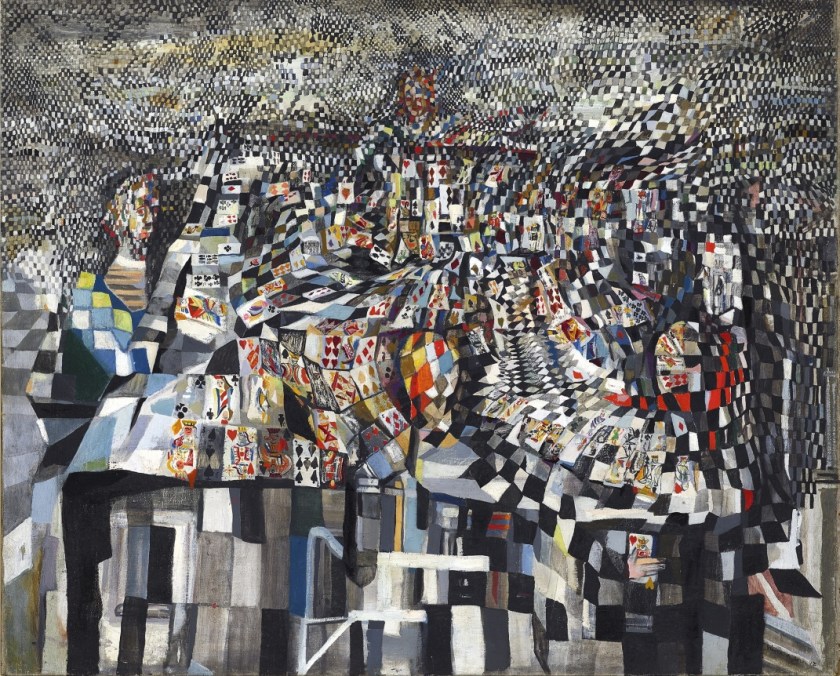
Maria, who is no longer with us, stills gets respect for her contributions to abstraction, mostly because her unique approach was a melding of her early schooling with the French Cubist Fernand Léger with other modernist modes like Futurism and Constructivism.

More

#mariahelenavieiradasilva

Carlos Cruz-Diez

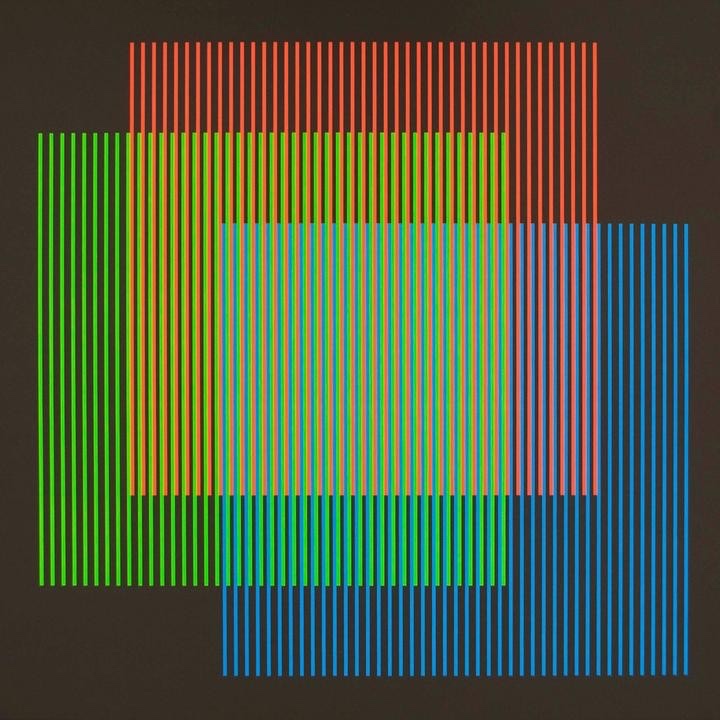
I felt like I’d seen Carlos’s work before seeing the first piece below in #surmoderno. A little internet searching turned up some things that… yeah, I’m sure I’ve seen these in popular culture, definitely the ones in Houston. His work focused (he’s no longer with us) on the kinetic energy of color particularly the #moiré effect.

#carloscruzdiez

William Tillyer

So I noticed when I stepped into Bernard Jacobson‘s booth at the #armoryshow to see the gem below that Jon Yau called William the greatest living painter of his generation. That’s high praise indeed considering he’s a contemporary of David Hokney, Howard Hodgkin and Richard Hamilton.

More

#williamtillyer

Leo Valledor and Zin Helena Song

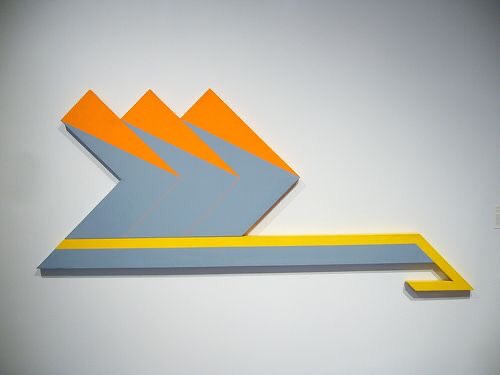
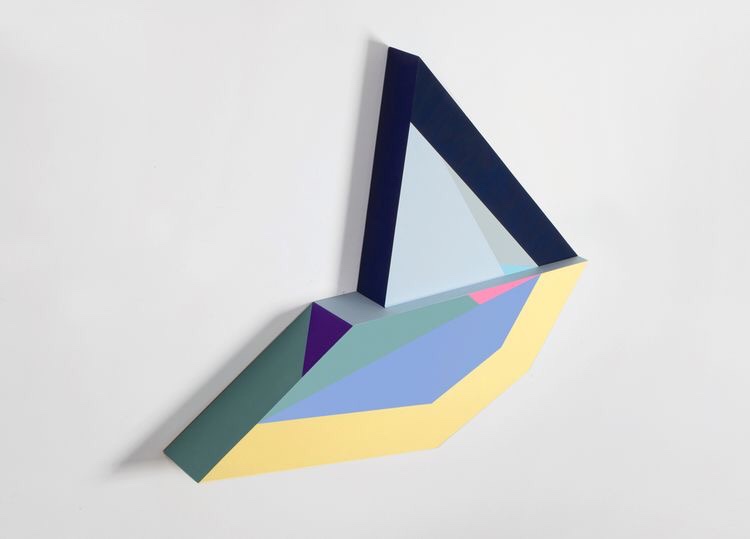
Hyperallergic caught my eye with Leo’s work. The story of the Park Place Group is another wrinkle in the “primacy” of post-war New York… While some might think of Stella‘s (or Tony‘s) work, I’m more curious about how artists like Zin are taking this idiom forward.

#leovalledor

#zinhelenasong