#elizabethmurray

What more can I say about the democratizing effect of non-mimetic modalities on the arts that would do justice to the rise of a night shift guard at MOMA to the rightful prominence Sol occupies as a conceptual artist*? Just read.
*Right- one should also note that, even though he abandoned the idea of a master narrative in art that preferenced painting, he didn’t abandon the notion that geometric forms are uniquely human.
#sollewit

Biggers is at it again, merging formalism and Afrofuturism (“an aesthetic that imagines the future of Africa and the African diaspora by reassessing the past through science-fiction tropes.“).
#sandordbiggers

Posting about Doug Wheeler made me think about other artists who work in the realm of creating experience that I find to be a cousin of formalist painting. Most of us know this Brit from his musical oeuvre. What he says about his brand of empty formalism is right on, and we share a modality where some artist license/control is measured against chance as an actual tool.
#brianeno

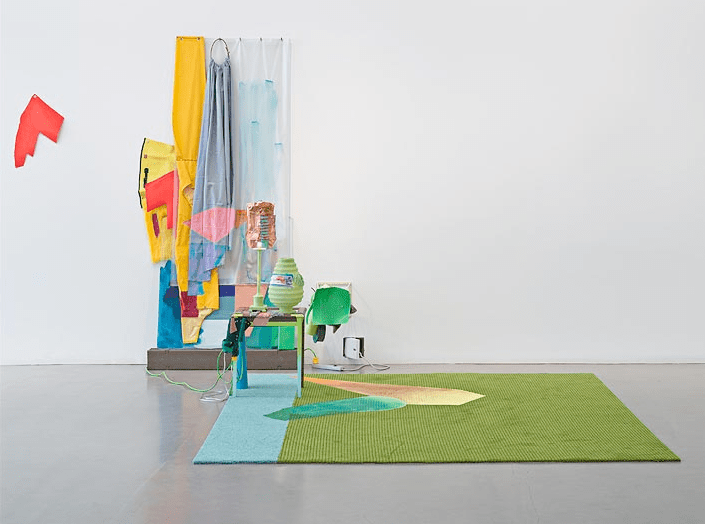
Two of my faves from undergrad, didn’t realize they had a show together in the late ’90s.
#jessicastockholder
#fabianmarcaccio

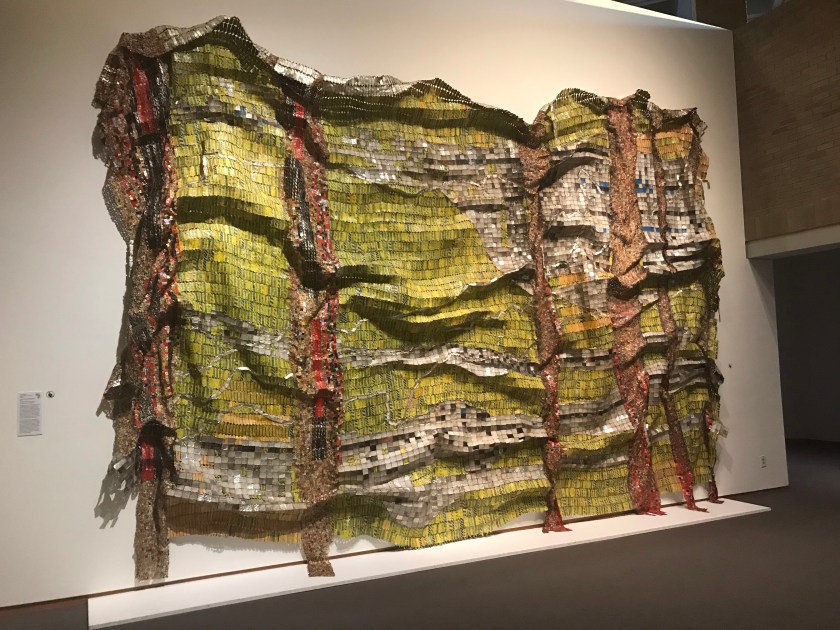
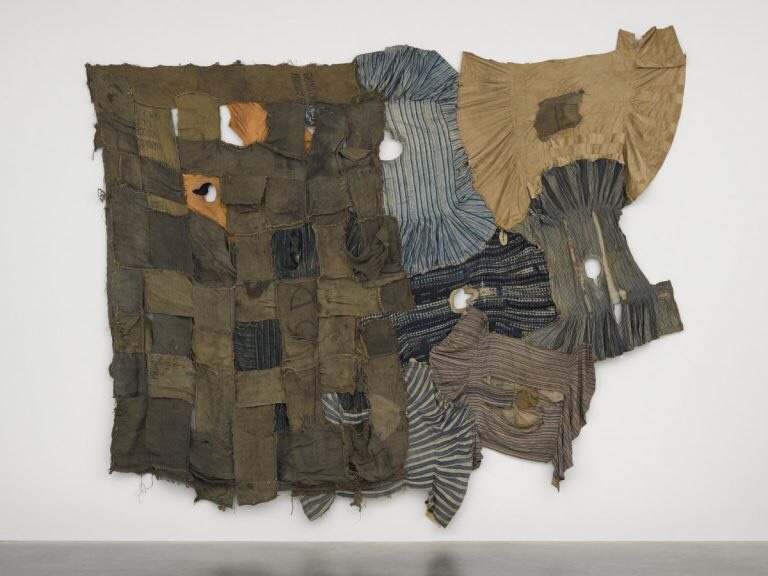
Saw El at Biennale and was over the moon to walk into NCMA and find that our state is now home to a great piece of his- his modality is similar to Elias Simes, another great hailing from Africa which NCMA has included in the permanent collection. Georgina is also an African artist, who’s work is included because, like El, it reminds me of another artist (Al Loving). Juxtaposing is fun.
#elanatsui
#georginamaxim
Interesting to see this, since I’ve been spending time writing down my thoughts on painting lately, which means I’ve been revisiting artists, like Richard, that were coming to prominence as I was becoming an artist. More
#richardtuttle

Saw the piece below at #camraleigh
#mariamartinezcanas
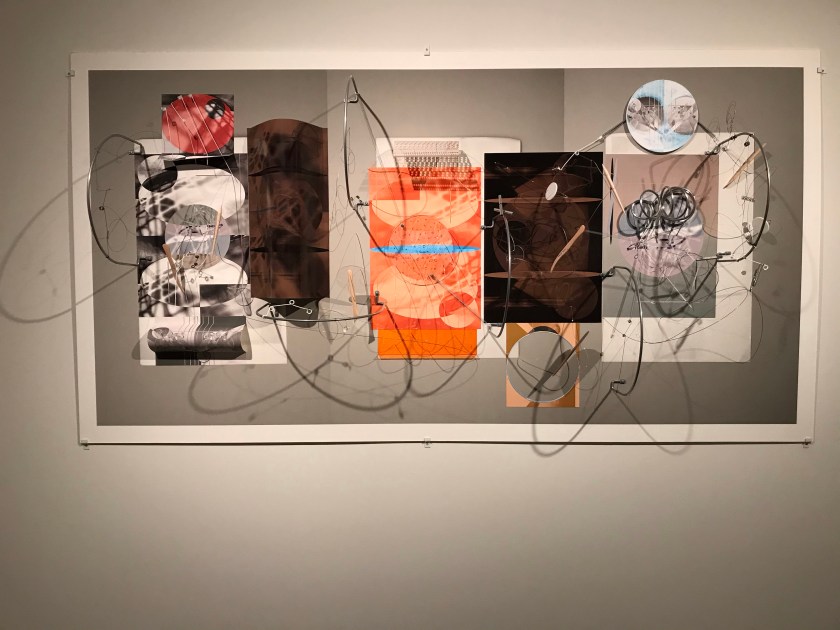
I’ve been following a hashtag on IG for Al so I can see snaps of his work that still gets shown. You can see from the first image why I was first drawn to him. Loving was well known for hard-edge, geometric abstract painting. However, he felt a tension between his work and his identity as an African American in a time of racial injustice, civil rights struggles, and the rise of the Black Power movement. In the early 1970s, he took a new direction with shaped, colorful, fabric-based works inspired by quilts.
#alloving


I’ve followed Kathryn on IG for a while (I’m not alone with 39k follows)- she’s shown with Heather Day and recently made below as part of a residency at Pada Studios.
#kathrynmcnaughton



 Painting After Art is Dead