Here we are the end of another year. Wow. So much good stuff went on this year and once again I feel compelled to recap my personal favorites. Which is important, I think, to clarify- these shows are the ones that resonated the strongest for me, as an abstractionist primarily although as in the past you’ll see I’m not totally myopic (maybe a little…).
I’m not a formally trained art writer so apologies if I’m not doing any of this correctly*, really just trying to show the love for the amazing art thing we have goin’ on in the Triangle, for which I am un-quantifiably grateful. I can’t wait to see what you all do in 2025 and if you live in the Triangle I hope you got to see all of these exhibits at least once! *if any correction is needed please let me know with a comment or a note to sterling at sterlingbowen dot com.
For those that want to reminisce a little, here are links to the 2023 and 2022 editions of my recap.
Stacey L. Kirby presents Division of Ancestral Deeds at Anchorlight was the freshest and most impactful Art happening/installation I encountered this year. I’ve seen as much performance Art as the average non-performance artist does and it’s a little challenging to put this one in the same league as anything else, probably due to the interactive elements (during the two performances viewers were allowed to interact directly with the artist and a supporting cast of characters). The fact that I’m a fan of Wes Anderson’s ability to world-build with a minutiae that astounds aside (which is clearly part of the work’s appeal to many and which Kirby could go toe-to-toe with undoubtedly), the central theme- of centering the viewer as a an ancestor by recalling their own- is simultaneously simple and profound. And, how lovely and loving, to think in our time of upheaval about what our relationship to the past and future means. I don’t have the art critical language to do this one justice in terms of its relationship to the broader Art world. So much love and gratitude for this one, and I hope that Anchorlight will repeat their summer residency in future years although the bar is indeed very high now.


I don’t think I’d have to convince any local that Jean Gray Mohs, Celia Gray, and Harriet Hoover Material Encounters from early in the year, which was curated by Jameela Dallis at Peel, was worth the look. The opening was bananas, and for good reason. Celia’s work jumped off the wall and tried to become drawing and just became even more surreal. Jean Gray delighted us with somber poetry- as an artist I enjoy the spontaneousness that hides in her work. Harriet flattened things out and took our eyes on a journey where any material can be a mark and any mark can be material.

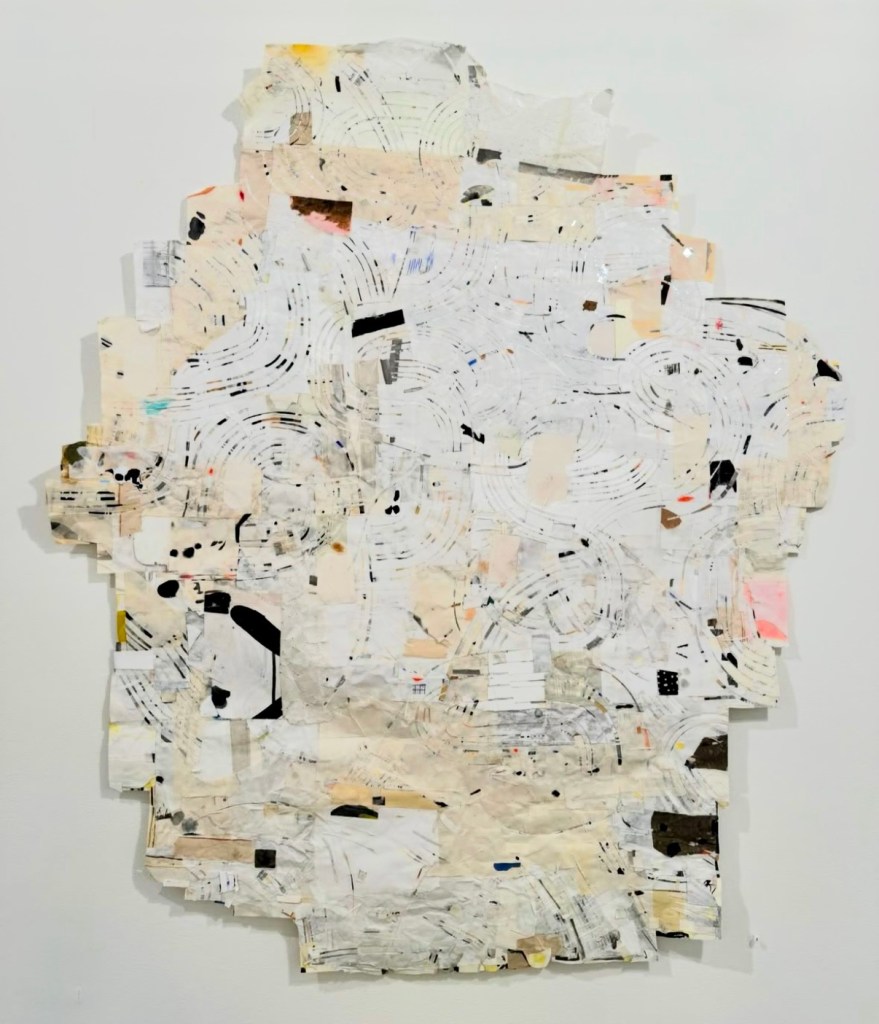
Ashlynn Browning at Horace Williams House was a delightful combination- it really is the weirdest little space in the Triangle. Whatever neutral the walls are painted somehow seems to pull out every color you place over it. Which made it the perfect place for the Ashlyn’s wacky brain children to hang out. I mean, look at this one over the fireplace. Love. It. I think Ashlynn always does a good job with scale, including leaving room in her practice to work big and small, while allowing both size ranges to be space for working through similar concepts with different strategies.

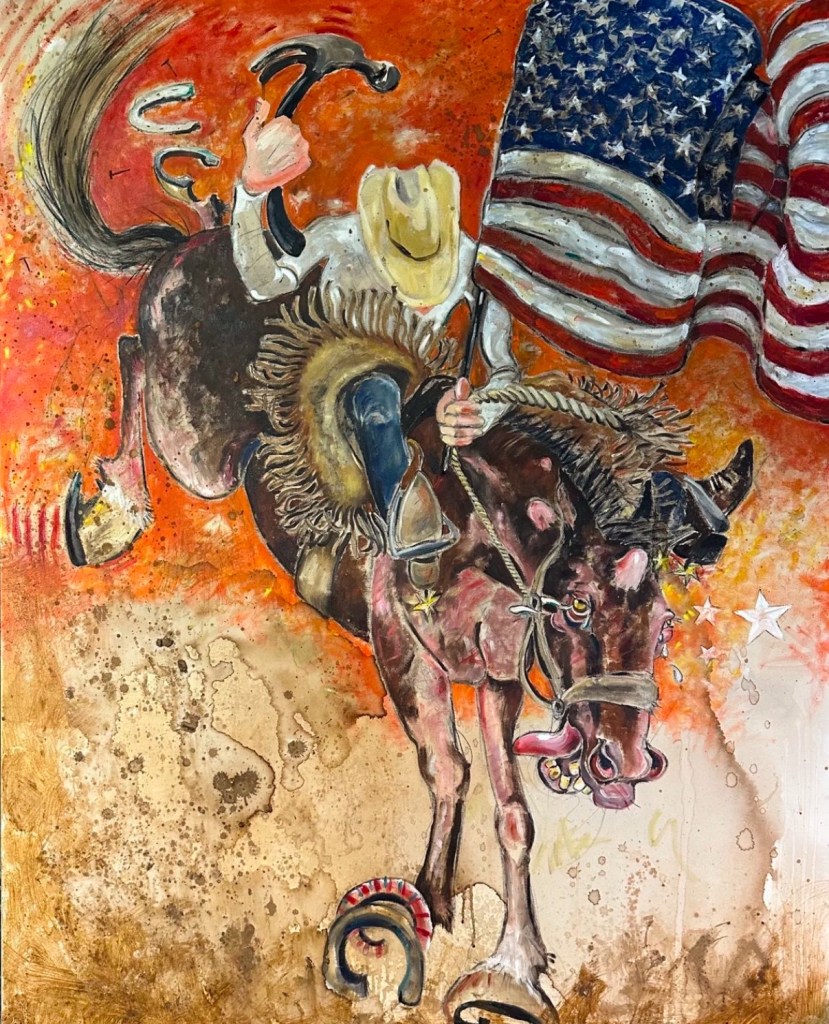
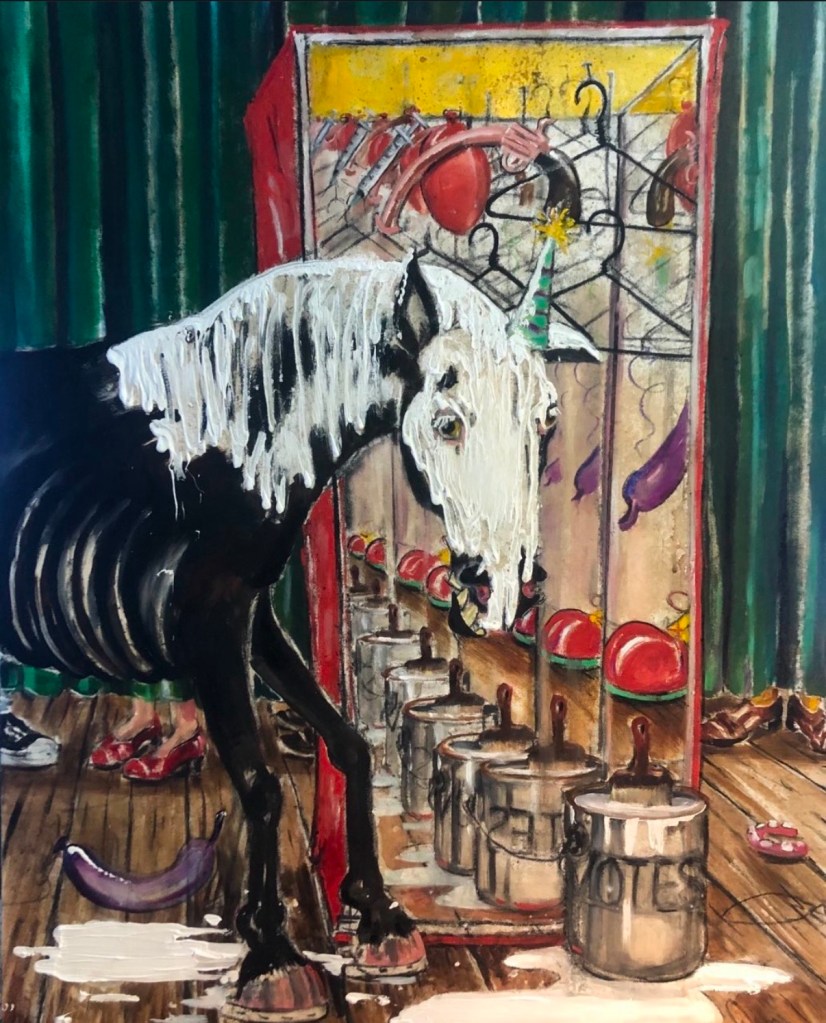
Unstable by Jenny Eggleston at CAM was a show that I heard discussed a lot and for good reason- as someone who comes at things in the abstract it was very refreshing to see work that is so blunt. Also- damn good paintings. I’m grateful that we all got to see and contend with them, and given the socio-cultural close out to this year it was eerily prescient, and telling that it was tucked into the back gallery downstairs (great choice btw to paint the walls of the gallery black).
Stephen Hayes, Reclaiming The Discarded at Ella West also wasn’t abstraction and as a counterpoint to the gut punch delivered by Jenny put a lot of the western world’s troubled relationship with race on display in layer upon layer. And by a lot I mean, a lot- Maximalism and finish fetish don’t always coexist but there it was for all of us to enjoy. I think the Triangle area is so lucky to have this newish commercial gallery. My impression as a Raleigh native is it has a very Durham vibe. We’re all lucky that Stephen decided to move here to teach at Duke and decided to show with Linda Shropshire. I look forward to more from both the artist and the owner in 2025.

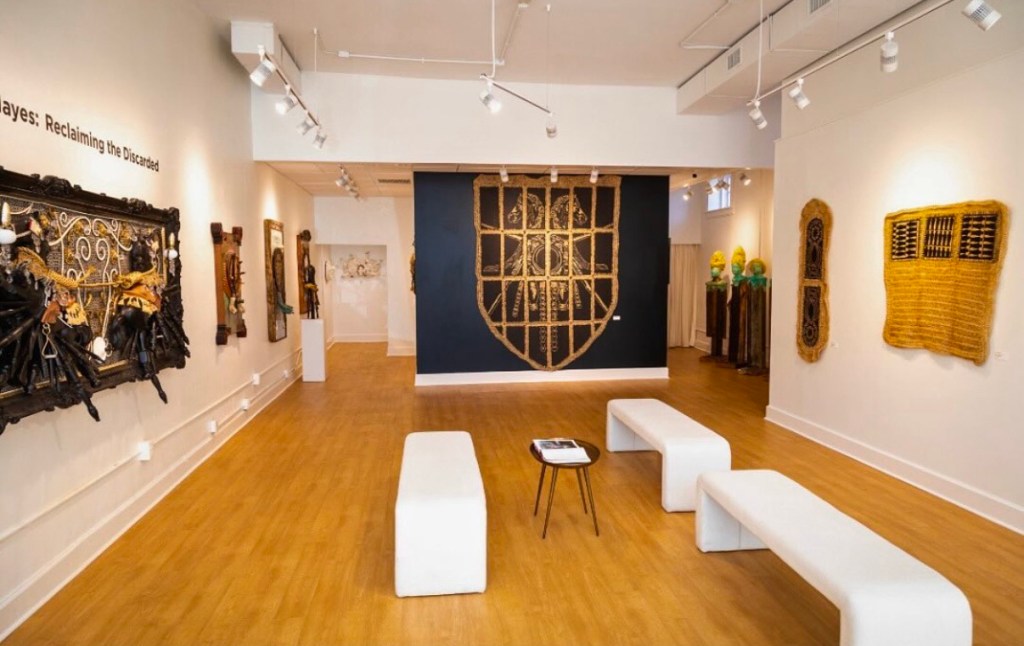
Gallery OneOneOne is in a beautiful space in Chapel Hill, another newish addition to the scene that I look forward to visiting many times in the coming years. The Contemporaries is (yes, it’s still up) a powerhouse of NC-based or born talent- and it’s part one so look out for more in 2025! A small sample below of the 12 (!) artists that were included.


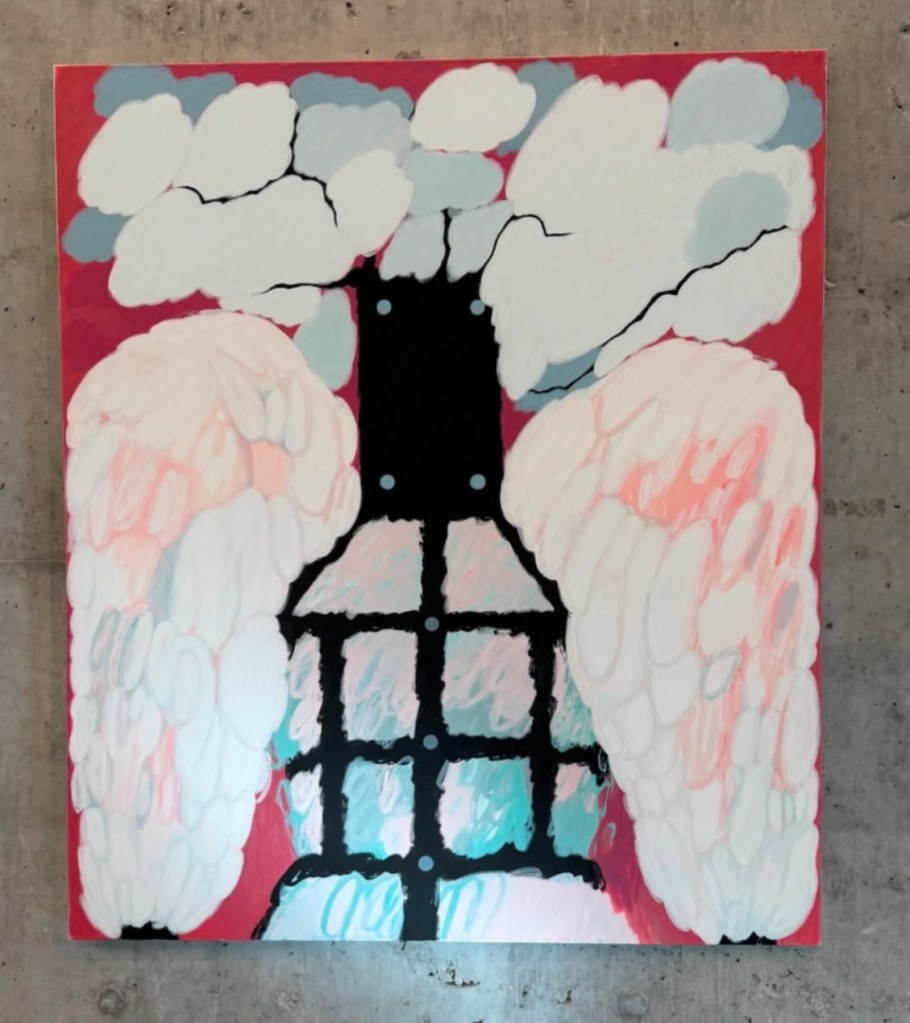
Todd Jones found even more ways to use paint discards in From Ruin to Renewal at Diamante. Beyond my personal affinity for the sweet shades of Lynda Benglis (one of my favorites) and the use of recycled materials, I really dig the subtle domestic elements that creep in- yes, it’s the current designer colors on a sort of towel bar. Peter Marin continues to program solid work!

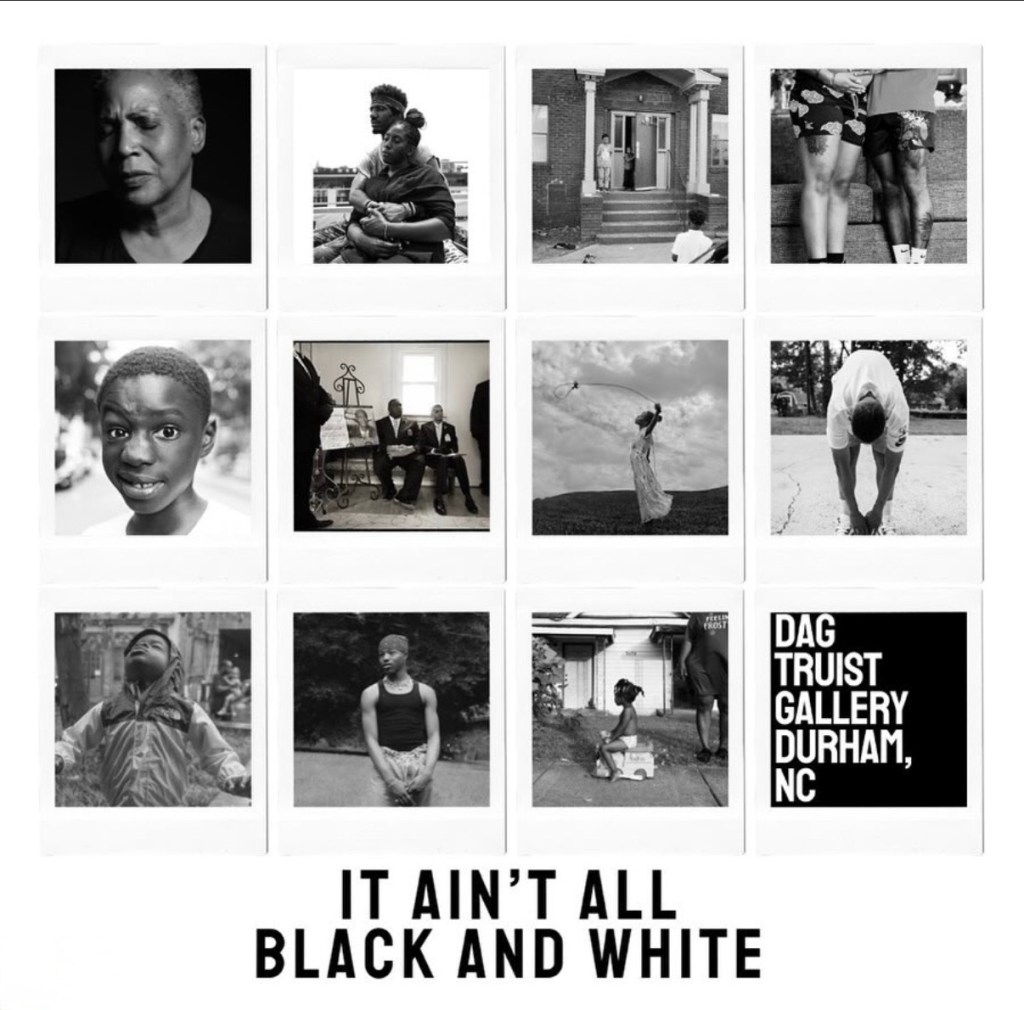
Leticia Clementia It Ain’t All Black and White at Durham Art Guild was special to me. Photography has a way of being direct that’s unique and the approach of including only black & white photographs both underscores that and also is a counterpoint to the intention of the title (meant to center our thinking on how racial issues aren’t black and white). What a wonderful range of stylistic approaches to varying content, and what a showcase of local talent as well. I don’t know about you the reader, but I feel like photography had a good year and got some deserved attention. Several other exhibits that caught my eye were Second Nature at the Nasher, Truth Told Slant at High Museum in Atlanta, and Chris Metz at CAM here in Raleigh. Lens-based work ftw!
Jean Michel Dissake’s BABENGA, The Sacred Forest at The Gregg, c0-curated by Marriott Sheldon and Roger Manley, was a real treat, and not just because we got to delight in work from overseas. Raw was a word I heard used a lot as I was beginning my artistic training and while it was overused and eventually commodified, I don’t have to tell anyone who saw this show that it’s the right adjective. (from the Museums’ description) Babenga refers both to the village where Dissake’s grandfather was the local king for over fifty years as well as the idea of the continuity of humans – a ceremonial invocation of a future land and new spirituality where humans and nature thrive. Dissake’s understanding and deep respect for the natural world imbue the works with symbolism that serves as a wakeup call to realize our connection with nature.


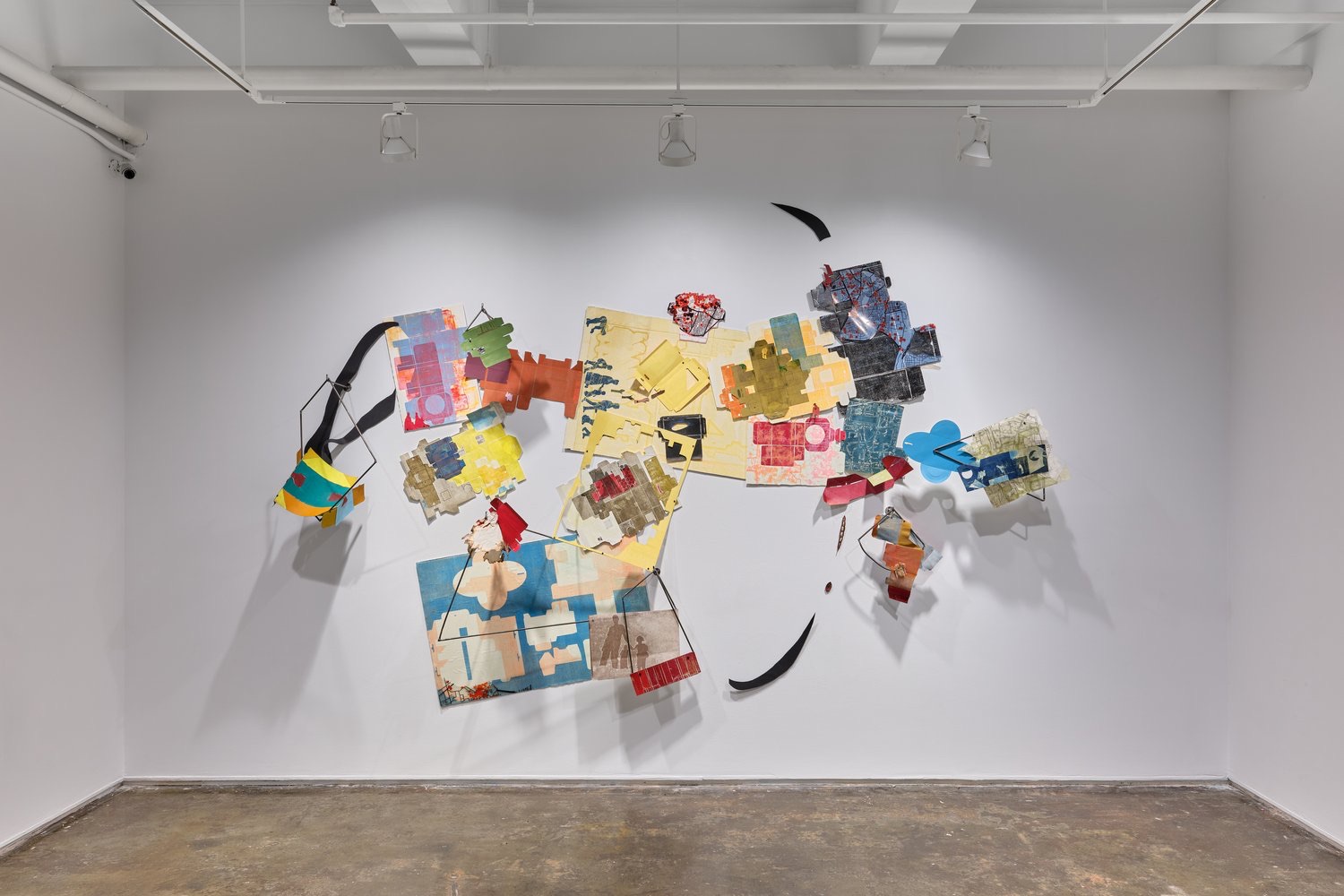
Extant forms, with works by Rigoberto Mena, Jason Craighead, G. Alan Stewart and with sounds and words by Shay Stifelman and Sam Pepple was such a great way to wrap up 2024. Sprawling, barely organized chaos- absolutely beautiful. As an abstractionist, there wasn’t anything I was left wanting. The exhibit was organized by Sam and Alan in partnership with the Grid Project (you can find them on insta and Substack) who brought us several great exhibits this year.


Honorable mention – Arranged at the Ackland
I loved this show; and (what would a blog here be without that word) I do also have to acknowledge that all of the artists are either exhibited posthumously or are not local. I really hope you all got to see this one though, yum-my!
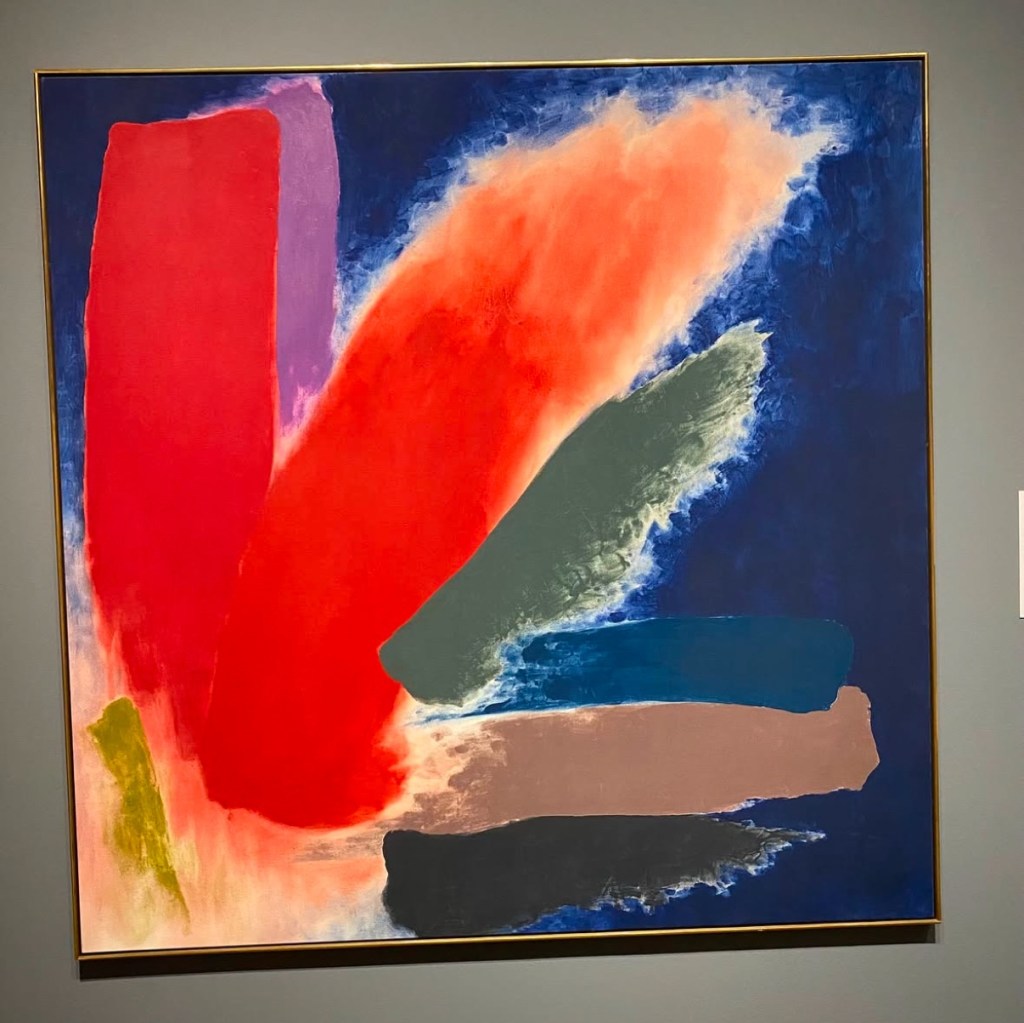
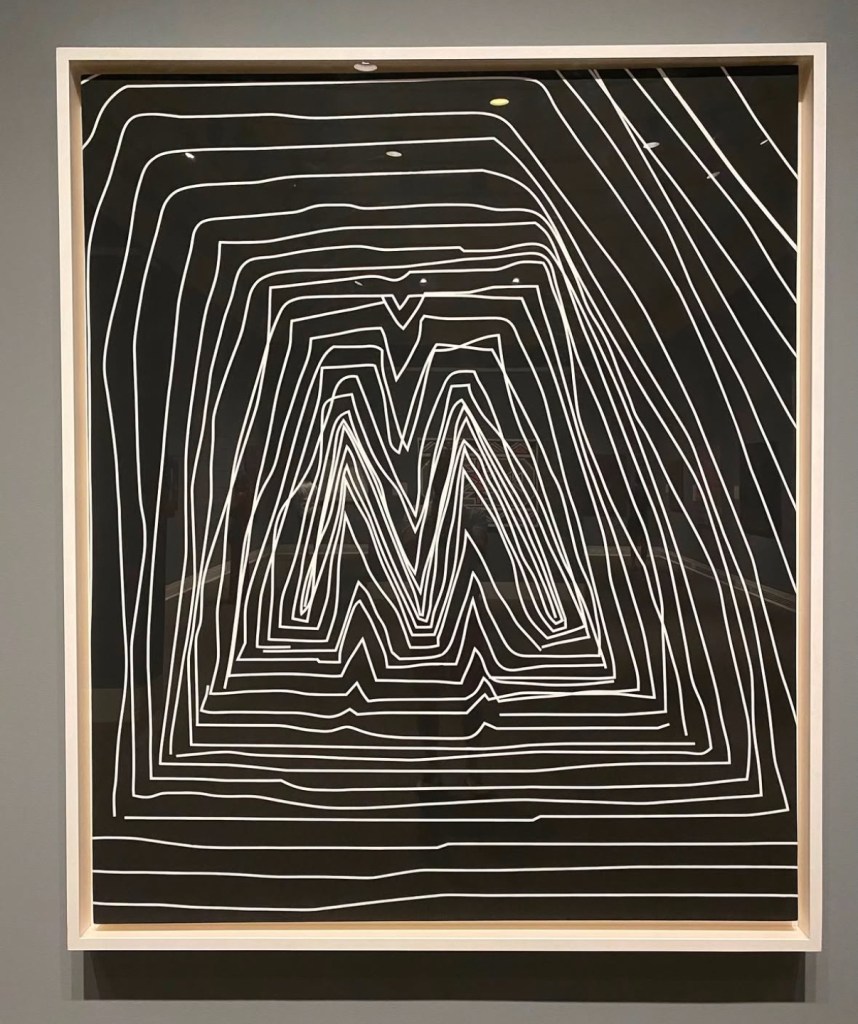

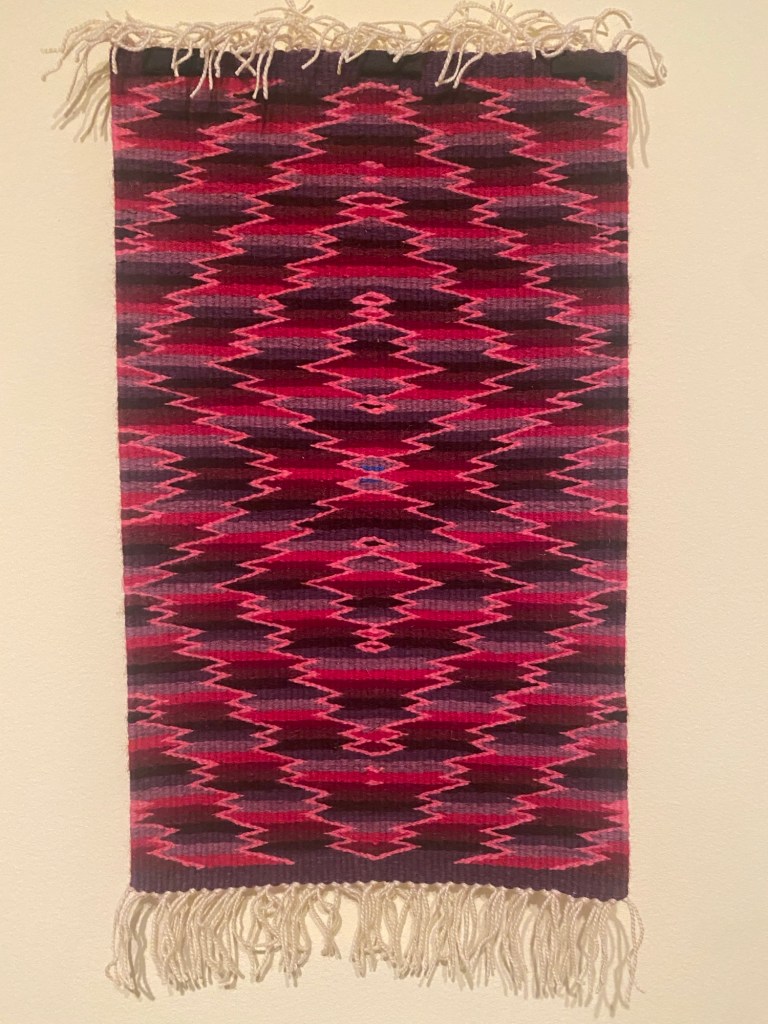
I also want to both acknowledge our amazing North Carolina Museum of Art and treat this institution a little differently or at least separately, because it’s a museum (so the bar is and should be higher). To Take Shape and Meaning; Form and Design in Contemporary American Indian Art was too good not to mention. Gibson and Edgewater are personal faves and I discovered so many other artists from across our nation (here’s hoping that increased awareness can move us closer to it really being the most full definition of “ours” possible, too). I was, as I often am, impressed with the good job the museum does of fulfilling its educational duty to our state.









 Painting After Art is Dead