has a piece up at the Renwick in This Present Moment. I love ceramics and her work foregrounds chance in this media in a way I haven’t encountered in a minute (plus- obviously- they are very painterly)
#laurenmabry
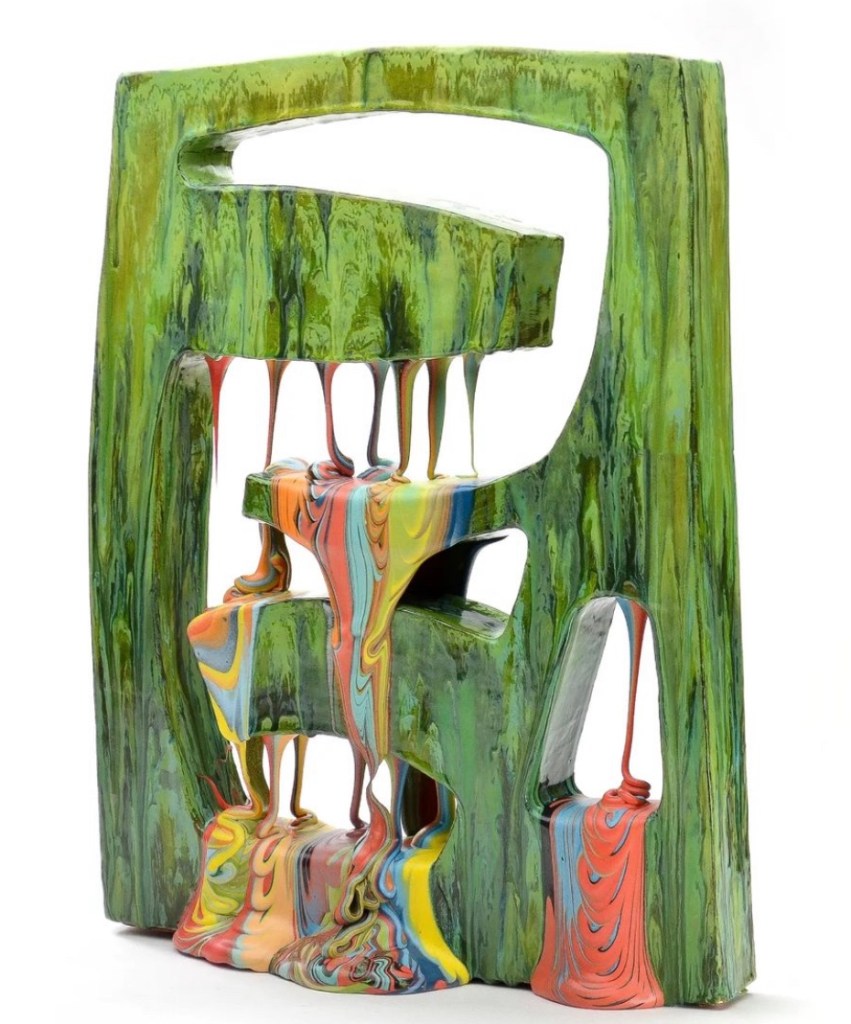
has a piece up at the Renwick in This Present Moment. I love ceramics and her work foregrounds chance in this media in a way I haven’t encountered in a minute (plus- obviously- they are very painterly)
#laurenmabry
Adam Simon at Two Coats notes (about Don’s newest) that (it is) the dialectic between facticity – the object declaring its objectness – and pictorialism that ultimately energizes Dudley’s work, one informing the other.
More
#dondudley
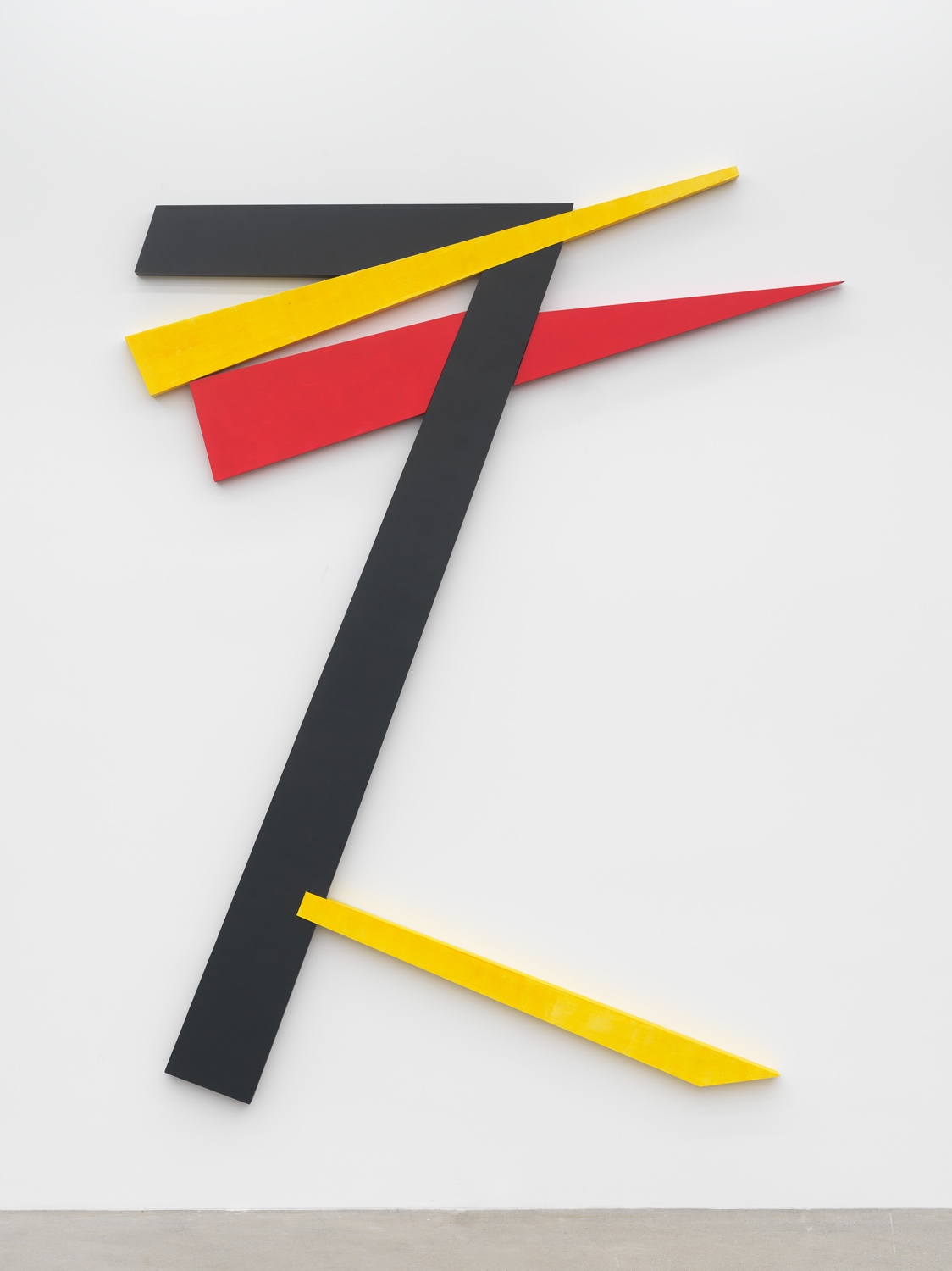
recent at Canada is noted in Two Coats ever brilliant NYC Selected Gallery Guide (November, ’22 edition).
#xylorjane

is showing with Erika Ranee at M. David & Co. John Yau read some of his poetry in front of them so I think that speaks well.
#astriddick
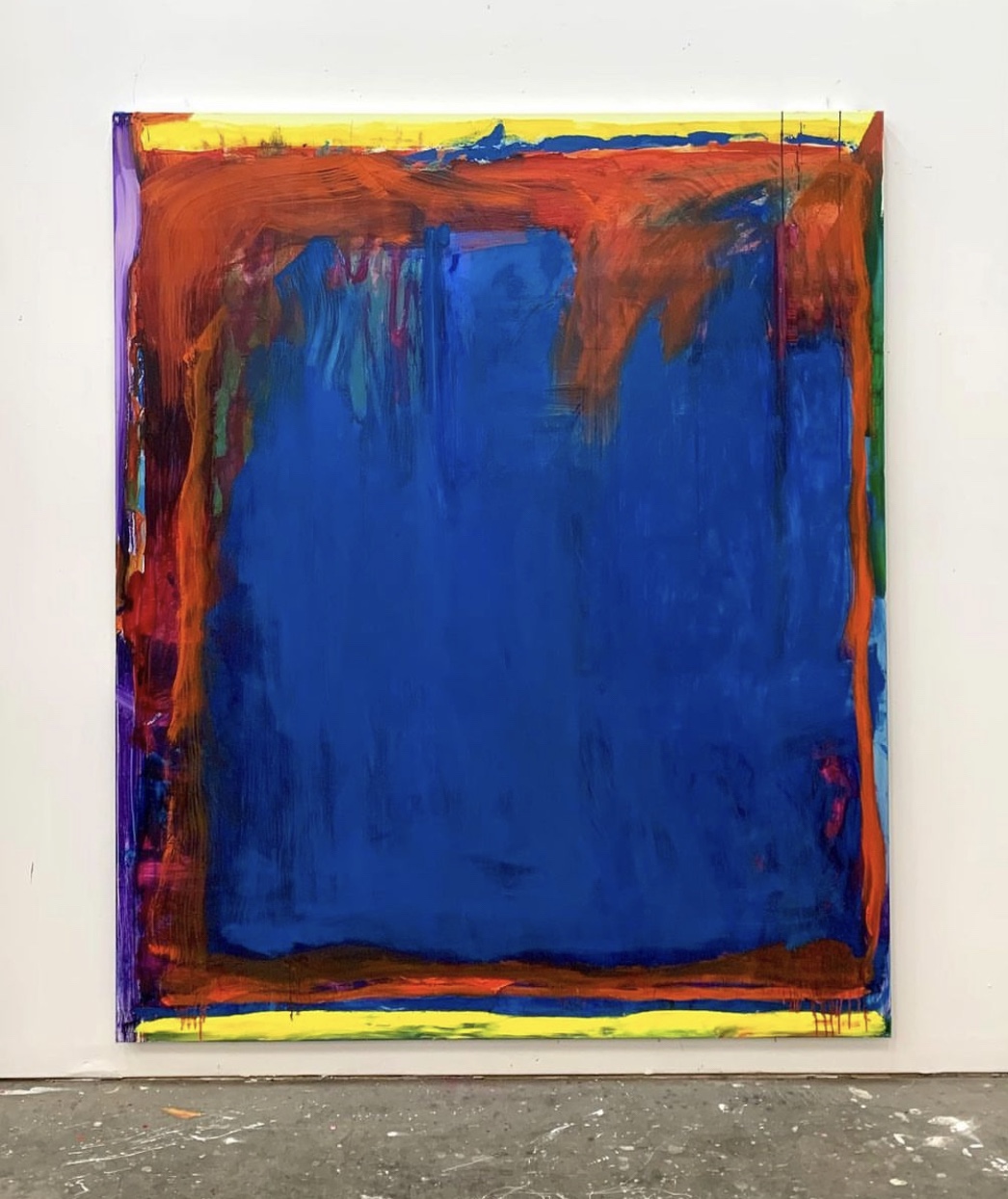
Warm Up is a series of collaborative paintings by Jacob Kravetz and Hunter Batchelder (h/t- Bmore Art).
#jacobkravetz
We’ve all heard this phrase. Its meaning, generally/culturally, is that some challenge one is experiencing has taken on significance that requires an exaggeration of that challenge’s existential implications. People might also use the phrase “beating yourself up.” I don’t think Artists are immune to this. In fact, I’ll posit in this particular update on my practice that I find a lot of the Art in my Art (my practice) is in my head, or at least takes place in my thoughts. Meaning, there’s an element of making Art (with a capital “A”) that requires one to be in their head, “beating up” an idea or three.
A few things happened since my last update that motivated me to produce this short blog, using words rather than images (“yes,” as you’ve probably guessed, I’m a bit stuck “in my head” and the physical aspects of my practice have slowed down for the moment). So that’s thing number one of course- 1) “beating yourself up” as a creative when work isn’t just pouring out of your finger tips. You’ve probably guessed the “answer” to this- that the intellectual, academic, word-based part of making art is actually what distinguishes a practice from a hobby so don’t… yeah, you get it.
“Sterling, what happened?” In addition to making a small body of work recently that I acknowledged was a departure and then following it up with a smaller piece that further explored line/edge (point- I was “in my head” already about a possible new direction for my painting), in the last week I had a piece that was underway (end of the linked blog) fall to pieces on me. The epiphany moment for this piece, which was literally invaluable but at the time felt like failure, was when I realized that what the painting was teaching me was recognizing that this thing went somewhere I didn’t want it to go and stepping away (not following it, in this case). So, I pulled it off the wall, turned it over and re-stapled it to the wall where it will serve a better purpose, which is exploring some things that have happened in some smaller studies, but at scale. In fact, immediately after it came off the wall, 3 other potential substrates went up on various surfaces in my studio, with the intent to spend less time constrained by a goal and more time released to explore new things without a goal (and that’s thing #2- committing to resolving the tension between head and hand by spending time in what psychologists would call a state of “play”).
So first things first- go see the 68th annual Durham Art Guild juried show. I’m really happy with this piece (wish I had taken a pic that shows some other object for scale reference- this one is roughly 5′ from top to bottom).

I’ve also been continuing to explore the shape of the container for these containers- in a couple of cases, the shape of the canvas. Previous iterations are below, all of which I’ve written more about (here, here and here).
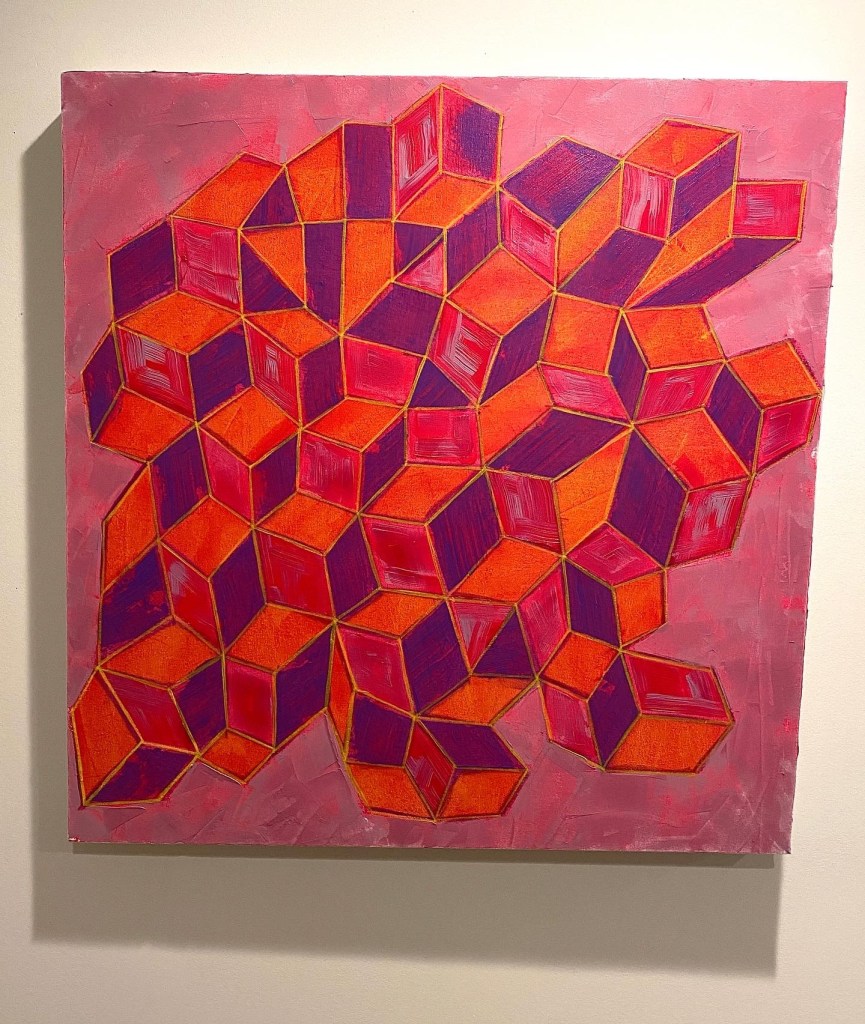
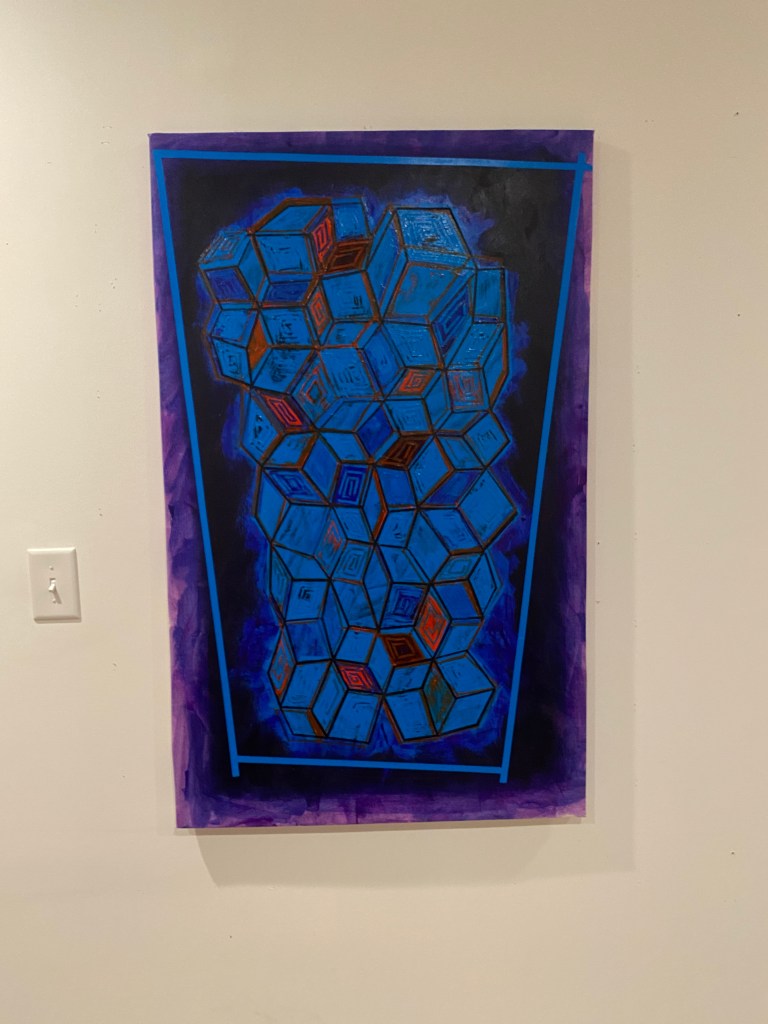
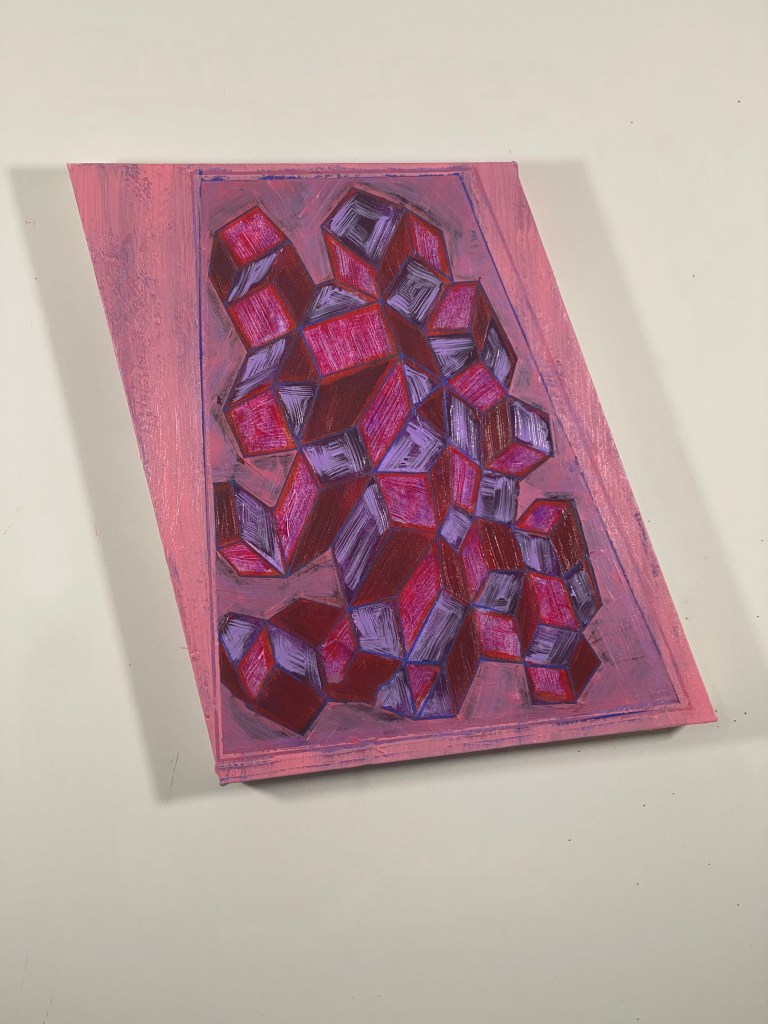
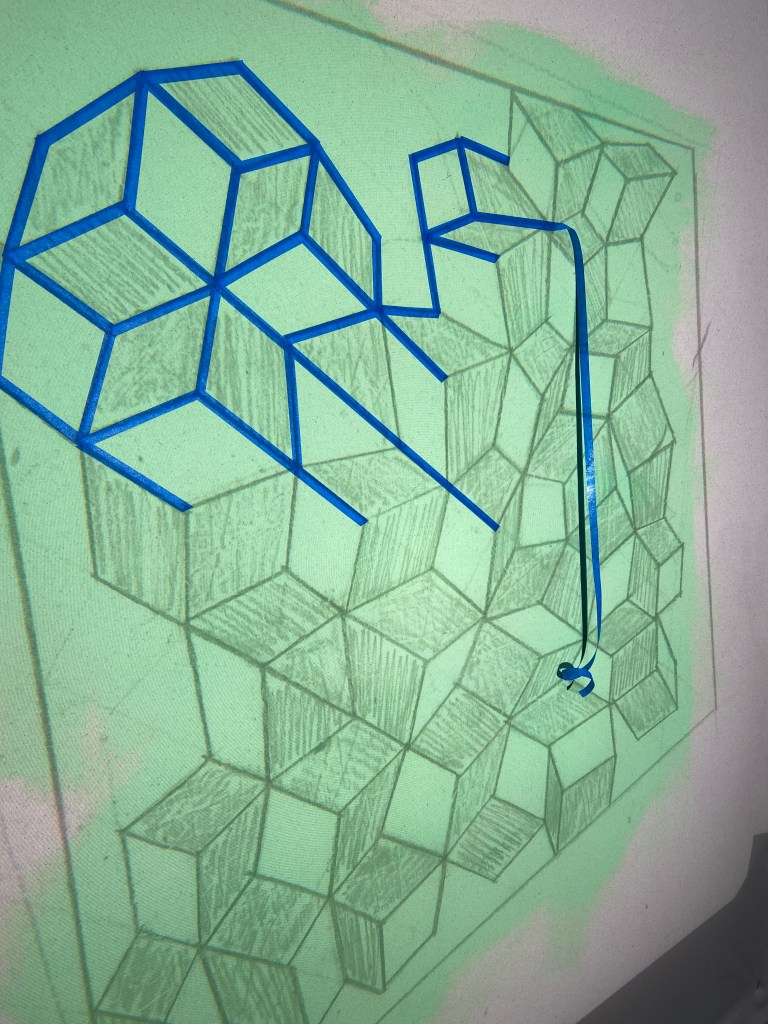
Below are some images of the work in progress. Relying a lot on the projector for this one. I am enjoying the way my process for generating paintings has distinct elements of fabrication, like taping off lines, that allow me to just be in the studio and execute.



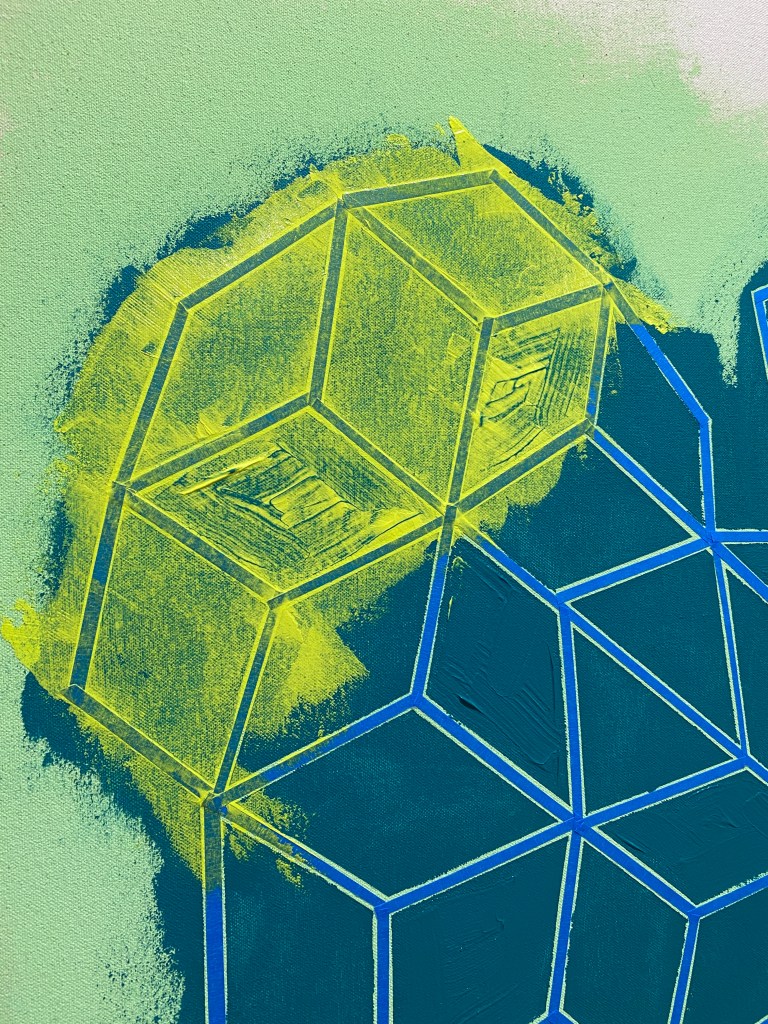
Kazuya is one of the artists included (posthumously). Born in Buenos Aires to Japanese parents, he spent the majority of his youth in Japan, studying literature and philosophy. Upon his return to Argentina in 1951, Sakai, a self-taught painter, dedicated himself to the visual arts. He saw in his artwork—as in himself—a unification of Eastern and Western elements. His first works were geometric in style, reflecting the pivotal influence of Argentina’s Concrete Art Movement.
#kazuyasakai

is featured in Wild Pigment Project. Founded by Oregon artist Tilke Elkins in 2019, the project sprang from a question: What does it mean for artists of all kinds to work with materials that they gather themselves in wild places.
More
#melissaladkin
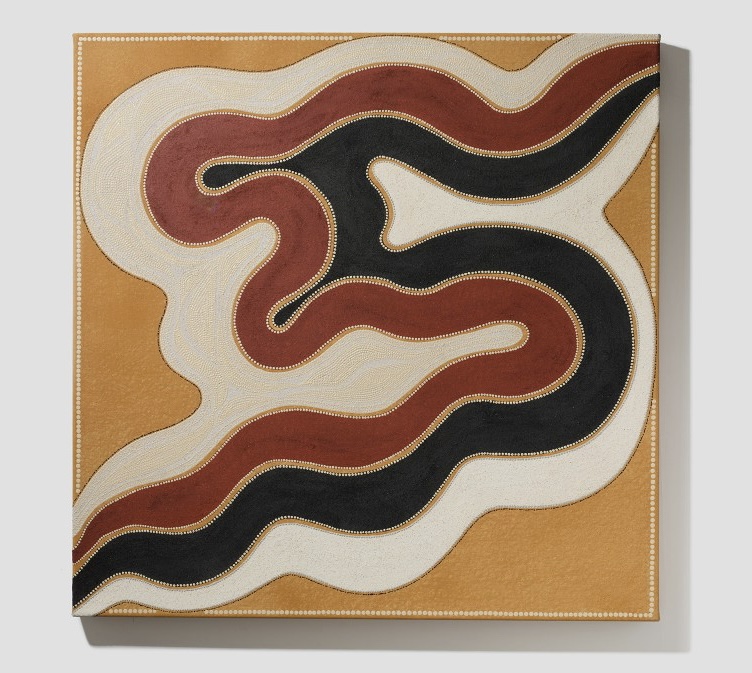
Hyperallergic says Fleming’s geometric paintings are not the Minimalism of Greenberg and Judd, with their insistence on flatness and the elimination of space in painting.
#deanfleming


 Painting After Art is Dead