assume vivid astro focus

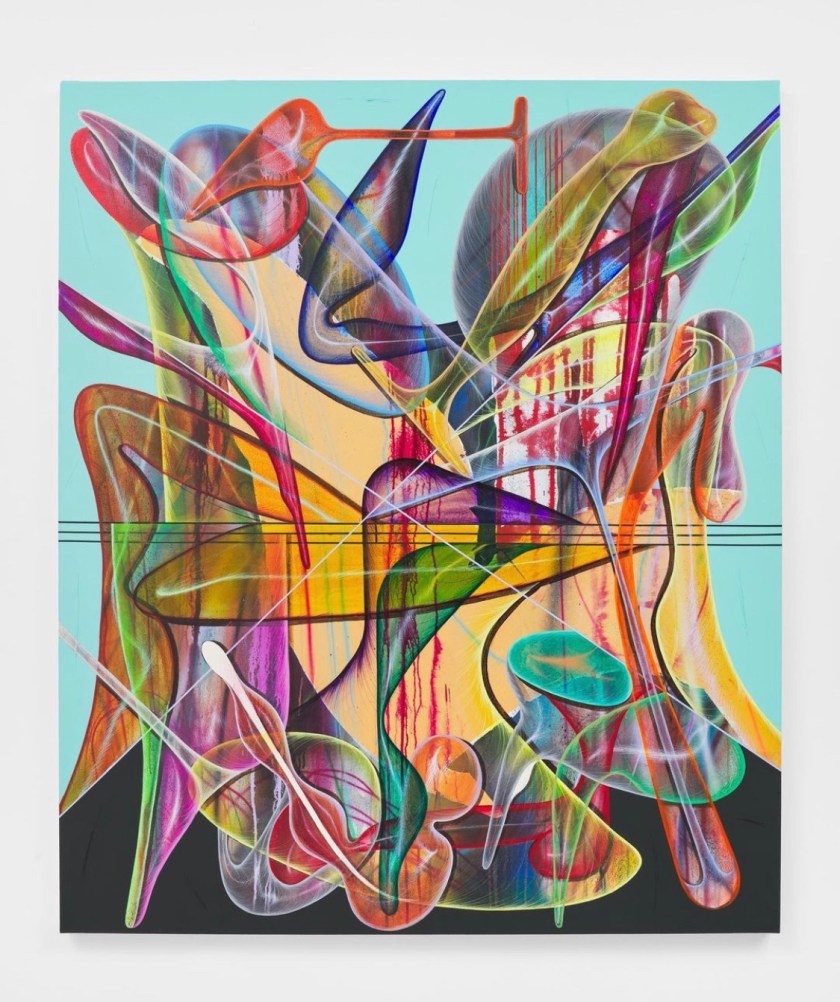
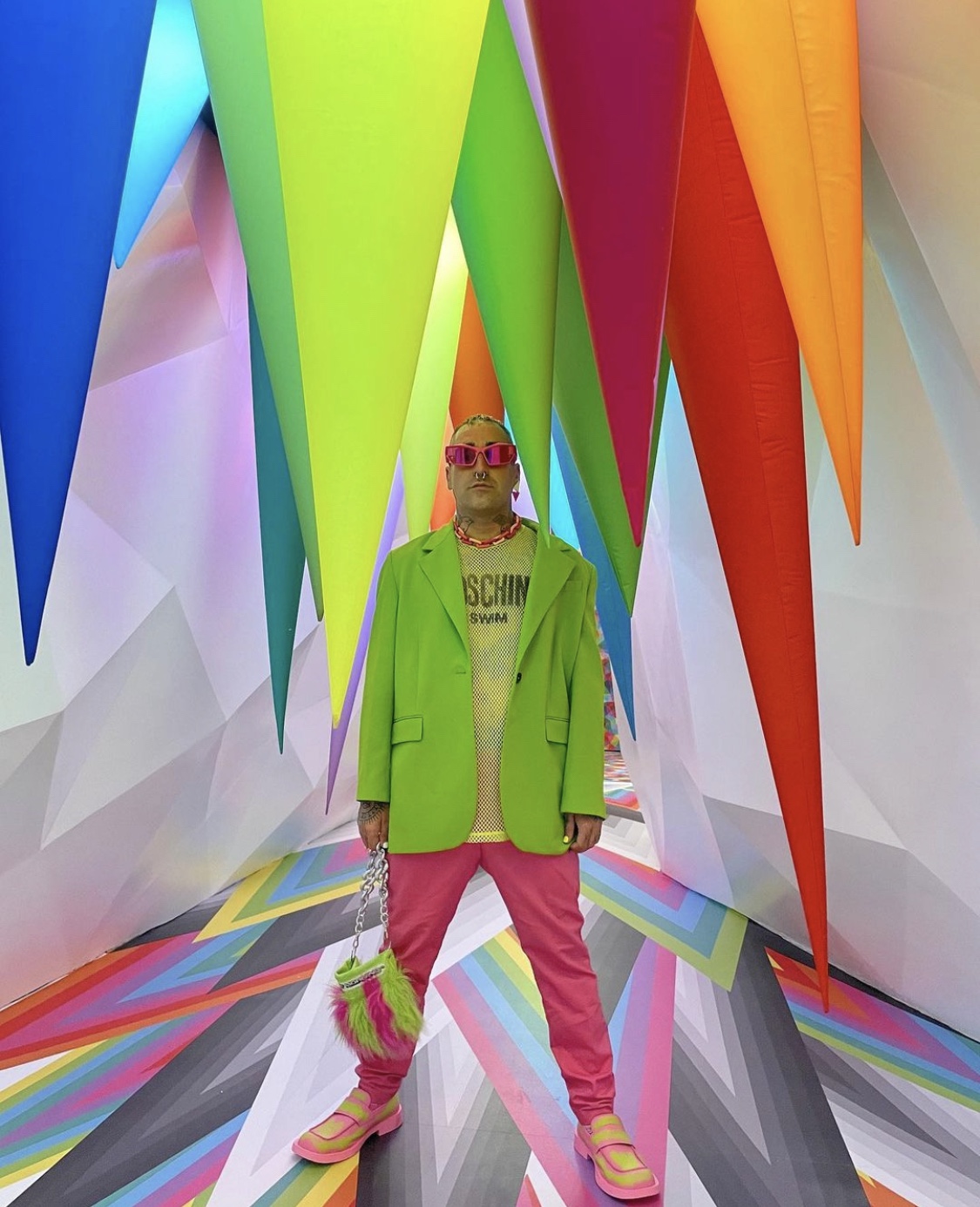
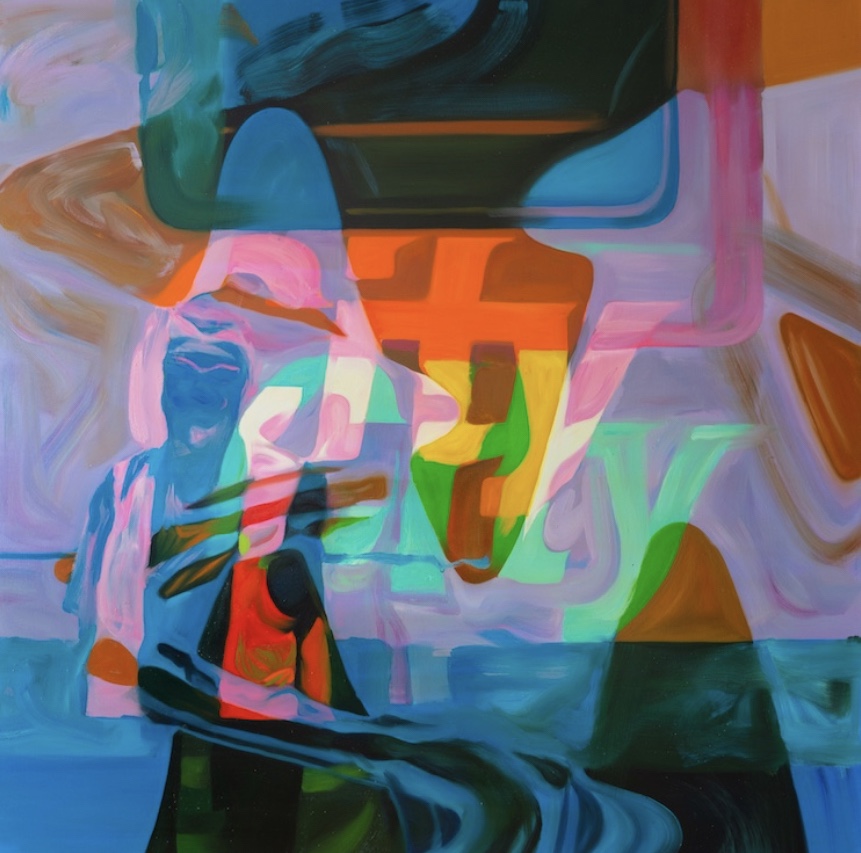
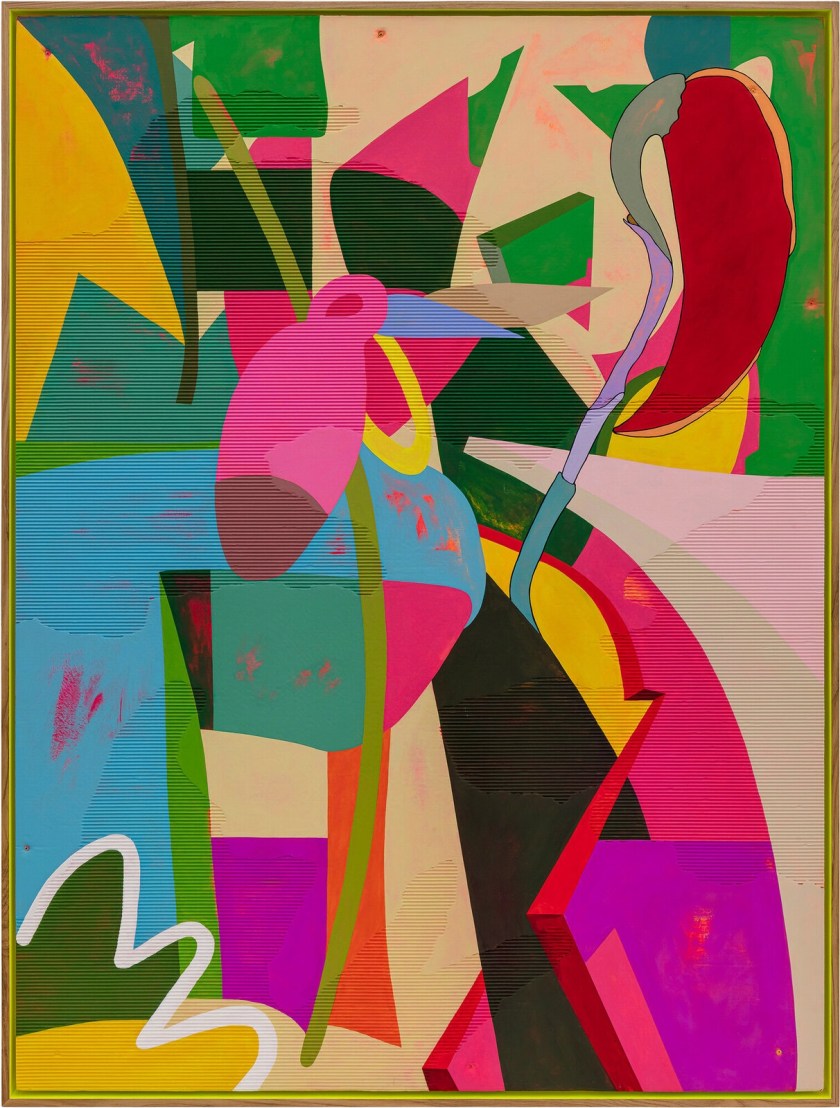
Casa Triângulo gallery, which celebrates 35 years of activity in August 2023, is delighted to present amarelo vento azul floral (as cores se acumulam em sua atmosfera tecendo luzes), the fifth solo exhibition by assume vivid astro focus at the gallery. Since 2001, when Eli Sudbrack and Christophe Hamaide-Pierson formed assume vivid astro focus, museums, galleries, and public spaces worldwide have been set aflame with the duo’s image-laden, neon-bright, Carnavalesque installations. Fusing drawing, sculpture, collage, video, music, and performance, assume vivid astro focus creates immersive spaces expressive of a lust for life and a belief in the “freedom to share/spread/absorb/assume/contaminate/inseminate/devour.” Abundant and irresistible, the pair’s work also poses challenges—to restrictions of speech and civil rights and to rigid classifications of identity.
#assumevividastrofocus
Papo Colo

An omnipresent figure in New York’s alternative art scene of the 1980s, Colo bridges two worlds, a bifurcated experience reflected in his works: “My paintings are not abstract or figurative,” he says, “they are hybrid, like myself.”Hyperallergic says Papo’s recent at Caldéron was one the shows to see this September in NYC.

More

#papocolo

Nevena Prijic

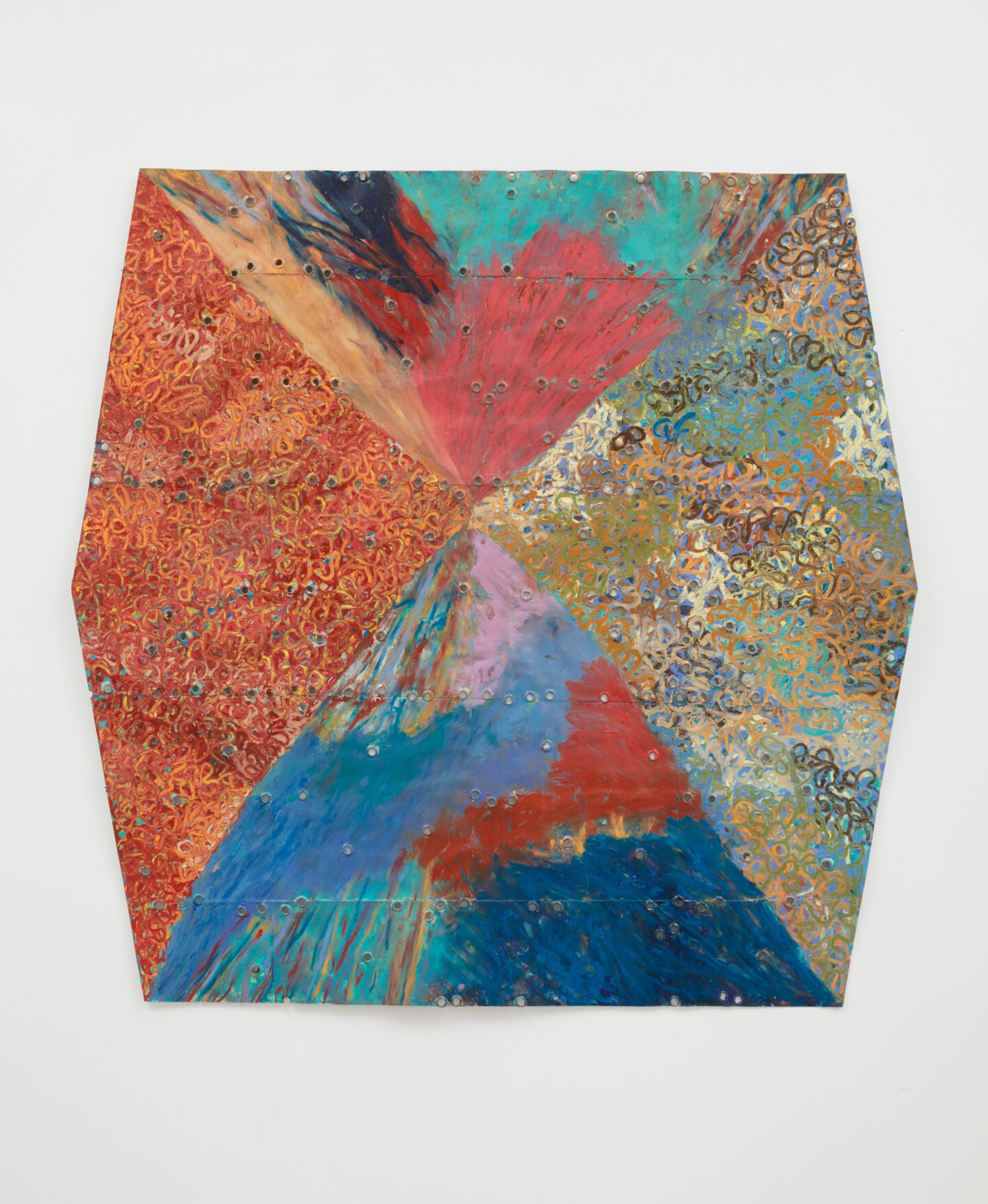
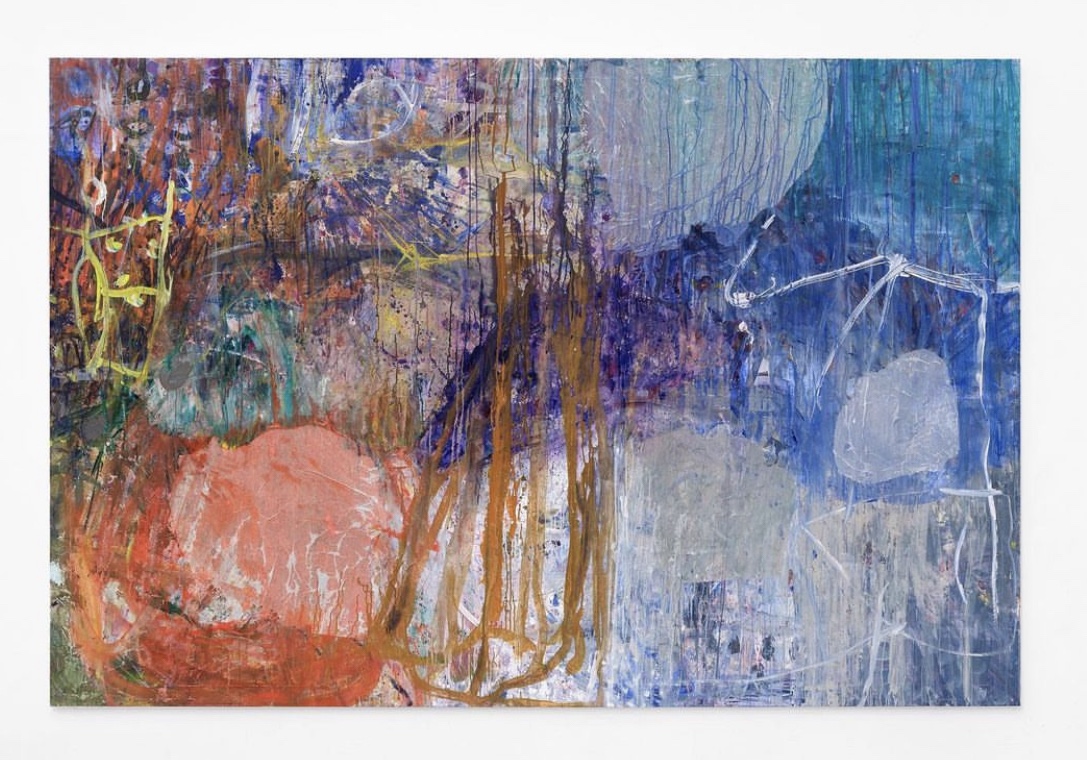
Mrs. (located in Maspeth, Queens) is currently presenting Feral Currents, Serbian painter Nevena’s first solo exhibition with the gallery. Across nine canvases, Prijic describes bold, swirling anti-forms which burst with the energy of the cosmos, reaching toward us, declaring a new way of life.
More

#nevenaprijic

Manoela Medeiros

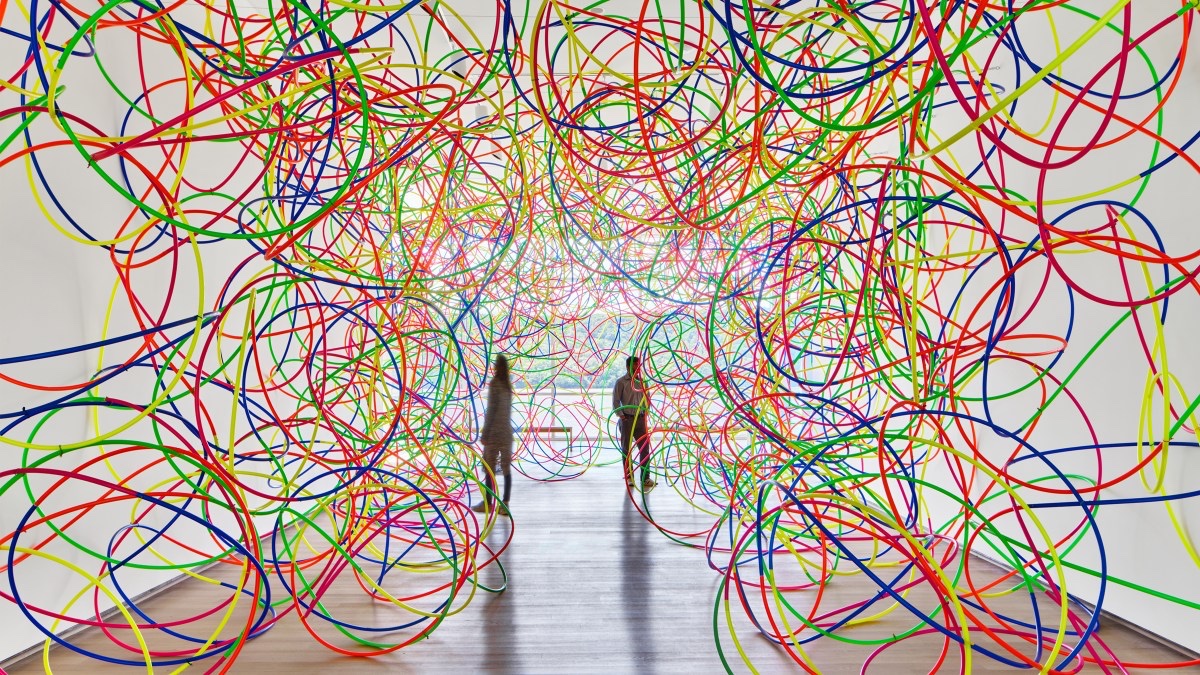
is a recent Fountainhead artist in residence. In her practice, Medeiros articulates an approach to painting that transcends the specificities of the medium, making use of sculpture, performance, and installation work. Pursuing a hybrid framework for the pictorial, Medeiros questions artistic media by going beyond their conventional formats, producing paintings and in situ installations that explore the relationships between space, time, and the corporeality of art and of the viewer.

More
#maneolamedeiros

Okuda San Miguel

doesn’t always make non-figurative work and always turns the color up. (in his words) In his work, rainbow geometric architectures blend with organic shapes, bodies without identity, headless animals and symbols that encourage reflection in artistic pieces that could be categorized as Pop Surrealism with a clear essence of street forms. As you can see below he is also living his best life.

More

#okudasanmiguel

Tomie Ohtake

Andrew Kreps Gallery recently presented a survey exhibition of works by Tomie . At the age of 37, Ohtake made her first artistic works after joining Brazil’s Seibi group, which brought together artists of Japanese descent. While in her first years of painting, she focused on representational works, she would soon immerse herself in abstraction, which would thereafter become a lifelong exploration, spanning over 50 years of production.
#tomieohtake

Kemar Keanu Wynter Heralds

Klaus von Nichtssagend recently presented Herlads, Kemar’s second exhibition with thr gallery, including work which is building a visual patois and at its foundation lies heraldry, a system of motifs compiled to identify and evoke the histories and legacies of the family. Assuming this tradition for his own, Heralds presents a suite of paintings centering on his parents, Grafton and Ionie Wynter-Bolden, and the dishes tethered to his childhood apartment at 770 Empire Boulevard, in Brooklyn.

#kemarkeanuwynter

Linda Sok

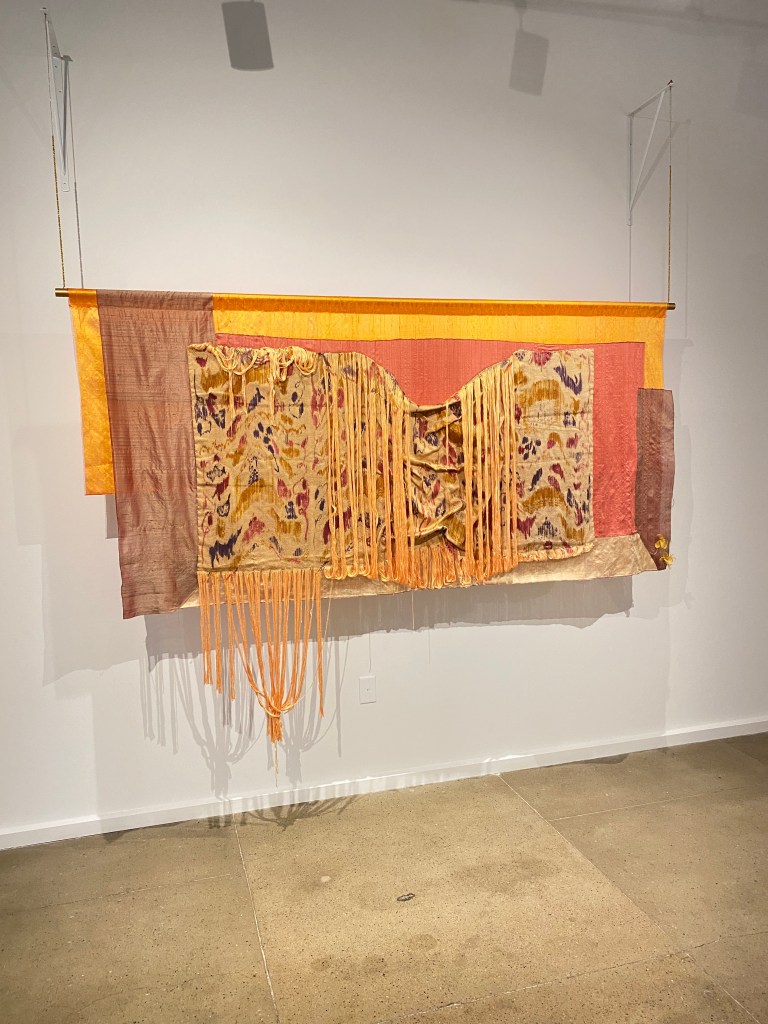
Saw below recently in Something Earned, Something Left Behind at the Center for Craft in Asheville. Sok’s piece speaks to the traditional Cambodian craft of Pidan silk weaving as an act of resilience. Pidan were highly regarded in particular by French colonial archivists, and as a result there have been ample attempts at documentation, collection, and restitution of the cultural practice through its collection into museums or in the reconstruction of textile pieces funded by organizations outside Cambodia. As a result, these objects have become decontextualized and are visible only to people in museum spaces.
By placing contemporary imagery of the artist’s family onto a culturally sacred object, Sok offers a nuanced way of approaching the traditional weaving practice as an act of healing from familial and cultural trauma.

More

#lindasok

Forrest Bess

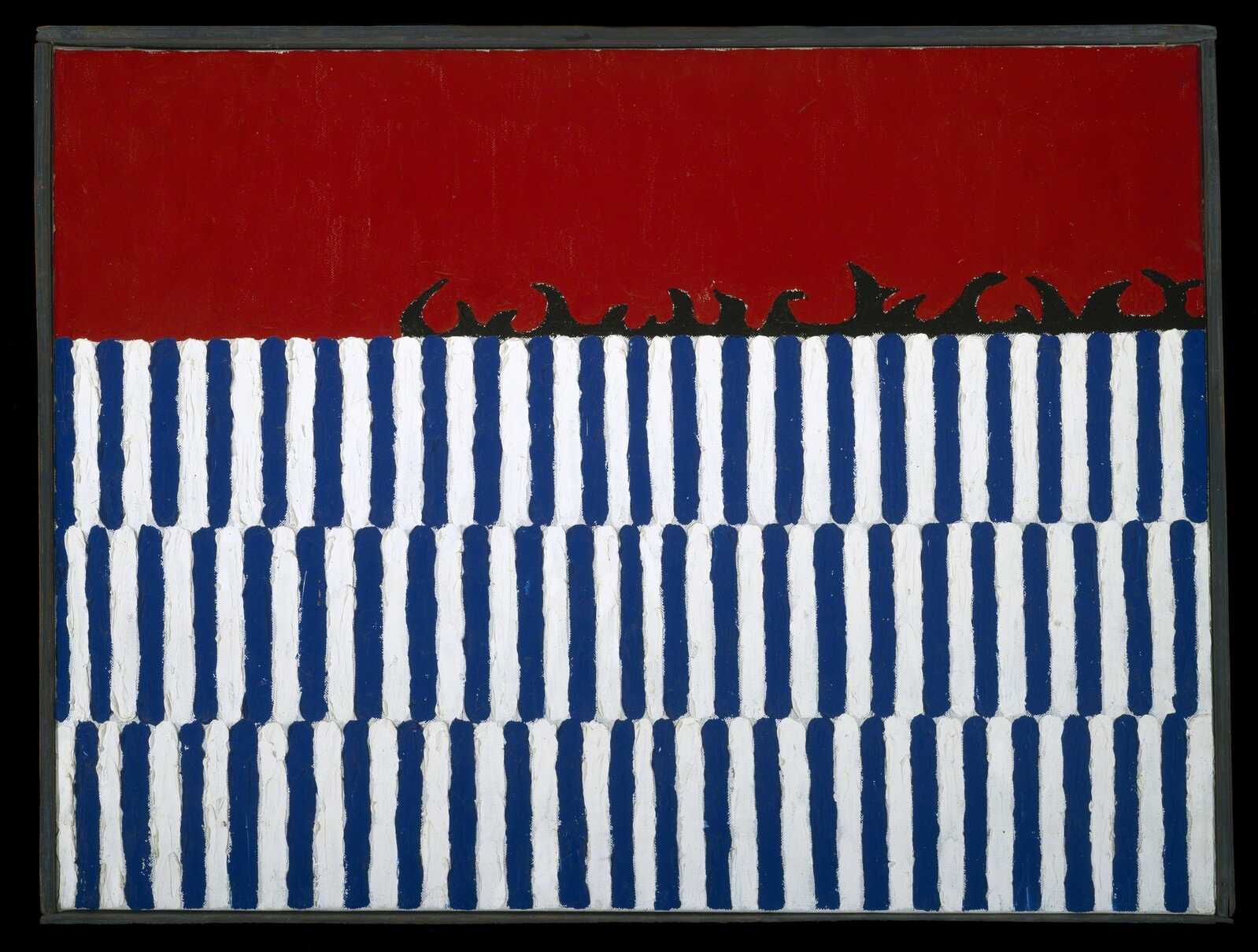
is one of several LGBTQ+ artists discussed in Evan Moffit’s recent Artsy article How LGBTQ+ Artists Use Abstraction to Move Past Labels. In it he asks what “is “queer abstraction”? The term is slippery. Abstraction, like queerness, derives its force from a lack of fixity. Unlike the standard markers we use to categorize identity, it refuses to coherently represent anyone or anything. LGBTQ+ artists, or artists whose sexualities are non-normative, have been making abstract art as long as abstract art has existed. Calling their work “queer” is much more difficult when that work doesn’t involve representation at all.” Amy and Carrie also get mentions.

More
#forrestbess

Vera Molnar

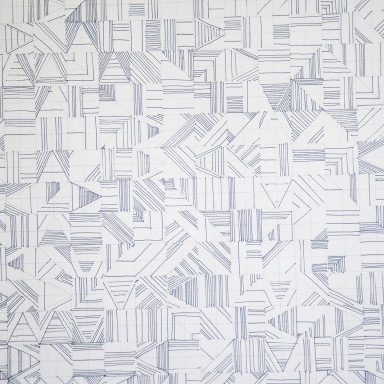
A 1927 painting by Paul Klee inspired this series by Vera Molar for which she programmed a computer to “place parallel lines within a square grid and vary the alignment (horizontal, vertical, diagonal) and the weight of lines as well as their closeness.” Numerous variations could be produced, which allowed her to “bring to light and to realize images…which only pre-existed in a vague, uncertain way in my imagination.”

more and more

#veramolnar