More
#jenenenagy
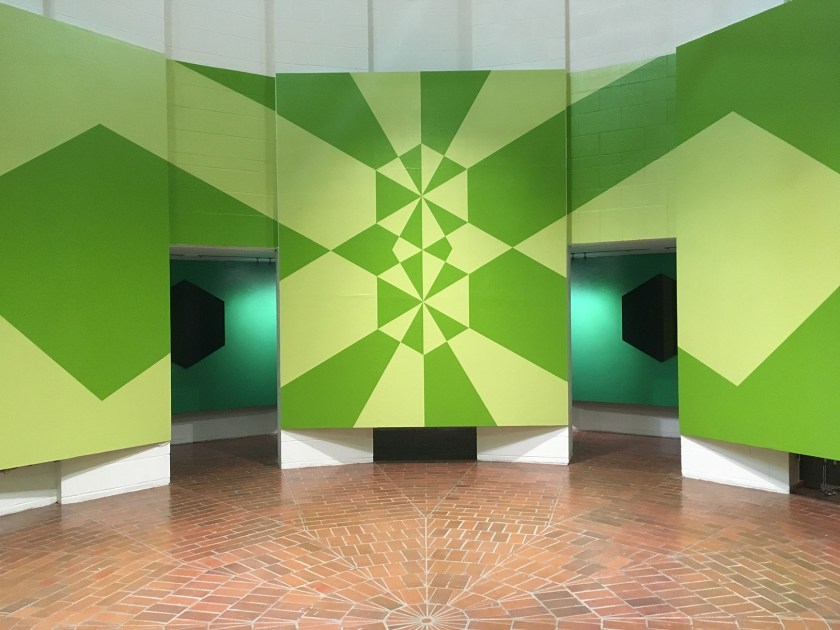
Not sure how I first ran across Louise- she’s been on Two Coats radar though which is probably it…
#louisebelcourt
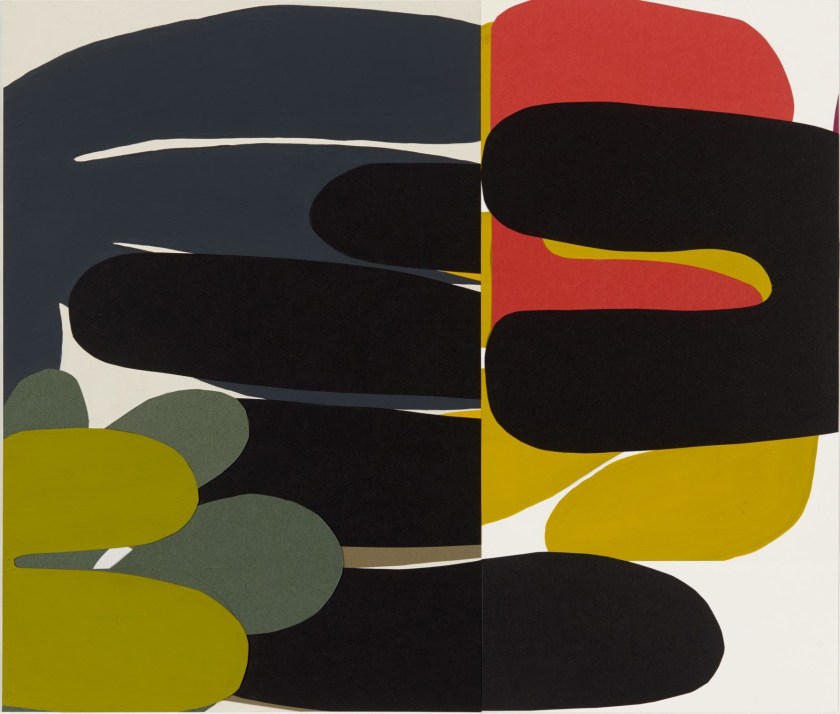
Approaching American Abstraction · at SFMOMA is an exhibition of selected American artists that explores the diverse approaches to abstraction developed since 1950. Many of the featured artists (like Cy and Ellsworth) will be familiar to readers of this blog, while Richard may not, especially given that his “abstractions” are just that (they still retain clear landscape references).
Also, bruv is still at it, yo.
Readers who appreciate this will also enjoy Turner , Letha Wilson and Elliot Green as well as Clemente’s more recent work.
#richardmayhew

Gets a nod from Two Coats in their recent article Unapologetically vivid visual sensations about Paul Corio.
#gabrieleevertz
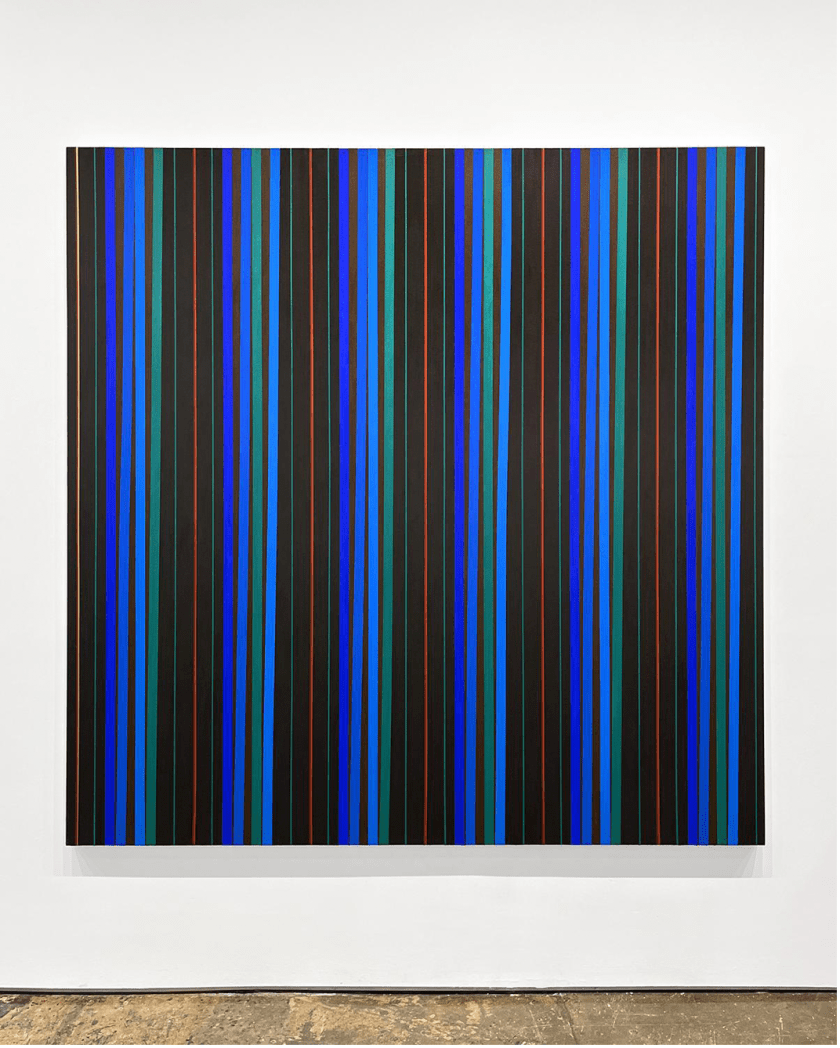
is one of several artists featured (posthumously in her case) in Harmony and Contrast—Chromatic Painting at the Turn of the Century at Transmitter.
#siriberg
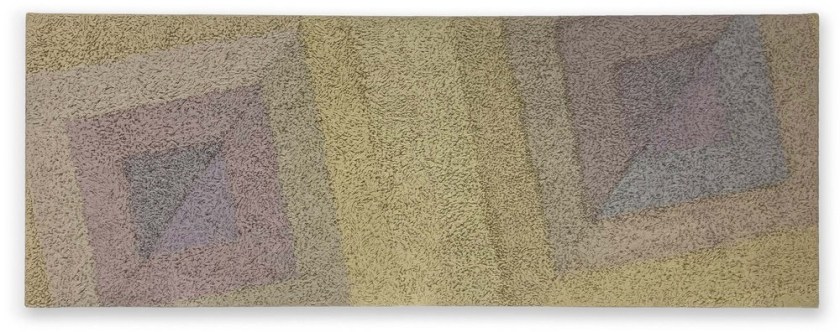
So I had the pleasure of meeting Sydney at the opening of Taking Shape. She also recently told more about her story on HOKA’s blog. She’s truly an inspiration!
#sydneyzester

makes some pretty amazing installations.
#ivelissejimenez
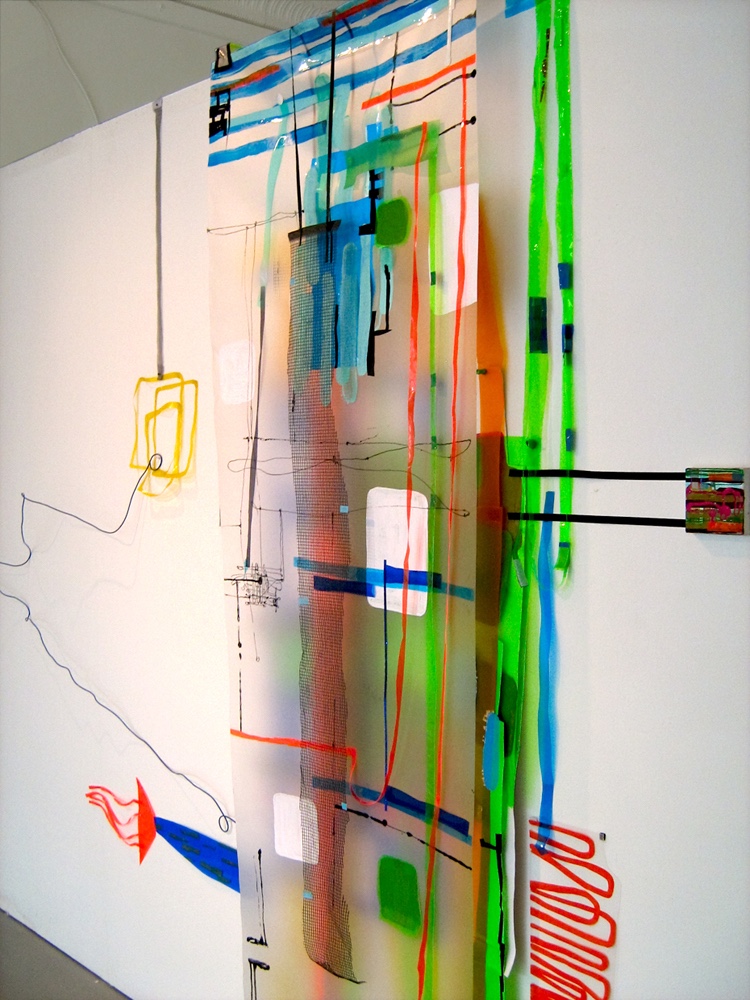
gets a nod from Hakim Bishara in their write up on the most recent addition of Armory Show– Mexico City-based, Aurora’s tapestries are made of used plastic bags or dyed wool woven into agave fiber nets (Istle).
#aurorapellizi

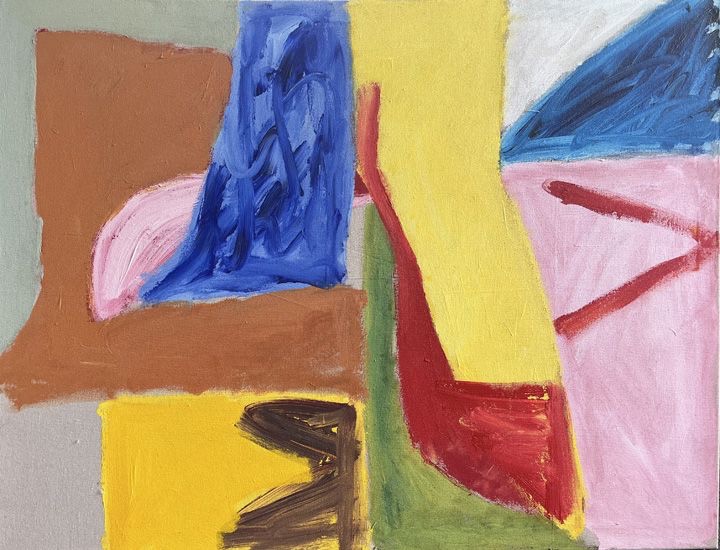
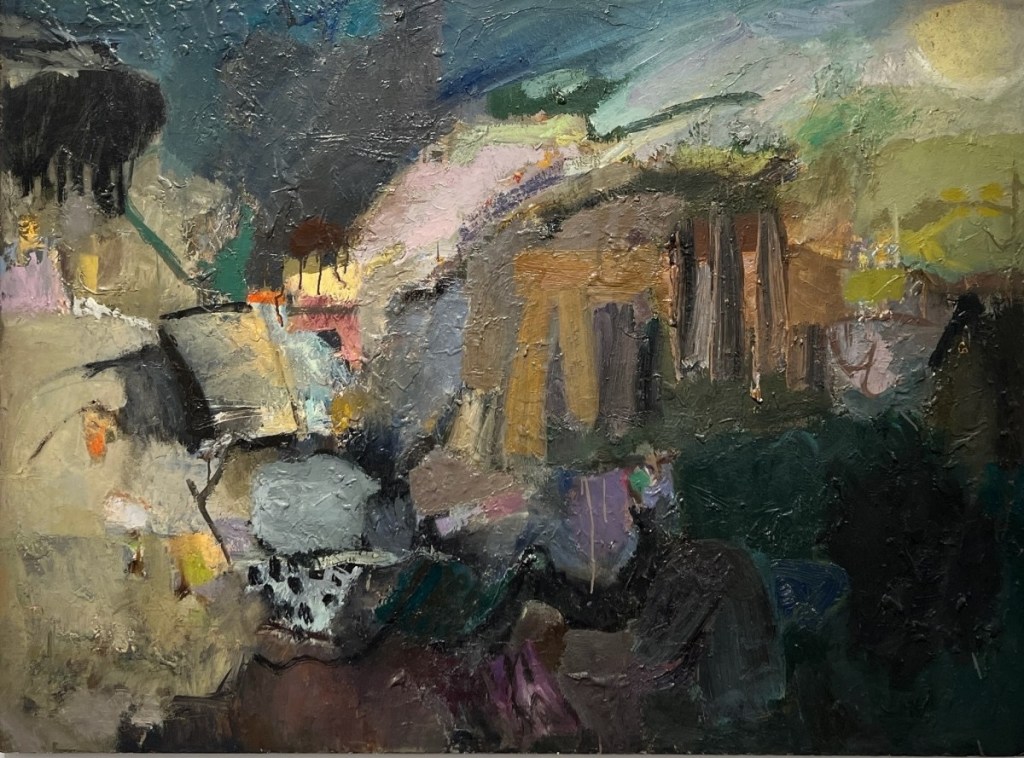
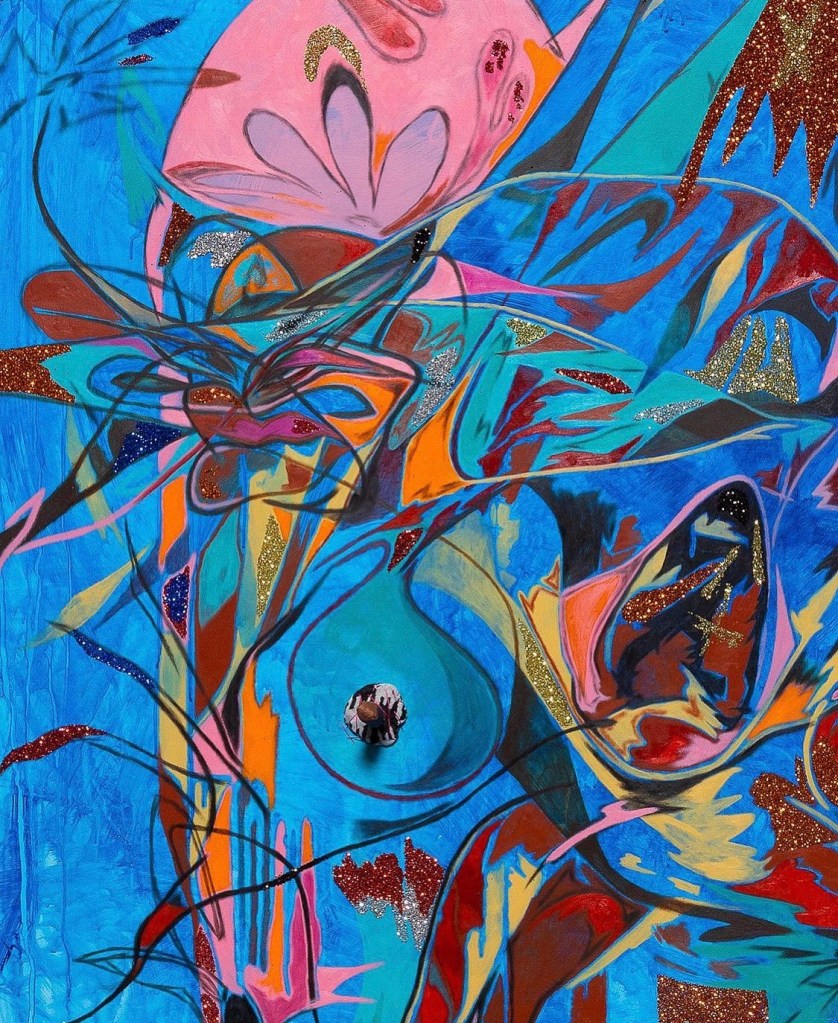
We’ll get to the loaded noun above in a minute, all good stuff. I have been making smaller pieces and also, with different intent, working through some ideas or desires really by doing some small studies. One of the studies (top left of the top left photo) inspired me to start a small piece (even smaller than the ones referenced above, and close to but not square in format). I hope to take what I’m learning from working smaller and trying to do more with less, and combine these lessons with those from a couple of larger works which, while focused on tone and surface, used variation in chroma to move the viewer’s eye as well.


The composition and the application feels definitively Modernist to me, which is totally fine. I often think about the parallel between this moment in human history and the changes that society went through as it became clear that the way to live in a new and changing world was not going to answered by looking backwards in time. Perhaps it seems like I’m saying I’m looking backward in time and deciding to react to this moment in a similar way. That’s not entirely it though.
My day job in clean energy is also part of how I am reacting to this moment in time. Because of this work, I have a set of professional contacts who are not creatives. And I spent a good bit of time reading the parallel to criticism from that space- policy. A friend shared a Charles Eisenstein article from Substack with me this week. It’s about clean energy but meanders into an exploration of the idea of devotion, in the context of examining how important our intentions are in determining whether we can really leverage green/clean technology to build a new world, or if we’ll just end up building a new industrial order. By the way, “devotion” means “love, loyalty, or enthusiasm for a person, activity, or cause…”. Anyway, here’s the line that did it for me- “An artist is one who does something better than it needs to be done for any foreseeable return to herself. Thus she is in the spirit of gift.”
How does this square with my practice? Well first of all, I’m not about to try to shoehorn a bunch of metaphors about climate change or late capitalism into my iconography. Also- I don’t think devotion needs to be present as an explicit intent to be content for the audience. The point, I think, of the article is that devotion is an attitude that one adopts that guides one’s actions- in the case of my practice, it is an enthusiasm for an activity. In the framing Eisenstein presents, devotion is, at its best and most altruistic, a commitment to doing the right thing the right way. I feel like this is an idea that has Modernist roots- certainly devotion to nonrepresentational painting as a way towards uncovering some type of truth was a facet of many practices in that era. And while I don’t believe in some of the silly ideas about what was universal that too many Modernists held, devotion to one’s practice is a gift in that it is better than it needs to be.


 Painting After Art is Dead