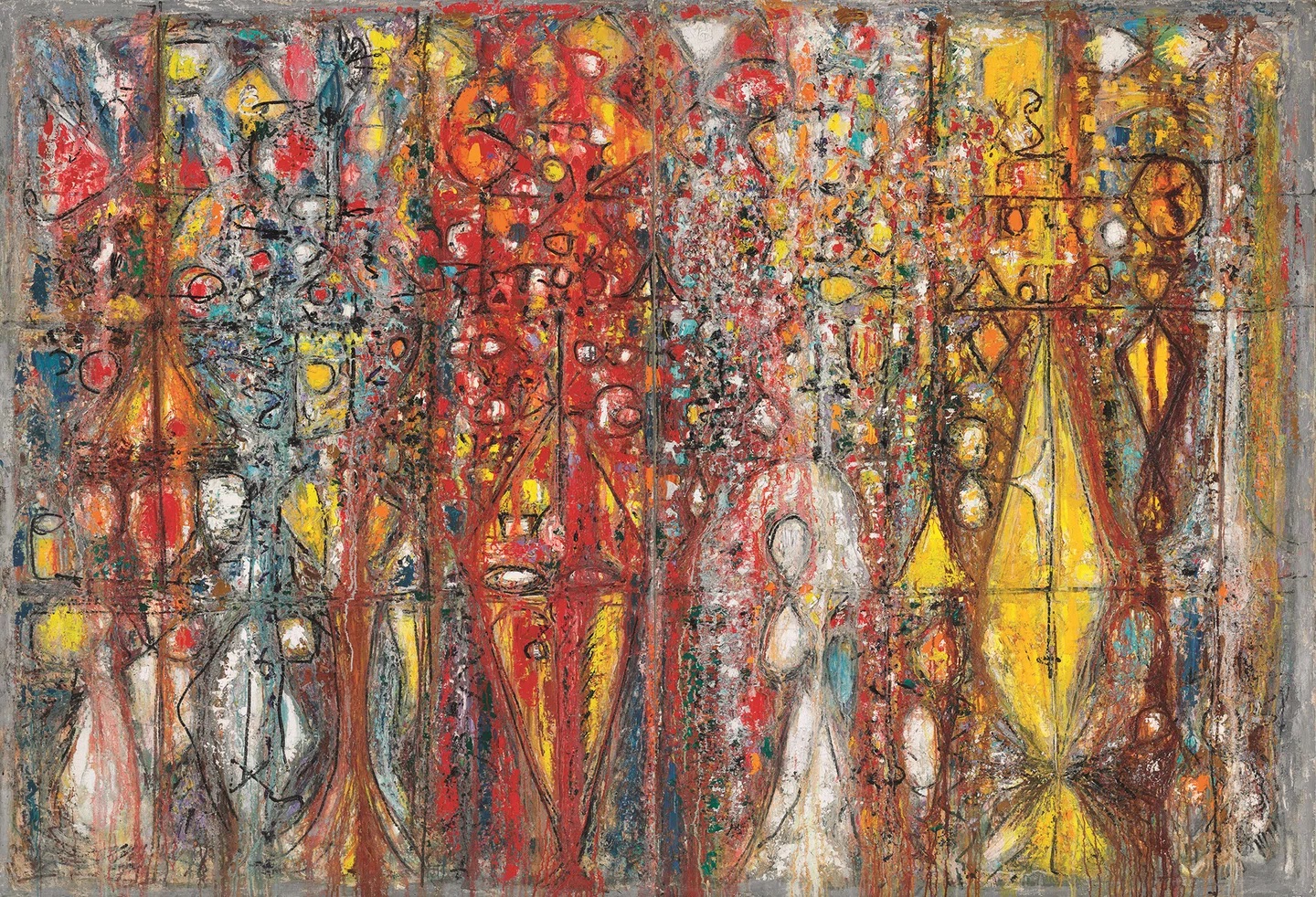
Augustus Vincent Tack

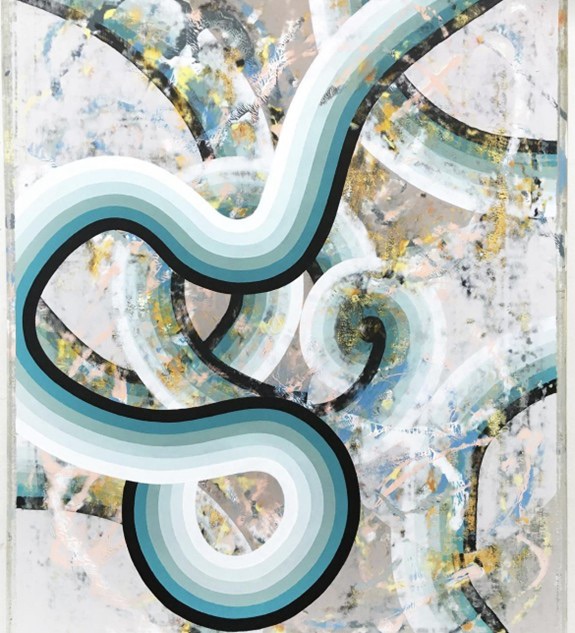
Artforum said (in ’72…) of Augustus “Urbane, charming, portraitist to the rich and famous, connoisseur of wine, executor of mural commissions for church and state, Augustus Vincent Tack (1870–1949) was not an artist to whom one would look for radical painting. Yet, perhaps it was just this aloofness from the Bohemianism of the 1920s that enabled him to produce a remarkable body of abstract painting.”

More

#augustusvincenttack

Competition

The idea for this essay has been percolating for more than a minute, and it started with another essay by another creative. I first became aware of Astrid Dick because of John Yau. At the time the article in the second link was published it appeared to me (from outside the NYC art world) that Astrid was having a good moment which always, truly, makes me happy for any abstractionist, even more so because home girl can. Flat. Out. Paint. Just disclosing affection because it’s bias.

Shortly afterward Astrid wrote and Hyperallergic published an essay on sport in the context of Argentina’s World Cup victory (Dick is Argentine). The match was made all the more emotional for her because their opponent was France, her country of residence at the time and the thrilling game had, as she notes, Hollywood-esque story lines. The affection I feel for this creative and my own interest in sport (which I often find to be, candidly, a.. strange interest to many in the Art world) combined instantly, and I read and shared the article several times.

I do really appreciate (and agree with) how Astrid relates her feelings and observations about our desire, among we the Art community, to see people do something we would describe as beautiful. Yes, I know that’s not why some of us would say we show up here. I probably should spend some time trying to convince you that, for example, even Neo-Marxist visual Art that is intentionally anti-aesthetic embodies the sprit of the word “beauty” if a sympathetic viewer finds the specific work to have an excellent quality; there.

For me, one of the main aspects of and reasons why I enjoy watching and playing sports is the near constant opportunity for creativity. Few things are more enjoyable and emotionally rewarding than reading the defense correctly and making (up) the right play. Astrid points at this idea by briefly discussing Kantian power, a more poetic and less bro-y investigation. If you didn’t read her essay yet maybe take a second to read at least the second and third paragraphs. I don’t plan to unpack all the ego stuff that I just tickled the edges of by the way, at least not in this essay.

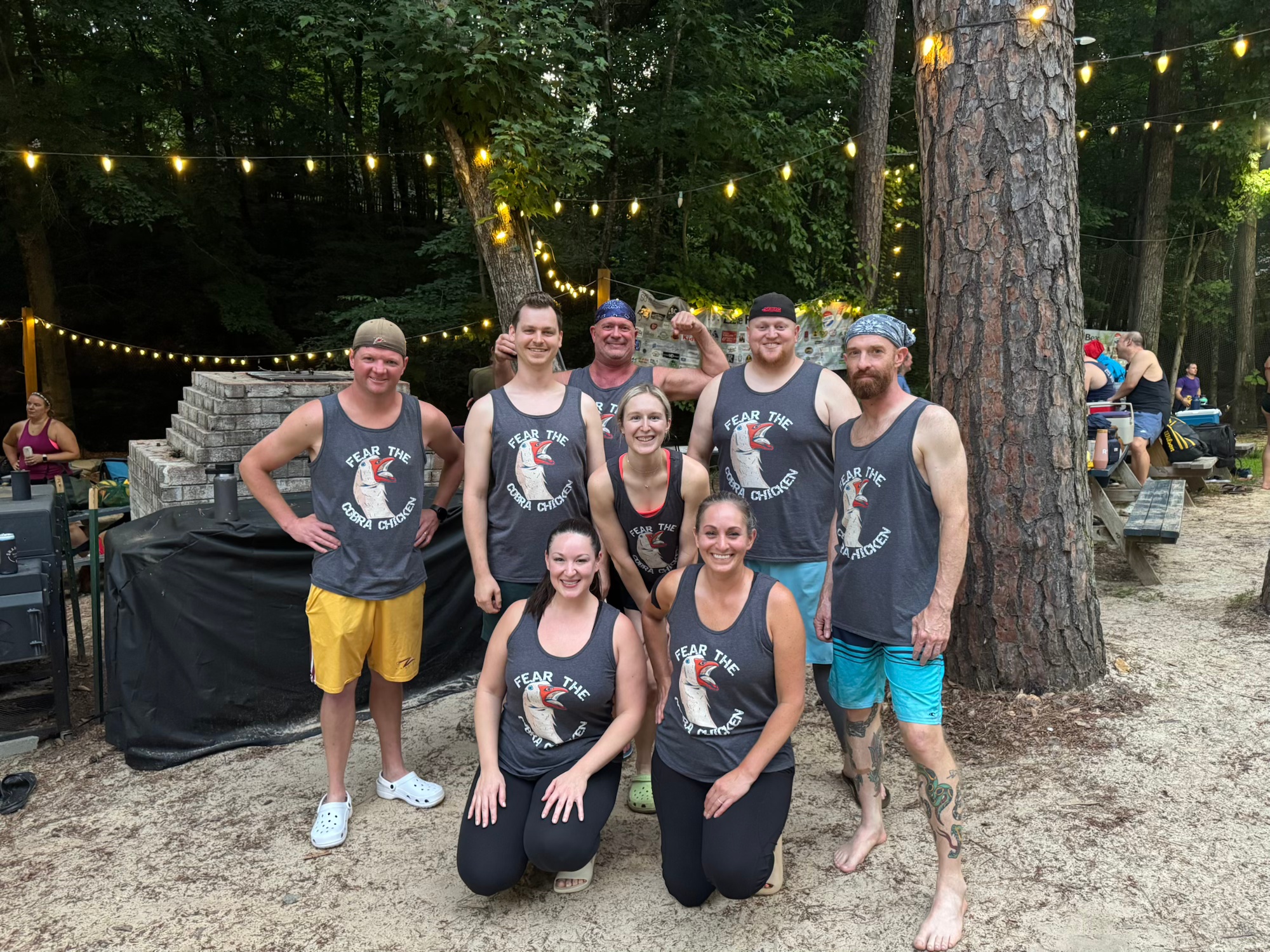
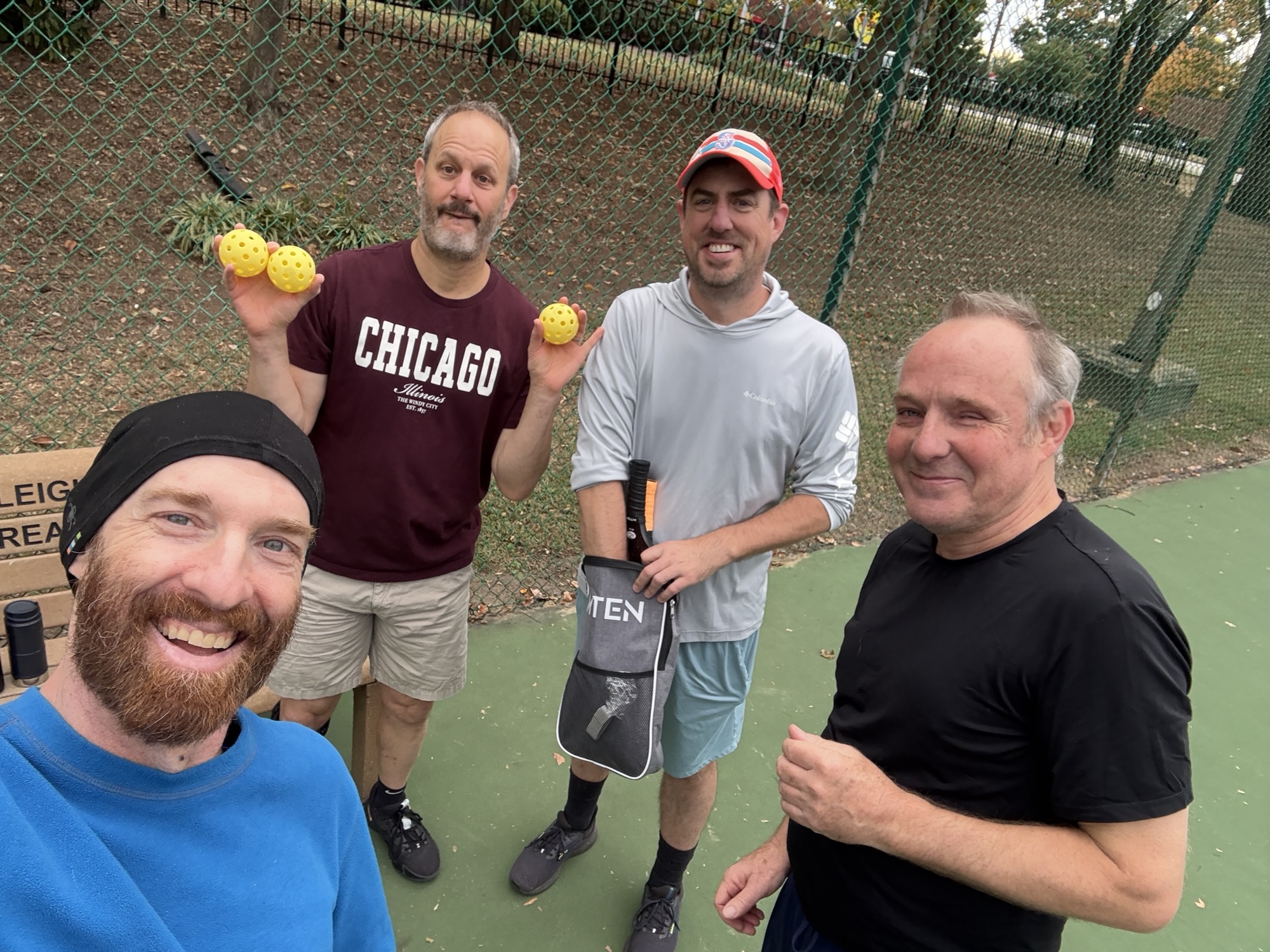
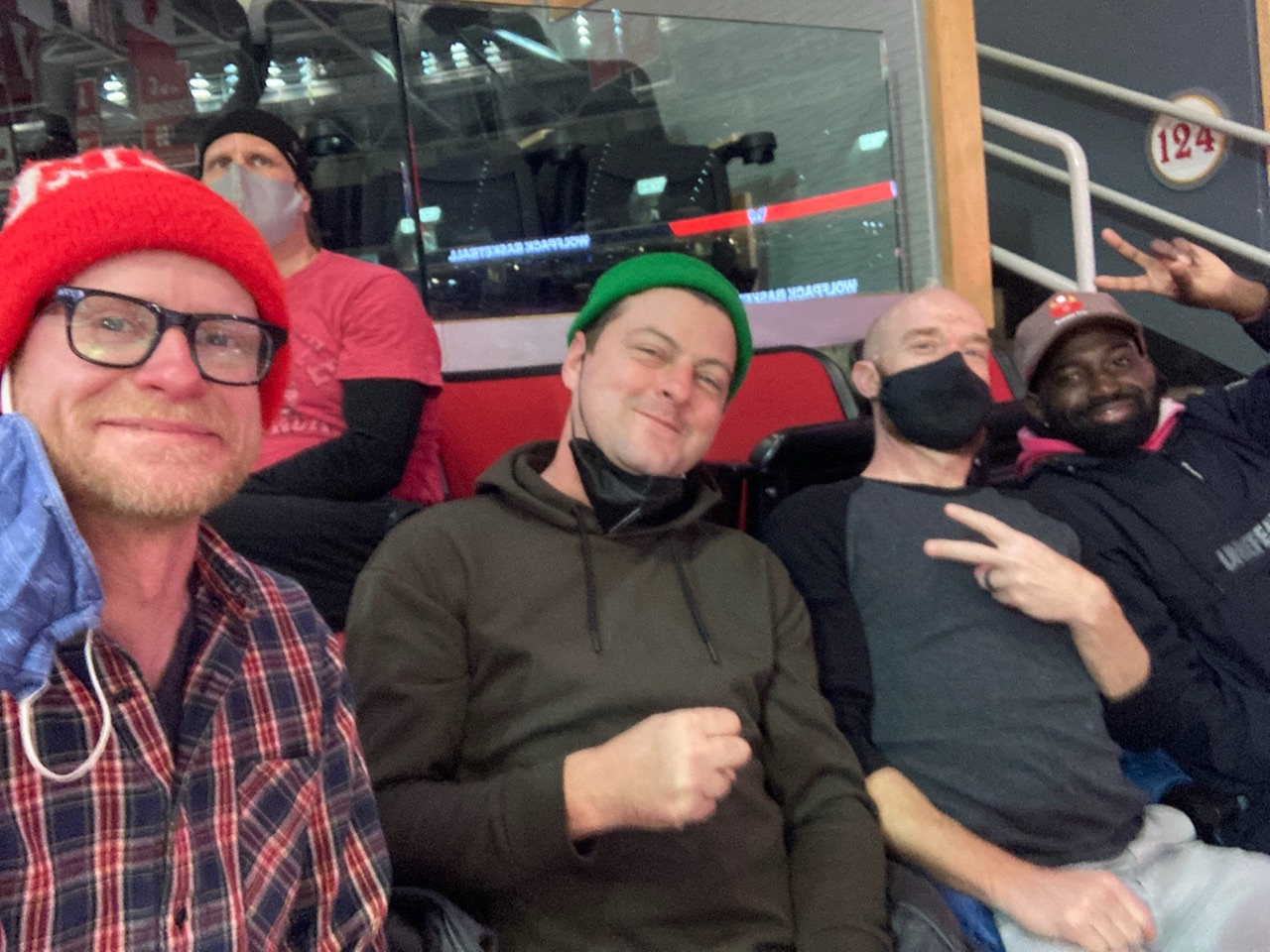
Part of my interest in and reason I enjoy playing sports is also communal, yes. I will caveat that: if you’re really competitive and/or good (and they are *not* the same) I’m not in your league, literally and in the literary sense. I will only sport with folx I vibe with. Seriously. Putting the gallery below together makes me smile ear to ear and leak just a tiny bit. The memories of playing and watching sports with friends and family have shaped who I am; many of the people below have shared deep, personal stuff with me, trusted me to hear their pain and allowed me to help them carry it, all because of the bonds of competitive sports. Some of them have physically beaten me up, too.

Yes, I *did* title this essay “Competition” so what’s that all about? I also think competing has a natural draw that we really don’t need to overthink. Regular readers know I love a good “and” so here’s today’s; I think it’s normal, heck- healthy, to enjoy competing against others, whatever form that takes for you, and, coaches and team mates can share emotions and uplift each other in times of hardship in ways that are refreshing and maybe even surprising. See paragraph above gallery.

Look there’s no reason to pretend like many top level sports performers aren’t competitive. OK ultra competitive; sociopathic even… yeah, absolutely. I’m not going to waste my time or yours arguing that sports culture puts on display some really toxic masculinity that is widely celebrated in American culture (I honestly feel like that’s literally all that needs to be said about). I will note, hopefully not out of spirit of defensiveness (but my therapist will help me unpack that) that I don’t think sports by default create or even encourage mean spiritedness. What’s healthy competition or competitiveness? I think I’m gonna IYKYK on that one, too (speaking of being in the know, if you ball you weren’t surprised where the link above went, right?).

To dig just a little further to end, I also think it’s disingenuous to pretend like we don’t compete in the Art world. If I get a show, it means one of you didn’t, and vice versa. When I see an open call I love to share it, and, if I also plan to apply, don’t think I’m not aware of who I need to out shine in the jurors’ eyes. I don’t feel any animosity though. You guys make me try harder and be better, and I love you for it.

PS- if you want more on the topic of sports please please please read Isabella Marie Garcia’s write up on North Kack-raised Najja Moon in Burnaway from just a few days ago.
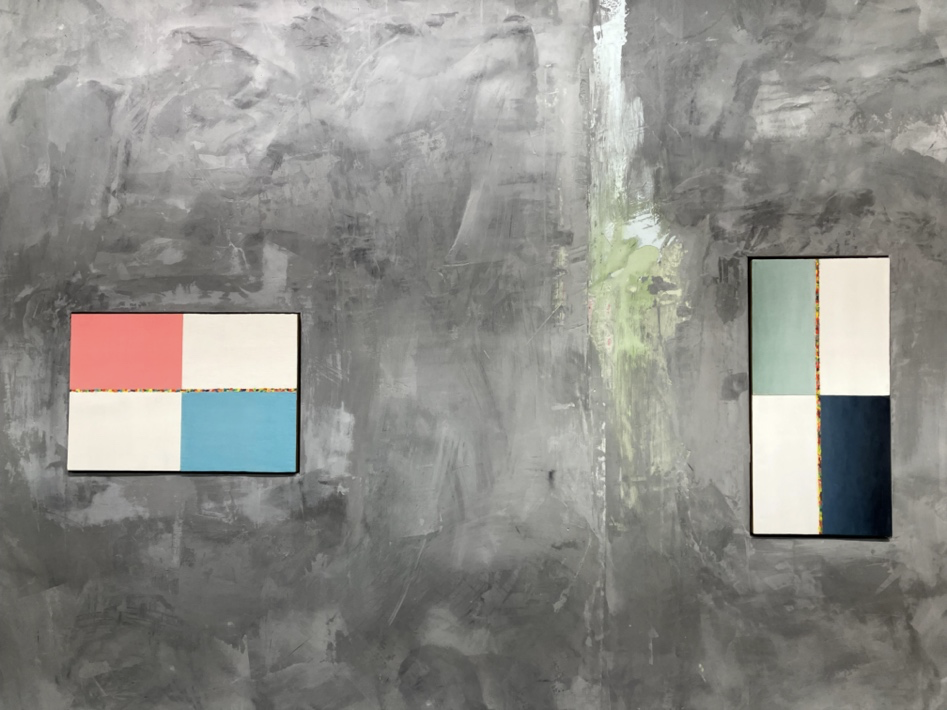
Robert Morris

I find it to be a special treat when I discover there is an important artist from the canon that I’ve not yet covered here. Robert obviously made major contributions. In reading a bit more about his career. I was pleased to learn that he trained as an engineer, began his career in the Arts as an academic, and was also very interested in dance. During the 1960s and 1970s, Morris played a central role in defining three principal artistic movements of the period: Minimalist sculpture, Process Art, and Earthworks. In fact, Morris created his earliest Minimalist objects as props for his dance performances. He also had an important relationship with Linda Benglis that sparked some iconic photographs (NSFW!).

#robertmorris

Jackie Head

makes wall installations crafted from slipcast porcelain components that are designed utilizing a myriad of pattern making methods. She says “as we grow into adulthood, we are pressured to be more serious and focused in order to be successful. When developing patterns and shapes, I am playing and creating puzzles and problems for myself to solve. I am the creator of my own organized chaos by developing intricate systems, grids, patterns, and shapes.”

#jackiehead

Matthew Delegate

Taylor Bielki at TUSSLE had words about Stargazer at Portal, which I missed earlier this year. Bielki noted that “looking into each work is like looking at the sky for such a sustained amount of time, or even a body of water, and noticing more finite details within. To me, the flying shards of the palette knife seem to become the stars, the places where canvas shows through resemble glimmers.”

More (we share some opinions)

#matthewdelegate

Marion Griese

work is orchestrated with a collection of colours, shapes, and lines that have caught her eyes as she moves through daily life. These elements have slowly become the vocabulary she uses to tell her stories and give shape to her personal impressions of the world around her. Her hope is that her art becomes a space for the viewer to transcend the moment and to experience a sense of relief and inspiration, as a favourite piece of music might.

#mariongriese

Gwenaël Kerlidou

has actually been mentioned here before, when he wrote for TUSSLE Christopher. They’re also a good writer: (from his statement) “Abstraction, now more than ever, has become an exercise in painting in tongues, pulling both painter and viewer toward a practice of highly idiosyncratic systems of signs, and paradoxically seems to be at the moment one of the best tuned visual instrument to explore our diverse commonalities.” He is one of the ten artists Saul Ostrow included in Building Models.

More (yeah I know, they’re pretty fantastic)

#gwenaelkerlidou

Ted Stamm

is one of the 10 artists included in Building Models: The Shape of Painting at the Painting Center which is recently referenced in another blog. Stamm’s work are fully abstract, and it is unnecessary for the viewer to know the origins of what he or she is looking at in order to experience them the way the artist intended. Black is a consistent component of Stamm’s work, a color that he associated with rebellion, rigor and reduction.

More

#tedstamm

Countours

Over at Two Coats of Paint regular contributor David Carrier has words about “Building Models: The Shape of Painting,” currently up at the The Milton Resnick and Pat Passolf Foundation and curated by Saul Ostrow (who gets mentioned on this blog occasionally. Carrier titled his piece Art History Diagrammed.

In another essay I suggested any conception that Artists or the Arts or whoever needs a master narrative to give Art meaning lacked veracity and further that the reverse is true- any possible narrative only comes after we have a sense of the meaning of what we all did. So once again I was feeling a little cantankerous as I started to read, but not much, because critics’ and historians’ job is to try to throw this very structure around all the things. If you don’t truck with this interpretation of their role just open another tab and search for the word “history”. This article will be here when you get back.

Carrier notes that those of us old enough to remember Claude Levi-Strauss’s books on structural anthropology or Rosalind Krauss’ famed structuralist account of sculpture will appreciate the show. Their reason seemed good so I read the latter- both of these writers were covered in one or more of my undergrad classes, for certain. I confess I didn’t plow all the way through since I wanted to get back to David’s words and understand the connection.

I know most of the ten artists Ostrow has included, and one of the reasons for this blog’s existence is the joy I find in “discovering” creative practices, and so I will blog about those we haven’t discussed yet over the next week. Pat and Milton made important contributions to history obviously, and the foundation named for the same plays host to the subject exhibit which features work by Ron and Joanna and Joe, the latter being, in my opinion, a painter who was overdue for a retrospective and got one earlier this year at the Menil in Houston. The take away is that the grouping are creatives who have made their mark, which I note because I do think our read of their work, each time it happens going forward, is a read on ourselves. Not a justification per se, although over time maybe some creative re-telling… The point being the notion that this show is about the arc of history is not overreach, there is skin in the game.

Carrier understands this exhibit is part of a larger body of “work” by Ostrow to draw the contours of a very specific point in Art history, for Saul’s own reasons. Spoiler alert he thinks the conceit that there is a master narrative to be had is a bit forced. To generalize, I’d offer that any creative would agree that while we all take in what is going on around us that we also very much have our own ideas of what we are about and which I doubt anyone who calls themselves Artist with a capital “A” feels obliged to check with the literati regarding. As I said at the top, the contour often takes the distance of time anyway (which in fairness, Ostrow has) and any diagram is at best helpful and always artificial. tldr; my perspective about Carrier’s intent did not serve me in the end, as we seem to be aligned on that point. Also and, the show has some great looking work in it which he recognizes so if you’re NYC based go check it out.

Speaking of contours, I remember a moment in a critique in grad school which like too many of them for my taste went sideways, and in this case, involved a retort by yours truly that the expectation that Artists should consider at all times that their practice could and should be part of the canon was folly. I literally can’t remember what prof had goaded me into this exclamation, but it stands out as a moment when I realized that I truly believed Art as a historical project was over, or at least pointless (yes, “dead”) and that we should all proceed as lead by the spirit. And yes, I had recently finished a good number of Arthur Danto‘s essays (link is to a great overview vid by Amor Sciendi on his YouTube channel).

Clearly the volume of words I’ve left here and elsewhere illustrate that I do not feel the limited value of a master contour detracts from the value we can find in our own practices, or even in drawings lines of influence (before or after the act of creation) to our collective history. Just search for the word “Modernism” on this blog if you’re new and curious how I think about what I’m doing here in relation to events from our past. Cheers.