Pat Lipsky is an American painter. Her work is associated with Color Field painting and Lyrical Abstraction.
More (Pat writing about being a woman artist in the 70s)
#patlipsky

Pat Lipsky is an American painter. Her work is associated with Color Field painting and Lyrical Abstraction.
More (Pat writing about being a woman artist in the 70s)
#patlipsky
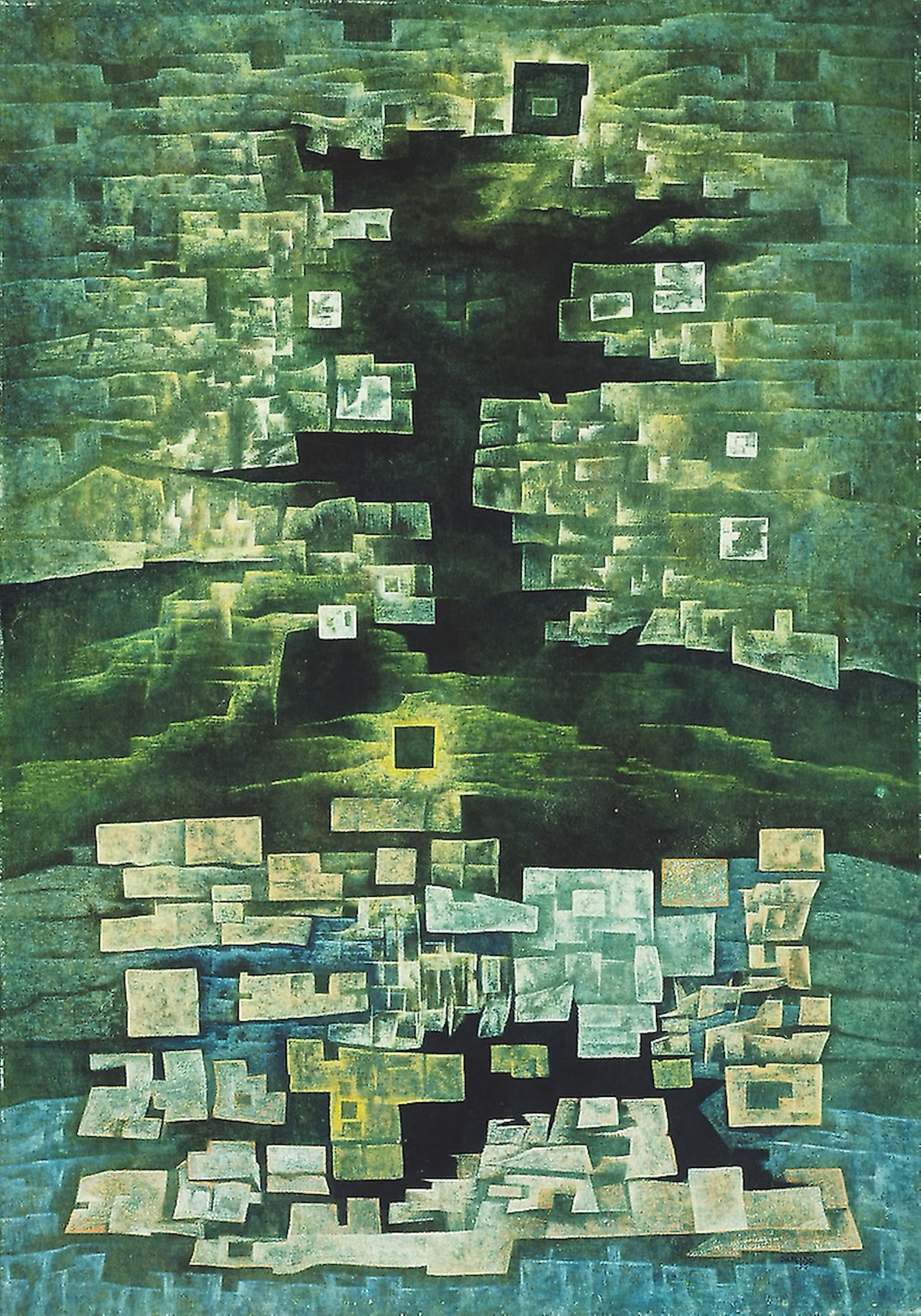
Born in Mexico City to a Hungarian Jewish father and a German mother, Gunther Gerzso held a pivotal role within the international community of Surrealists in the 1940s and ’50s.
#gunthergerzso
like Adie gets a nod from Two Coats for work at BAU in their newest (May) Hudson River and vicinity gallery guide.
#robinadler
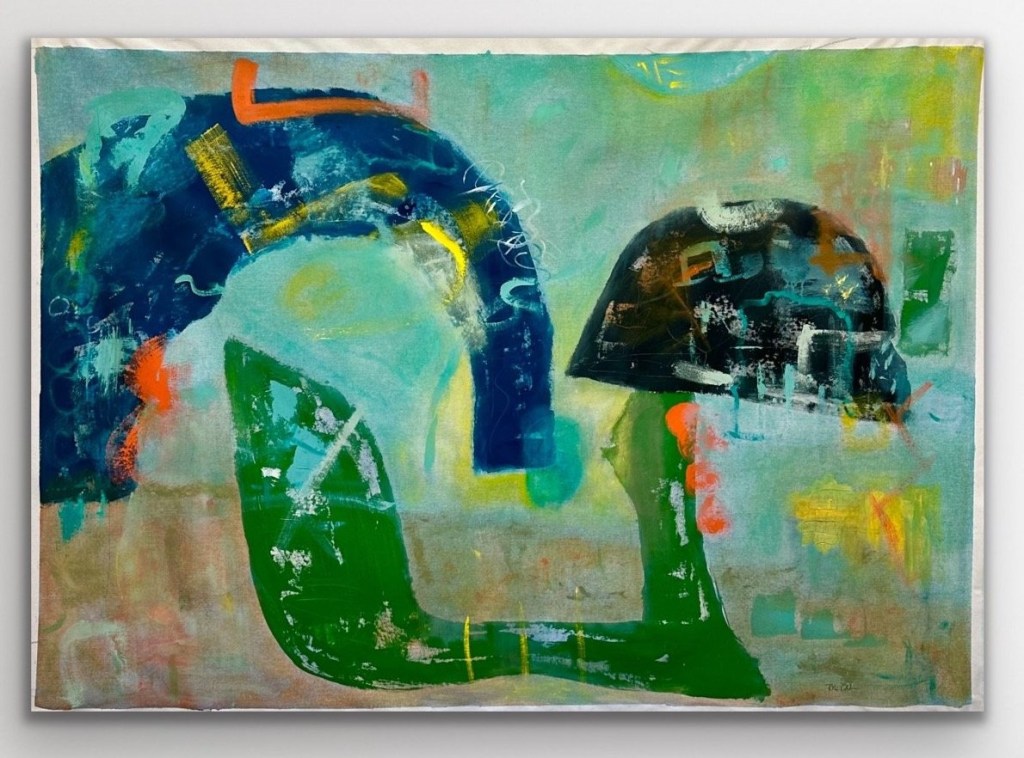
EC Flamming visits the Atlanta-based studio of Kole Nichols for Burnaway to discuss the value of embracing imperfections and the pathway between spaces.
More
#kolenichols

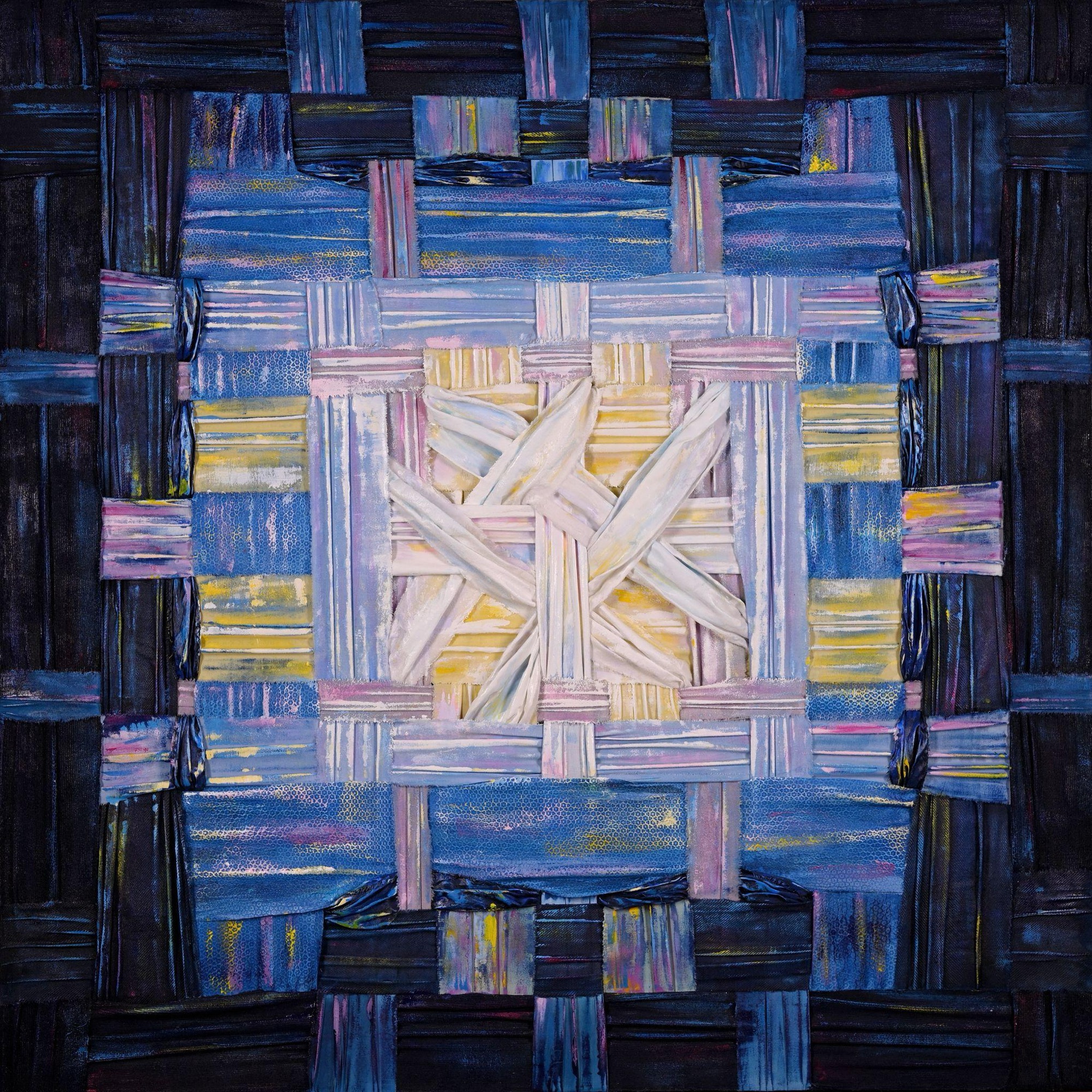
newest is The Grid: Sacred and Secular at Solo. In Rosalind Krauss’s essay “Grids” (link is pdf) she argues that using a grid makes it possible for artists to produce very material objects and speak to the pure materiality of the work while at the same time implying a connection to ideas of spirit and “Being.” In Krauss’s argument, the grid makes a work “sacred and secular” at the same time.”
More (on grids)
#yongsin

is one of the artists in Found and Formed at Pullen Arts Center (along with Andrea and yours truly).
#debbiesecan
Hakim Bishara over at Hyperallergic recently put us all on notice that the rumors of criticism’s demise are premature. Bias aside- they are the editor of a clearly important nationally circulating if insularly NY/LA focused periodical- I don’t think I’d have to convince any of you that I don’t think art writing is dead. Art, maybe. Which would have been my point if asked to write a piece on this topic. We’ll get to that. Maybe.
Hakim does answer who “they” are. I’ll give you a hint, you know “them”- among them are one, other critic of note and their last name begins with an “R” and rhymes with “tub and sign”. I’m sure Hakim’s sample set of three (says the guy writing an article based on a sample of one) is just a teaser of all the things they have written. I certainly wouldn’t claim to read all the things, so… I’m not sure what has motivated Hakim to write this piece either, since the referenced take-downs of criticism are two decades old or more (James Elkin’s pamphlet What Happened to Art Criticism is from ’03).
Let’s get a couple of obvious things out of the way. Like Hakim’s quote that criticism is “taking on new forms, shedding old skin, and adapting to novel venues.” I mean, hooray to see criticism changing- everything else is, so, seems appropriate. And the main fizzle of course is the just general… appropriateness of critics criticizing criticism and other critics. An alternative and fine title for his essay would have been “things that happen.” Of course, Hakim reverts to form (as a believer). He does in fact tell us what Art criticism is- specifically good criticism- because apparently that’s what critics can’t avoid. Judgement. Sometime of “them*.” Again, things that happen. *yes, we’ll get to that, too. Maybe.
“Yes” it’s well and good that Hakim points out “gone are the days when an insular clique of critics had the ability to make or break artists’ careers.” He’s spot on that. As I understand, the collections of essays he’s referencing, “they” are more than a little chapped about the present dispersion of power and the disdain for the prior, “king-making” mode of criticism from the last century. ;tldr things aren’t serious enough. Or perhaps in some cases something more like “no one can say what’s really on their mind anymore” which hews dangerously close to the pernicious culture of western chauvinism that is currently having a big cultural moment at the expense of everything else including good (and I do mean that) Art writers like Hakim.
I’ve written about evaluation before (tldr to make the point that “Art has a cultural importance today that perhaps it hasn’t had in some time and for which we should be grateful”). I didn’t write that blog because I make any money or receive any commendation for this work (although maybe a little social capital, tbd) but because, as Hakim points out, I love this writing thing and I persist, as does he, out of a belief in the value of the things about which I’m writing. I’m trying to create an “us.” I think that’s in large measure why I enjoyed Hakim making an honest effort to work through these thoughts that were on his mind.
Can one have a definition of us without a “them”? I think so, and have written in the past about the importance critique can have, not to other, but to create connection and increase awareness of both self and that which is outside of self. I also think (and suspect Hakim would agree ) that art writing that creates value focuses on the latter and not the former.
practice is influenced by traditional quilt-making techniques she learned from her Grandmothers. They are concerned about the climate crisis and the harmful role the textile industry plays in it, so they use only secondhand, repurposed, or vintage textiles in their work.
#victoriavanderlaan

Michael Brennan notes of Pierre’s paintings, made between 2021 and 2025, in “Some Kind…,” that while his imagery is for the most part recognizably organic it is not easily decipherable, and draws some lovely parallels to Matisse (which makes me think of Josef) although they remind me more of Diebenkorn.
More
#pierreobandos
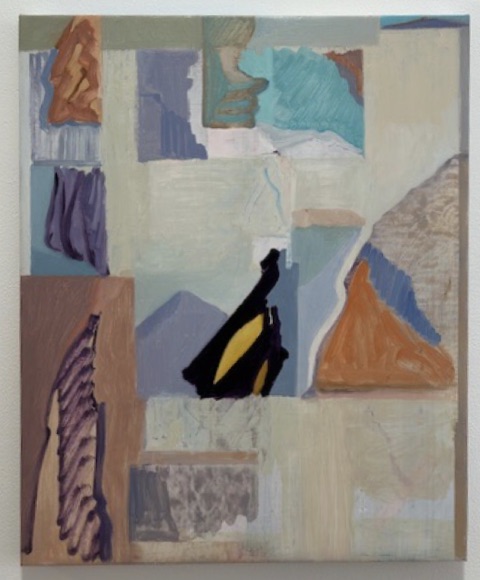
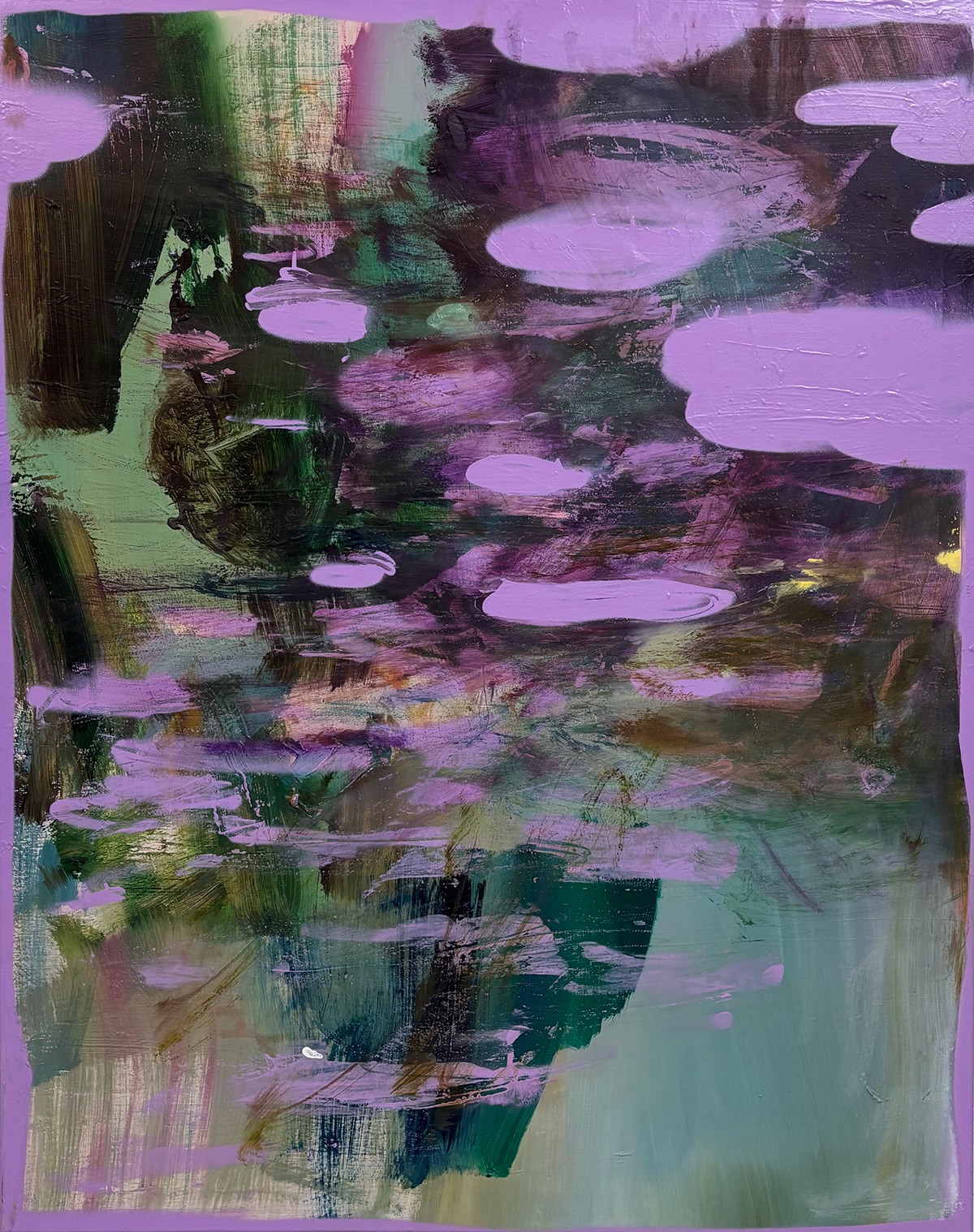
like many artists from Helene Grace (go see The Gift of Attention at NCMA if you live in the Triangle or, soon enough, in Portland) and Ficre to Tamina and even locals like Pete, explores figuration and abstraction. About his practice he says that in his explorations abstraction gradually took precedence, leading me to delve into the creation of abstract landscapes. This unexpected shift revealed to me a fundamental truth: amidst the chaos that surrounds us, I am driven by a relentless pursuit of balance and meaning.
#nikolasantoniou
Nicole Kaak at Art in America did a nice interview with Harmony last month. A defining voice in contemporary feminist and queer abstraction, Hammond has received her due in recent years, including her recent Fringe at SITE Santa Fe.
#harmonyhammond
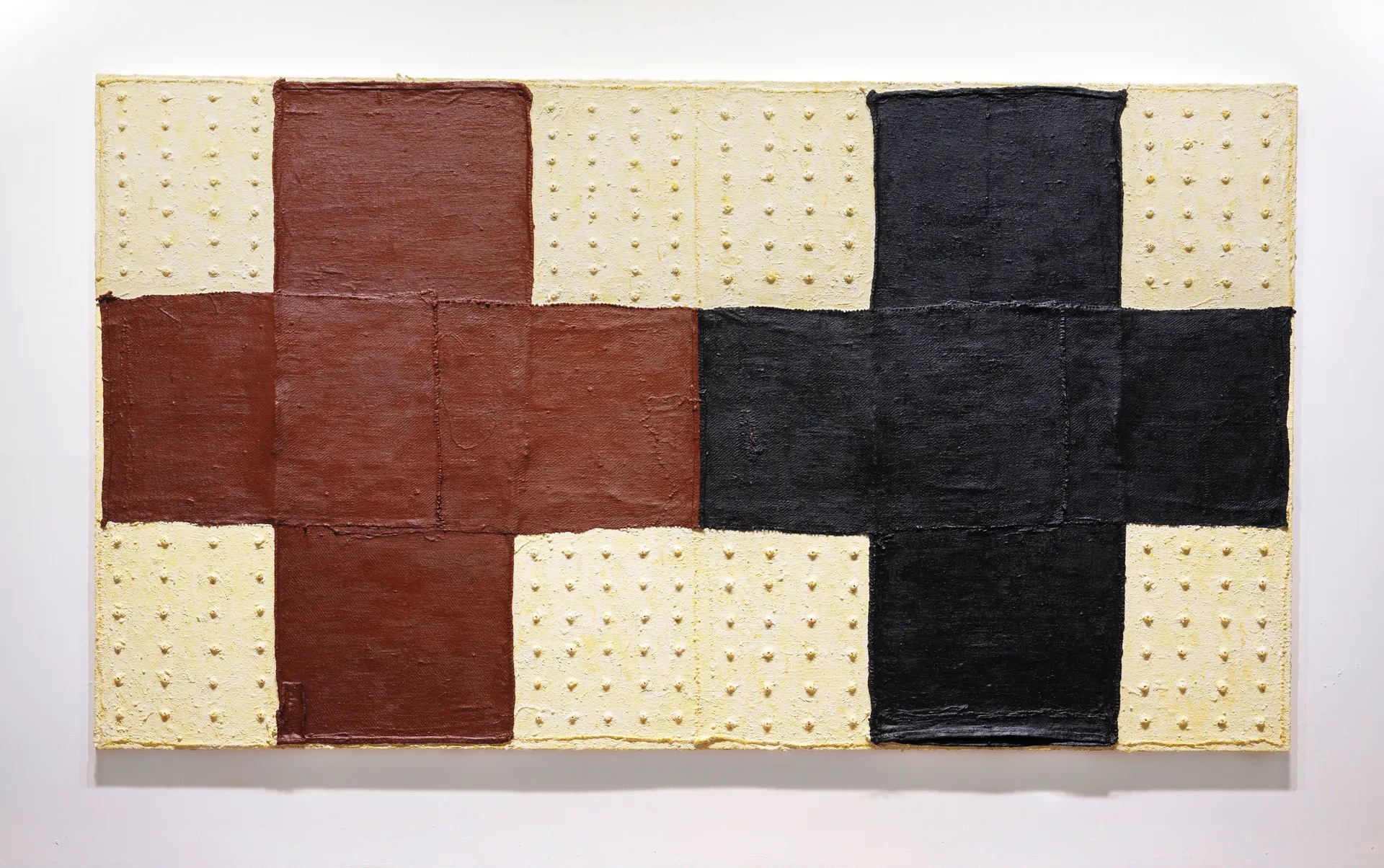
Has work in Look To The West which should all see and spread the word about (the exhibit brings together the voices and visions of artists from Western North Carolina whose lives and landscapes were forever changed by Hurricane Helene).
#margovaughn


 Painting After Art is Dead