creates expansive maps of landscapes dotted with codes, signs, and symbols that refer to processes of memory and intuition.
#jessicarankin

creates expansive maps of landscapes dotted with codes, signs, and symbols that refer to processes of memory and intuition.
#jessicarankin
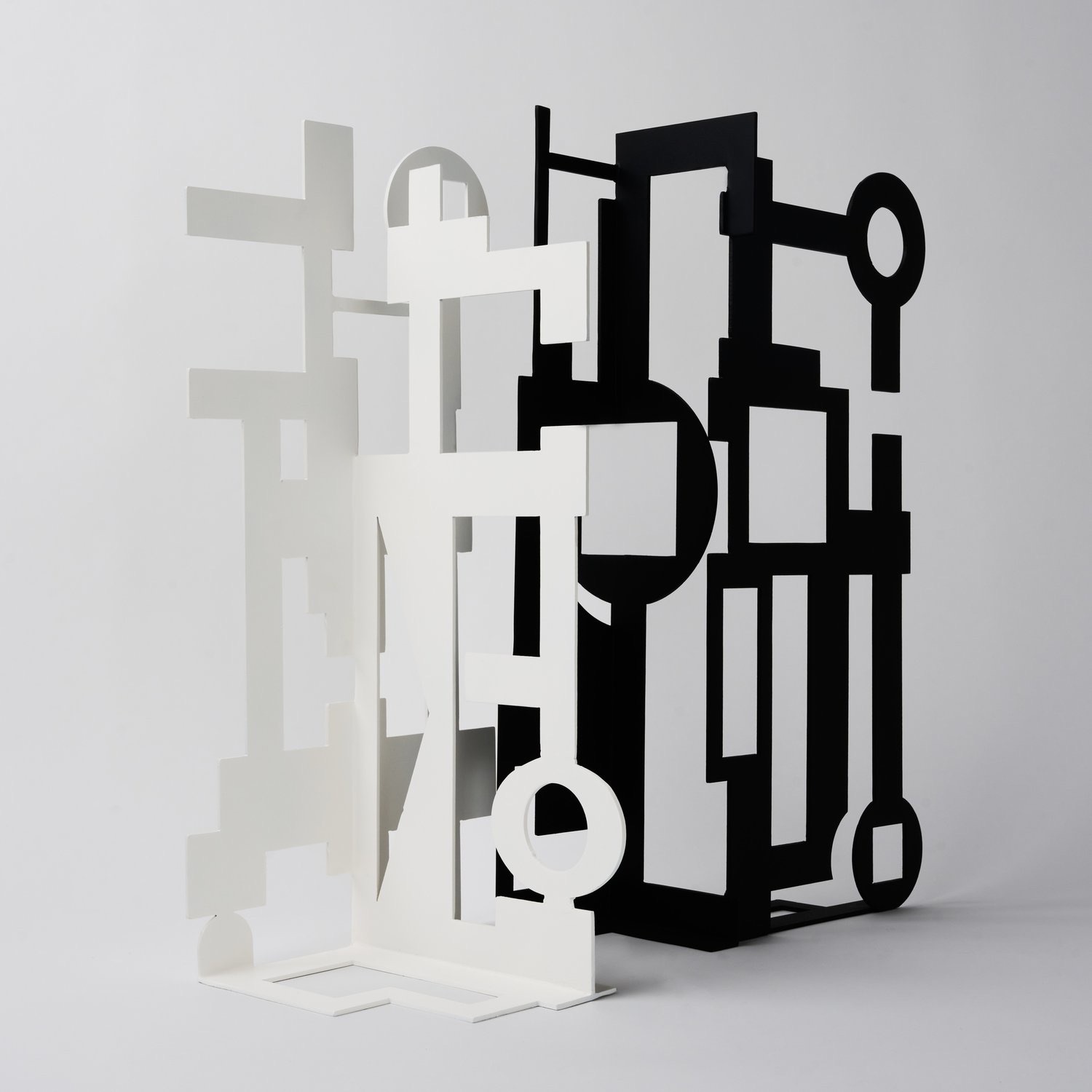
is a visual artist working with sculpture, installation and photography.
She also curates Not a Man Date over on IG where she shares the practices of woman and nonbinary artists.
#traceylamb
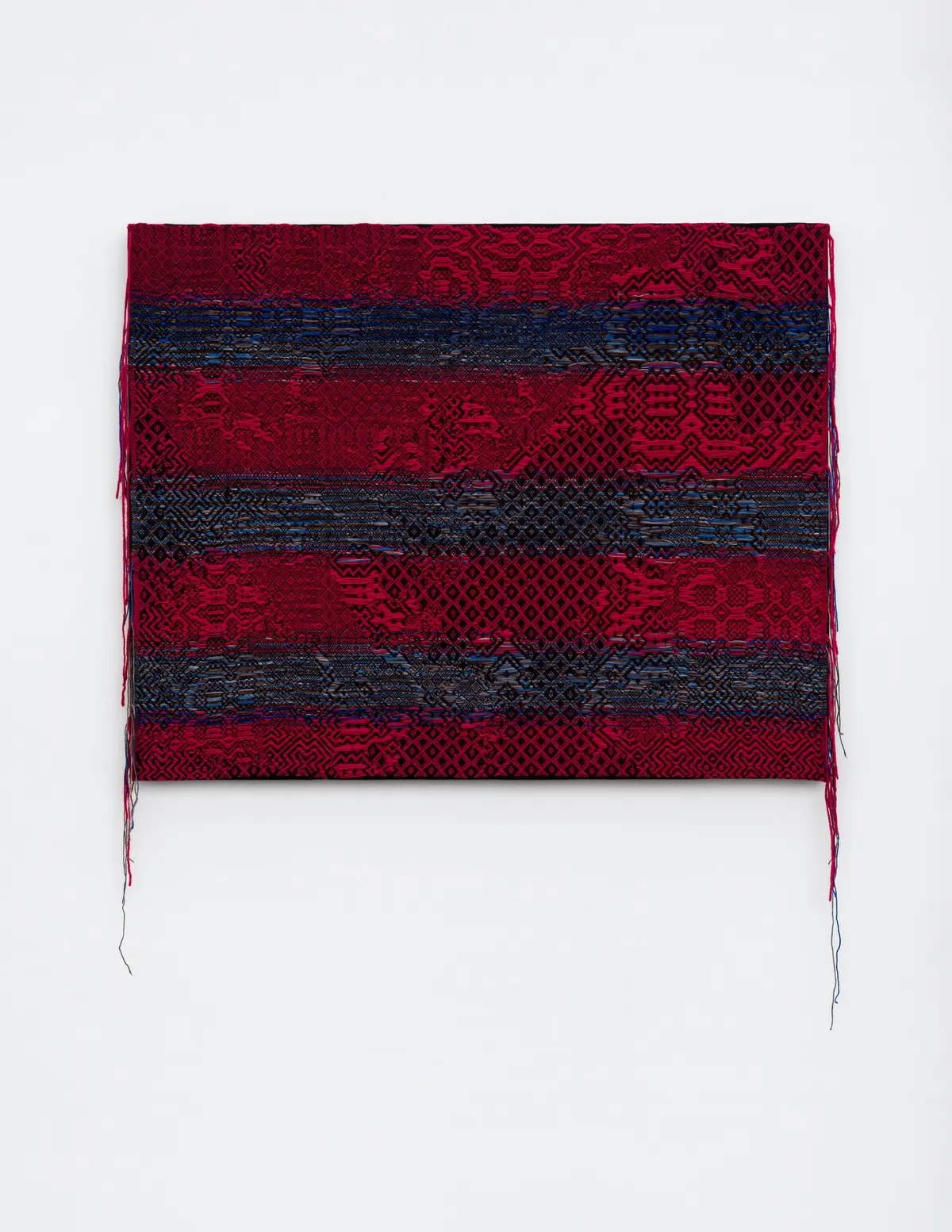
Elizabeth Buhe at Brooklyn Rail has words about Sara’s Star Rose, Rose Star at Sargent’s Daughters, and notes the works in Star Rose, Rose Star at combine emerging and Indigenous technologies, including dying, weaving, beading, and basketry, some of which Sarah Rosalena learned from her Wixárika relatives.
More
#sarahrosalena
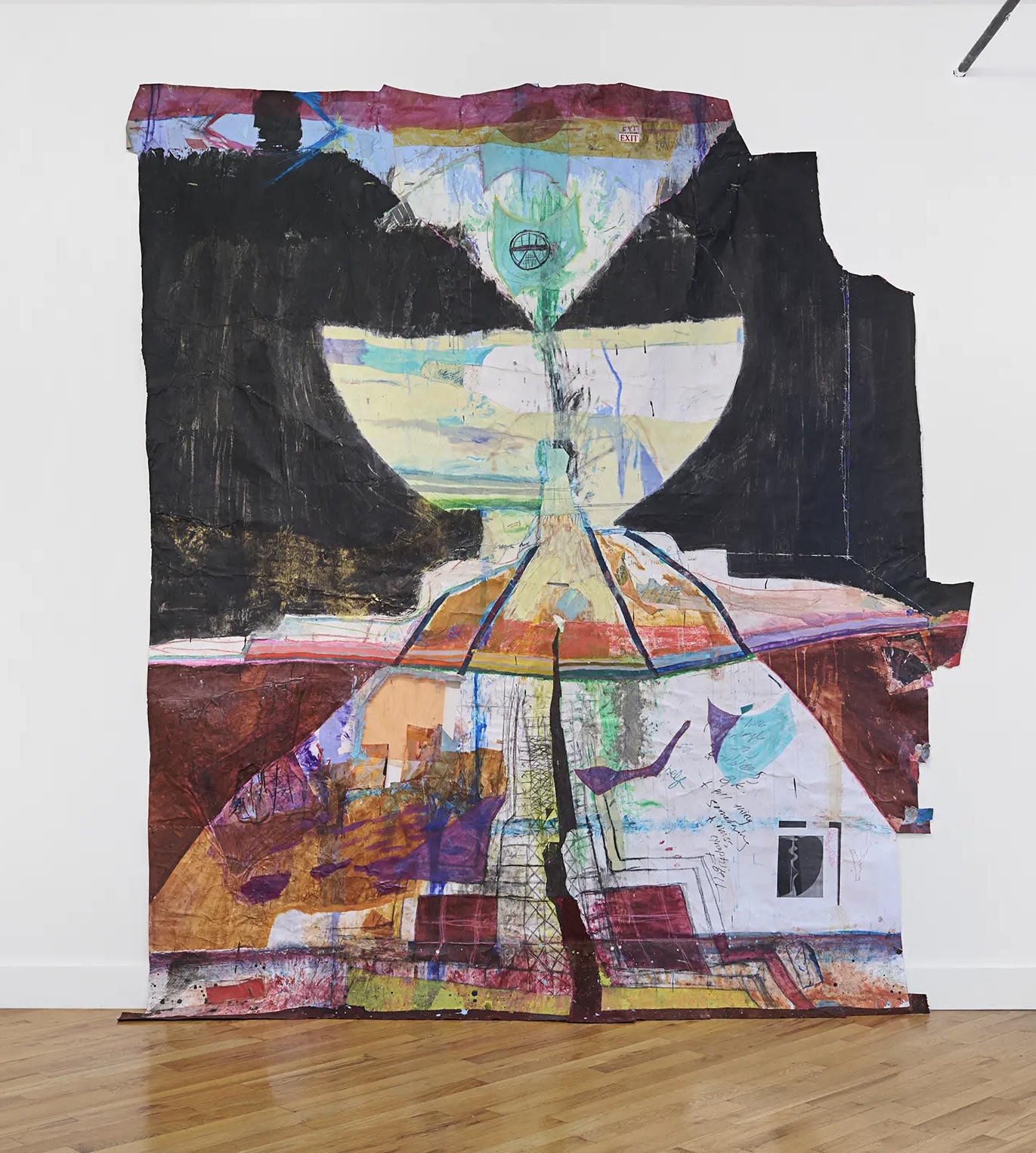
is a British-Ghanaian artist and curator living in London, and is the founder of the Black British Female Artist (BBFA) Collective – a platform that supports Black women artists. Gbewonyo studied BA European Textile Design at Bradford School of Art and Design and began her career as a knitwear designer in New York. Following six years in the industry, redundancy prompted her return to the UK and subsequent career change. Her art practice investigates identity, womanhood in particular, whilst advocating the healing benefits of craft.
#emamgbewonyo

Throughout paintings, works on paper, ceramics, and site-specific mural and sound installations, Michaela Yearwood-Dan (b. 1994; London, UK) endeavors to build spaces of queer community, abundance, and joy. Yearwood-Dan’s singular visual language draws on a diverse range of influences, including Blackness, queerness, femininity, healing rituals, and carnival culture.
#michaelayearwooddan

Elizabeth Buhe at The Brooklyn Rail has words about Ada’s Performance Proposal, Helen Rides VII: Wing and Wheel 3 (2020–24), at David Peter Francis, saying the works “propose that these thresholds are flexible, emphasizing valuable insights drawn from pre-industrial worldviews, vernacular belief systems, private magic, and seasonal rites.” One may since a shared spirit with Hilma.
more
#adafriedman
is a NYC based multimedia artist specializing in textiles and fiber and working across art and design. She finds inspiration everywhere, but especially in the materials and processes she uses, along with nature, architecture, science, metaphysics, and in the very experience of being alive and engaging with others.
#lizcollins

Robert Curcio at WhiteHot has words about Susan’s most recent at Georges Bergès Gallery (which aren’t abstraction per se).
#susanswartz

John Yau says (of Stephen’s A Planar Garden at Alexandre) that it is refreshing to see a group show that hews to its curatorial statement, and includes both old friends and unexpected twists. In addition to Patricia, the show includes work by Odili, Joanna and Suzan among others.
#patriciatreib

is one of the artists, along with Emma, that Artsy notes have been shaped by the Abstract Expressionism of Helen Frankenthaler.
#yunheemin
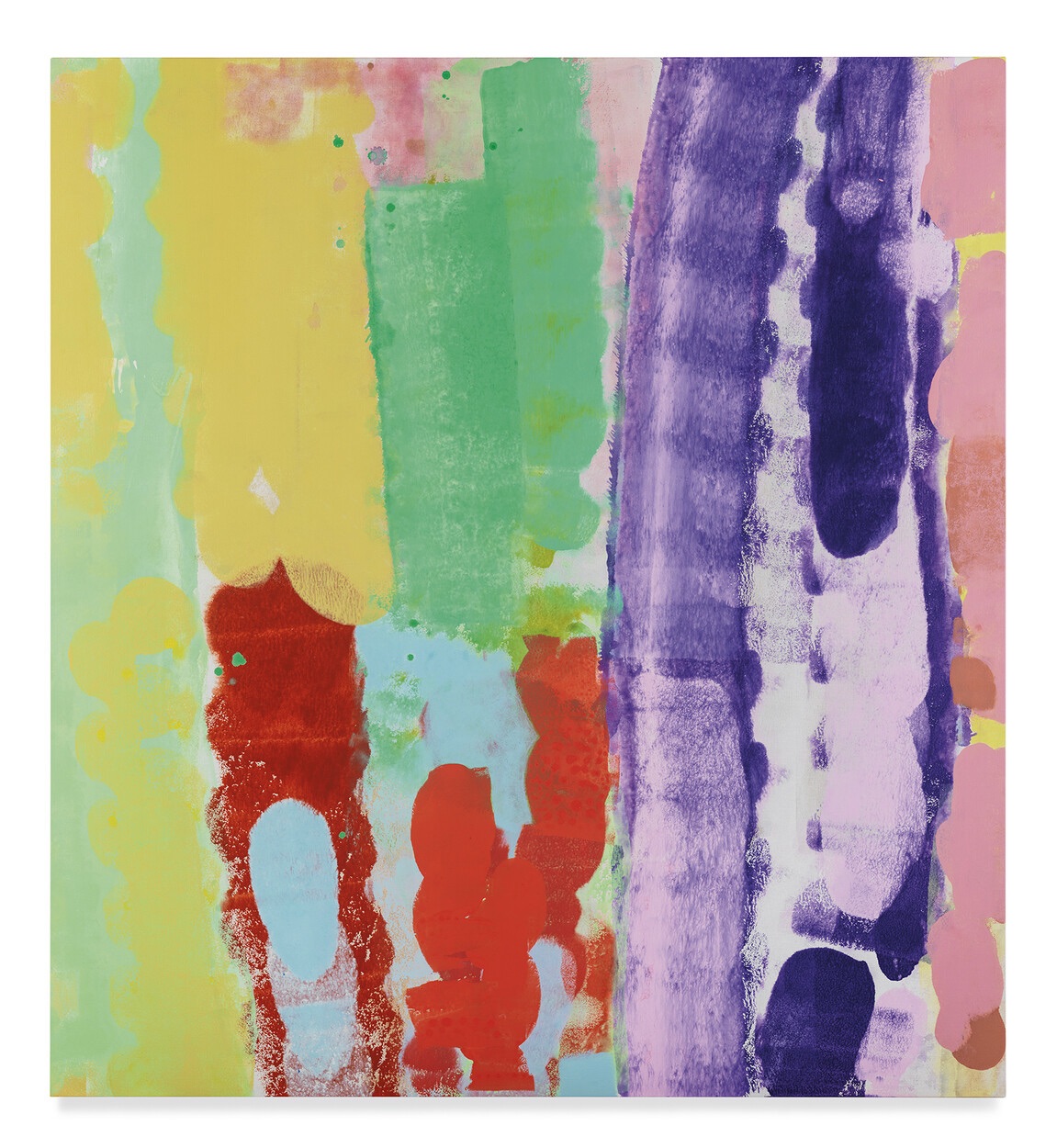
A visual artist and writer, A’Driane Nieves is a U.S. Air Force veteran and a self-taught painter. At the urging of her therapist, she began painting as a form of art therapy in 2011 during her recovery from postpartum depression and following her later diagnosis of bipolar disorder. This initial experimentation led to her using Abstract Expressionist painting styles as a way to overcome the impacts of childhood abuse, specifically emotional suppression. Influenced by Joan Mitchell, Cy Twombly, Bernice Bing, and early Black abstract painters ranging from Alma Thomas to Mary Lovelace O’Neal.
#adrianenieves




 Painting After Art is Dead