Aaronel deRoy Gruber

The Irving and Aaronel deRoy Gruber Foundation is dedicated to Aaronel’s practice. She attended Pittsburgh’s Carnegie Institute of Technology through 1936 until 1940 and enjoyed a multifaceted artistic journey beginning with abstract painting and moving through sculpture in metal, dimensional works in plastics, and finally photography. Her work is included in the permanent collection of The Carnegie Museum of Art, the Butler Institute of American Art, the Westmoreland Museum of American Art, the Frick Art Museum, the Smithsonian Institution, and the Kawamura Museum of Modern Art, Japan. 

More
#aaronelderoygruber

Jesús Rafael Soto

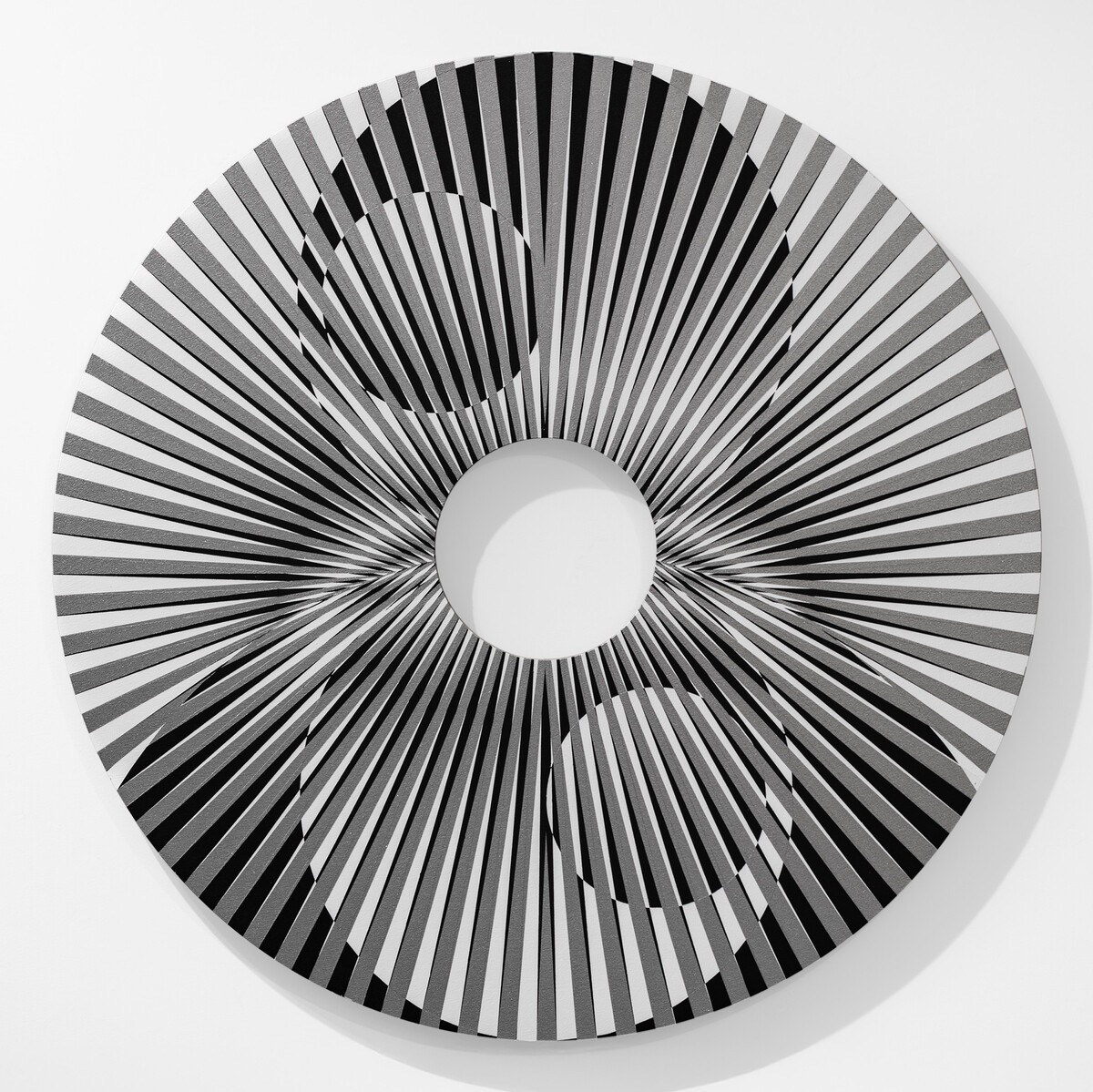
Jesús was a pioneer of the idea that a viewer could actually walk into an artwork and experience it from the inside, something we now take for granted, but which was revolutionary in its time. Born in Venezuela, it was in Paris in the 1950s that he immersed himself in the movements that were transforming Geometric Abstraction by using effects of motion and movement to bring artworks to life: literally, as in Kinetic Art, or metaphorically, as in Op Art, in which paintings or sculptures appear to be moving due to visual trickery. His works were realized on increasingly grand scales, so that eventually viewers could move within and throughout his vast sculptural forms. This made his work perfect for realization as grand public art, and so his legacy is visible across many cityscapes today.

#jesusrafaelsoto

Lindsay Packer

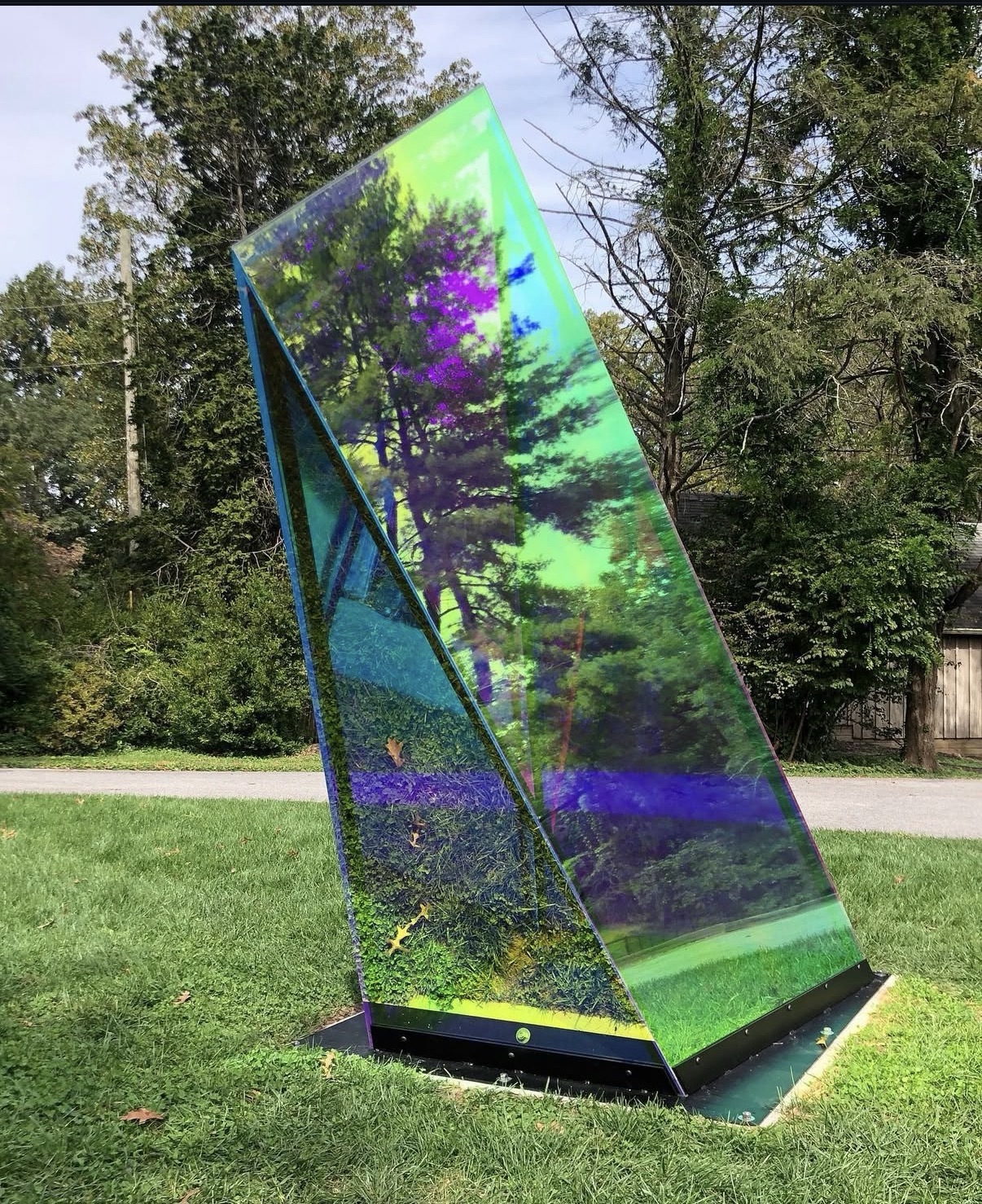
Generative relationships between luminous color and ephemeral form propel Lindsay Packer’s site-responsive work in performance, installation, film and video, photography and streaming media. She plays with the call and response of color and light, form and site, engaging an analog/digital continuum of shifting chroma and temporary geometries in which color and form are inseparable. She’s included in Bluets and Blue along with Erika and others.

More

#lindsaypacker

Kai Griffin

like Brent was new to me when I exhibited at Artfields (more, more and more).

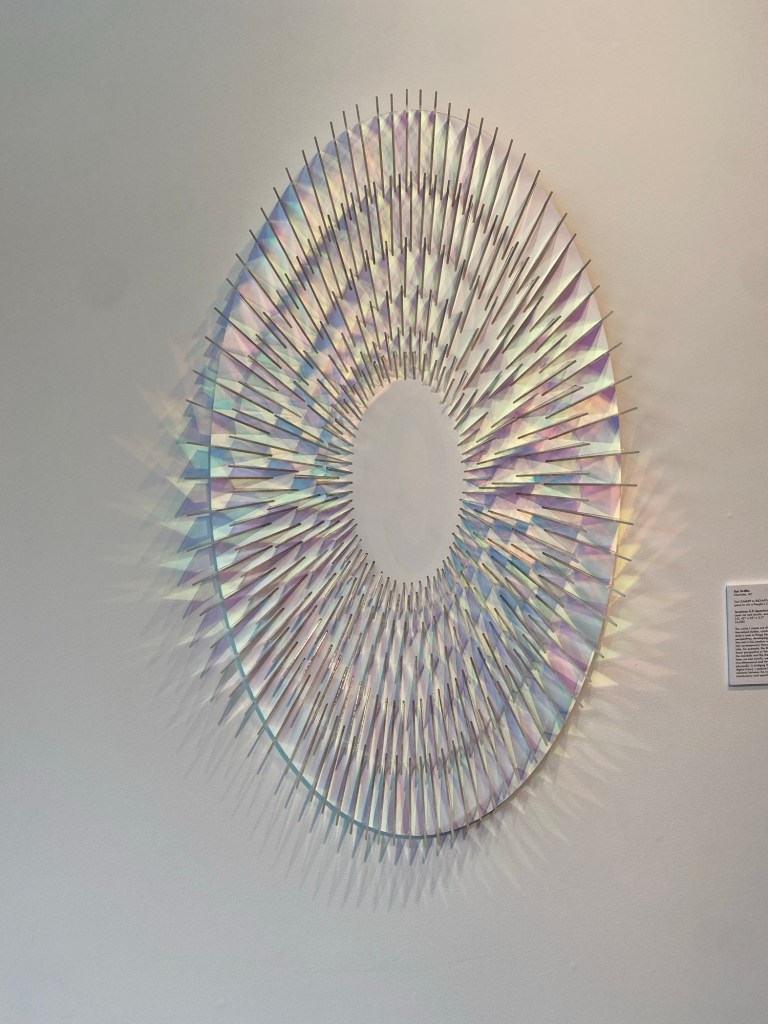
His works (he says) are direct results of investigations into theoretical studies, constructs, and ideas. He turns classical into contemporary through modern digitized techniques, for example, the 600 years old technique of one-point linear perspective or the centuries old geometric symbol of the mandala flipped on their heads by incorporating laser cut cast acrylic. In bridging the gap between analog (old) and digital (new), he explores binary couplings and the paradigmatic relations between the two elements: light and shadow, translucency and opacity, intensity and apathy.

More

#kaigriffin

Peter Lodato

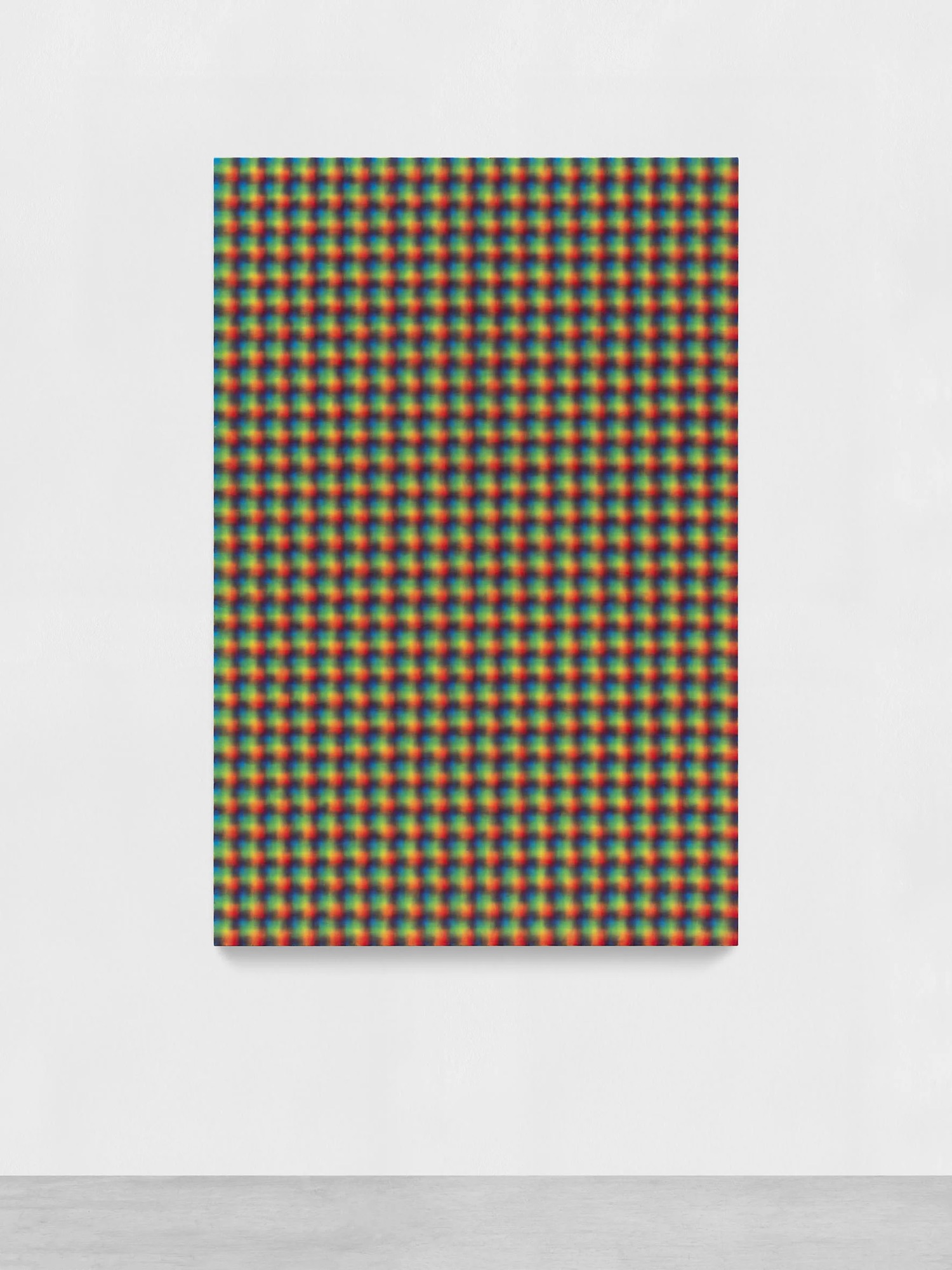
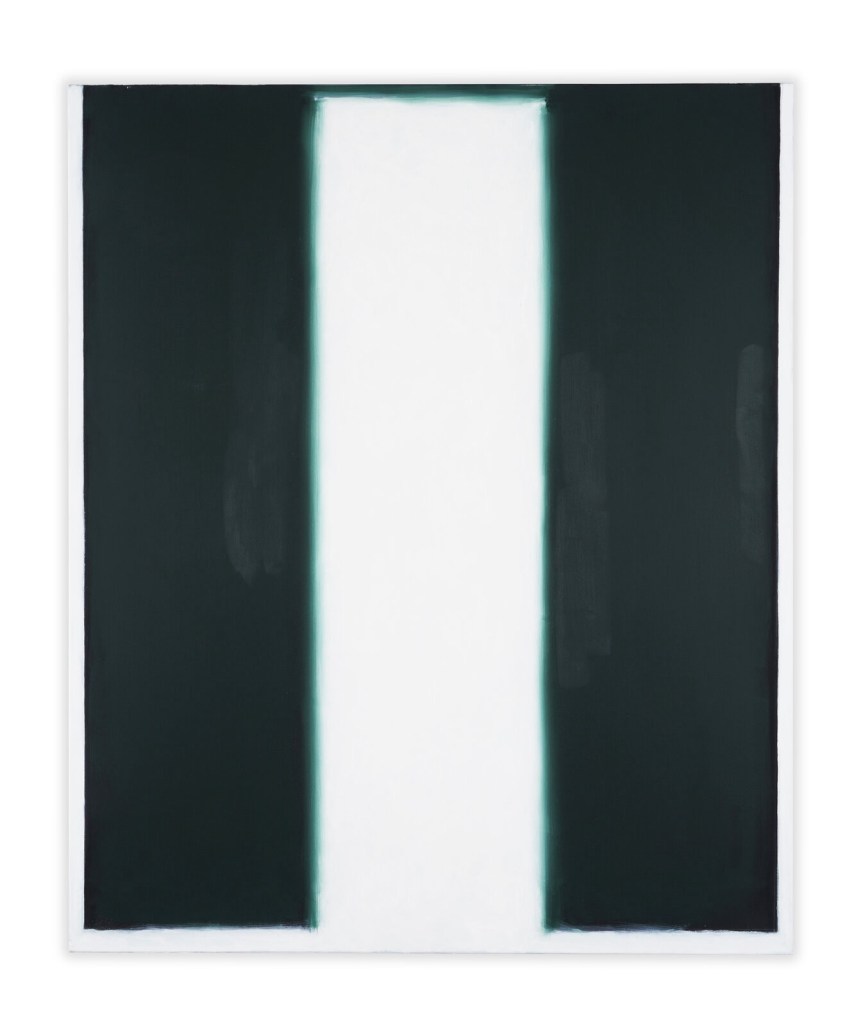
When writing about light recently, I made note of the influence that California Minimalism aka Light and Space has exerted on me. I’ve blogged about many of these artists and am somehow always discovering more. Peter is somewhat unique among his peers in his choice to paint on canvas. His gallery notes that he is fascinated by the uncertainty of human perception, and the duplicitous nature of vision, which can be both revealing and deceitful, and creates paintings that delve into this duality.

More

#peterlodato

Laura Payne

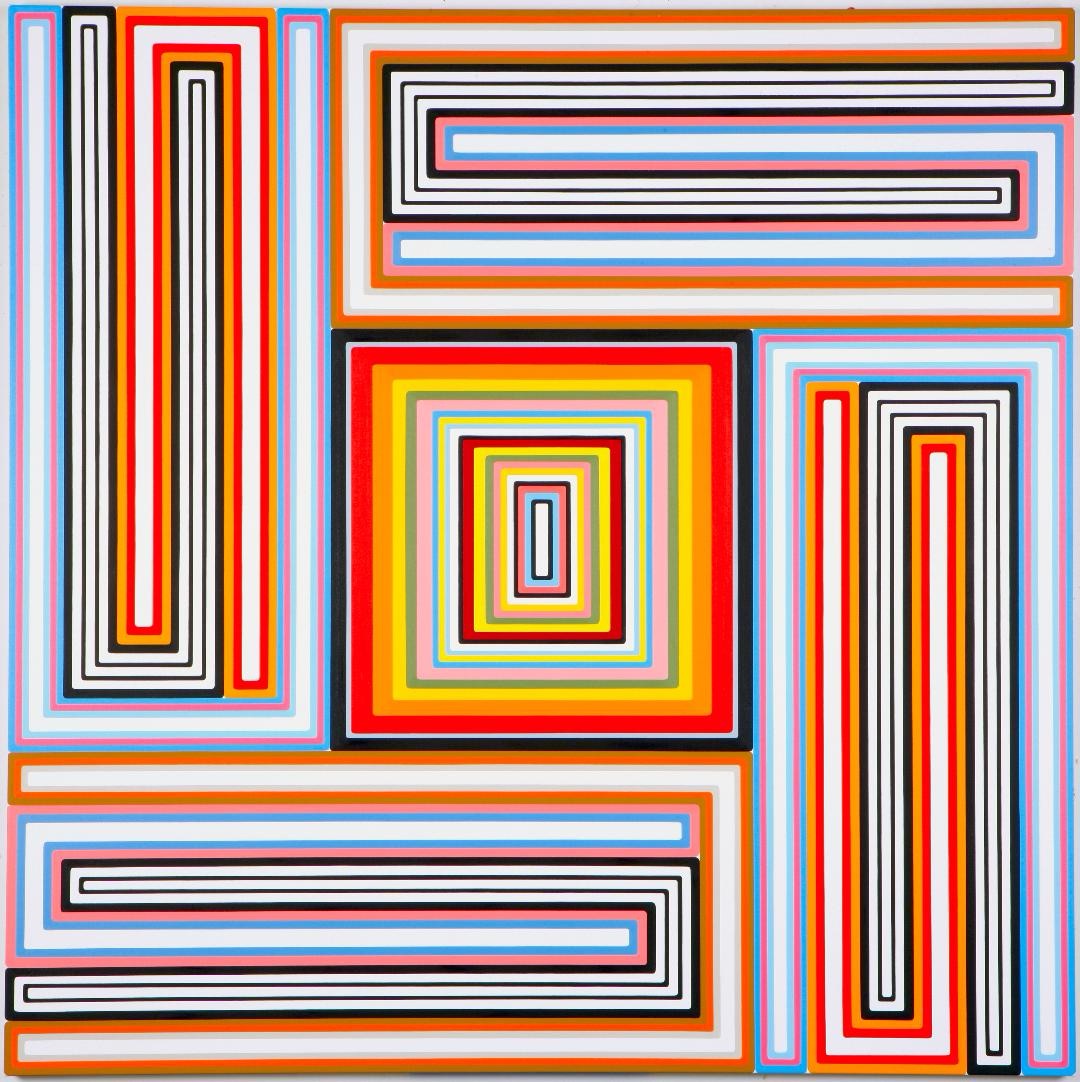
who is a also a painter, has installation work on display with Sinéad Ludwig-Burgess at Okotoks Art Gallery through March 31. Of the work, Payne says she was influenced by “those subtle-but-vivid spectrums of colour in the cloudless sky at dawn or dusk, or the way that hot pink light in November hits the buildings in the city. What I guess I wanted to do is synthesize, artificially, this sort of feeling of witnessing an ephemeral light phenomenon in nature – I want to bottle it, put it in something.”
More

#laurapayne