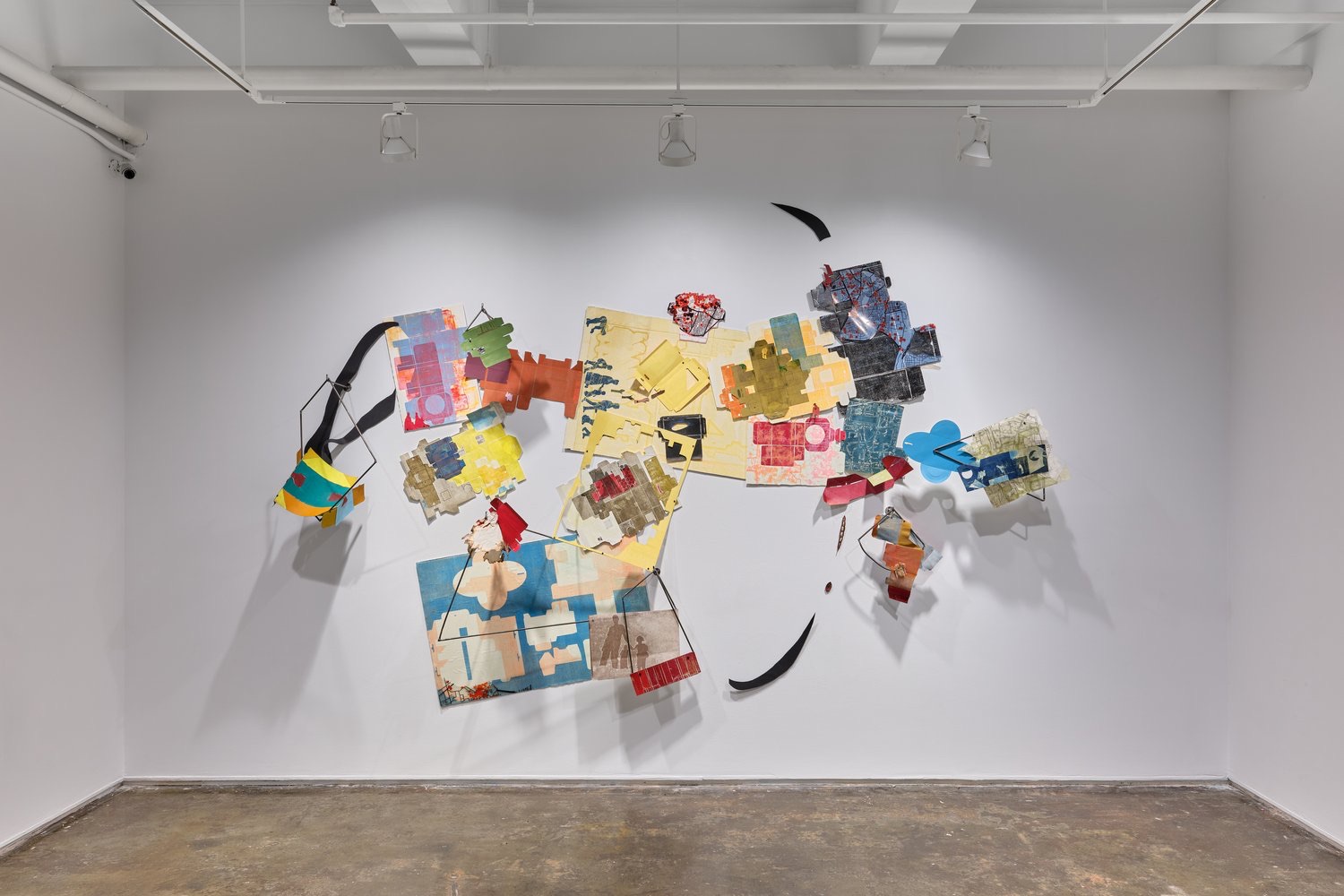
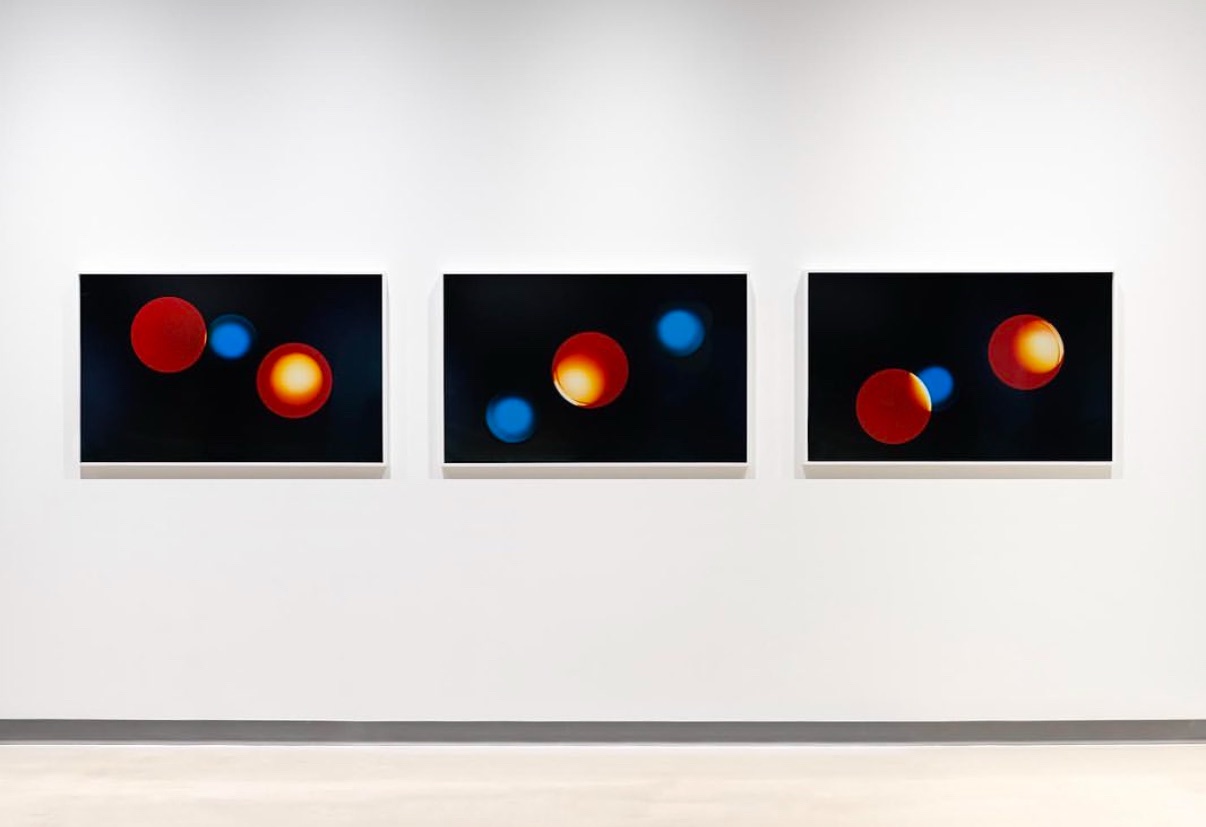
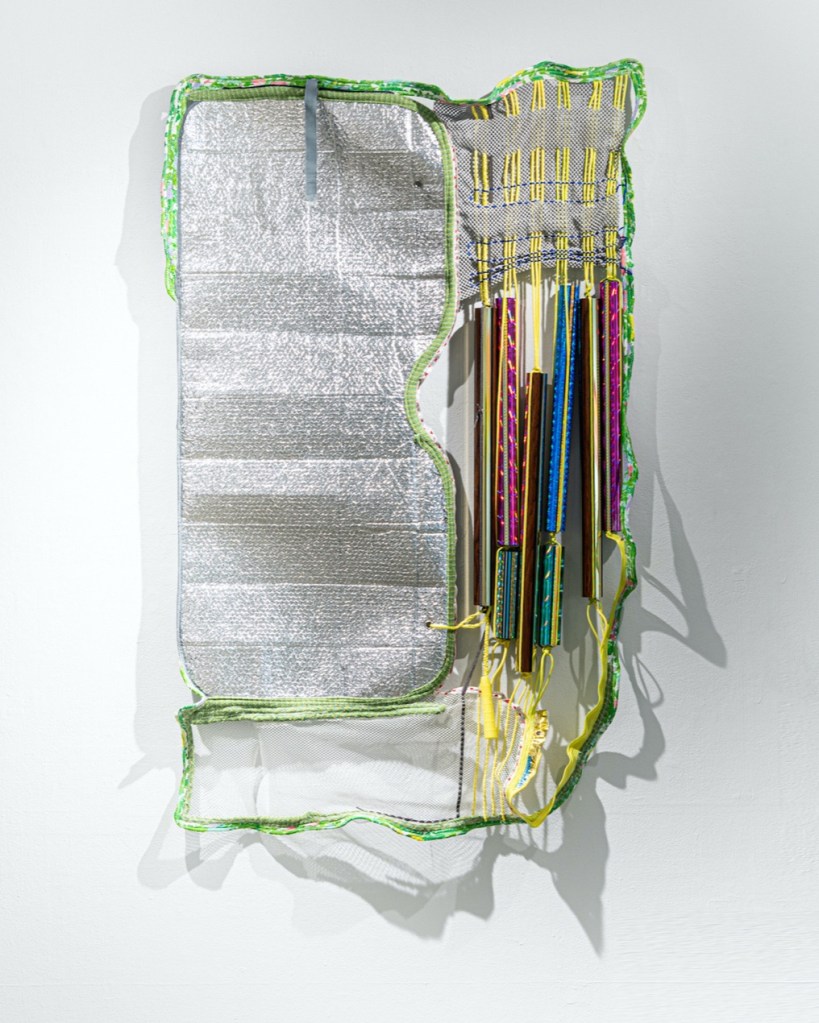
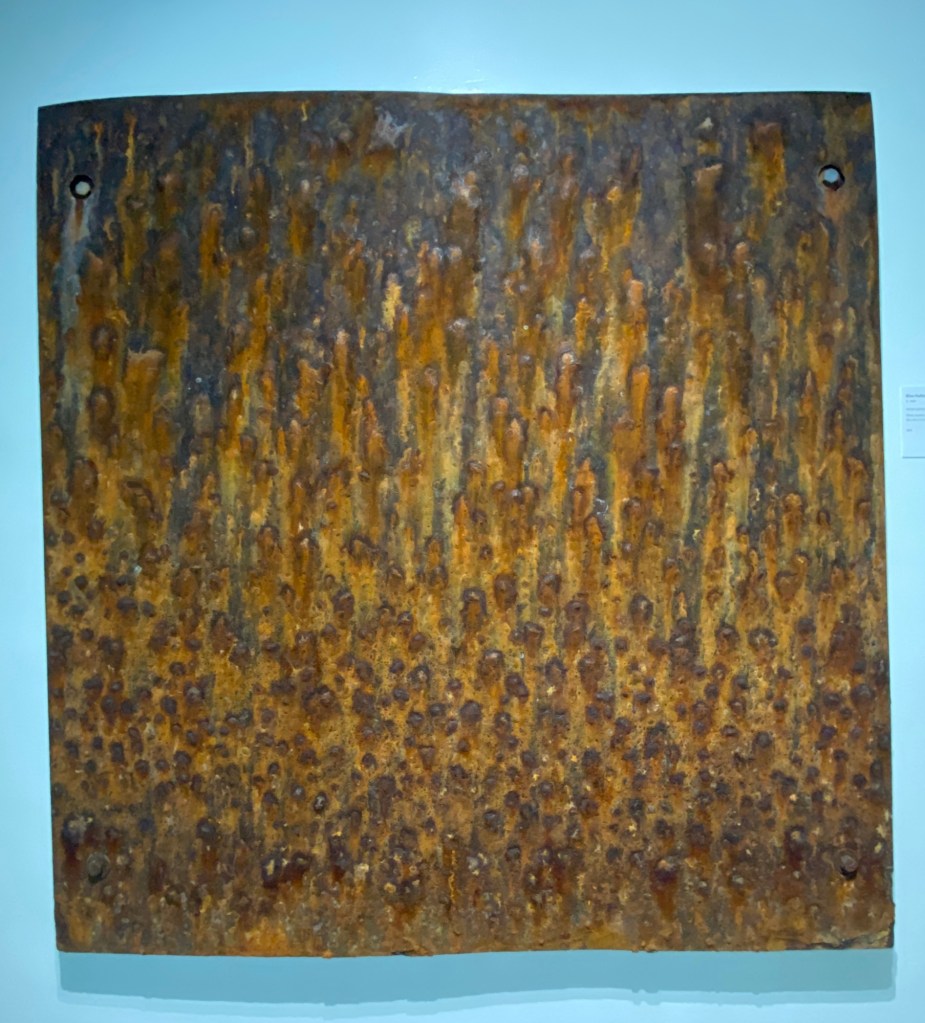
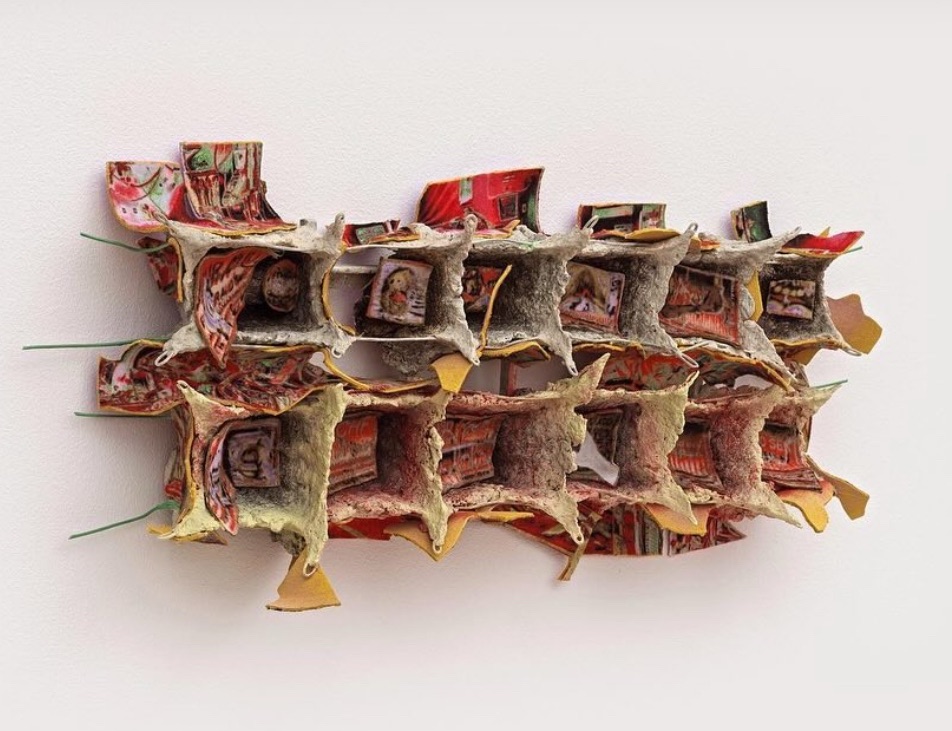
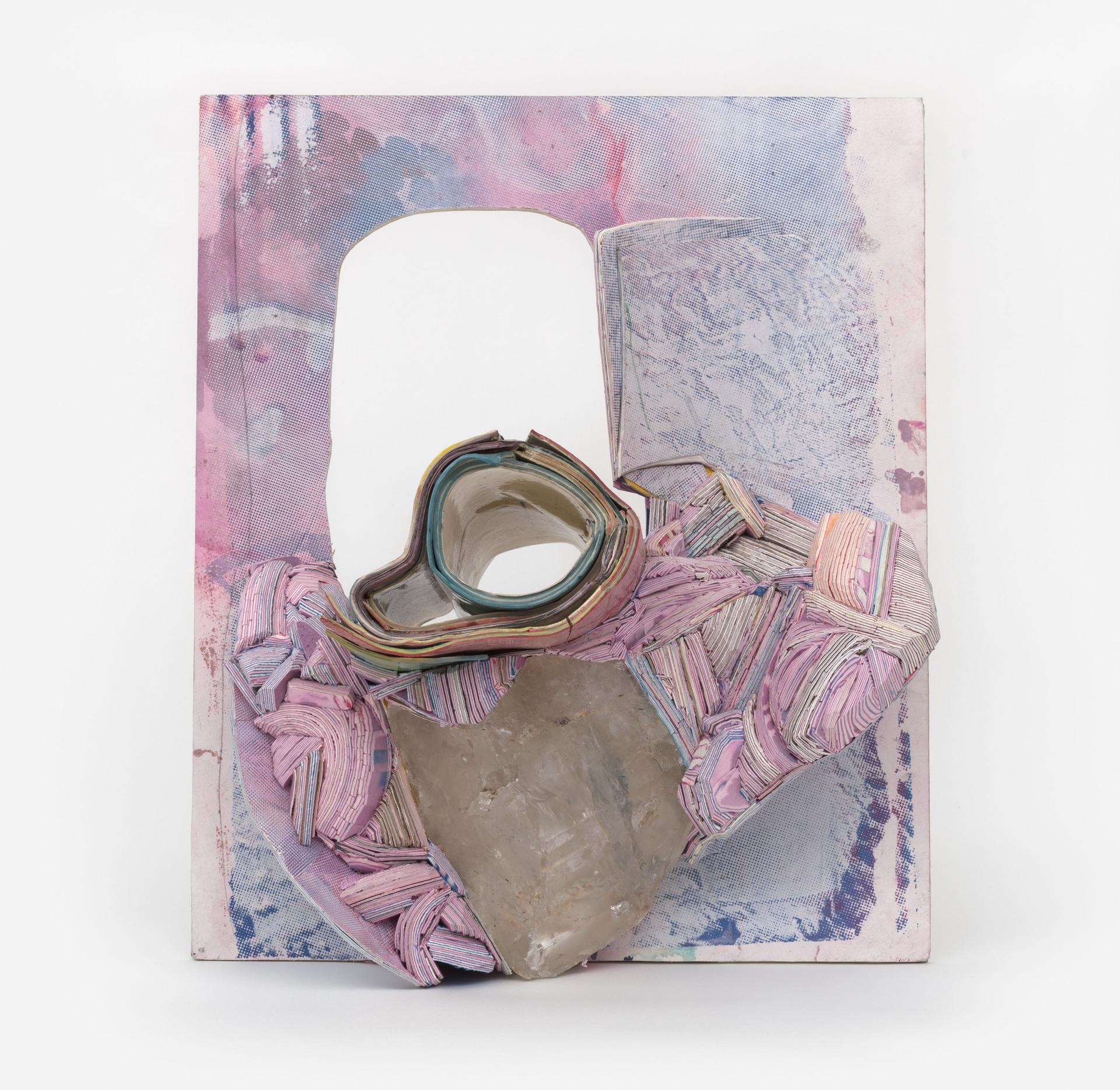
is a recent Hopper Prize winner.
#hopewang

Maria (who shows with David Castillo) has developed an index of color relations to determine specific emotions, memories and spirituality. The colors can be autonomous or have a new meaning altogether when encountering other colors and the forms they inhabit. The artist’s work is about the history of her body (a Cuban born body) in a permanent state of displacement and exile. Her paintings try to express the state in which this happens. They are about the inability to belong in any defined structure.
#ariadelosangelesrodriguezjimenez

is currently showing Precarious Habitats at Meredith University’s Weems Gallery. Ferreira’s work incorporates thread, yarn, found, and heirloom fabrics, as well as a variety of repurposed materials, such as plastics, to create sculptural embroidered paintings.
#patriziaferreira

whose work investigates the ways in which material is transmitted, utilized, and preserved, is one one of many artists included in Painting Deconstructed (some of whom you’ve read about here- Rachel, Mark and Yevgeniya to name a few) at Ortega y Gasset.
#scottvanderveen

Generative relationships between luminous color and ephemeral form propel Lindsay Packer’s site-responsive work in performance, installation, film and video, photography and streaming media. She plays with the call and response of color and light, form and site, engaging an analog/digital continuum of shifting chroma and temporary geometries in which color and form are inseparable. She’s included in Bluets and Blue along with Erika and others.
#lindsaypacker

is one of the artists included in Intersectional Voices, the current exhibit at Greenville Tiger Strikes Asteroid. Clare is a weaver and artist whose practice examines personal and familial experience within the broader framework of myths and narratives that make up the American South.
#clarehu

Final post about 2024 Artfields artists*.
Cristina works with remnants of previous textile projects as well as materials donated by local makers in Charleston, and expands her study of the cane weaving pattern into a large-scale installation. Her relationship to cane weaving is one of nostalgia rooted in her memory of my elders, their homes and communing spaces.
*see also Brent, Kristy, Kai, Natalie, Ian, Amberly, Margaret and Emiko
#cristinavictor

Natalie Dunham is a process-based artist who creates
3-dimensional material studies primarily composed of basic geometric shapes and lines. Her practice employs a strategy of overlapping, accumulating, and juxtaposing simple materials to produce solid and complex forms.
Her hope is to challenge viewers to pause and appreciate the transformative powers of the creative process and to call attention to the essentially ordinary origins of even the most extraordinary works of art. I saw below at Artfields.
#nataliedunham

like Brent was new to me when I exhibited at Artfields (more, more and more).
His works (he says) are direct results of investigations into theoretical studies, constructs, and ideas. He turns classical into contemporary through modern digitized techniques, for example, the 600 years old technique of one-point linear perspective or the centuries old geometric symbol of the mandala flipped on their heads by incorporating laser cut cast acrylic. In bridging the gap between analog (old) and digital (new), he explores binary couplings and the paradigmatic relations between the two elements: light and shadow, translucency and opacity, intensity and apathy.
#kaigriffin

Like Kristy, Brent was one of the artists I discovered at Artfields. About the cyanotype below he wrote that his grandfather was a medic in world war Il. Honeybees carry their dead to the front of the hive as a ritual within their life cycle. These two concepts inform this installation of works on paper. Each red cross image is made up of many dead honeybees, salt and earth. The bees were donated to my project by local beekeepers.
More
#brentdedas

is one of many artists that I was newly exposed to at Artfields this Spring. Below is Harvest Avocado whose title (according to Kristy’s statement) comes from the two most popular colors from 1970s decor, Harvest Gold and Avocado. These earthy tones and the revival in craft become popular due to the start of the environmental movement. Today, 50 years later, we find ourselves in the midst of a climate crisis that urgently needs to be addressed. The inkle woven patterned bands criss-cross and grow in an organic way. Humans are interwoven with the planet’s ecosystems, intricately connected to the delicate balance of nature.
By merging tradition with contemporary influences and addressing the pressing climate crisis, her art serves as a reflection of our times, prompting awareness and dialogue about the need for action in a world where the environment is in crisis.
#kristybishop

To Weave the Sky: Textile Abstractions from the Jorge M. Pérez Collection celebrates numerous textile-based works from the Pérez collection – many of which have never been publicly exhibited before – and engages these acquisitions as focal points from which to structure creative dialogues with artworks presented in other mediums. In addition to works by Gene, Helen, Etel and other painters, Magdalena is included as an example of fiber arts.
#magdalenaabakanowicz