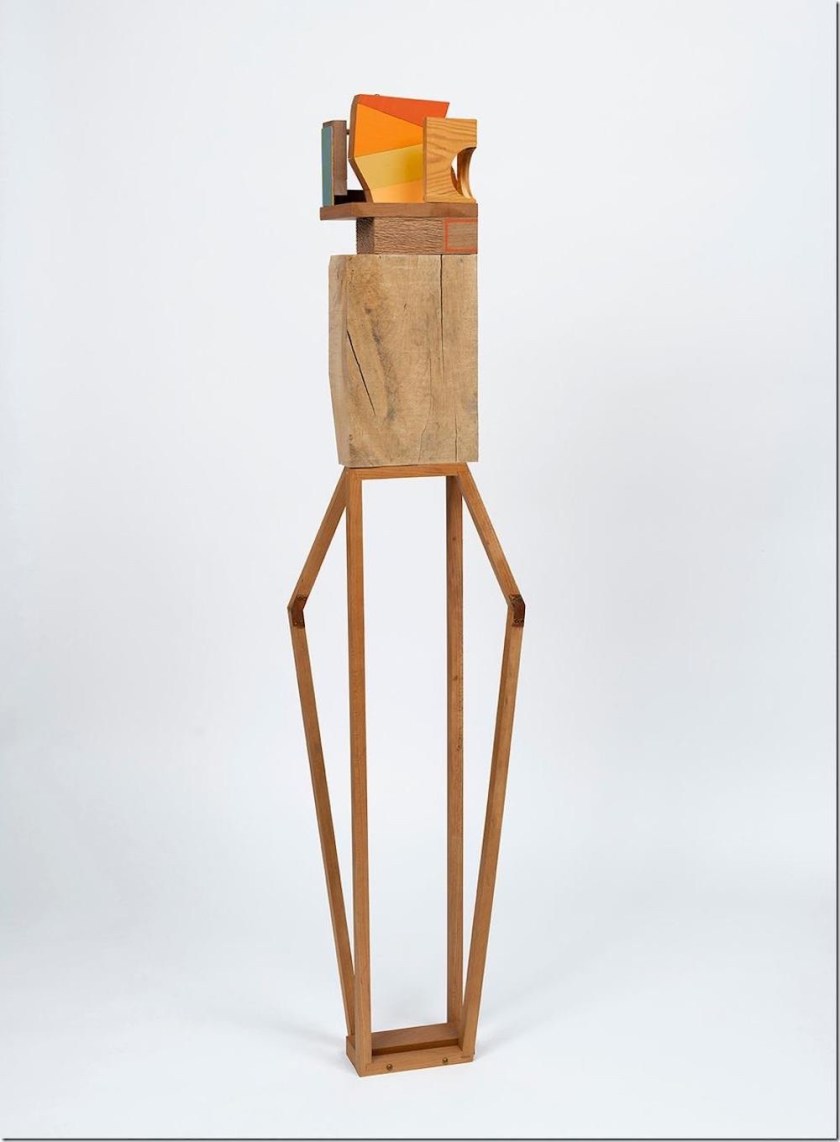
Hyperallergic says Osman’s care for and attention to his modest materials, the particularities of their identity, is rare in a society where excess is celebrated daily.
#jimosman
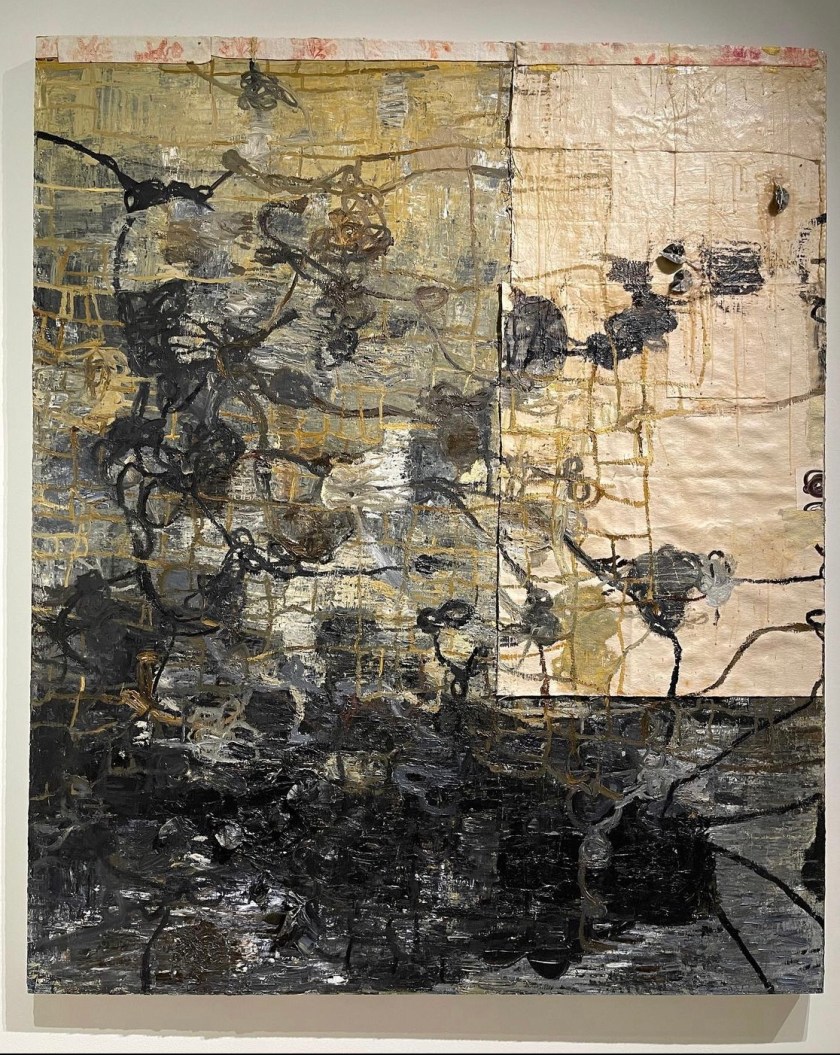
Sharon interviews* Deborah about how her big abstractions have migrated from the murky darkness inspired by research into the lives of her Black ancestors, who were enslaved in the South, to a visual language informed by the rural landscape that surrounds her home and studio in Storrs big abstractions have migrated from the murky darkness inspired by research into the lives of her Black ancestors, who were enslaved in the South, to a visual language informed by the rural landscape that surrounds her home and studio in Storrs.
*Sharon also records podcasts for many interviews
#deborahdancy
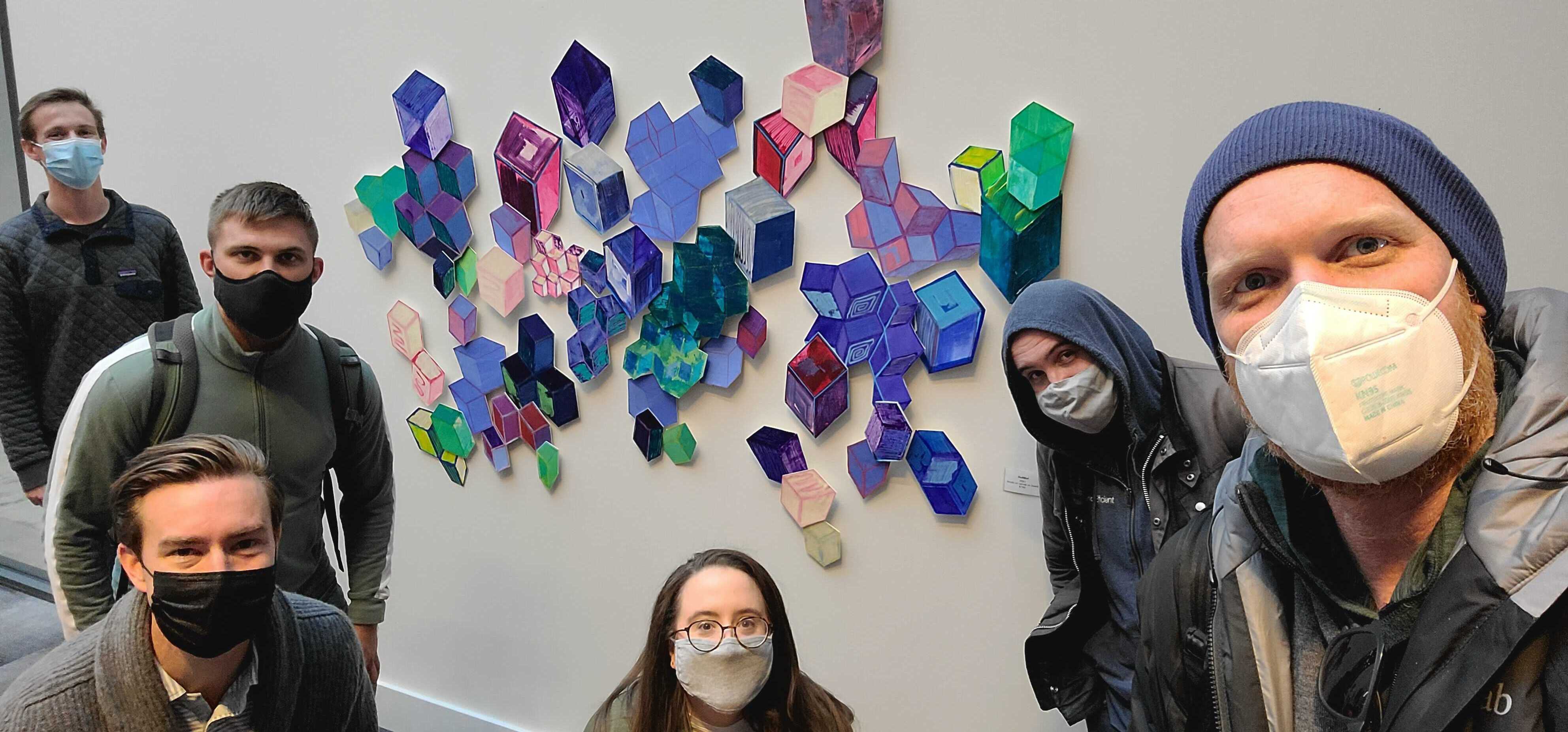
I’ve been working on a series of installation pieces that I call remixes for some time now (below, dates to May of ’20). They began when I realized there were some elements of paintings that (as a whole) I didn’t feel resonated, and began to cut up the canvases and thumb-tack the parts to the wall, rearranging them as if the cubes or clusters of cubes were individual compositional elements. Remixes belong to my generation so I’m quite comfortable owning that nomenclature and “yes,” I’m also down with the idea that the experiential element of music is quite often similar to the experiential elements of visual art (and I’ll note that just because music remixes are the most familiar instance of this modality, remixing is not unique to the media).
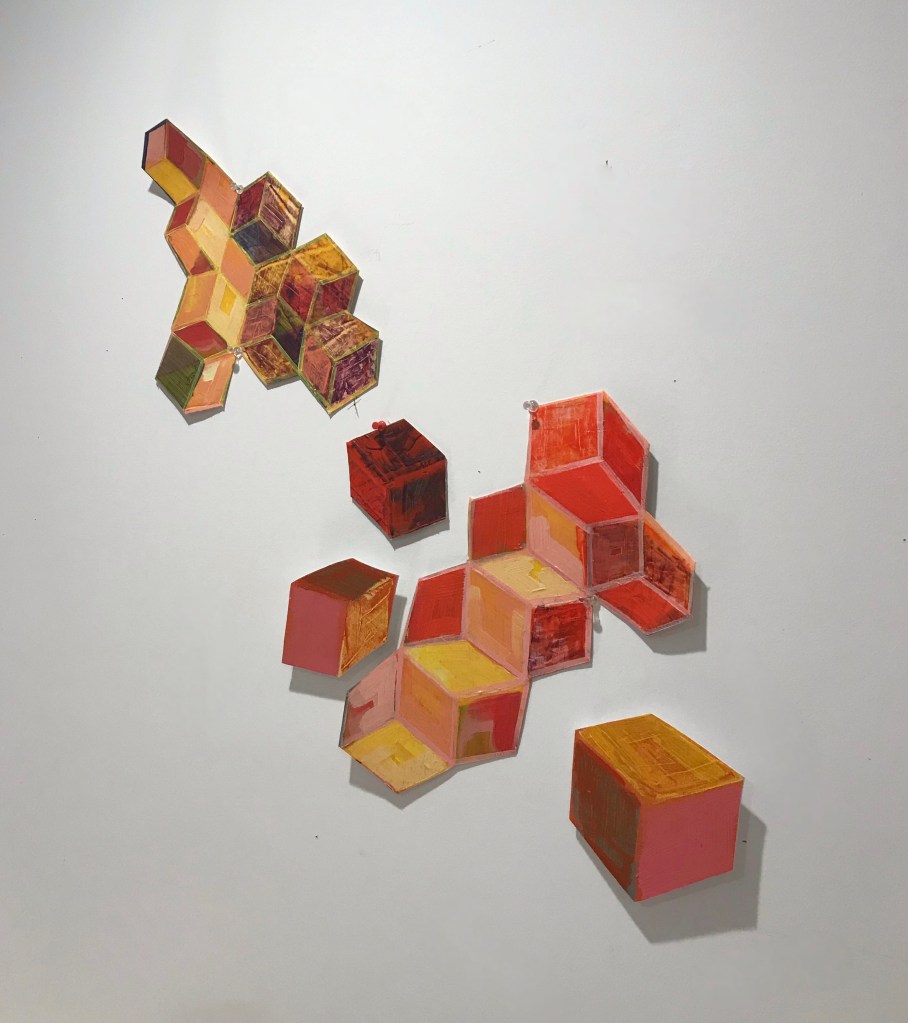
To me, the act of intuitive “play” without a known or pre-determined outcome- an objective- is what makes much formalist abstract art, well, non-objective. There’s something more with these reassemblies than the element of play though- they create or imply space (that they exist in it) by their proximity and overlap. The “pop” between these “layers” is something I’ve thought and written and talked about over many years, and I’m certain the appeal has something to do with the influence that cel animation had on my aesthetics (which in many cases is cooler than anything I’ll ever make, see example from Akira below).

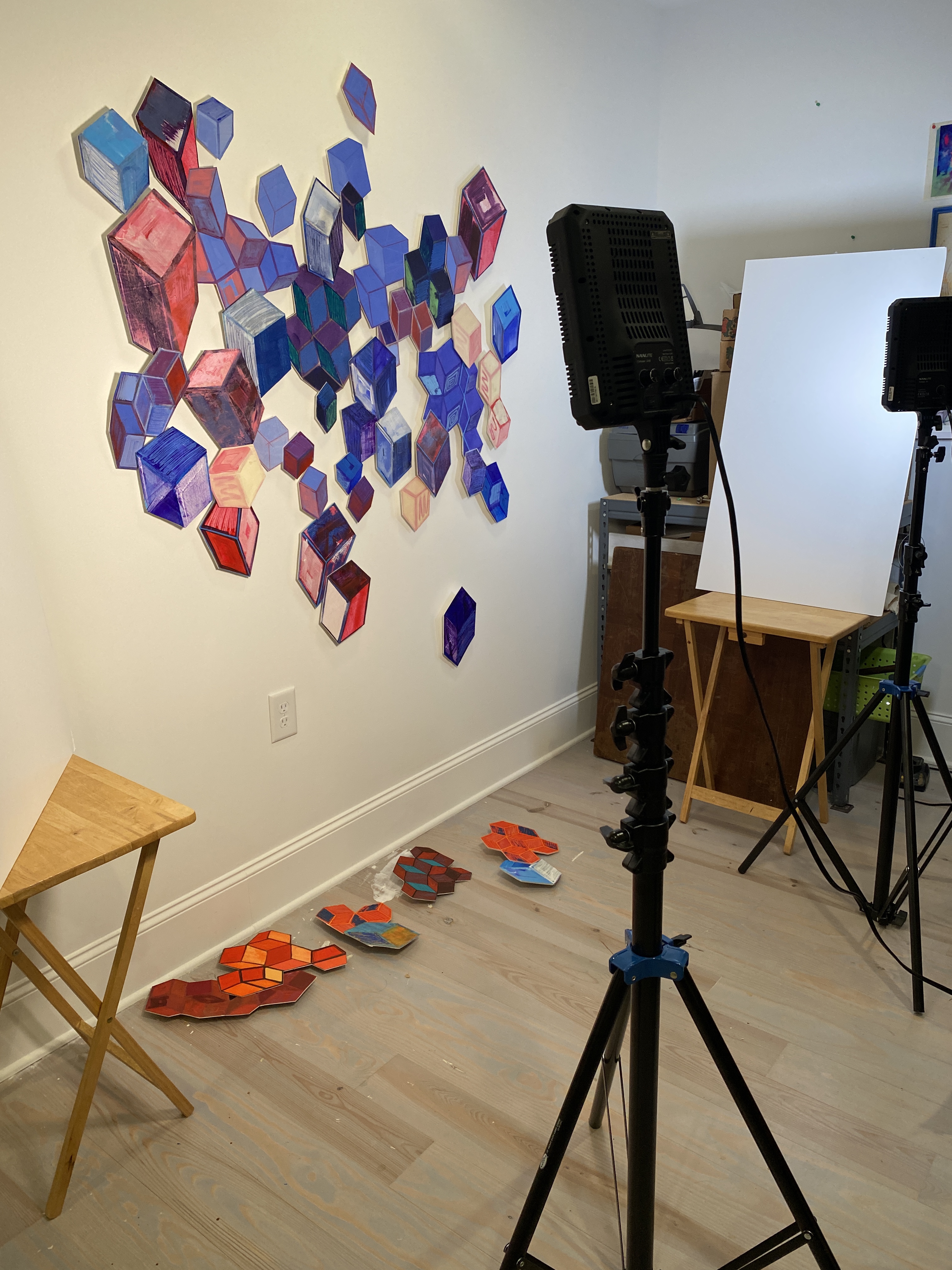
Of late, the compositions I’m exploring have not only scaled up (compare first image below of an early iteration to the last one) but also attempted to engage a more bombastic combination of chromas (second image). One of the things I learned when I showed them recently, too, is that, to enhance and foreground their experiential and temporary qualities, they should change each time they are shown. I’ve also recently purchased some lights so I can use one of the walls in my studio as a canvas (stage?) to work through new ideas/configurations (and capture the resulting compositions in hopes that I can also create some new opportunities for them to exist outside my studio).


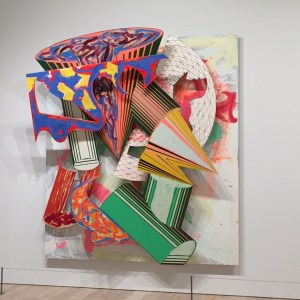
Also been thinking about some of the artists I’ve enjoyed over the years that have at times made work that engages negative space and/or implied space: Elizabeth Murray’s frenetic cartoon energy that defied the notion of the painting as a rectangle; Stella’s late work that reflected back to society the impact of digital imagery that overtook hand-drawn graphic design at the end of the 20th Century; Al Held’s non-sensical labyrinths; and Elsworth Kelly’s always amazing ability to energize the space around a shape.



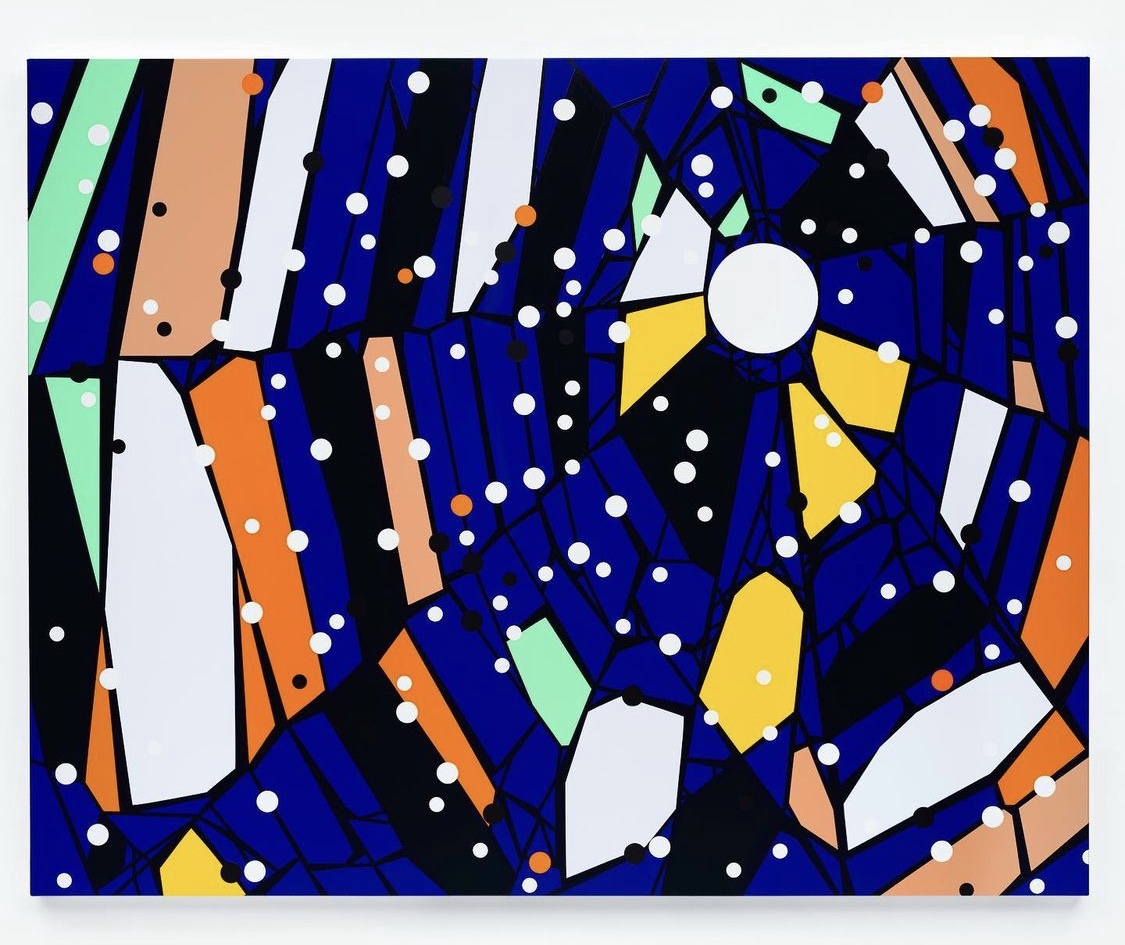
Sarah Morris is an American artist. She was born in the United Kingdom, and lives in New York City.
More
#sarahmorris
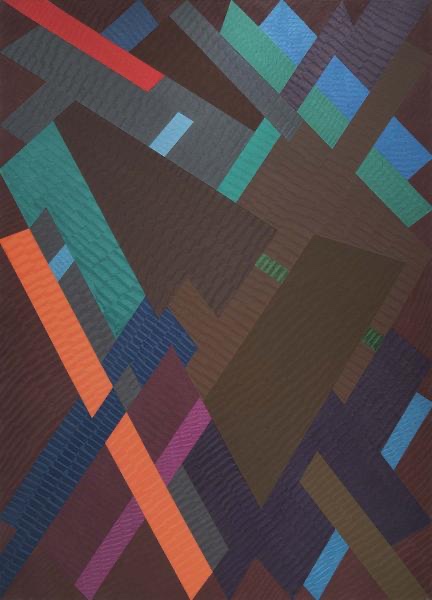
The National Gallery of Art has a recording on SoundCloud of About Abstraction: A Conversation with Melvin Edwards, Sam Gilliam, and William T. Williams that is well worth the listen.
#williamtwilliams
So I had to look up Edwin after reading John Yau’s piece on Robert Ryman where John postulates that Robert was influenced by Bradley Walker Tomlin and Edwin.
#edwindickinson
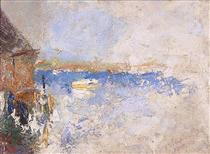
Katharina is a Berlin-based artist and professor. She likes the anarchic potential of color.
#katharinagrosse
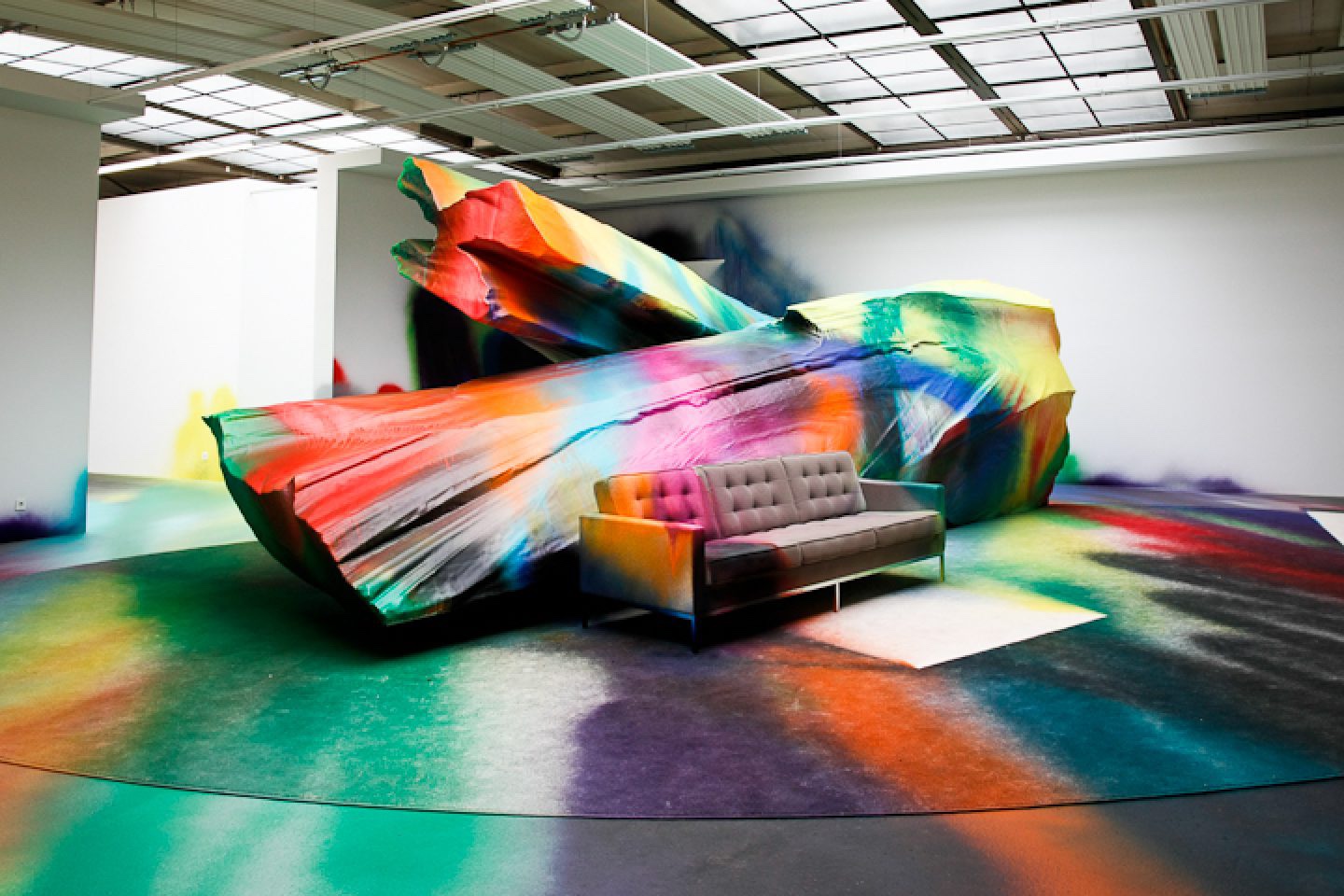
…there is something polluted about Sheff’s bucolic tableaux. Animals in repose are disturbed by passages of mottled hues that refuse to settle into familiar, nameable shades. The chroma are telluric and ripe, even vaguely threatening. Painter Amy Sillman, whose work seems an inspiration to Sheff, has described her own use of color as a tool of negation.
#daisymaysheff
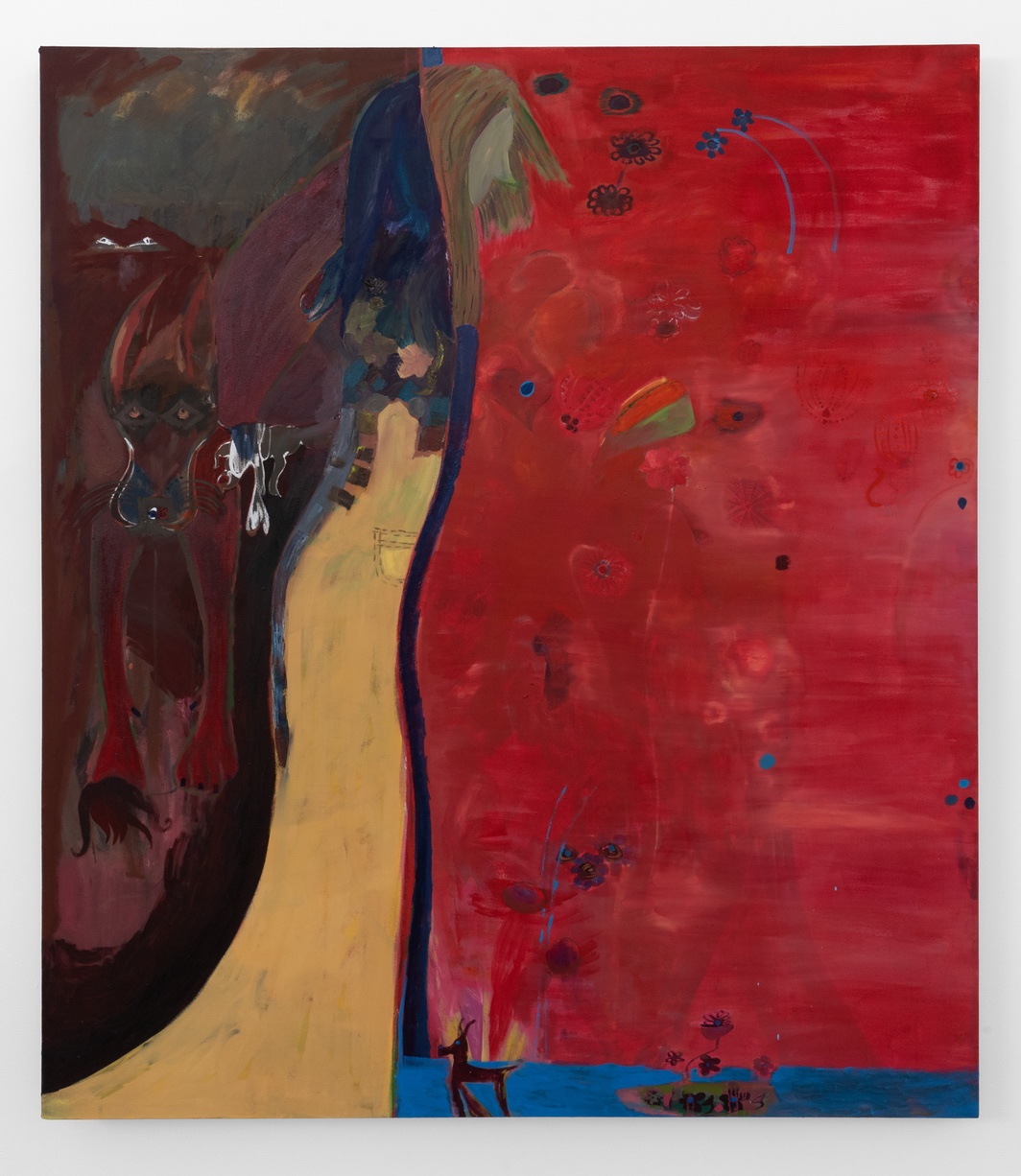
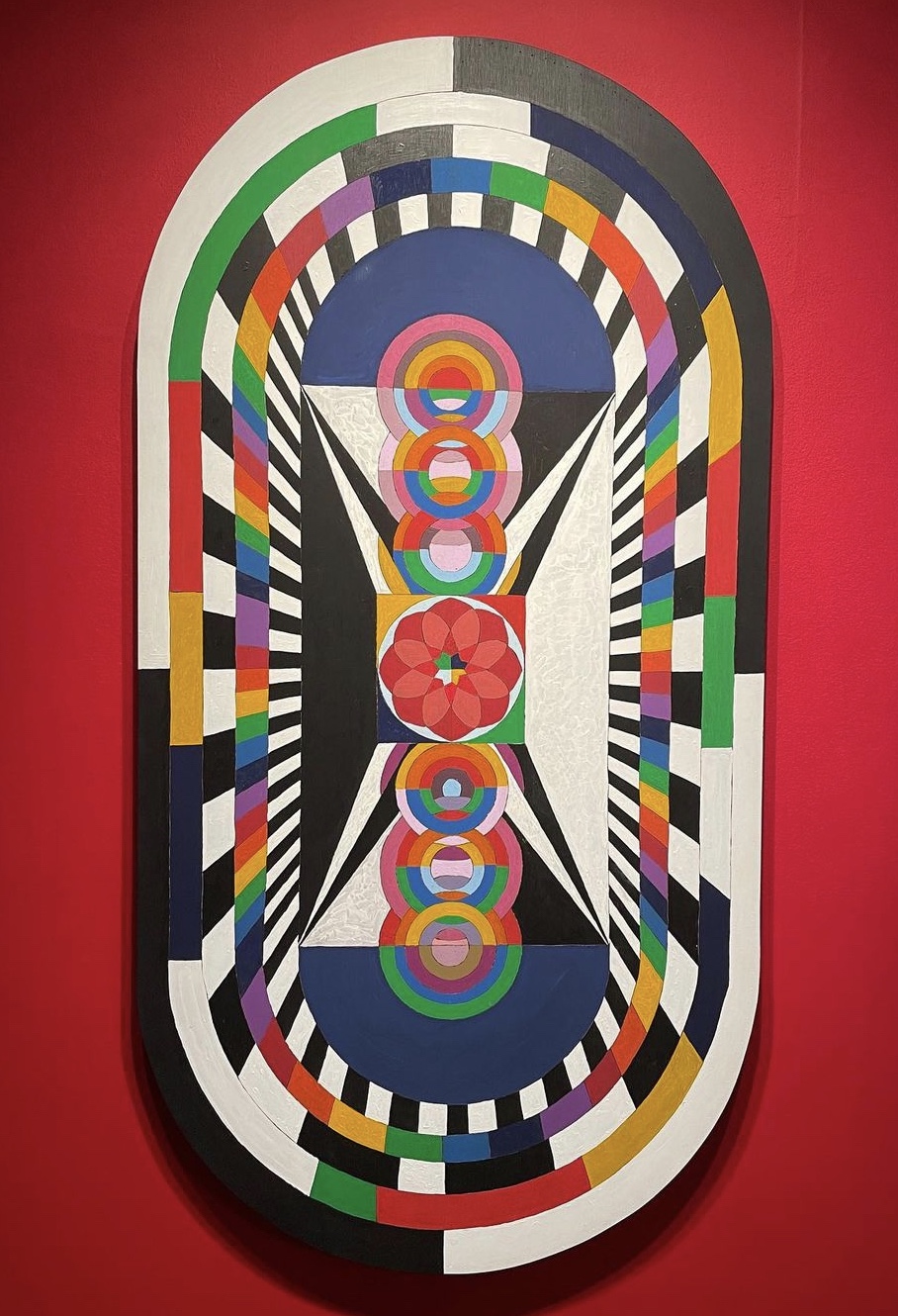


 Painting After Art is Dead