Past, present, and future is a Two Coats piece about the complementary visions of Jodi Hays and Michi Meko.
#jodihays

Past, present, and future is a Two Coats piece about the complementary visions of Jodi Hays and Michi Meko.
#jodihays
Curated by Kathleen Reinhardt and first shown at the Albertinum Museum in Dresden, For Ruth, The Sky in Los Angeles: Ruth Wolf-Rehfeldt and David Horvitz is a living homage to the history of Mail Art and visual poetry and a recognition of their ongoing resonance.
#ruthwolfrehfeldt
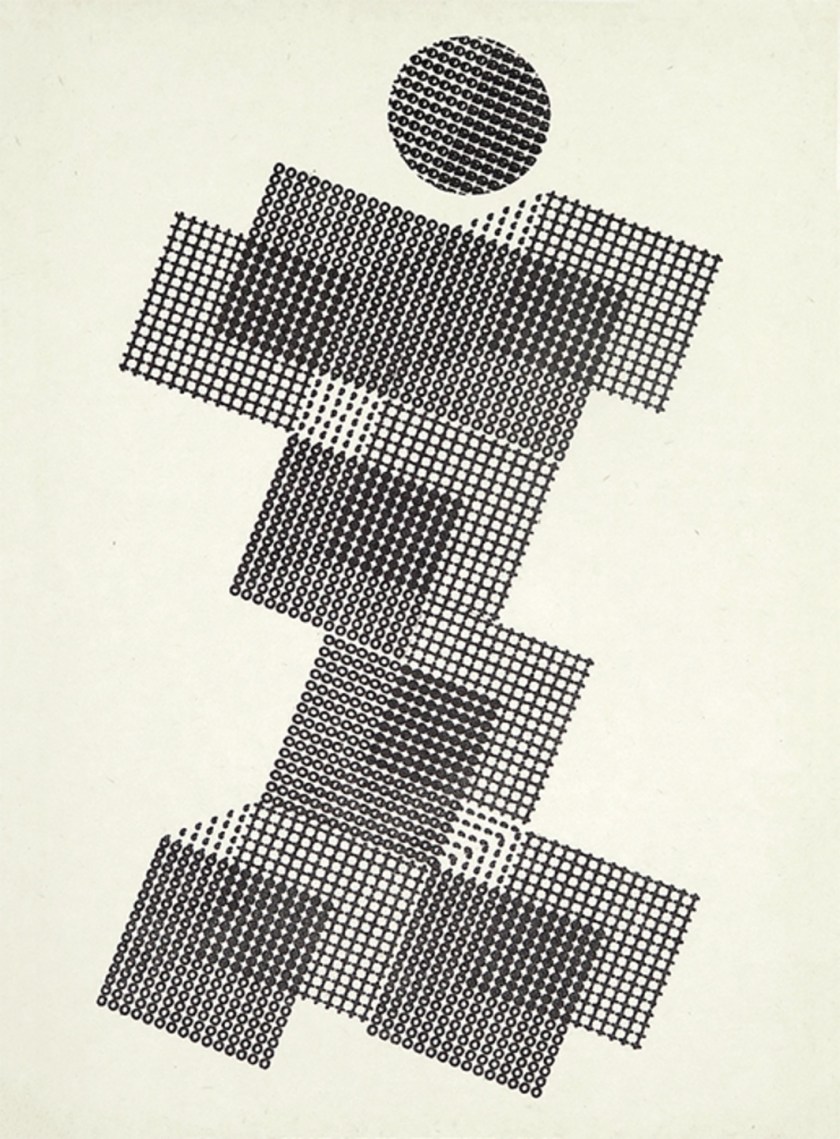
Artforum notes that for more than five decades, sculptor Mel Kendrick has created visual puzzles by taking things apart and putting them back together again. The resulting works invert spatial oppositions, giving dimension to feelings of inner conflict.
#melkendrick

BmoreArt says Cheryl’s intuitive language of abstraction charts the exuberant inner worlds of both the artist and the viewer.
#cherylwarrick
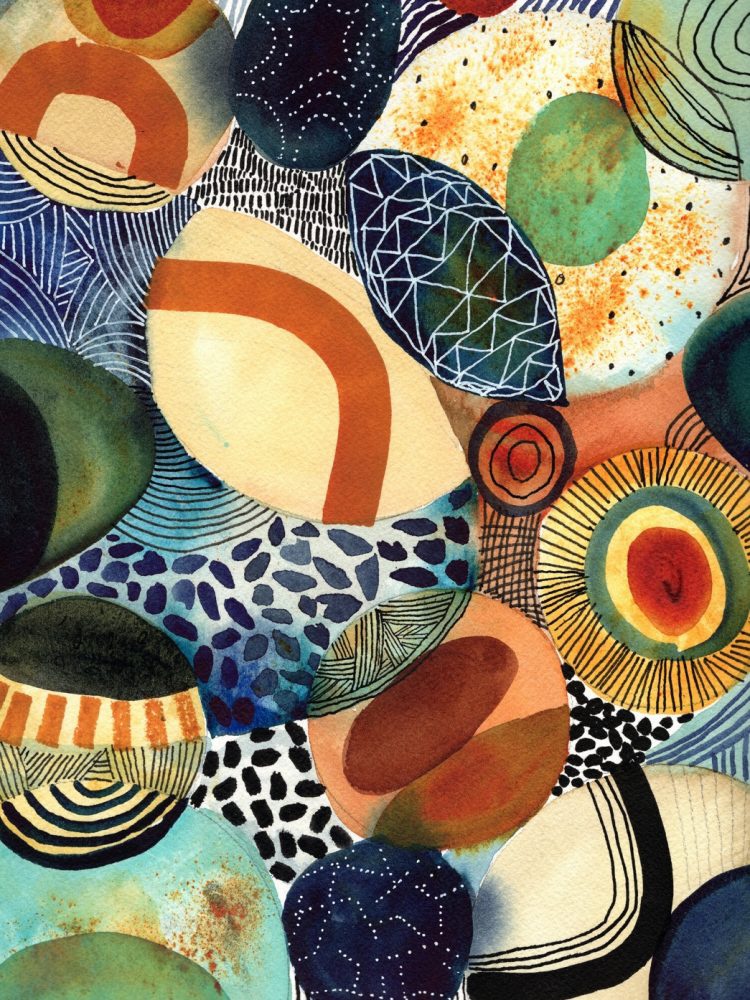
I am not even sure how to write a sentence that expresses how lucky I feel to live in the Triangle. The community that I have been able to experience here is certainly thing 1- and thing 2 is that the art this community (hopefully some of you all!) has shown this year is fantastic! This list of shows will certainly not be a “best of” and clearly is going to be biased towards non-representational work with a few (I hope) surprising exceptions. Ten seemed like a good number for one of these year-end count-down-type lists.
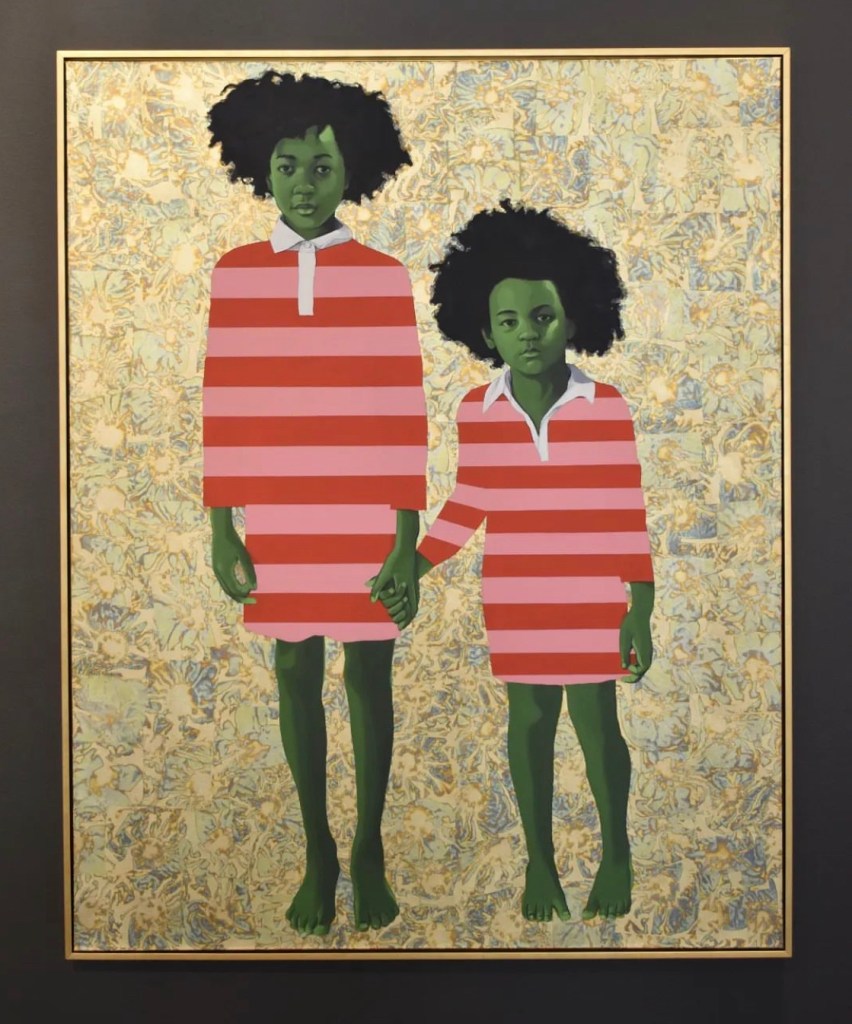
So first and foremost, Clarence Heywards’s UNSEEN at CAM was hands down the best painting show in the Triangle in 2022 and I will gladly catch you outside if you disagree. Not only was the cavernous, main gallery at CAM the ideal siting for these ginormous works, they have a deft combination of sleek yet unshowy craftsmanship and timely social commentary (BIPOC people shown with green screens for skin so that we can all think about the things we project onto blackness that amount to not actually seeing black people, are you kidding me- brilliant!!!). Yes it isn’t abstraction but awesome is awesome.
The rest of these are in no particular order.
My favorite show at Anchorlight was Mike Geary’s Hidden Entrance. The body of work Mike has made probably straddles a line- are they really abstract, or abstractions (there’s a lot that’s biomorphic going on for sure)? There’s an element of automatism in the work which comes through strong- an obsessive development of forms. While a lot of choices are clearly conscious if you read Mike’s statement for the show, there is (they are?) space which Mike creates for impulse and spontaneity, which I vibe with.

Lump exhibited a fantastic if small group of paintings by Zach Storm, along with many of his drawings, called Say What You See. Similar to Mike, I picked up a strong surrealist influence in Zach’s work, commenting to a friend that they felt like Wolfgang Tilmans had a dream of Yves Tanguy and woke up and decided to be a painter. There’s a world building element too that is utterly fascinating and absorbing to me. Yeah for good painting!

One artist I know for sure utilizes automatic drawing is Jason Lord, who, along with Linda Cato, put together Landmarks at DAG’s Golden Belt space. There was an element of belief in something almost magical that I can’t put my finger on- Cato’s journey being more outward and Lord’s inward. Call it a belief in something… greater which makes it no surprise they’ve both abandoned language and embraced abstraction. File under “pairs nicely.”

Readers will know that I have a relationship with Charlotte Russell Contemporary (being included in Experiments in Form was a personal ’22 highlight for me). Bias aside, Charlotte curated In Proximity back in May, which was an amazing two person show of 2 of the best colorists in the Triangle, Kelly Shepherd Murray and Peter Marin.
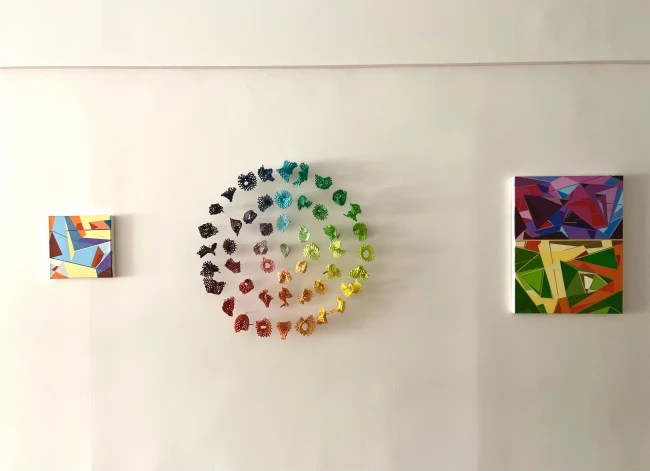
Speaking of Peter- Diamante Arts and Cultural Center upgraded their space this year and their game with the selection of Peter as head curator. His first show in their new space was a hit- Rosalía Torres Weiner’s Mi Gente , Un Refleio. I had the pleasure of talking with Rosalía at the opening and her paintings and pallet reflect the energy of her personality.

There is probably no more appropriate venue in Raleigh for a show of Pop Art than 311 gallery, given it is the space in town where commerce and culture collide and the fact that Pop is and should be exactly what it appears to be on the surface. OMG WOW is also perhaps the best show title of any other I saw this year. Perhaps the best part was, with 80 (!) artists, you had to hunt for your favorites- kind of like, well, popular culture!
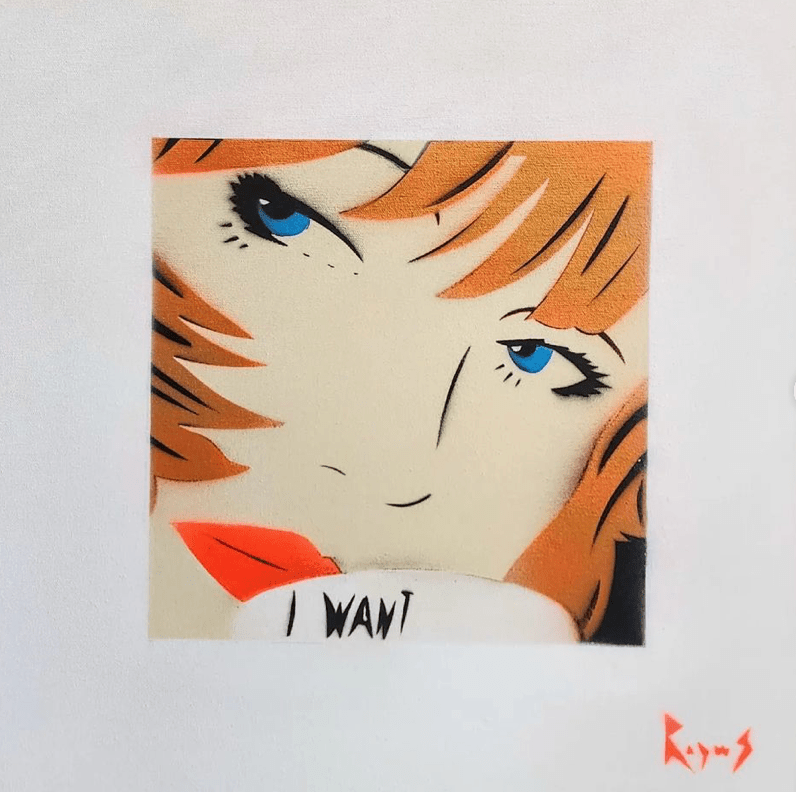
I think I can speak for all painters in the Triangle when I say we appreciate the shows that Ashlyn Browning curates (she ain’t a bad painter herself) and Color/Form at Block gallery was a certainly a gift. Jerstin Crosby‘s loopy geometry never disappoints and Martha Clippinger regularly unravels (I’m hilarious right?) many of our silly ideas about what is painterly- together, even more fun.

A-Piece A-Part at Artspace is one of the only shows on this list that readers can still get out to see (up till 2-12-23). I do enjoy seeing something I’ve never seen before (I am an American artist after all) and this show delivers. Regina Jestrow’s and Allan Rosenbaum’s delight with materiality makes this a really tactile show.

And last but definitely not least (and up through January 8), Nasher Museum’s Roy Lichtenstein: History in the Making, 1948 – 1960 is the most instructive experience I had in an exhibit this year (fitting for a museum). The story we get is one of a young Roy attempting to find his voice by synthesizing Modernism and the idea of an avant-garde. There’s so much to process and think on- our definitions of Modernism and what it was like to ivnvetigage that epoch as lived experience; to digest European ideas about the relationship of archetype and myth to form and use that energy to transmute the stories Americans tell themselves about who we are; and certainly not least of all, that he did have a period where he made abstraction prior to his Pop brushstrokes.
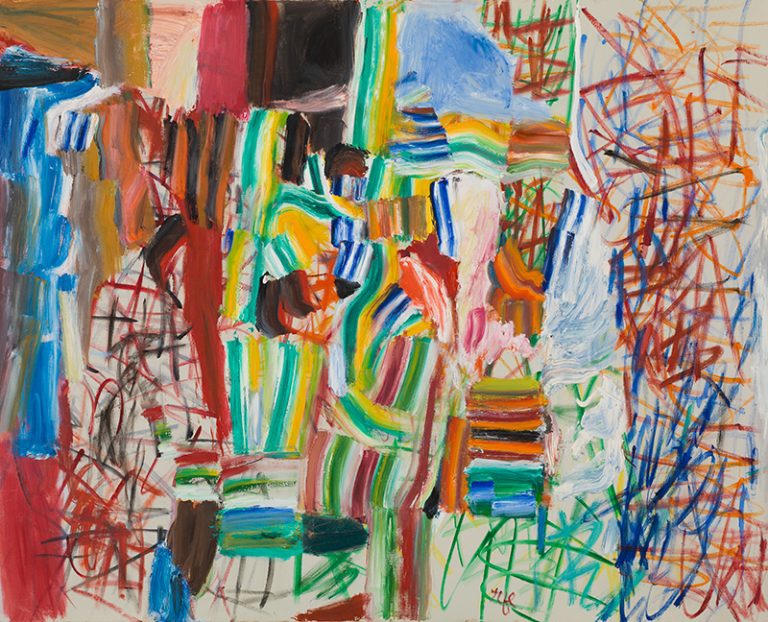
Artforum has words about fear and transcendence in abstract painting, on the occasion of Jame’s new work at Kavi Gupta.
#jameslittle
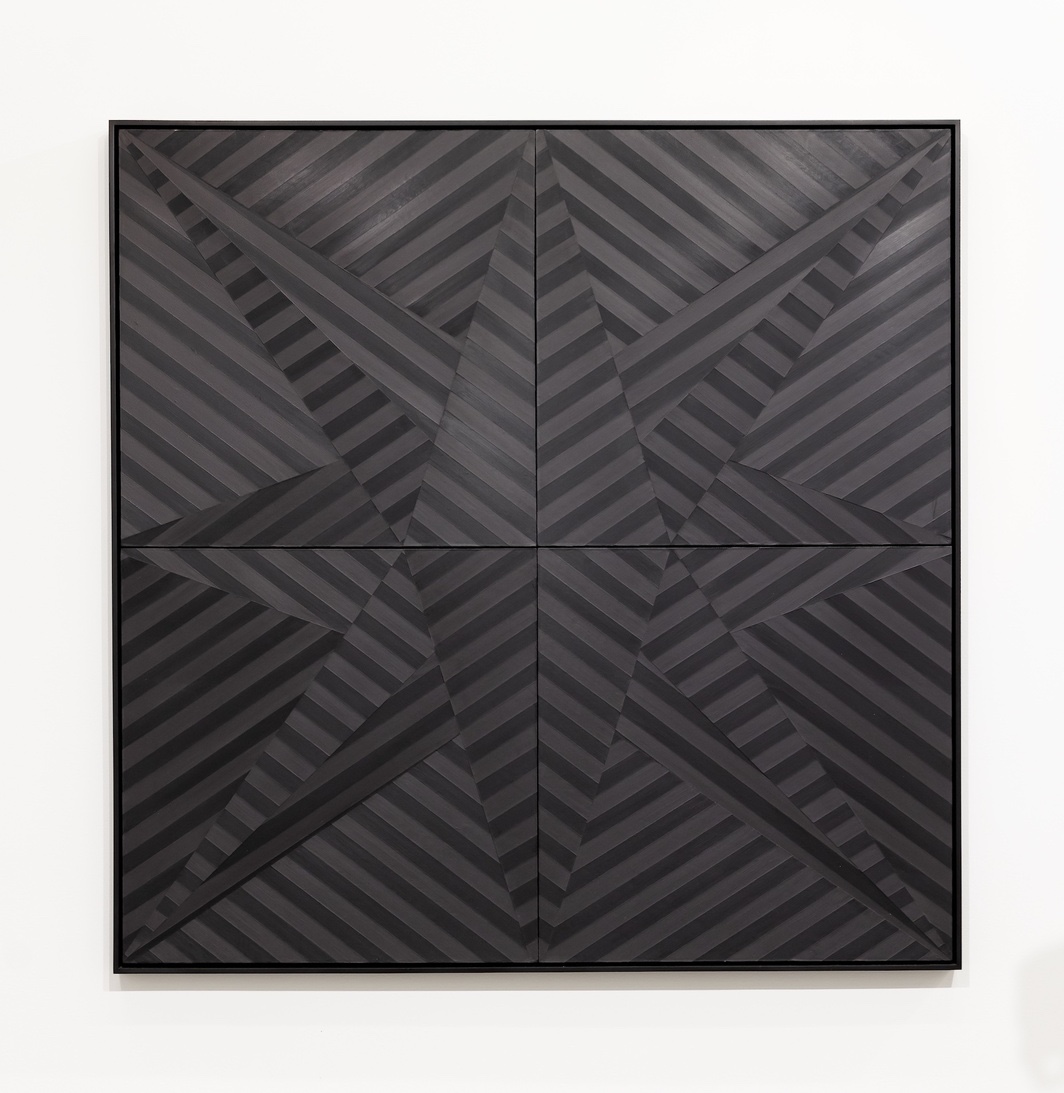
Lilly Wei at Art in America has words about Robert’s newest at the Scully Tomasko Foundation.
#robertcmorgan
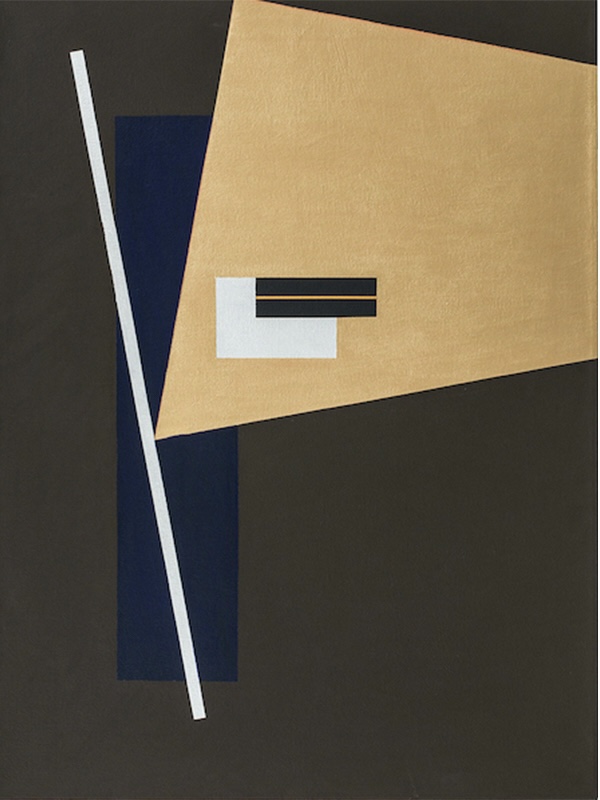
White Hot notes Inhabiting the Interface at Swivel Gallery.
#kajinkim

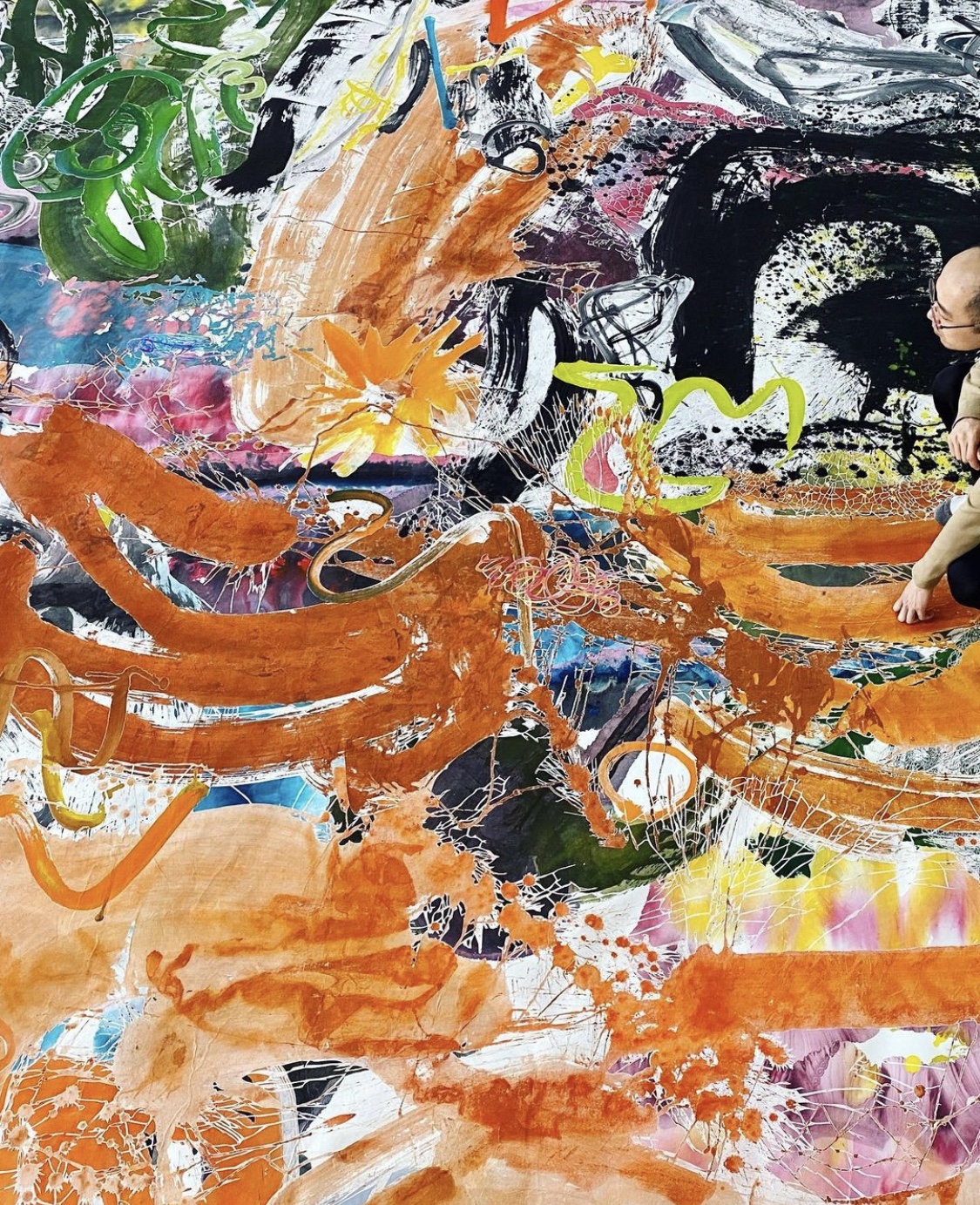
White Hot says that in Wu Jian’an’s art forms and concepts, there (were) visual tricks, reflections on the polymorphism of cultural heritage, and manifestations of humanity and divinity.
More (check out their post of the gigantic piece below, made for the Chengdu Biennial)
#wujianan
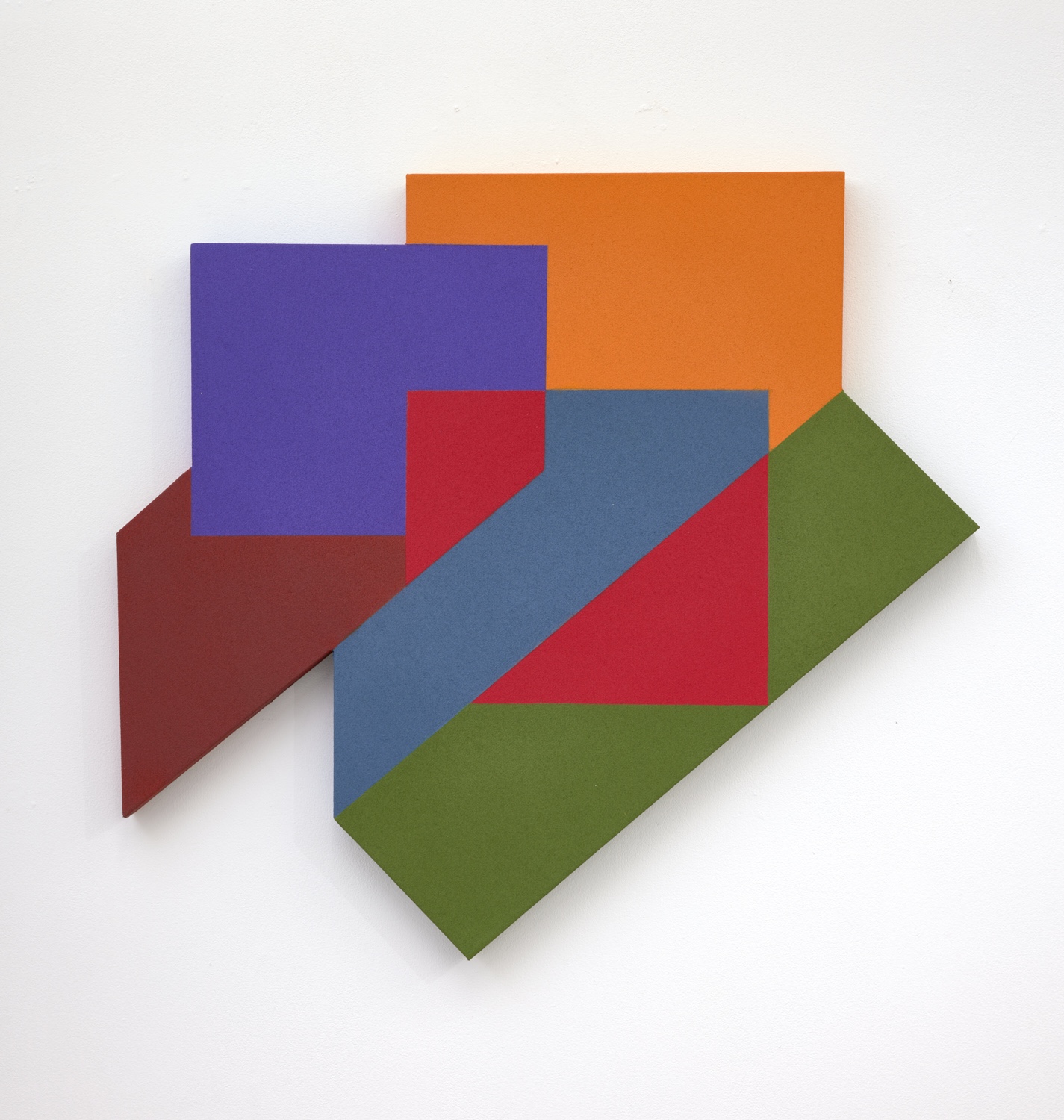
Cori Hutchinson at White Hot has words about Mokha Laget: Hot Axis at David Richard Gallery. She is a former studio assistant to Washington Color School painter Gene Davis.
#mokhalaget
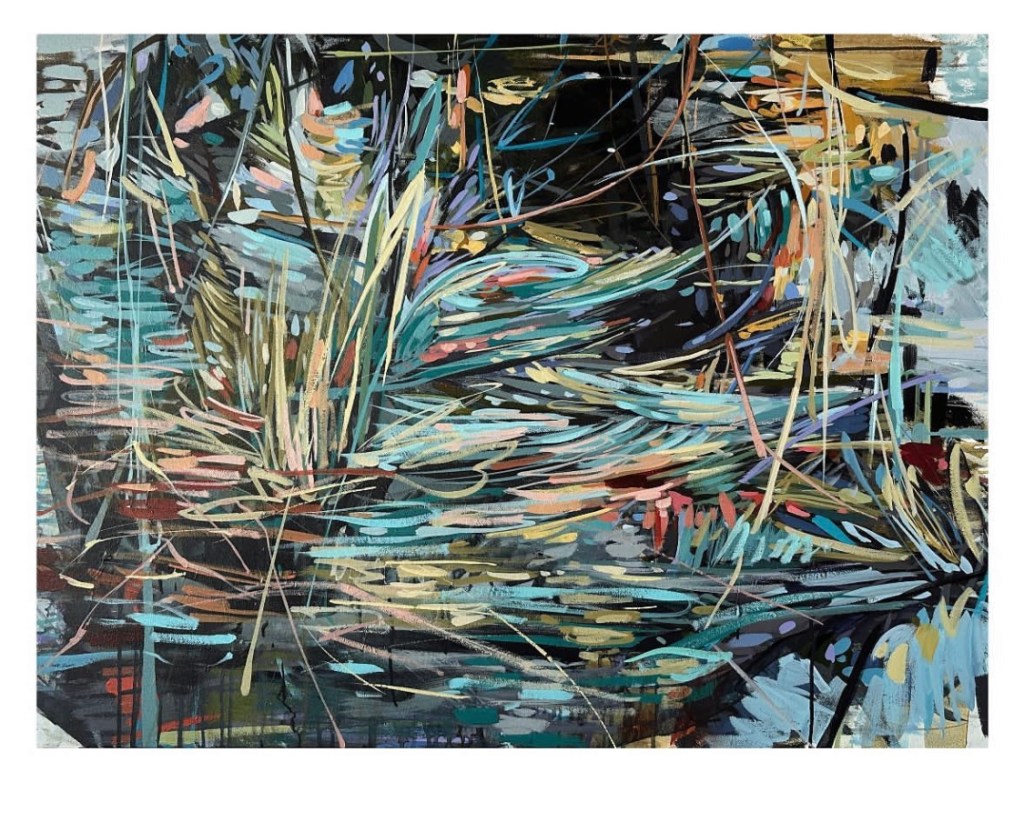
is in Ethereal Communication (which explores the subtle and varied ways in which meaning is conveyed) at the Painting Center.
#annmarieauricchio
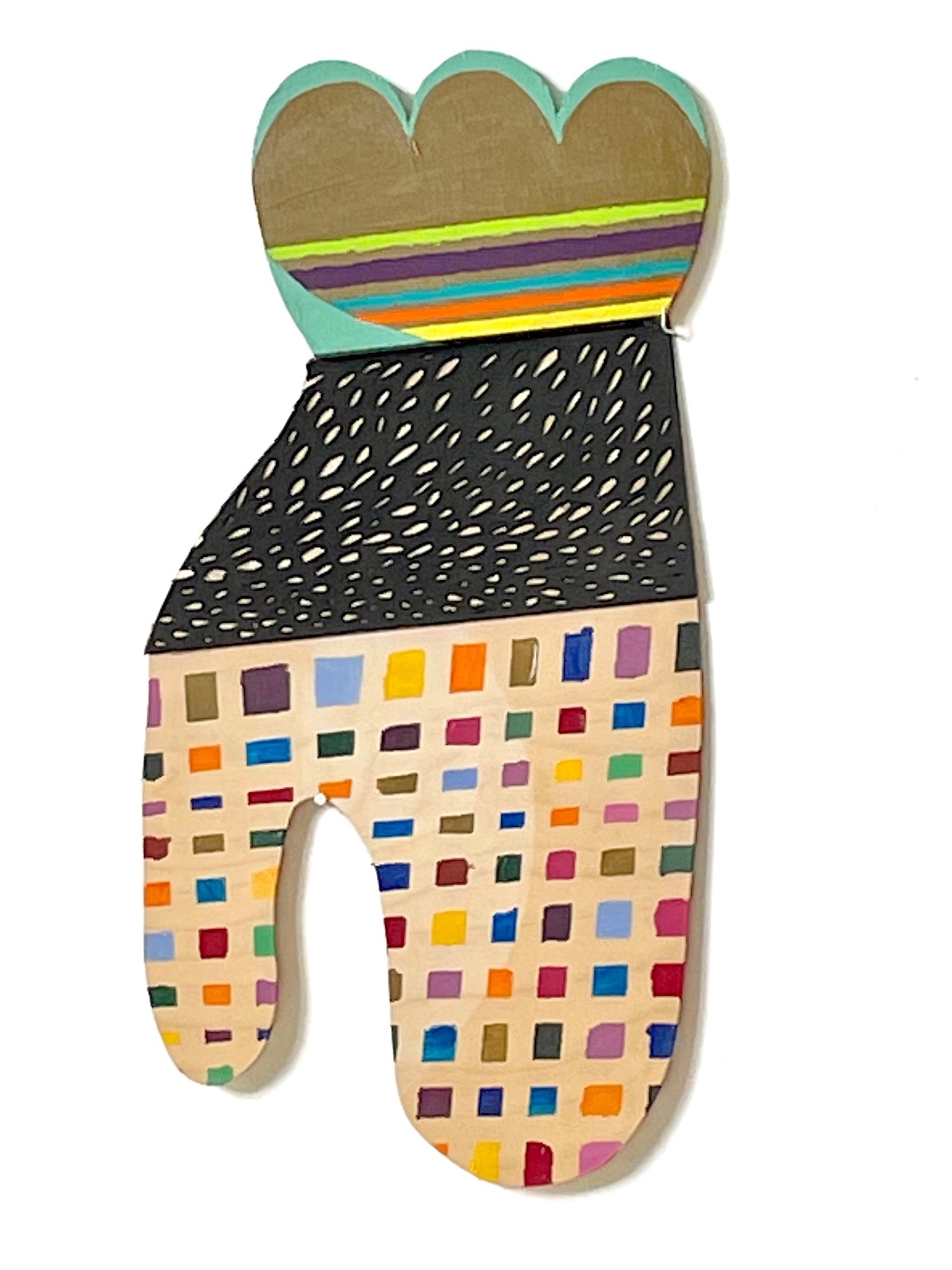
The exhibition A Conversation explores communication through the exchange of images rather than words. It engages the idea that a visual and personal narrative takes place between and within the artworks themselves.
#suzanshutan
Sterling has some new paintings up in NYC that I am seeing all over the ‘gram and it’s not hard to see why.
Ruby is an American artist who works in a large variety of media including ceramics, painting, drawing, collage, sculpture, video, and textiles. Often, his work is presented in large and densely packed installations. The artist has cited a diverse range of sources and influences including aberrant psychologies (particularly schizophrenia and paranoia), urban gangs and graffiti, hip-hop culture, craft, punk, masculinity, violence, public art, prisons, globalization, American domination and decline, waste and consumption.
#sterlingruby
Since one of the themes in my practice is contradiction, I thought I’d chose a word that can be a noun and a verb. I do pace a lot. I mostly pace during my day job- in the studio, not so much. I think the energy that instigates pacing is a part of the source of my work. The parts of my practice that are contemplative are not done while pacing, however pacing is often useful for contemplating all the things and my practice definitely encompasses a lot of time in thought (as an alternative- this activity is not opposed to action).
Pacing the noun- as in the pacing of my practice- comes to mind because while the core of my practice is making work I find that the many parts of my practice also have to stay “on pace.” This blog- which is a daily practice; networking and expanding opportunities for myself; Instagram (started a new feed btw); and making sure I am teaching when I can (and I am teaching color theory again starting in January). And all of this without “falling off pace” (yes I used to run a lot) with making work.
So what is the ideal pacing (for me)? There isn’t a destination like a condition or state for my practice to occupy… or a timeline to get there (I mean, I already have a practice ffs). And it’s different from momentum. The answer is, I think, in the definition of pacing: the act or result of setting the rate of movement or progress, as of a story, movie, lesson, etc.
So what is the result I’m seeing? When I ask myself that question, I smile: I have work up in public; I am teaching; I am learning what’s involved in proposing and curating exhibits; I’m meeting new people whose work I want to celebrate*; and I’m pushing myself in my studio.
*if you want a good list of NC artists to celebrate start with the book on the top left of the gallery below.




 Painting After Art is Dead