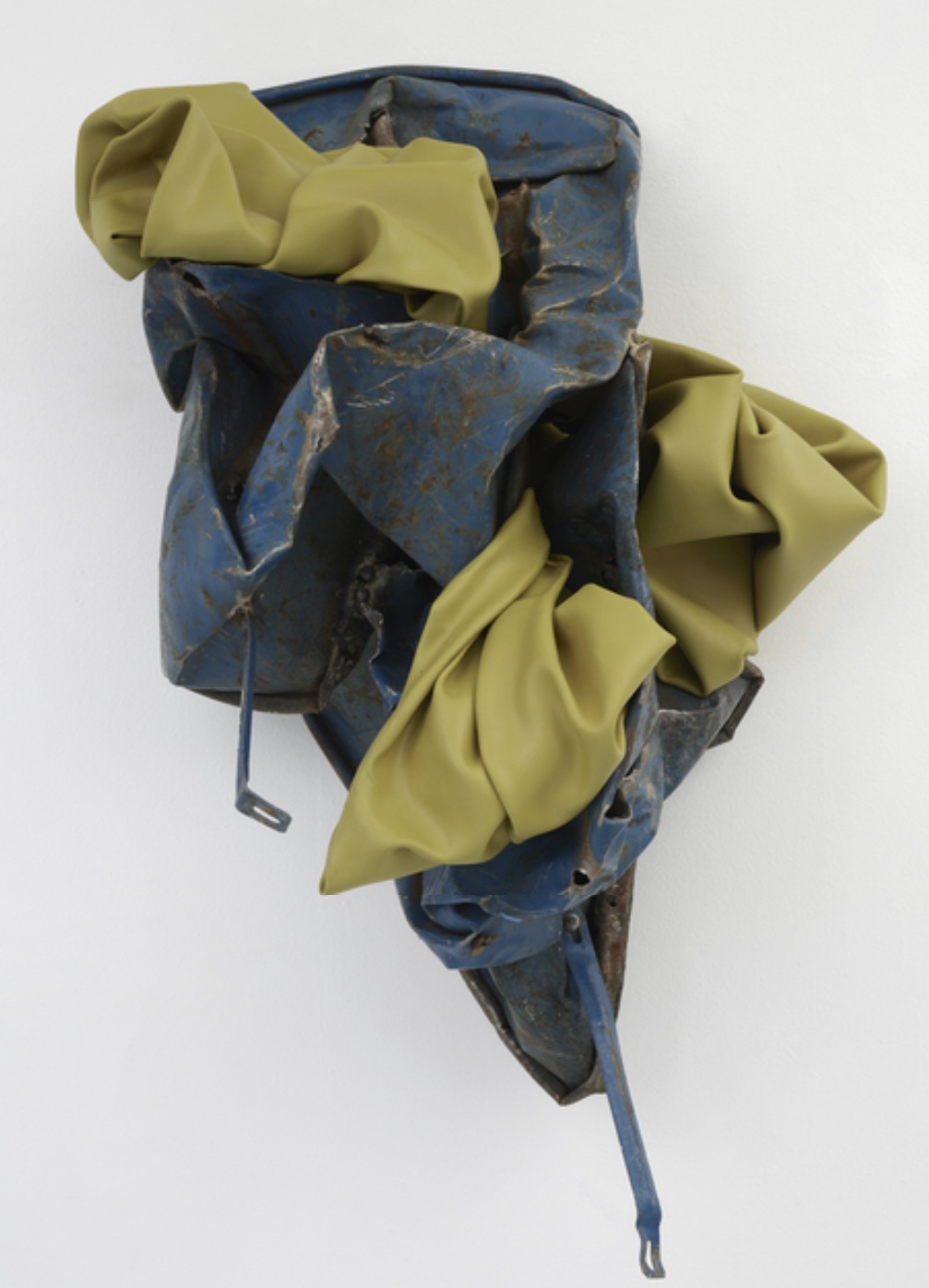
is featured in Return To A Place By The Sea at The Church.
#gregorycoates

So I will be the first to grant that in this day and age creatives sometimes refer to curating in the context of their Instagram feed. I don’t know if my feed comes off as “curated” and I am very intentional about it. I post every 4 days (3 posts) with every third one featuring other creatives.
Curating also obviously refers to organizing an exhibition. When I first began studying art in an academic setting, this activity was reserved for art historians and professionals involved in the critical discourse. I feel like that has shifted over the last decade, possibly sooner (which I wouldn’t know because of the long break I took in practicing) towards artists themselves organizing and curating exhibits.
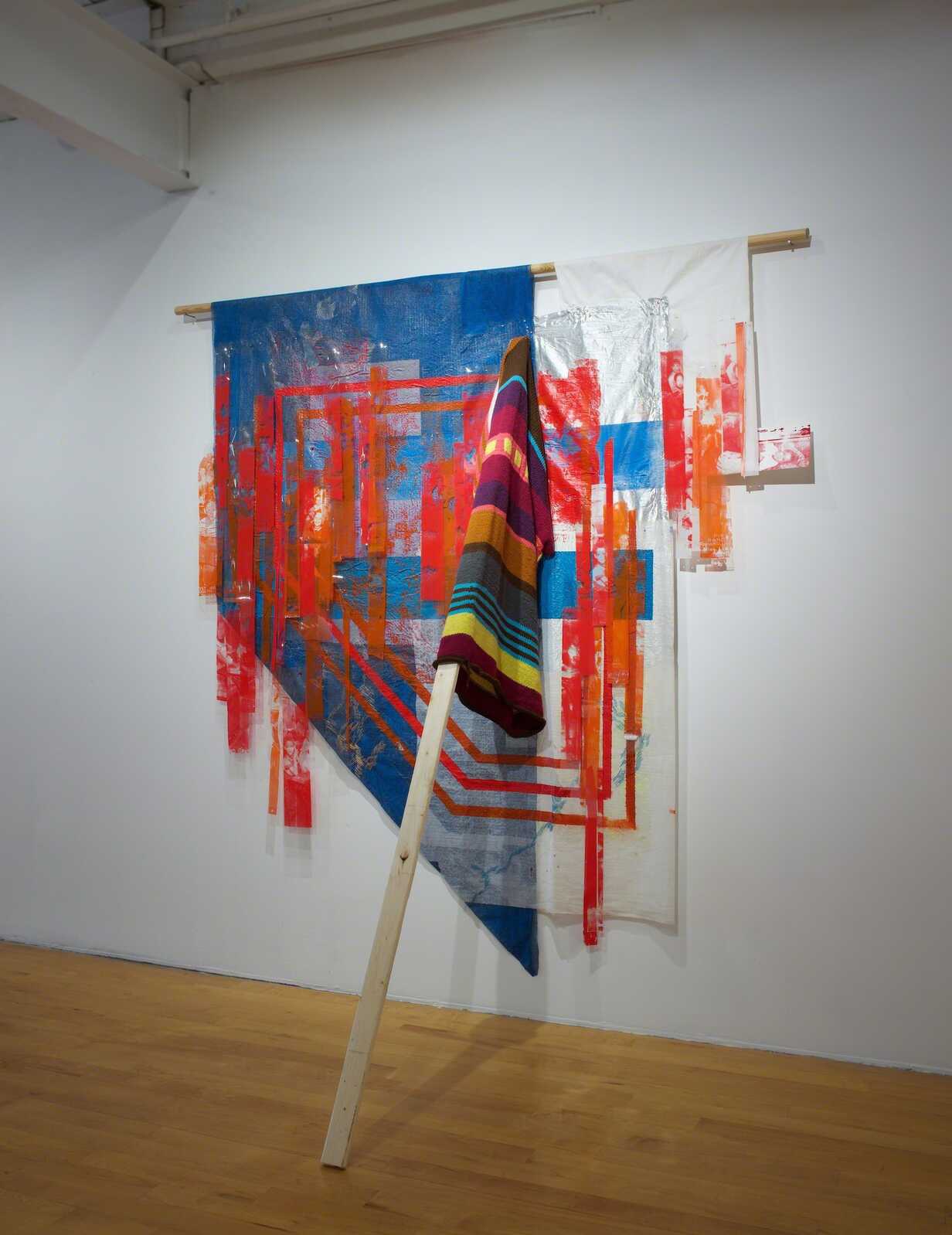
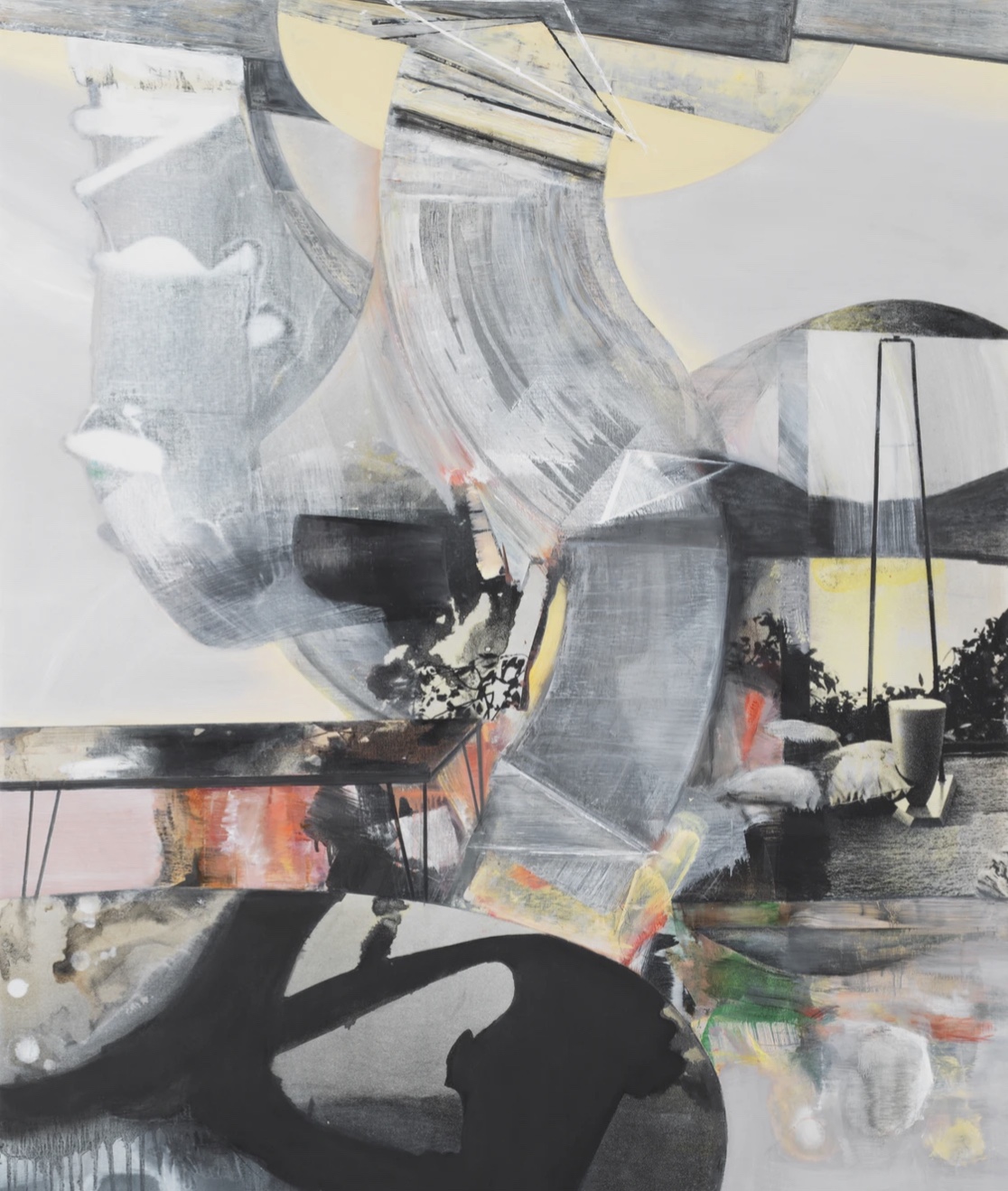
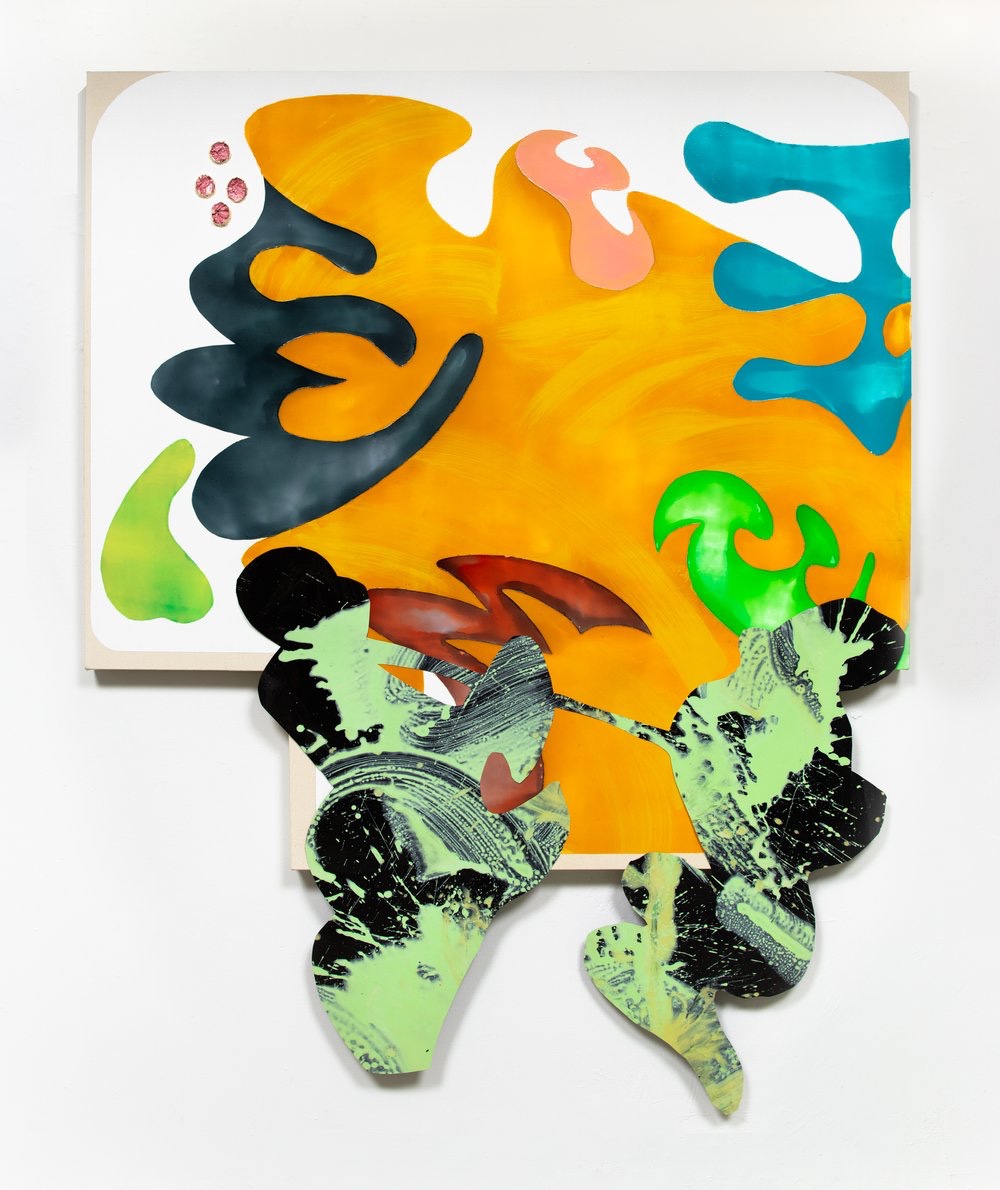
I got back into this game to create culture- to not only make but teach about, talk about and write about creative activity that makes this life more. No there’s not a word missing in that sentence. This reason and the general context I outlined above is why I made a commitment to trying my hand at curating in 2023, and I was fortunate to have a proposal accepted by the Durham Art Guild for a show this spring, which is titled Extra Spectral.
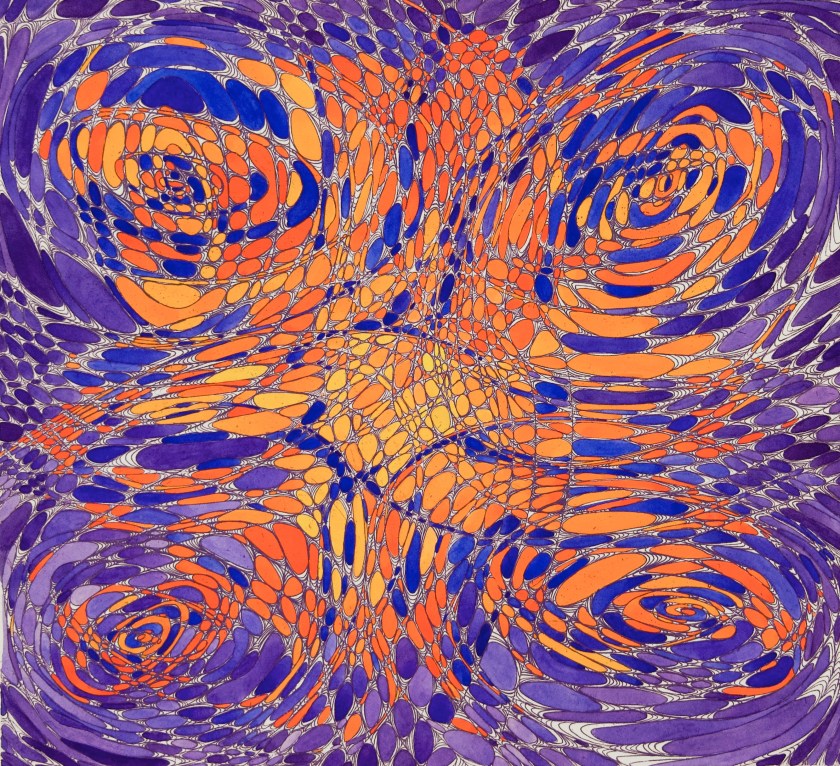
Extra-spectral colors cannot be evoked with a single wavelength of light, rather, they can only be seen and created by a combination of them, so you won’t see them in the fantastical prismic illusion we call a rainbow. The exhibit highlights artists Jane Cheek, Jerstin Crosby, Zach Storm, Tonya Solley Thornton and Leif Zikade. All five ask color to play a primary role in drawing audiences into their work, colors in most cases that are “extra” in the recent, common parlance. This is where their commonality ends.

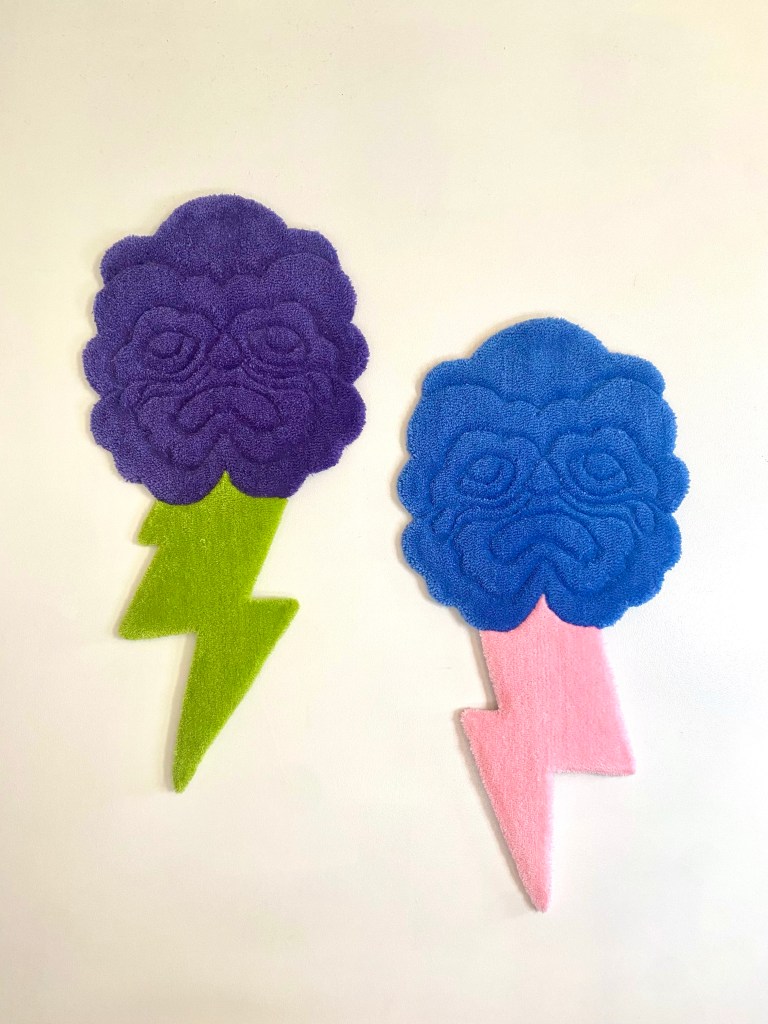
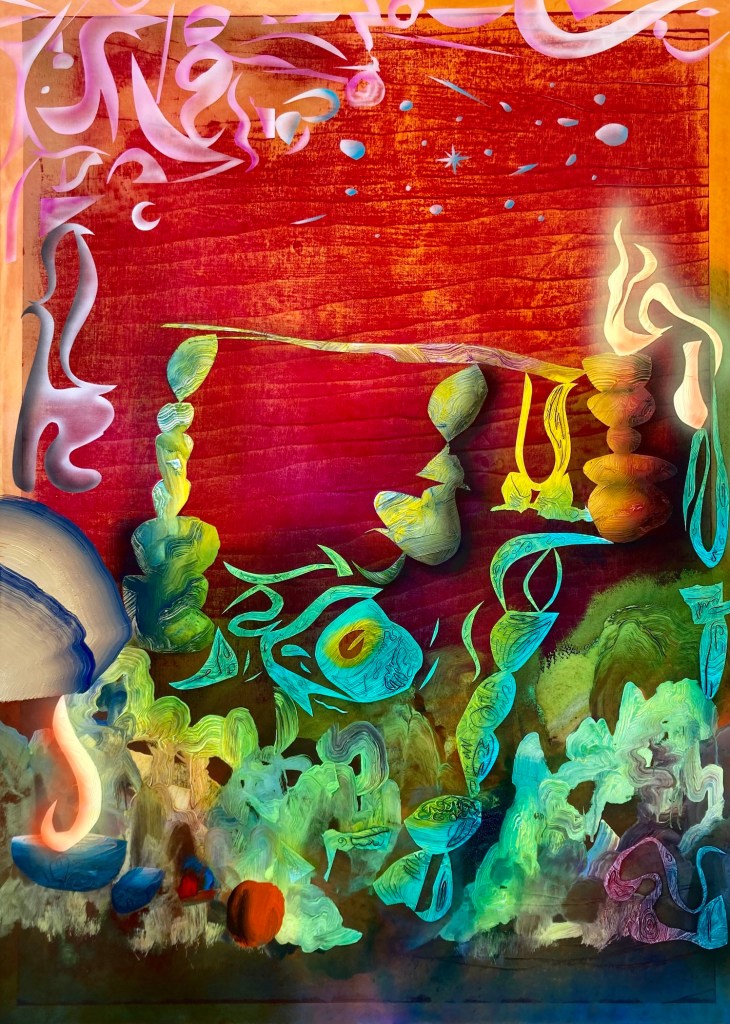

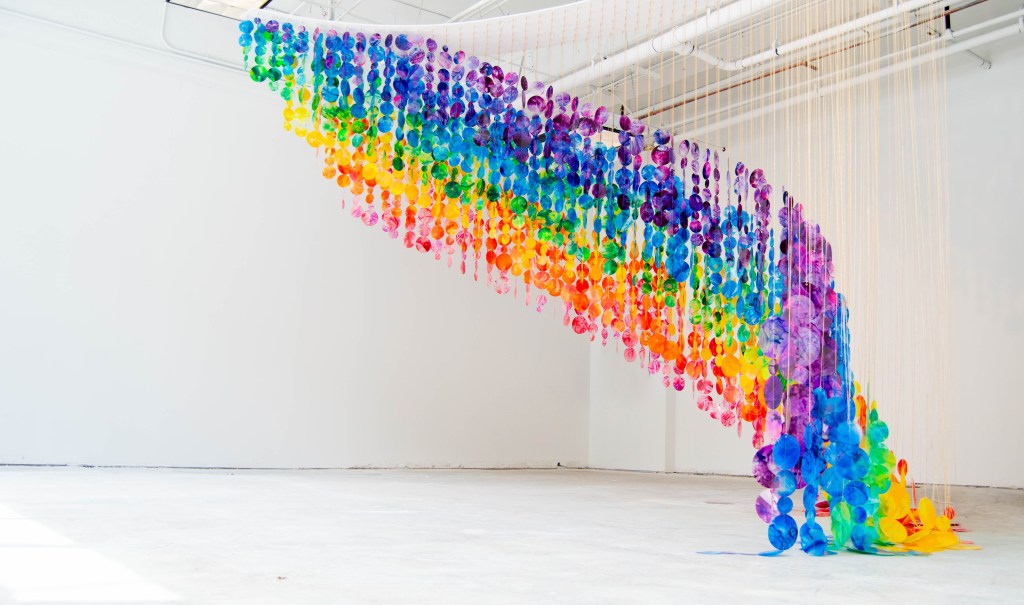
There is a pre-opening and artist talk on 4/6 that you can register to attend and otherwise I hope to see many of you on Third Friday in Durham (gallery will keep normal hours including recognizing Monday the high holy day of museums by being closed).
BTW, I was also successful as part of this goal in getting another show programmed at several venues, this one including my work. Open Source will open this summer at LUMP project space and Sertoma Art Center.
Laurie at at Two Coats of Paint has words about Matthew Marks recent exhibition featuring (the late) Miyoko.
#miyokoito
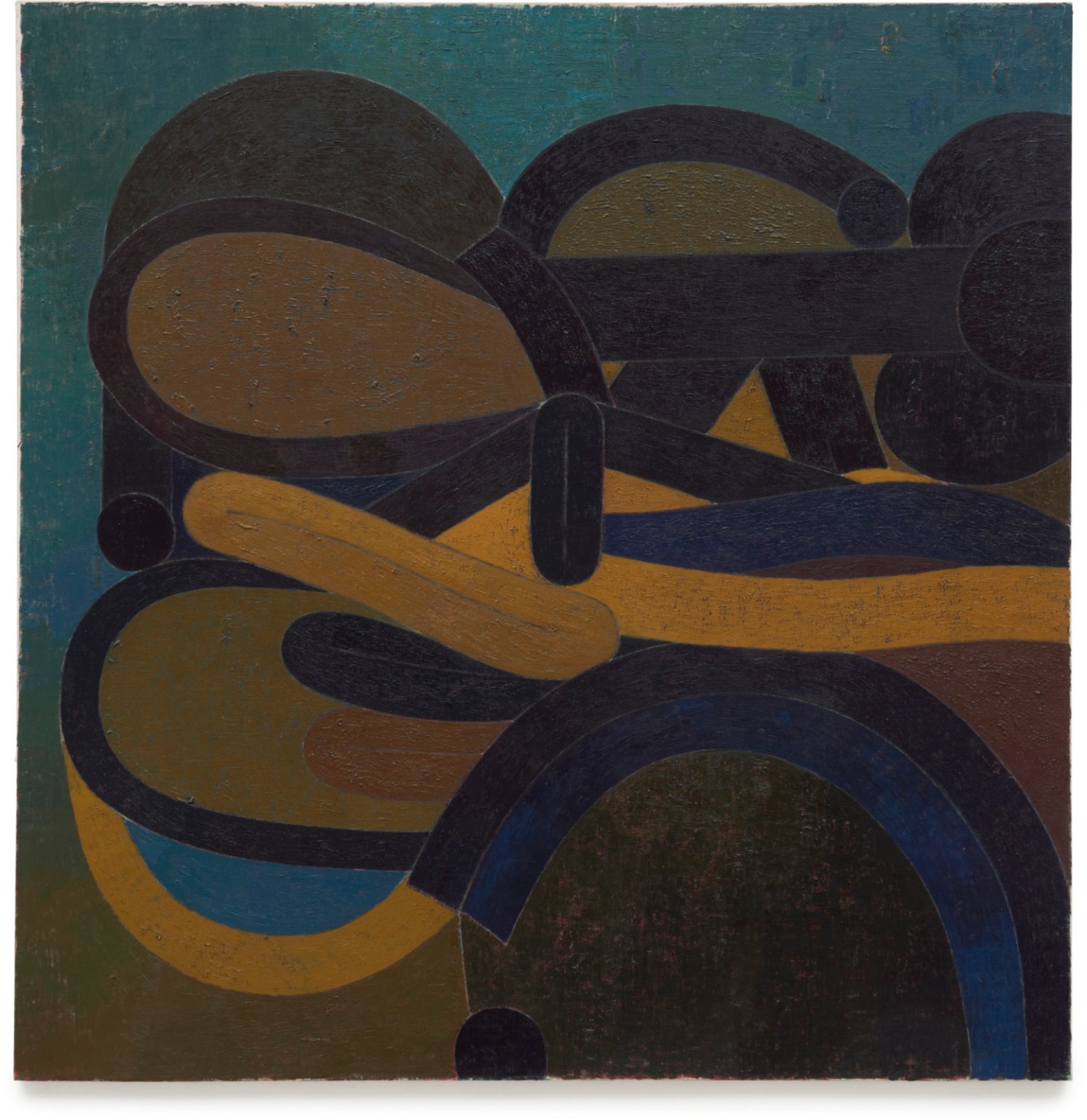
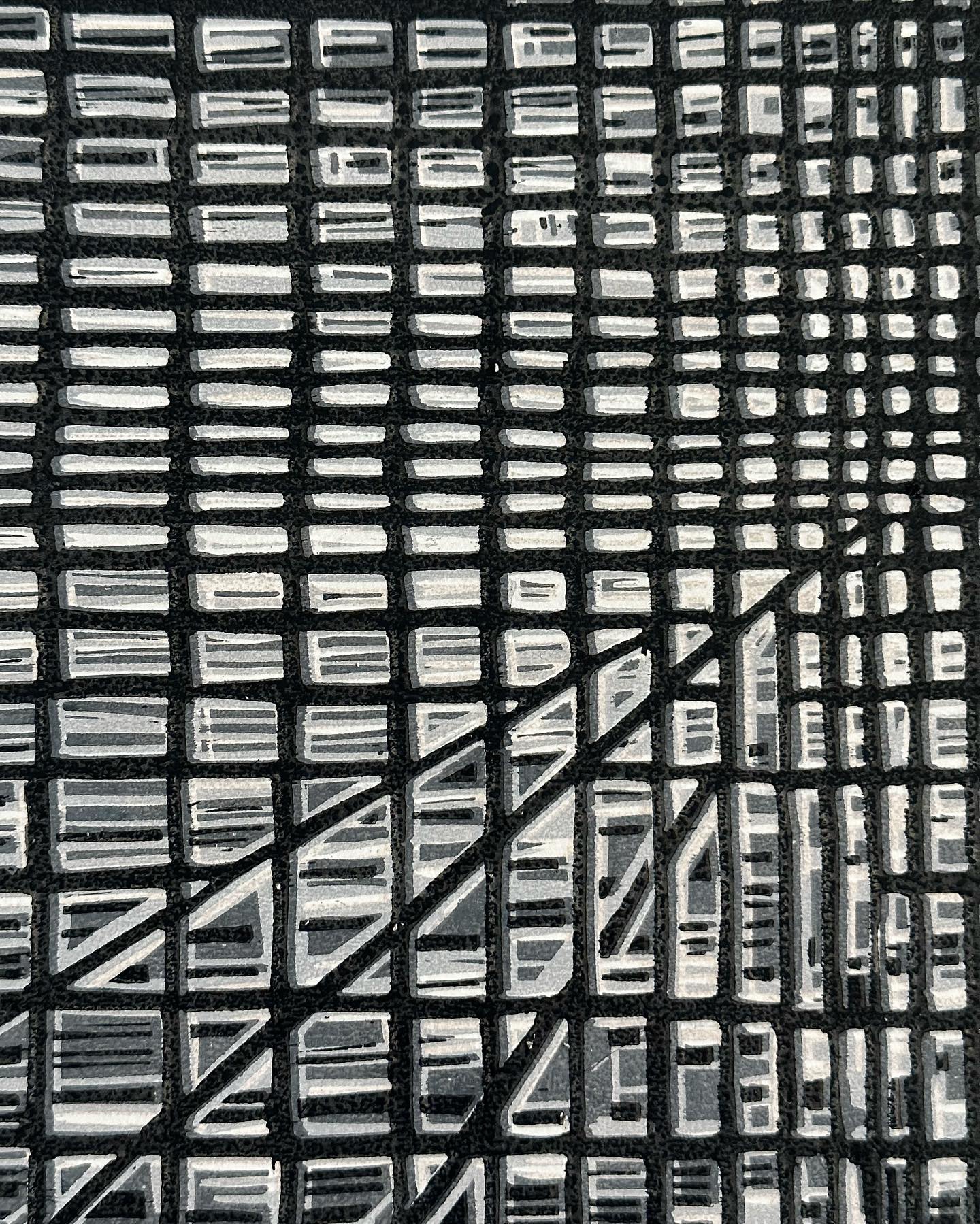
Taro Suzuki’s artistic energy emerged in multiple disciplines over the course of his development. While he was lead singer for the No Wave band “Youthinasia,” he gained notoriety for his light installations. Harnessing the power of questions and contrasts in traditional optics, he has used painting and sculpture to further pursue his interest in visual dissonance. A two time Pollack-Krasner Grant recipient, Taro Suzuki works have been exhibited at MoMA, NY and The Metropolitan Museum of Art, NY.
#tarosuzuki
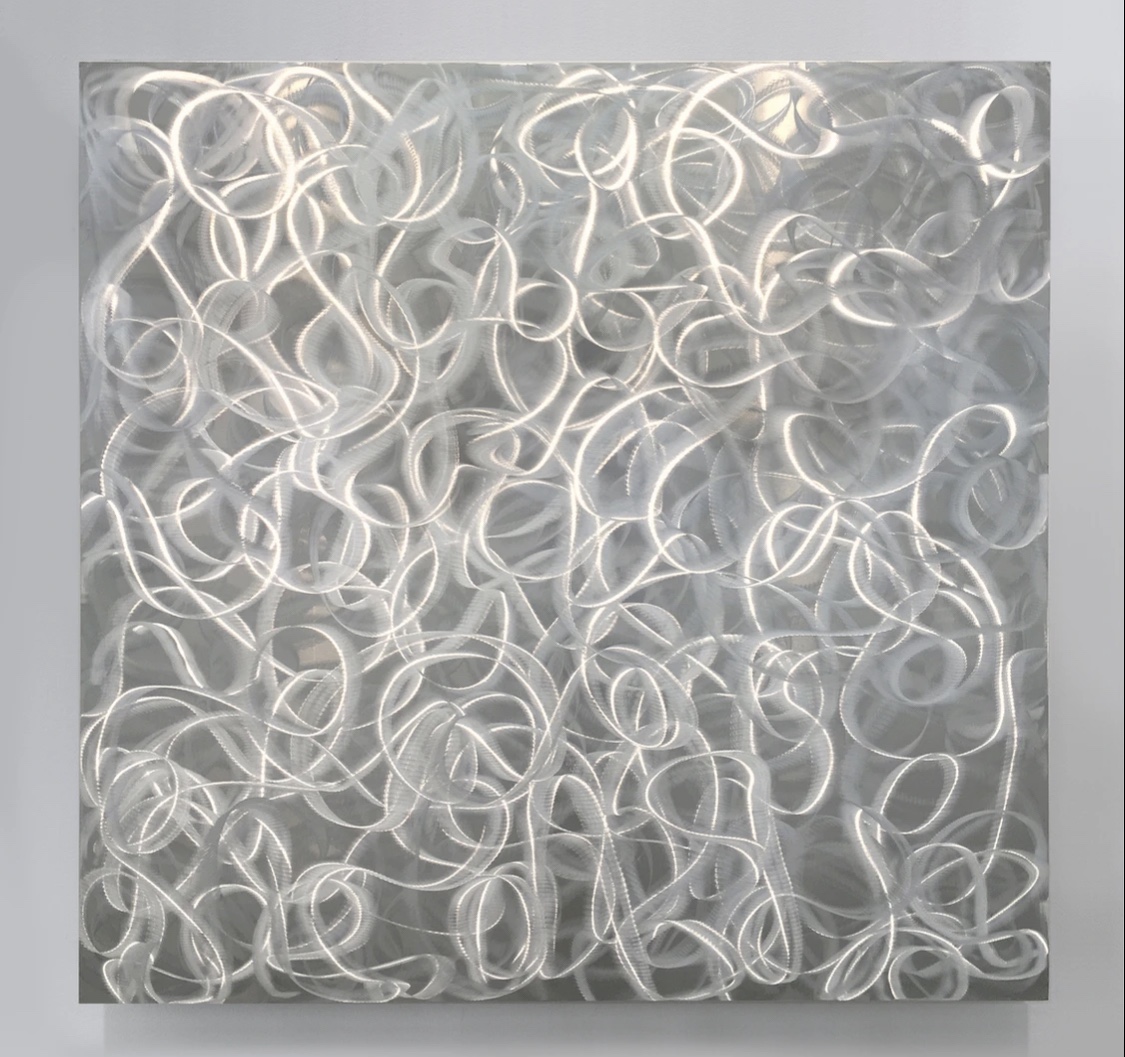
Trying to pay attention is part of my practice– to the work, to the art world, to the overlap of late capitalism with it all. Plenty of times, the universe serves me up something and occasionally my practice includes words, too, so, here we are.
Recently I was reading an article one of my professional contacts posted on LinkedIn from Harvard Business Review about the value of changing how you are looking at things as a catalyst for thinking differently (I know, right- of course I’m clicking on that topic). In it Adam Brandenburger notes, of thinking differently, that it can be driven by learning to see differently, which hooked me immediately because of my personal journey and that word contradiction I’m always on about.
The thrust of the story is about people like Robert Taylor, who invented Softsoap after he saw how goopy bar soap became after a few uses, the main point being that “we can think of the effort not just to think differently, but also to see differently, as a way of countering our built-in tendency to habituate, to sink in to the familiar way of seeing and experiencing. One way in which great artists, entrepreneurs, and creators of all kinds come up with the insights that enable them to change the world is that, very literally, they do not see the way most of us do. Their methods teach us that by seeing differently, we can end up seeing what no one else has yet seen. This is how the future is built.”
(Ideas and discussion of what building and specifically building the/a future which were already developing in my mind aside, stay tuned…) I. Love. This, and not because I’m an entrepreneur or buy into America’s cult of personality around them. The article really got me thinking about habituation as it pertains to the visual arts (it certainly is well-trodden territory in the sciences), at least for creatives that spend time thinking about how their work is physically perceived by the audience (I would argue that my maximalist “remixes” are anti-habituation). It appears the Architectual (A)cademy has given this topic some attention but the Art critical community? Guess the thing I got served is the motivation to move from passive observation to active engagement…
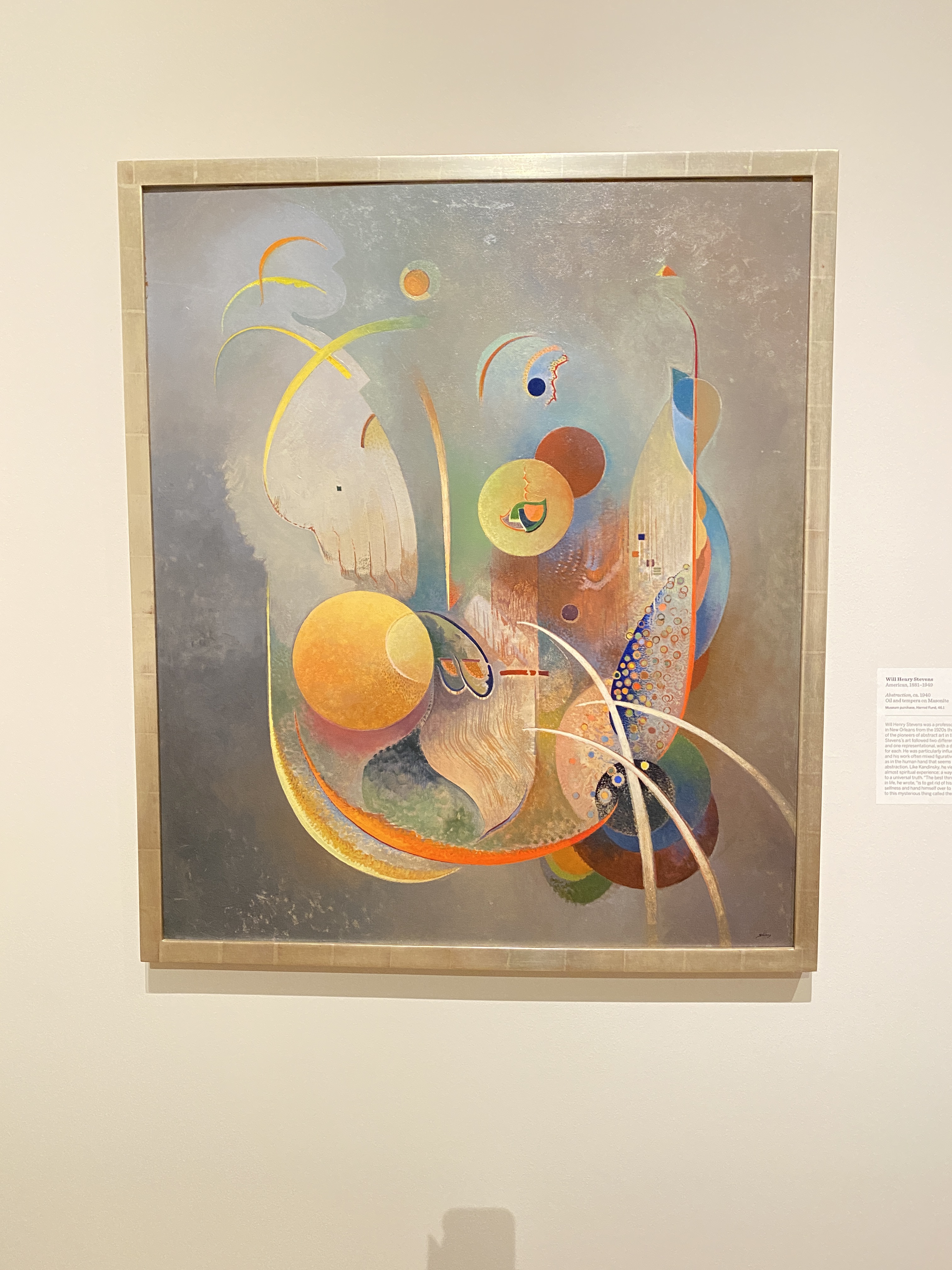
was an American modernist painter and naturalist. Stevens is known for his paintings and tonal pastels depicting the rural Southern landscape, abstractions of nature, and non-objective works. His paintings are in the collections of over forty museums in the US- including the New Orleans museum of Art where I saw below.
#willhenrystevens
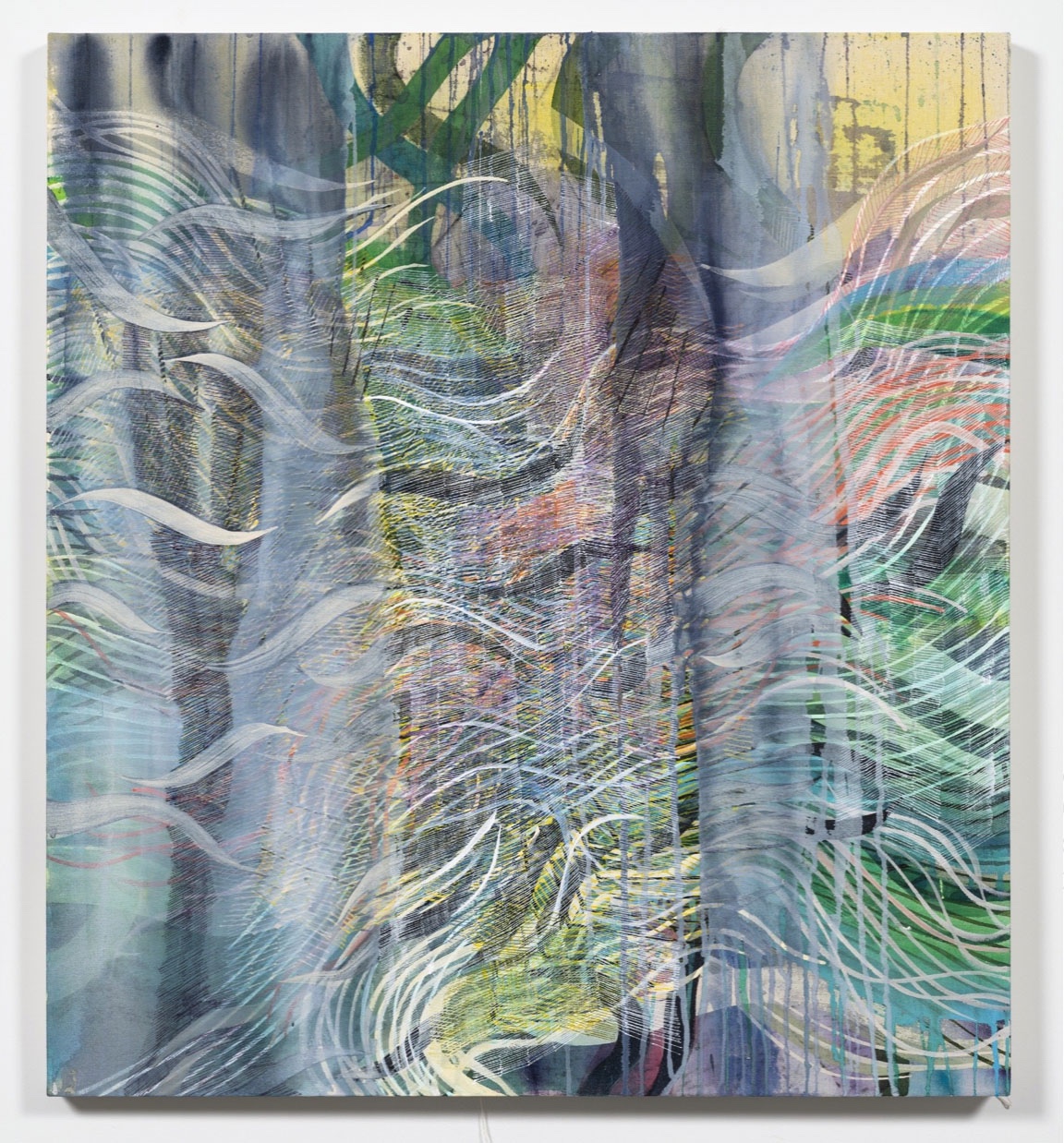
is in Paining at Derosia.
#kernsamuel
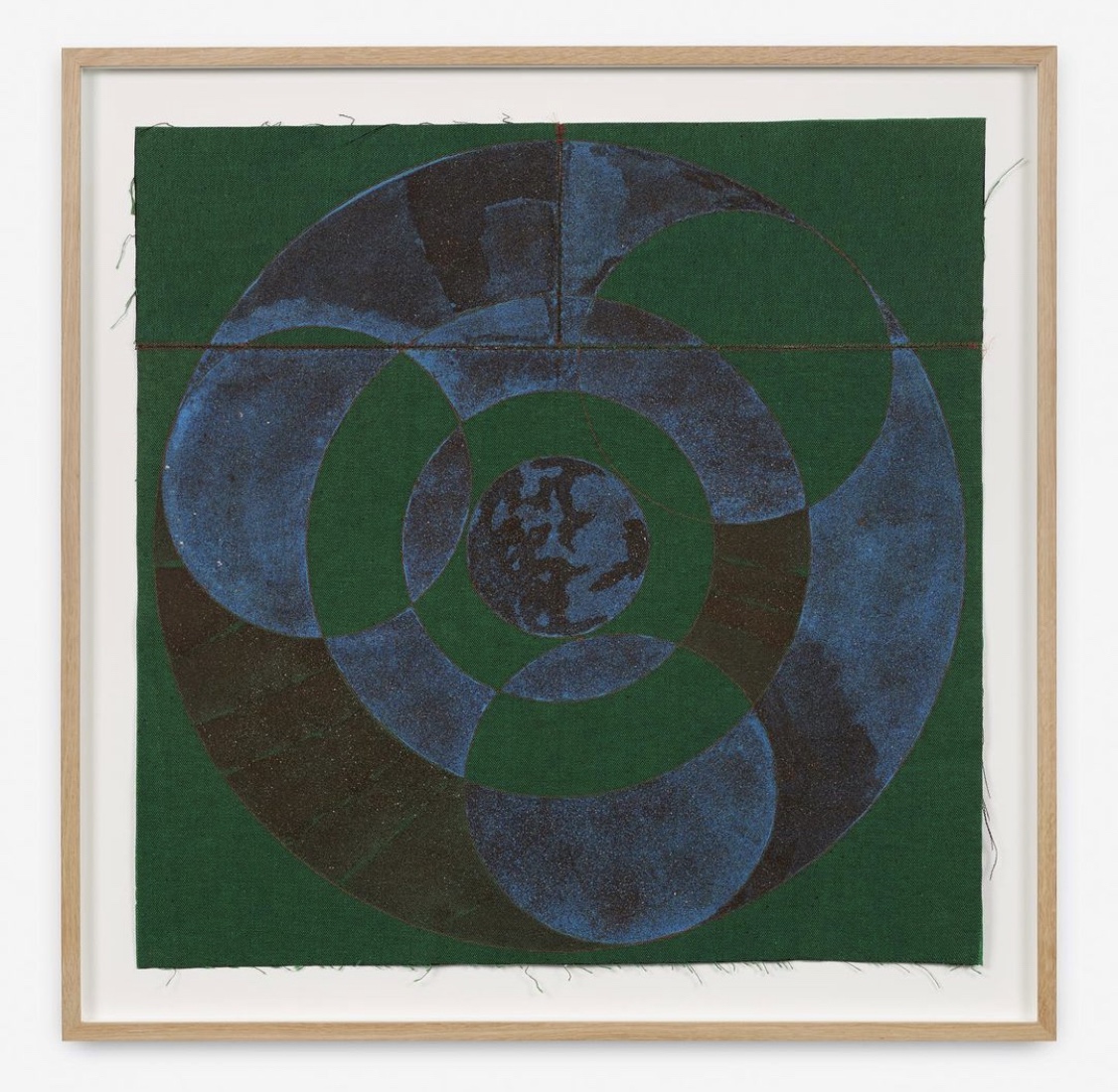

 Painting After Art is Dead