Gail Gregg

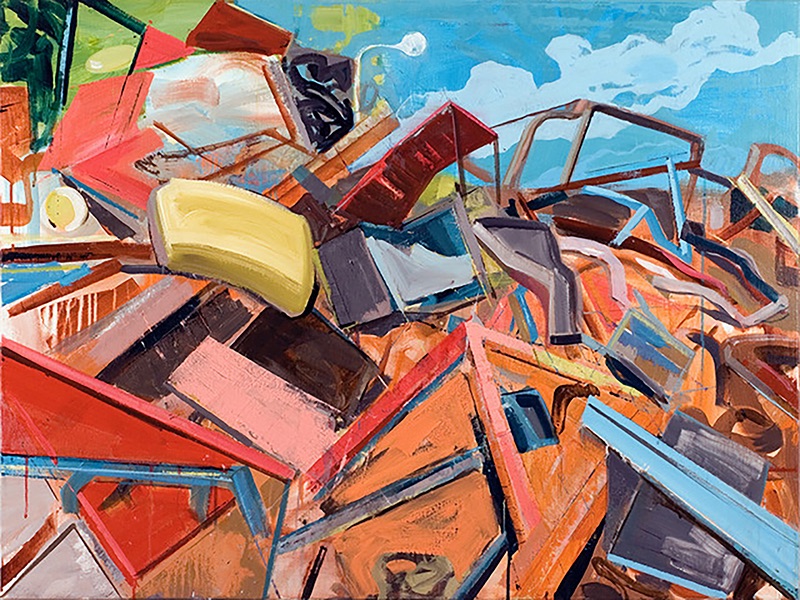
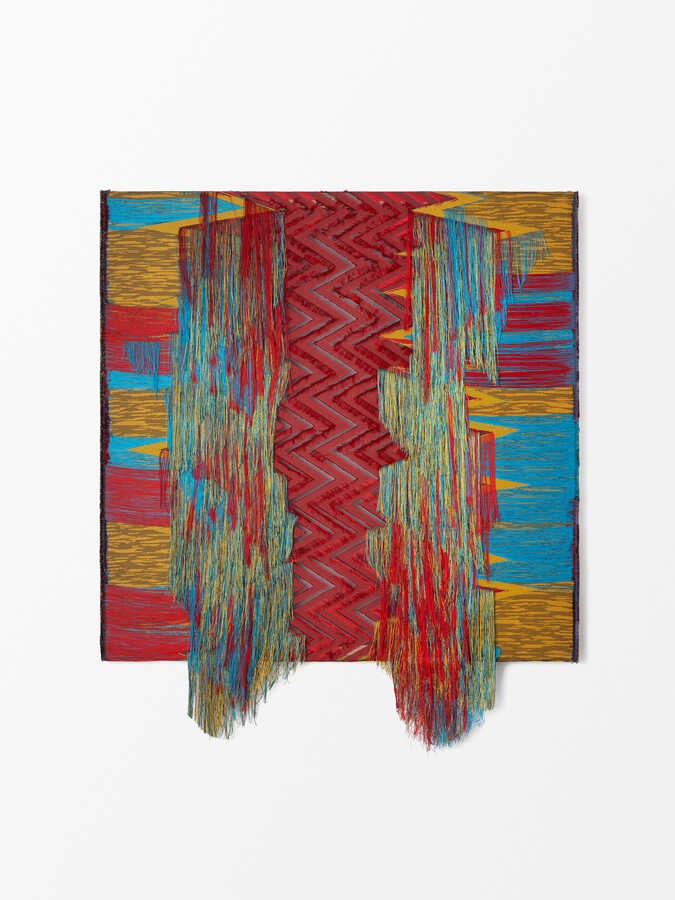
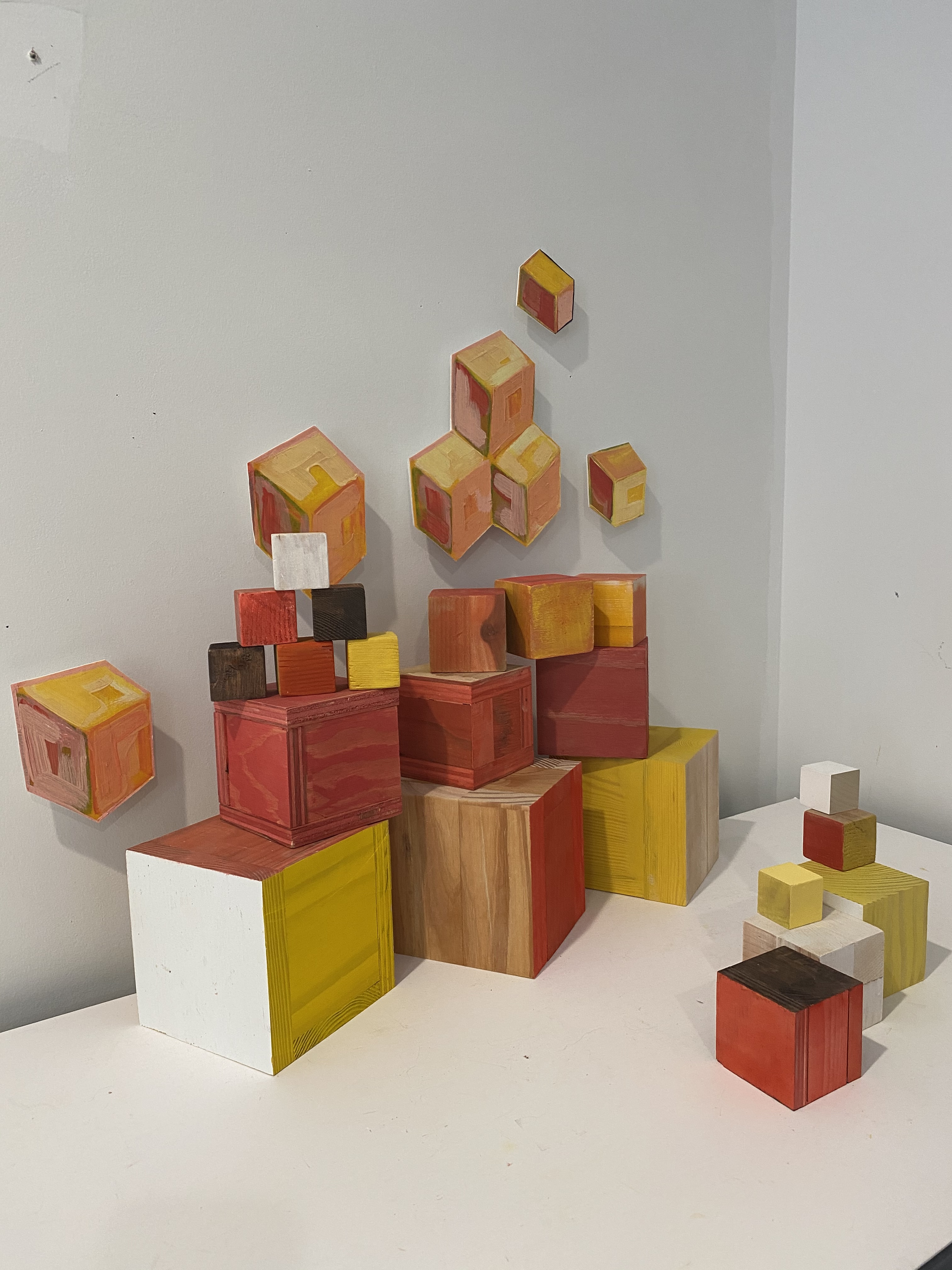
In her most recent work, Gail transforms homely, everyday objects that typically go unseen. These repurposed objects and images speak to the possibility of transformation, humor – and the quantity of trash generated in our profligate 21st Century America. Finally, they remind us not to take even the most insignificant things for granted.

#gailgregg

Cris Gianakos

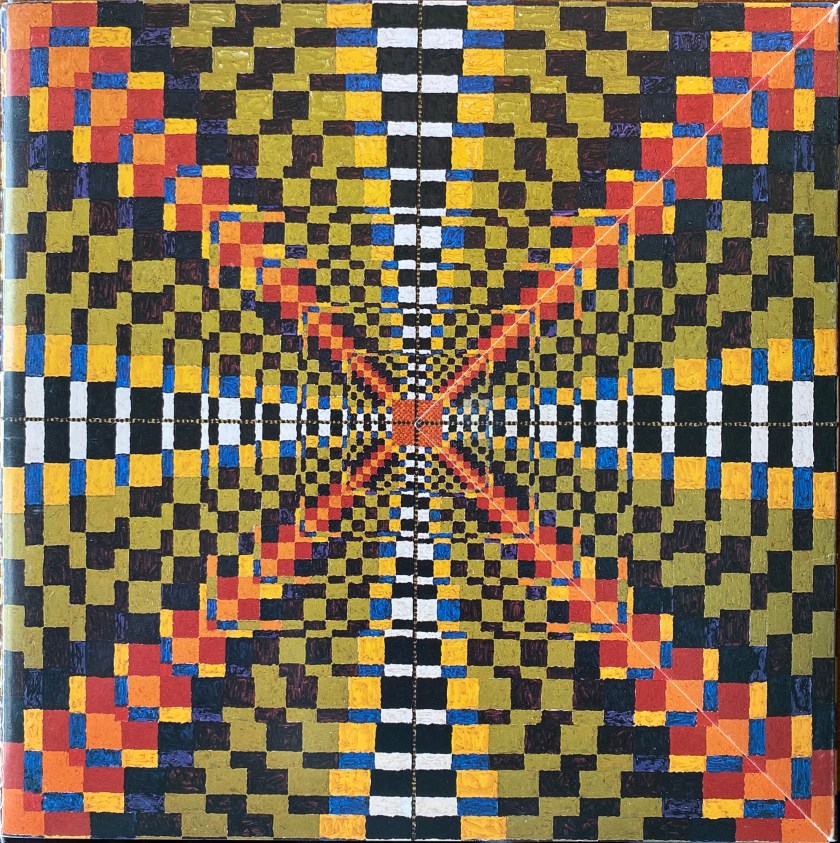
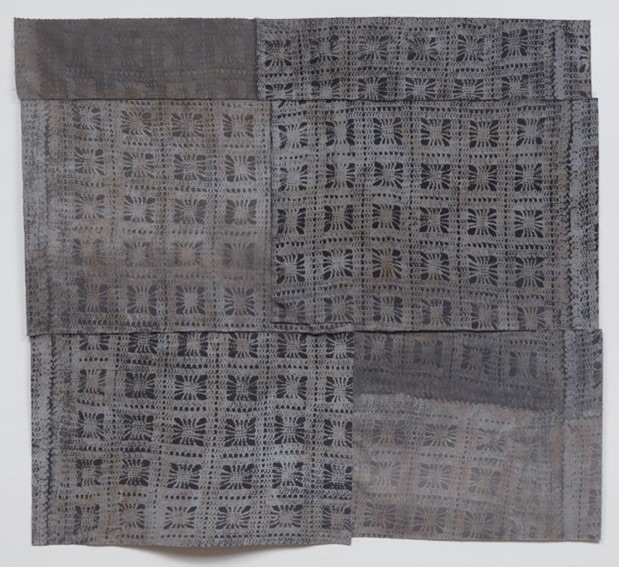
(from the 2019 essay This strange, intoxicating “Almost Nothing” by Yorghos Tzirtzilakis) In discussing the work of Cristos Gianakos one can only start from reconsidering a question: what is the current meaning of that form of contemporary art most people call ‘minimal-ism’? In this case minimalism does not stop at a sketchy, formalized, rational version or at a belated celebration of ‘littleness’; instead it goes on to a dispersion which is, in fact, in tune with the character of our times and our culture.”

More

#crisgianakos

Cleve Gray

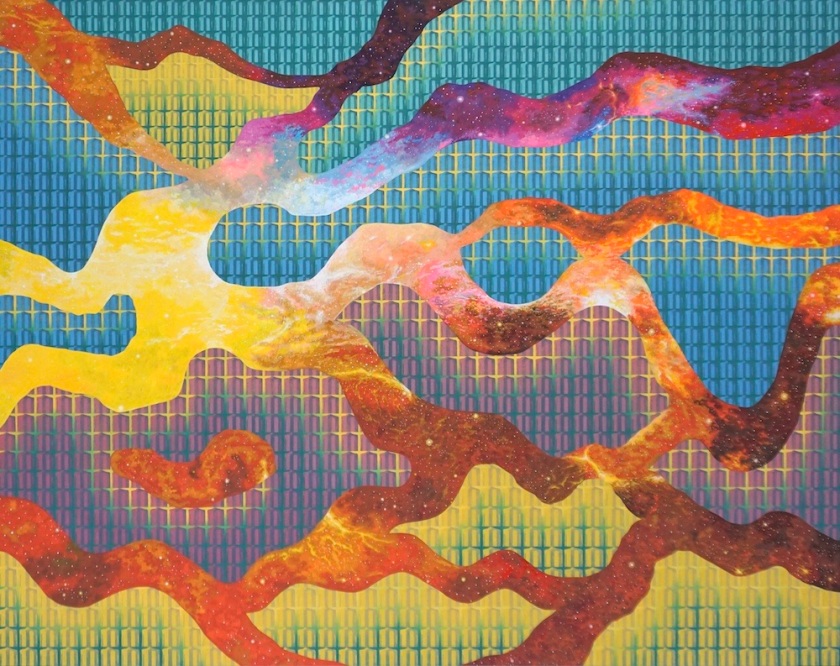
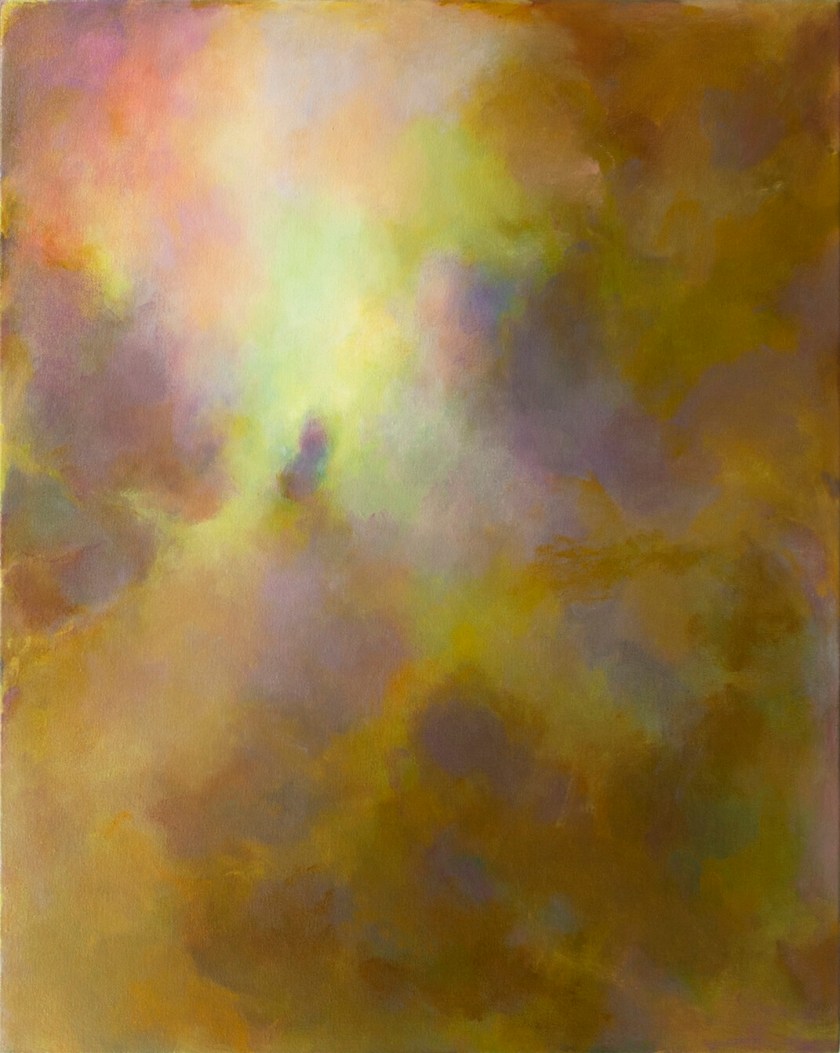
Cleve was an American painter best known for his calligraphic abstractions which melded elements of Abstract Expressionism, Color Field painting, and traditional Chinese scroll painting. Hyperallergic’s guide to this season’s museum exhibitions and art events in and around New York City makes note of Neuberger Museum launching a thorough investigation of its history through four ambitious projects, one of which delves into Cleve’s inaugural site-specific painting.

More

#clevegray

Nerd fight

Over at Two Coats of Paint, Saul Ostrow and Adam Simon are slinging words, and I’m picking sides. Well, I have picked sides*.

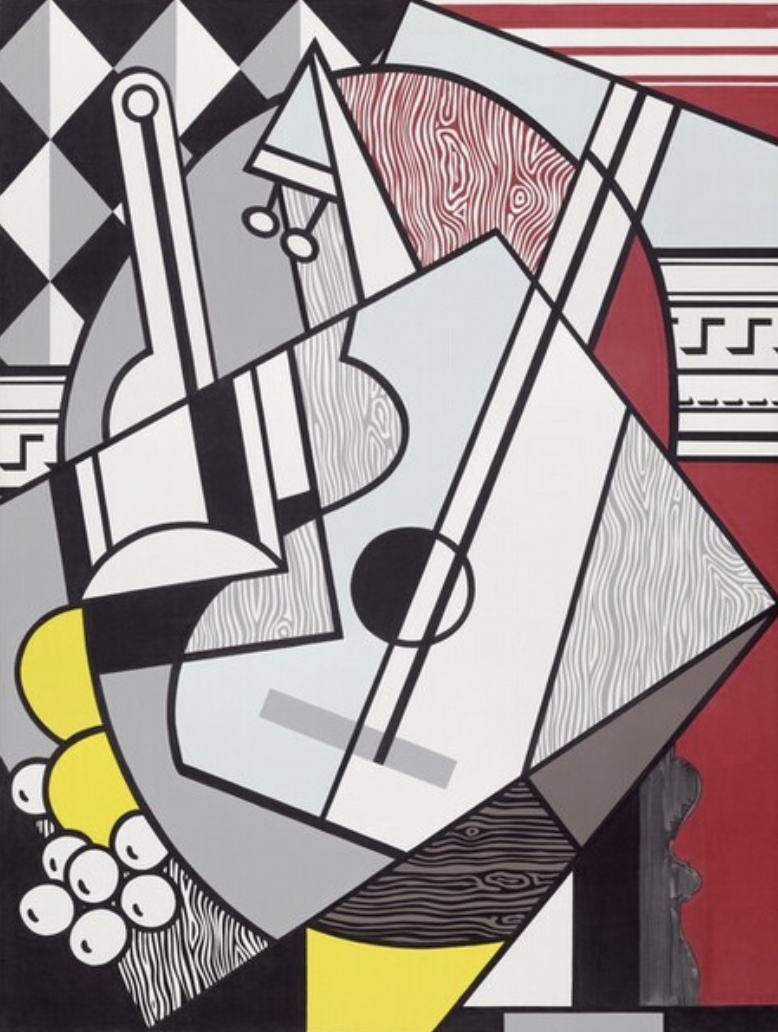
Saul penned Painting simulacra: Brice Marden, David Reed, and Gerhard Richter a couple of weeks ago at this point. If you think any of my writing is dense I’d steer clear; I’ve read it twice and am still not sure I get all his points. Suffice to say, it’s apparently still important for Art-with-a-big-A to have some kind of mission and we’re all supposed to be working that post-structuralist saw, never mind that post-structuralism for all its value is almost only a critique of structuralism. Or maybe I just don’t truck with the idea that painting is only good/correct if it is propped up by conceptual finger-wagging, which in my mind reduces it to a sign or symbol for an idea.

Also, put a pen in Ostrow’s preoccupation with a disdain for authenticity, given our current ethos, supported and propped up by most critics, like Ostrow, that regularly centers identity within Art. One to chew on and write about later (I don’t think he owns that critical bent btw, not even close) …

Simon’s response has this beaut in the first paragraph- “Ostrow’s critique is dense, and appears to implicate most contemporary gestural abstract painters as well as contemporary criticism that dismisses the possibility of radical formalism” -and he finishes with “Art is one of the primary areas of human experience in which something can be itself and its opposite simultaneously.” I think the tldr, and probably the easy button, would be that Simon has, for lack of a better word, a love of and therefore graciousness towards object makers that Ostrow doesn’t. The ungenerous tldr of Ostrow’s article is that he’s resentful of Art that doesn’t illustrate his current critical interests (again- painting exists to point at ideas, not to just, you know, exist), which admittedly sounds like resentment all on its own. Also, he is, in fact, a critic.

*Regular readers (and any friends popping in) will know how I feel about two things being simultaneously true and also the broad strokes of my ideas around formalism (specifically that the “act of contemplation, bracketed outside of our utilitarian social institutions, is imbued with the very spirit of the human condition and relates by default to identity, to politics, and to the striving of all people for connection and transcendence“). I’ve also written that the evaluative elements that are associated conventionally with formalism have a utility that is unique to this moment in human culture (another blog which was inspired by a Two Coats article- they really are my favorite zine).

I’m aware that a phenomenological viewpoint (IE the bracketing I reference above) is generally considered a late Modernist and pre-structuralist stance, so it may seem odd or at least off that I would critique Ostrow’s preoccupation with Art-with-a-big-A. I’ll note that in a truly post-historical world no one cares what the grown ups think and we can point at ideas from history as a way of pointing to a generally understood meaning, rather than pledging allegiance. I’m also 100% certain I’ve written past iterations of artist statements that included the phrase “we should all just make what we want and let history figure out what is Art and what isn’t.” If I was asked to comment on any of those versions today I think it’s clear I’ve moved on from anything after that “and.”

BTW, I’ll make a few additional notes; as one can see for themselves in the comments on Simon’s piece, a) Ostrow responded that he appreciated the thoughtful response and that the critical discourse could use more of this species of dialogue (here here for people expressing disagreement and being willing to have a beer after) and b) the gender divide over who just said “thanks” and who felt the need to pontificate was uh, noticed (says he who just wrote all the stuff above). Also and, “yes” there are blogs on this site about Marden, Richter, Reed, and many of the other artists Ostrow mentions as well as many, many others (search below).

Marvin Brown

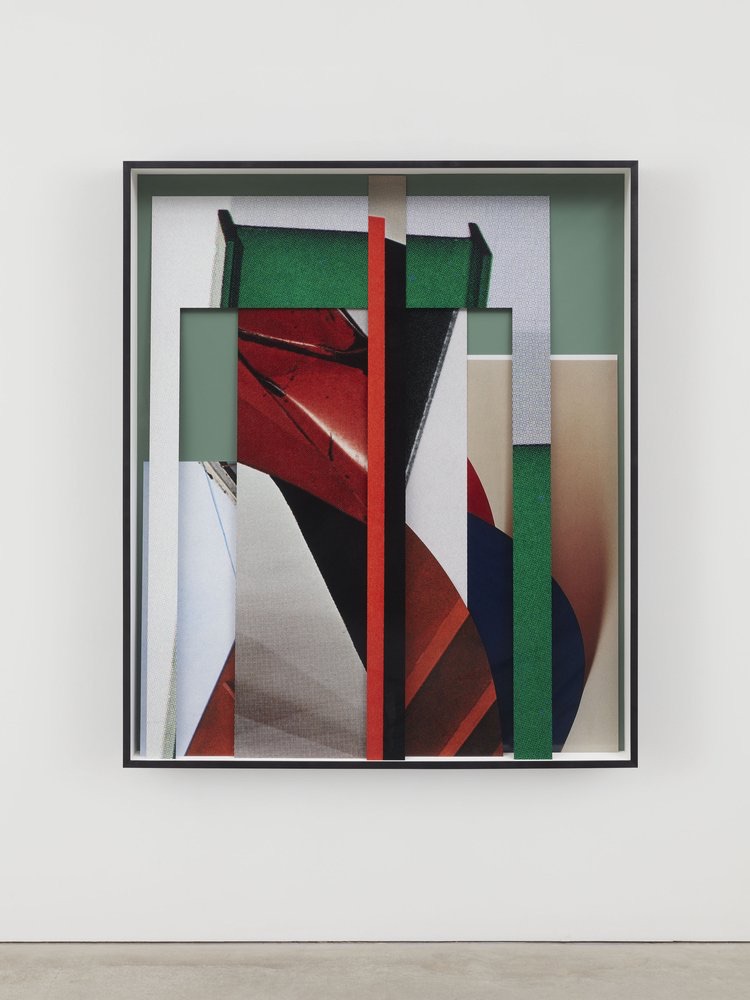
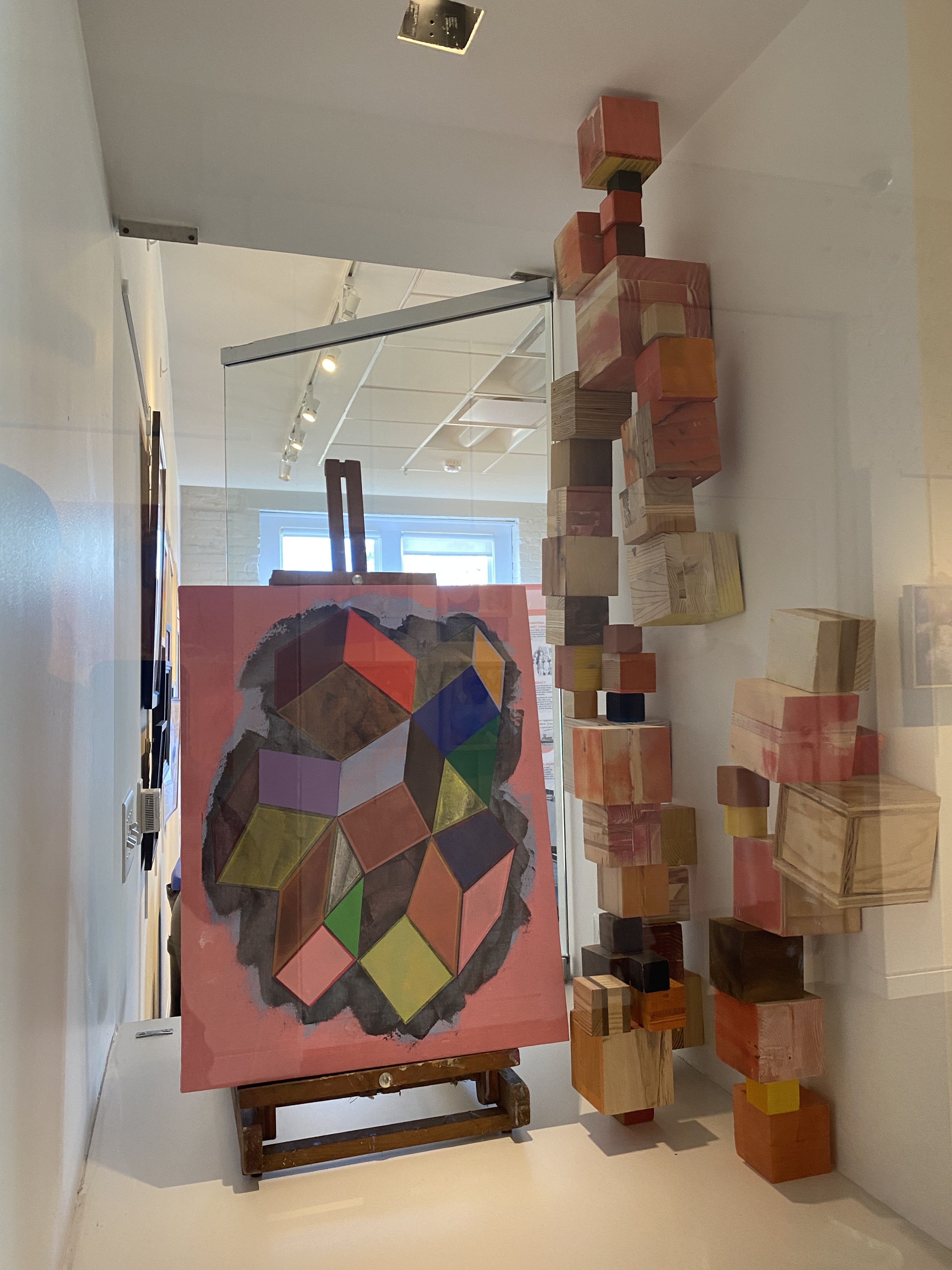
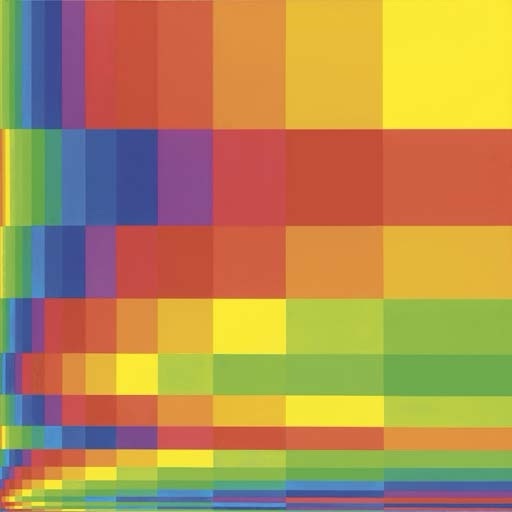
Abstract and minimalist artist Marvin Brown was born in Queens, New York City. He earned his diploma from the École des Beaux Arts, Paris. Brown taught for many years in the Department of Art and Visual Studies at Brown University, Providence, RI. He lives and works on Long Island’s North Shore. He is a member of American Abstract Artists and was included in their most recent member showcase.

#marvinbrown