Karla Méndez reviews “Zilia Sánchez: Topologías/Topologies” at the ICA Miami—a survey show featuring Sánchez’s work from 1950-1996 – for Burnaway.
#ziliasanchez

For Burnaway’s series CRUSH, Michelle Santiago Cortés details the dance-drawings and improvisational mark-making of Awilda Sterling-Duprey. Throughout her decades-long career, Sterling-Duprey has paid close attention to how movement appears in painting and how dance lends itself to its own kind of painterly gesture. She has distilled elements of both disciplines to their constituent parts, which can be broken down into kinds of information: visual, spatial, tactile, sonic, and so on.
#awildasterlingduprey

curious collaborations with AI in In the Beginning at Spy Projects are (according to Hyperallergic) one of 10 Art shows to see in LA this October.
#davidlloyd
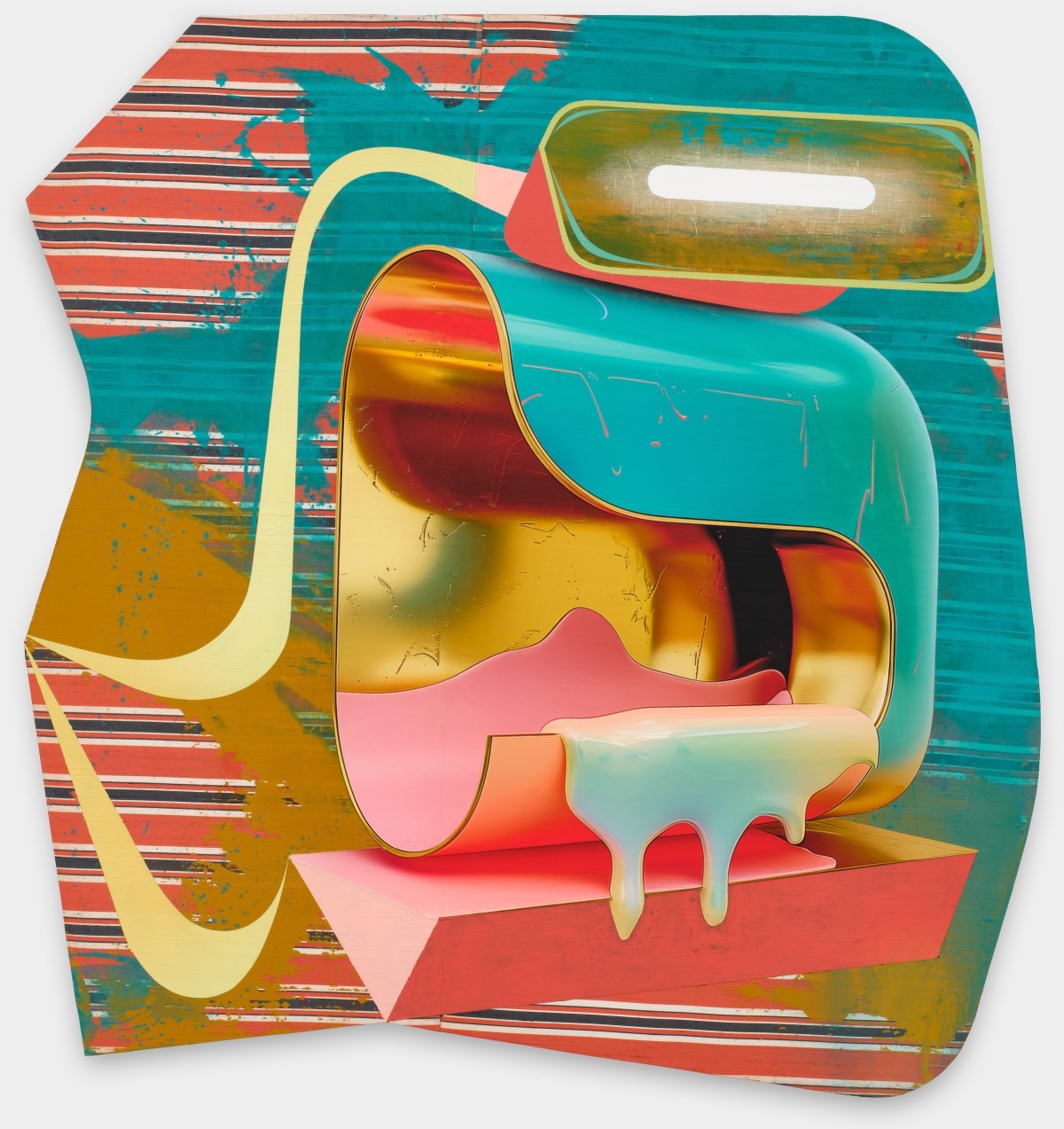
Alex wrote for Hyperallergic about Brooklin A. Soumahoro’s luminous paintings, which he says are filled with moments of alchemy, transforming shape into line and discipline into grace.
more
#brooklinsoumahoro

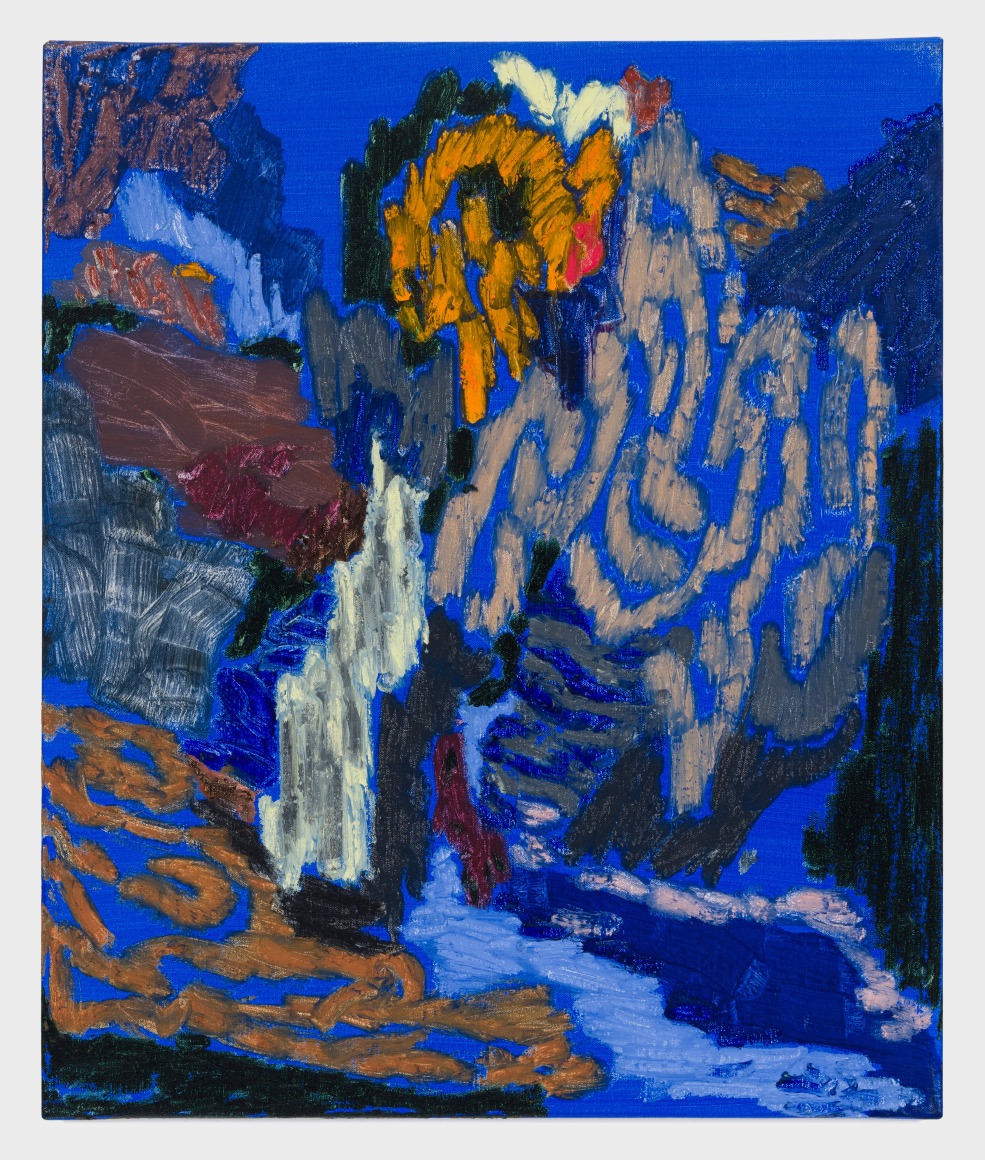
In “Up and Down,” Icelandic artist Guðmundur Thoroddsen presents Rorschach-like paintings that segue back and forth from micro to macro. Lichen, fungus or rot simultaneously appear as precipice, gorge or stream. Although Thoroddsen attempts to disassociate himself with the baggage of landscape in western thought and imagination, the matter-like pigment and scumbled voids are still subjected to our emotional and spiritual experience of them. More
#gudmundurthoroddsen
is in Variations with Richard Hogan and Sam Pie Projects, an exhibit which centers these three masters living in New Mexico who were inspired by music, particularly by modern jazz and its framework promoting improvisation around a theme.
#paulbloch

gets a nod from Two Coats October painting-centric gallery guide. Deep Play looks like exactly that.
#brookemoyse
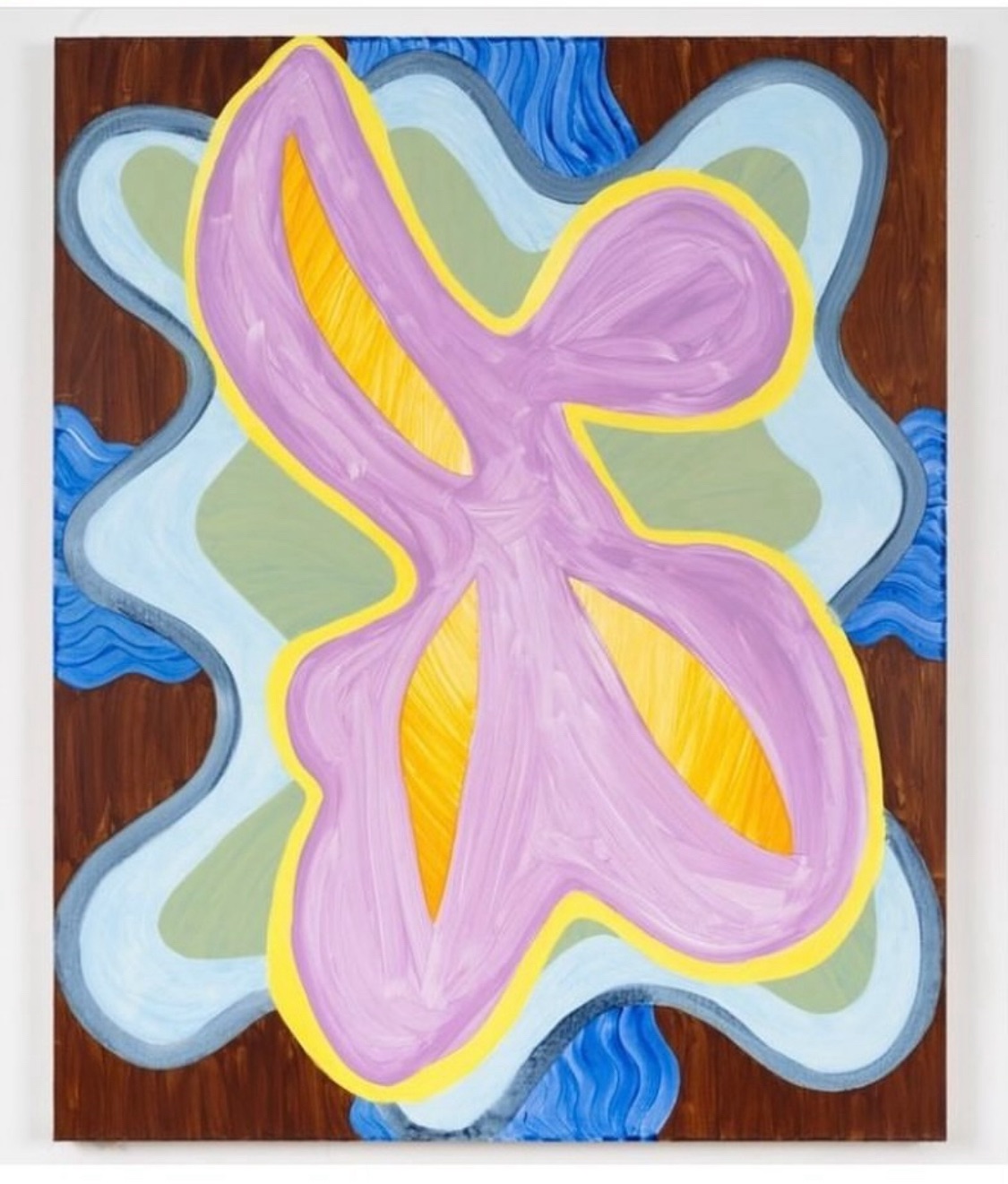
has new installation work, paintings and drawings framing explorations of space, geography, mapping, and land/waterscapes, especially of the African diaspora in New Suns at Lawndale in Houston.
#ayannajolivetmccloud

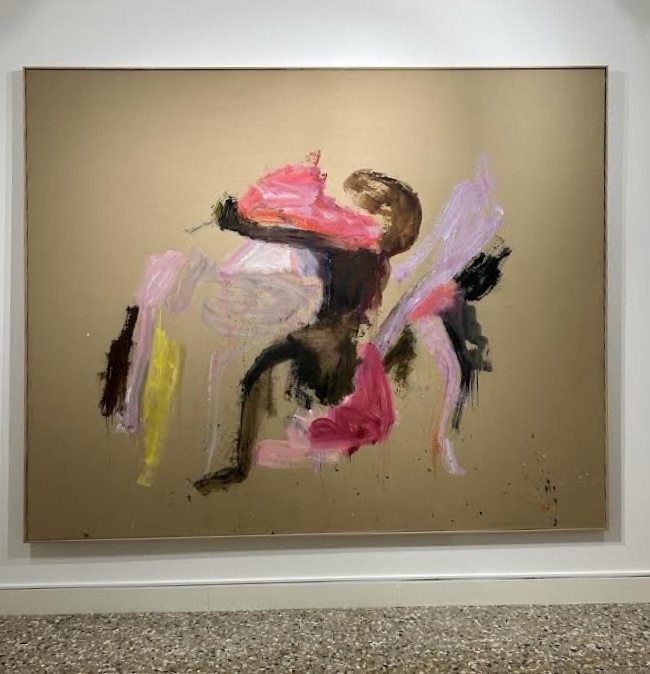
Michael Brennan at Two Coats gave Martha a lot of words in his Letter from Venice Biennale. Click on the links and read the whole thing (Jeffrey and Willem get mentions). Jungwirth (b. 1940, Vienna) has likened her artworks to a diary that traces her physical engagement with the creative process. She sees her drawings and paintings as dynamic extensions of herself, where intelligent structures of lines and blotches emerge, propelled by her emotions and movements.
#marthajungwirth
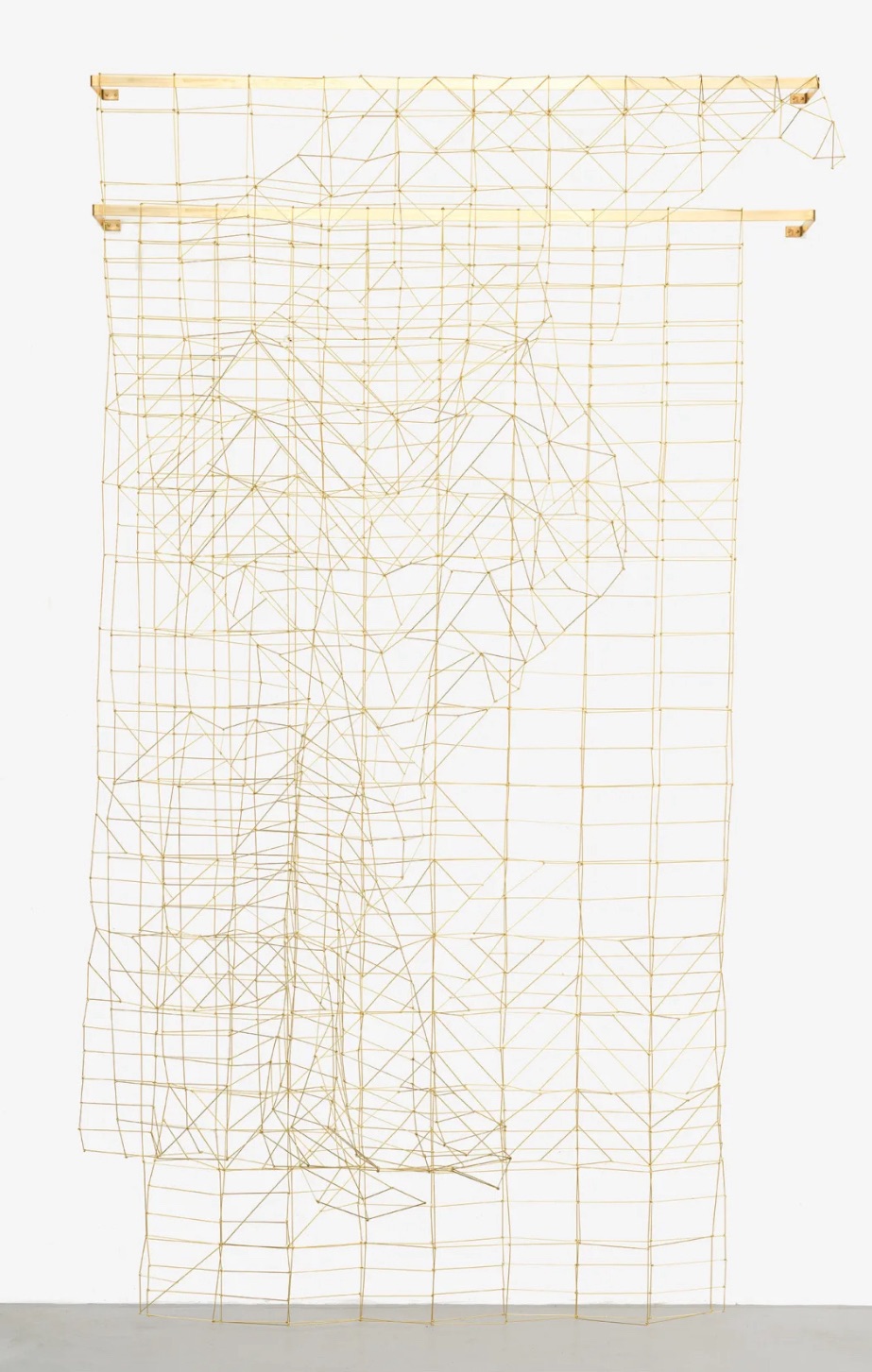
Antunes’ practice provides a unique contemplation on modern art, architecture and design through a reinterpretation of sculpture in a given space. Inspired by important figures in the realm of creation in the 20th century, and often influenced by female protagonists, her work begins by measuring features of architecture and design that interest her. She then uses these measurements as units which can be translated into sculpture.Embracing traditional craftsmanship from around the world, she employs materials such as rope, leather, cork, wood, brass, and rubber to create unusual forms.
#leonorantunes
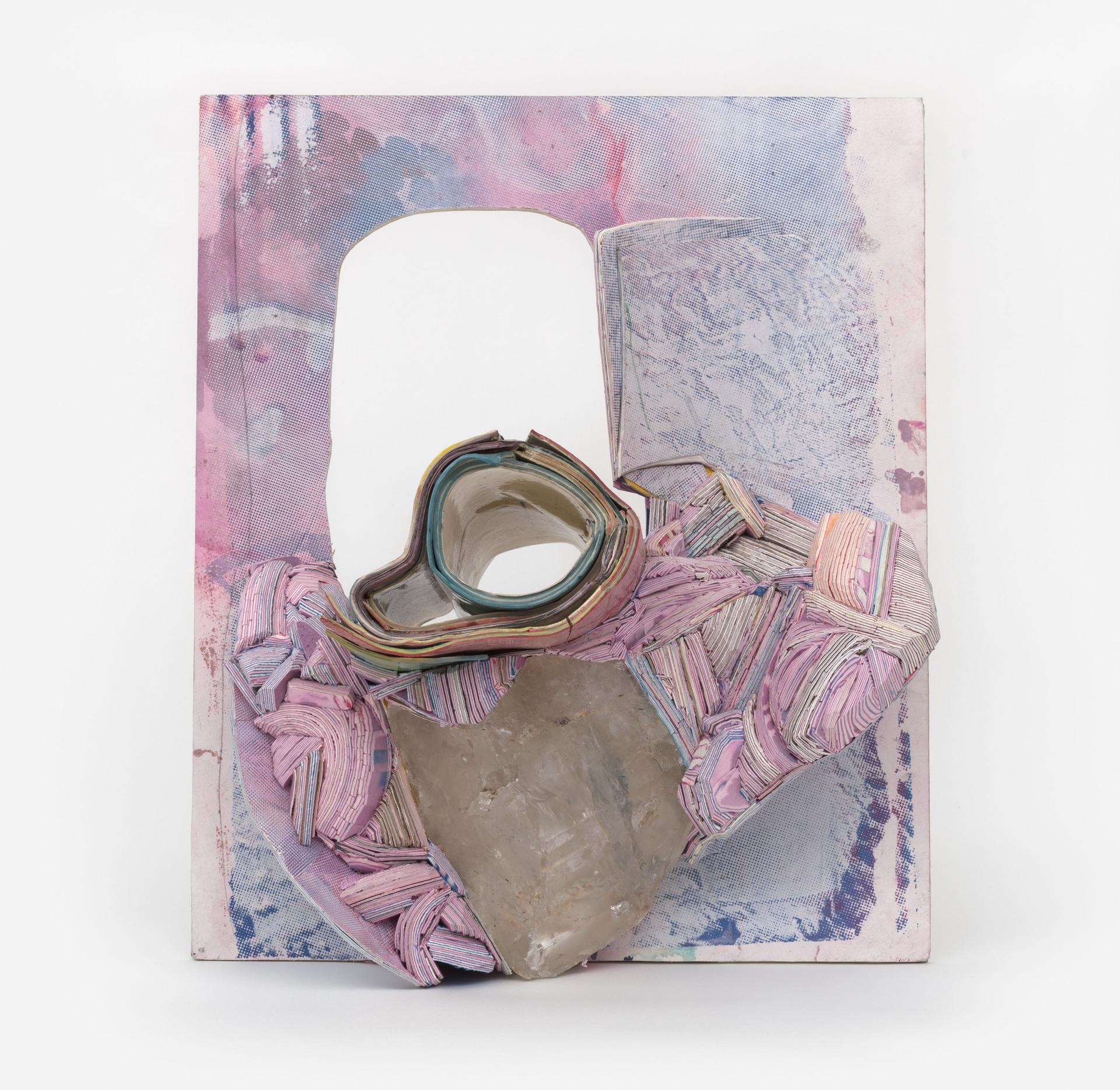
work explores contemporary and historical notions of abstraction. Composition is developed through collage and layering, growing in scale and depth into expressive canvases, providing a stage for three-dimensional shapes that allude to painterly brushstroke and sculptural form at once. Whilst formalist in nature, the resultant paintings’ titles and manner of execution allow notions of reference and recollection to provide the viewer with an entry point to the work; the experiential effect of gesture and colour, interplaying with shadows cast, to imbue the work with emotional content.
#williambradley

The Irving and Aaronel deRoy Gruber Foundation is dedicated to Aaronel’s practice. She attended Pittsburgh’s Carnegie Institute of Technology through 1936 until 1940 and enjoyed a multifaceted artistic journey beginning with abstract painting and moving through sculpture in metal, dimensional works in plastics, and finally photography. Her work is included in the permanent collection of The Carnegie Museum of Art, the Butler Institute of American Art, the Westmoreland Museum of American Art, the Frick Art Museum, the Smithsonian Institution, and the Kawamura Museum of Modern Art, Japan.
More
#aaronelderoygruber


 Painting After Art is Dead