Michael Brennan at Two Coats notes Tappeto Volante Gallery’s retrospective of Bascha’s painting, selected and arranged by the artist herself.
More
#baschamons
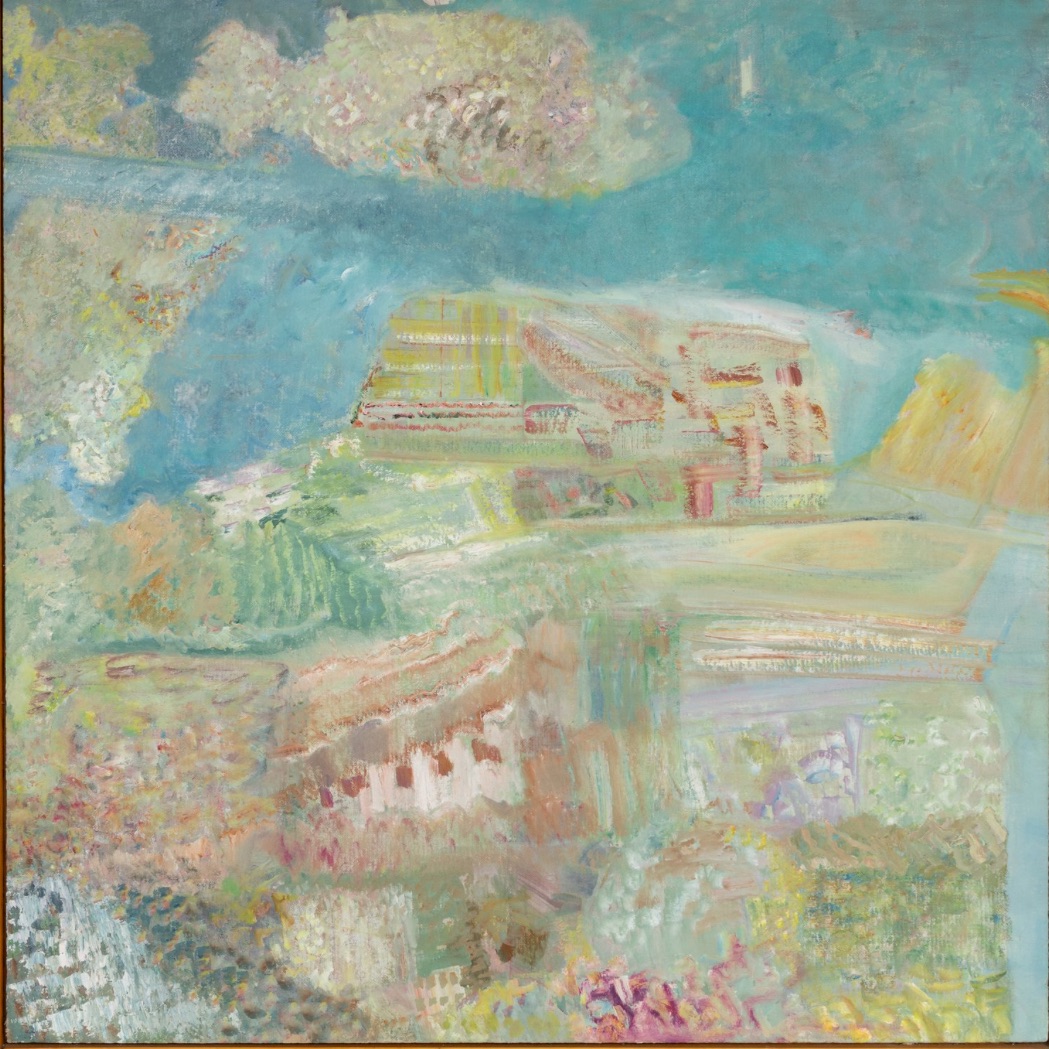
Michael Brennan at Two Coats notes Tappeto Volante Gallery’s retrospective of Bascha’s painting, selected and arranged by the artist herself.
More
#baschamons
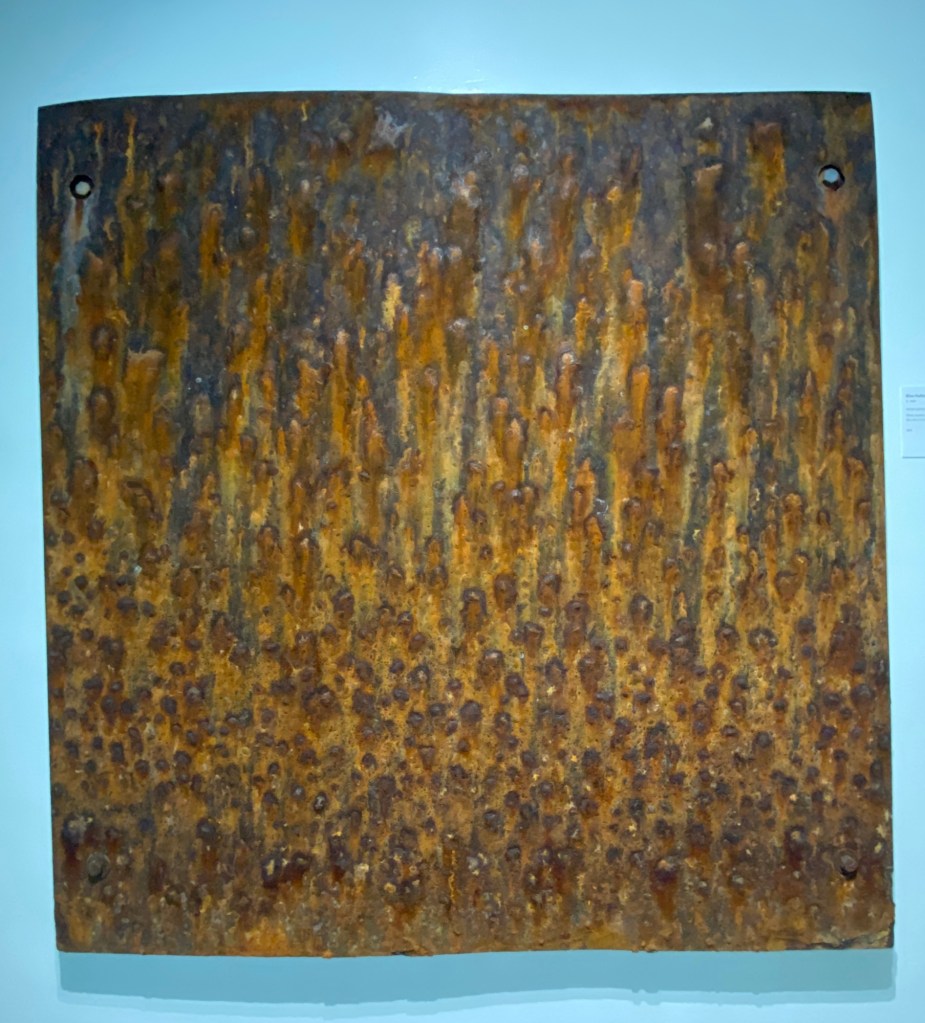
Below is “Ocean Panel (12/7/23-8/17/24 Marshallberg, NC)” in a really terrible photo which I took at Queen Street Magic Boat (where it was part of Death Planted a Garden). It is part of an ongoing project where Elsa bolts sheets of new steel onto a seawall at the North Carolina coast. The panels are submerged then revealed by tidal waters; the water, salt and air transforms the industrial surface; the metal becomes a clock, a landscape and map or graph of time passing in all its beauty and inevitable decay. According to their statement for the show catalog l, Elsa sees their role in this project as a curator or choreographer; setting a stage and parameters to capture the visual translation of a period of time; this project is a practice in embracing precious moments and also ritualistically letting them go.
#elsahoffman
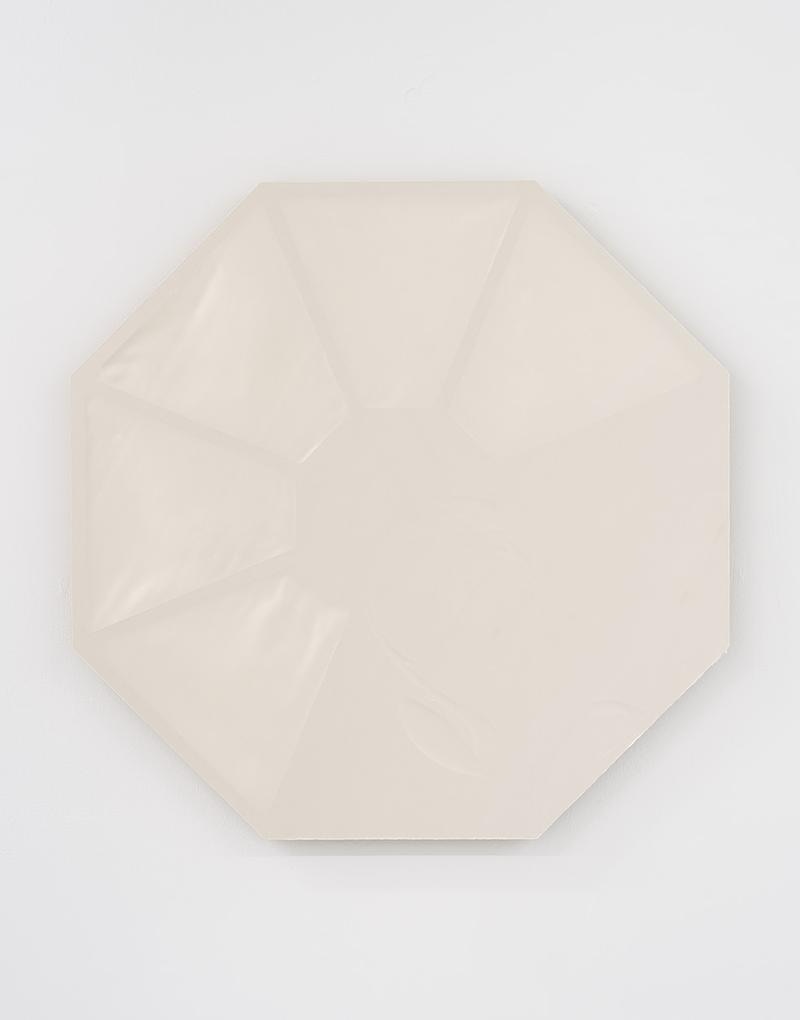
Talia Shiroma at Two Coats of Paint thinks beauty has become an incidental quality in visual art over the last century, taking a back seat to, among other things, art’s expanded range of aesthetic values, its social and political dimensions, and capacity for novelty, and that Teak makes a case for beauty.
#teakramos
I imagine a lot of you are following me on Instagram, for anyone who isn’t or is just popping in for the first time, look for me there as well, please. It is different content from what I publish here, in particular I like to pretend I am the local beat writer, and regularly do fairly extensive posts about the exhibits that I have seen in my local area. Also, for those of you who don’t know where that is, I live in the Triangle area of Central North Carolina. What you have heard is true- it does, in fact, rule.
At the moment, I am spending a lot of my energy looking for another full-time job. Thanks to all of you who have asked about my search when you run into me. Also and, I am privileged and excited to get to work in clean energy and decarbonization!
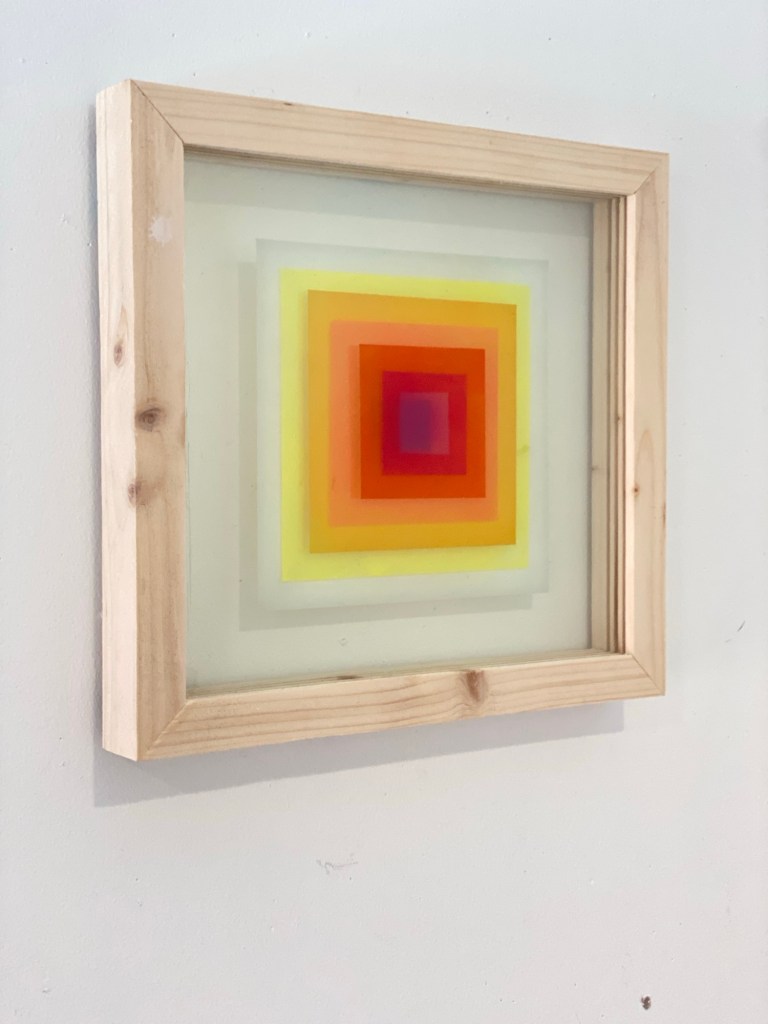
It’s been great to have my practice to help sustain me during this time. Thanks (also) to those who have made time for studio visits to look at new ideas – I have moved in a new direction with my painting. I could probably have made 100 more paintings utilizing cubes, but not learned any more from it* (and- of course- I have learned so much). While this new body of work is still taking shape, the small piece above, “through”, (which is in the group show “12×12” at Artspacenc atm) is indicative. Yes, it is an homage to Albers, and also to the Light and Space artists. I think it will more clearly point audiences at looking, by being more directly about color. I hope it will allow me to more successfully foreground contradictions, and engage audiences in thinking about the many places in our life where holding two truths at the same time can be crucial for us moving “through.”
I am looking forward to a number of things as well ( did I mention my practice is sustaining me?). *I will get to put a “period” on a body of work that sustained me for 7 years next summer. Also and, I will be getting the chance to do some more curating in 2025, both of which will be group shows and located locally. The artists that have said yes to working with me are fantastic creators, and I can’t wait for all of us to share our vision with you. And in case you thought I couldn’t possibly be any more vague, I will be programming something with Tiger Strikes Asteroid in Greenville, South Carolina in the September-October timeframe. I will also have a piece in a show in Texas in December for anyone in Austin. More details to come – the kids call this a teaser, I think. Hope you’re looking forward to looking at the shows!
The Artsy Vanguard 2025 artists are breaking new ground with original work and gaining momentum through acclaimed solo shows, prestigious institutional exhibitions, representation with tastemaking galleries, and bold art fair presentations, among other art world accolades. Like past Vanguard artists, they’re ones to watch. Laís is included as is Emily.
#laisamaral
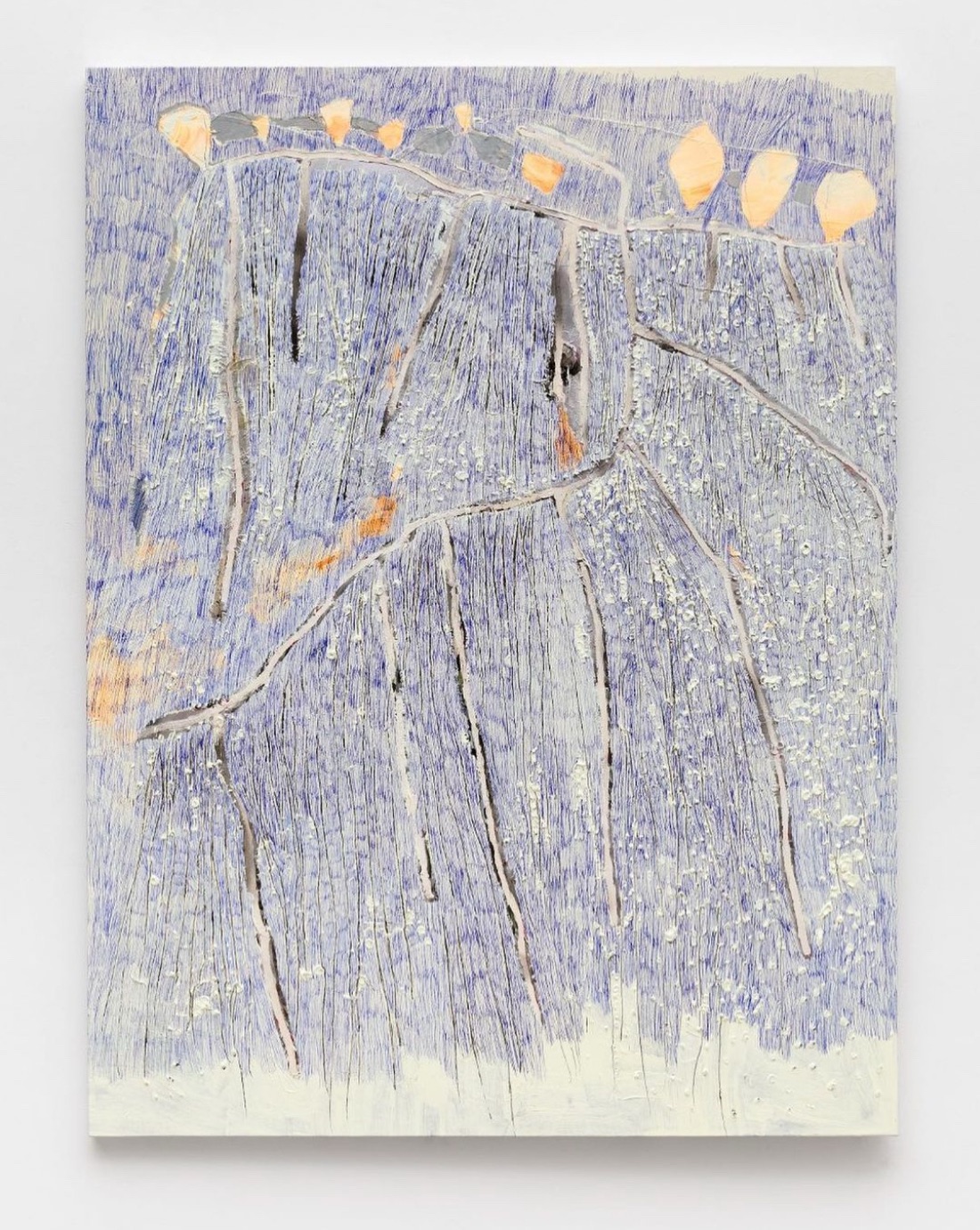
John Yau at Hyperallergic has thoughts on how David has taken appropriation art, which often consists of commonplace acts of citation, quotation, and parody, and set it in a new direction.
#davidbaker

Hyperallergic brings our attention to the Mulvane Art Museum in Topeka, Kansas, and “Women of Abstract Expressionism” as well as Rita’s practice and life (in the show paintings and drawings by Rita are featured alongside works by Elaine de Kooning, Helen Frankenthaler, Lee Krasner, and Joan Mitchell).
#ritablitt
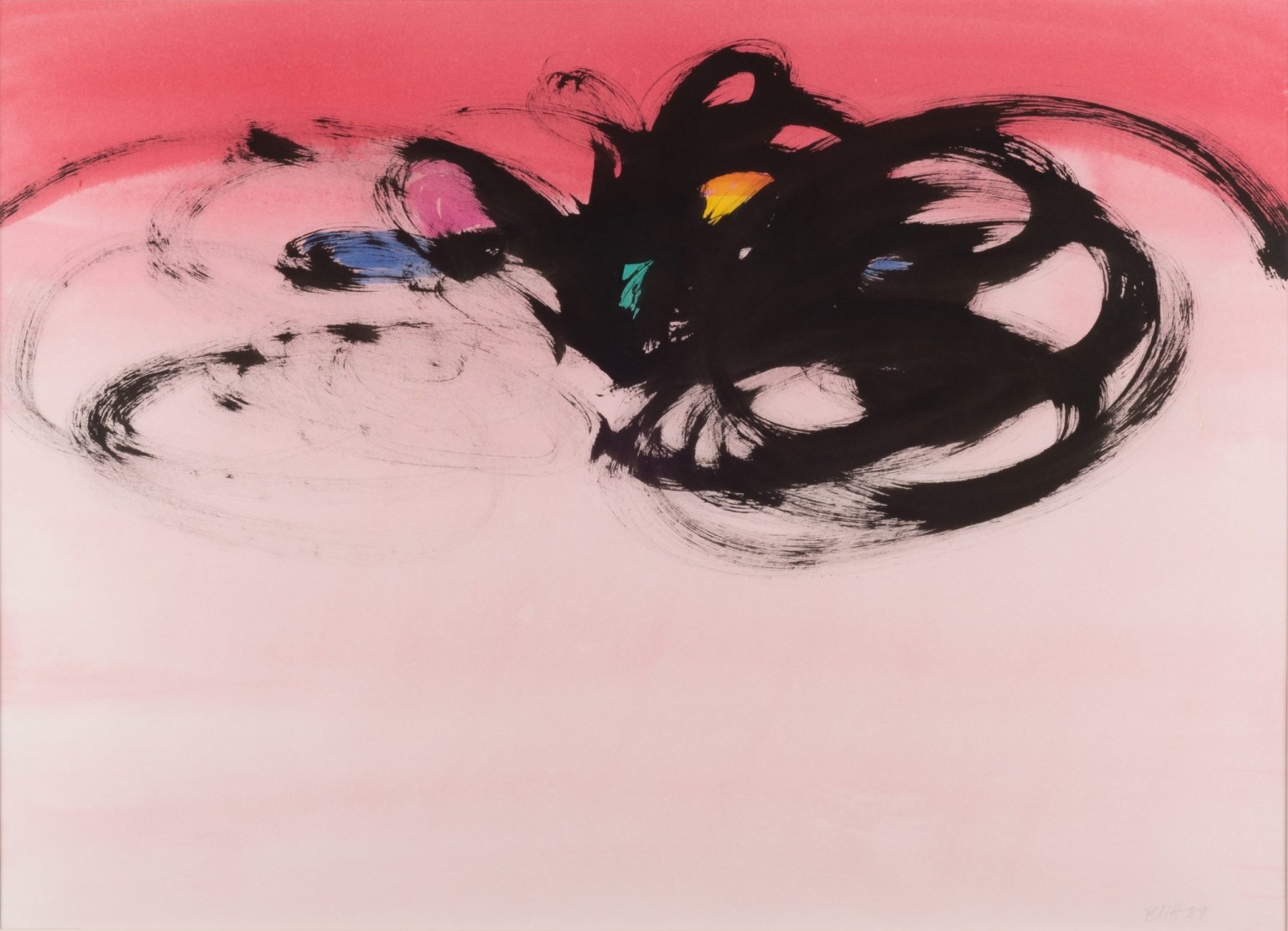
like Leika Felizia’s work gets a nod from Artsy for (posthumous) inclusion at Frieze London. The first blog I ever wrote (about Julie) in October of 2018… was in the context of Frieze.
More and more
#felizabursztyn
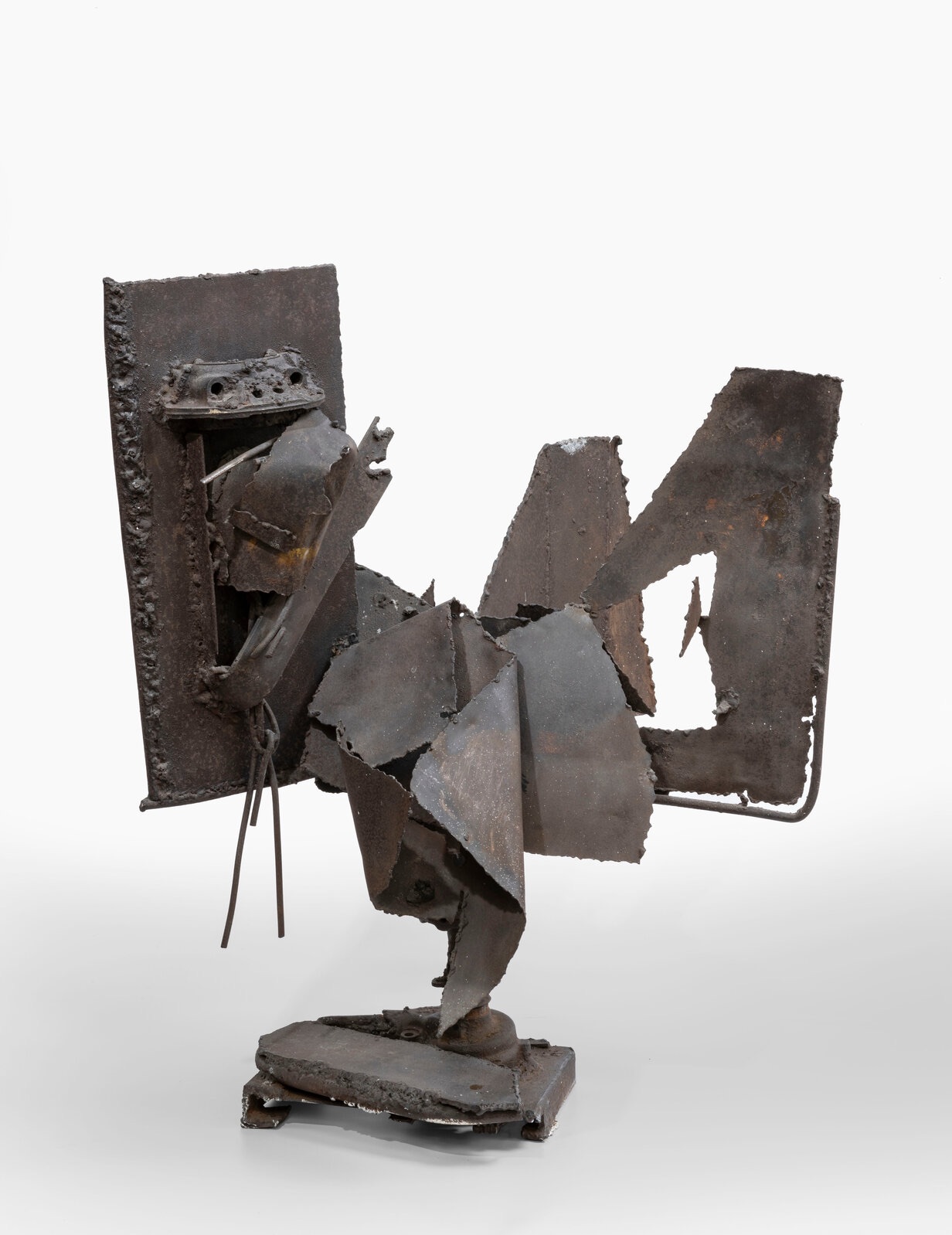
Jason says Gaby is concerned with the raw material of lived experience and the digital frequency that we personally stream. The writer (also a painter) and subject artist discuss further.
#gabycollinsfernandez

recently left us after an amazing career that included the ground-breaking Pixilation from 1970. Artforum allowed Rebekah Rutkoff’s 2016 essay Painting by Numbers out from behind the Paywall briefly (which recounts a pretty wild encounter with Dali).
#lillianschwartz
I definitely grew up getting a lot of input in the form of science fiction, whether that meant Buck Rogers and Star Trek re-runs on TV, ET in the theater or gobs and gobs of Star Trek-based novellas from the library in my pre-teen years. I did venture beyond this realm in my adult years and I’m not going to trot out my sci-fi-nerd credentials because I’m certain many of my readers could best me wink emoji. What’s my point (not more nostalgia although hit that link for just a sec speaking of Buck Rogers…)? I grew up optimistic that there would be a future. And, I think I still am, or at least not convinced it’s impossible (for there to be a future).
Early this week one of two pieces which inspired words from me came across my feed (my muse was also a self-imposed deadline). It was mostly a review of Neptune Frost—a project from American multidisciplinary artist and musician Saul Williams and Rwandan filmmaker Anisia Uzeyman— on Artforum by Ruby Helot that briefly poked out from behind the paywall (good luck with that) . According to Ruby the movie succeeds where it severs the link between the extractive violence of postcolonial industry and the past and our present, allowing for a new future to come into focus. I mean, not utopia, maybe but, not dystopia. Ms Helot spends some time on dystopia, even pointing back at a prior Artforum article about our appetite for the same. I’ll note that I complained to some other nerds (I get why that’s funny) about the narrow range #strawmanargument of what was offered as exemplar of science fiction. tldr; the synopsis of the canon was limited to space opera-style good v evil round 2 million stuff. Despite dogging a lot of seminal movies for me and generally being an art world snob about people’s appetite for dystopia (something about pots and kettles) I really, really love her general point that “Yes!” we would all love to see a vision of a different, equitable future.
The other piece is (one of) Kate Thompson’s posts from her Daily Sticky about asking for what you want, and avoiding talking about what you don’t want, in order to get what you want (stay positive). First things first you must all read everything Kate writes. Second, I’m sure part of the reason the message that the positioning and attitude that lead to success are positive really jumped for me is because I’m in sales, and gosh that’s just sort of basic.
While Kate’s message is not the same message as Ruby’s, I got the sense that Ms Thelot would like that Ms Thompson is asking us to consider that the message that resonates the most is likely to be the one saying what we want, because, we want something, something better.
I read these pieces in our current social context, which is one where many feel lead to proclaim, online and publicly, that if we aren’t talking about what isn’t right then we aren’t paying attention, right? I’ve been wondering about that message, which is every where in my social media feed, because the world does in fact appear to be in danger. And, “yes,” many of the decisions made by those in power do not align with my values either. And, what role can any of us as artists have in presenting a picture what we want. “Yes,” it will be a fiction- possibly even science fiction.
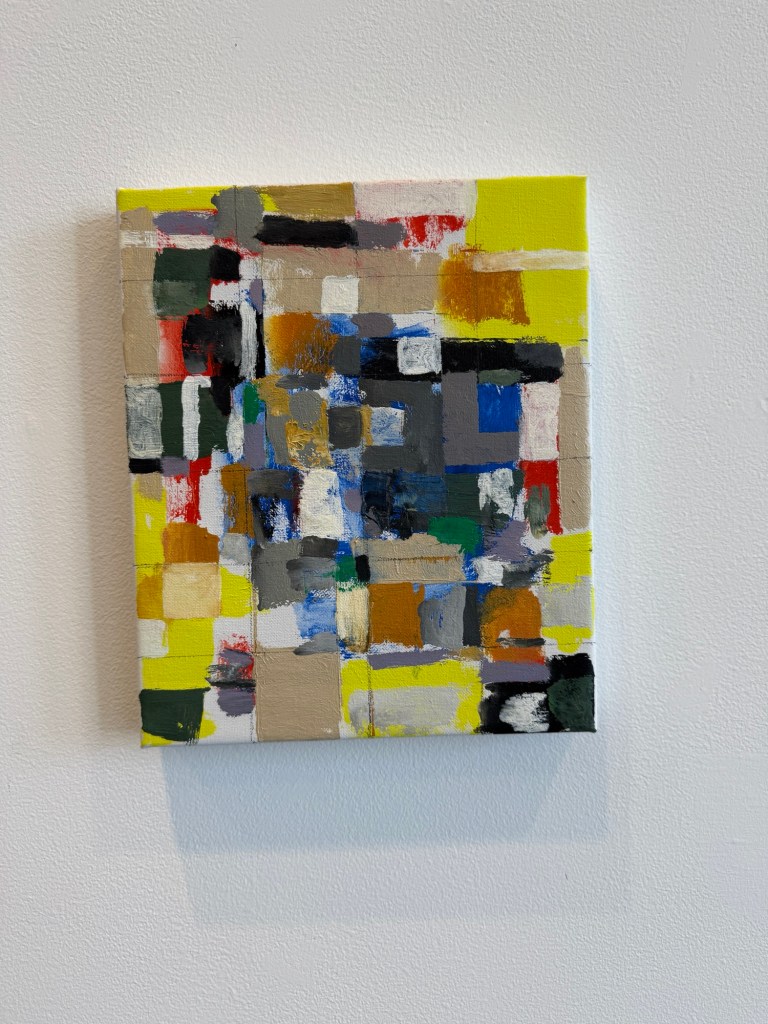


 Painting After Art is Dead