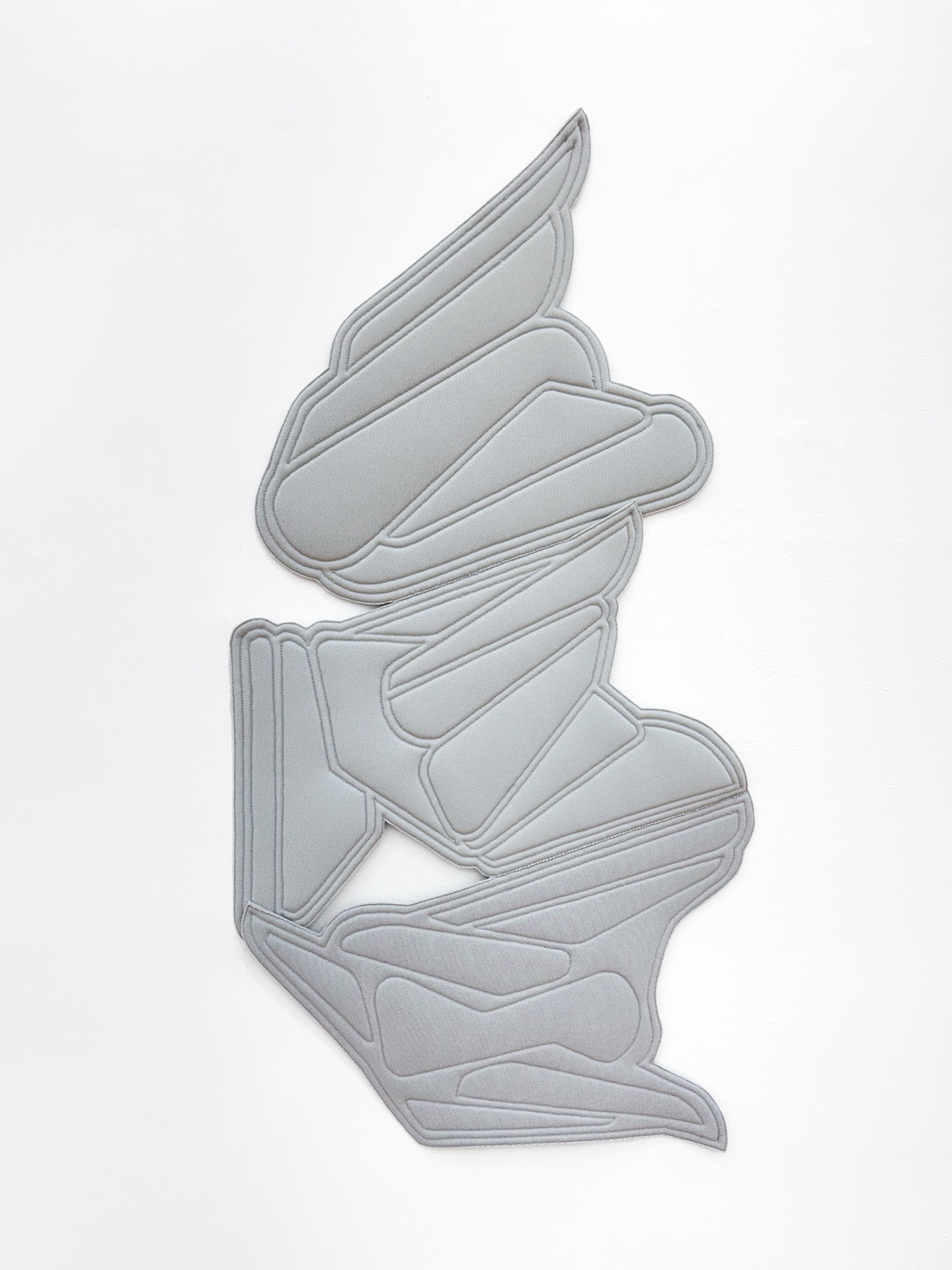
gets some love from Art in America. Crețulescu recently completed a PhD program in graphic arts in Bucharest. Her training is evident in the armor-like outlines she stitches as if in bas relief. She started sewing after growing frustrated with graphic design work that, done on a computer, “goes so fast.” Working with her hands, she found “a place to breathe.” Then, doubling down on resisting efficiency, she decided against making anything functional at all.
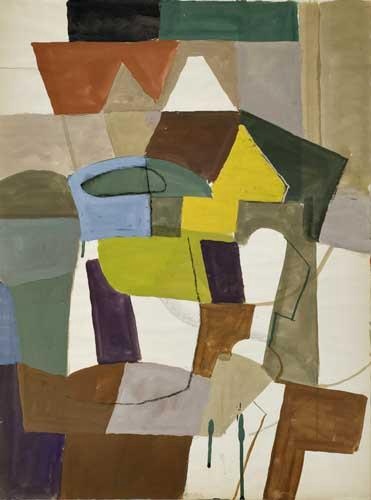
Ronald Joseph started his artistic career in Harlem, New York City at the Harlem Community Arts Center, where he was one of the youngest pupils. Joseph’s early oil paintings were influenced by Picasso, Braque and other European artists while most of his contemporaries focused on social realism. By 1943, he was hailed by art historian James Porter as New York’s “foremost Negro abstractionist painter”.
recent Glue Works (an exhibition of new work on paper) is a body of work as “poverty of means … modesty of means.” The works reflect the attitude mindful of the outsider artist…using what material they had for making their art (Kord cited the brilliance of Bill Traylor as inspiration).
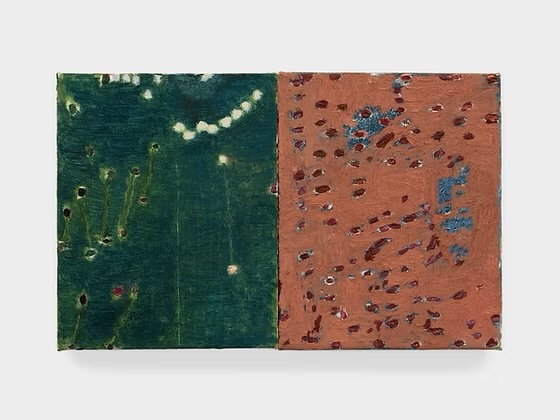
is a visual artist whose practice spans painting, drawing, sculpture, installation, and writing. Their work explores the complexities of cultural inheritance, queer identity, and abstraction, drawing from both Western and non-Western traditions. Ray’s art delves into themes of migration, spirituality, and the interplay between personal and collective narratives. More
Or at least it was this last week. And I did pretty good, I think, at this not-job.
I wrote about my j-o-b recently, which I like. The challenge of beach as a “job” is actually not making it feel like a job. And I don’t mean “work,”- I’m not talking about things that one does that take effort, like writing this blog. I made a few boundaries for myself for the trip, one of which was using the positive energy and space away from any formal responsibilities outside of making meals that take an hour or more to prepare, and hoping some topic of interest just popped up. No, by “not feeling like a job” I mean really giving in to the whole vibe, and not making being carefree something that takes conscious work.
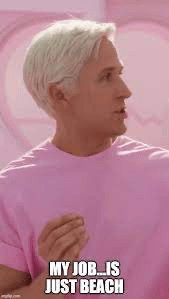
So yeah we watched the Barbie movie. And made a lot of references to this line by Ken. I’m “just…” (fill in the blank). As I began to write I was thinking of “just” as an adverb, in which role “just” can have various meanings: recently; exactly or precisely; only or merely; really or absolutely (adds emphasis to a statement); or simply/basically- in this case, being “just beach”, for example.
We use this word SO much in our culture, and sometimes in unhelpful ways (“I’m just saying” which is such total BS, please don’t use this phrase).
All of the uses have a limiting factor. As someone who talks and writes and thinks about “and” so much, “just” brought some stuff up for me.
We talked at one point about all the memories that the house we were staying in likely contained, for both the owner’s family, and many others. We watched families all around us, since there isn’t much on Holden except beach houses, so family time is the whole vibe. I tried to keep my phone out of my hand or pocket, and was mostly successful (mostly– we were making some memories and our family enjoys scrolling our camera roll sometimes as much as the next set of Joneses). I’m glad, and grateful, that one of my main memories was just how pleasant and relaxed the whole vibe was.
Yes, I did also think about “just” as an adjective while beaching it, not basically (“just”) because of the delicious contradiction that it can function as both an adjective and adverb. Or America Ferrera’s monologue in the movie where she lays out the general sitch for every American woman how struggles to “just”… What is “just” came up for many of us because it means “fair” (also rightful or deserved) and let’s be honest, everyone “deserves” a vacation, right? Thank you to every culture out there on the planet that prioritizes time away from work, I hope we’ll catch on here eventually.
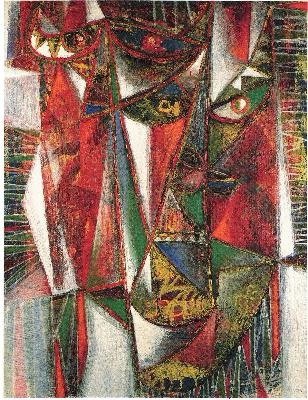
doesn’t yet hold the esteem attributed to peers like Sam Gilliam and Betty Blayton (although he was included in Something to Look Forward To). Most information on the internet about his work is short bios from auction sites (example). Kolawole lived in Munich in the 1960s before returning to the U.S. His work has been included in a number of museum exhibitions in addition to Something… (which took place at the Morris).
lives and works in Brooklyn, NY. He studied painting, printmaking, photography, and performance at Mass. College of Art, Boston, MA, and Virginia Commonwealth University, Richmond, VA. His paintings have been exhibited widely nationally and internationally
Bill Hutson, also known as William R. Hutson, (September 6, 1936 – September 21, 2022), was an African-American abstract fine artist, who specialized in painting and collage.



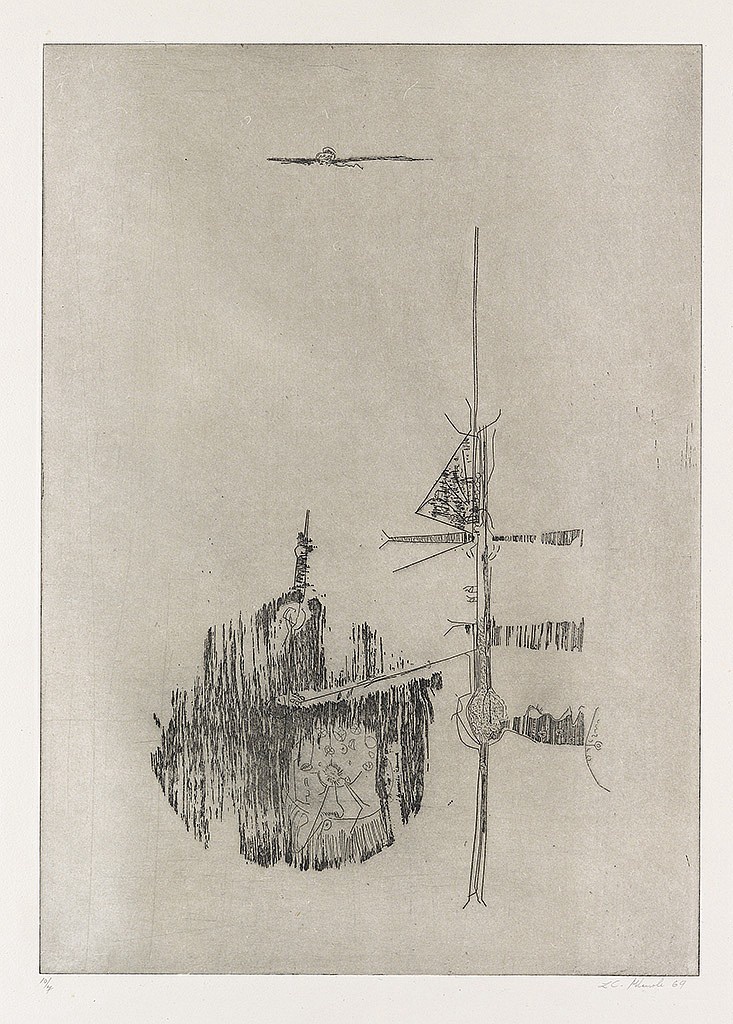
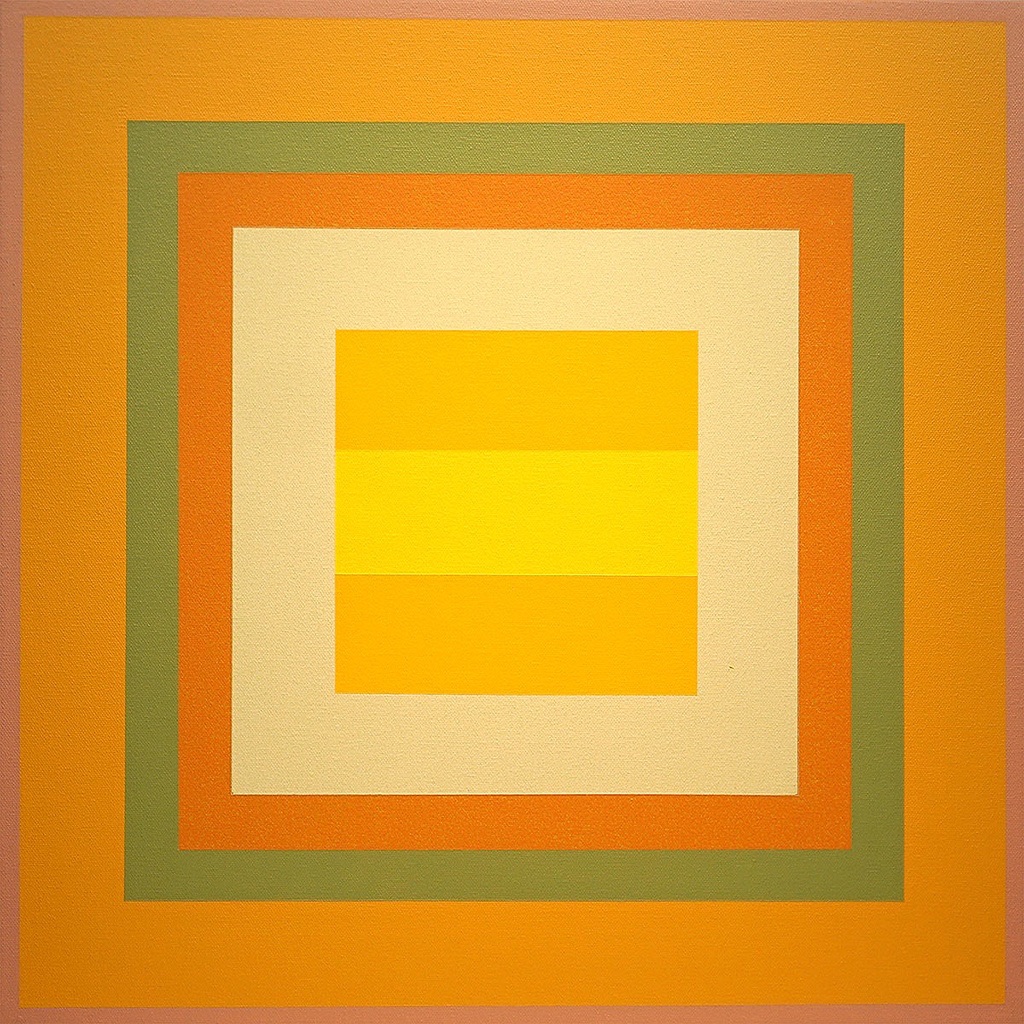


 Painting After Art is Dead