I’ve been glad to know about Prosaic’s IG feed. My most recent “find” there is Pen.
#pendalton
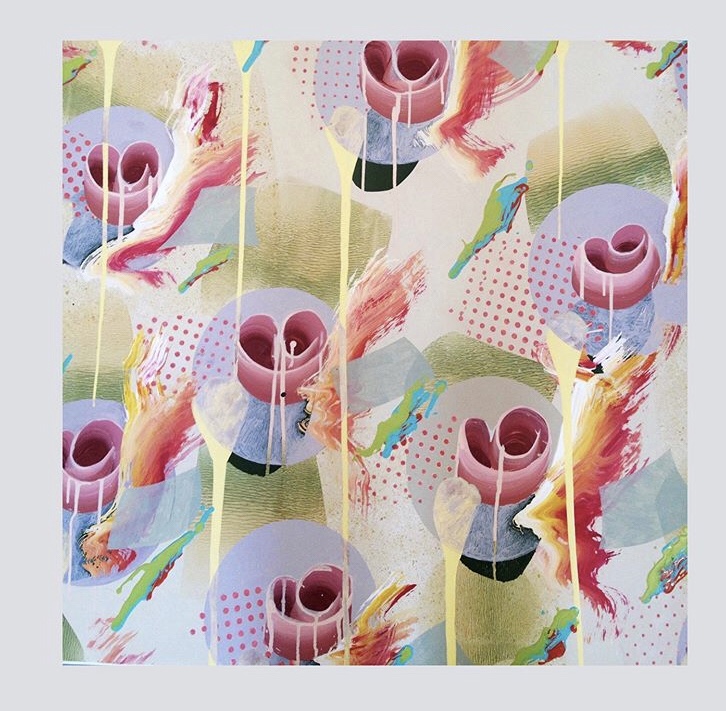
A few pages after learning about Ann Cathrin, I ran across the image below. Reading and looking more reveals she works through concepts as distinct bodies of work, changing her compositional strategy from time to time.
#gemmasmith
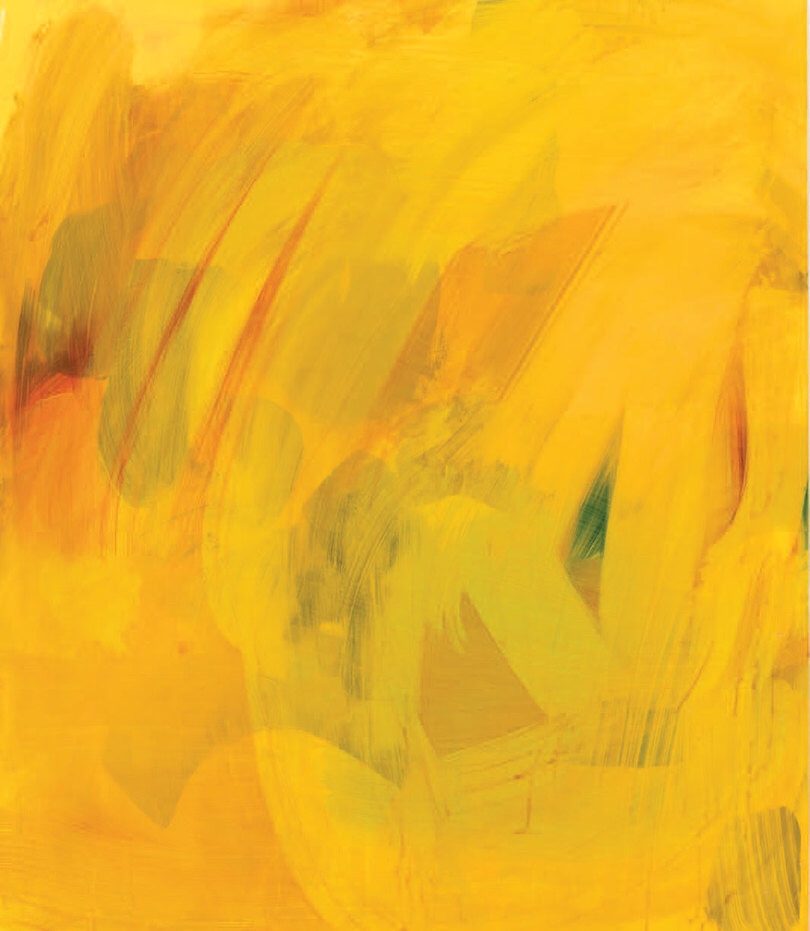
Artforum has words about Myra’s current series of textually deep work that underscores, I think, the potential of non-representational work to carry potent symbolism:
“Piecework refers to labor paid according to the number of items produced rather than the amount of time spent on the job. Often associated with the ruthless economic exploitation of the nineteenth and early-twentieth centuries, this system …is sadly making a comeback—thanks to its versatility in allowing employers to get around minimum-wage and other labor laws…”
#myragreene
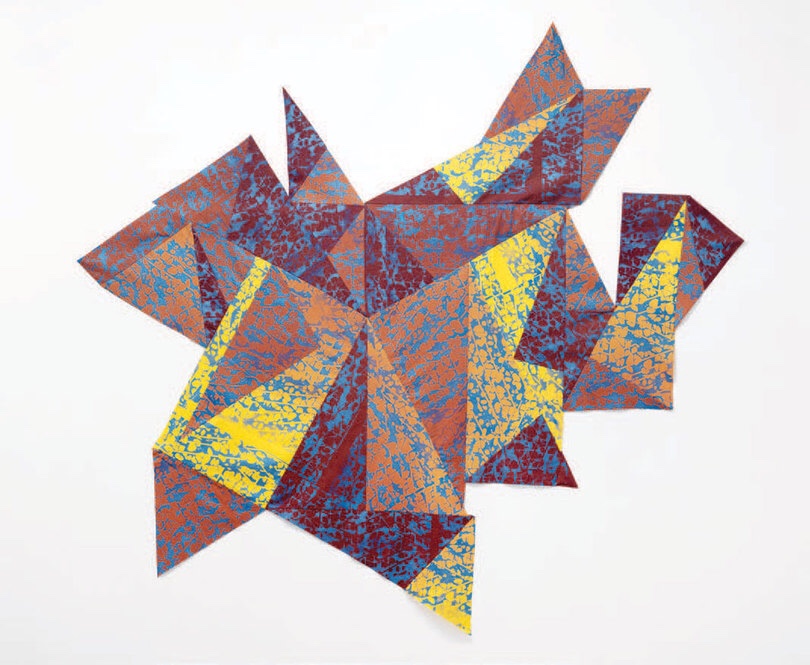
Was reading the print edition of Artforum when the image below grabbed me. Which lead to reading this interesting interview about the themes that- like the disparate materials she uses- are woven, literally, into her work.
#anncathrinnovemberhøibo
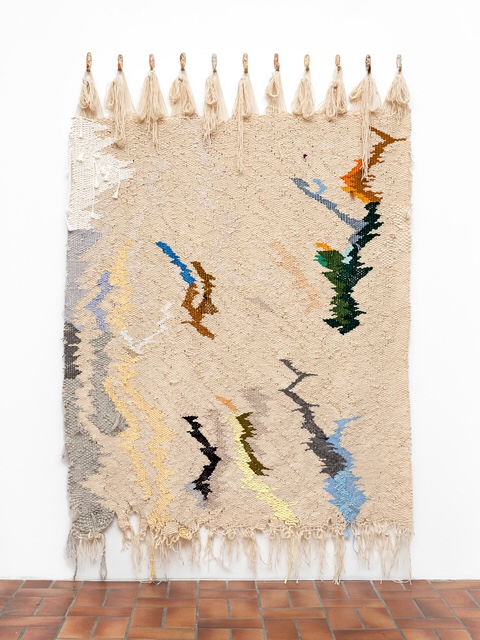
Artforum says that Maysha is bringing us “the darker, freakier parts of living and the imperfect beauty of daily life.”
#mayshamohamedi

A living legend indeed #hyperallergic. If you like minimalism, here’s more as well as more of Carmen’s work.
#carmenherrera
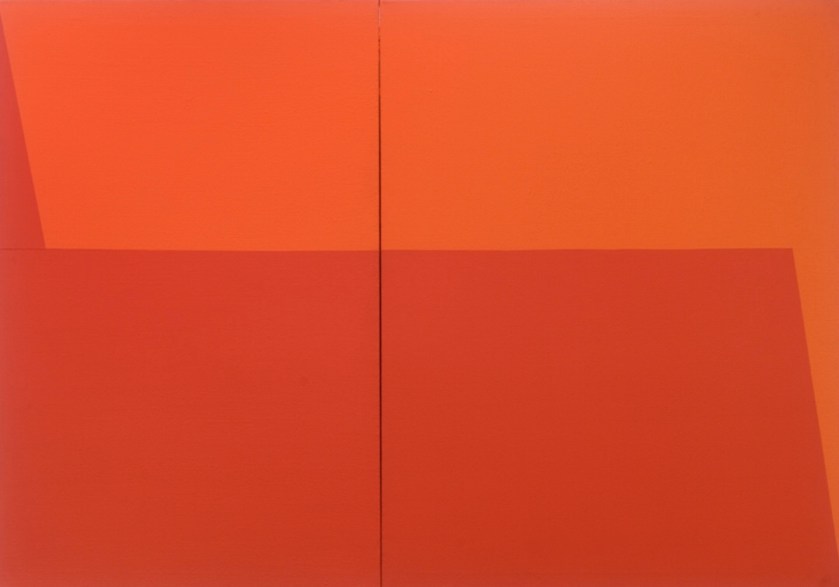
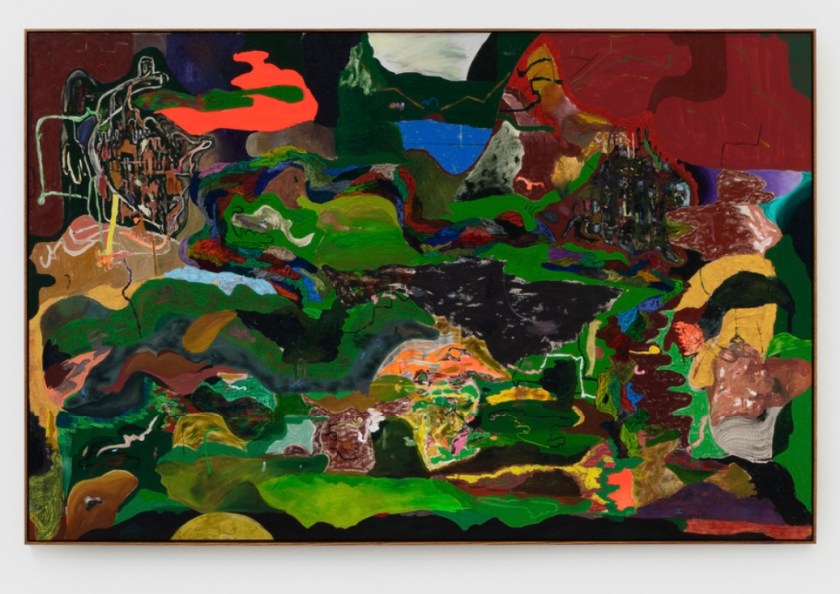
Kevin, like me, has made objects and paintings and despite appearances has no interest in geometry as a topic or content.
The link above is from #Geoform, an online scholarly resource, international forum, and curatorial project of #juliekarabenick that focuses on the use of geometric form and structure in contemporary abstract art.
#kevinfinklea
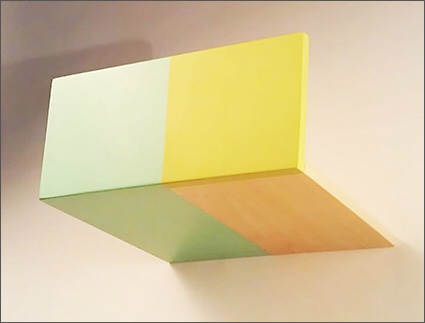
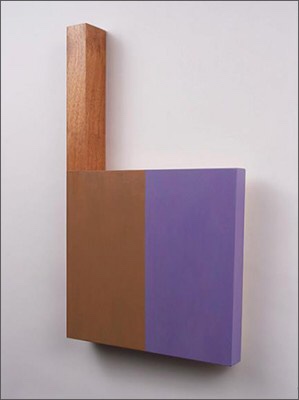
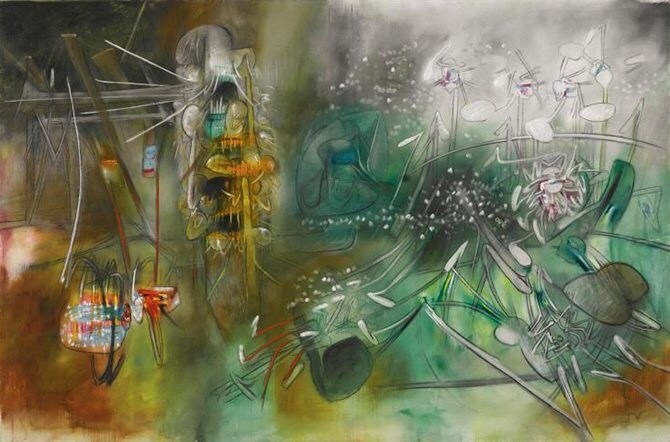
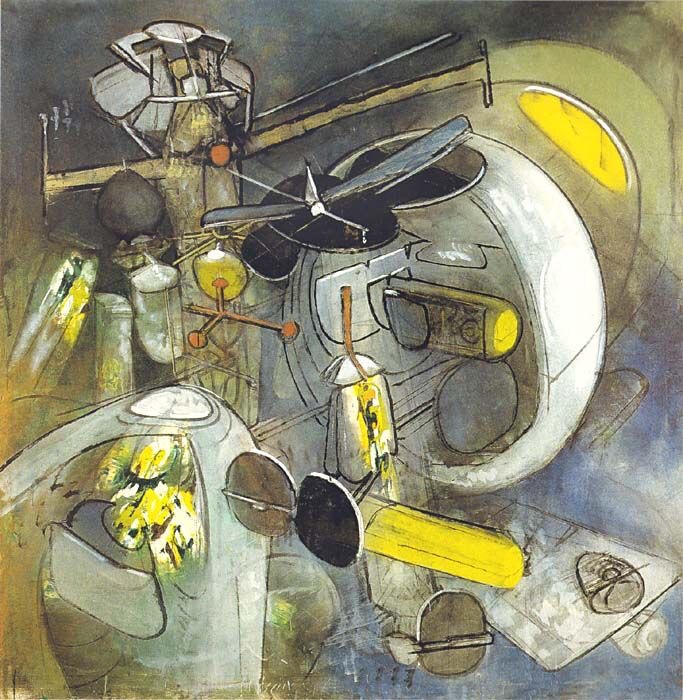
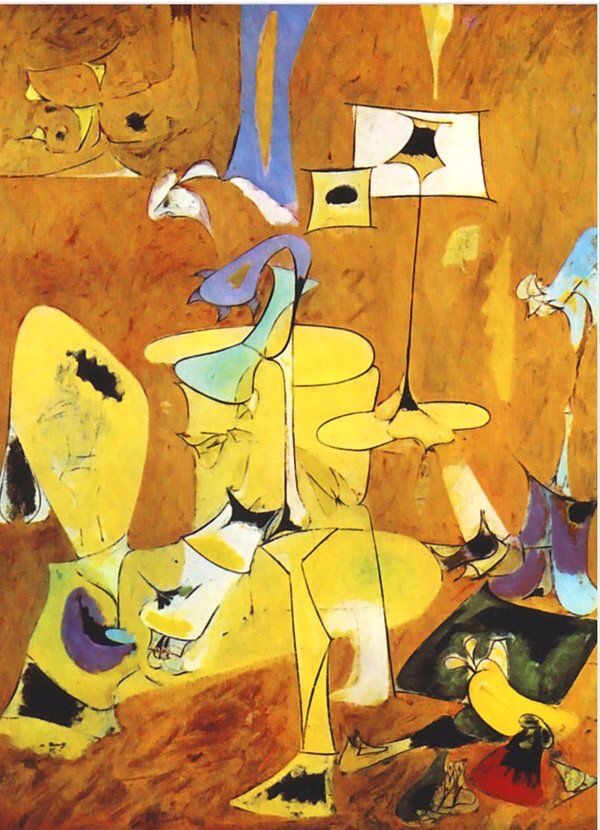
Doesn’t make any sense to have entries on Eva and Arshille and not #Matta (btw- if you know all 3 of them but not Charles Seliger, check him out.)

Was reading this good article on Sol Lewitt and discovered he wrote to Eva suggesting she try making bad work.
#evahesse
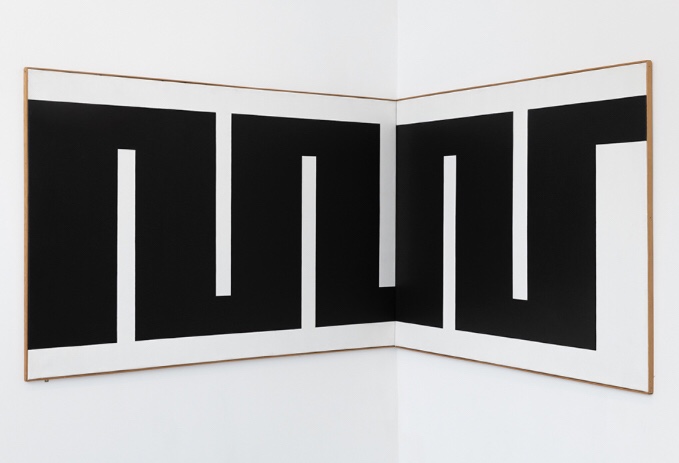
Since I’ve written about banal formalist modalities a couple of times recently I figured three times is the trick? Croatian artist Julije Knifer responded to the post-revolutionary socialist aestheticism (asceticism?) of the ’50s and ’60s “with black irony, riffing on geometric abstraction in “anti-paintings” characterized by a deliberately meaningless monotony.”
#julijeknifer
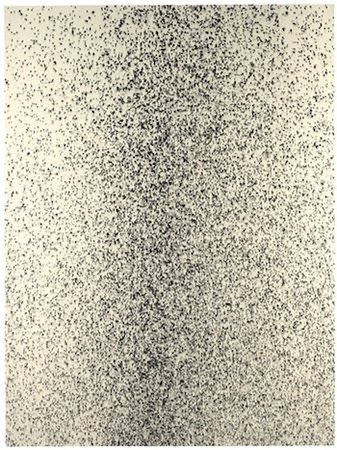
As I was writing a piece about Susan recently, her methodology for producing work based on a data set which she did not control echos somewhat I think in the “systems” of some of the Zombie Formalists, a movement which slightly predates my return to painting and apparently was worth missing entirely Instead of cashing in though, Lucien pivoted.
#luciensmith


 Painting After Art is Dead