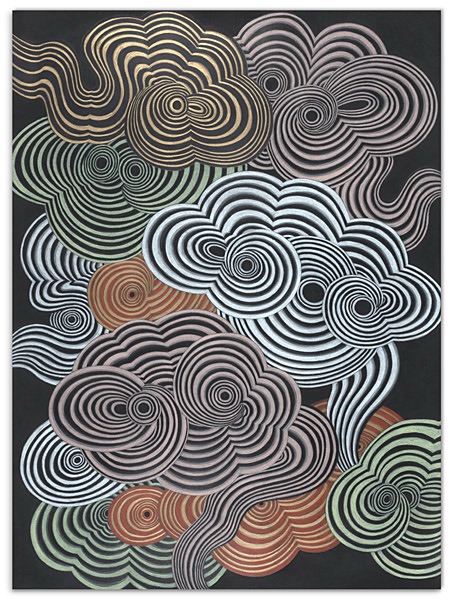
McKenzie Fine Arts recent “Curvilinear Abstraction” article includes along with Lori and others. Known for abstract hybrids of drawing and painting, Sky’s novel techniques emphasize a deep engagement with materials and mark-making.
More
#skypape

McKenzie Fine Arts recent “Curvilinear Abstraction” article includes along with Lori and others. Known for abstract hybrids of drawing and painting, Sky’s novel techniques emphasize a deep engagement with materials and mark-making.
More
#skypape
Over at Burnaway Merin McDivitt reviews Asheville’s Blue Spiral 1 summer group exhibition, where artists adopt an irreverent approach to surfaces. The show includes Caroline among others.
More
#carolinecollom
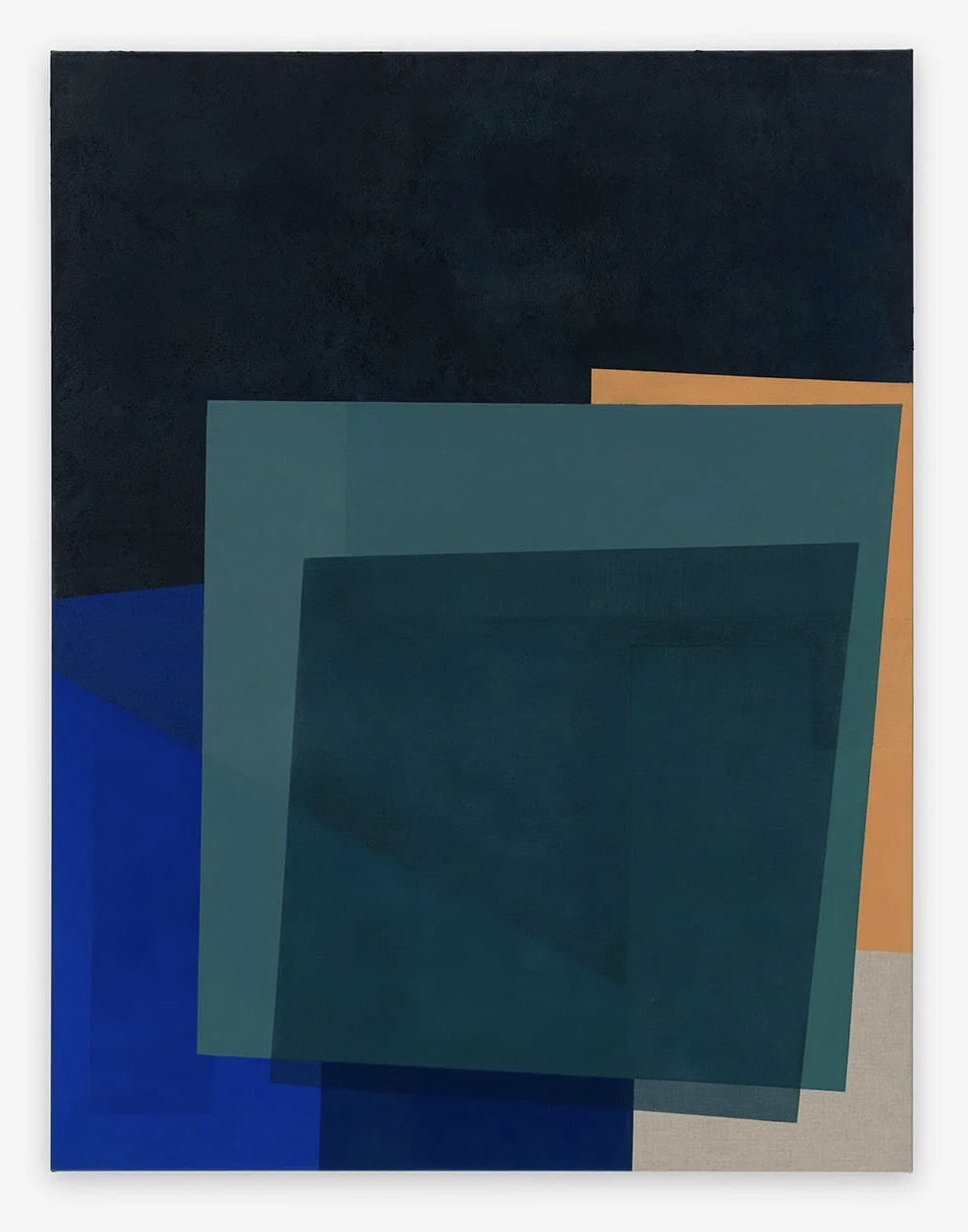
like Jean Alexander is a Hopper Prize finalist. Her practice serves as a reclamation of the value of textiles and embroidery in fine art.
#annevonfreyburg
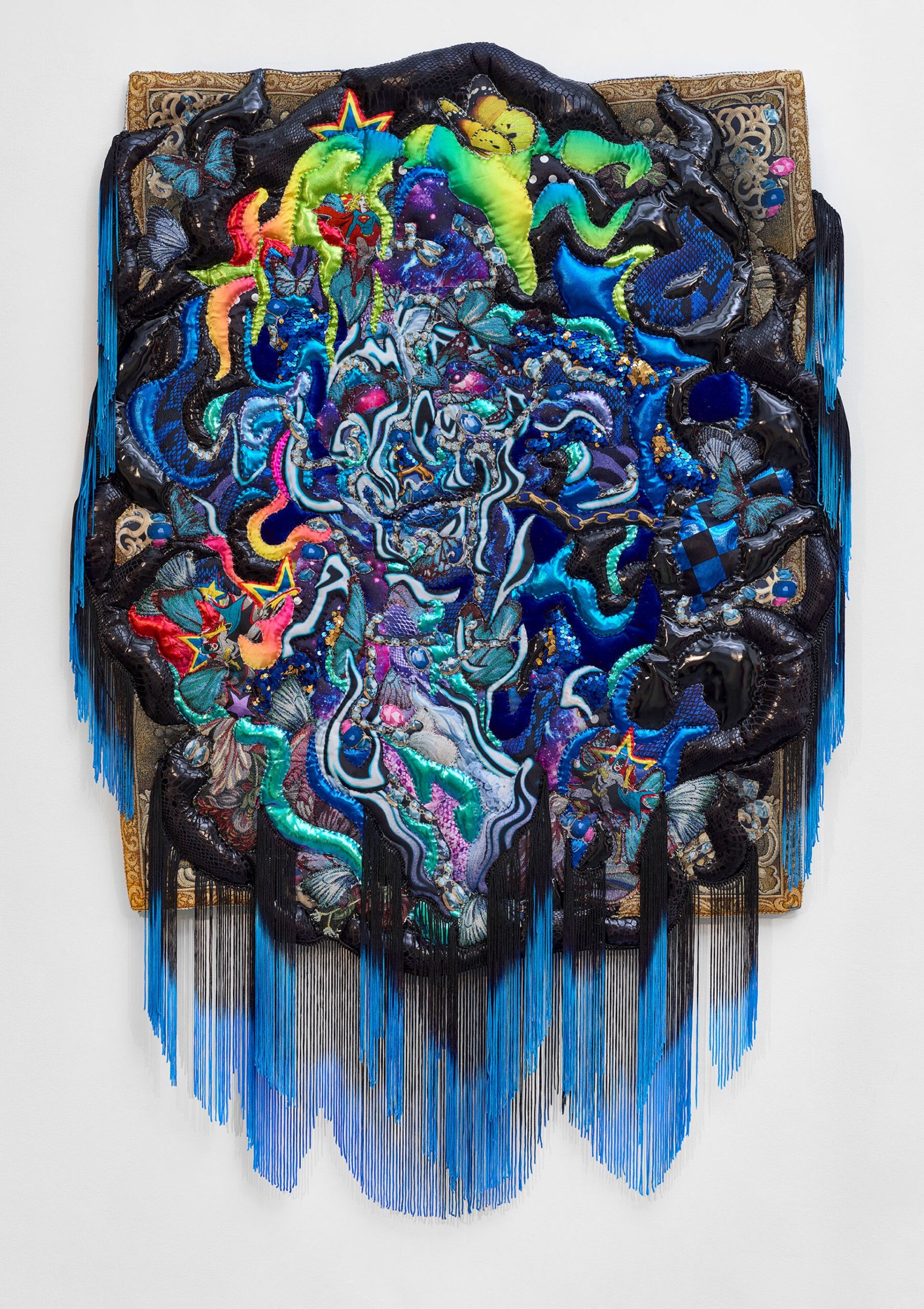
Like Yeonji, Jean Alexander is a Hopper Prize finalist. She explores the interplay between bodies and landscapes, where limits of containment are stretched and painting extends into sculpture.
#jeanalexanderfrater

is a recent Hopper Prize recipient. She extracts the shapes in her compositions from observational sketches of everyday, domestic moments.
More
#yeonjichung
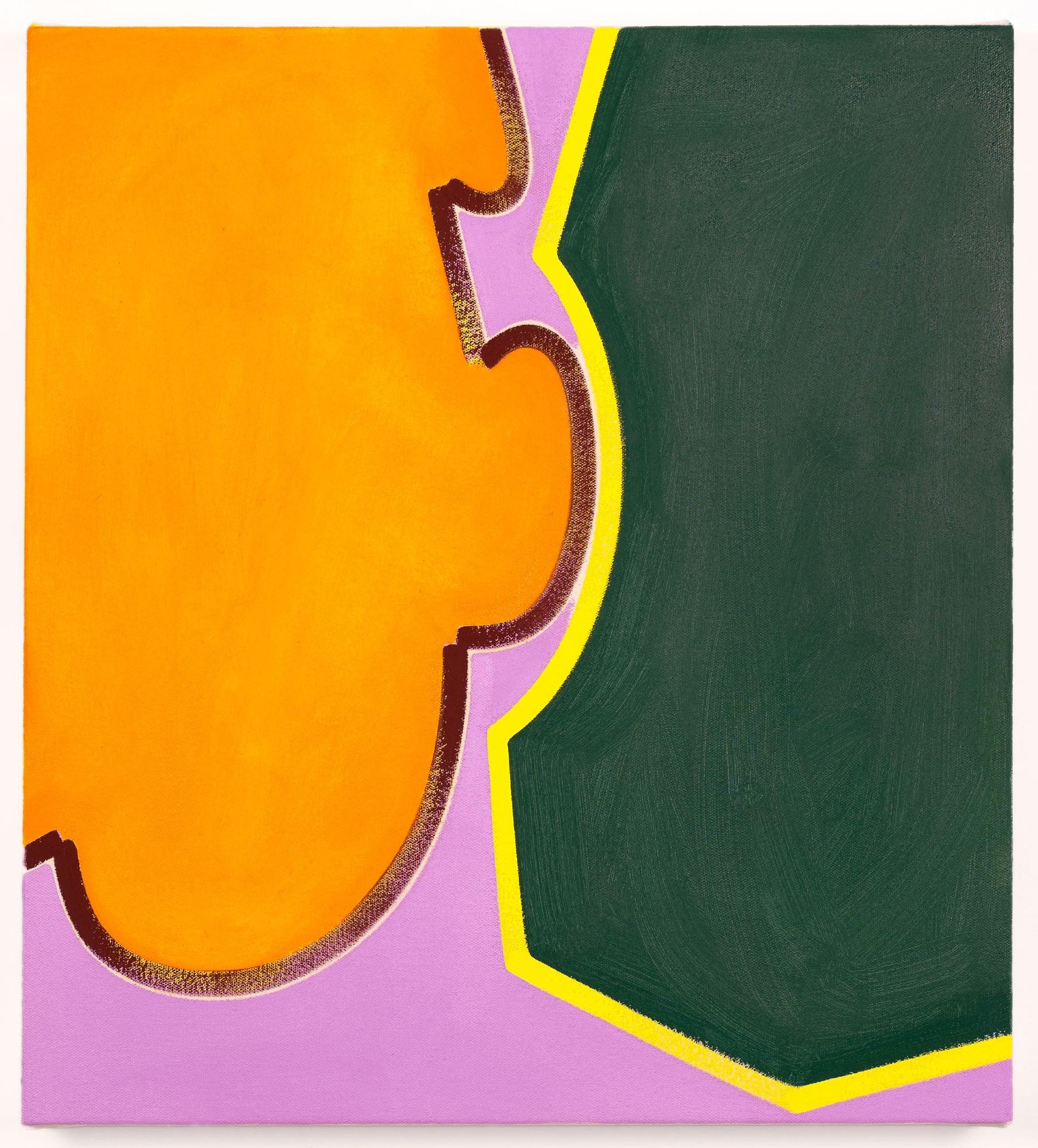
This little moment caught my eye during a recent trip to the Weatherspoon. it’s a detail from a Josef Albers, whose work regular readers are aware I contemplate a good bit. I imagine a lot of Art viewers, who have a bit of background on Josef, think of Albers work as having an almost cold precision to it. While the work isn’t sloppy and it’s also clearly about color (he used a “hard edge” vocabulary to highlight contrast) I think it’s easy to forget that he spent many years hanging out at Black Mountain college where human expressiveness was highly valued, and it’s likely he intentionally allowed this work to reveal it’s hand-made nature.

I initially thought I might write about imperfections and the human hand. After a bit of contemplation thought I realized that’s not the right word since “imperfection” means a blemish or undesirable trait, and I’m certainly not advocating that being human is inherently undesirable. In fact, the opposite.
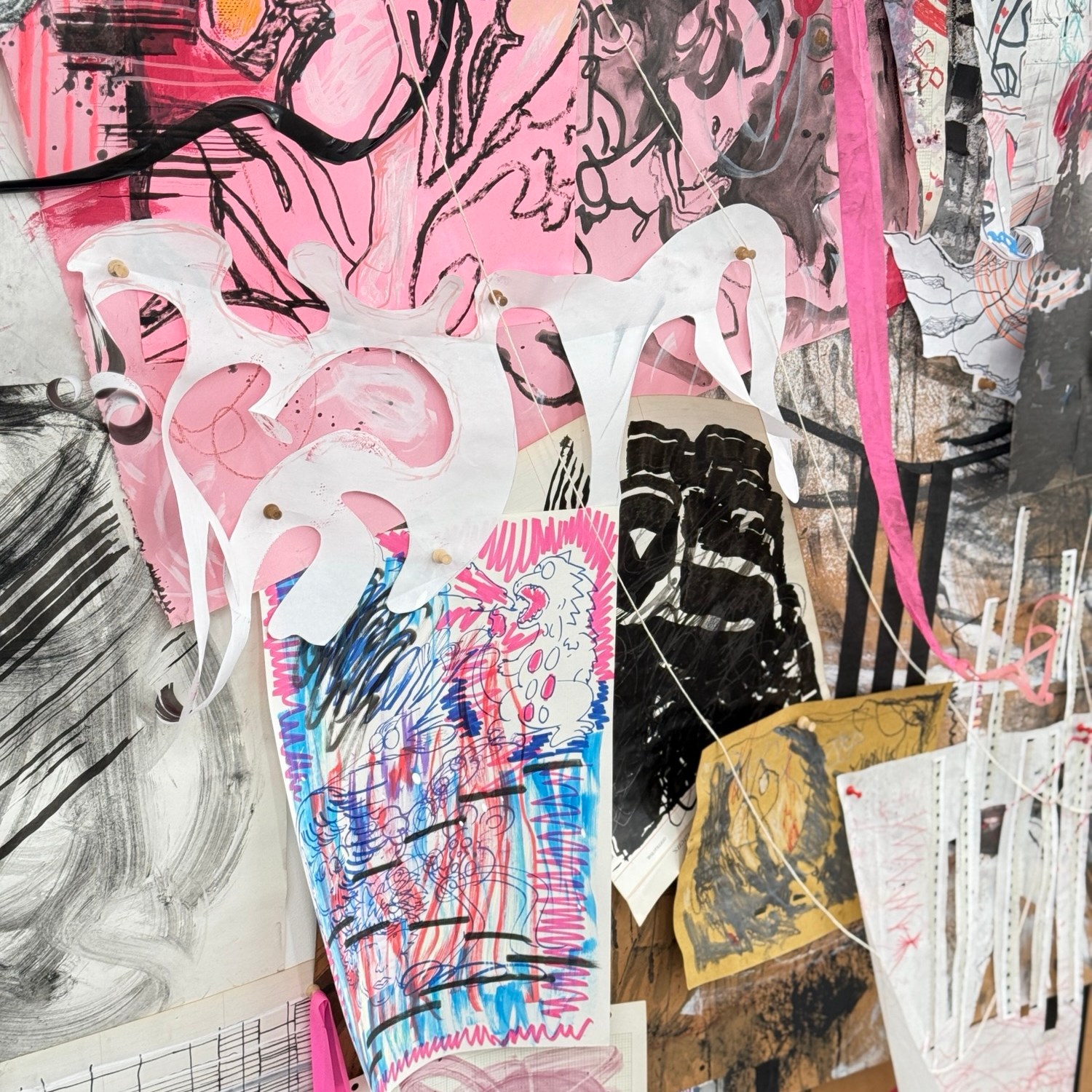
The village impulse project which I recently helped organize was quite literally the opposite of striving to be perfect. Allowing space for accidents was intentional, and the maximalist creation at the center of the show was if nothing else a testament that the human hand could be shaky and wild and uncontrolled and that creative output doesn’t always need to be beautiful or sublime to draw us in. Maybe that’s a big, perhaps (the) primary reason this little moment jumped out at me from a 60 year old painting.


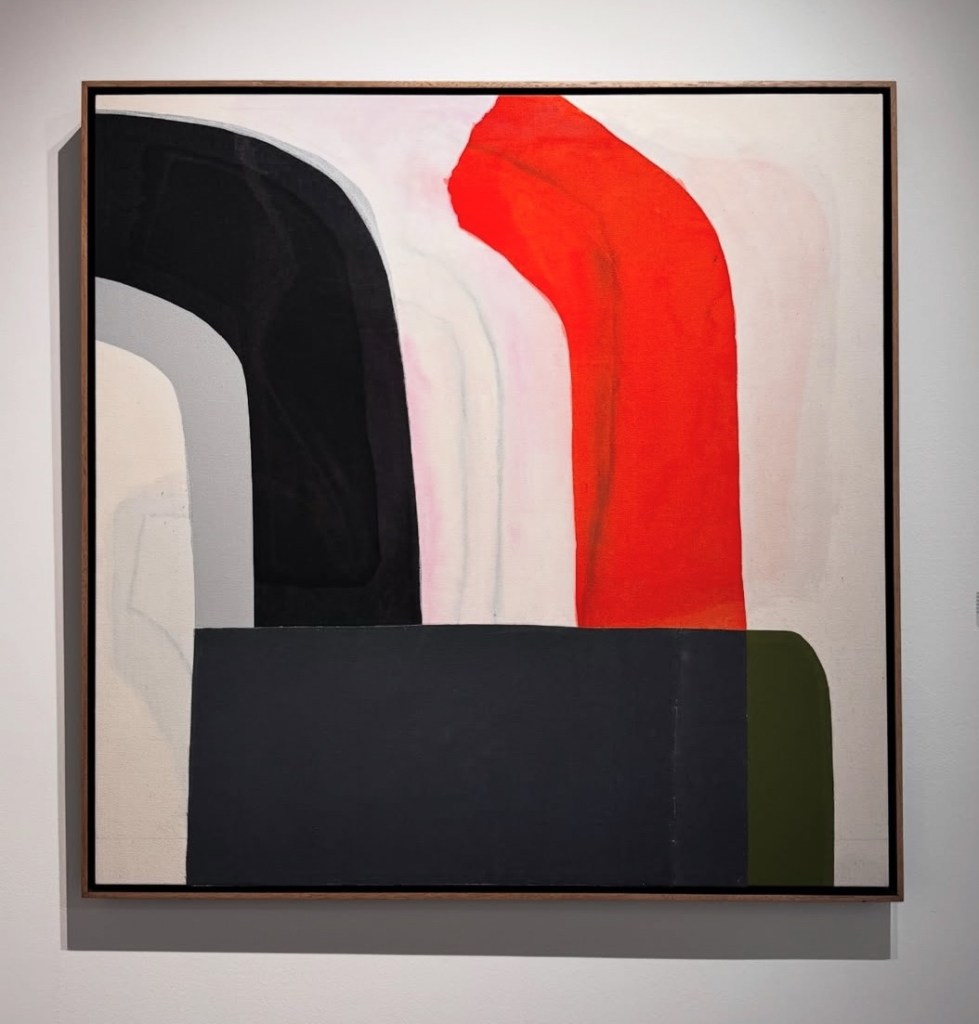
I’ve talked with some of you irl about what it means to allow the human hand to show through in the context of using geometric shapes- below are some examples of this direction that are recent. I like the contradiction of using uneven lines to form edges for very nearly the same reasons Albers often used squares and rectangles to highlight contrast (in particular, I like juxtaposing these hand-painted edges with areas of color which have taped edges).


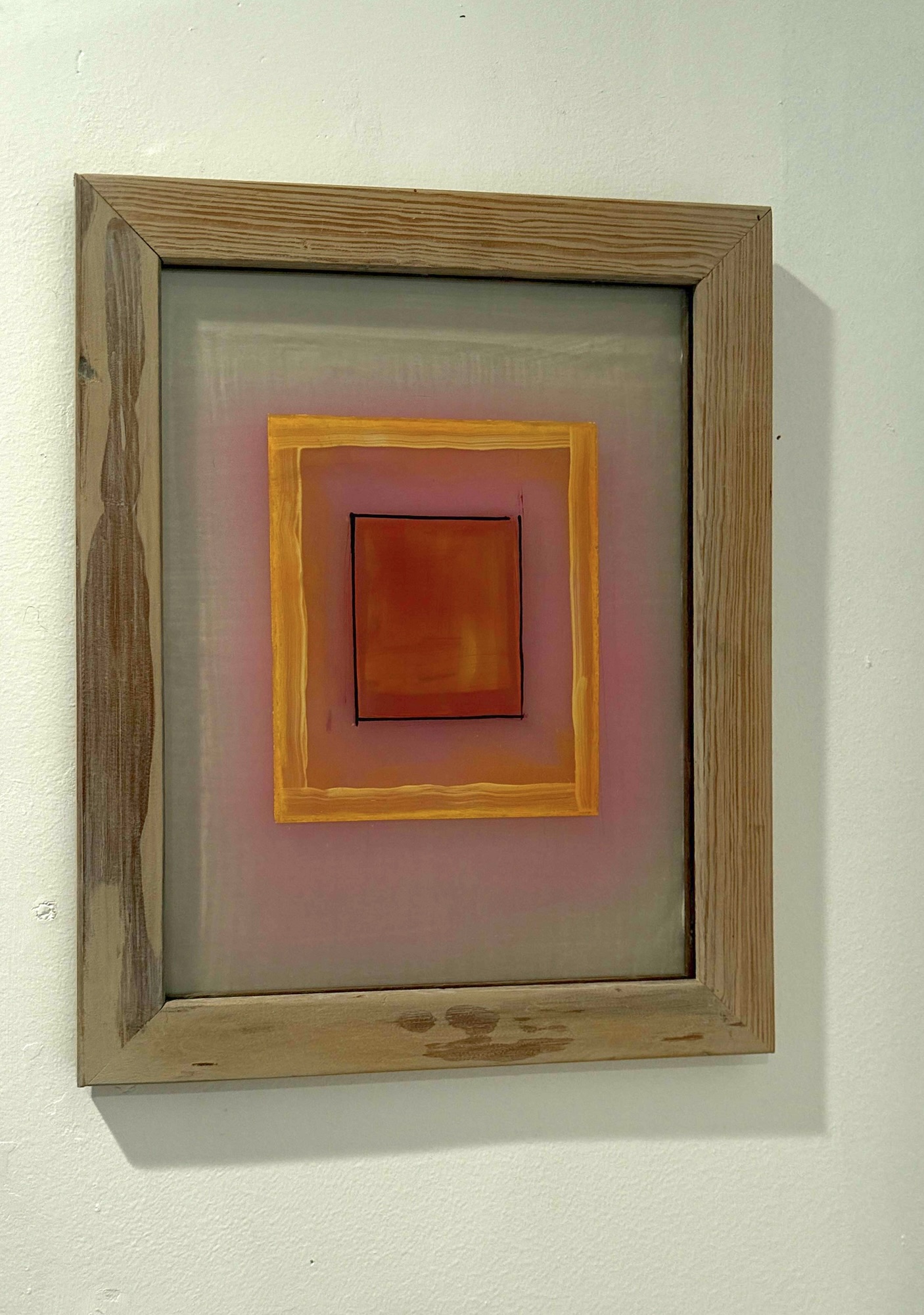
Is something human made more important now than it was in the not too distant past? Maybe that’s also the wrong adjective… relevant, perhaps? Given the reactions I’ve had from many of you, it feels like we are in a moment where the answer is “yes.”
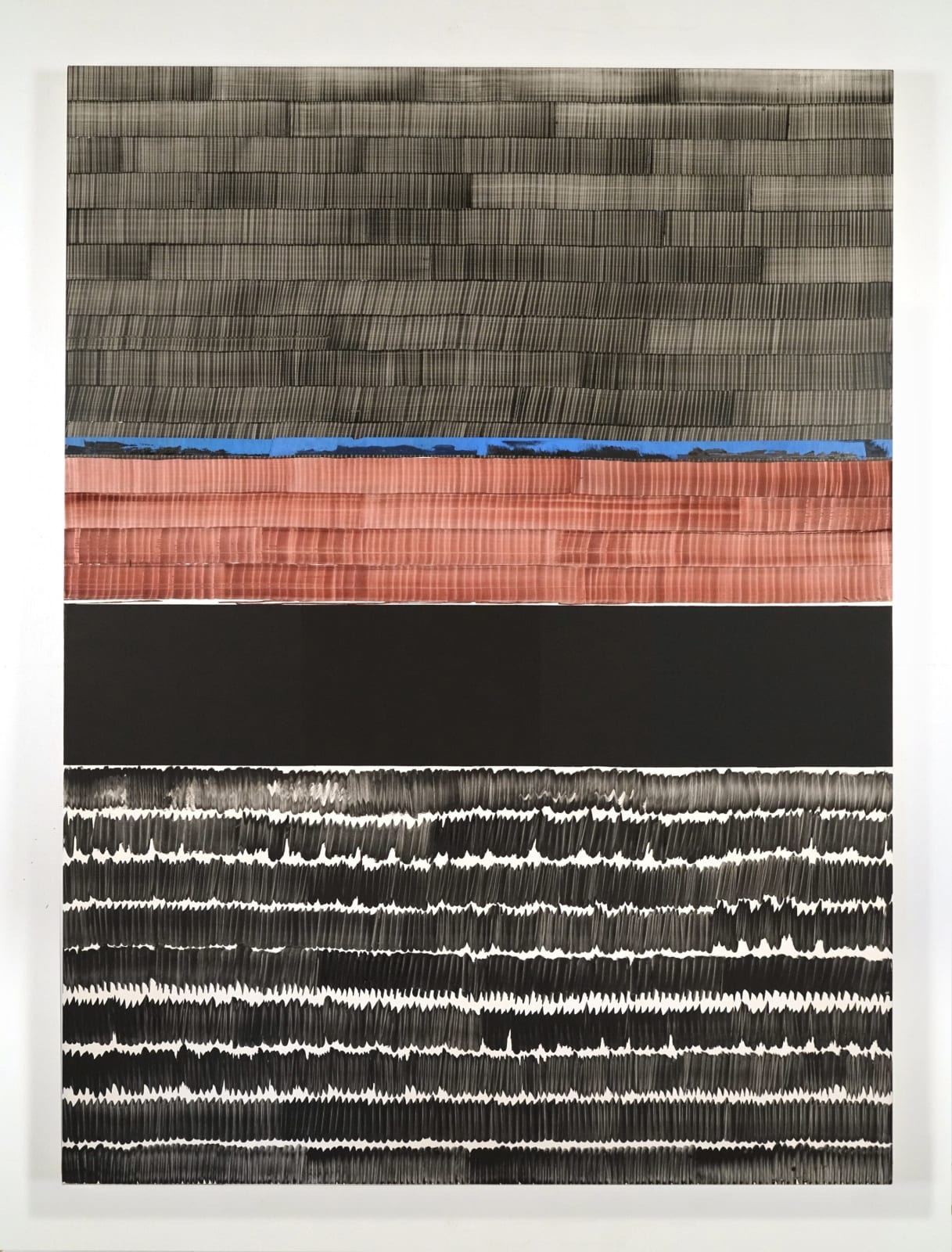
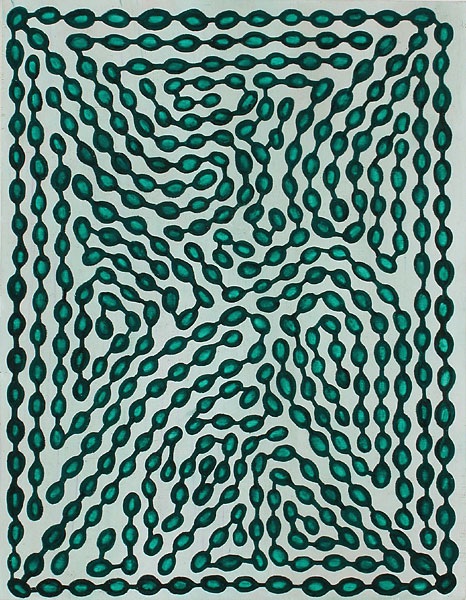
(Galerie Lelong says) Juan Uslé is widely recognized for vivid paintings and works on paper that engage the viewer through entrancing rhythmic patterns that exist in a dual state of being: embracing repetition while practicing singularity. Sourcing inspiration between memories lived and dreamt, these patterns can be evocative of the vibrations and movement of bustling New York City, where he lives and works for part of the year; echo the fluidity of bodies of water and unique sequences found in nature; or serve as a transcript of real time through a filmstrip-like recording of the artist’s heartbeat.
#juanusle
is part of Till Human Voices Wake Us at Aidron Duckworth Gallery. Of her work in the show she says she wants “to make a piece that touches and loses touch over, and over, and over, and over.”
#oliviamcleod

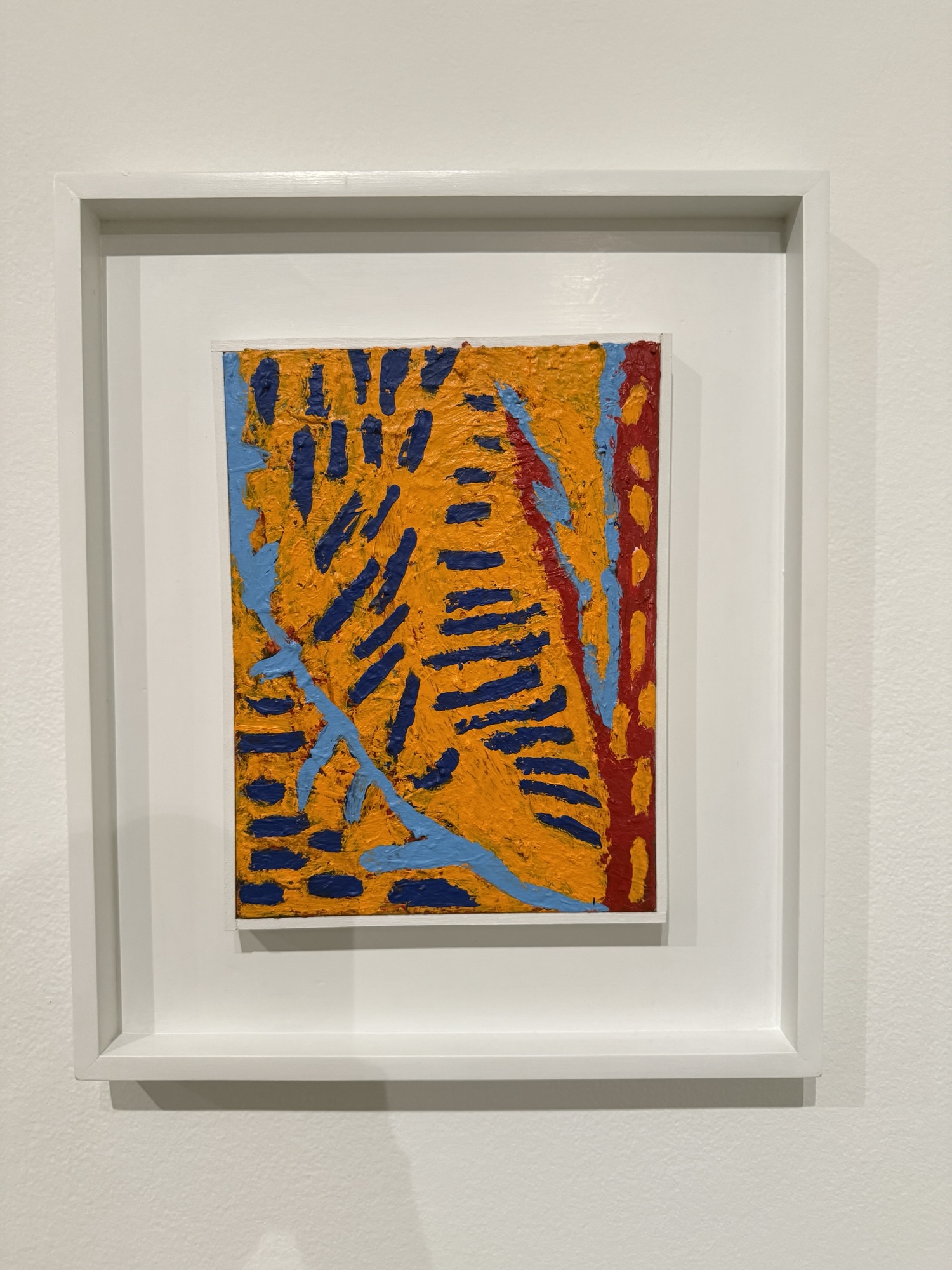
is an abstract painter who lives and paints in an old brick school building, vintage 1930. Cote works with contrasts and oppositions: the balance of planned vs. intuitive or spontaneous; of disorder evolving into order; of measured versus rough; of ground and elements; of simplicity (of parts) vs. complexity (of the whole). Below is from the Weatherspoon and is inspired by the colors in a Monarch.
#alancoteart
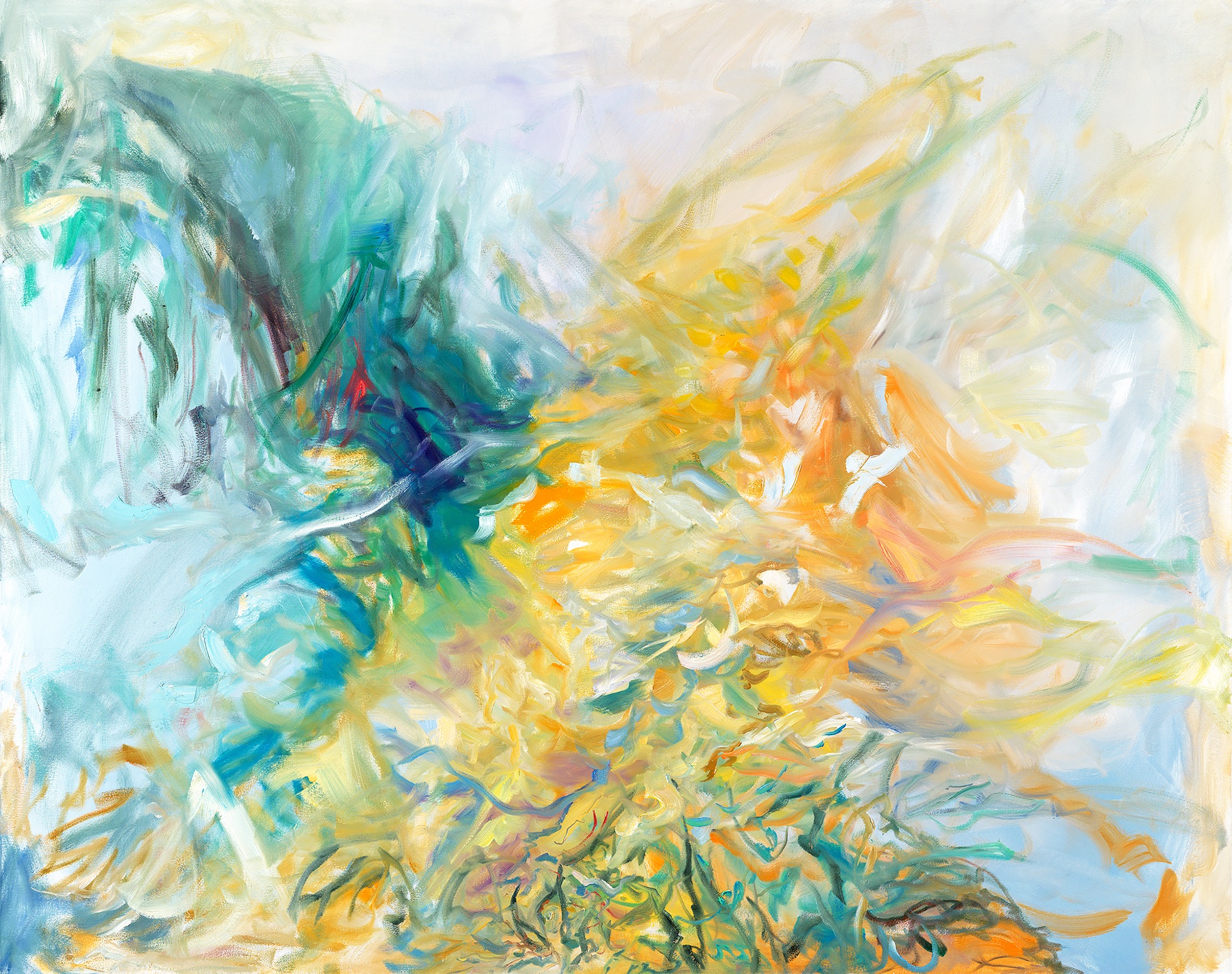
gets a nod for Psyche at SEPTEMBER in Two Coats Hudson Valley and vicinity gallery guide for August.
#ashleygarrett


 Painting After Art is Dead