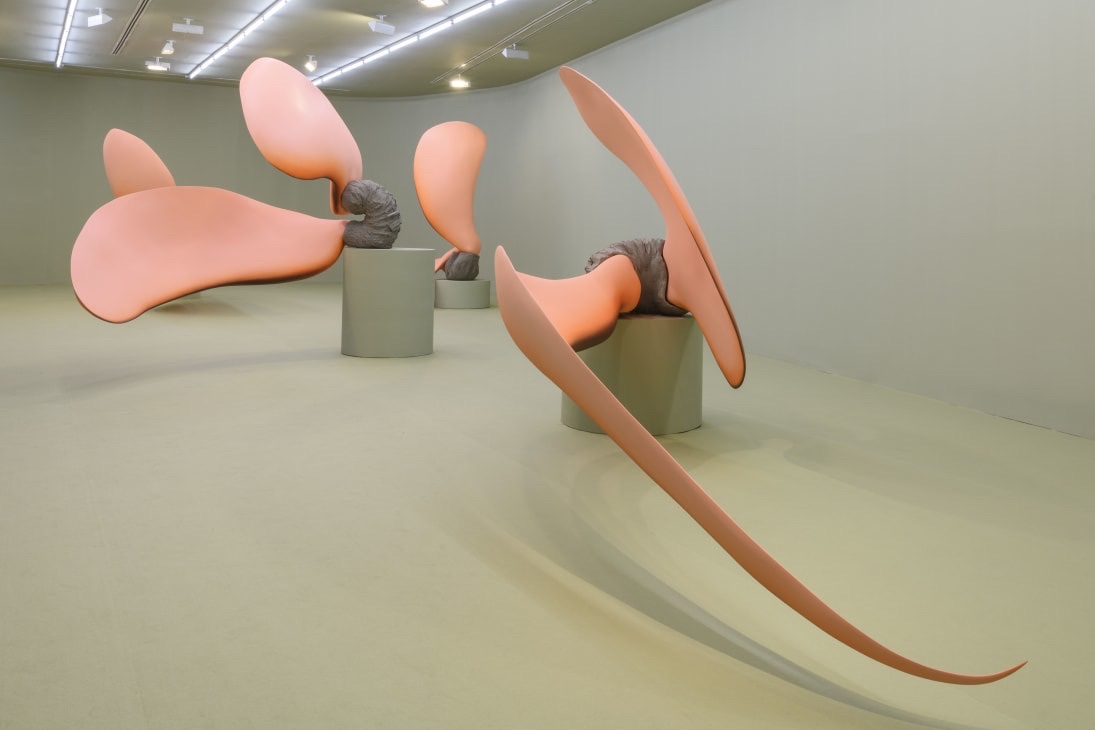
gets a nod for below from Two Coats of Paint October selected guide to painting-centric exhibitions.
#paolaoxoa
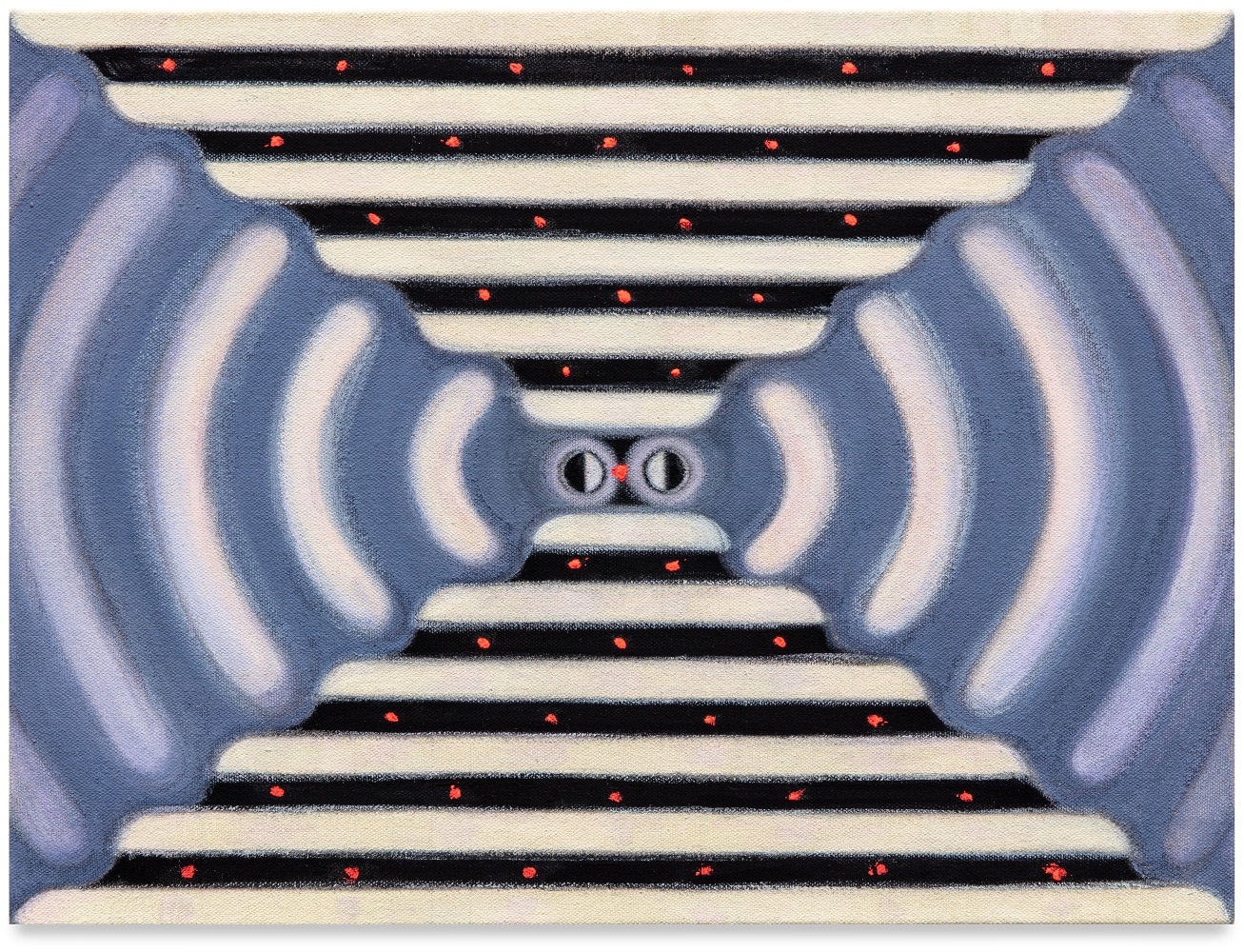
gets a nod for below from Two Coats of Paint October selected guide to painting-centric exhibitions.
#paolaoxoa
is in Terra Incognita at Field of Play with Amy. She is inspired by the landscape of NYC. Check out her trippy website.
#joanreutershan

is in Terra Ingognita at Field of Play along with others (and gets a nod for below from Two Coats in their most recent gallery guide).
#amymoon
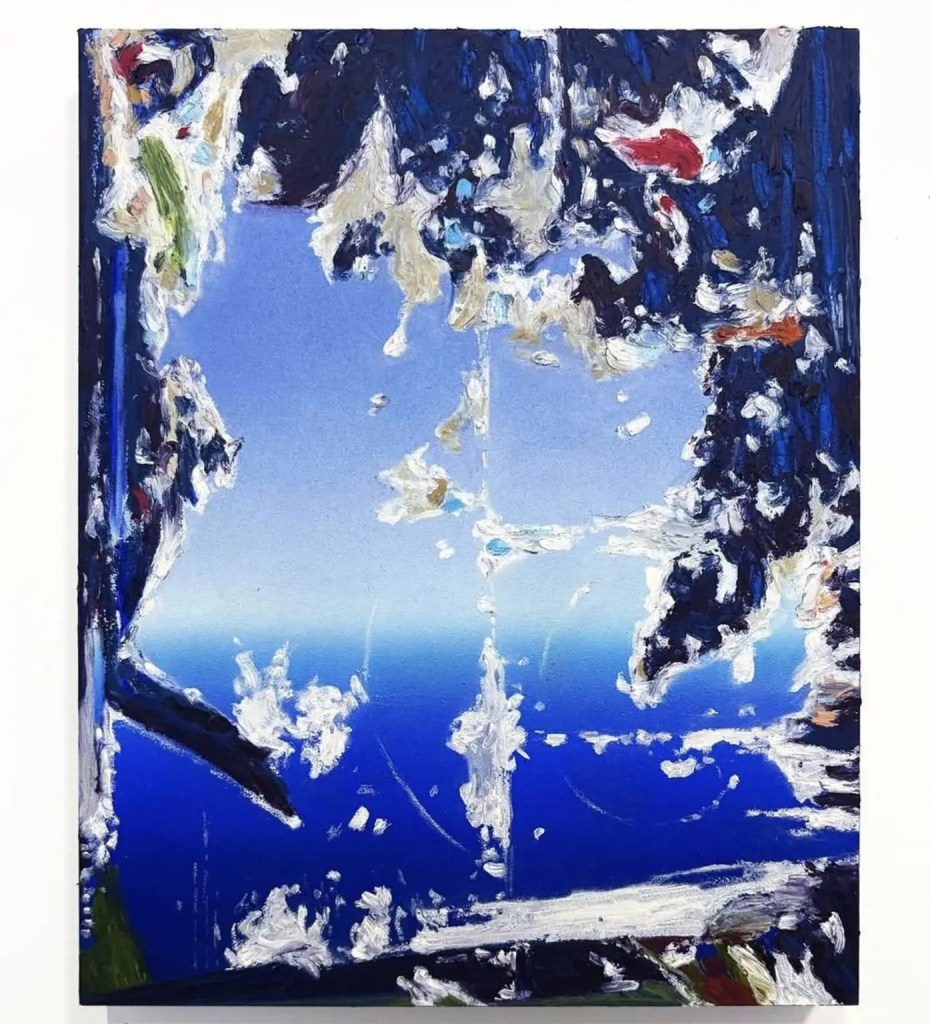
is a Brooklyn-based artist whose work spans painting, sculpture, video, and installation. Through material explorations with paper, fabric, plastic, oil pastels, and paint, Almeida investigates the tension between functionality and abstraction, interior and exterior, and the individual and the environment. Artsy notes she (like Suzanne and Teresa) is having a good moment.
#anaclaudiaalmeida

This is not the first time I am writing about something personal. This is also not the first time I’ve tied personal challenges to broader social context.
Here we go… I am working backwards from estrangement from my family. I’m not alone (Fortesa Latifi in Cosmopolitan in ’23; Anna Russell in The New Yorker in 2024). But I’m uneasy about it.
I have a daughter who is trans, and I have evangelical parents. You almost definitely see where this is going, don’t you?
And maybe your expectations are not serving you. We are primed to react. I am not a scientist or even well read, so I won’t pretend to know the canon about evolution and human psychology. I also am not going out on the skinny branches to say that having a reaction to a situation is a survival reflex that all creatures have, and in some contexts it can save us, and, in 2025, with the quantity of complex situations that we encounter daily, maybe, just maybe, it’s (also) not serving us.
I’m wondering if we’ve forgotten how to pause and listen or read deeper since we all have the entirety of human existence, experience and history in our pocket, and it’s coming at us all. Day. Long. The algorithm also makes it near impossible not to get caught up in the culture war, even if it isn’t a super highway through the middle of your expectations about what family should be. The math that feeds the math of late Capitalism knows that the easiest food for attention is fear, anger, jealousy or some cocktail of all three. And yes I’ll acknowledge that it is totally an option to turn away from our phones and computers. I’ve been trying to do more of that and it seems silly not to acknowledge it as I sit at a computer to write this and, at some point later, you read it on your device.
I am trying to discard my expectations. I don’t know that I can work backward through the estrangement, which I won’t take time to explain because family business, any other way.
The most basic question that arises for me out this experience of living the culture war in the Southeast in real time is the one raised by Fortesa, Anna and I’m sure many others, about the misalignment of the societal obligation to except familial relations from, really, the requirement of basic decency, and the necessity that all good relationships have defined boundaries.
I. Do. Not. Take. This. Question. Lightly.
It’s a contradiction for sure that our American ethos of individuality, which to be specific is, for most of us, an intense preoccupation with individuation, runs headlong into this cultural expectation for subordination to the nuclear family unit. Like many children of evangelical culture, my relationship with authority is complex and complicated. I certainly came out the other side of this childhood landscape with an aversion to groups that require correctly spoken purity tests and am often surprisingly and frustratingly demurring to strong willed authoritative language.
And… I’ve acknowledged many times in this forum that I plot myself left of center on our socio-political spectrum, so I tend towards the belief that the toxic aspects of hyper masculine, Judeo-Christian and white-centered ethnocentrism should not be allowed to continue for another generation. Yes, we’re going to skip right over the fact that I said I was averse to purity tests and virtue signaling and then said I was a progressive. Good for you for noticing.
I think we are in a cultural moment- have been for some time- where people across the spectrum of beliefs and values actually share the desire (I would say the need) to be around people who don’t hurt us. I’m not going to unpack the baggage and dishonesty inherent in my parent’s insistence that “my side” is, generously, inconsiderate of “other” values (yeah, it’s super weird to see that word come flying back this way). I am drawing the contours of this challenge and that one is real, for certain in the abstract, and because of that, I am filled with the entire range of human emotions. From grace for my birth family that often surprises everyone in my nuclear family, to a selfish desire to return hurt by severing relationships with people because they have hurt me and my family.
My relationship with my parents gives me nothing but questions. They include:
Asking questions means you have to be still and listen, without expectations. Fuck this is fucking hard.
underlying fascination with the undefinable nature of existence has spurred a lifelong exploration of what they call the “dark source.”
#raquelrabinovich

Doug Milford at Two Coats sez “good art can have multiple sources of meaning” that “may or may not be apparent or even deliberate, but they make up the work’s internal structure and shape its style.” Claudia’s work (below) is engaged with and by some diverse material which no doubt inspired such solid prose.
More
#claudiaparducci
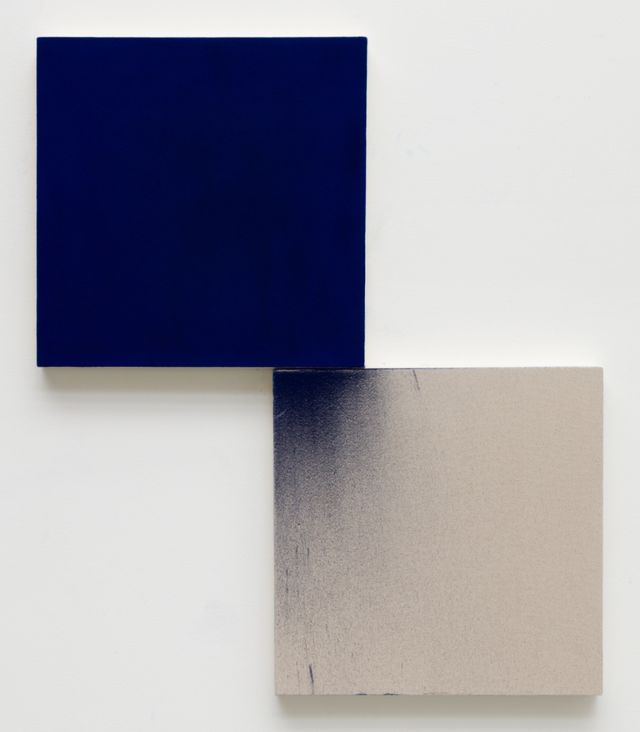
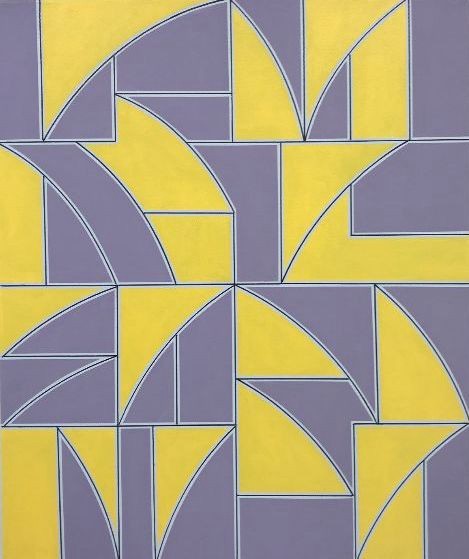
works with a limited palette of only four base colors: red, yellow, black, and by mixing and combining them she produces a seemingly infinite variety of shades and hues. She says this approach has given her a kind of subliminal freedom.
#judithmurray

Regular readers will know that I am a member of Tiger Strikes Asteroid. For the past two years, this artist-run organization has been transformative for my creative practice. Through TSA, I’ve developed real skills—exhibition development, installation, collaborative leadership—and connected with a community of independent artists working toward something meaningful together.
No exhibit happens without resources. And while we do a lot with grit and will power, we do need funding. This year we are hosting our first-ever benefit exhibition in NYC on October 9th. I rarely use this blog for this kind of appeal, the exception being when artists really do need support. I’m sending this today because I genuinely believe this event is worth your time and consideration.
TSA is artist-run and volunteer-powered, which means every ticket directly funds exhibition programs across our five locations nationwide. For those of us that live in or near NYC and can make it to the event, over 100 artists from across the country have donated original works that are seeking new stewards.
How it works:
Hoagie Level tickets ($500) ticket to the party and you choose exactly which piece resonates with you. Thank you so much to anyone who can give at this level!
Hero Level tickets ($300) ticket to the party and get you a curated selection from our collection.
Just wanna party and network and see the works! Sub Level tickets ($50) gets you a ticket to our party on October 9th. Plus, use code FRIENDOFTSA for 10% off when you get your tickets at givebutter.com/tsabenefit25.
Can’t make it to NYC but still want to purchase an artwork? No problem, we’ll ship your selected artwork to you.
And if you don’t live in NYC and want to support TSA (yall know how I feel about NYC and the Arts…) buy one for a friend who lives in the City and can go! Seriously!!!
Also and… if you’re an artist in the Southeast please consider applying to our open call!
is a TN-based multi-disciplinary artist (below are prints of digital work) who also has an MA in Art History. He is a past Pollock Krasner Foundation grant recipient.
#creightonmichael

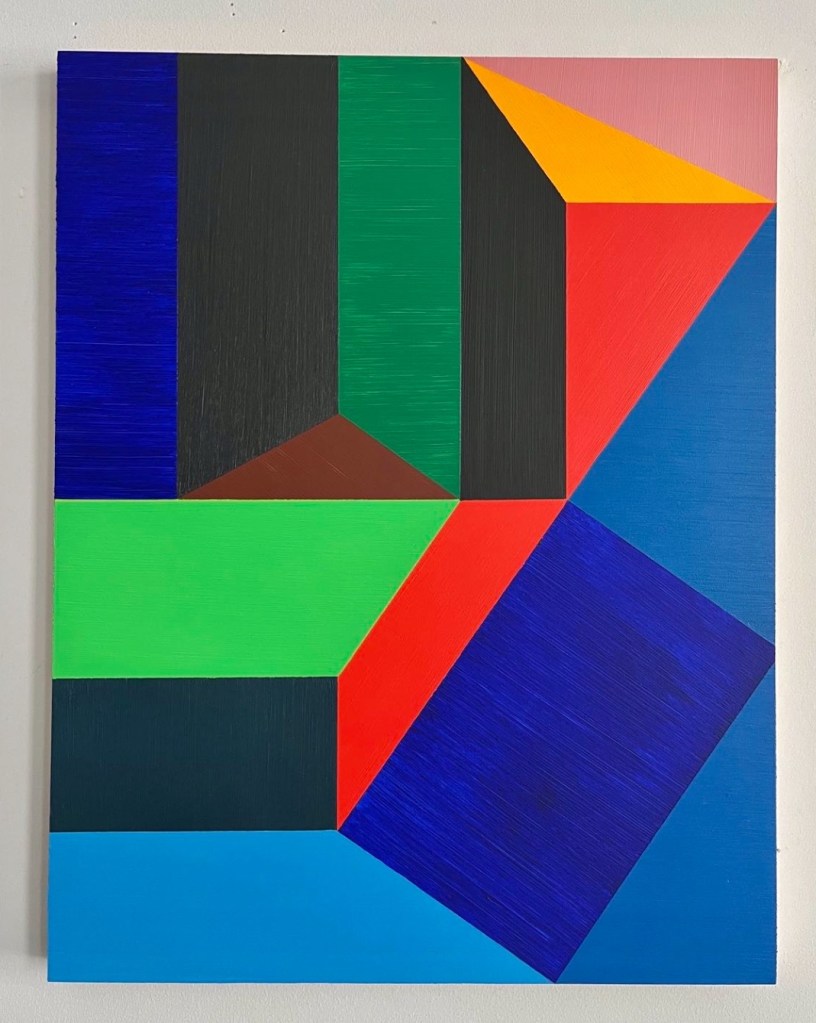


 Painting After Art is Dead