Like Yeonji, Jean Alexander is a Hopper Prize finalist. She explores the interplay between bodies and landscapes, where limits of containment are stretched and painting extends into sculpture.
#jeanalexanderfrater

Like Yeonji, Jean Alexander is a Hopper Prize finalist. She explores the interplay between bodies and landscapes, where limits of containment are stretched and painting extends into sculpture.
#jeanalexanderfrater
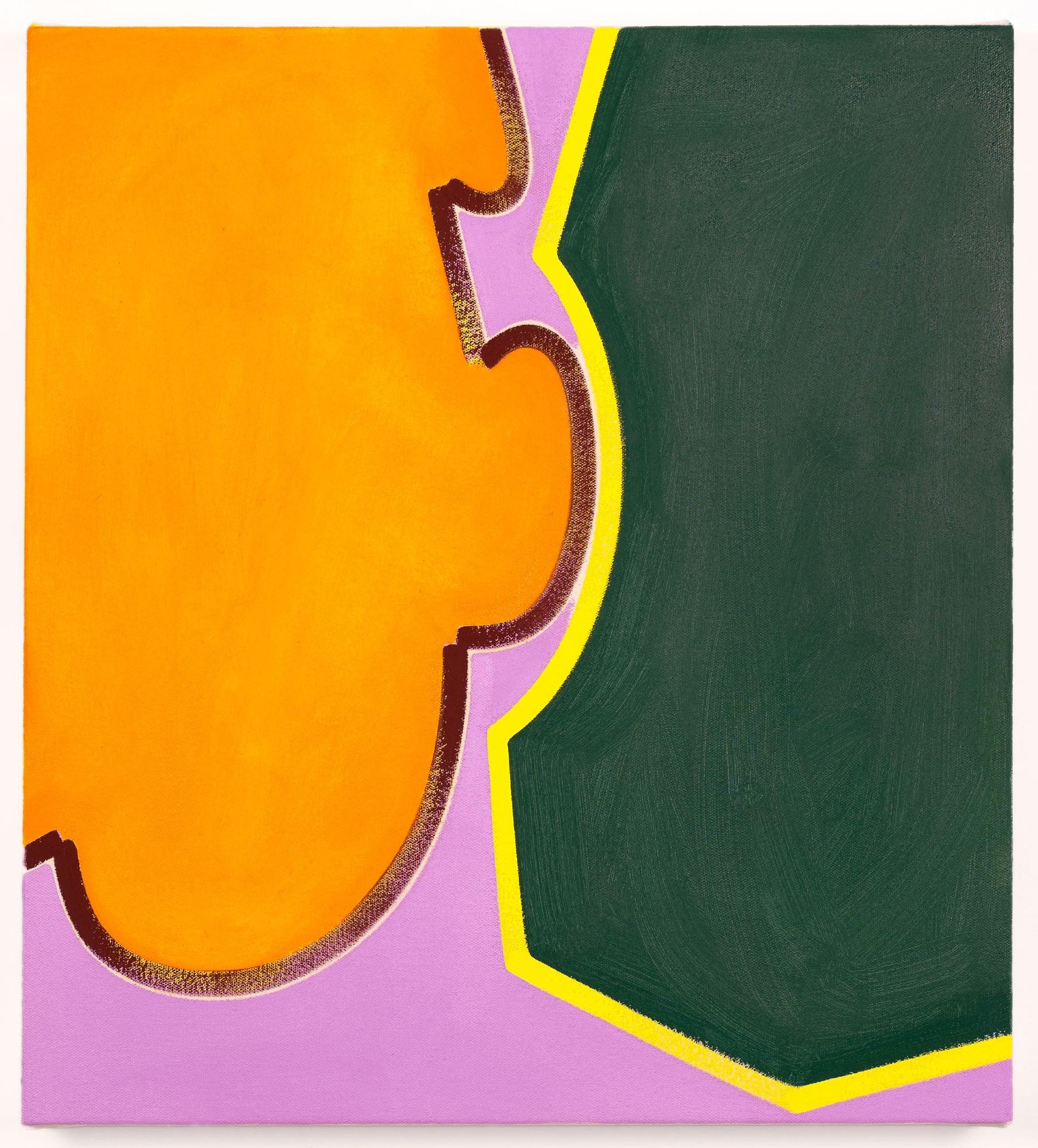
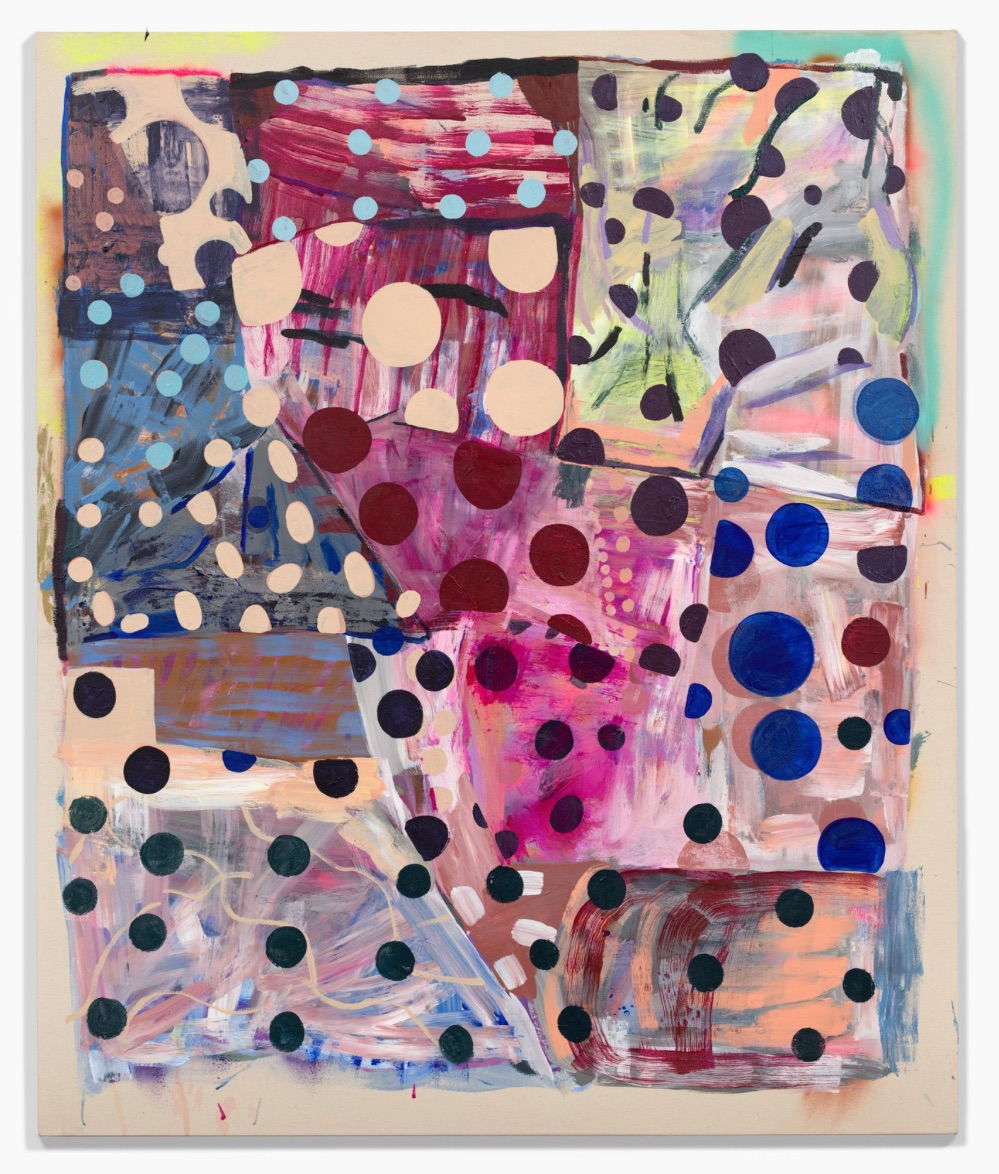
is a recent Hopper Prize recipient. She extracts the shapes in her compositions from observational sketches of everyday, domestic moments.
More
#yeonjichung
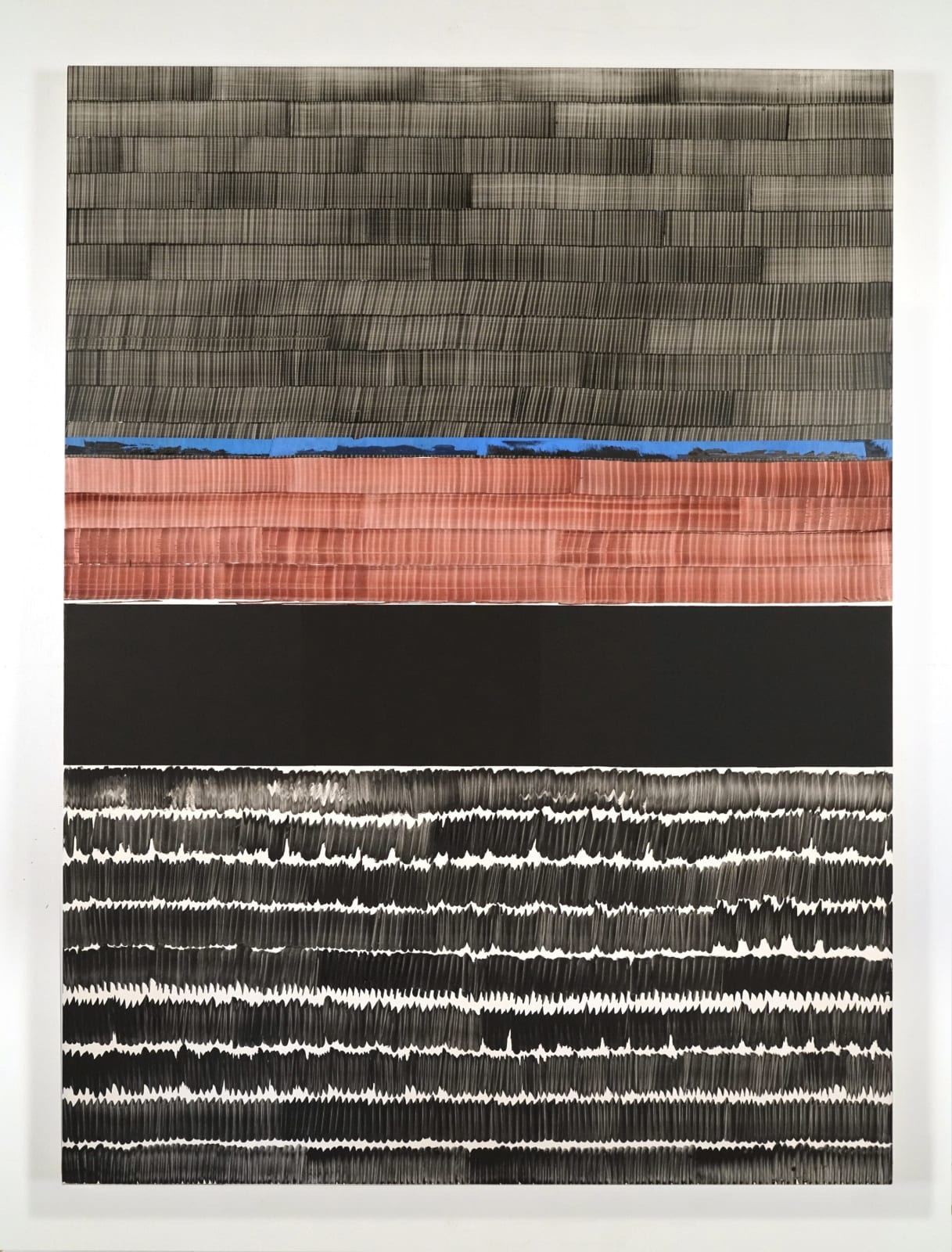
(Galerie Lelong says) Juan Uslé is widely recognized for vivid paintings and works on paper that engage the viewer through entrancing rhythmic patterns that exist in a dual state of being: embracing repetition while practicing singularity. Sourcing inspiration between memories lived and dreamt, these patterns can be evocative of the vibrations and movement of bustling New York City, where he lives and works for part of the year; echo the fluidity of bodies of water and unique sequences found in nature; or serve as a transcript of real time through a filmstrip-like recording of the artist’s heartbeat.
#juanusle
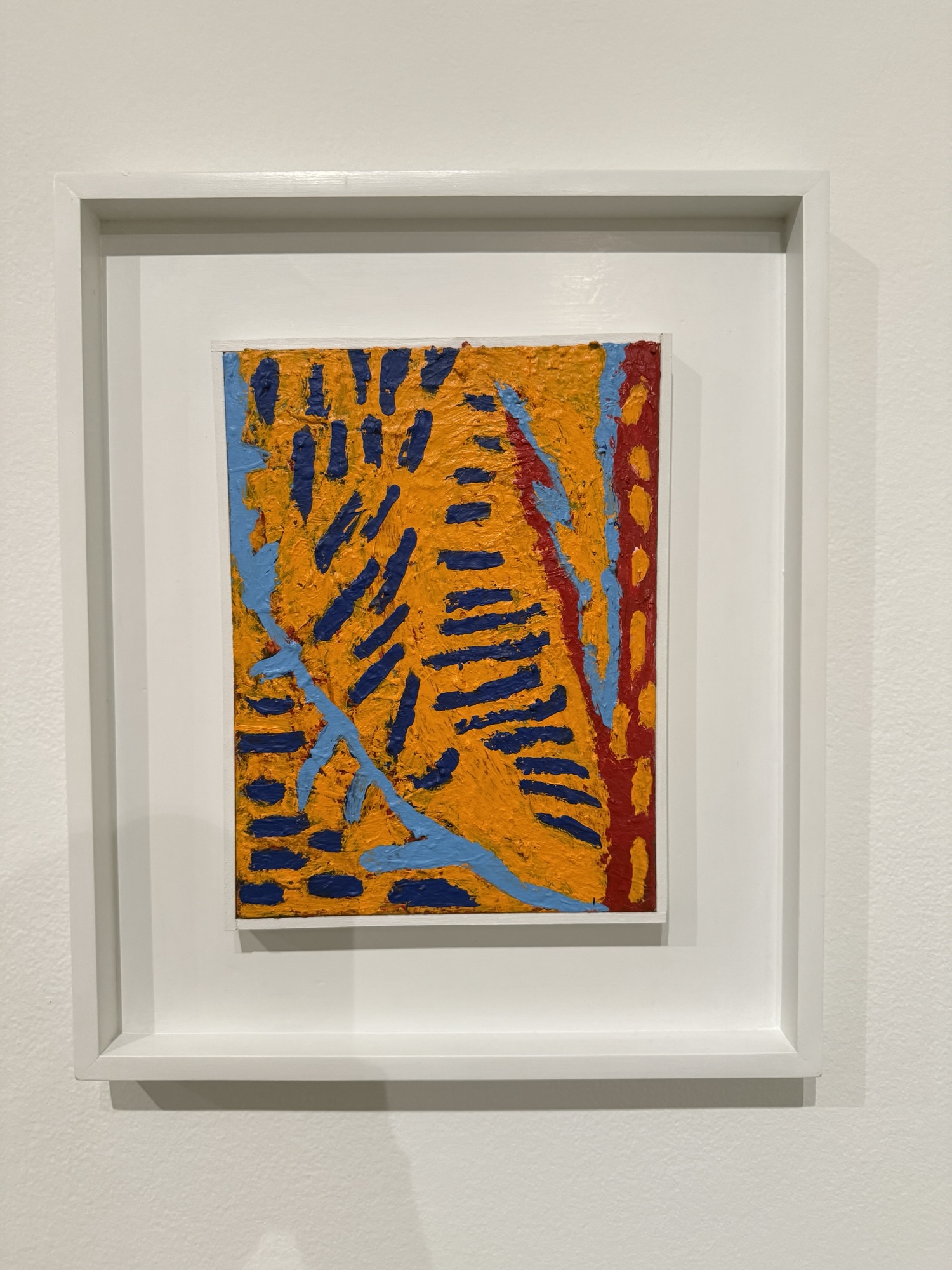
is part of Till Human Voices Wake Us at Aidron Duckworth Gallery. Of her work in the show she says she wants “to make a piece that touches and loses touch over, and over, and over, and over.”
#oliviamcleod

is an abstract painter who lives and paints in an old brick school building, vintage 1930. Cote works with contrasts and oppositions: the balance of planned vs. intuitive or spontaneous; of disorder evolving into order; of measured versus rough; of ground and elements; of simplicity (of parts) vs. complexity (of the whole). Below is from the Weatherspoon and is inspired by the colors in a Monarch.
#alancoteart
gets a nod for Psyche at SEPTEMBER in Two Coats Hudson Valley and vicinity gallery guide for August.
#ashleygarrett
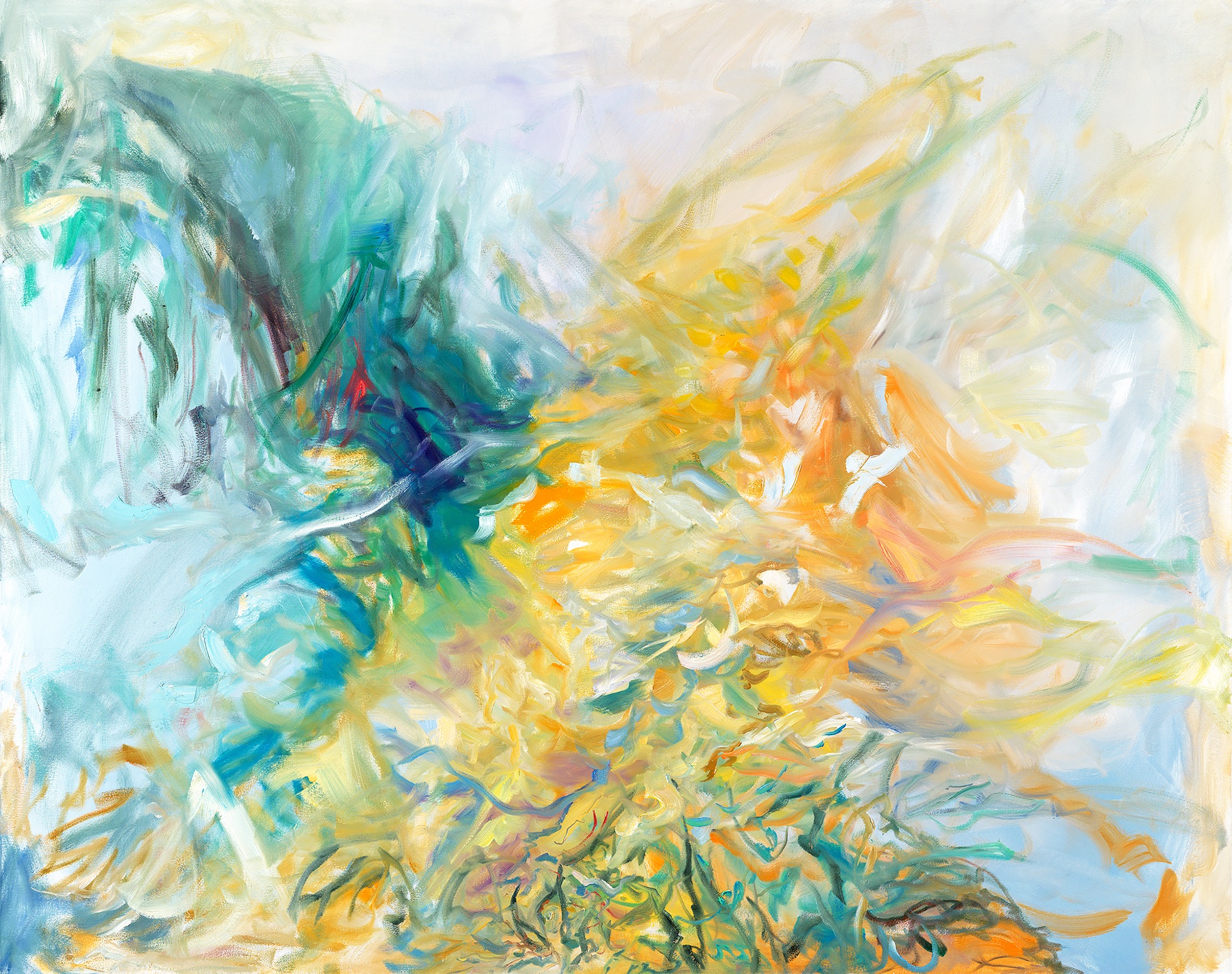
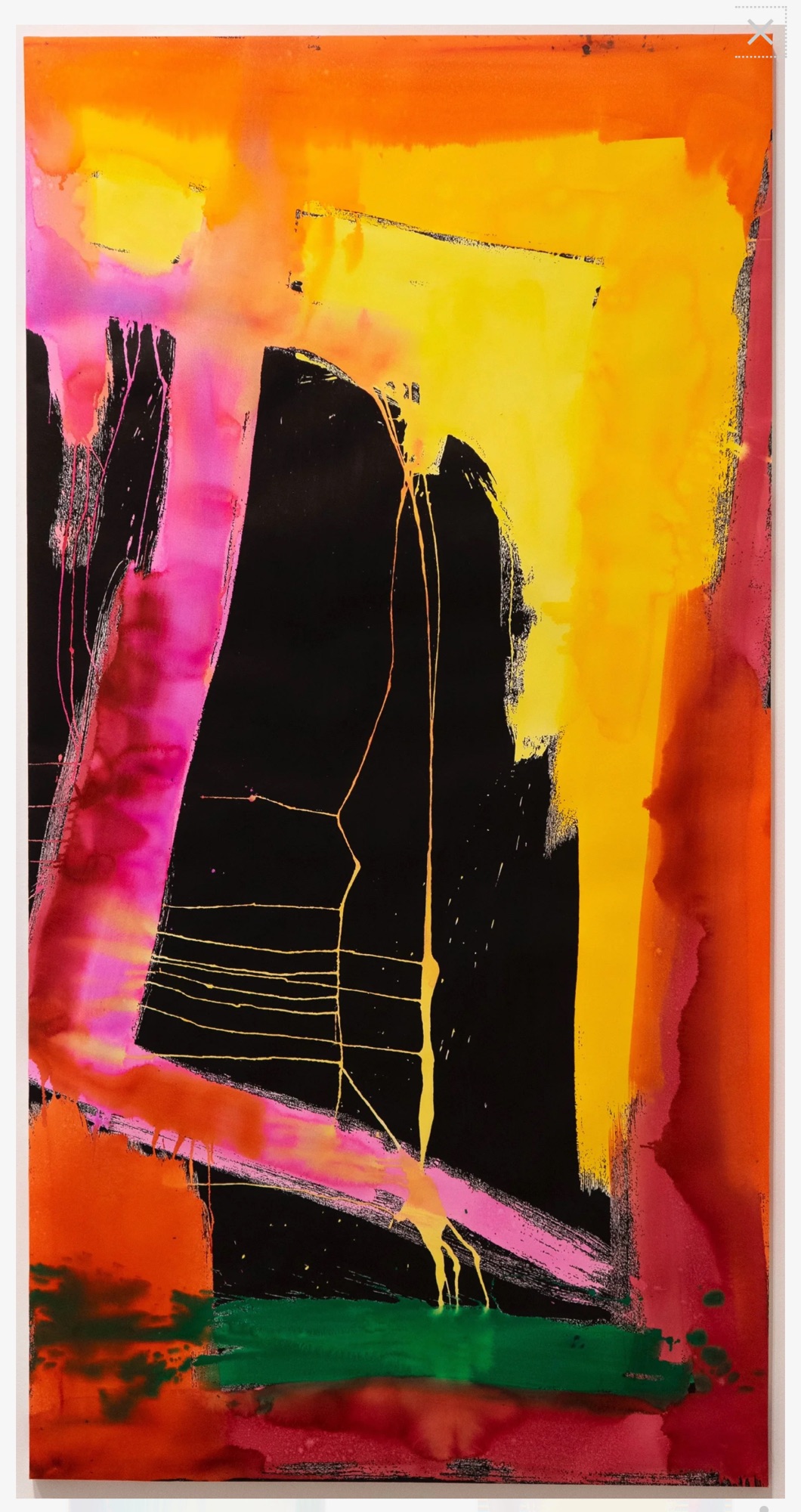
paintings are driven by process and rooted in the history of abstraction. He combines gestural brushstrokes, drips, and stains with graphic elements like grids and patterns, using highly saturated pigments on large canvases and paper.
#jorgerios
(from the Weatherspoon) Lucy Bane-known as “Mackey” to her friends-had an early interest in art, but Virginia Agricultural and Mechanical College and Polytechnic Institute (now Virginia Tech) did not offer any classes in the discipline, so she majored in science. Some years later she began studying art again, this time at Woman’s College (now UNCG). Her most influential instructor was Gregory Ivy, founder of UNCG’s art department as well as this museum. Progressive and somewhat controversial, he was known for urging his female students to seek and value freedom of expression. Ivy was Bane’s mentor throughout her student years and beyond.
Ivy (below) was painted in honor of this notable teacher and illustrates Bane’s decidedly abstract style.
#lucymcdonaldmackeybane
#mcdonaldbane

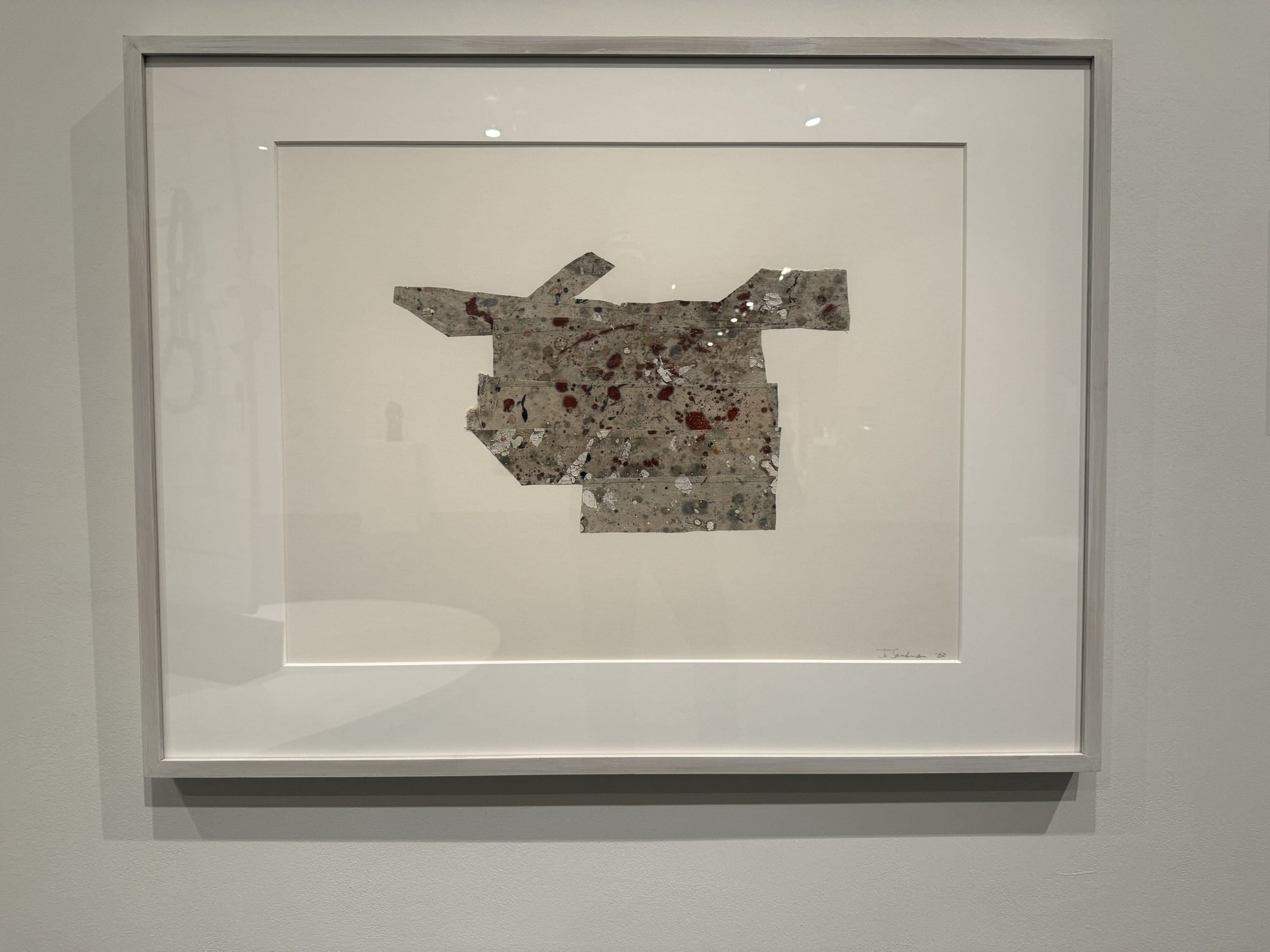
Trained as a painter, artist Jo Sandman went on to create experimental drawings, sculpture, and photography during a career that spanned seven decades. Working with dropcloths acquired from “crusty old house painters who had crusty old tarps,” she created what she called drawings or glyphs-perhaps recalling time she spent at Black Mountain College near Asheville. These stained and splattered dropcloths demonstrate her embrace of unconventional materials and desire to explore abstract shapes to express her concept of a poetically visual language. Below is from the Weatherspoon collection.
#josandman
A vital part of Jen’s current practice is the ongoing exchange between her fine art identity and her alter ego, Jenny Pennywood. Jenny began in 2008 as a practical solution, but quickly became a container for rhythm, pattern, color, and experimentation, allowing her to step sideways from the discomfort felt in the fine art space. Jen is grounded and analytical; Jenny is expansive and intuitive. Their dialogue continues to shape the work.
More
#jengarrido


 Painting After Art is Dead