Painters on Painting looks at Under the Sky, Above the Sea, a solo exhibition by Leila at the Visual Art Center of New Jersey in Summit.
#leilaseyedzadeh
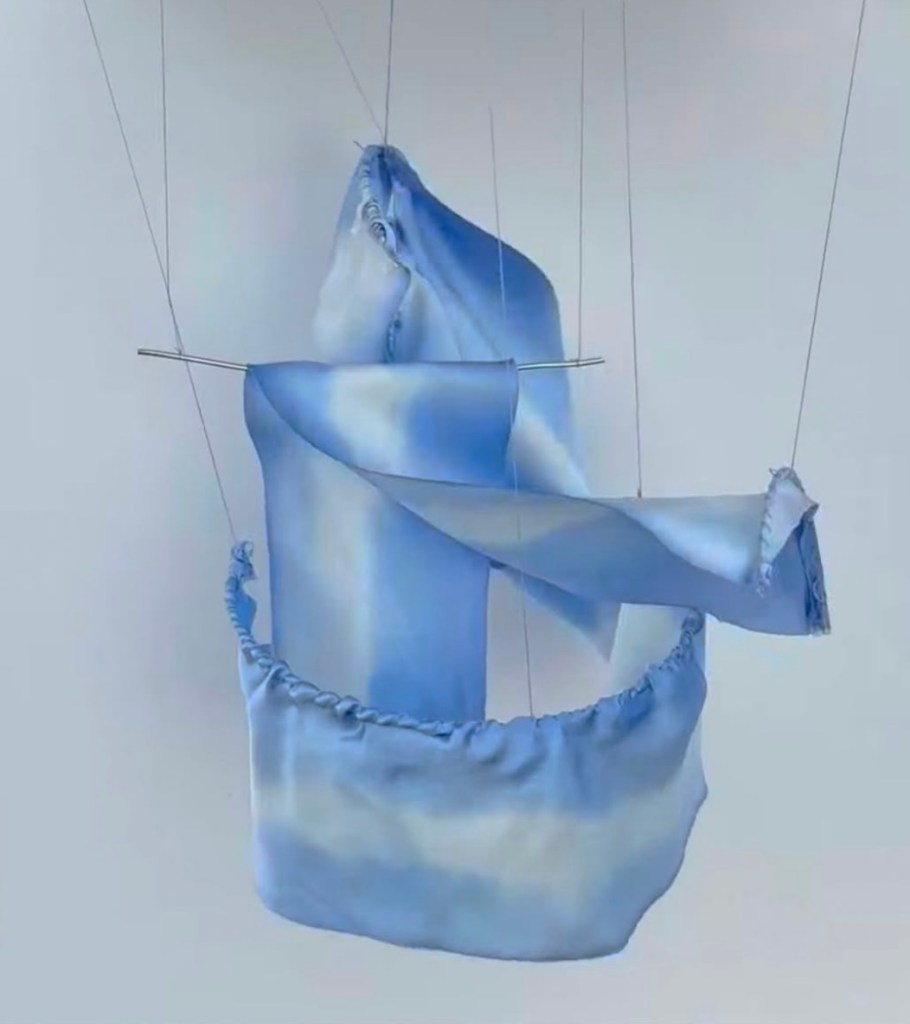
Painters on Painting looks at Under the Sky, Above the Sea, a solo exhibition by Leila at the Visual Art Center of New Jersey in Summit.
#leilaseyedzadeh
I first became aware of Tillyer’s work when I stepped into Bernard Jacobson’s booth at the 2020 iteration of the Armory Show, which is also when I learned that Jon Yau called William the most adventurous artist of our time. That’s high praise indeed considering he’s a contemporary of David Hokney, Howard Hodgkin and Richard Hamilton. Yes that’s means this blog is year another refresh.
Grace Palmer did a nice review of The Watering Place at Jacobson last Fall about “the Art world’s misunderstood beauty.”
#williamtillyer
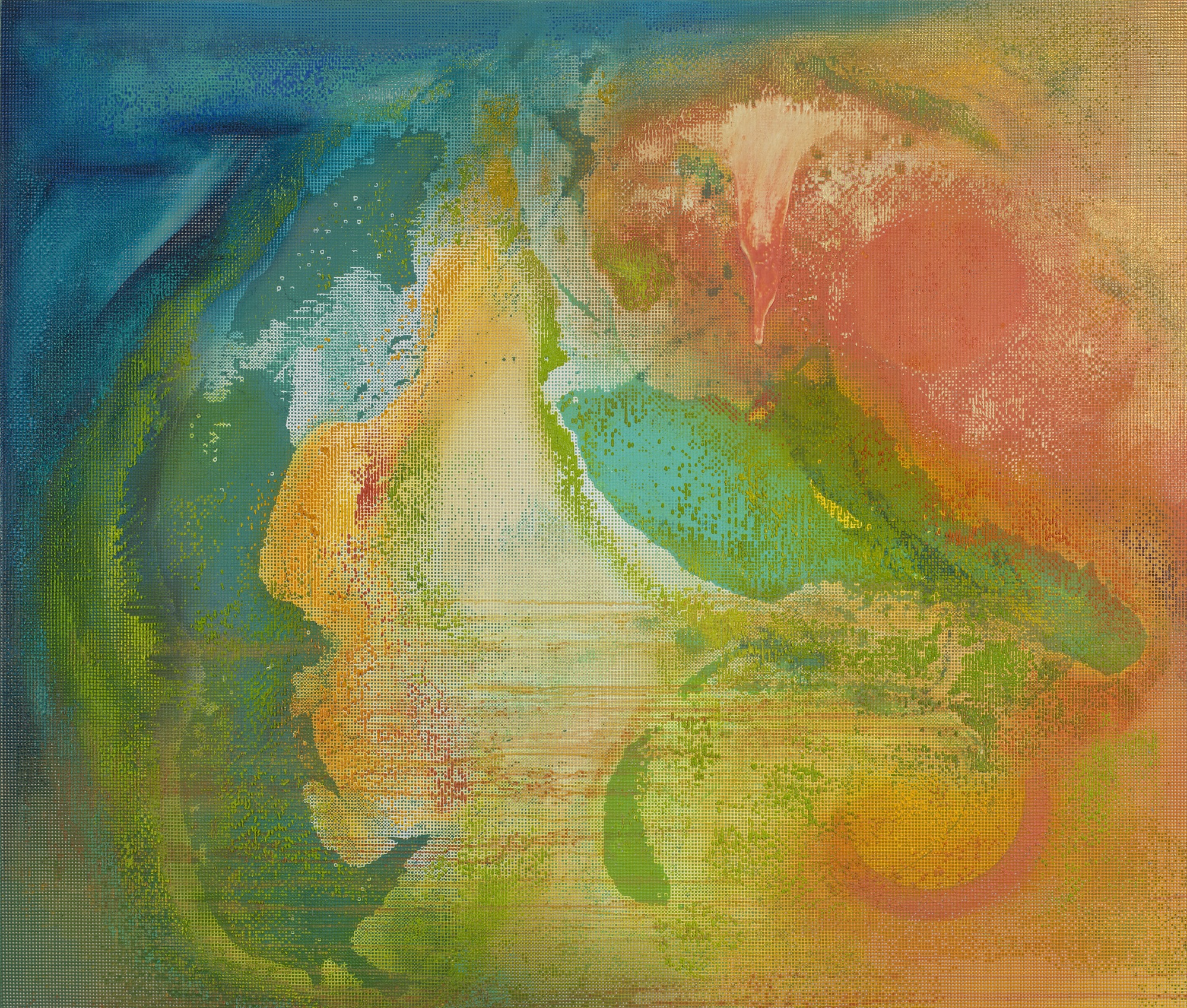
catches the eye of Jacob at Two Coats for her newest with Lucas Blalock (not an abstractionist) at Bureau, including below (which is collaged, and also quite different from the rest of her works in the show).
#juliarommel
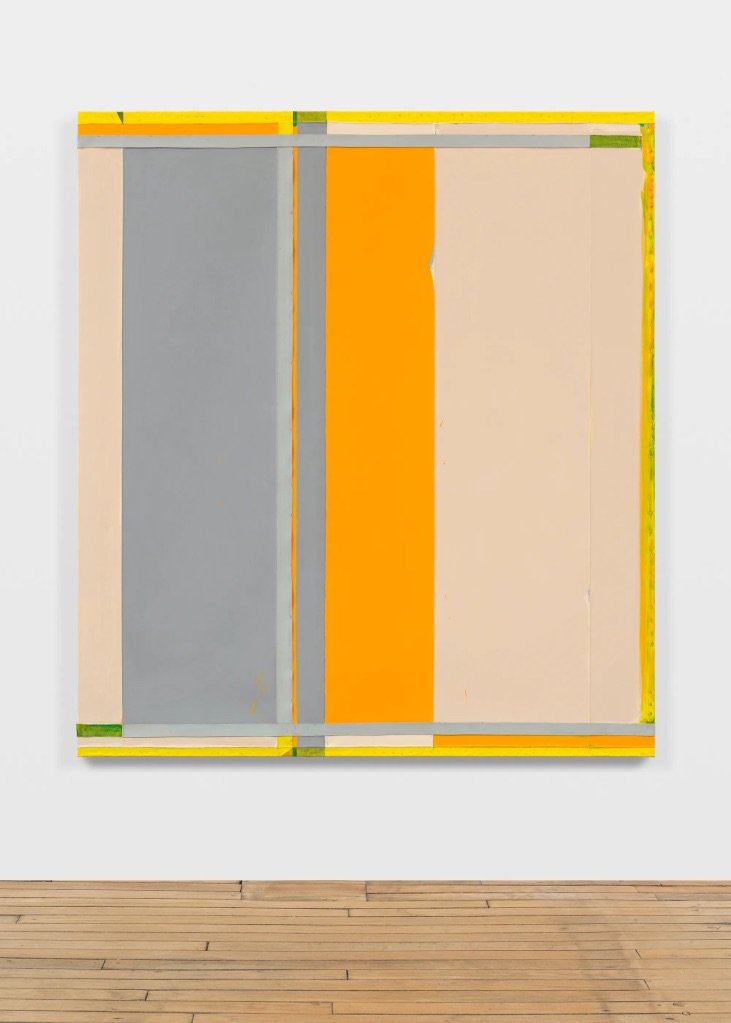
I first blogged about Hedda in early 2020 because I was so over the moon to see MOMA give Hedda her due in their (at the time) new gallery reconfiguration. Hedda has a prominent place in Art History as the only woman Artist featured in Nina Leen’s iconic Life Magazine photograph of the New York Abstract Expressionist group’s “membership” (below).
Jason at Two Coats has words about the recent Dreamscapes at Van Doren Wexter.
I am continually in awe of the #9thstreetwomen* and their truly Modernist commitment to artistic practice- they always made work, even as their male counterparts (and spouses!) stole the limelight. *Speaking of the now well known tome, enjoy this interview (YouTube video in link) with author Mary Gabriel (I know I will).
#heddasterne
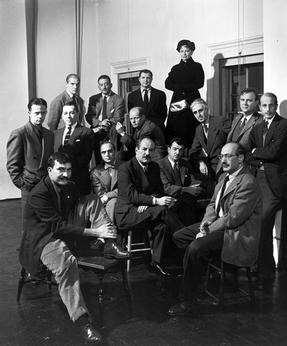
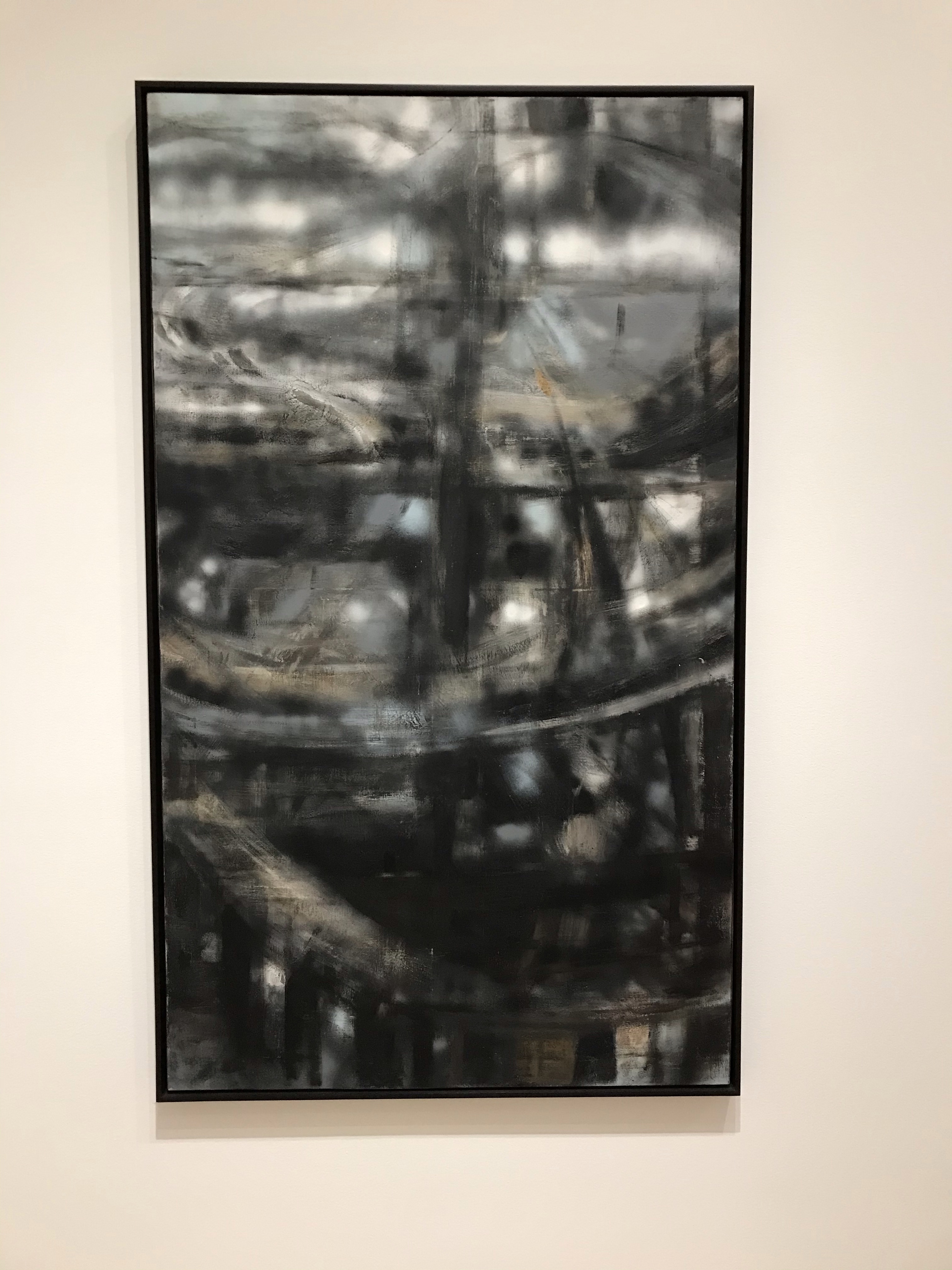
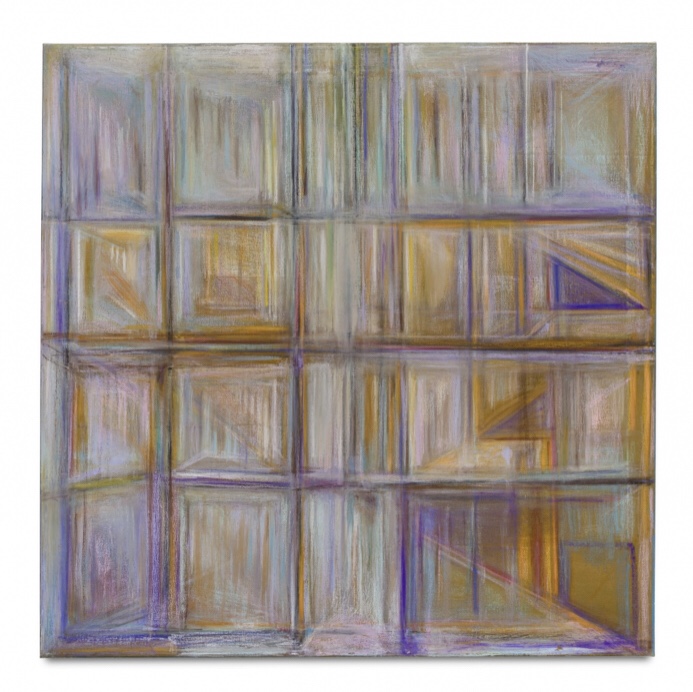
My favorite Art critic is at it again. John Yau recently visited a (posthumous) exhibit of Edward’s work.
(If you like below check out Susanna)
#edwardzutrau
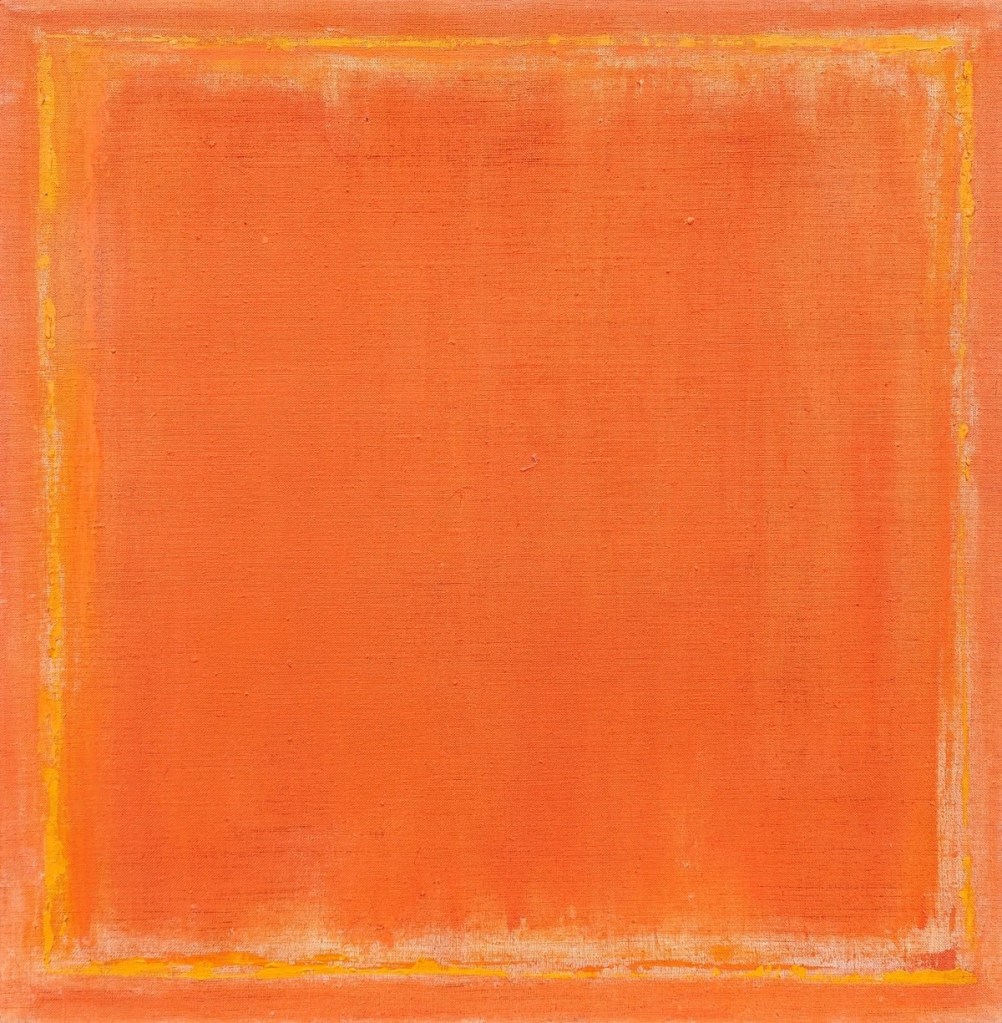
Isensee is an NC-born painter. Riad at Whitehot notes his newest at Miles McEniry.
I first blogged about their work early on (2018!), and att I made a note about how Neo-Geo almost ruined abstract painting (Warren has been making work since the 80’s- here is something from 2001) and that to my eye their practice is committed to formalism (writing that his work is too insistent on being seen to be a sign for some conceptual “agenda”).
#warrenisensee
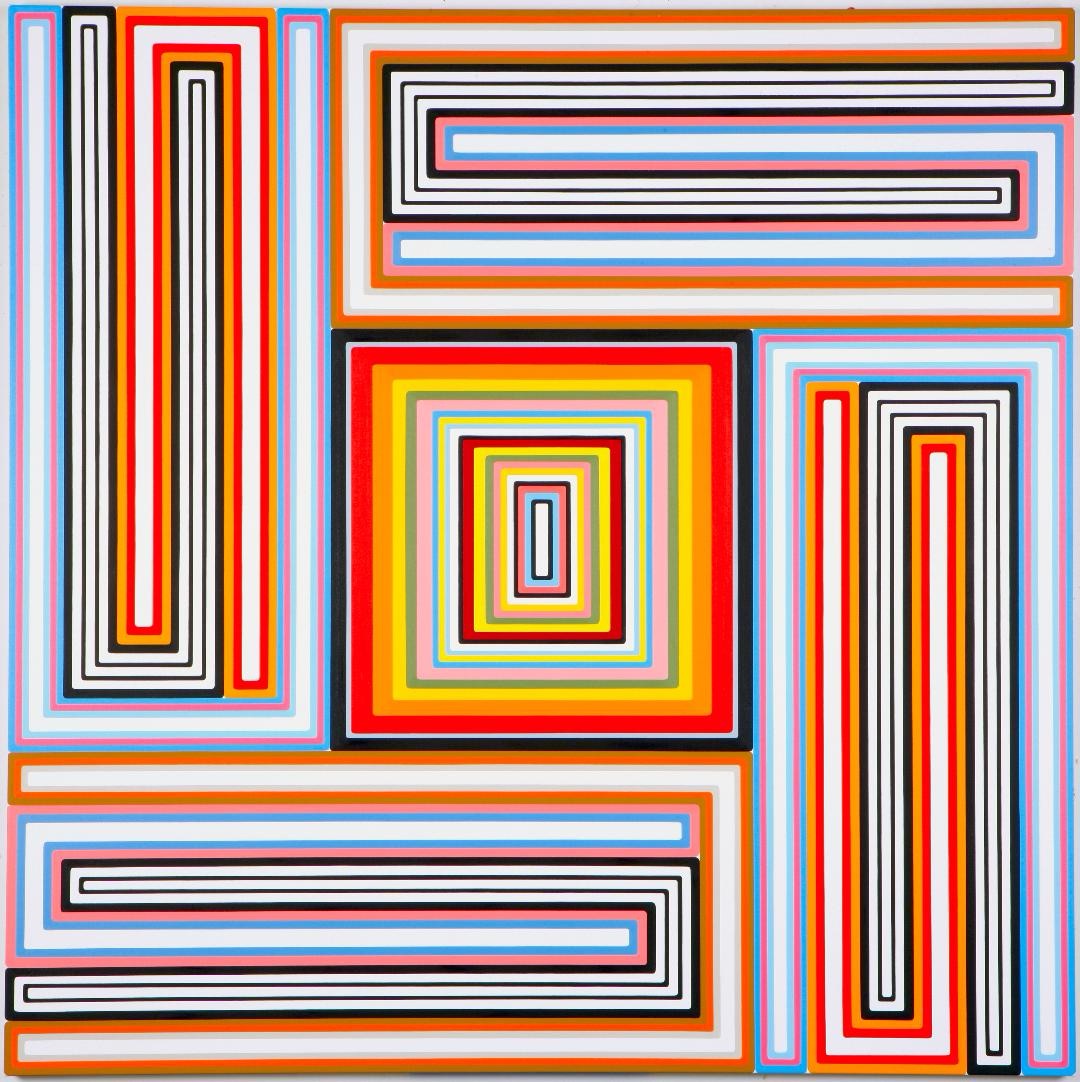
catches the attention of Adam Simon, who notes that in her newest there’s a “manic energy” but “also a high degree of control and an extensive repertoire of incidental mark making” (Newman uses novel combinations of materials – acrylic and oil paint, flashe, spray paint, and ink).
#lauranewman
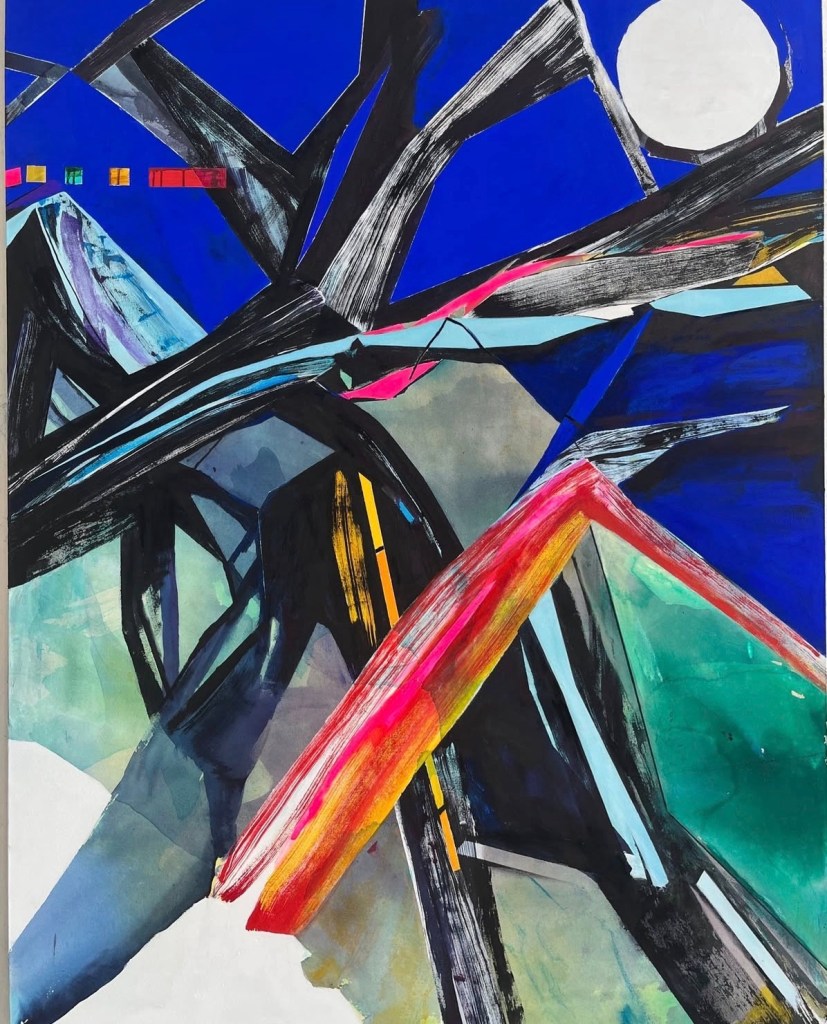
I originally posted about George in 2022 when new USPS stamps depicting his distinctive landscapes were released. Laurie at Two Coats recently reviewed the posthumous retrospective of his career at the Met.
#georgemorrison
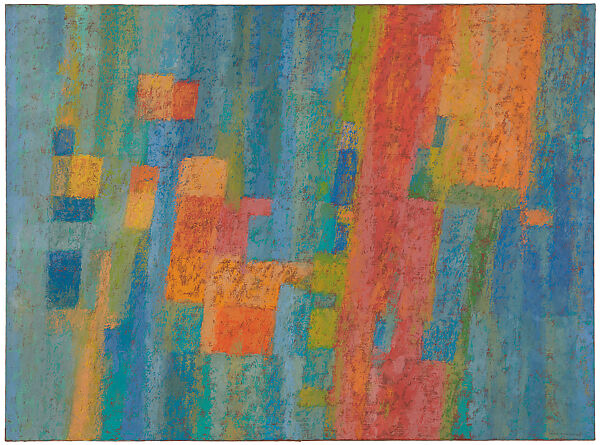
(From Iron Gallery in Chicago) With a career defined by experimentation and spatial exploration, Rocío Sáenz transforms her experiences into an artistic proposal that challenges boundaries. Her work has been exhibited across the Americas, Europe, and Asia, earning her accolades such as the Chihuahua Award in Arts and Sciences and the Pedro Coronel Painting Biennial. More
#rociosaenz
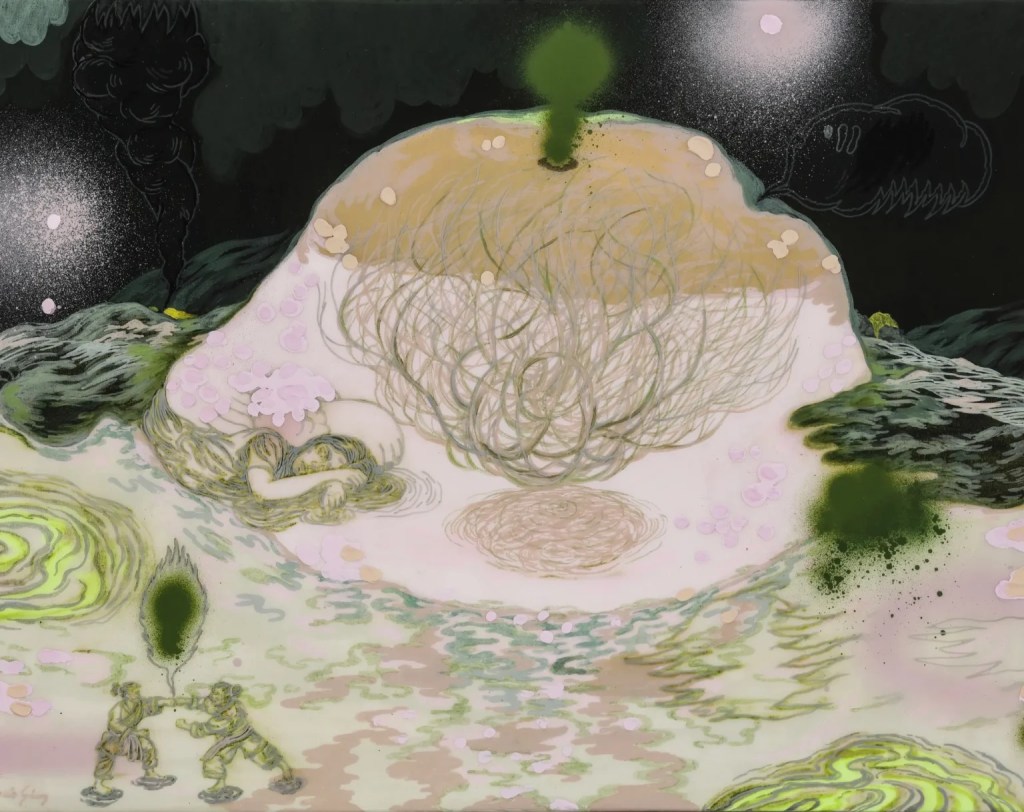
Ishi Glinsky investigates the traditional practices of his tribe, the Tohono O’odham Nation, as well as other North American First Nations to create contemporary homages to sacred events and customs. These investigations often consist of a close study of the history and significance of a craft tradition, the committed apprenticeship of its technique, and its assimilation or transformation within Glinsky’s artistic practice.
#ishiglinsky
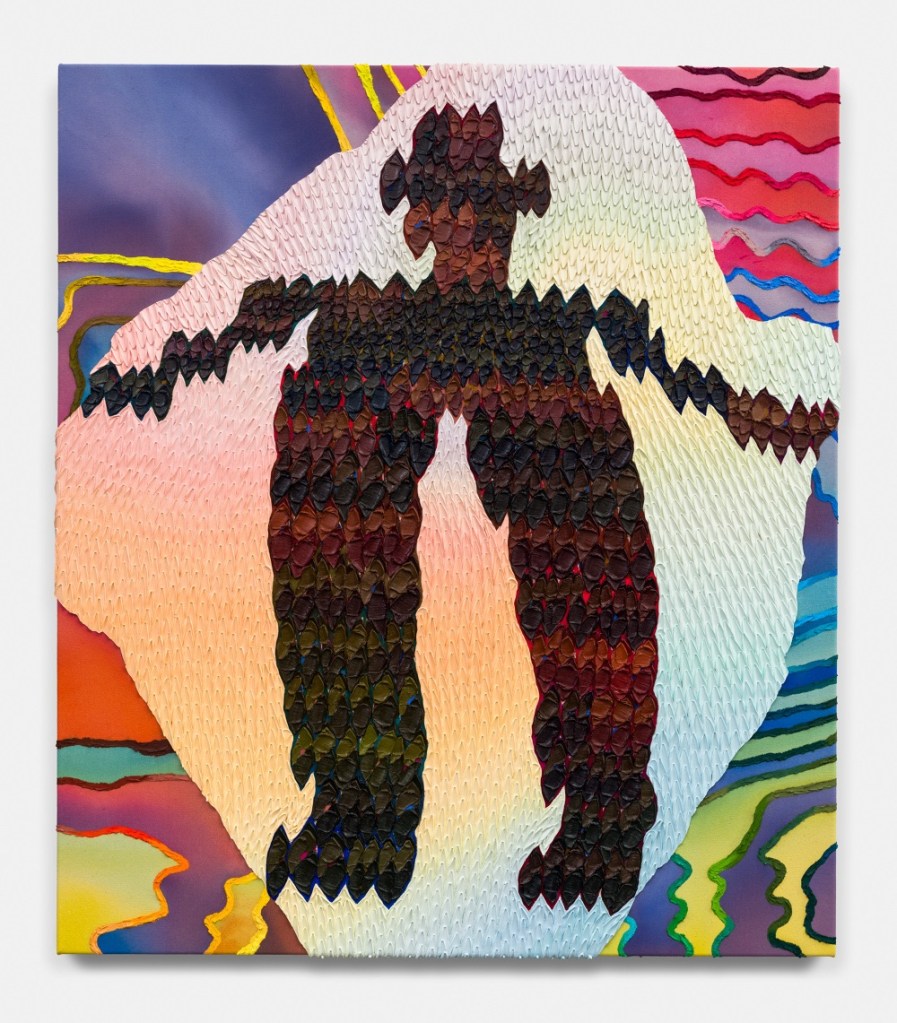
(From Aninat Galeria) In the crossroad where fiction and history meet, German Tagle has established a place of observation with the intention of catching in his paintings those narrative fragments that allow us to reread the territory where our main cultural icons lie, this is to say, all the output of diverse images taken from paintings, of advertisement, movies, anyplace we can recognize without even being sure we have even really seen it.
#germantagle

Michael Brennan is a big fan of abstraction and of Jane. The title of his essay creates high expectations of course and is still worth the read. Also since I’m trying to draw more connections this year I’ll note that readers who like Jane should check out Osamu and Lorser, and Thomas who was the best living American painter for most of my life.
More (Jane)
#janehaimes
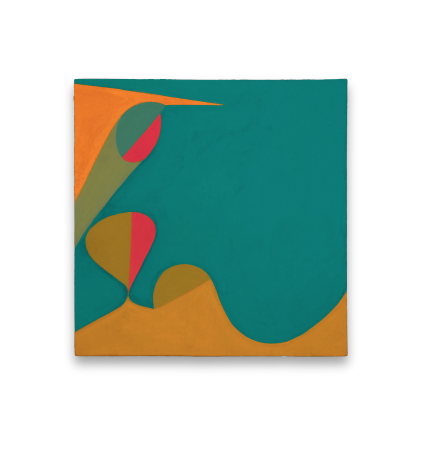
I first blogged about Zio in 2021 by noting A Case Against Reality, a two-part solo exhibition of new paintings and sculptures by Zio. At the time I wrote their work was like Christian– abstractions but not abstraction.
Zio’s recent Six Trees exhibition at the Almine Rech gallery features work that harkens more to Mondrian.
#zioziegler
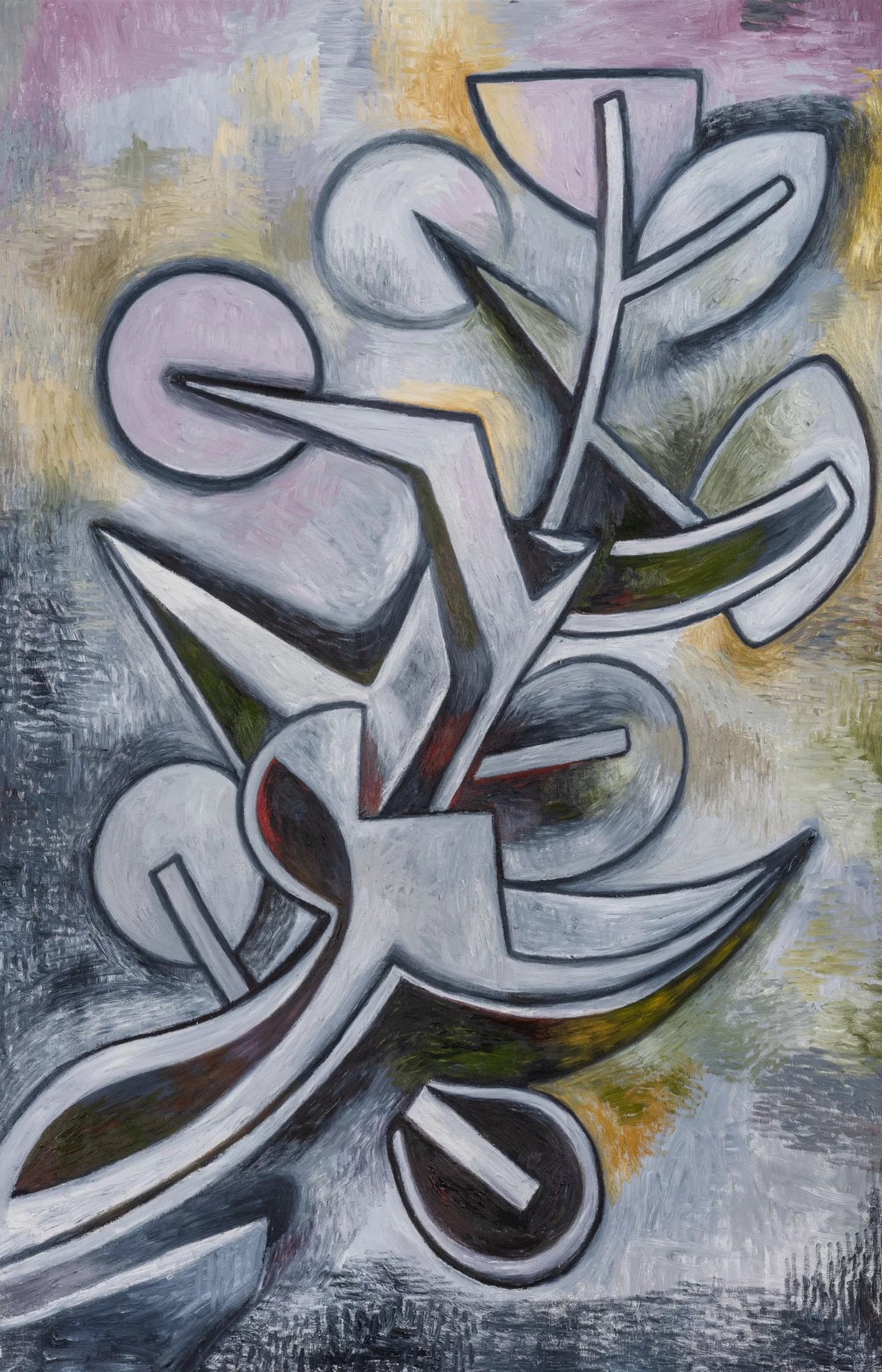
Getting ready to teach the history of Abstract painting recently made me realize I’d never blogged about Piet, the founder of De Stijl and easily one of the most recognizable early Modernists.
More on How Piet Mondrian’s Abstractions Became a New Way to See the World.
#pietmondrian

 Painting After Art is Dead