Like Selena has work in An Instrument in the Shape of a Woman.
#dianechristianson
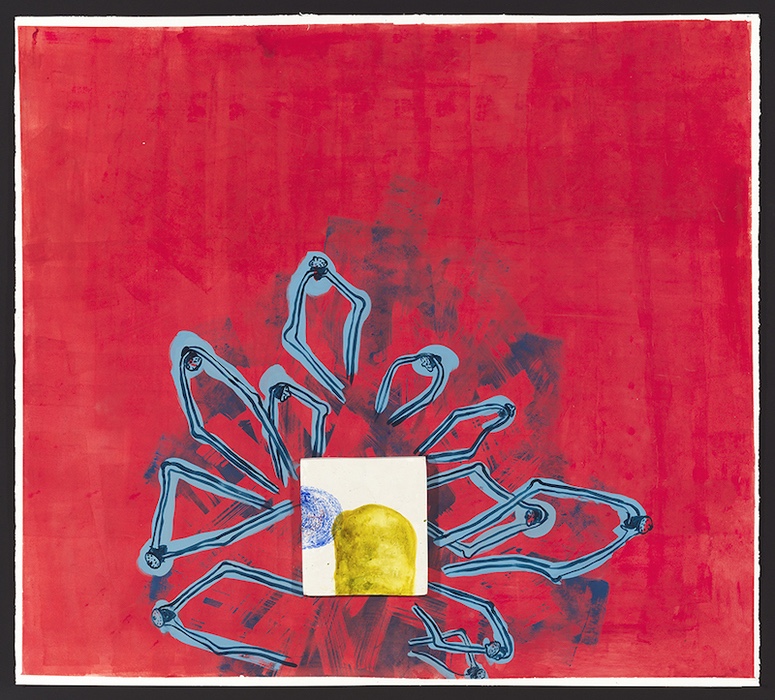
is one of several creatives included in An Instrument in the Shape of a Woman (Hyperallergic’s take here).
#selinatrepp
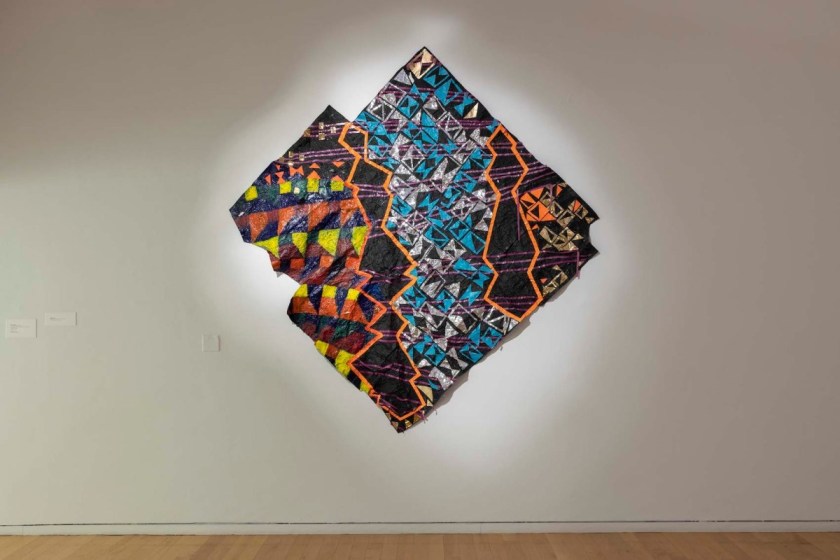
Gary Brewer at White Hot had words about the Art of Matthew Brandt (and Light &Matter)- not all of which is abstract (and even then, abstract-ed).
#matthewbrandt

Beauty in Rigor (Two Coats of Paint) is a wonderful essay about some wonderful paintings.
#maureenmcquillian
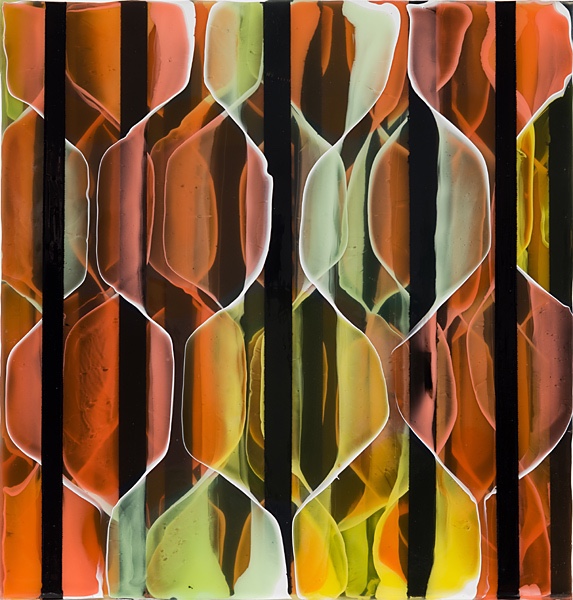
The paintings of Patsy Krebs create an awareness of our perceptions of color, shading, and light. She shows with Haines in San Francisco.
#patsykrebs
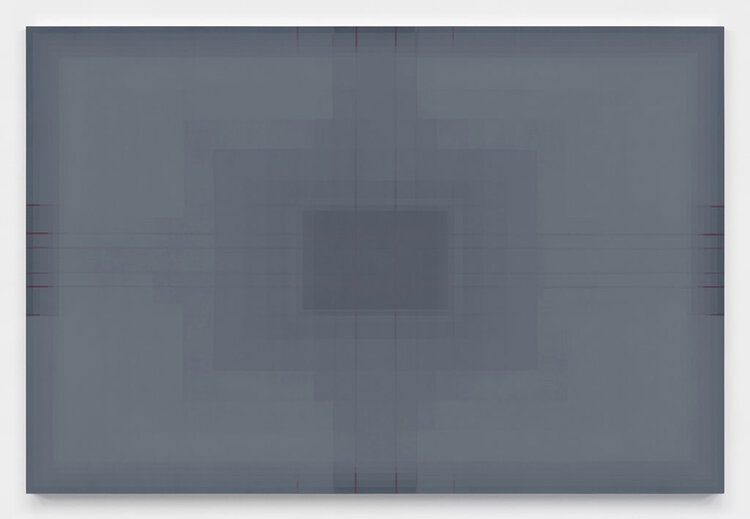
Hyperallergic says that in the universe created by the 2022 Southeast Queens Biennial, abstract art invited viewers to engage their imaginations and to consider the multiple realities conveyed by the artists through their distinctive visual languages. José’s work is included.
#josecarloscasado

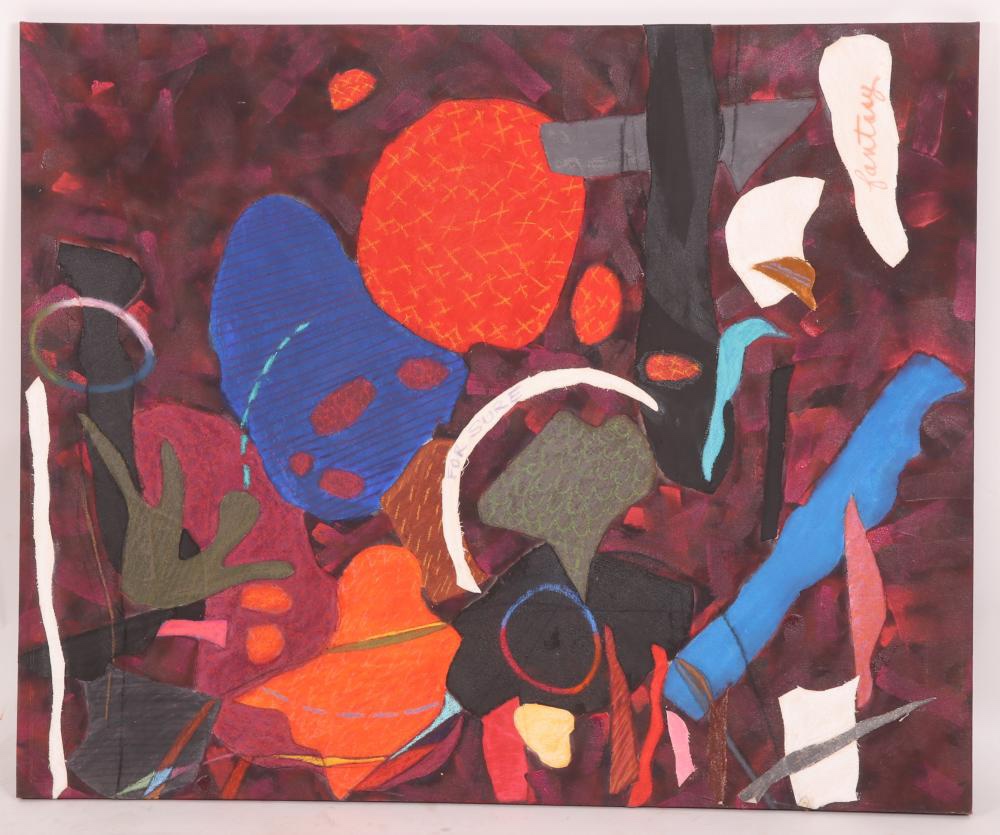
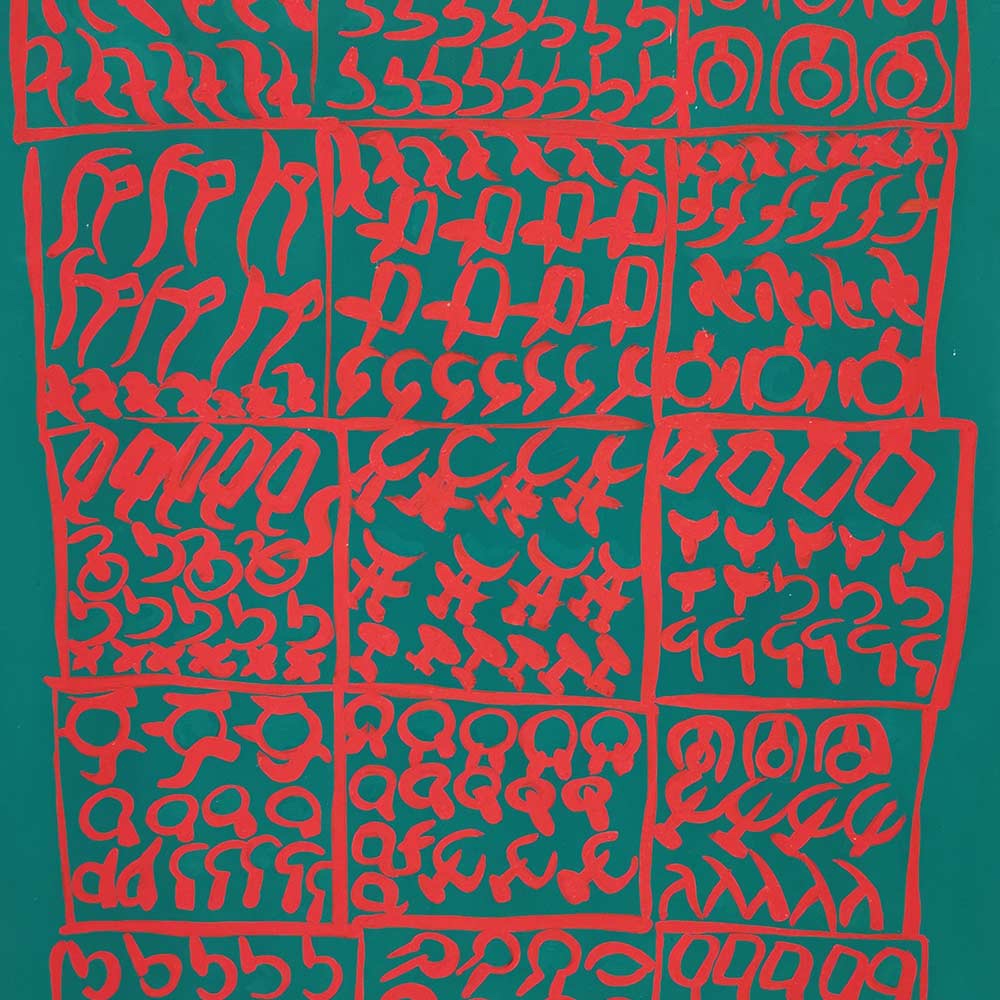
It does of course but here I am referring to the rules I associate with my own painting. Or at least guidelines which, when followed, lead a certain direction. Who doesn’t like rules (probably lots of people, and good for them- rebel on)? Maybe a better question would be “Are rules useful?” For generating some types of painting, I would say “Yes.”
If you’ve been kind enough to read the words on this blog from time to time you’ll know I center the word formalism a lot. Formalists can have a lot of rules, I guess, or perhaps just a few. I think the general one we share is making our primary concern an attention to what our work gains from a focus on line, shape, and color. Surface should also probably should be on the list.
“But Sterling” you may say (or perhaps above was too boring to merit reading a third paragraph) “formalism sounds so empty.”
First of all- consider the viewpoint from which this argument is made (that a painting is an empty container that one must fill with something “else”). To this painter, that sound like devaluing the intuitive, the creative, the spontaneous, the impulse that is outside of words. In short- it assumes painting is more like a book than a song. I disagree, at least in the case of abstraction.
Perhaps consider this article by John Yau writing for Hyperallergic, one of the better Art e-rags around today, about the oustanding colorist Harriet Korman. Yau contends her work aspires to the state of music.
I also recently enjoyed this article by Laurie Fendrich of Two Coats of Paint (another outstanding source of art writing) where she discusses pleasure and beauty, with many references to the late David Hickey, in the context of the most recent Whitney Biennale. For the tldr crowd- there is a view of art (that I think applies broadly to abstraction) that our relationship to it is more immediate than words. The strange magic of knowing something this deeply is awe inspiring.
Maybe read this interview with Andrea Marie Breiling as well.
What does all this have to do with rules? Nothing more or less than noting that attention to and focus on the physical qualities of painting a) is a rule, b) is sort of outside language and c) isn’t “empty.”
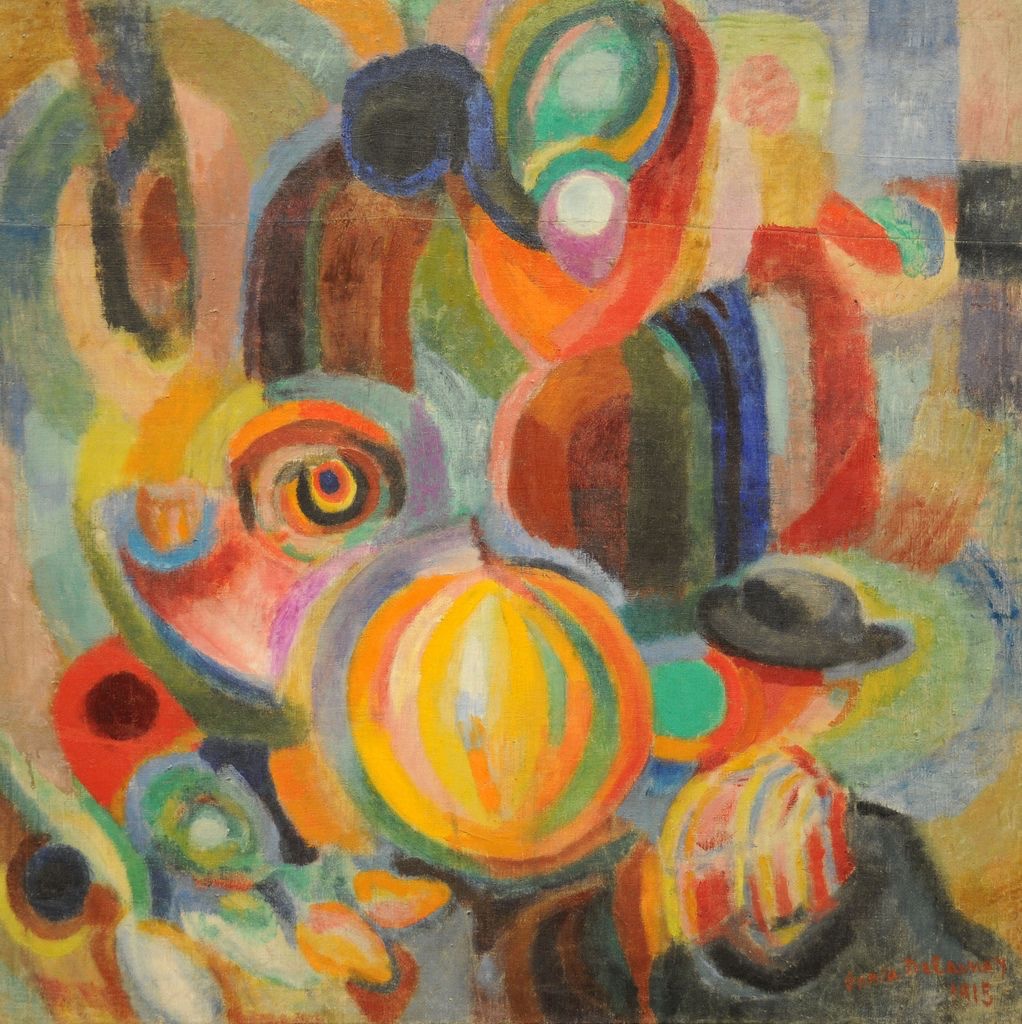
Sonia Delaunay was a key figure in the Parisian avant-garde of the interwar years. Born to a Jewish Ukrainian family and raised in Saint Petersburg, at the age of eighteen Delaunay enrolled at the Academy of Fine Arts in Karlsruhe, Germany. In 1905 she relocated to Paris, where Post-Impressionism and Cubism were dominant in the city’s galleries. In this highly experimental climate, Delaunay and her husband Robert pioneered Simultanism, a style of abstract painting that emphasises the transcendental effects of the interaction between colours. Although like Carla she is no longer with us she is represented at Bienniale.
#soniadelaunay


 Painting After Art is Dead