Stephanie Deady

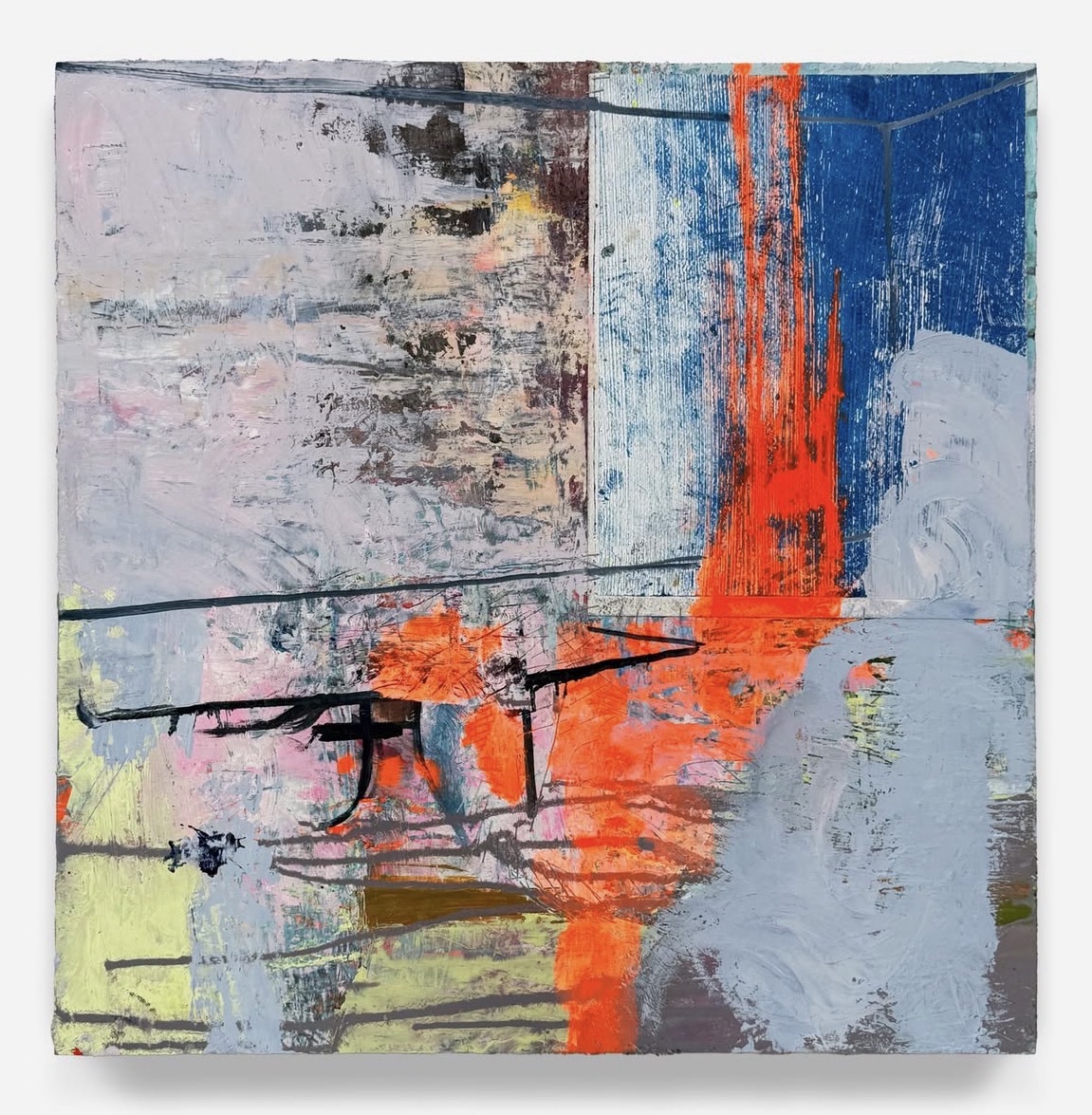
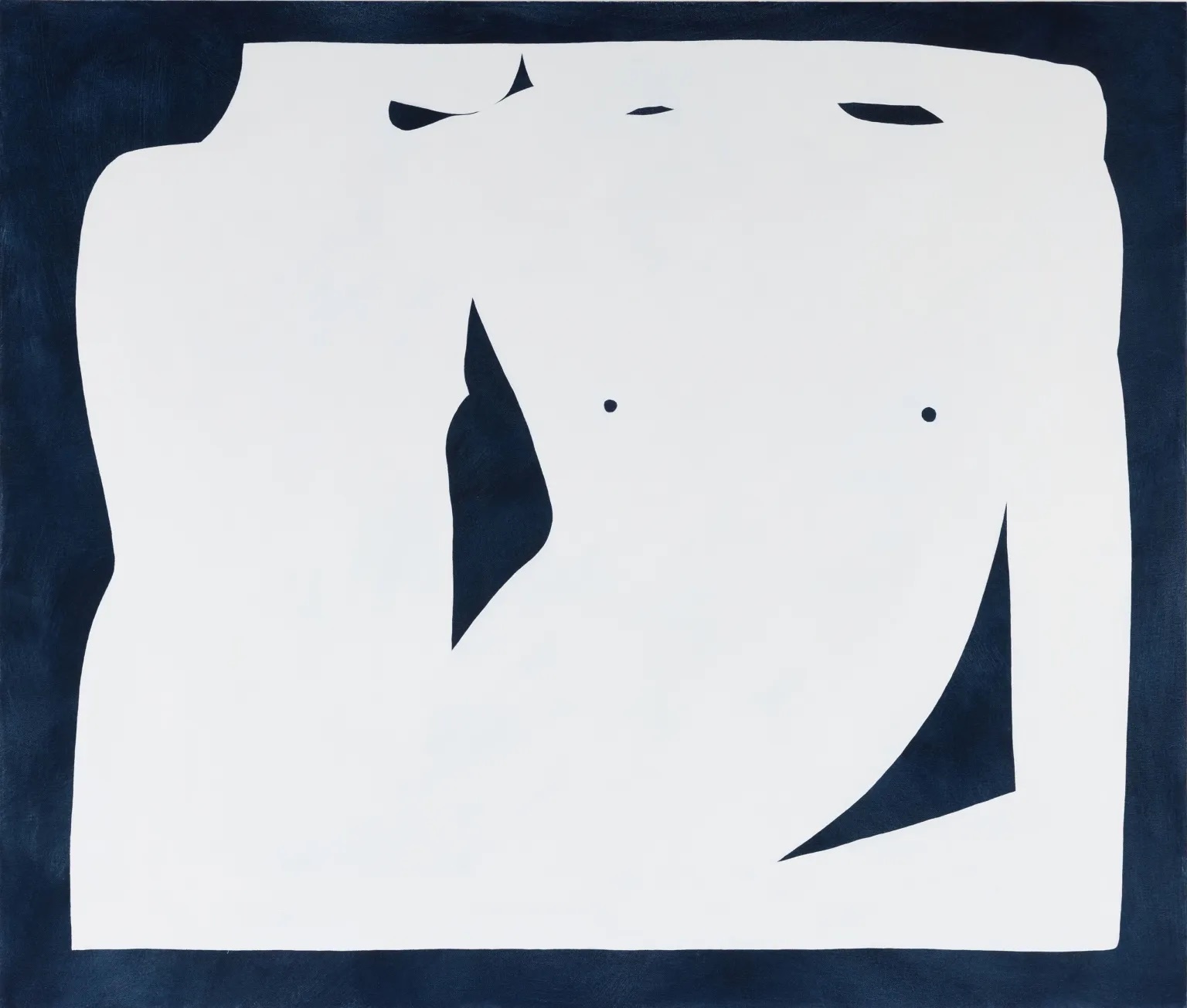
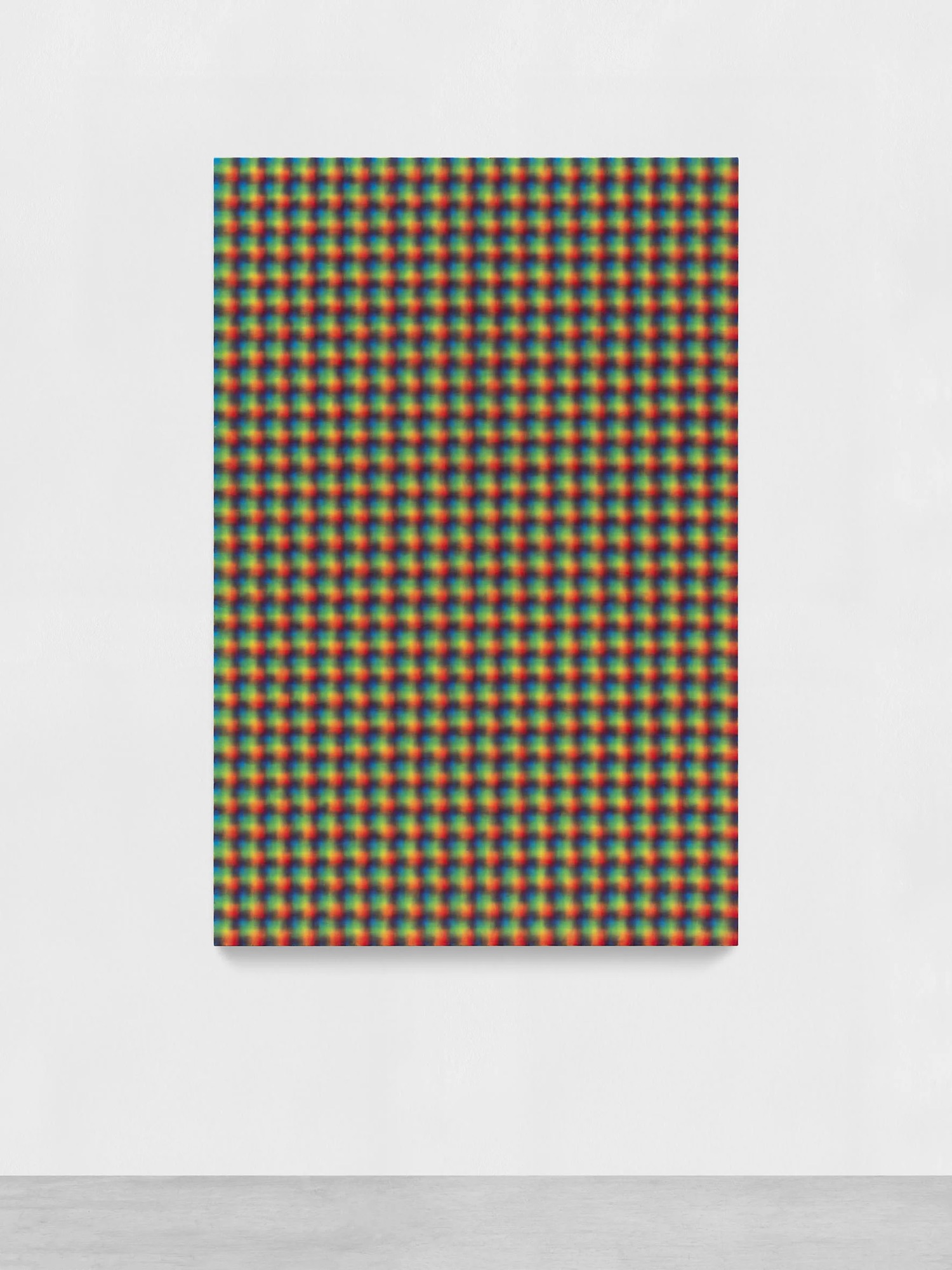
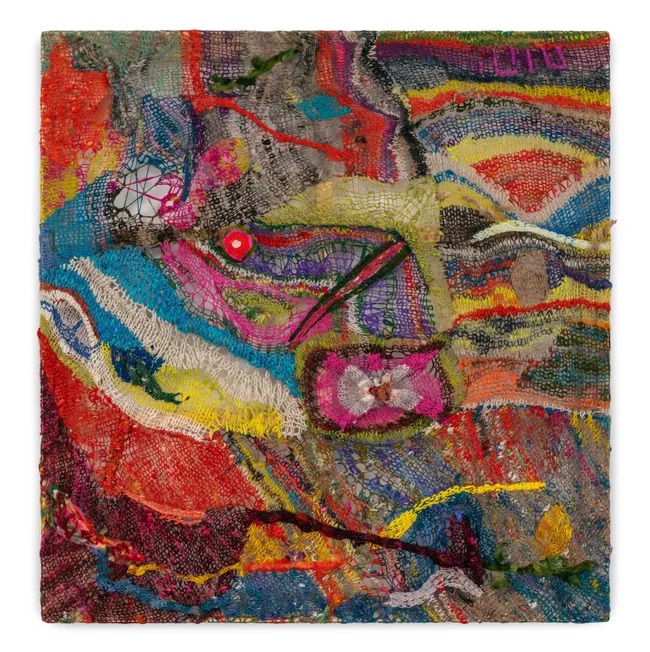
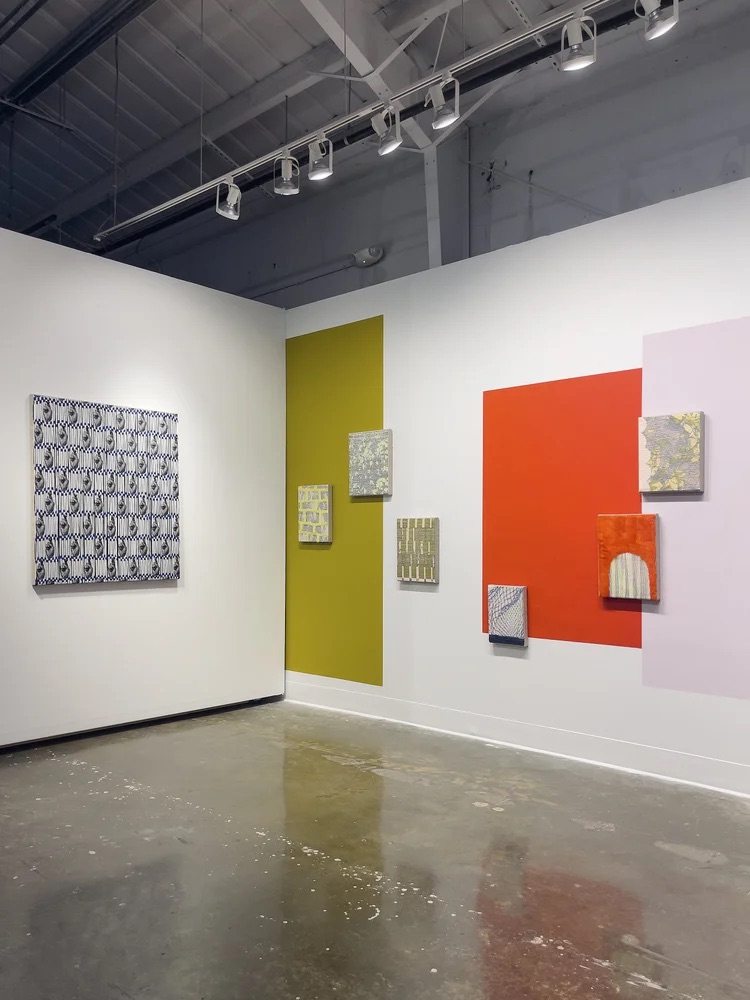
Jonathan Stevenson discusses Stephanie’s “coolly seductive” paintings on display at Kevin Kavanagh Gallery in Dublin. Below is one of many titled “Emotional Calculus” like the show itself. He notes that, in “due course, the paintings reveal deeper intent, which is to complicate and enrich your ultimate apprehension of the presumptively simple life.”

More

#stephaniedeady

Allie McGhee

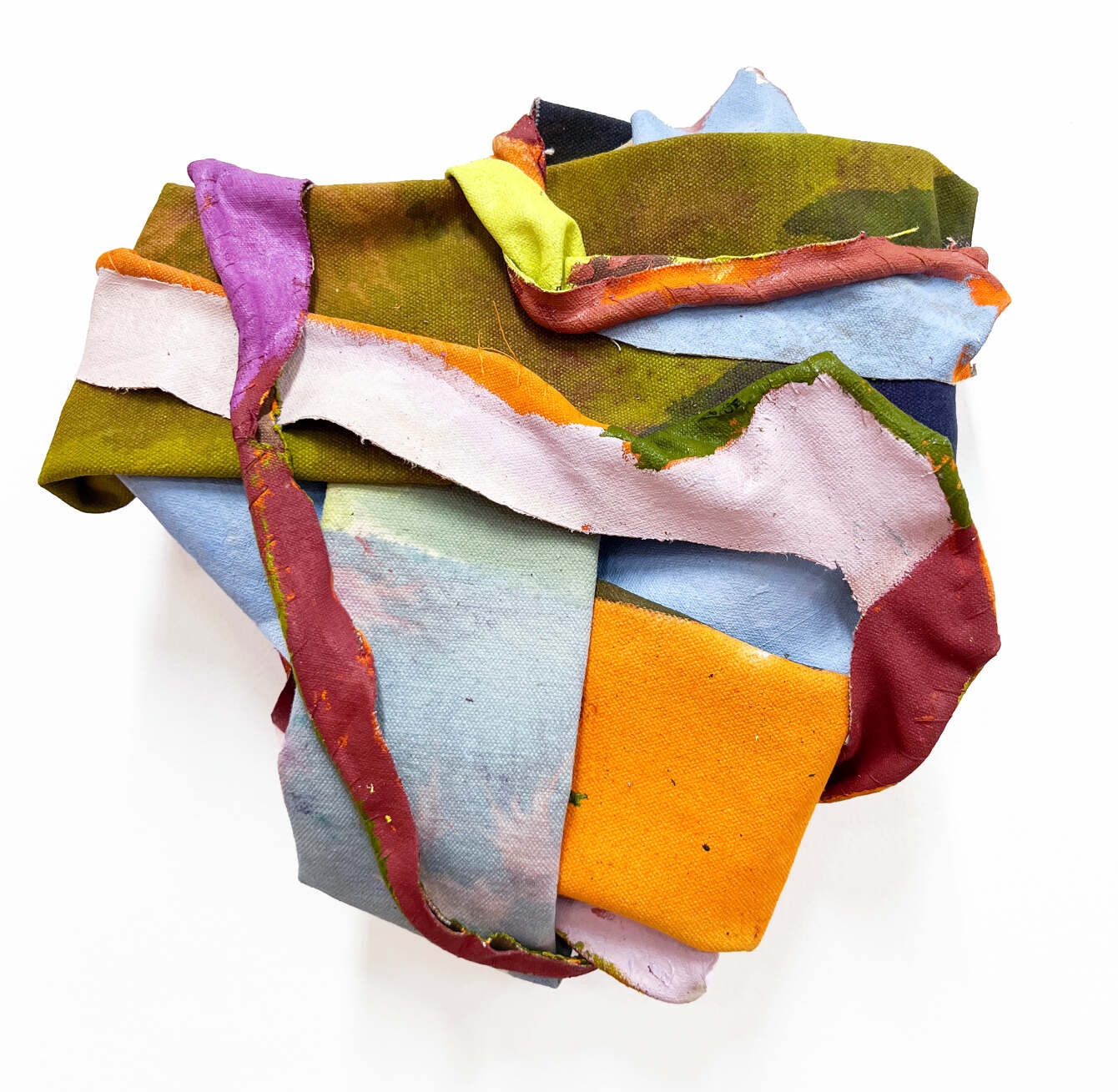
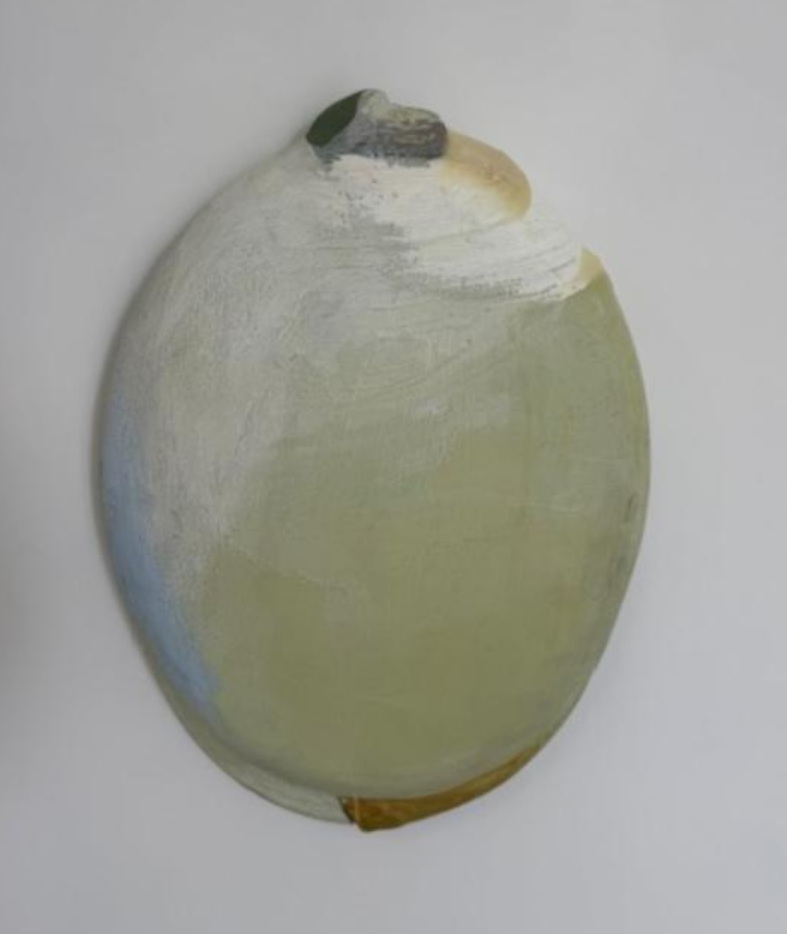
I wasn’t familiar with Allie until I saw below in an ArtNews article about updates to the Detroit Institute of Art’s collection*.

Allie McGhee has been a leading figure in the Detroit art scene since the 1960s. Initially a figurative painter, McGhee moved away from representation and toward the more universal abstract language he is best known for today. His mixed-media paintings, including sculptural works in which he folds, bends, and crumples the canvas, are notable for their signature arcing forms and brilliant washes of color.

*The DIA was among the first museums anywhere to build and exhibit a collection of African American art, which it began in 1943. In 2001 it became the first US museum to name a curator devoted to that field in Valerie J. Mercer, who still serves as the museum’s curator and head of African American art.  
#alliemcghee

Thanksgiving  

I hope wherever you are this finds you well.

I hope I’m not alone in committing to make the best of this occasion that we set aside in American culture as a holiday. Maybe you’re reading this because you need a break from family stuff, or reading this on Friday or even Saturday because you’ve been wrapped in the warm embrace of family and friends. I’m also thankful that we our expectations of what we have a right to expect is shifting, and the resistance to the same, I think, points out that it is hard work worth doing. However you are arriving, thanks for doing so. I wish that this is a holiday from worry for you.

As I often do here on this blog, I’ll echo what others in our community are doing- Hyperallergic* put out a Thanksgiving list today in the same spirit (making the best of it) which you should check out. I’m so thankful for that day in my parents attic when I made my first abstract painting, because it also opened up the Art World to me, which is so much bigger than that one modality. Speaking of Hyperallergic, I’m grateful that I have the gift of not being in one of the cities they cover so rigorously, and for the perspective that gives me. And to circle back to the top, I’m really grateful for publications like Hyperallergic (who shouts out Burnaway) and of course Two Coats of Paint. If you wanted to leave me a comment about your favorites, I would thankful for that, too!

Just the other day I decided to make little bit of change in the way I approach this blog, when I made a post about Meg which was not the first time I wrote about her work (btw I did pull the first post so don’t worry about a proliferation of duplicates). As I said in that post, I think revisiting a creative is well within the spirit of paying homage where due. It is in that context that I’ve decided to write this essay- because I want to (also) revisit this post, each year on the holiday. New traditions!

So it turns out… I’ve written before about being thankful. On Thanksgiving no less! I love it when the universe gives you little subtle hints that you’re on a good path. Something happened in my studio recently that was also a strong hint that an intuition I’ve had could be fruitful, maybe even pivotal. So I’m leaning in to that energy. And, you guys will just have to wait to hear about that topic because I’m still processing. It’s also pretty fun for me to read a blog from 5 years ago, which was a time when I was almost exclusively writing about the object-making part of my practice, and see some themes come back around again (I’ve gone back to “edge” as a concern in my work a couple of times since that post, including in some recent studies). I’m thankful to be in a place where I have the capacity to be present for these realizations.

And btw, yes we *absolutely* should all remember and tell the truth on days like today. Honesty shouldn’t take a holiday. We can be grateful that we live in a time when we can create and add to truth, and lift up the resilience it takes to be honest about our history in the interest of never repeating it. I’m being vague because if you’re here reading an Art blog I don’t need to unpack colonialist histories for you or link to the hundreds of essays on the internet about the reality of the relationships between early settlers in the US and the aboriginal peoples who were already here. Feel free to take a moment to sit with that and then release it with the kind of resolve that leads to good outcomes and better, fairer futures. Give yourself the grace to go back to being present wherever you are with people who matter to you.

I’m so, so thankful for you, whoever you are, that read this whole essay. I look forward to revisiting this article next Thanksgiving.

(*) Speaking of Hyperallergic, I saw this article earlier in the week and thought “I’m thankful for John Yau and all 4 of these creatives” (about whom I’ve blogged, which I’m also grateful to have the chance to do, for the love). John was writing about an exhibition which traces the radical advancements in painting by Al Held (one of my first blogs), Elizabeth Murray, Frank Stella and Judy Pfaff (who I hadn’t realized until recently was not featured here). 

Meg Lipke

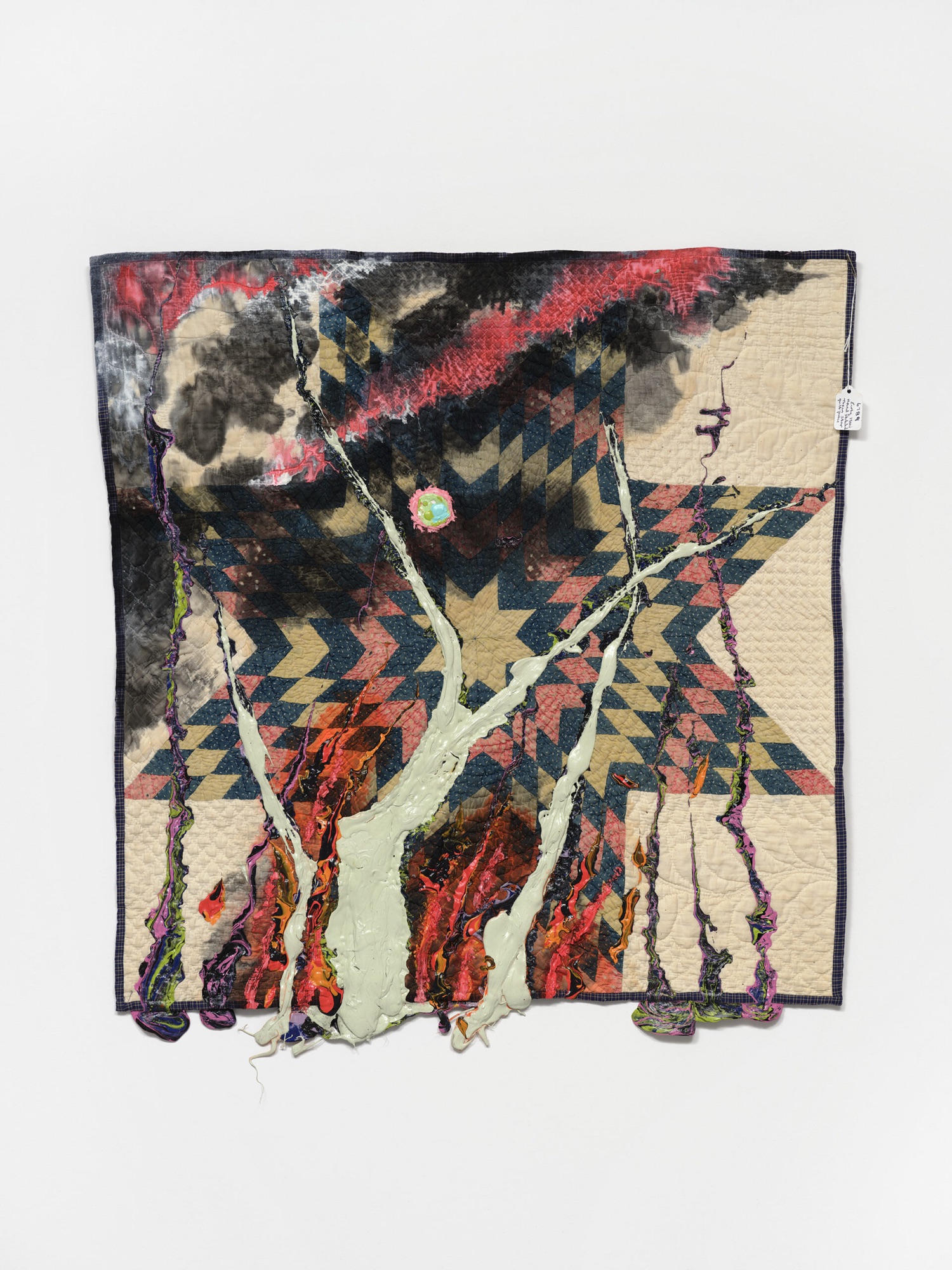
Lawre Stone shouts out Meg’s newest noting they make enormity relatable.

This blog also represents a change for me. I posted about Meg once already in 2019 noting at the time the work was “one of the most interesting takes on the question of what is painting I’ve seen recently”- this is her IG post to which I linked. Prior to, well, today, I’ve typically avoided writing about an artist more than once, as a big part of this practice for me has been discovering new work or researching the canon. And, I have realized that keeping this catalog fresh is a legitimate way to pay respect to creatives that are working to stay relevant, so this will probably not be the last time I revisit a painter or other creative.

#meglipke

Romantic

A major theme of my practice in 2025 has been trying new things. That’s been a great experience and is also the broader context for this weekend’s essay. A bit more specifically is that, over the last month, I’ve been working on an installation piece using some materials (video!) and strategies (staining!) that are new for me.

I teamed up with Ariana Gomez who is one of the members of ICOSA in Austin to produce work for a two collaborative show full of two-person collaborations (yes, Tiger Strikes Asteroid is the other half of the endeavor). The exhibit will be titled Party Line; more on the show below, and if you guessed it’s a reference to shared telephone service you’d be correct.

The title of the piece Ariana and I have made is Nostalgia, which is a topic I’ve written about before. Our intent is very similar to what I expressed in that essay- that nostalgia can be a lie. At least it is in any case when one leans into a belief that some other time in our history was better or preferable to where we find ourselves today- its definition is “a sentimental longing or wistful affection for the past, typically for a period or place with happy personal associations”(*).

The piece itself is not “romantic.” Romantic like most English words has many meanings. There are two usages to which I am pointing. Firstly, towards any sort of romantic view or conception of (a) person, place or thing, which is unrealistic in the sense that the notion of it is bigger or better or just more exciting than the reality that person, place or thing can, objectively, be shown to be. It’s a cousin to nostalgia. I think in a Venn diagram, nostalgia is the smaller circle.

Secondly and perhaps more obviously to you my readers who love Art with a capital “A,” “Romantic” with a capital “R” has a specific meaning in the Arts as well. According to Wikipedia, Romanticists rejected the social conventions of the time in favour of a moral outlook known as individualism. A true Romantic would say “yes, yes I am focusing on only the wonderful, dreamy emotions I have about an idea, or a person, place or thing, because it’s my individual prerogative, dang it.” No, now that I’ve typed it three times I can’t stop singing it either.

I have a romantic streak, which figured strongly in why the young, idealistic version of Sterling first uttered the phrase “I am an Artist!” at some point in undergrad. Being raised on rugged Americanism in a small town and first digesting abstract painting vis’a’vis the hyper-individualism of AbEx (which you can critique if you like- I certainly have) was no doubt positive feedback, though I’m unsure of which was chicken or egg. I really don’t think I’m alone- in being romantic- and I bet more than less of you readers have described what Artists “are” or “do” in broad, romantic generalities. And while I said nostalgia is a “lie” up above I’ll suggest that maybe we can spend a minute or two on the nature of “an intentionally false or misleading statement.” Second word will be our focus.

Some people, here in the US, have ideas about the past that I would generously call romantic. To be specific, a lot of our fellow citizens have ideas about what made us great some time ago, in a degree that makes them desirous of returning. Now, Ariana and my intent wasn’t to make a (hopefully beautiful) video-based installation work to force viewers to contend with MAGA as a cultural phenomena. I’m pointing at it here as a really obvious (I hope) example of how the intention behind some romanticism can be, well, corrupt. Poorly intended. Maybe even downright dishonest.

To get back to the* I dropped above, I’ll point once again to Modernism as an ethos. “Yes,” this epoch grew and eventually exploded and overtook Western society because it was necessary change… and, while it left a lot of Classical thinking behind, it sure wasn’t a clean break from misogyny, racism and classism either. I’ll continue as long as I think it relevant to stress that this is an important lesson to internalize. Being sentimental about this time in the history of Art is not only not helpful, it’s incomplete. Like my enduring emphasis through my practice on centering conflicting truths as evidenced by contradiction, Ariana and my hope for the work is a desire that the audience feel a sort of romantic vibe from the work, and connect to the need we all share to have fond memories, for romanticism as a tendency is understandable. Stories are important. That’s half the punchline though; it’s also that knowing and believing and even acting out of romantic motivations doesn’t absolve us of the importance of intention.

So, the exhibit opens December 5 at Greenville Center for Creative Arts and as always I hope you will put Greenville, SC, into your rotation if you’re able. I’m sure there will be images of the work available at some point but at this stage I’ll be a little mysterious and keep you all guessing about what a lens-based artist from Texas and an Neo-romantic abstractionist from North Carolina would create together. More on the show itself below…

Party Line is a collaborative group exhibition linking 42 artists between two artist collectives: TSA GVL in Greenville, SC and ICOSA Collective in Austin, TX, where pairs of artists create new collaborative works to be displayed at the Greenville Center for Creative Arts in Greenville, SC. Working across geography and media, each pair was randomly matched and invited to engage with a shared curatorial theme built around communication, connection, and collaboration across distance.

Inspired by the idea of a shared telephone network, Party Line reimagines a shared channel for today’s mode of communication, suggesting new ways of working together across cultural, political and regional divides. The results span responsive gestures, new site-specific works, and sustained cross-dialogue that reflects tension and synchronicity.

While the exhibition celebrates exchange, it also contemplates what  it means to collaborate in the wake of disruption. These works arise not from agreement, but from the willingness to stay connected – even when the line cracks, the message distorts, or silence lingers.

Participating Artists

Leon Alesi, Mauro Barreto, Megan Bickel, Michael Borowski, Kiley Brandt, Sterling Bowen, Michaela Pilar Brown, Shawn Camp, Veronica Ceci, Zen Cohen, John Cummings, Erin Cunningham, Katherine Van Drie, Adam Eddy, Rebecca Forstater, Rosie Ganske, Ariana Gomez, Sarah Hirneisen, Kevin Kao, Intel Lastierre, TJ Lemanski, Chantal Lesley, Hirona Matsuda, Amanda Linn McInerney, Monica Mohnot, Charlie Mura, Juliette M.M. Herrera Nickle, Vy Ngo, Claudia O’Steen, Jacqueline Overby, Dana Potter, Ashley Rabanal, Matt Rebholz, Seth Relentless, Tammie Rubin, Alex J. Schechter, Joseph Smolin, Leah Smolin, Brooks Harris Stevens, Ana Trevino, Lana Waldrep-Appl, Jenn Wilson Shepherd

Marc Devade

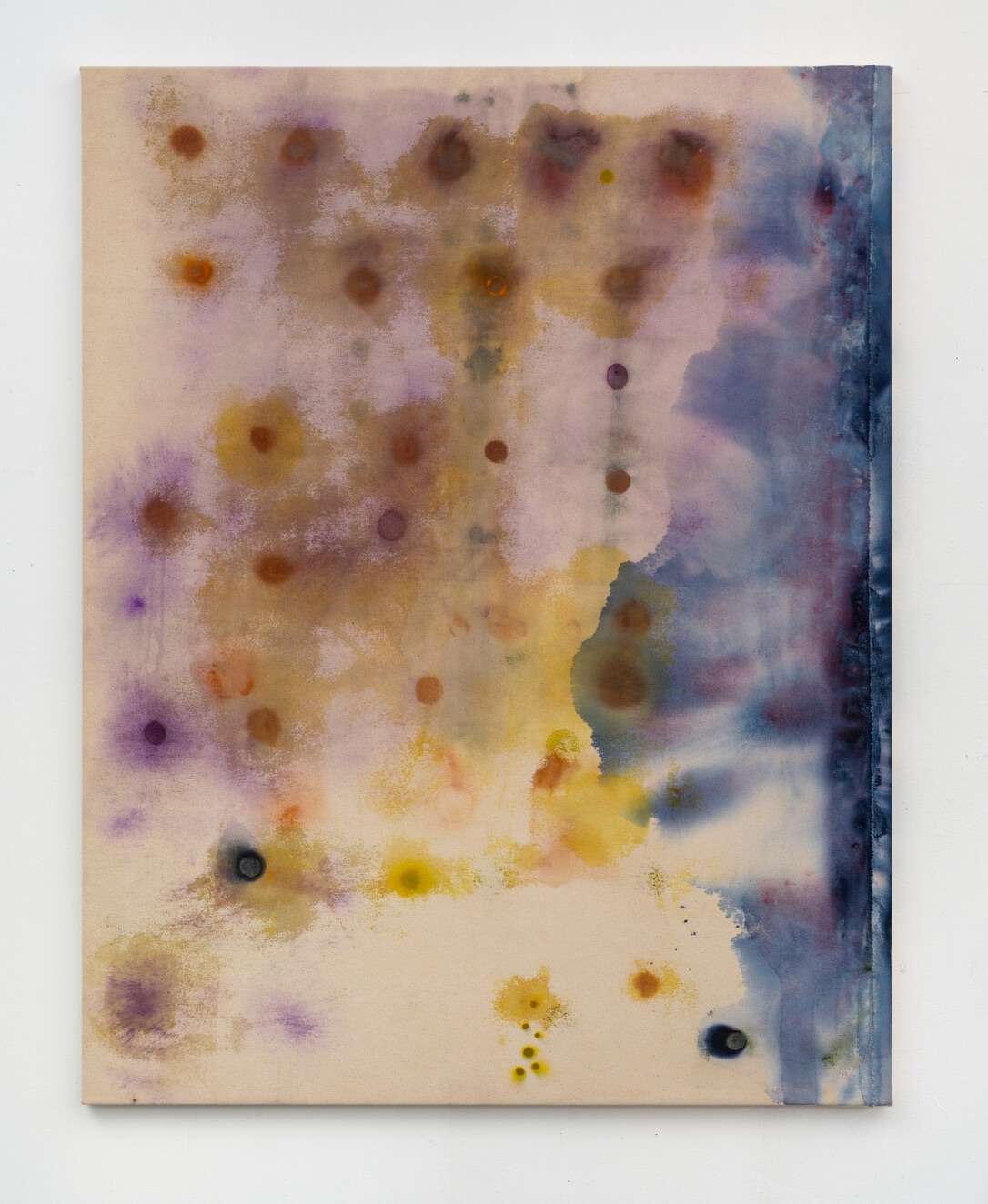
is one of the creatives featured (posthumously) in the group show “Fold, Drape, Repeat” now up at Ceysson & Bénétière (Two Coats essay contributed by Marjorie Welish). A select showing of work by the loosely aggregated French collective Supports/Surfaces, the exhibition embodies the very assembly involved in making art. Devade’s first intention was not to devote himself to painting. Initially a poet, fascinated by philosophy, it was when he met Marcelin Pleynet, who published his first poems in Tel Quel in 1964, that he became more particularly interested in painting. He became one of the main animators of the debates on the relationships between practice and theory in the field of visual arts.

#marcdevade