is (like Lauren and Ryan and Donna) one of 10 women abstract Artists on the rise.
#wangxiyao

Lizzie is currently studying at the Royal Academy Schools and is due to graduate in 2024. For the past six years she has made small-scale abstract paintings on metal supports. Jillian Knipe at Instantloveland covers Lizzie in Abstraction in the Now Part IV.
More
#lizziemunn
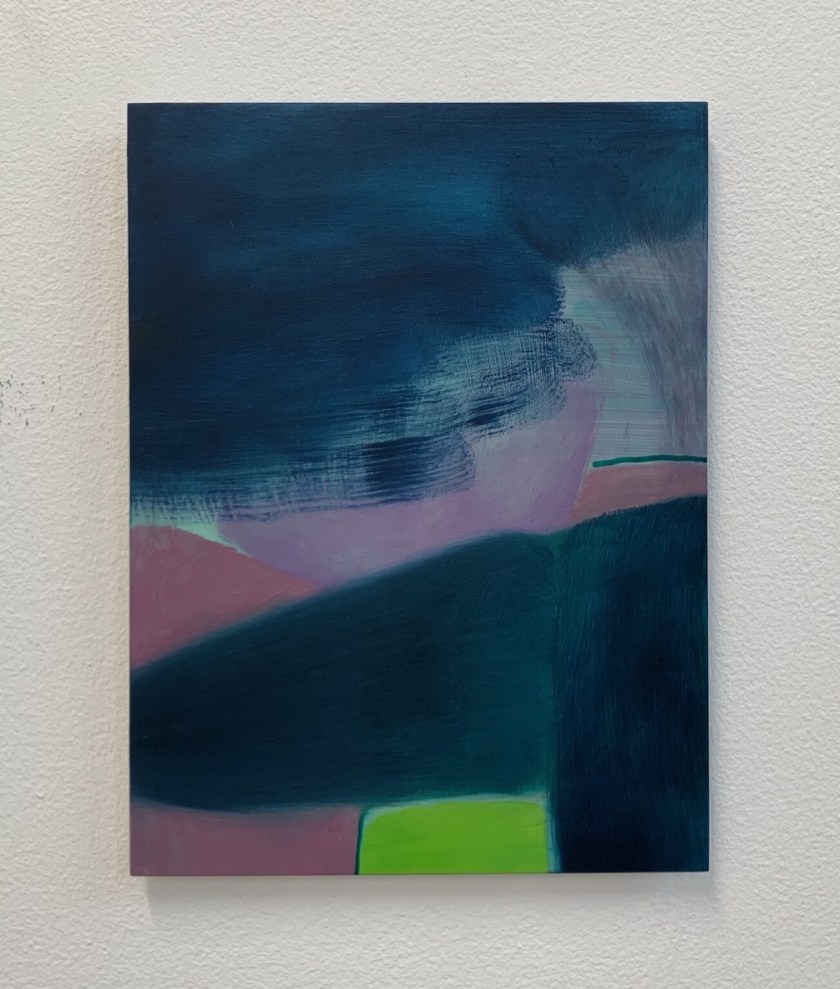
#aleyahoerlein

is in New American Paintings 162. She says “Abstraction is the framework with which I investigate ideas of place dependence and the psychological need to belong somewhere; approaching abstraction as an allegorical language is ideal for connecting the nonconcrete value of belonging within space.”
#jessicasimorte
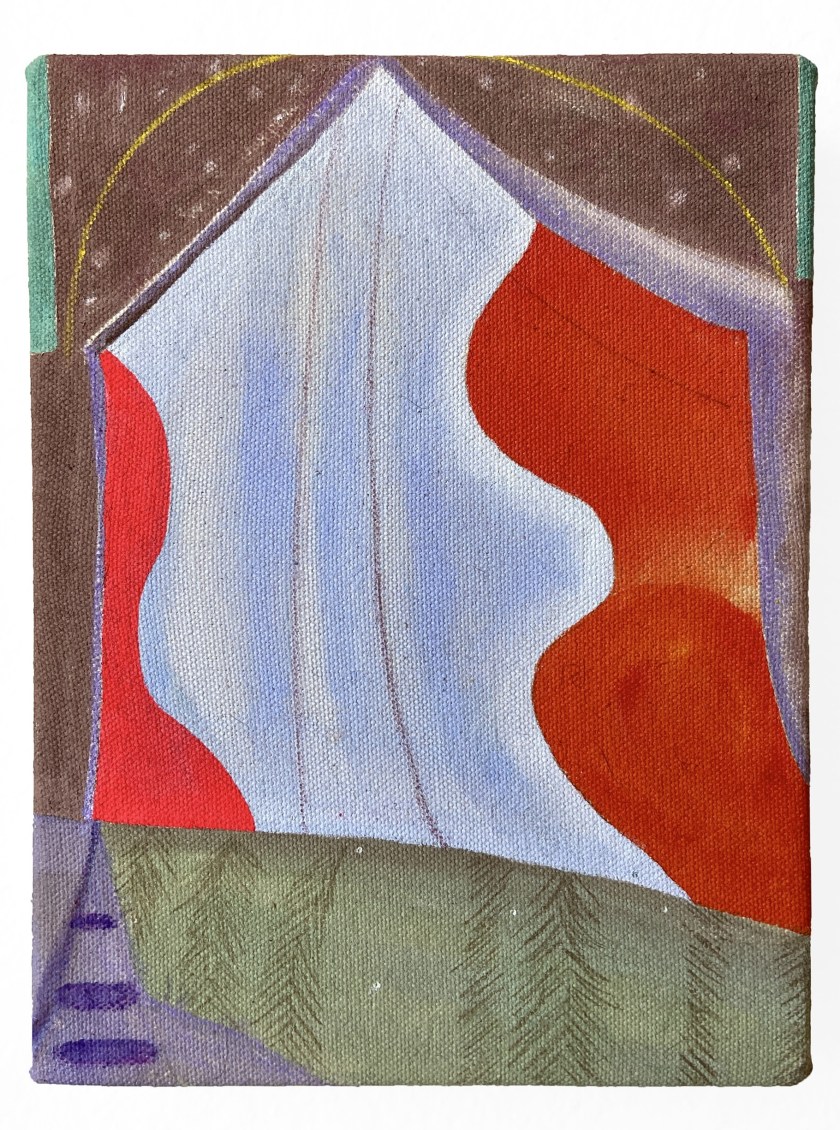
Artsy says Wanda like Joanne is one of several Women Artists to Watch. These teeter on an edge between abstraction and landscape painting and her newest is site work.
#wandakoop

BmoreArt notes The Essentials: An Exhibition by Liana Owad – her newest is a departure from below.
More
#lianaowad

is one of many artists* featured on this blog that was included in Blurring Boundaries: The Women Of AAA**, 1936–present.
*Anne, Laurie, Gabriele, Rhia and Emily (as well as many creatives who were members during their lives) are members of **American Abstract Artists, a predecessor to the New York School and Abstract Expressionism, and contributed to the development and acceptance of abstract art in the United States. American Abstract Artists is one of the few artists’ organizations to survive from the Great Depression and continue into the 21st century.
#lisananni
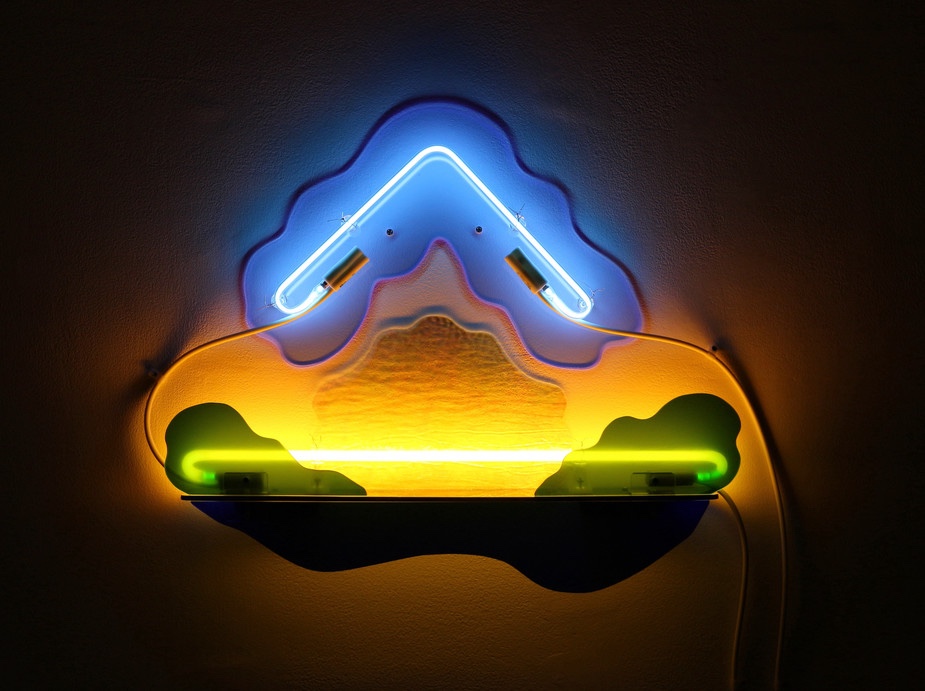
is a fantastic artist working in textiles, and is also a historian, podcaster and author.
#ferrengipson

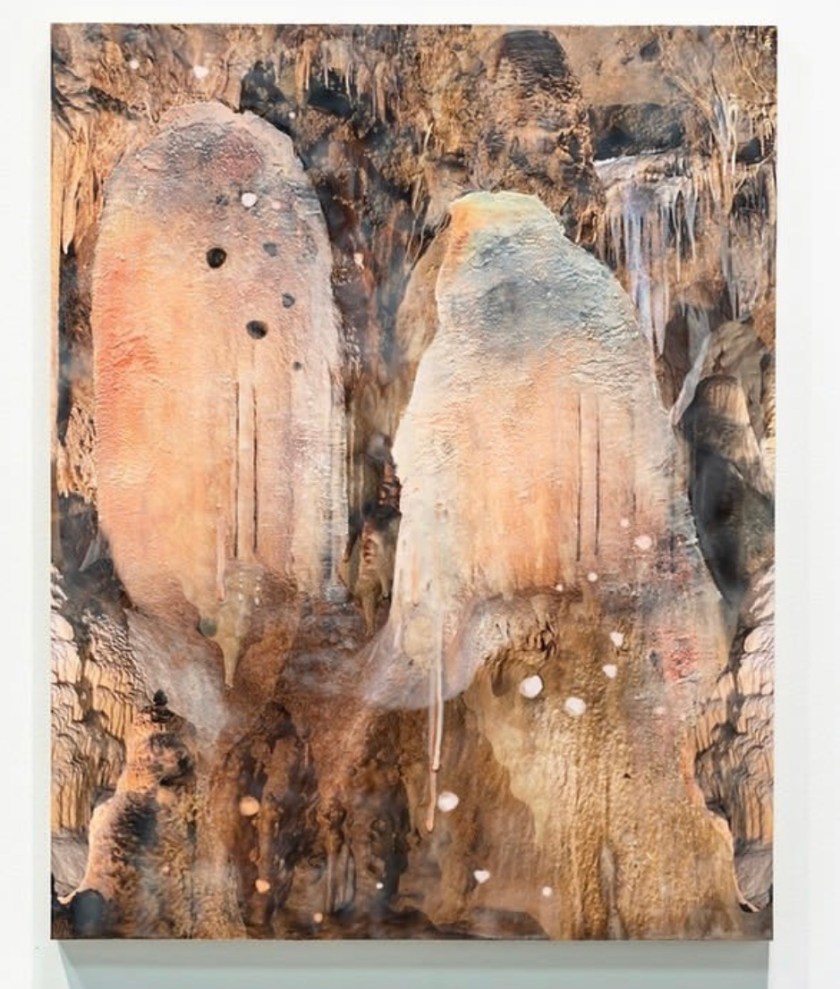
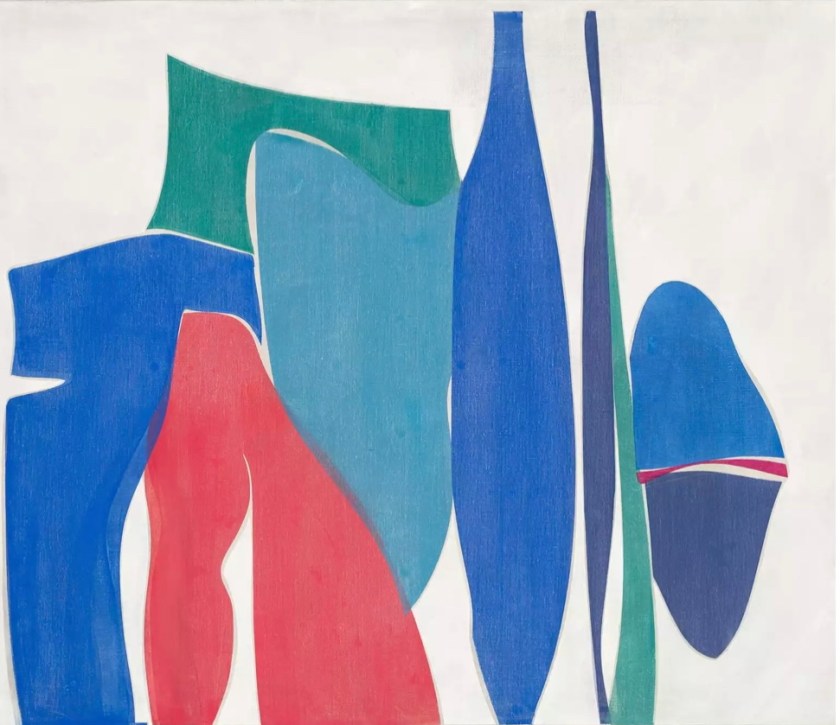
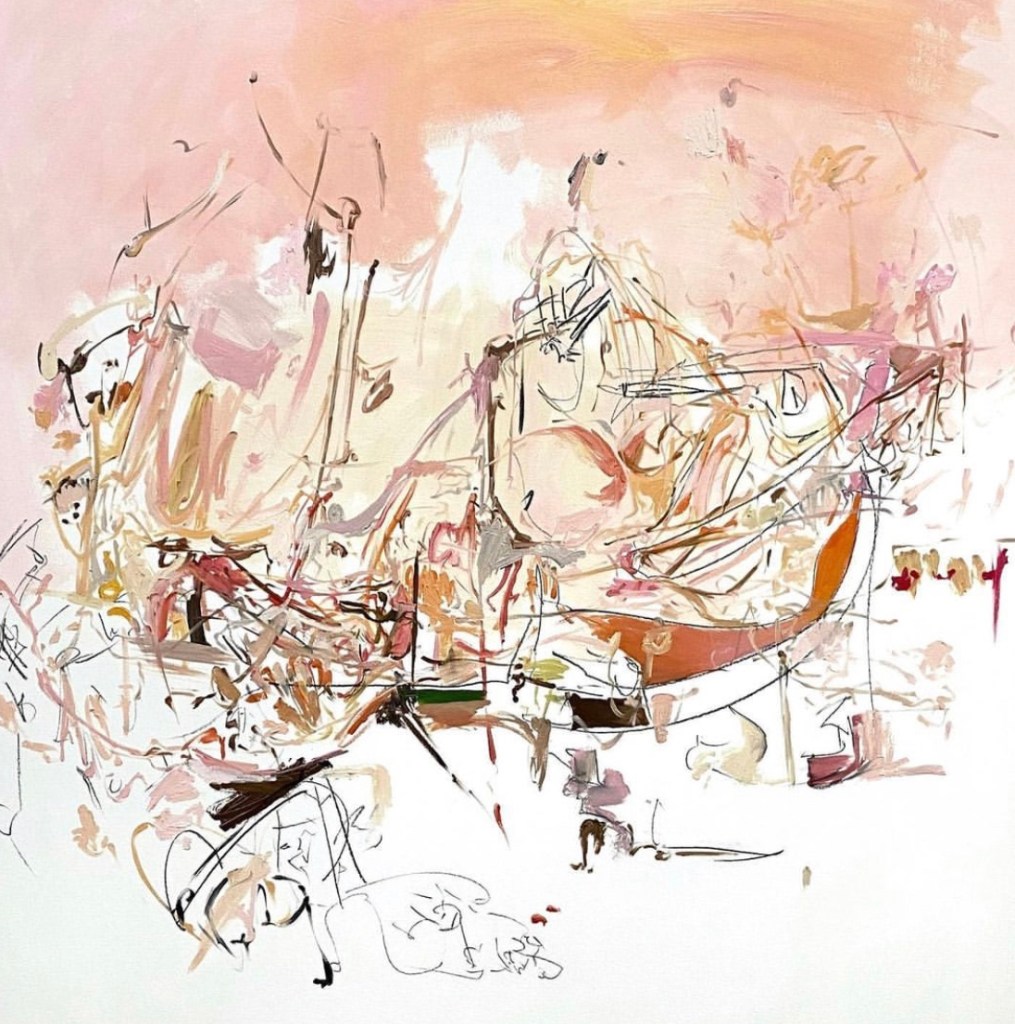

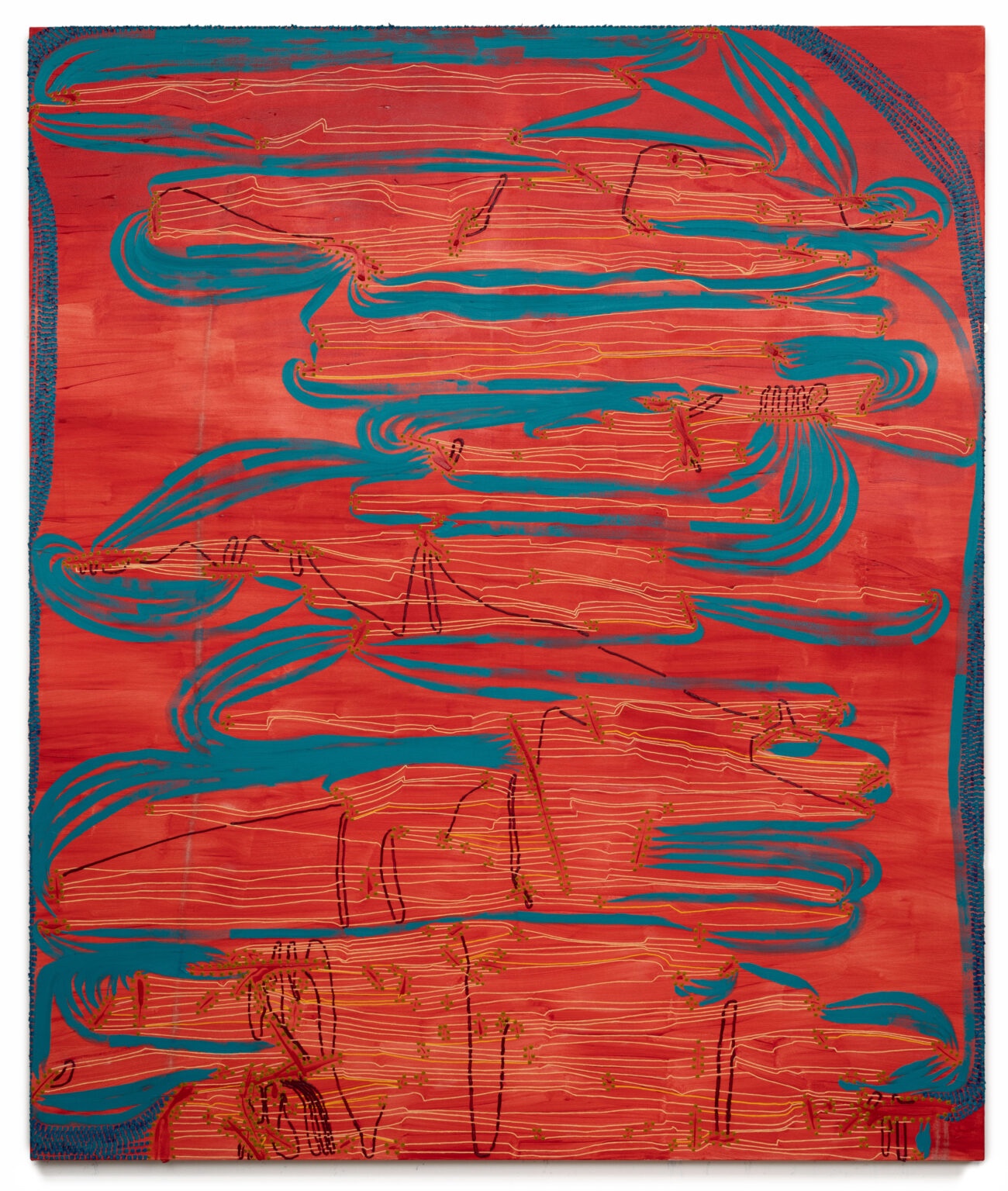
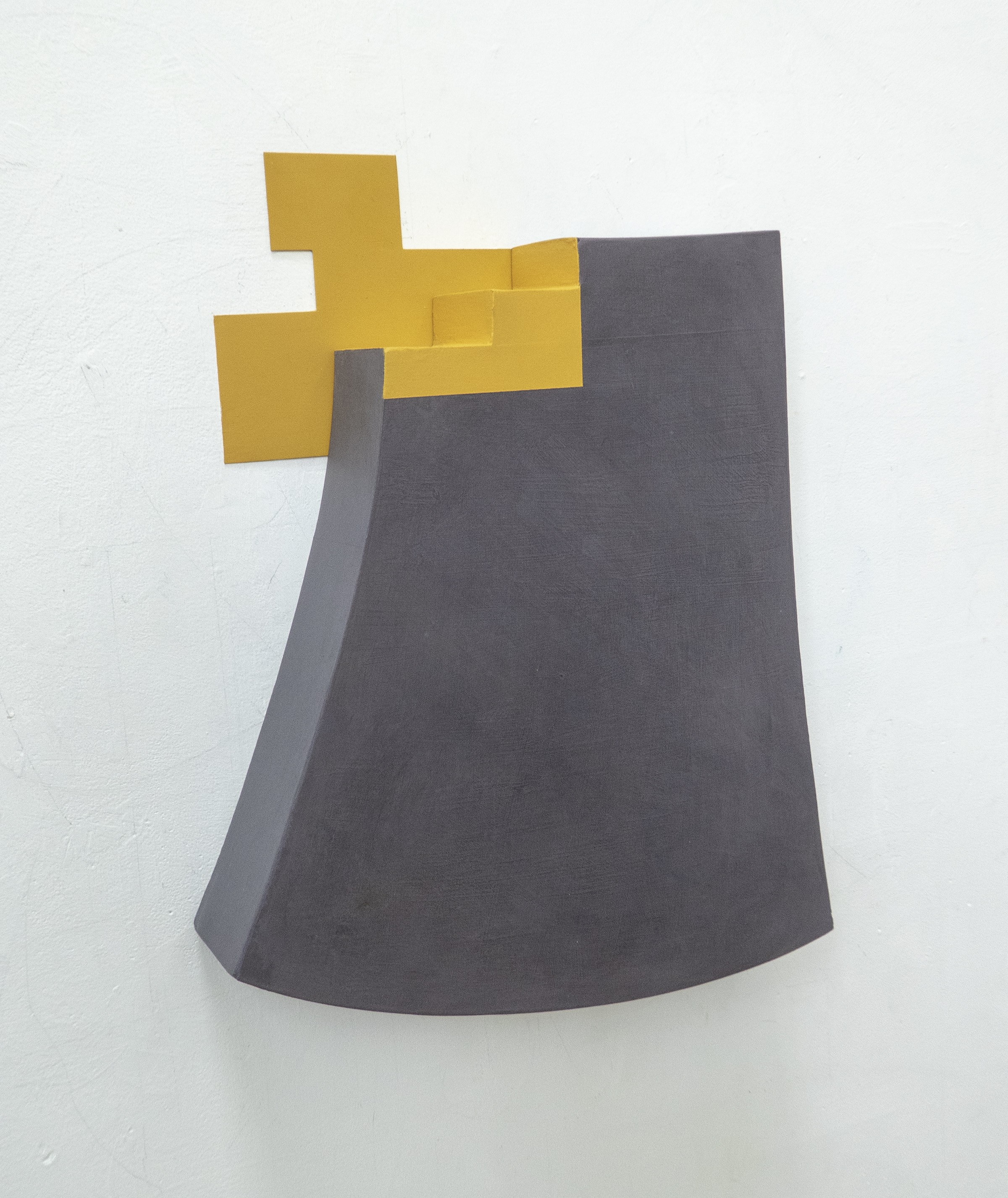

 Painting After Art is Dead