#bohubbard

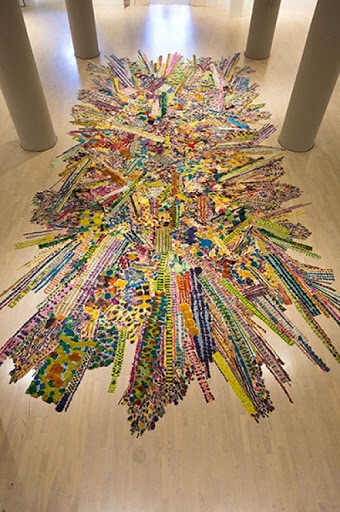
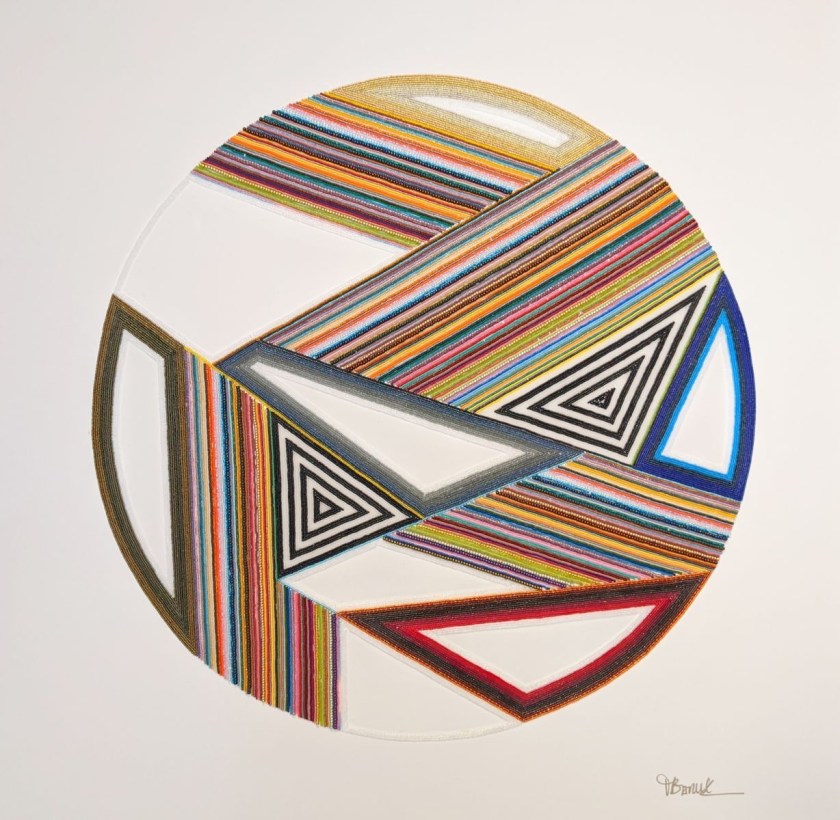
Polly was one of the hits I remember from Abstract Painting, Once Removed. Her work is literally removed from the constraint of a traditional, rectangular canvas (like Rhia and Meg). Image below is from that time frame.
More (her work has moved back onto the wall as she explores new iconography)
#pollyapfelbaum
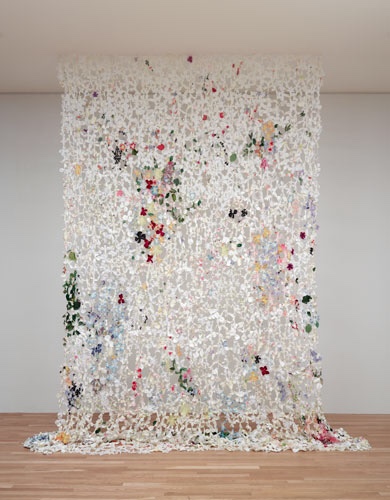
was also in Abstract Painting, Once Removed, and is similar to Polly in making work off the wall. Of interest to the reader may be new reads of the work through the lens that it is in fact “queer formalism.” Jim is of course not alone among queer artists in using non-mimetic modalities. Gonna explore this topic this week.
#jimhodges
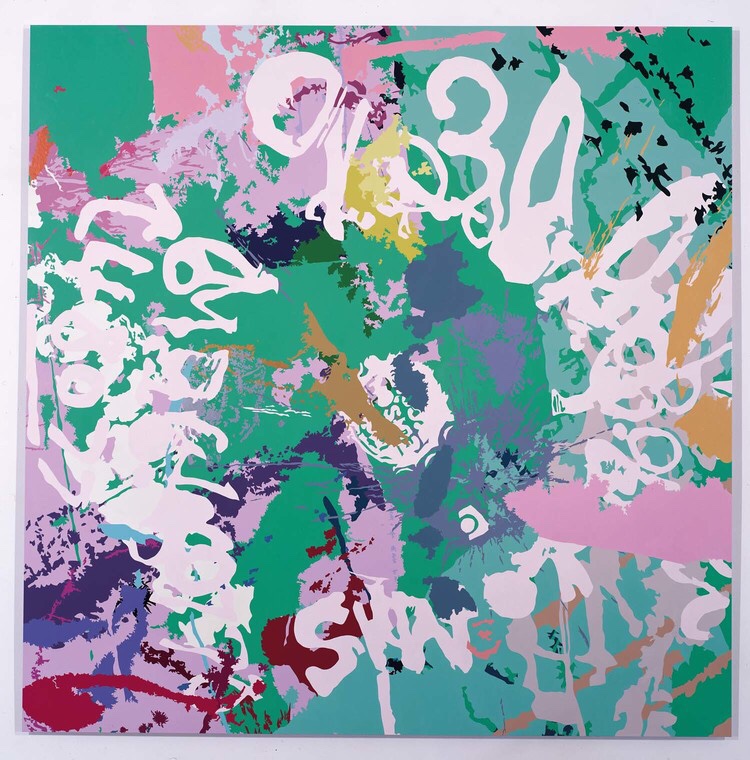
As I continue to think back on artists that were having a (or their first, in Calame’s case) big Art world moment while I was doing grad studies I’m reminded of course (since she, Monique and Polly were often mentioned collectively by the critical community) that Ingrid’s works* were considered lineage and departure from Pollock.
(*image below is from that time; her work like her colleagues mentioned above has moved in new directions over the last two decades)
#ingridcalame
like Myra and Torkwase and Kevin is creating a system of related formal elements that also refer to socio/economic relations between elements in American life.
#kapwanikiwanga
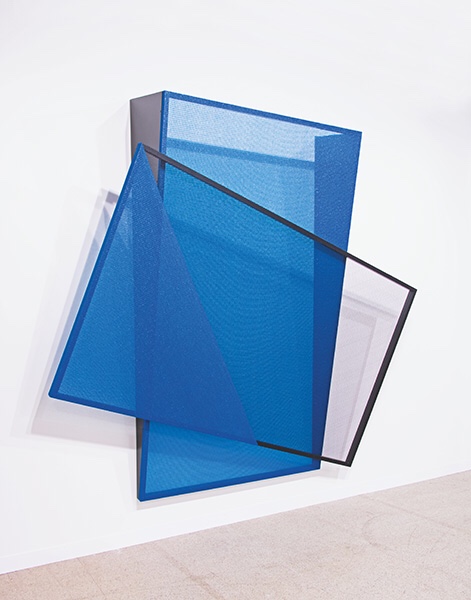
has new work up at NOMA (through the end of the year) that examines the legacy of plantation economies and their relationship to the environmental and infrastructural issues of our current age.
#torkwasedyson

Glad to know that academia has mostly been doing a good job recognizing significant #blackartists- most of the creatives featured in Generations: A History of Black Abstract Art at BMA earlier this year weren’t new to me. Glad to “discover” Kevin’s work.
#kevinbeasley

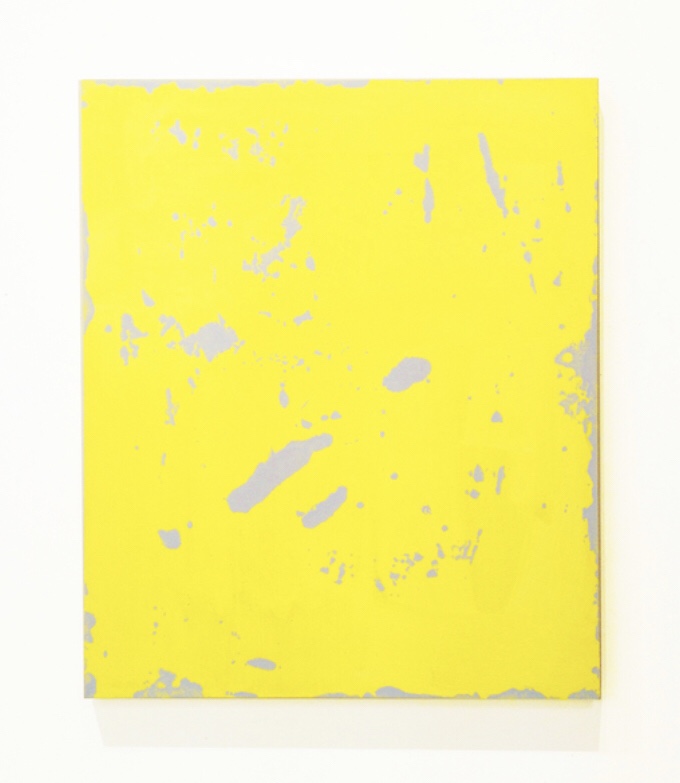
Stephen says about below as a series that “conveying paint to canvas by means of a system that uses printing plates instead of brushes would save a lot of time and trouble. This indirect, intentionally imprecise production method yields the great pleasure of surprise while providing a concrete way to think about color, surface, scale, seriality, figure/ground, original/copy, and the psychology of visual perception.”
#stephenmaine
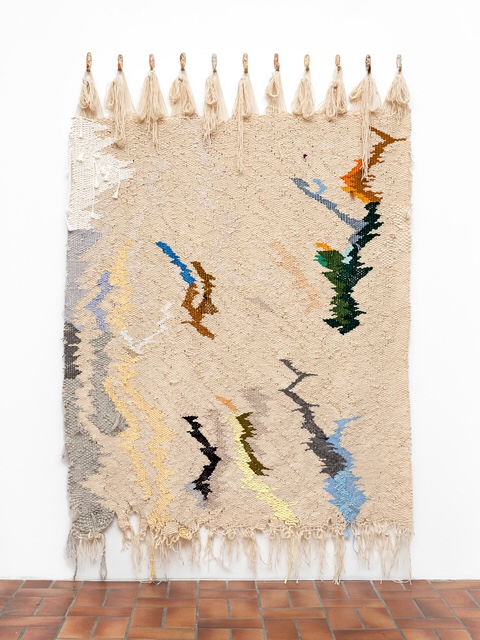
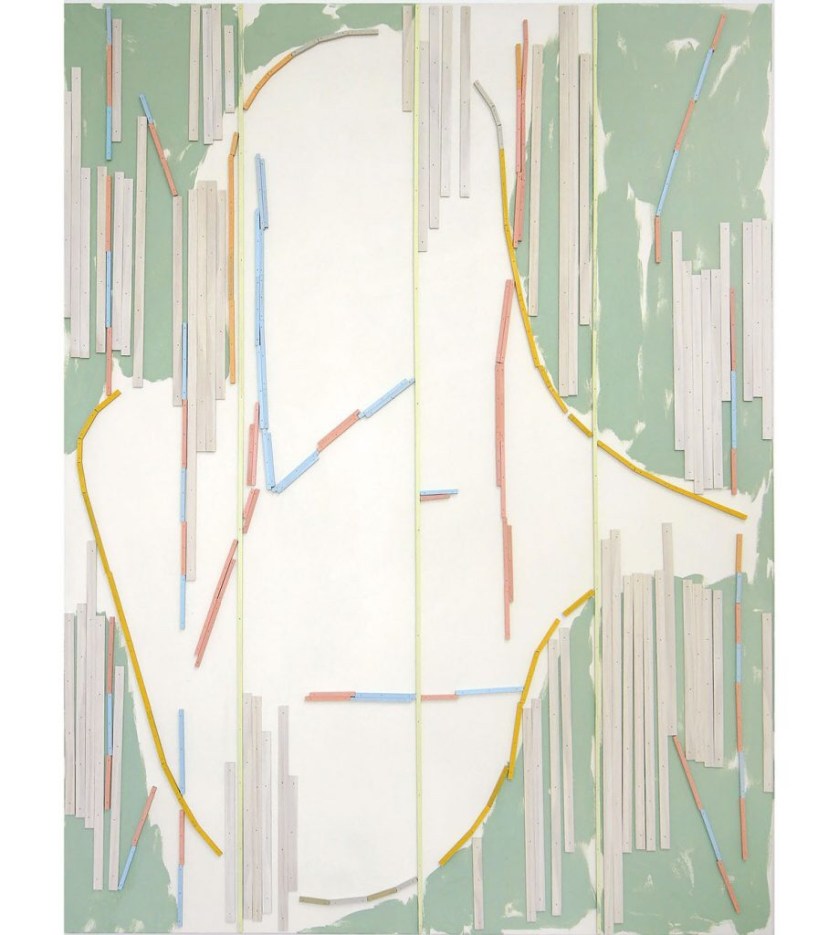
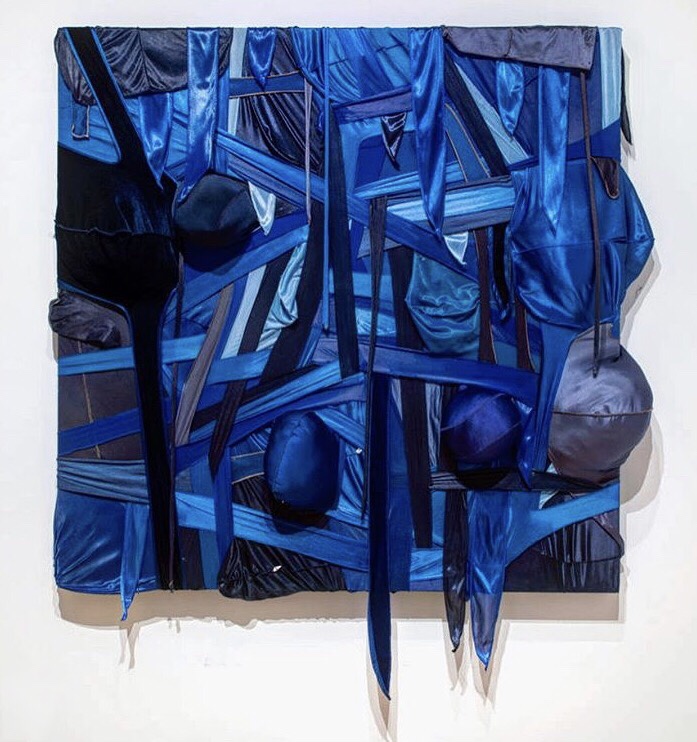
Was reading the print edition of Artforum when the image below grabbed me. Which lead to reading this interesting interview about the themes that- like the disparate materials she uses- are woven, literally, into her work.
#anncathrinnovemberhøibo


 Painting After Art is Dead