Is a recent Hopper Prize Winner. They explore our psychological and emotional connection to place and memory, specifically in relation to ruination, surface, and decay, and how these themes link with notions of mortality.
#jodennis
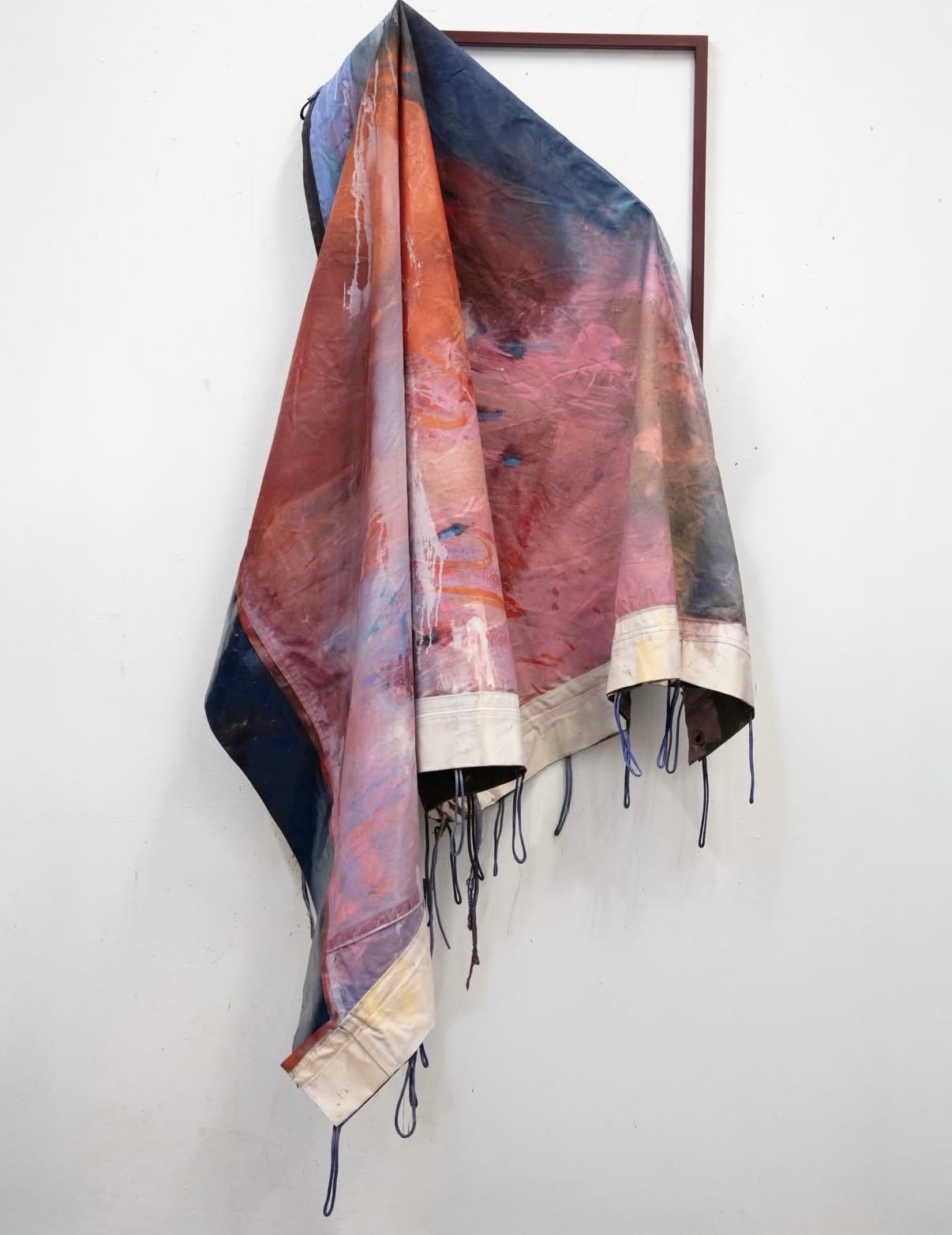
Is a recent Hopper Prize Winner. They explore our psychological and emotional connection to place and memory, specifically in relation to ruination, surface, and decay, and how these themes link with notions of mortality.
#jodennis
like Sharon has shown with CLEA RSKY a project-based space that showcases artistic experimentation and irreverent exhibition formats.
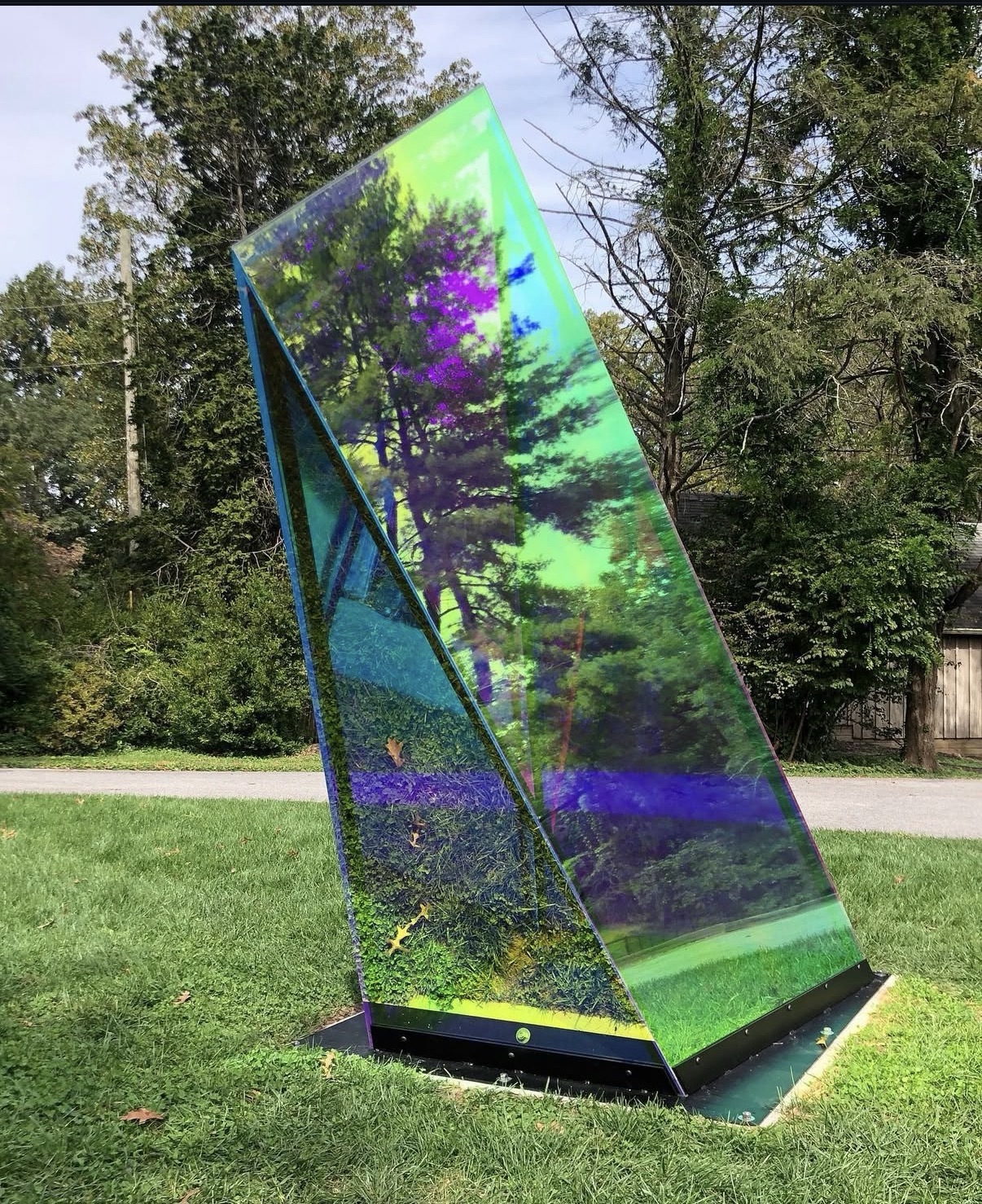
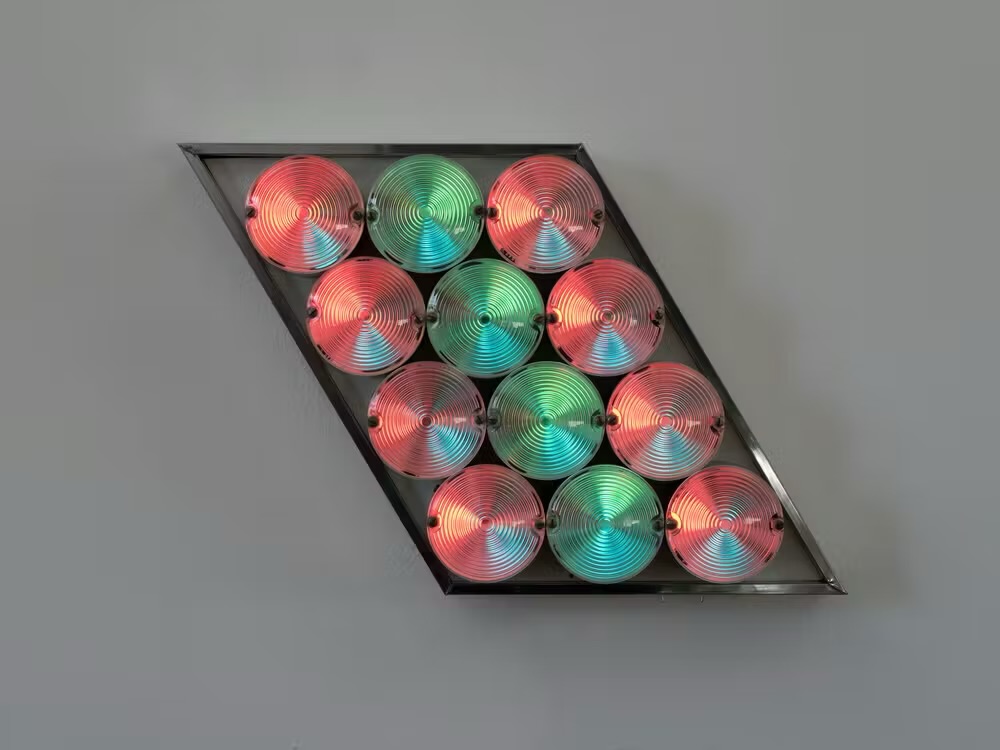
Marcus’ work explores the transformative power of light. Drawing from his lived experience within the carceral system (much like Sherril), Manganni first developed techniques such as reflection, refraction, and sun mapping while in solitary confinement.
more
#marcusmangiani
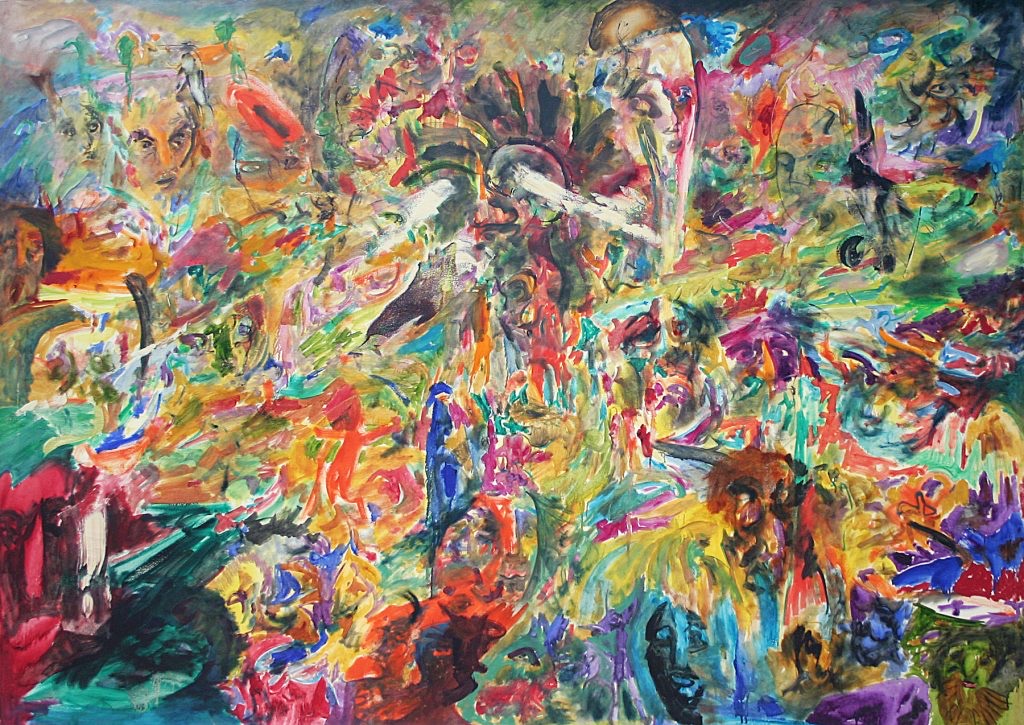
Jack had a really great moment in 2025, and deservedly so- Helen Molesworth put his retrospective at the top of her “best shows” list (link is to her year end wrap on the David Zwirner pod “Dialogues”). I did not get to see The Messenger but I did see to see 9.11.01 shortly after MOMA reopened in 2020.
In the snobbish spirit of “I dug him before you guys,” I first blogged about Jack in 2019 to note a fantastic show at the Baltimore Museum of Art which (posthumously) included his work and many others* and which at the time, inspired me to create a “gallery” on Pinterest of Jack’s work.
I also really like to show my students, when I have occasion to teach, this wonderful (YouTube) Art21 video that includes some interview audio with Jack made while he is in his studio.
*I’ve previously blogged about a number of exhibits including above at BMOA, which center the practice of nonfigurative art work created by Black Americans. I’ll note that Black artists on this blog are not all of African descent, and, if you are interested in what artists from Africa are up to, I have a hashtag for that, too.
More (Wikipedia)
#jackwhitten
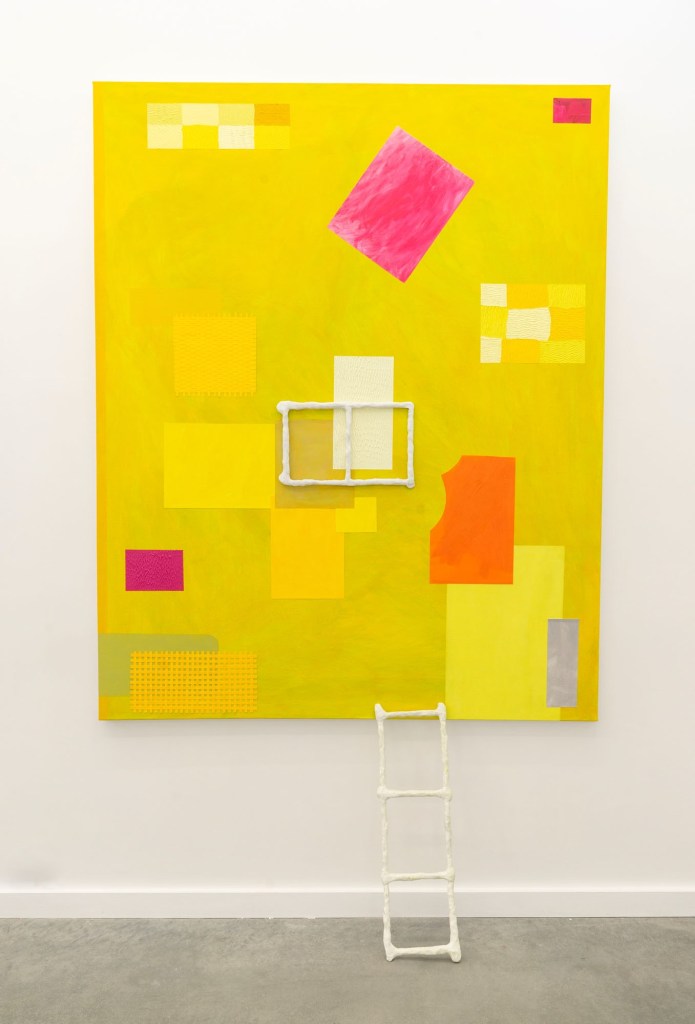
is one half of Slip at Overlap (with Olivia Baldwin*). She is particularly drawn to and work within the themes of landscape, femininity, and beauty.
*Two Coats published a conversation between Barbara and Olivia in the context of their exhibit
#barbaraowens
UPDATE apologies to Barbara for initially publishing a post with an image incorrectly attributed to her
Ben Godward says, in the context of Lim’s show “Yard” (Madang) at Shin Gallery, that they don’t paint their sculptures but rather find the color in the city. Ben also notes that while Western artists look to use Western aesthetics to illuminate Eastern philosophy, Choong does the reverse.
More (from Yau)
#choongsuplim
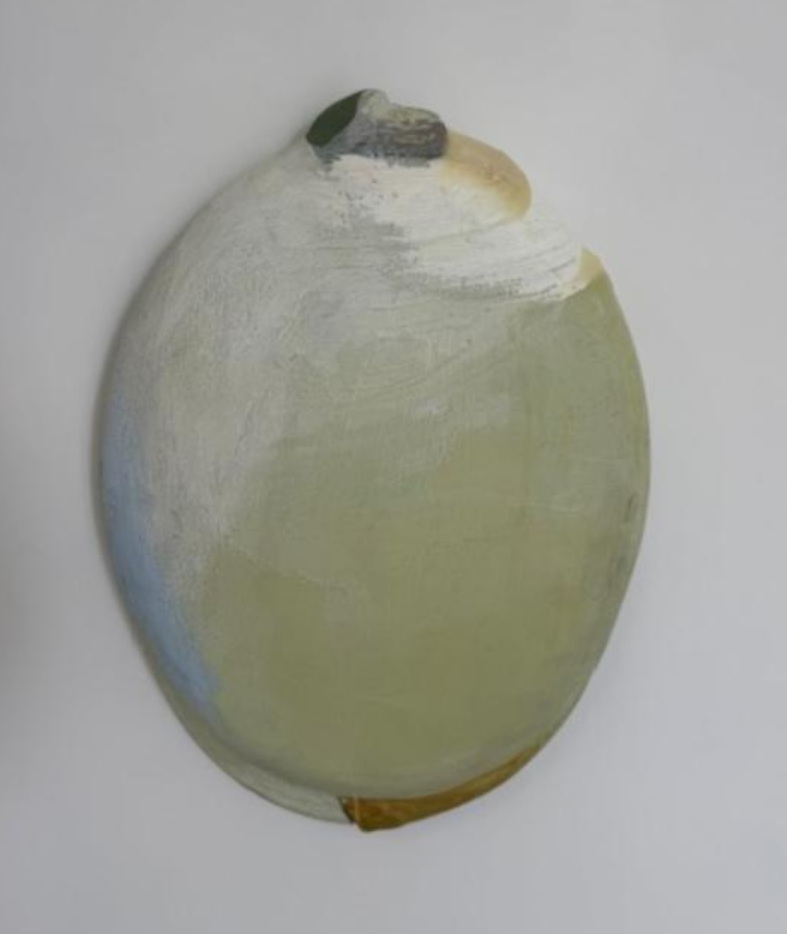
Artsy notes galleries and museums are featuring shows of exceptional Black artists who are tackling complex subjects from housing policy to interpersonal relationships. Vielmetter in LA gets a nod for their exhibit Some Lives in the Sunshine featuring Rodney (Suzanne also gets flowers, once again).
More
#rodneymcmillian
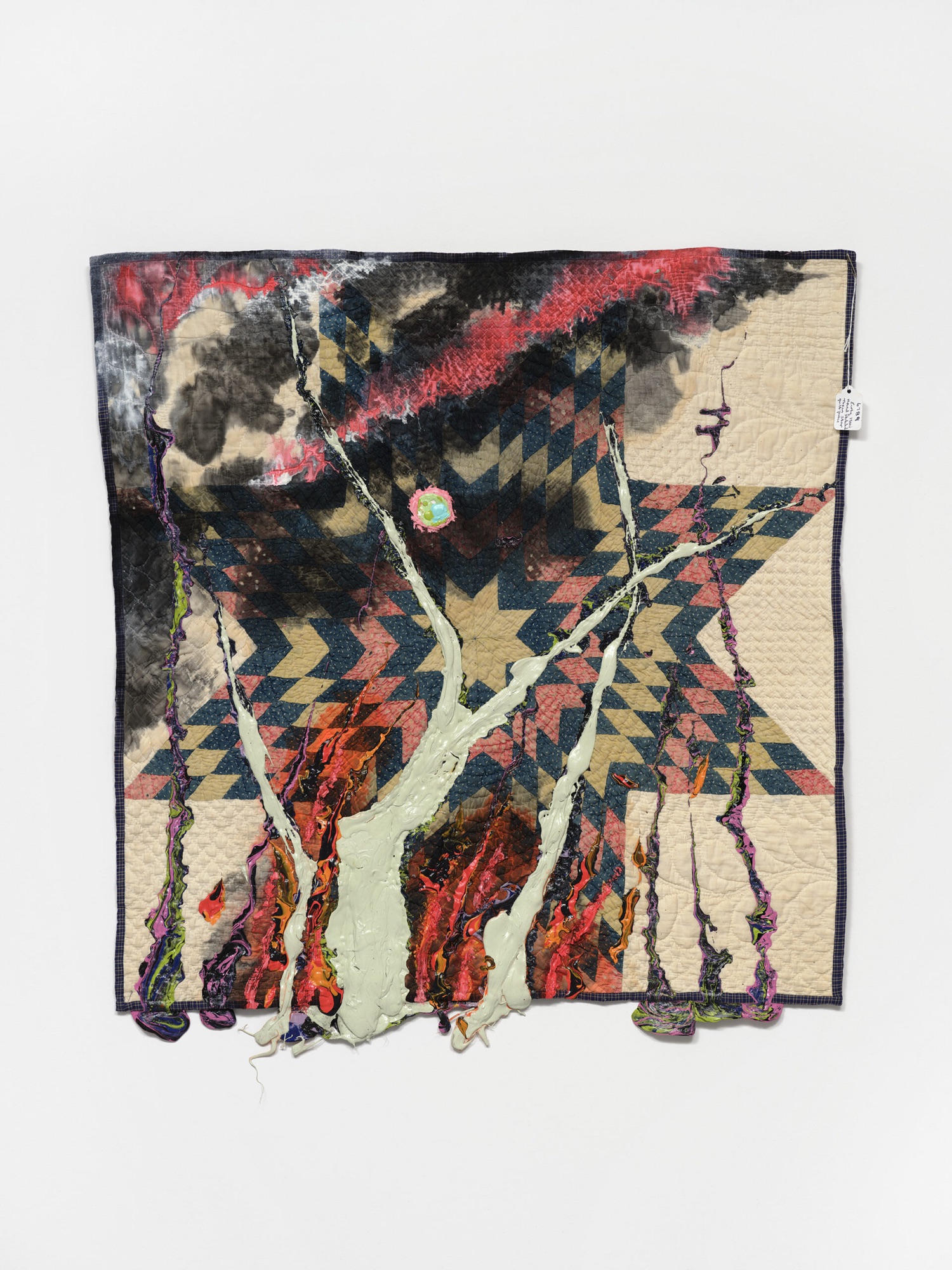
No one who regularly reads this blog will be surprised to see Sharon’s name, but perhaps surprised for me to blog about her. I have of course (before today), originally in 2020, as I was first discovering my favorite blogazine, when she juried/curated The Daily. The second image below is from a series of paintings that she was making at the time based on very quick sketches she was doing on her phone. The work for me was a step beyond provisional painting, and had a sincerity and love for materials that is lacking in that group. As a creative focused on the active faith it takes to produce in a time after Art has died, while holding the contradiction that it is likely a pointless activity, really resonated, and still does.
Sharon has started off 2026 with a couple of very interesting projects-one at McBride Dillman* and another at CLEA RSKY – so I wanted to update my flowers for her.
*from the gallery- “Sharon Butler’s “new casualism” takes up the incomplete, the provisional, and the unfinished as meaningful categories. Her paintings challenge the authority of polish and perfection, foregrounding process as a form of truth-telling.”
#sharonbutler
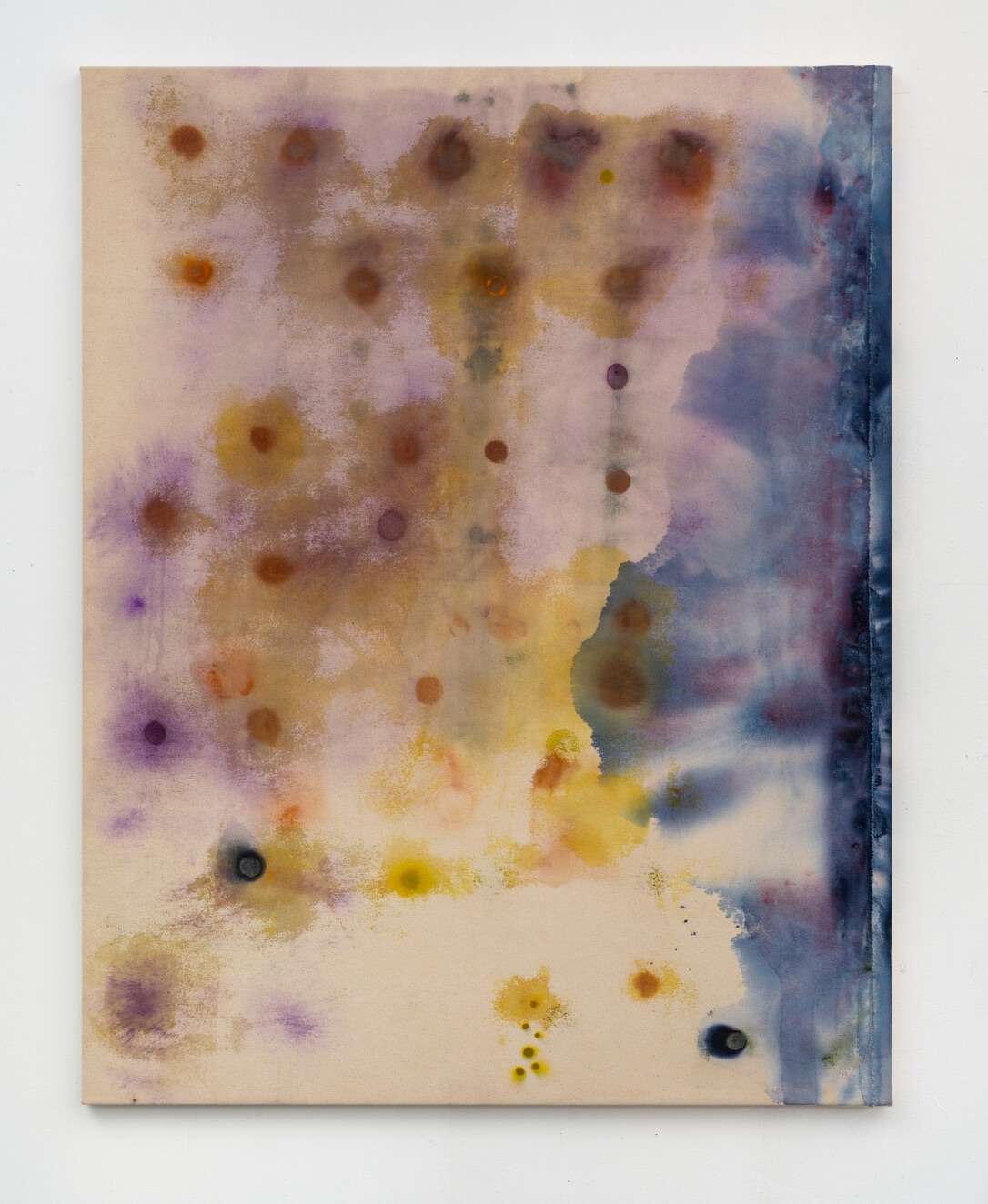

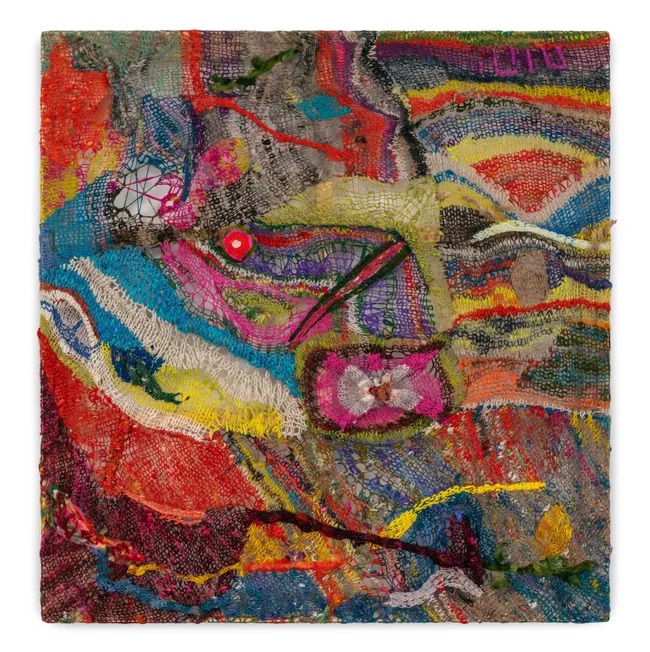
had an amazing show overlapping the turn of the year: Cutting Room at Anchorlight. Not all of it was abstraction of course, and her interest in non-representational forms (like Sabrina) relates to optics- to be clear her main interests are in film and the history of women’s labor. Fascinating stuff- oh did I mention these are made on a loom?
#katenartker
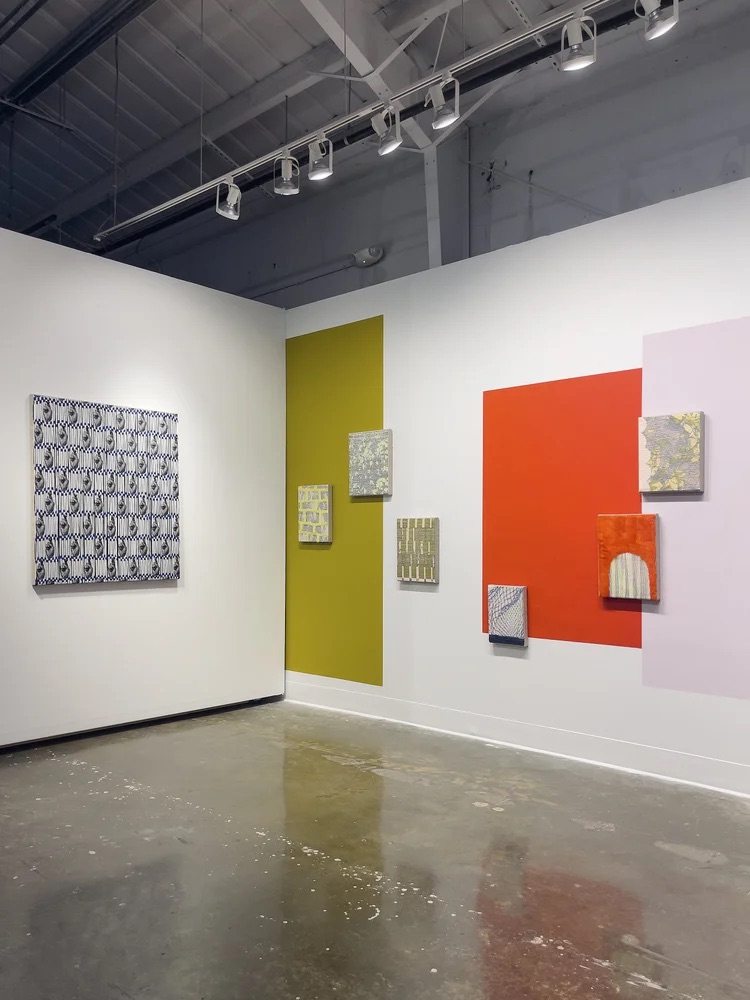
Mostly posting this for local folks who, like me, fell in love with Kate Nartker’s work because of her recent exhibition at Anchorlight (yes I’ll do a blog about Kate tomorrow). And! Yes, there are images embedded in these patterns- opticality and film are part of a Venn diagram that overlaps many concepts with which abstraction is concerned.
#sabrinagschwandtner
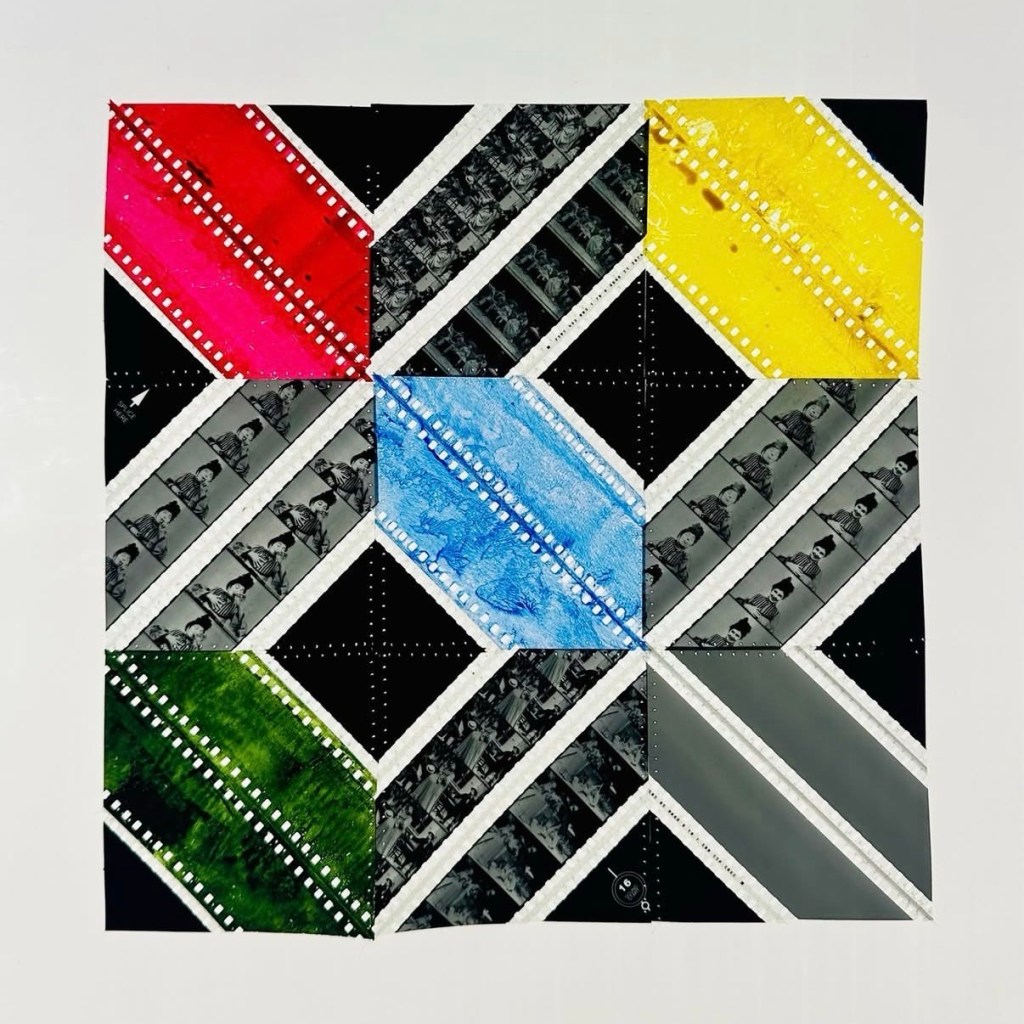
Painters on Painting looks at Under the Sky, Above the Sea, a solo exhibition by Leila at the Visual Art Center of New Jersey in Summit.
#leilaseyedzadeh
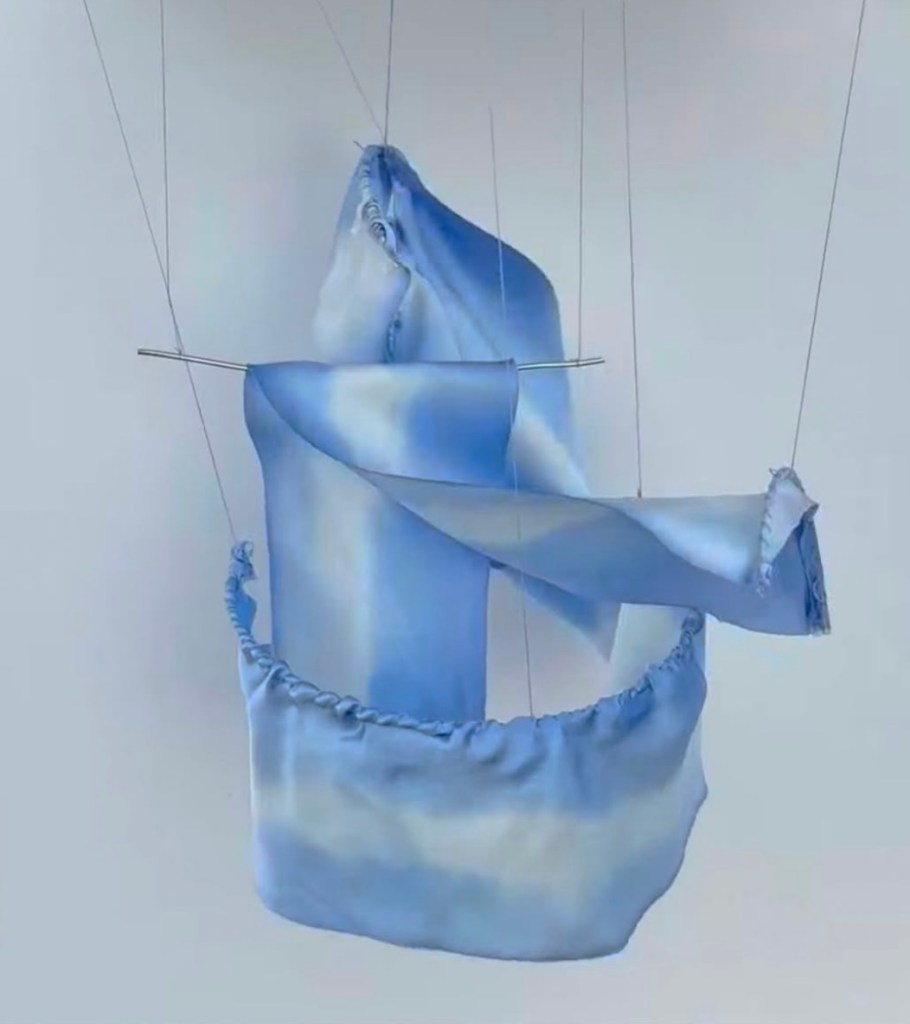
I first became aware of Tillyer’s work when I stepped into Bernard Jacobson’s booth at the 2020 iteration of the Armory Show, which is also when I learned that Jon Yau called William the most adventurous artist of our time. That’s high praise indeed considering he’s a contemporary of David Hokney, Howard Hodgkin and Richard Hamilton. Yes that’s means this blog is year another refresh.
Grace Palmer did a nice review of The Watering Place at Jacobson last Fall about “the Art world’s misunderstood beauty.”
#williamtillyer
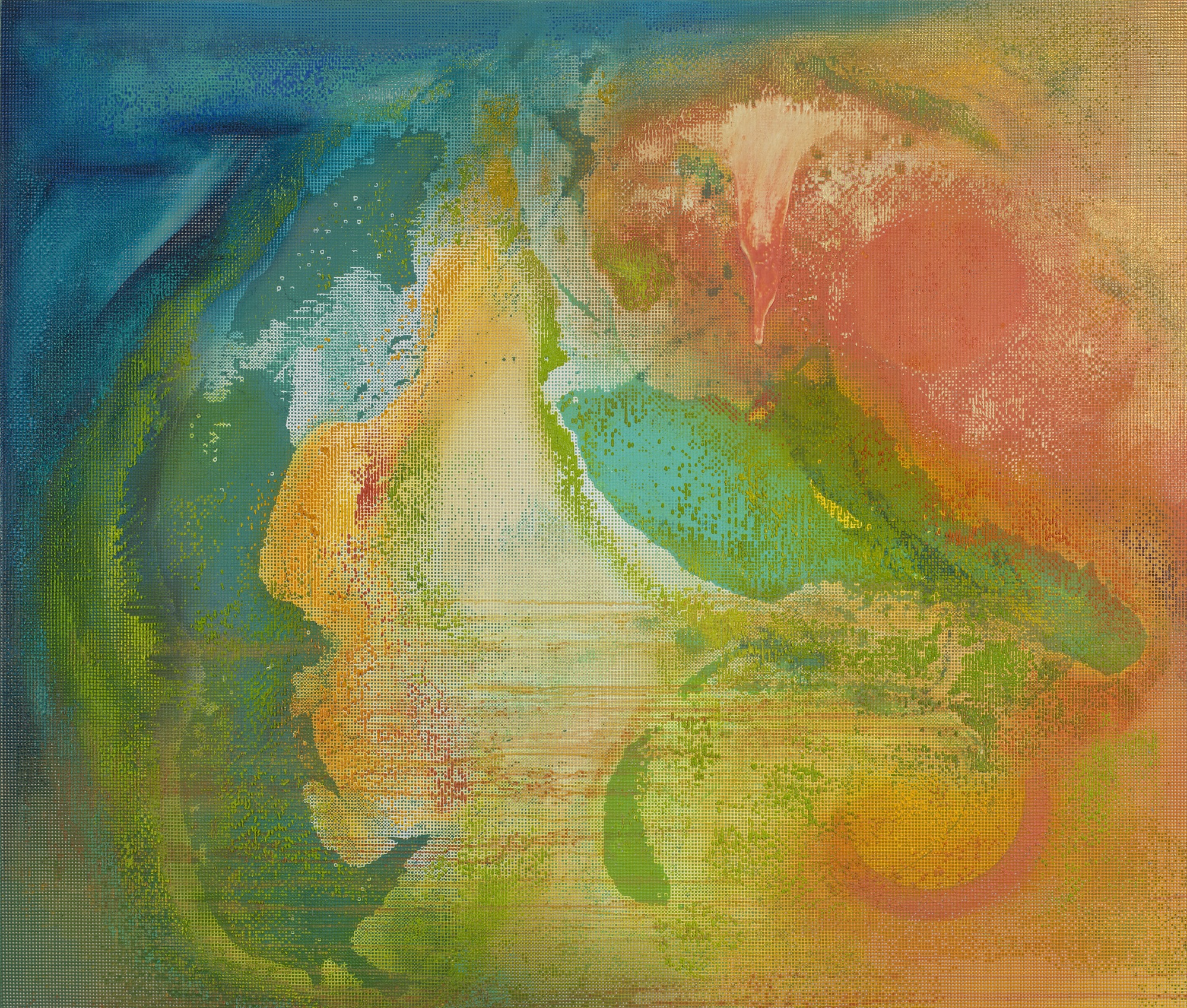
was one of three artists in Triple Hits at Barbara Davis. Philip at Burnaway has words noting that Mellor’s digitally and hand-worked photographic distortion challenges straightforward communication.
#jademellor
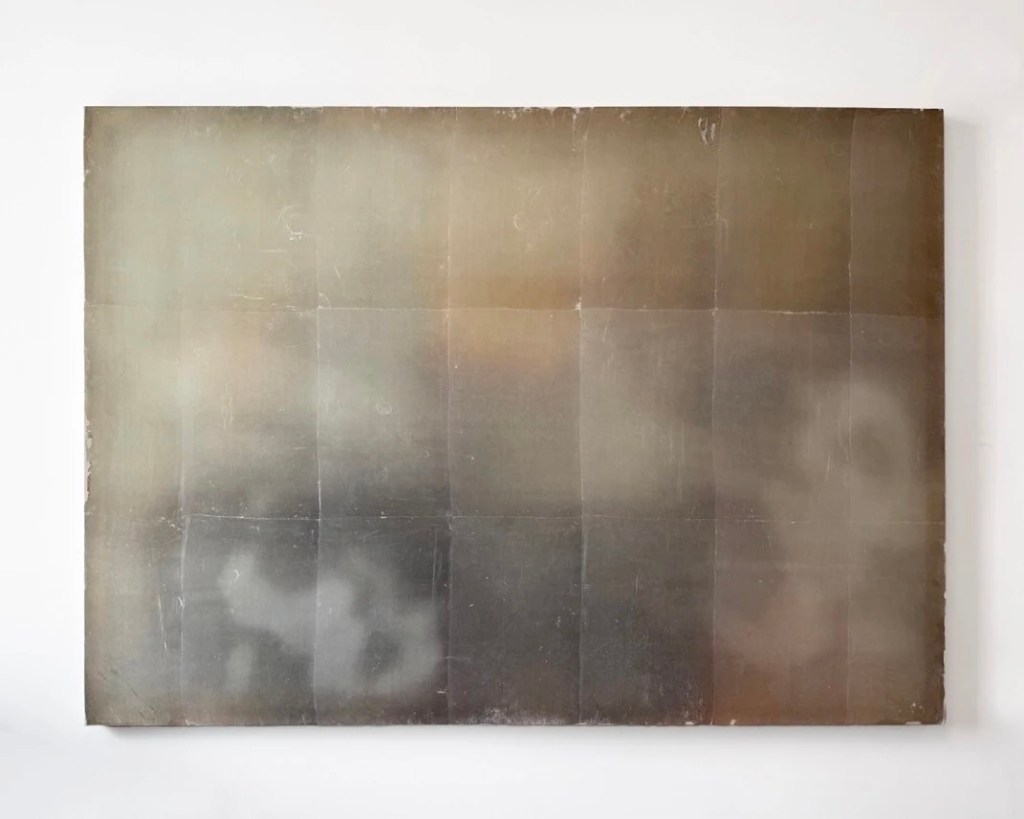
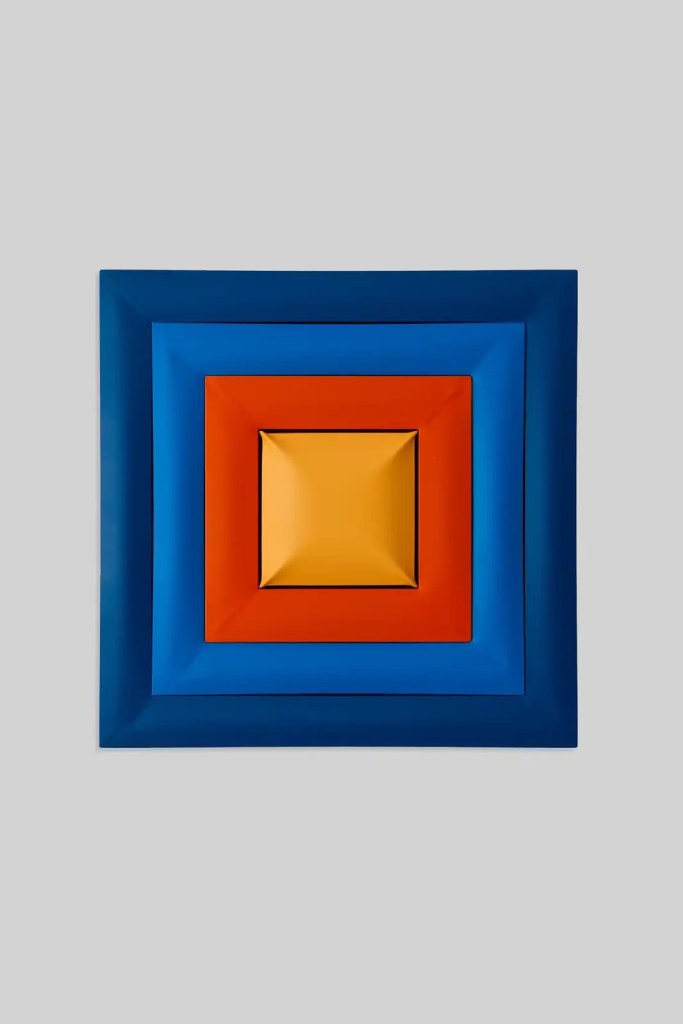
Danielle at Artsy ranks the 10 best public art works installed in 2025 (international version in case you were wondering) and points at Shaikha’s Deliberate Pauses. Mazrou’s practice is anchored in history of art, borrowing formally from minimalism and intellectually from conceptual art. Influenced by artists from the Modernist and Bauhaus Movements – such as Paul Klee, Carle Andre and Wassily Kandinsky – Al Mazrou uses the formal aspects of minimalism to engage in a current fascination with materiality in art.
#shaikhaalmazrou
 Painting After Art is Dead