was interviewed recently by Noah Becker, founder and writer at Whitehot Magazine, in the context of his newest in London at Massimo de Carlo.
#peterschuyff
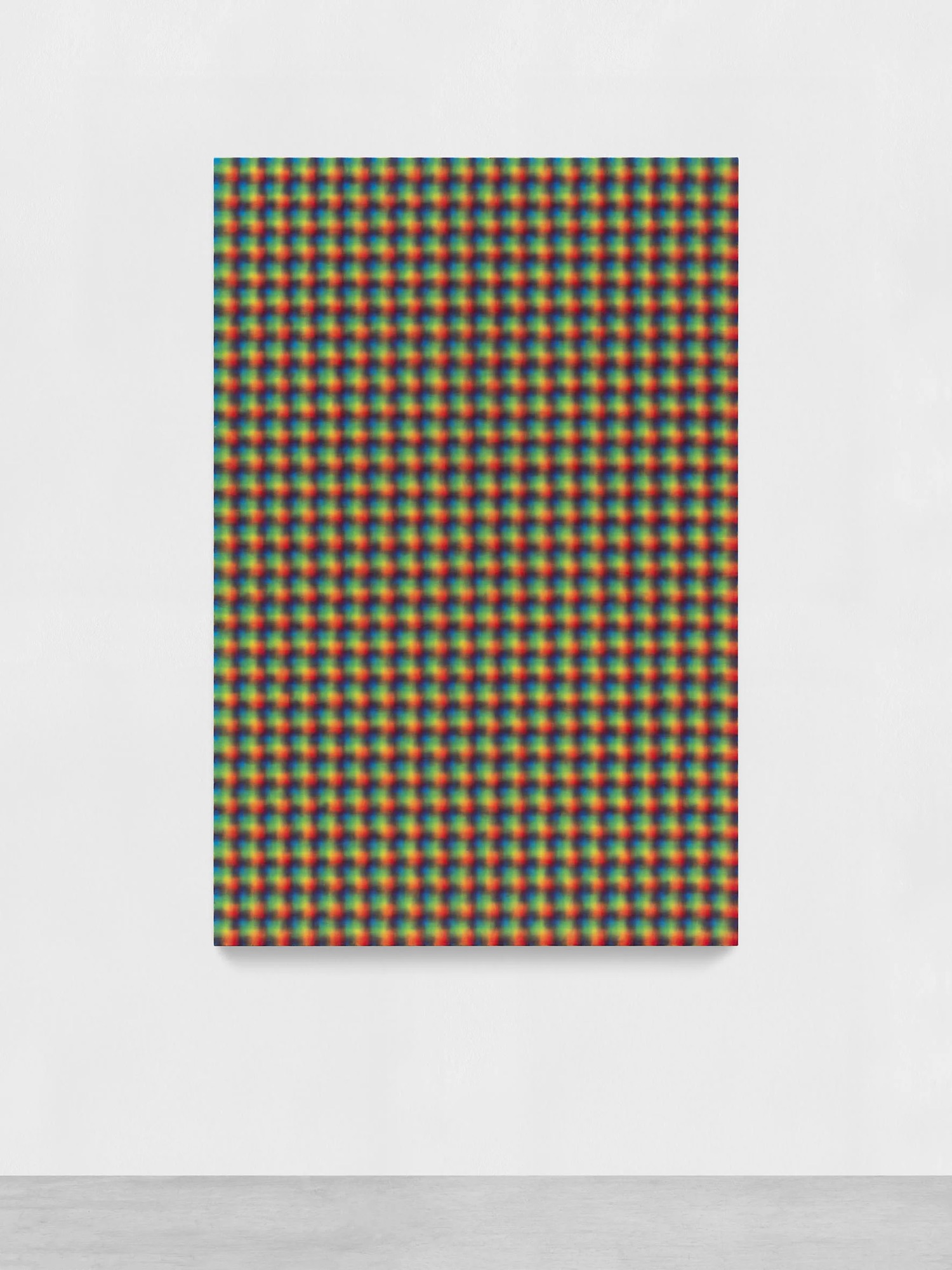
was interviewed recently by Noah Becker, founder and writer at Whitehot Magazine, in the context of his newest in London at Massimo de Carlo.
#peterschuyff
Isensee is an NC-born painter. Riad at Whitehot notes his newest at Miles McEniry.
I first blogged about their work early on (2018!), and att I made a note about how Neo-Geo almost ruined abstract painting (Warren has been making work since the 80’s- here is something from 2001) and that to my eye their practice is committed to formalism (writing that his work is too insistent on being seen to be a sign for some conceptual “agenda”).
#warrenisensee
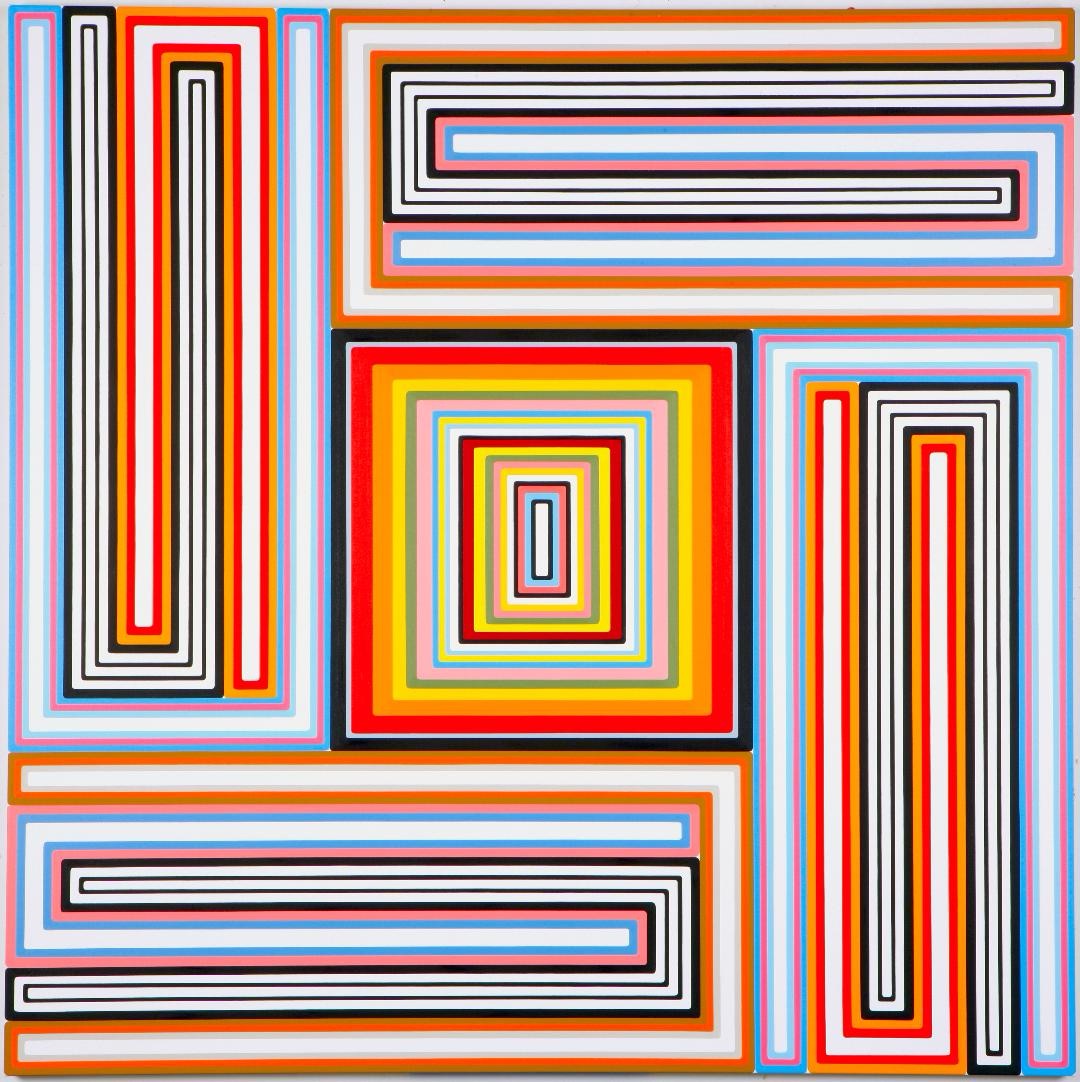
Getting ready to teach the history of Abstract painting recently made me realize I’d never blogged about Piet, the founder of De Stijl and easily one of the most recognizable early Modernists.
More on How Piet Mondrian’s Abstractions Became a New Way to See the World.
#pietmondrian

Karl at Whitehot has words about Georg’s chromatic logic (in the context of a recent, posthumous exhibit of the German artist’s work at Nino Mier Gallery.) Rising through the hard-edge movement after World War II, his work pivoted between Bauhaus experimentalism and New York’s emergent formalist abstraction.
More (estate IG)
#georgkarlpfahler
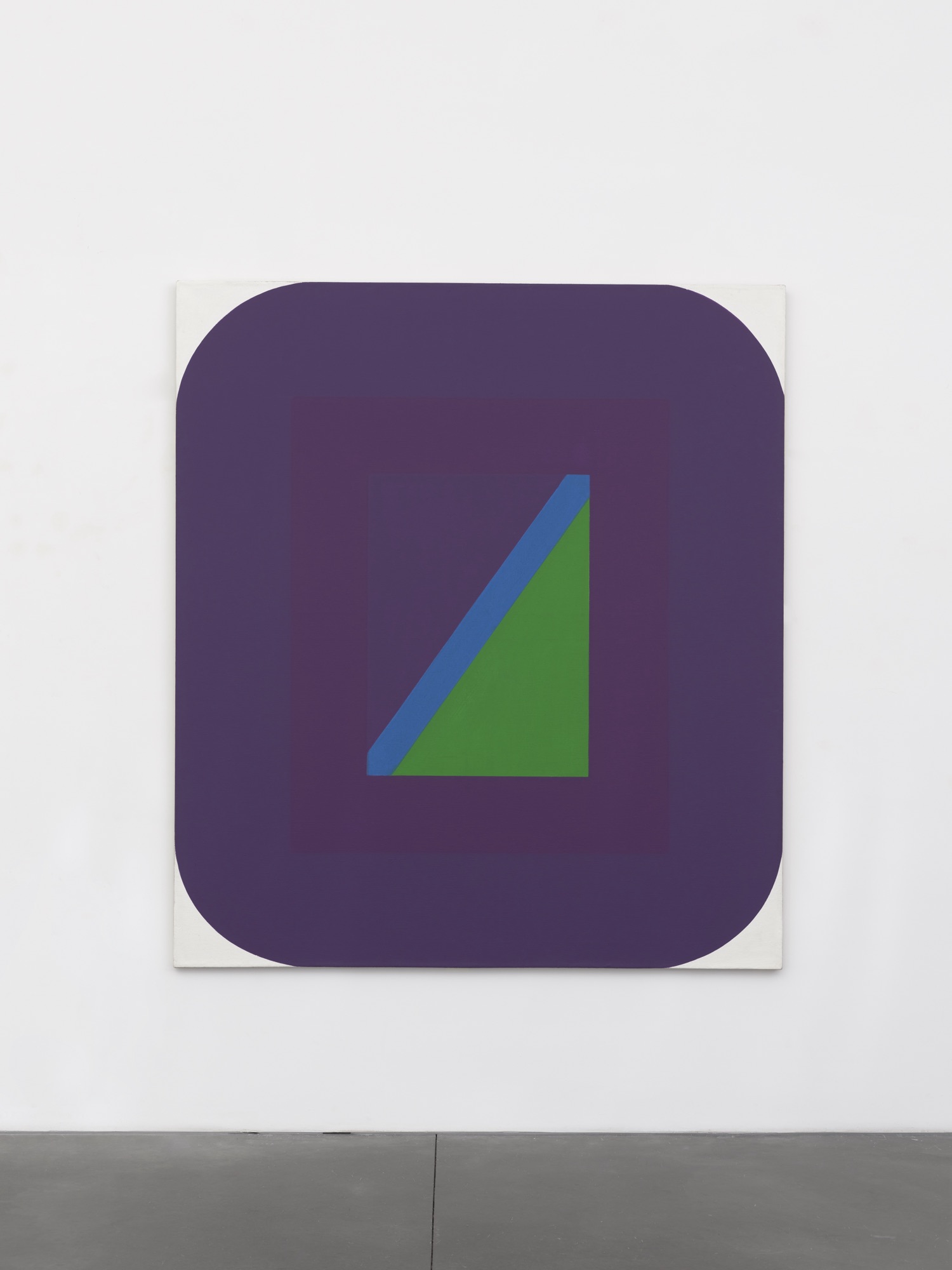
I first wrote about Timothy when BmoreArt noted the “systematic rigor” in States of Mind in 2021.
Updating the blog as he recently passed. If you have a moment and need some sad but uplifting prose read Cara Ober’s homage to this artist and teacher.
#timothyapp

is (posthumously) one half of After the Responsive Eye at Pie Projects Contemporary Art (along with Signe Stuart
#olisihvonen
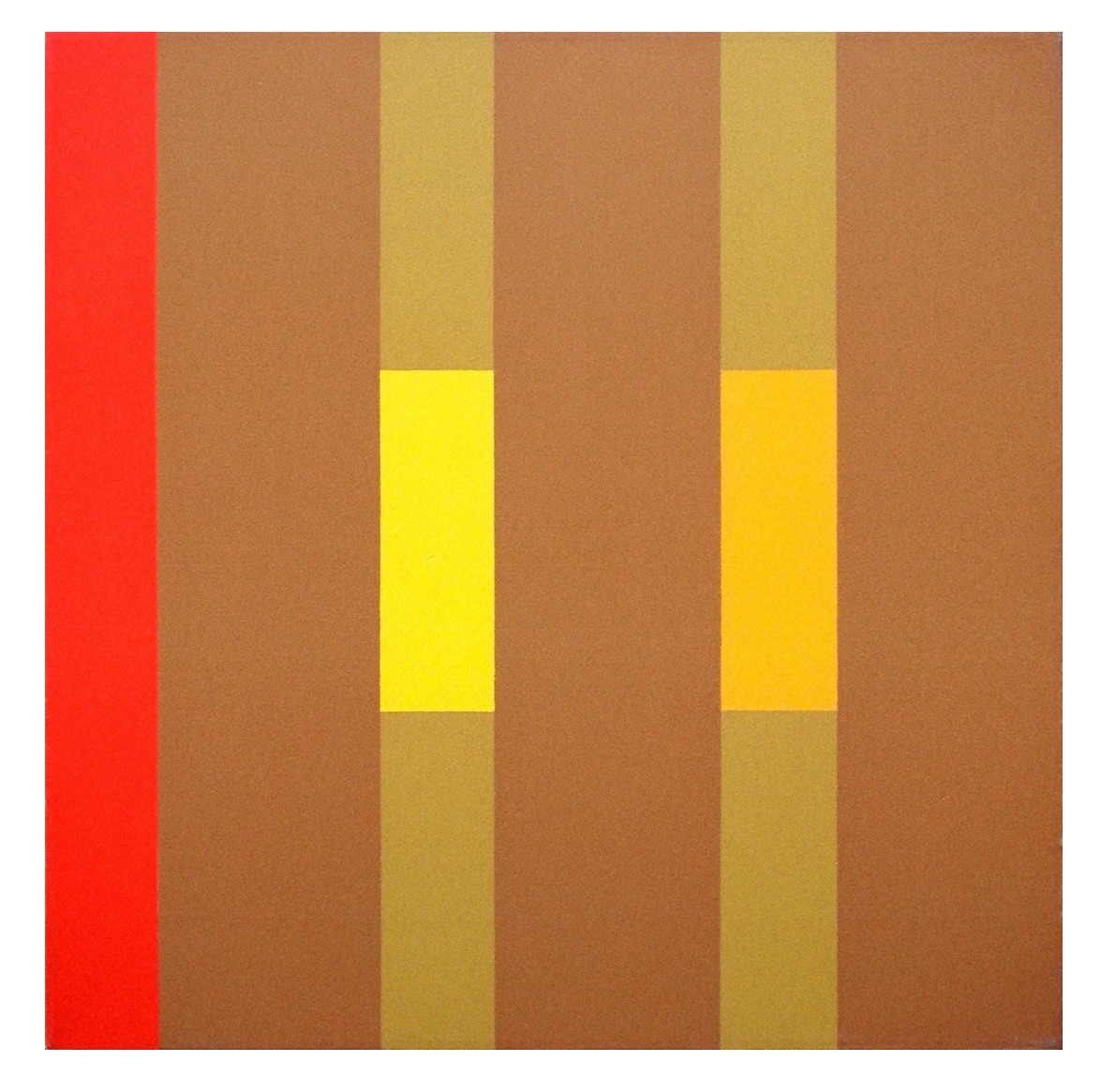
gets a nice nod in an Artnews article covering new acquisitions by the Tate (“yes” they were one of the included artists)
#lubnachowdhary

work is orchestrated with a collection of colours, shapes, and lines that have caught her eyes as she moves through daily life. These elements have slowly become the vocabulary she uses to tell her stories and give shape to her personal impressions of the world around her. Her hope is that her art becomes a space for the viewer to transcend the moment and to experience a sense of relief and inspiration, as a favourite piece of music might.
#mariongriese

has actually been mentioned here before, when he wrote for TUSSLE Christopher. They’re also a good writer: (from his statement) “Abstraction, now more than ever, has become an exercise in painting in tongues, pulling both painter and viewer toward a practice of highly idiosyncratic systems of signs, and paradoxically seems to be at the moment one of the best tuned visual instrument to explore our diverse commonalities.” He is one of the ten artists Saul Ostrow included in Building Models.
More (yeah I know, they’re pretty fantastic)
#gwenaelkerlidou
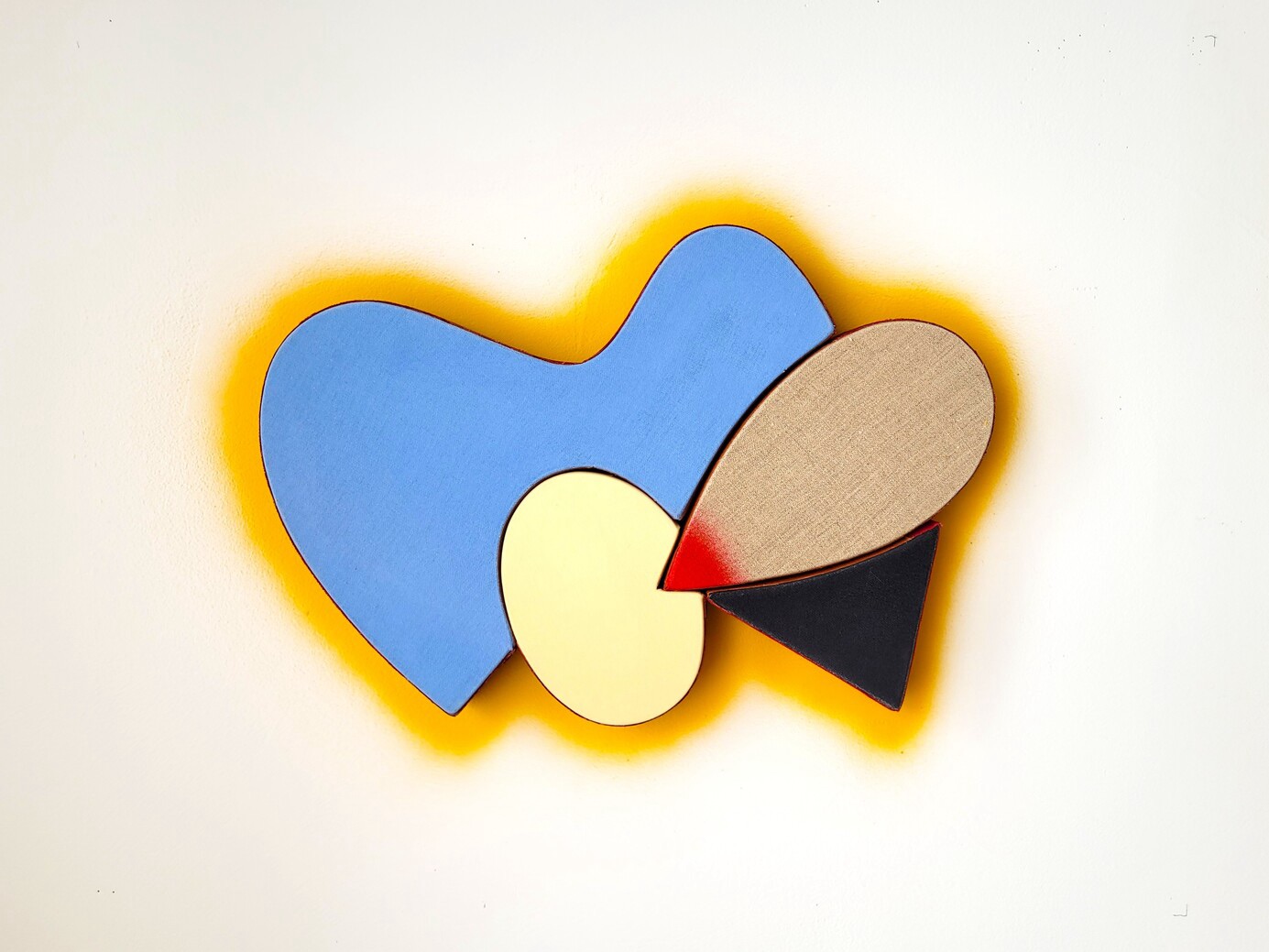
is one of the 10 artists included in Building Models: The Shape of Painting at the Painting Center which is recently referenced in another blog. Stamm’s work are fully abstract, and it is unnecessary for the viewer to know the origins of what he or she is looking at in order to experience them the way the artist intended. Black is a consistent component of Stamm’s work, a color that he associated with rebellion, rigor and reduction.
#tedstamm
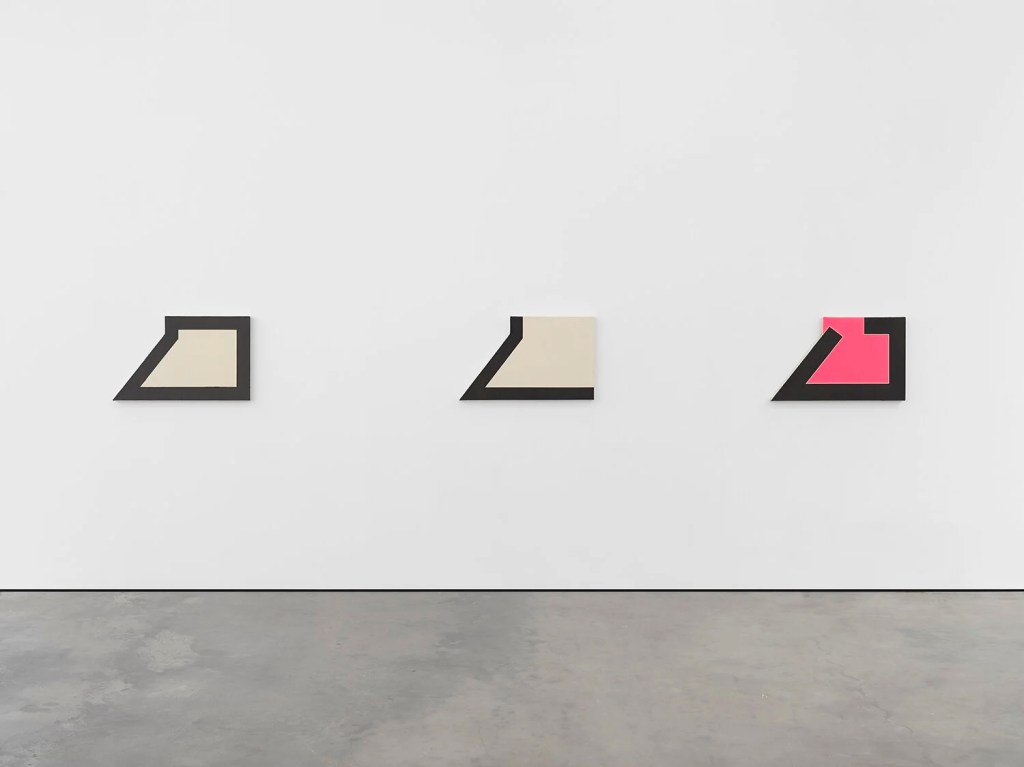
Patricia Zarate is a visual artist whose work has been exhibited in the United States and internationally in Croatia, Colombia, France, Germany, Greece, Netherlands, Puerto Rico, South Korea, and Thailand.
#patriciazarate

Sharon at Two Coats notes a major shift in Paul’s work evident in a (posthumous) exhibit at Garth Greenan. She notes that today when artists work freely across all mediums and platforms, “the measured boundary-crossing that Feeley undertook in the 1960s may seem quaint. Still, there is something durably refreshing about his conviction, then iconoclastic, that undulating lines and shapes could convey a robust sense of humanity, and that even hard-edge geometric shapes could convey emotional content.”
#paulfeeley

Sweet shades of Carlos Cruz Diaz these are some sublime paintings. Suzanne shows with White Cube.
More
#suzannesong

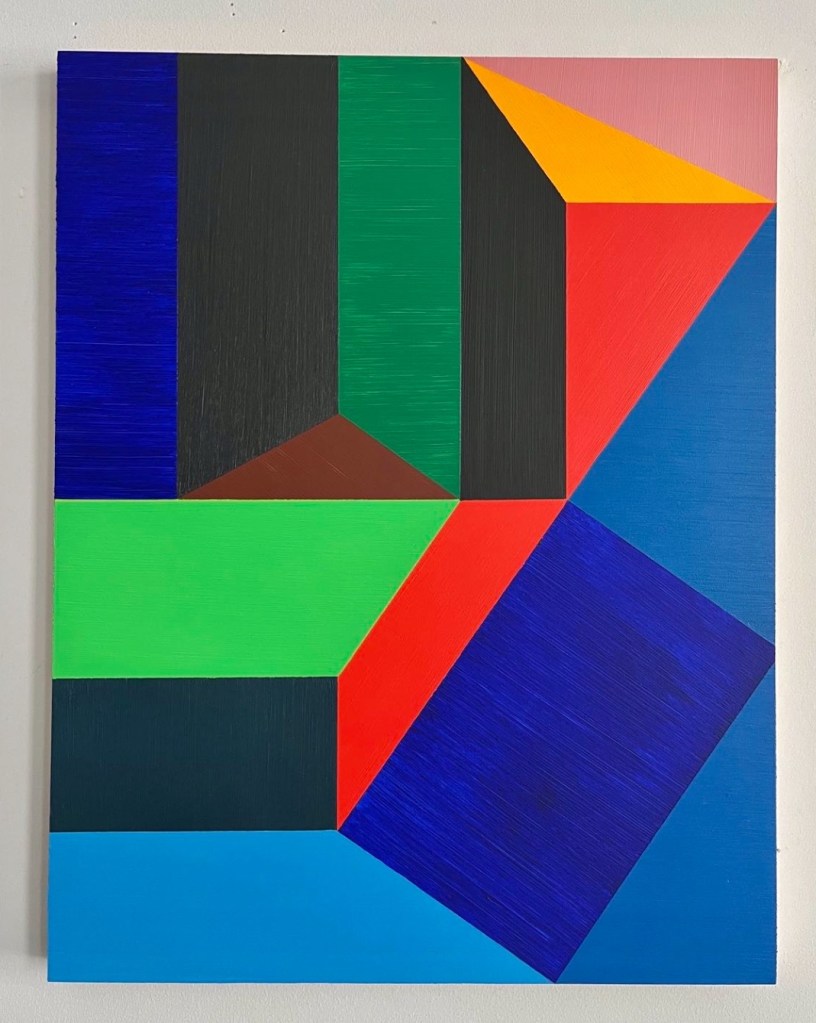
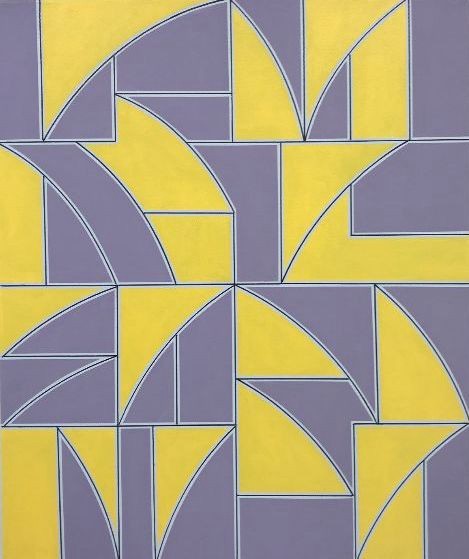
 Painting After Art is Dead