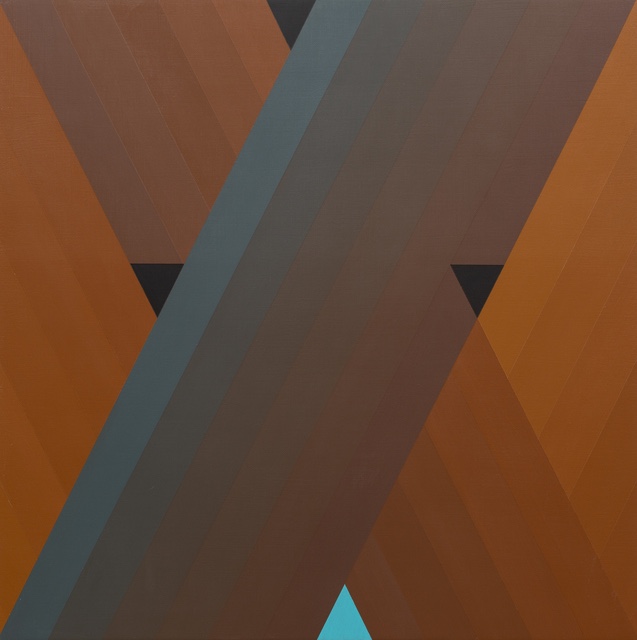
SLAG & RX Galleries are pleased to announce an exhibition of artwork by the late South Carolina artist Jerry Walden. This exhibition will feature four hard-edged minimal and one figurative acrylic painting from the early 1970s and 15 hard-edged acrylic on canvas or panel paintings of the artist’s late career from the 2010s. More
Davis’ six-decade-long career (which Parrasch Heijnen is pleased to highlight in the gallery’s first solo exhibition covering the same) has explored a wide range of media and methods, from mural to print, painting, sculpture, performance, and installation. As co-founder of the Brockman Gallery, the first major Black-owned contemporary art gallery in Los Angeles (1967 – 1990), Alonzo Davis sought to champion Black artists including David Hammons, Suzanne Jackson, Betye Saar, Senga Nengudi, Noah Purifoy, and John Outterbridge, among many others, in a time when white, male art was prevalent. Davis’ appreciation and promotion of Black artists and cultural references collected on trips all over the world are often referenced in his own work.
After a 2005 fire in her studio, Humphries produced the first of her scintillating “black light” paintings, which radiate wild, ghostly neon colors in dark rooms under ultraviolet light—not a technique that one sees contemporary artists using very often. “Fluorescent colors are very powerful, yet they were so bounded by these typical associations—African princess sex goddess, marijuana and magic mushrooms, Jimi Hendrix and the Doors, and that was kind of it,” Humphries said, sitting in a backroom at Greene Naftali, her longtime Chelsea gallery. “I grew up in the ’60s, so I was into it. Why not take something like that and see if you can make serious abstraction with it?” More
Hyperallergic notes that Three Women Artists: Expanding Abstract Expressionism in the American West uncovers the little-known stories of professional and creative gains in the region, and especially in the Texas Panhandle. Jeanne (who is no longer with us and was unfamiliar to me prior to this article) features in this story.
is in the newest New American Paintings (161). His work is similar to that of Mark Bradford or BR Goldstein in the sense that it is a collection of detritus which maintains much of its cultural significance.
Been trying out giving my update blogs a theme and this is the word that comes to mind today. I hope you’re all reading this (whoever you are) on Friday because day you are reconnecting with family, or friends if the former are not able to part of your day today for whatever reason. I am thankful for all 258 of you, for supporting my journey and making my practice real by seeing it.
One of the things I’m also grateful for is good art writing and critical discourse. I’m a big fan of Two Coats of Paint as readers will know, and this “blogazine” exists due to the immense creative energy of Sharon Butler. You should totally give Sharon’s newest release a listen- a conversation with the insightful Raphael Rubinstein. Their conversation has inspired me to re-read his important essay about a sensibility in the first part of this century which he called at the time Provisional Painting. One of the primary notions he addresses is “the impossibility of painting” and (I think) it relates to the notion I advance with the title of this blog- that Art is dead and we (painters at least) are creating in a time where this is no mission, goal, or destination.
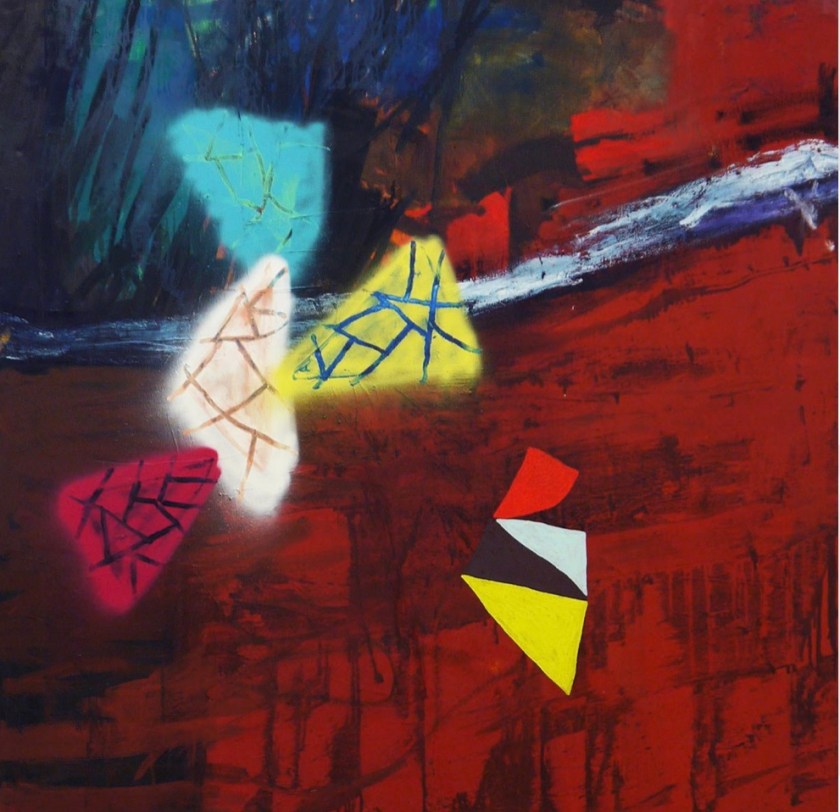
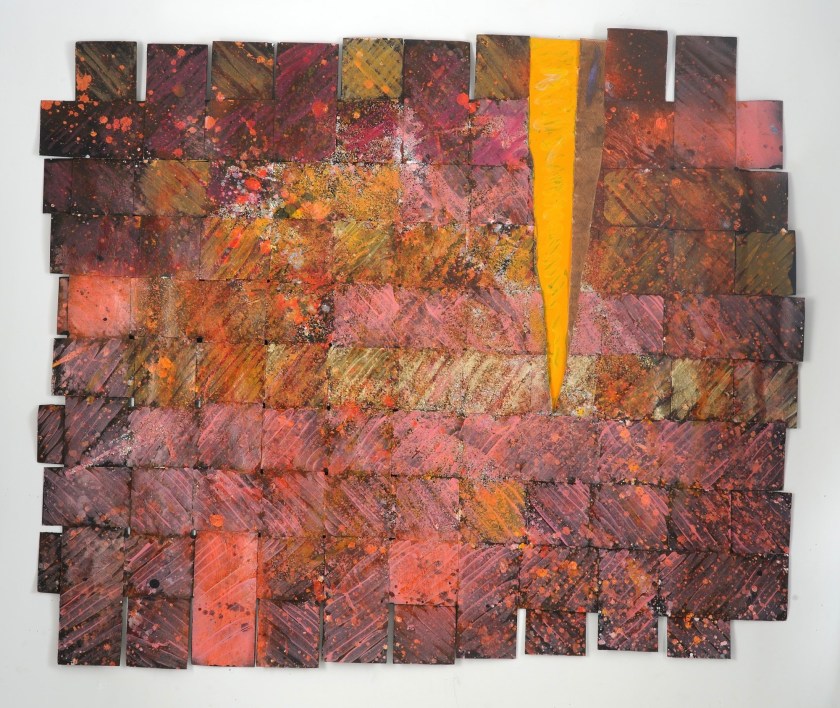
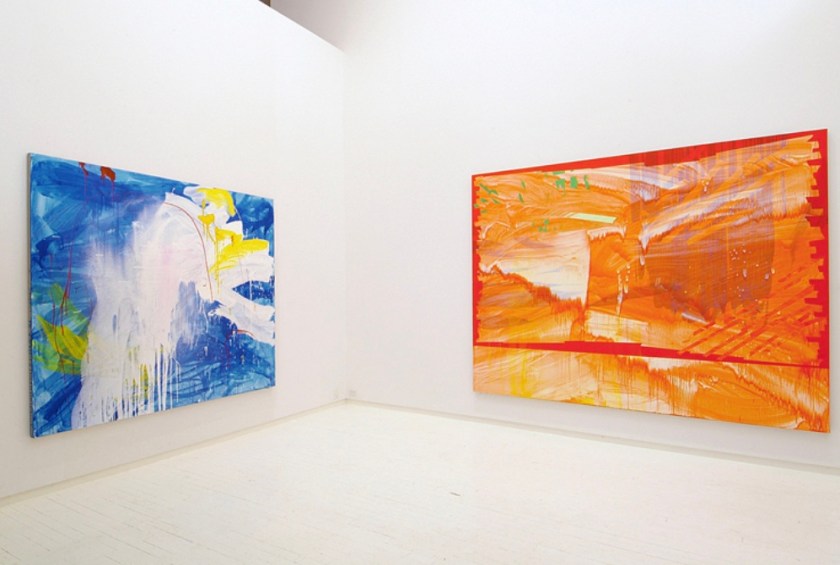
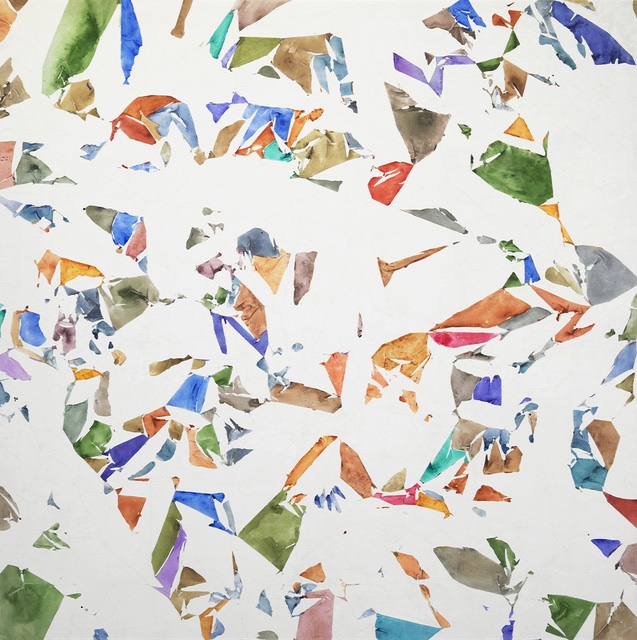
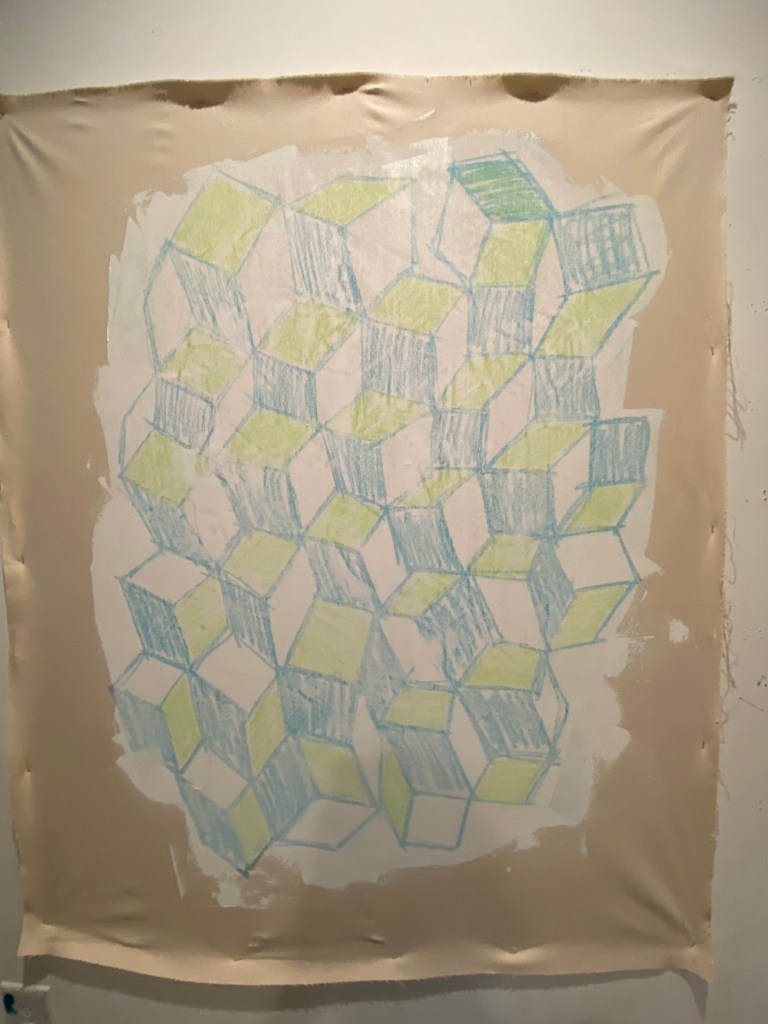
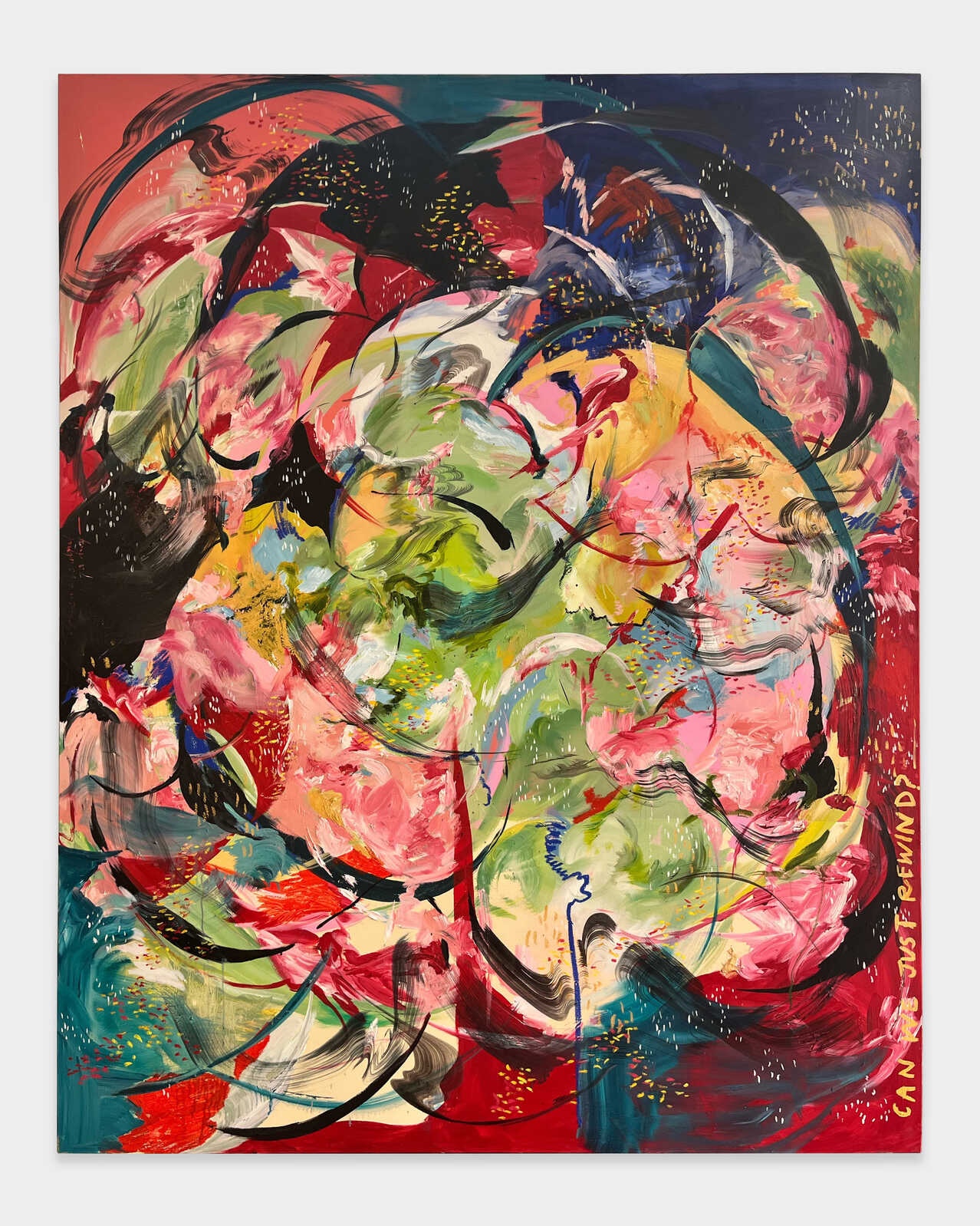
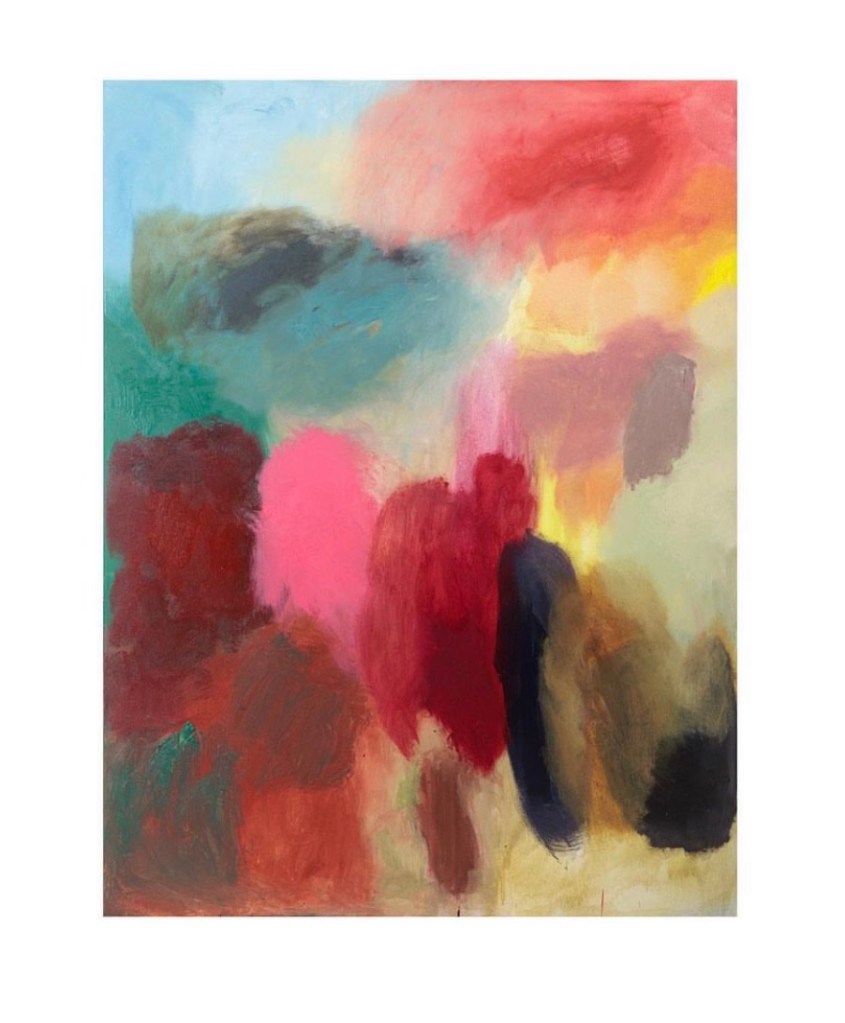
So I wrote recently that I ran into a wall and rather than beat my head on it I let it go. First couple of images below are included because I am reflecting lately on line and edge- focusing on the things that happen as the trapezoids interact. Also some progress shots. I (sort of) war in my mind between the idea that starting a painting from a raw canvas with no sketch can reveal things I wouldn’t discover if I had a set plan, and the idea that this is some grand, heroic gesture which is pretty fraught with historical weight that I don’t wish. Which, is one of the reasons that I talk about the theme of contradiction in my practice (two ideas which can simultaneously be true). “Yes” this practice can lead to unknown and fruitful places AND unpacking the problematic portions of the predominant narratives of Modernism and abstraction generally can be important to how I position myself in society as a creative.
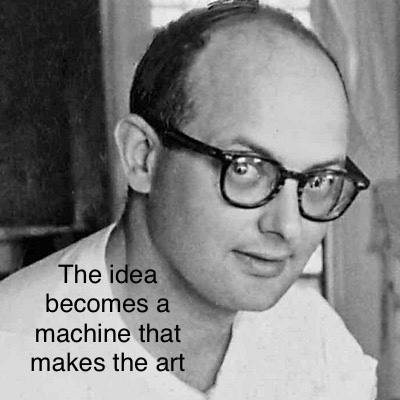
Also, been thinking a *lot* lately of the relationship between developing a system that generates compositions to what Sol Lewit said:






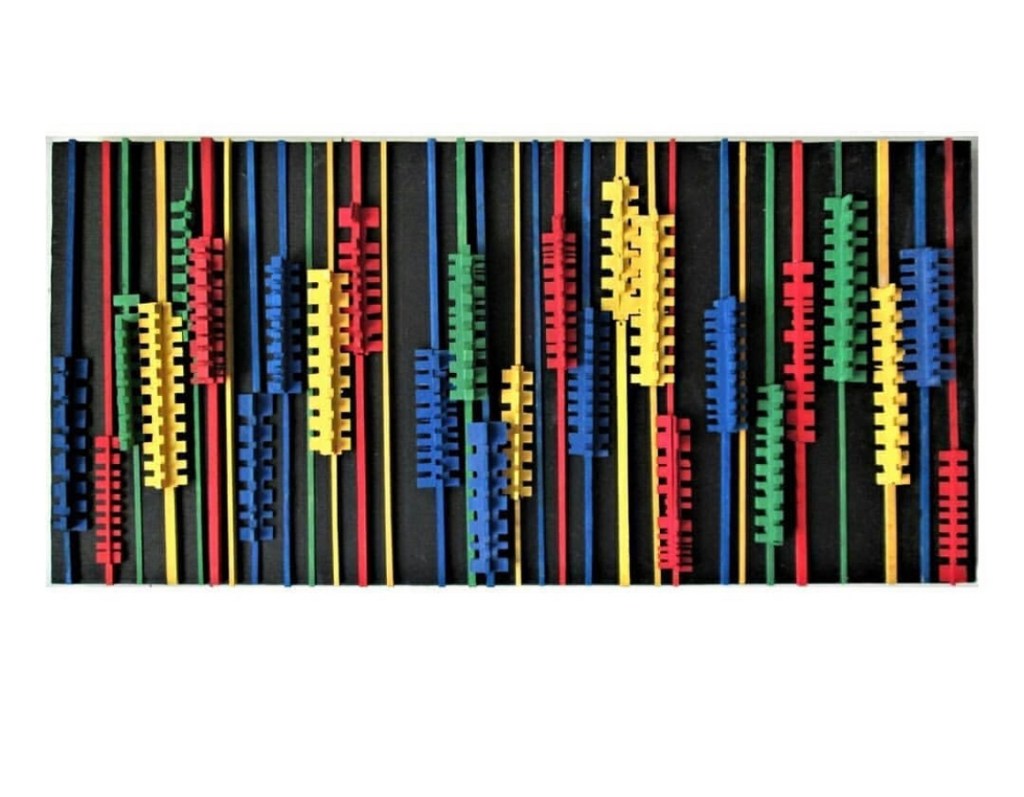

 Painting After Art is Dead