Modernism Redux

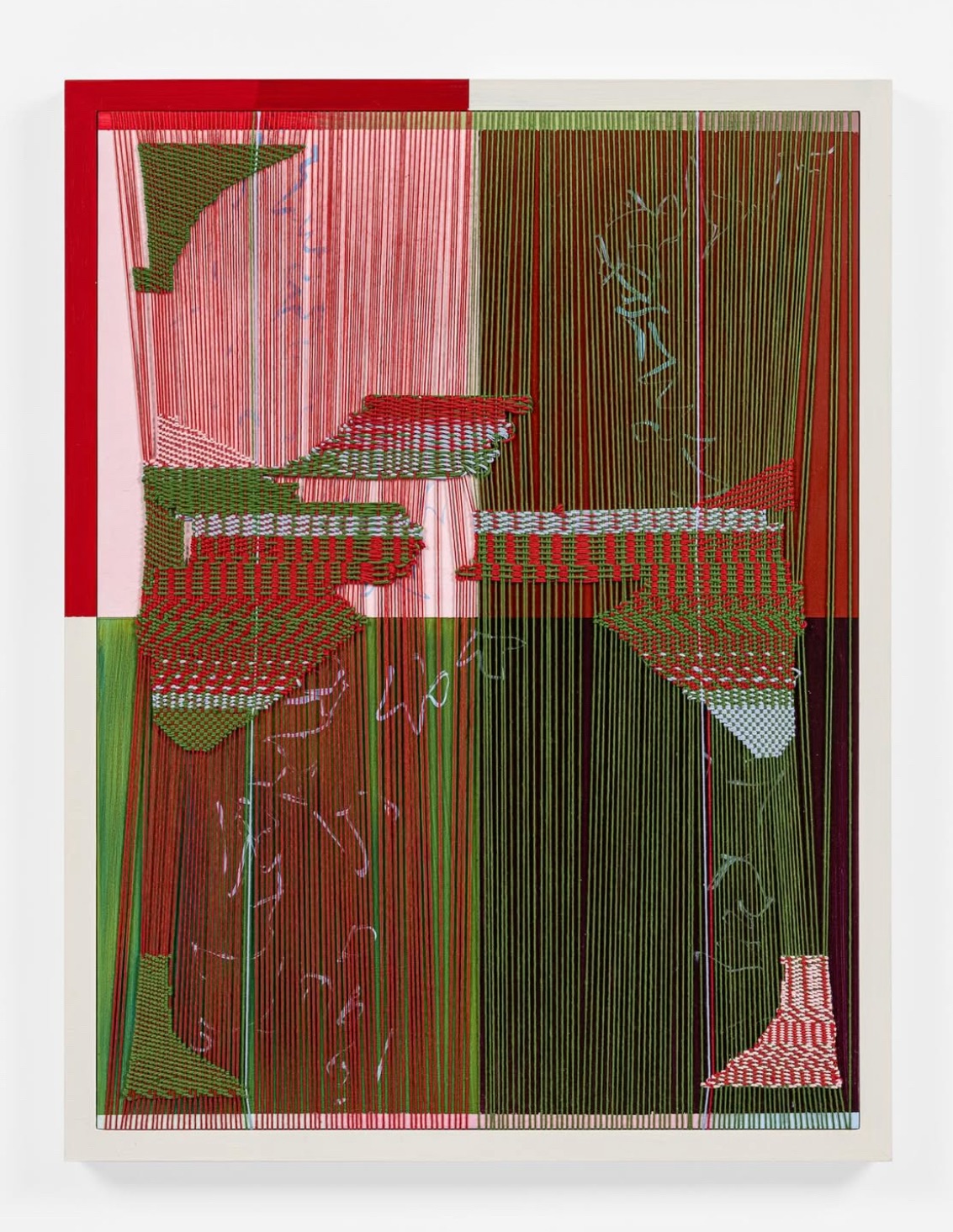
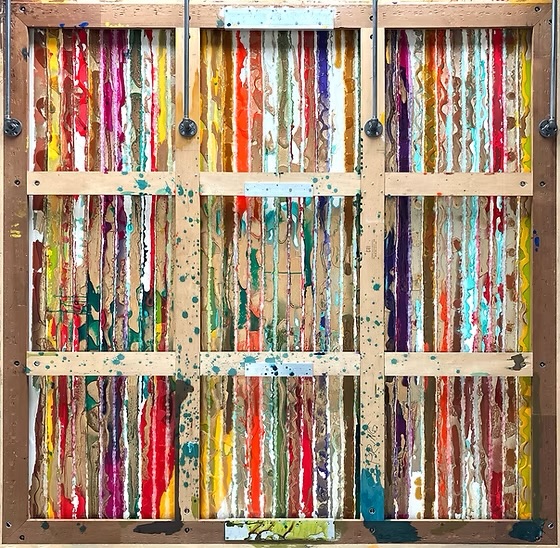
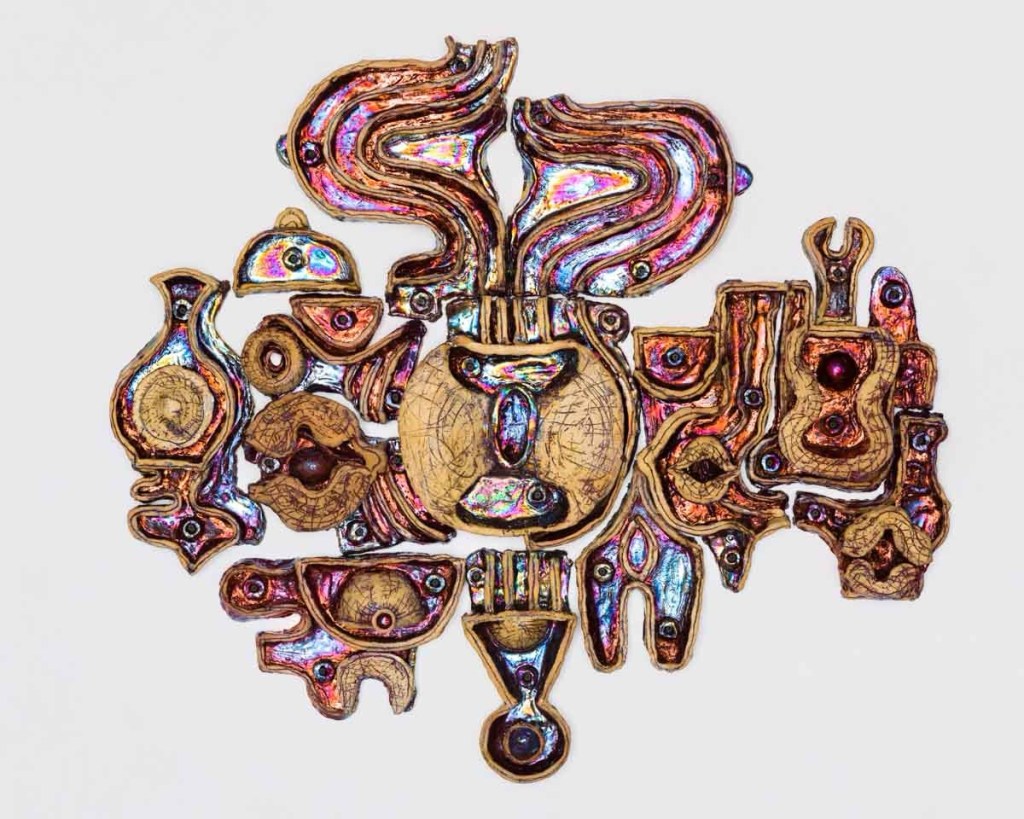
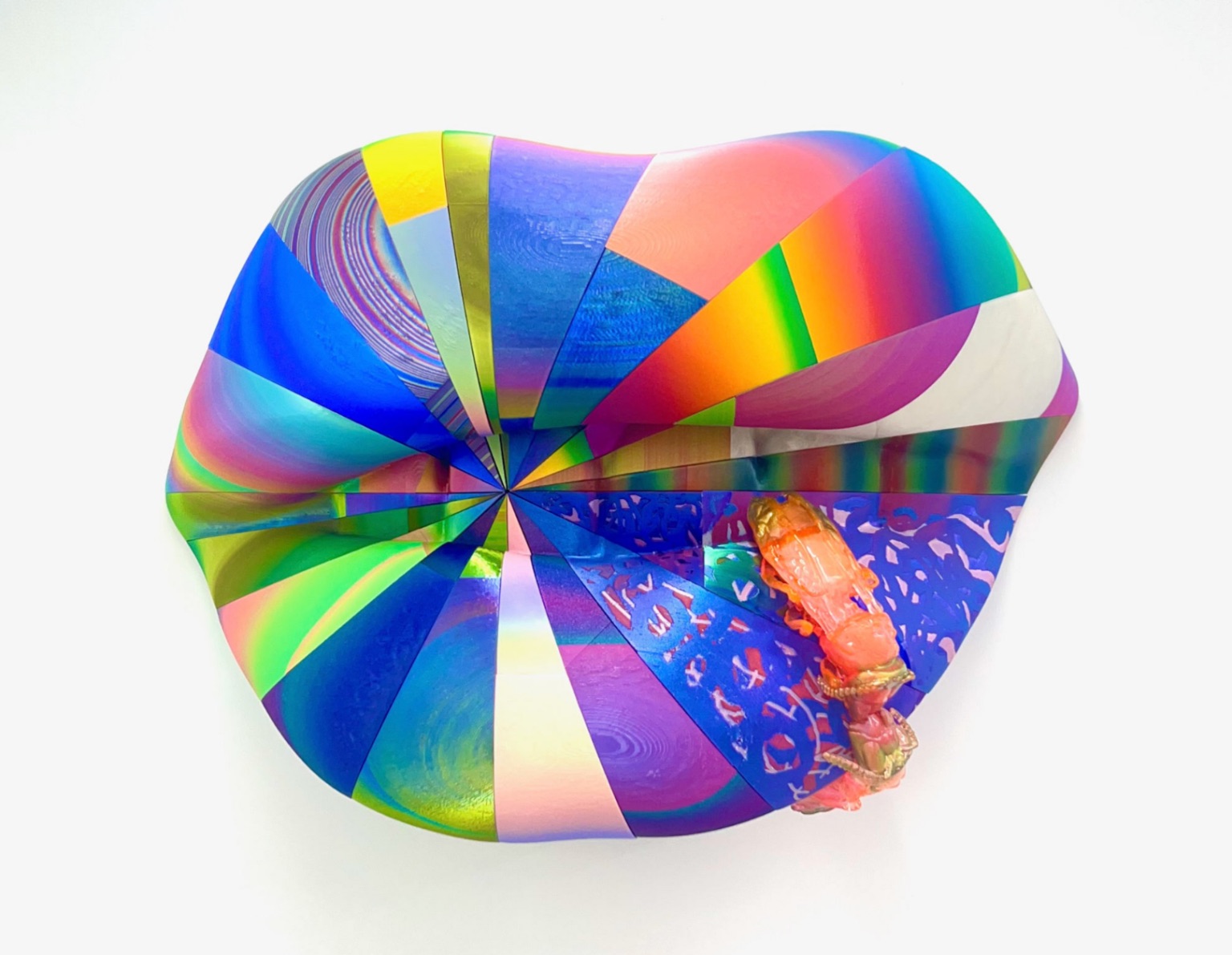
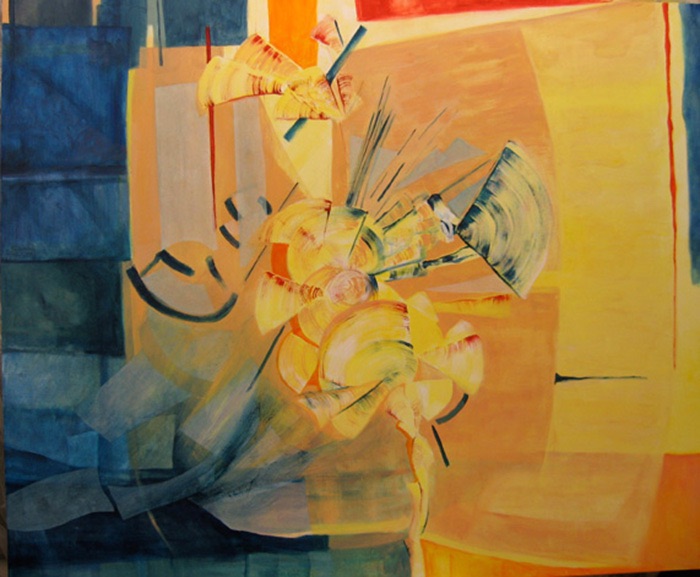
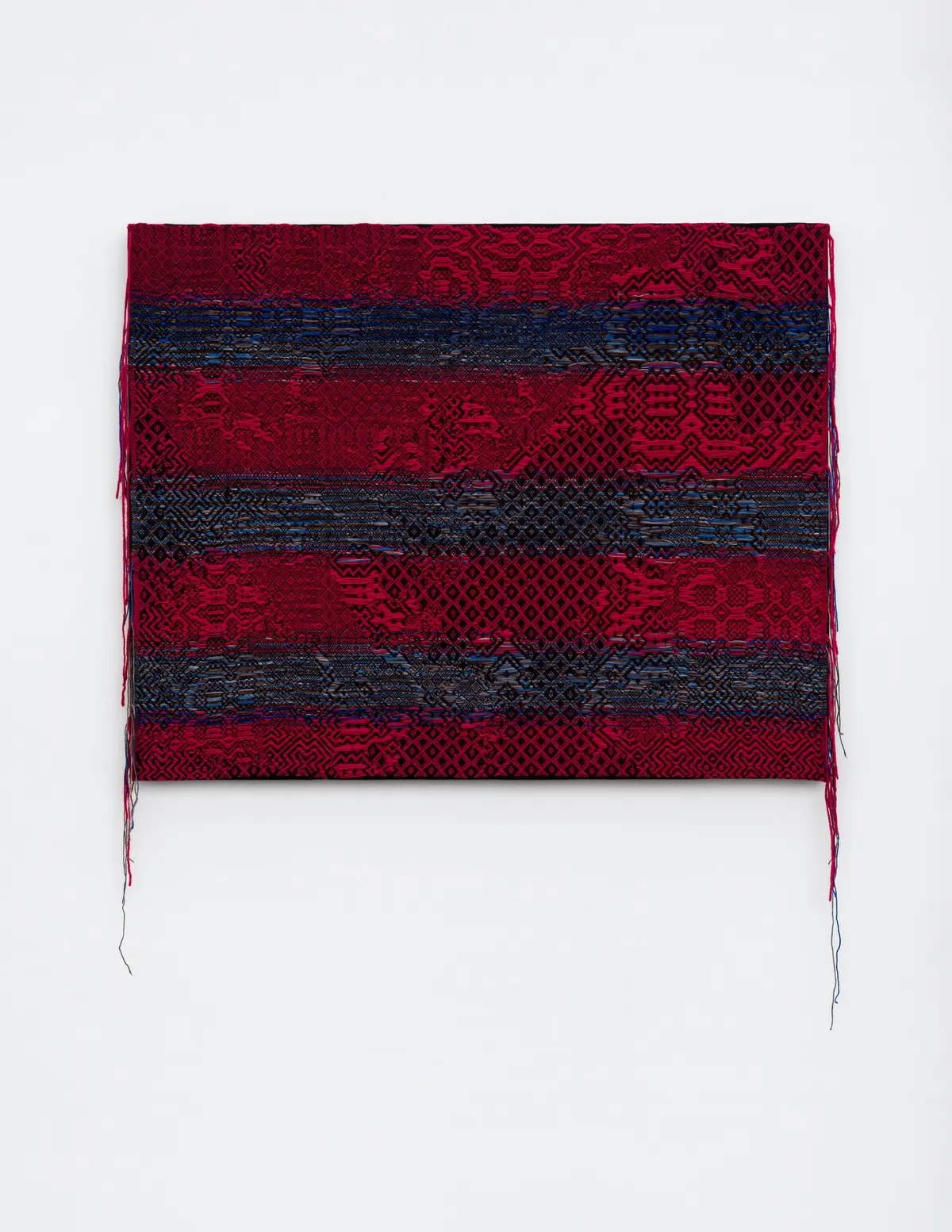
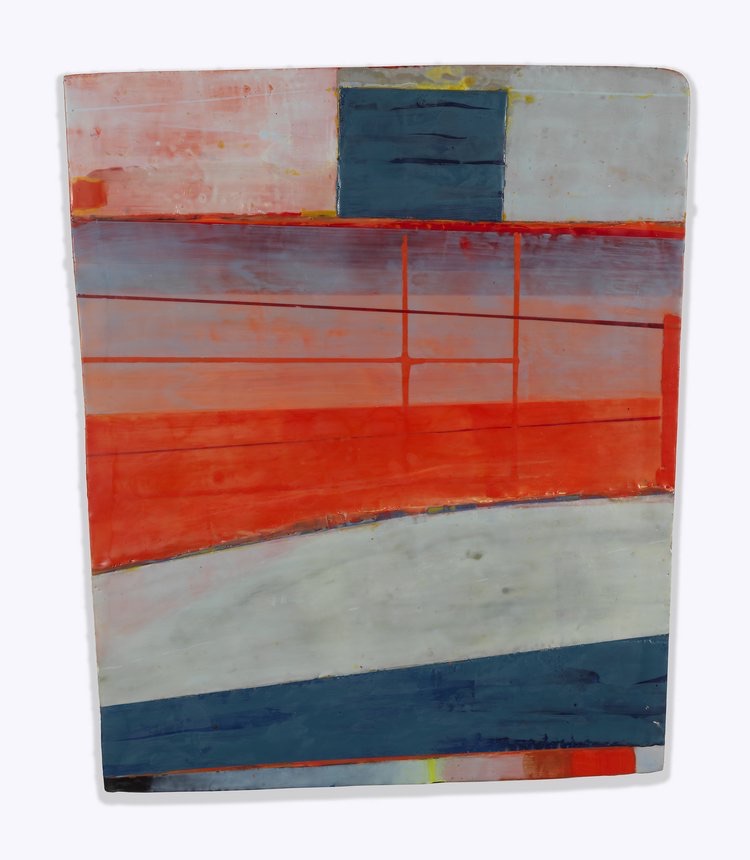
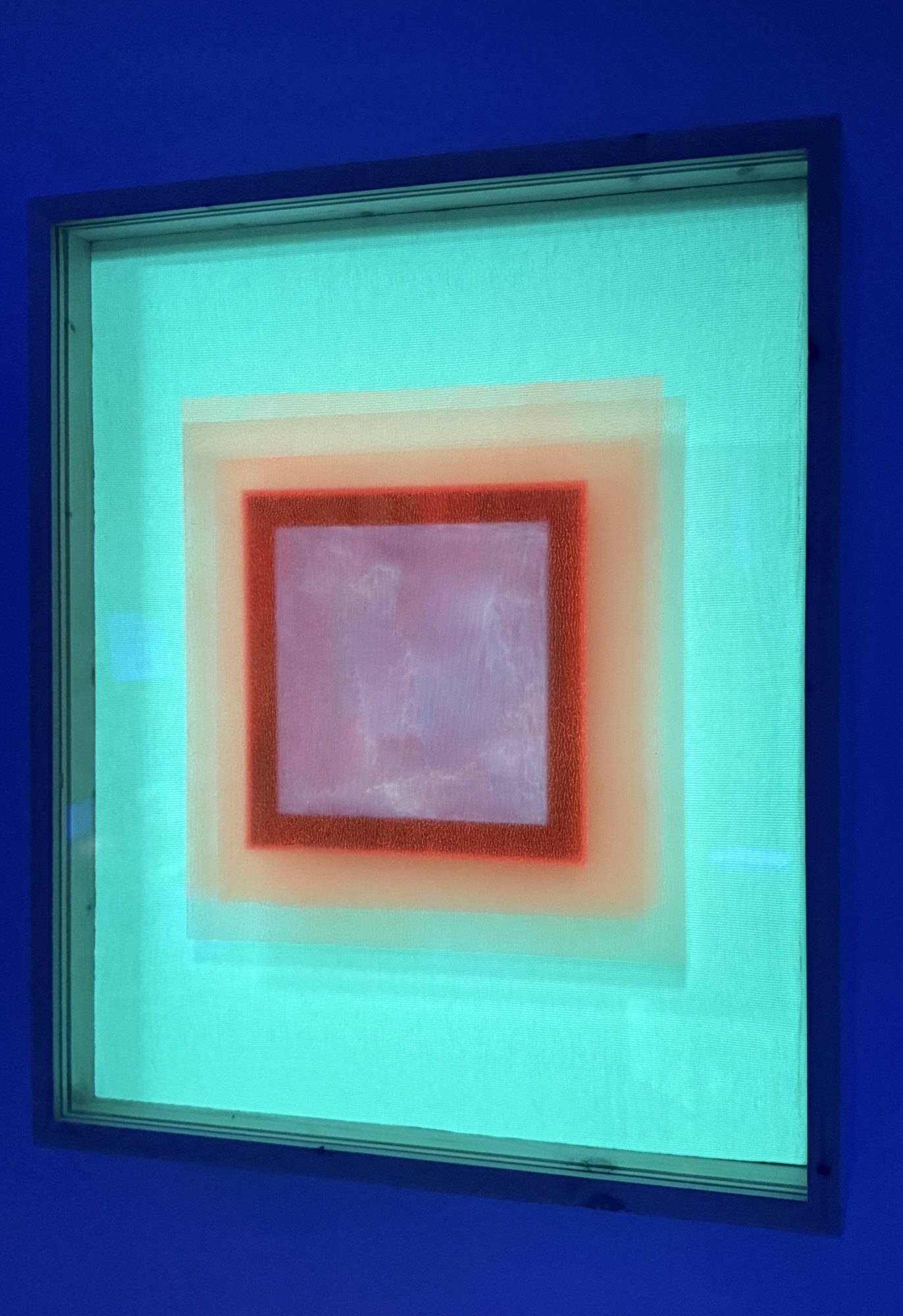
I hope to see those of you that are local to the Triangle tonight at the opening of an exhibit that is my most recent curatorial effort. I am pleased beyond words that the Diamante Arts and Cultural Center invited me to program “Modernism Redux” a group exhibition of NC artists (my curatorial statement is farther down*) which is the inaugural exhibition of their newest program, “Community Highlight,” a curatorial and exhibition project featuring curators and artists from the local arts community who are not Latino. Diamante’s mission is to support the professional development of artists, and they endeavor to ensure opportunities are available to curate and exhibit to anyone in the local arts community, because supporting the arts community benefits us all. This exhibition is made possible with support from Raleigh Arts and the NC Arts Council.

I love all of the artists in this exhibit! Please look below the curatorial statement for more information on them. I am also excited to pull together many mediums and modalities which, like my own practice, mirror or reflect strategies created during the Modern era in one place. For the context I’m creating, read on…

*Curatorial Statement

Modernism, born from the seismic shifts of the early 20th century, was more than an artistic movement—it was a radical reimagining of how humans understood and expressed their place in a rapidly changing world. Against the backdrop of groundbreaking advances in psychology, science, and technology, Modernist artists rejected tradition, embracing experimentation, abstraction, and the subjective. This spirit of transformation sought to challenge established norms and rethink society, connection, and identity in light of new knowledge.

Today, we find ourselves in a similarly transformative era. Advances in artificial intelligence (which was used to assist with this statement), instantaneous global communication, and digital connectivity have reshaped human interaction and access to knowledge, while ongoing social upheavals challenge outdated institutions and norms. The struggle for equity, inclusion, and adaptation to a diverse, interconnected world is testing societal frameworks in unprecedented ways, as communities strive to reconcile tradition with the complexities of 21st-century existence.

This exhibition, Modernism Redux, invites reflection on how contemporary art practices echo the ethos of Modernism, questioning tradition and exploring individual sensibility. It asks: What does it mean to create art in the spirit of Modernists today? How can this legacy of innovation help us navigate a world defined by rapid technological and social transformation?

In the spirit of addressing part of the context I’ve identified above (our current, rapid technological change) I made part of this project a direct interaction with an artificial intelligence tool, Chat GPT (which I’ve done before), something that would not have been available to, let alone conceivable by, the early twentieth century Modernists. I hope you’ll take a look at some of the analysis that I asked this tool to generate, they are eye opening.

Anna Payne Chat GPT analysis (Instagram @annapayneart)

Derrick Beasley Chat GPT analysis (IG @brobeas)

Jane Cheek Chat GPT analysis (IG @jane.the.artist)

Adam D. Cohen Chat GPT analysis (IG @yourpaladam)

Erin Fee Chat GPT analysis (IG @erin.fei)

Tina Marcus Chat GPT analysis (IG @primitivegraffiti)

Marriott Sheldon Chat GPT analysis (IG @marriot.sheldon)

Michelle Wilkie Chat GPT analysis (IG @ml_wilkie)

Be Boggs and Slater Mapp Chat GPT analysis (IG @illustratedbe and @smapp)

Steve Locke

Because of my interest in Albers, a friend who recently saw a few of Steve’s pieces from Homage to the Auction Block (2019-ongoing) series shared them with me. The work posits that the basic Modernist form is indeed the slave auction block. With the discovery of that form, all the other forms became possible.

More

#stevelocke

Bill Pangburn

Mark Bloch at White Hot noted Messages: Overt-Covert at Paris Koh Fine Arts back in December (I do have a blogging backlog believe it or not). Bill was one of three artists who, “by sending subliminal signals of thoughtful examination, responsible action, and ethical solidarity, they each are addressing issues that permeate the globe.”

More

#billpangburn

Masculinity

I originally wrote the essay in January of 2025. Later in the year I decided to revisit a number of essays, this one among them. Grateful to see with the distance of time what a curmudgeonly tone I had taken, unfortunate because I take this critique seriously.

About a month ago*, I was listening to a podcast about Richard Serra courtesy of David Zwirner which is an excellent and thorough interview by Helen Molesworth of Hal Foster (their “Has Art lost its edge” is a good listen also). Molesworth and Foster’s convo is focused primarily on the latter’s perspectives about Serra as an important late twentieth century artist. So what about the pod made me stew for a month? While I saw Curve in LA last summer and it did blow my mind, there is another bee I have for your bonnets, loves.

Around the 46 minute mark of the pod one of the audience participants (who I’m not able to identify), made a heartfelt acknowledgement of a powerful experience in front of Serra’s work, followed up with an observation that Serra once made a comment about wanting to physically assault them. They then proceeded to assert that Serra’s work embodies “rhetorics of masculinity” because it touches on big, heavy, dark things “that can’t be moved,” which are, in their estimation, “some of the worst aspects of masculinity.”

For her part, Molesworth, who is both female-identifying and feminist, responds brilliantly to a good, tough question about gender. After being thankful for the opportunity to address said toxicity, calling the conflation “easy,” she notes first the “slippage” between the addressed, toxic themes and others which are not that (masculine, and toxic). Next she lays responsibility for what she identifies as the “problematic” aspects of the presentation of Serra’s work with MOMA, specifically because of who they excluded in their elevation of his work**. Around the 51 minute mark she says, roughly, “he was a jerk who made good and important work*”; tldr “its’ both.” In the spirit of holding contradiction, which I’ll credit the speaker with as well, *this. And…

I recently had a touching conversation with my oldest, male child (23 at the time, now going on 25, white, cis, and currently with a heterosexual woman) about the November 2025 election outcome, which saw the US electorate make some choices which many saw, rightfully so, as a right-ward shift in the zeitgeist We were unpacking that fact, since he knew, not surprisingly, several 20-something white men who voted for our orange child-tyrant. I asked him to unpack for me what the culture war looks like for young men and hear that, in my son’s lived experience, the leftist observation that manliness is “the” problem is as culturally prevalent as we’ve all heard everyone from talking heads to our neighbors complain that it is. By his telling, he has heard his whole life that he is part of the group responsible for everything that’s wrong with… everything.

Wow.

I won’t lie that, when initially listening to the podcast referenced above, hearing two intellectuals talk un-self-consciously about how masculinity has inherently bad qualities was hard to hear when the US just chose a sociopath as chief executive. The audience member in fact went so far as to link these “worst aspects of” masculinity and the election. I mean, there it was- the very position that many take and which ostensibly drove a generation of men away from my value set, clearly and explicitly and proudly stated. Toxicity is the cornerstone of Western civilization.

Yes it was partly hard because contending with this should be, for people who look like me, god damn it. The word choices though, OMG… they are. Such. A clear example of what’s driving the cultural gulf. Think about this- there’s no Art world discursive strategy to interrogate the adjectives “heavy” and “dark” and our personal experience of them without perpetuating outdated cultural dominance assigned to “the masculine” and being complicit in… something.

That certainly was not my experience of growing up- IE, this is a new-ish cultural phenomena- and I don’t pretend to understand how it feels to hear that refrain through your formative years. In these moments with my son I was so grateful that in our house we have tried to use the language of Dialectical Behavior Therapy, which emphasizes that two things that appear to conflict- like being a specific man who is empathetic, kind and committed to a better world and being a member of a demographic responsible for so much destruction- can both be true. And, that he has had the resilience to hear his whole adolescence that he’s horrible by default and not internalize it, or react by veering onto the path too many of his twenty-something associates and even friends have followed. I hope I’ve also modeled alternatives to being “toxic.”

There is no rulebook I would would want him to follow though that would allow my son to call behaviors that stem from class-conscious and mental-health appropriate values masculine, let alone feel an emotion like pride about being a man. At least in the way that the left celebrates femininity, or blackness, or queerness, as we should rightfully do- human diversity is a treasure. Would any of us ever countenance uttering a phrase like “the worst aspects of femininity.” It’s histrionic for effect again and be honest, it sounds really fucking dumb right? Yeah.

Look, if our linguistic tools were working you would find me embracing them, and I certainly do understand the broader discourse. Do I think the approach of using catch-all words that are shorthand for values (like “toxic masculinity”) but not a statement of actual values is winning ground in this damnable culture war? Ahem, election. So why lean in then? I want better language, for the sake of the next generation of American men, to talk about our values than “if men wanna be good they have to be more like women.” Plus, I’m not and wasn’t the only person to wave this flag prior to the election.

I want to acknowledge now (and did at the time) that reactions to the dominance of post-structuralist language in the visual arts were having a small Art world moment. “No” I did not and do not like feeling or sounding like a reactionary. I bet more than one of you read Dean Kissik’s Harper article (who is the subject and guest of another Zwirner podcast) and maybe some reactions to the same. Critiques of the challenges of… critique in an Art world where the imperative is alignment with leftist morality is not new though, including at Two Coats (and also elsewhere). While “everyone is too far left!!” is *not* the point I’m making, I do in fact see that I’m (another) white dude over here taking up space and saying “but hold on.” Maybe I should STFU?

Thesis statement; if we can’t paint (pun intended) a vision of the world where people are beautiful and whole by default, why would anyone listen to us? Sure it’s gonna be science fiction.

**Also and, Molesworth’s comment about the neglect by MOMA of creatives like Maren Hassinger resonates for me, as part of my practice is this blog, which I hope amplifies the uncovering so many academics are doing. I feel like making a h/t here to John Yau who turned me and many of you, I hope, on to a number of artists who were asked to forced to “wait by the coat room” such as Ruth and John Pai. I hope my regular readers will believe that I very much want the work of expanding the canon to continue.