Casualism

Regular readers will know that I use a lot of single-word titles, and there’s a vin diagram where this group (yes, you guys) significantly overlaps with at least familiarity if not overt interest in or attention paid to Casualism in Art. It’s pretty much a label for a tendency among painters, but again, you probably knew that. The Wikipedia article on the same is succinct if you need to get up to speed (and has a ton of links btw).

It’s a term I’ve only become familiar with shortly before writing this blog, as this critical idea emerged originally while I was away from the discourse earlier in the 2000s. Having noted a colleague reference it recently, and reading below, well…

(from Wiki) “The term Casualism was coined in a 2011 essay which defined a new type of postminimalist painting that features a self-amused, anti-heroic style with an interest in off-kilter composition and impermanence. These artists are interested in a studied, passive-aggressive irresoluteness that reflects wider insights about culture and society.”

Given that I’ve described my practice as seriously un-serious, I have an entire project dedicated to impermanence, I embrace automatic drawing (a form of anti-heroism where an author relinquishes at minimum the direction or beginning of authorship), and central to my practice is the notion that two or more things can both be true at the same time, it sure sounds like if there ever was an “ism” to which I adhere…

“Yes,” there are creatives that have been featured on this blog which are also on Sharon‘s original list of Casualists (Cordy, Keltie, Chris, Rebecca and others). Also nice to understand a bit more deeply why I am so attracted to the cohort of writers Sharon has pulled together over at Two Coats of Paint.

Phillis Ideal

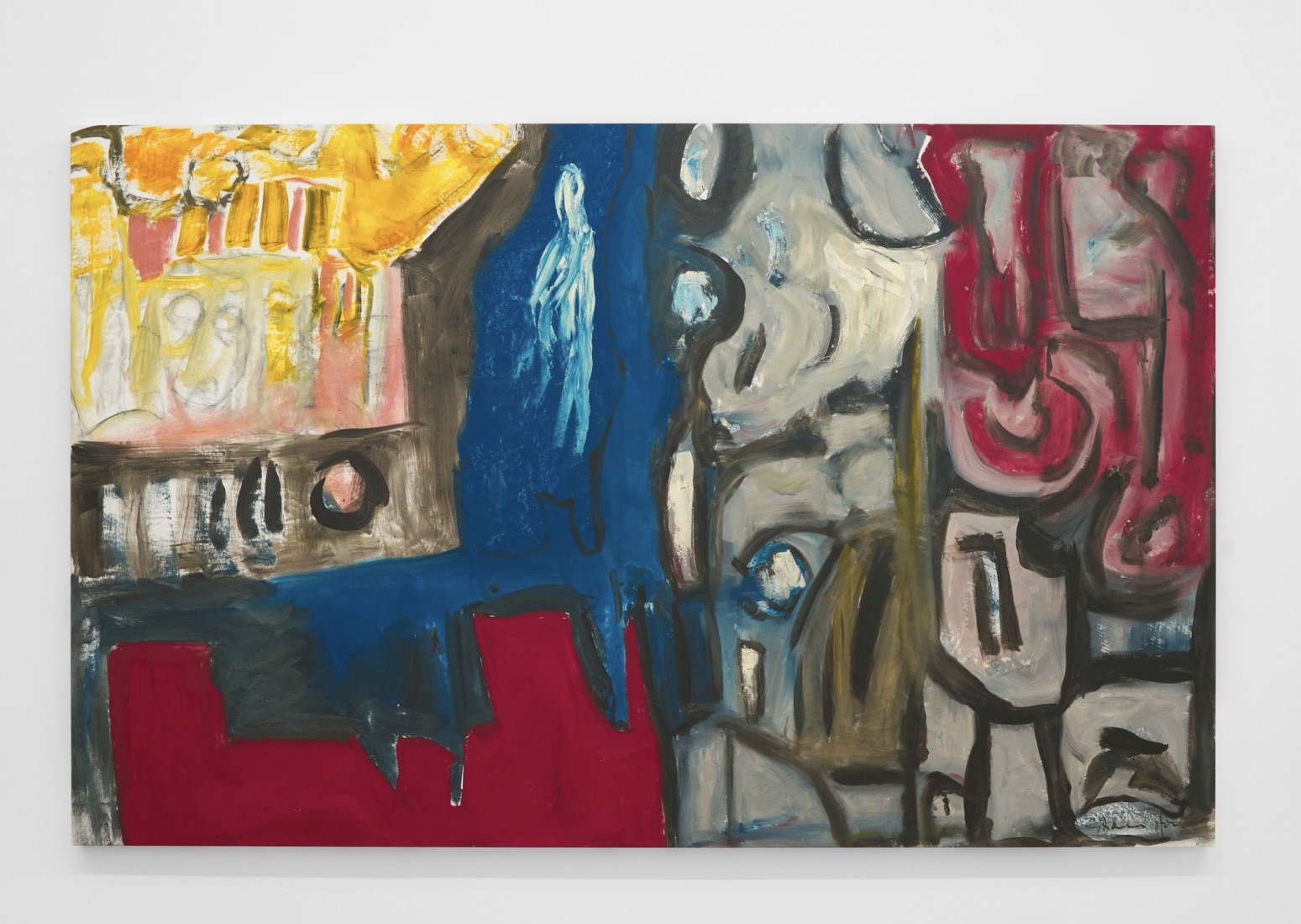
American Abstract Artists* has released a free, digital version of their most recent journal in which 32 current members write about a chosen past member, no longer living, who inspired or encouraged them, or simply whose work they admire. Phillis writes about Jean. TIP- open the link on a laptop to view the rag (the print and images are pretty tiny on your phone).

More (about Phillis)

*American Abstract Artists was founded in 1936 in New York City to promote and exhibit abstract art at a time when it was not well received in the United States. Since then, AAA has supported its members with exhibitions, panels discussions, talks, a website, and journals. BTW, hard copies of the current journal are only $20 due to a generous gift from the Dorothea and Leo Rabkin Foundation.

#phillisideal

Ben Dallas

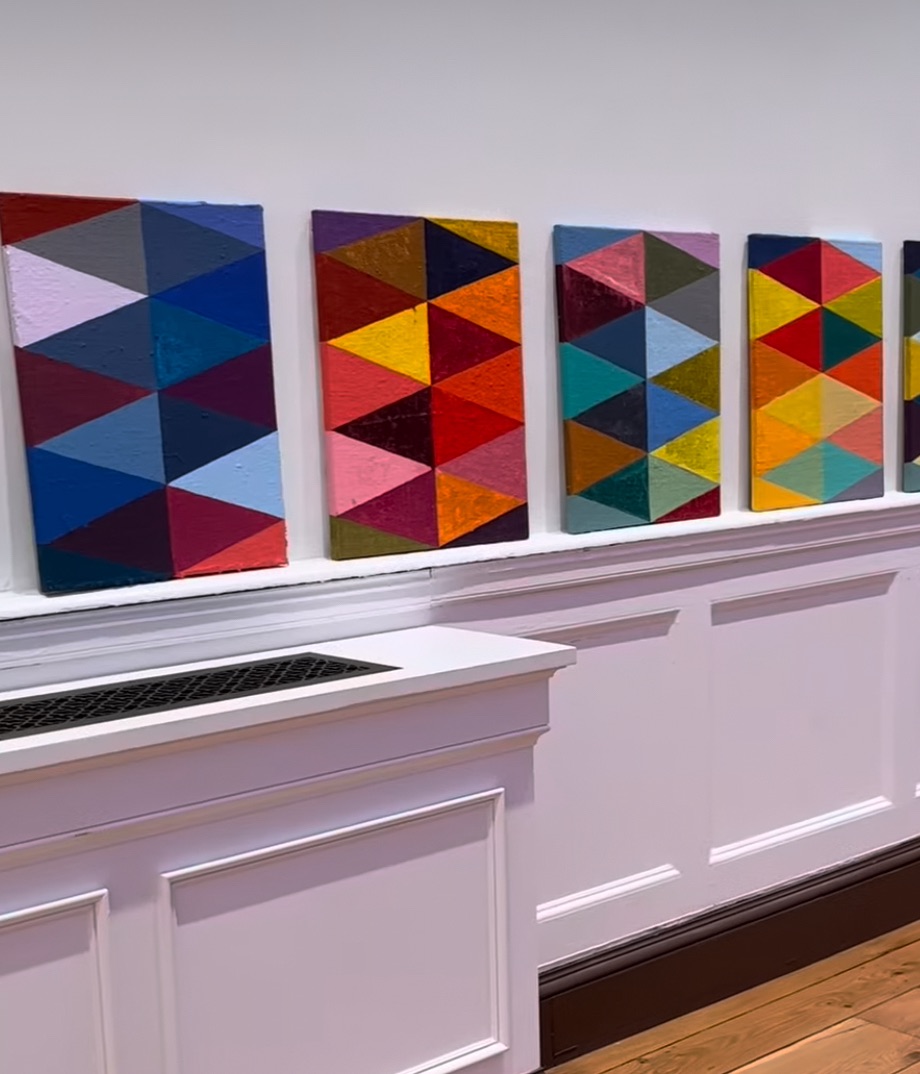
paints on delicate wood constructions and assembled materials such as layered canvases. The mysterious design and the three-dimensionality of his works invite the viewer to spend time with the pieces, looking for marks, chromatic shifts, delicate lines, wax layers, and unexpected folds. Pie Projects (which also shows Sam and Richard) represents him.

More
#bendallas

Lenore Tawney

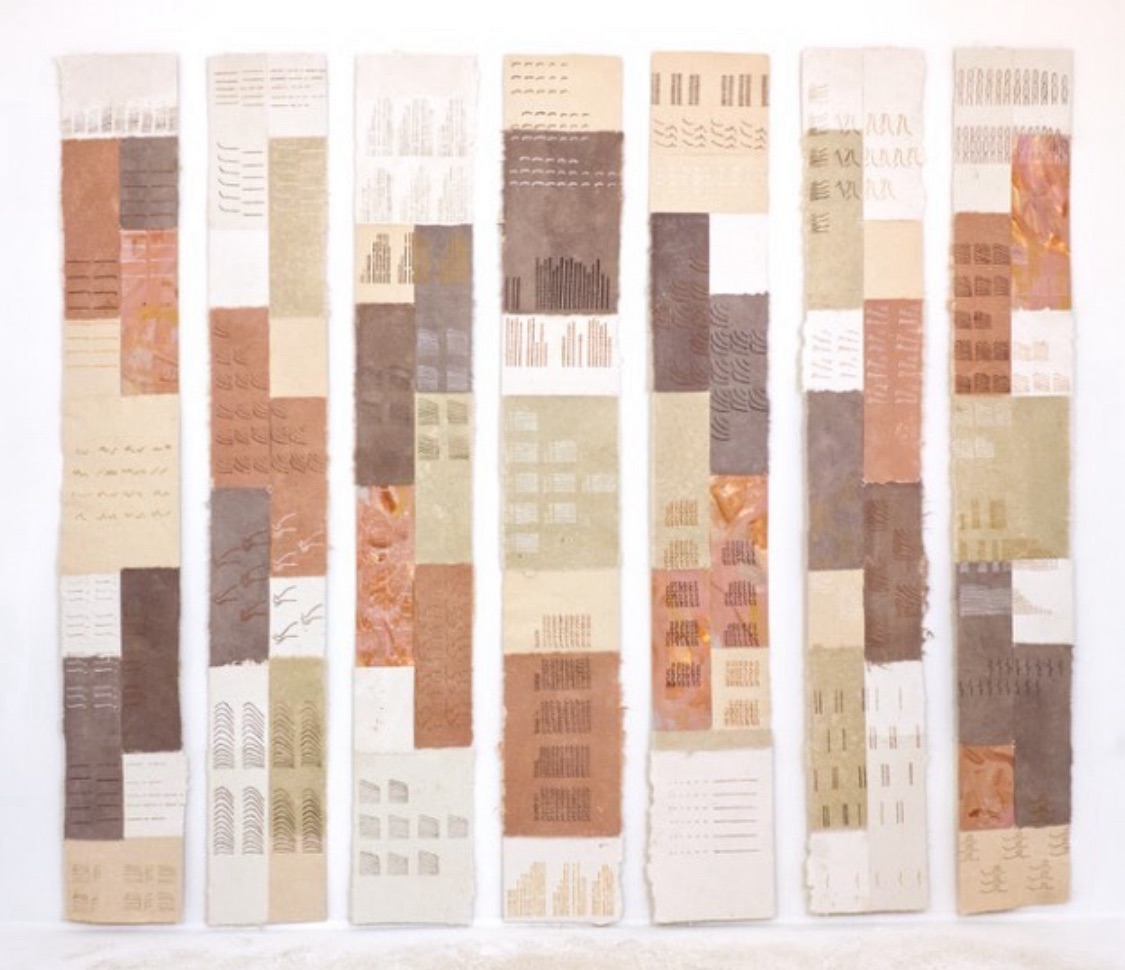
Julie at Hyperallergic has words about Weaving Abstraction at the Met which pays tribute to the designs and technical innovations of long-ago weavers and the 20th-century artists who took inspiration from them. The exhibit includes work by Lenore (posthumously) along with Sheila and some of the women of Bauhaus. Because of her unorthodox weaving methods, Tawney was spurned by both the craft and art worlds, but her distinct style attracted many devoted admirers (More).

#lenoretawney

Light

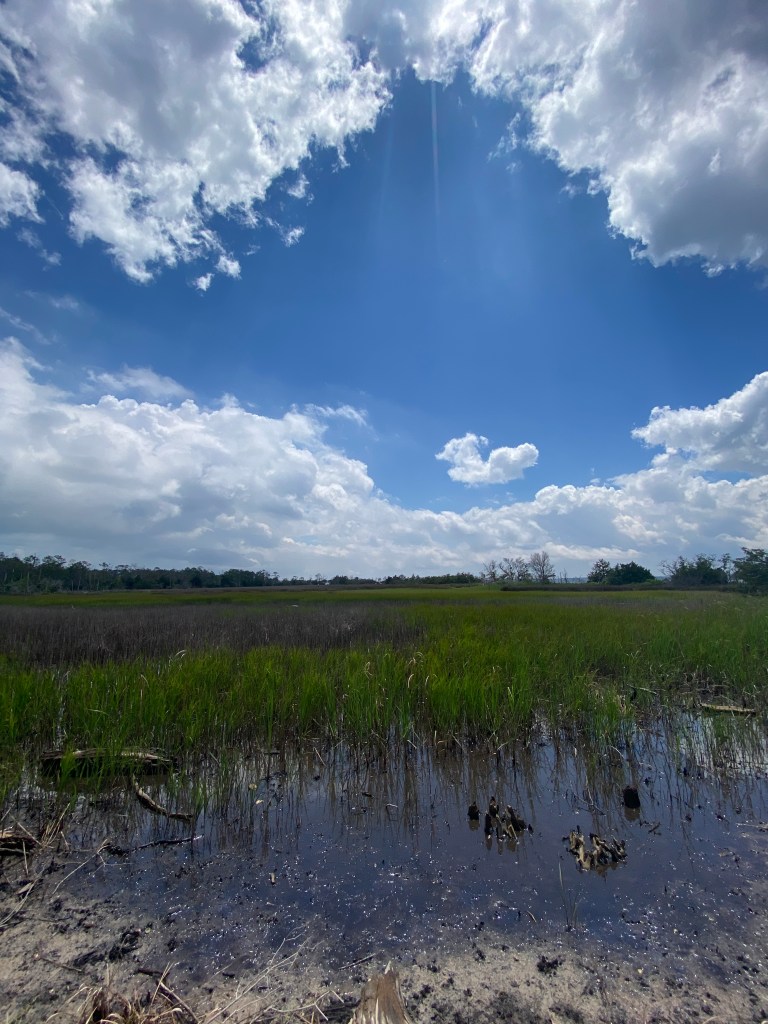
Those of you that follow my instagram feed may have seen my post about recently relating strongly to a prior project while on vacation. Specifically, I took some snaps of some clouds, and it echoed for me from an Instagram project I did during 2017 that I titled and tagged #abstractionallaroundus (the images are all still up, just follow this link to my IG post).

What I loved about taking the photos of the clouds back then was their immediacy– you don’t need words to process your reaction to an amazing cloud formation- and also their fleeting nature. There was an element of chance- happenstance is really a better word- to them as each one will never exist again, a theme (impermanence) I’ve returned to since. Part of the reason I eventually stopped taking the images was that I felt I should be more present for the moments in which I stopped to experience awe, a concept I’ve visited on this blog as well.

The pretty amazing things water does in our atmosphere has to do with light, and I think my interest in the same may have been part of how my fascination developed. I hadn’t made the connection until I returned, and realized upon stepping into my studio, where I’ve been working with lighting as a material, that the connection was worth reflecting on (haha).

Regular readers know about my interest in contradiction and I am drawn to the idea that a work could literally have more than one appearance (given a change in lighting). The viewers act of changing the lighting also gives the work an experiential dimension.

Further, light and use of the same as a “material” points to opticality, at least in the visual arts. Similar to the way using cubes (for me) points at Modernism and formalist projects (and on towards contemplation), light and opticality points at the Light and Space movement which accomplishes much the same. Paint also takes on physicality when it is applied on glass, which points at its materiality. I think a nod in that direction is more appropriate for my practice which is centered in the experiential- an added bonus is that paint on a transparent surface offers a sort of contradiction in that the “painting” is on a surface and also now at least appears to be an object as well.

Peter Lodato

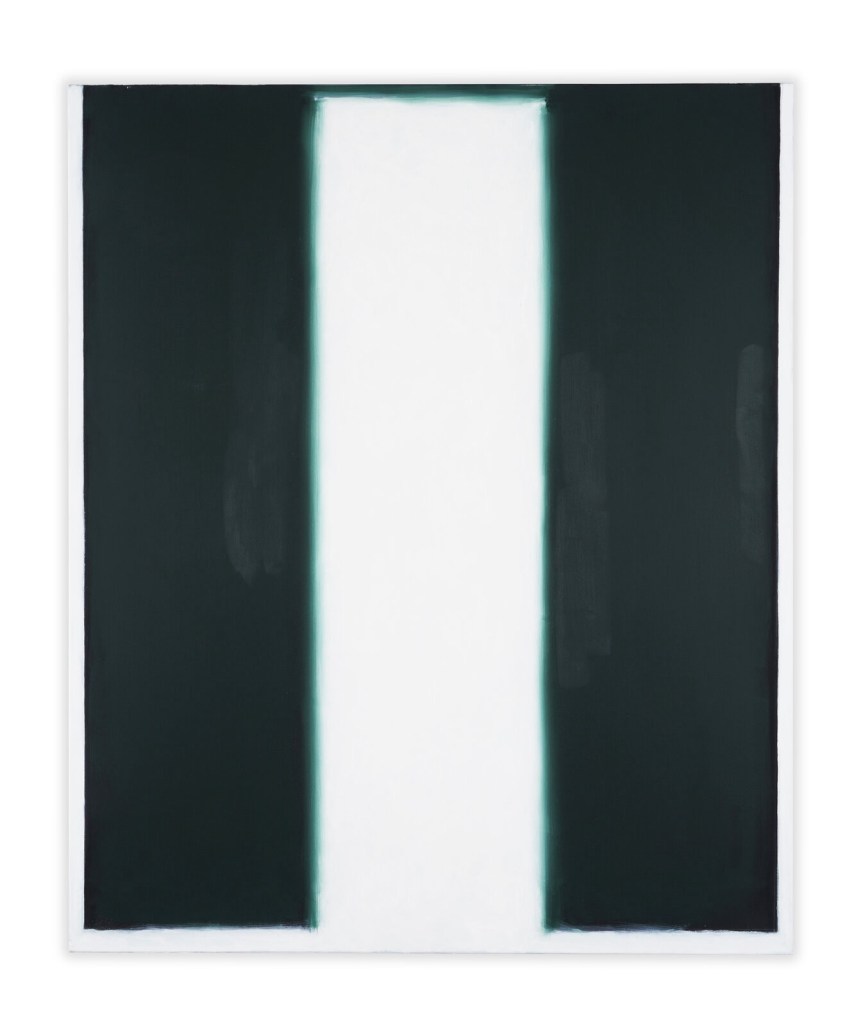
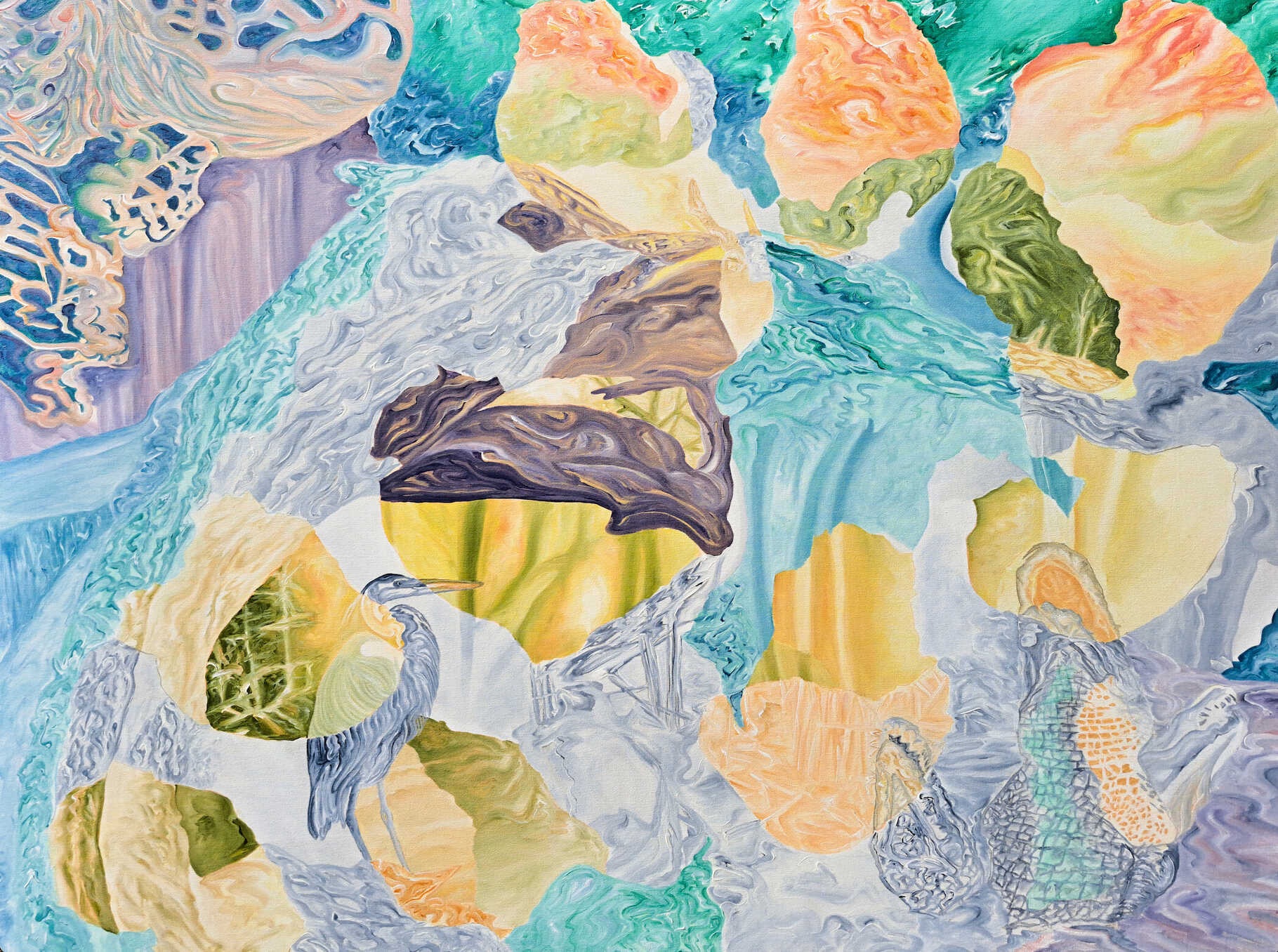
When writing about light recently, I made note of the influence that California Minimalism aka Light and Space has exerted on me. I’ve blogged about many of these artists and am somehow always discovering more. Peter is somewhat unique among his peers in his choice to paint on canvas. His gallery notes that he is fascinated by the uncertainty of human perception, and the duplicitous nature of vision, which can be both revealing and deceitful, and creates paintings that delve into this duality.

More

#peterlodato

Megan Bickel

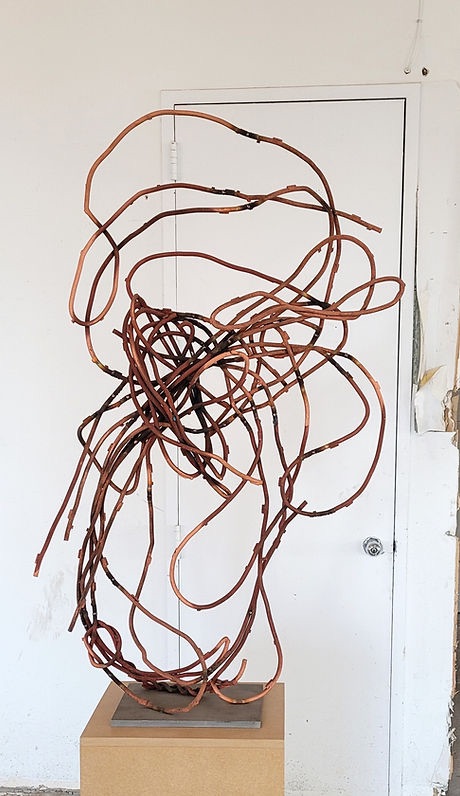
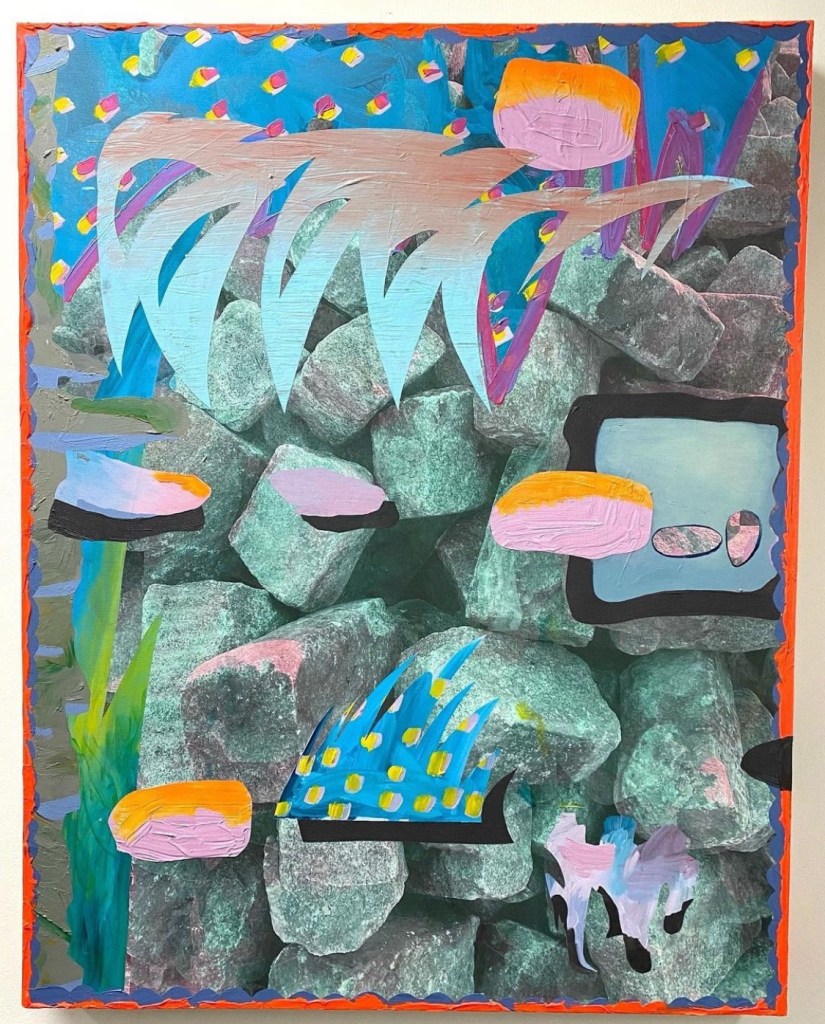
I’ve had the pleasure of getting to work with Megan as we’re both members of Tiger Strikes Asteroid. Was pleased to see she has work up at Surface Noise. About her work, she writes “I make objects, paintings, and videos that abstract or oscillate between announcing and concealing meaning.
The resulting work cultivates unserious fields of imagery and installations that interrogate what it means to be visually critical in the 2020s and the future. I do this to playfully mimic, mock, and question the American confrontation between the public and the intertwined spectacle of journalism, political science, advertising, and propaganda.
The resulting work embraces the absurdity of painterly abstraction against fictional digital landscapes superimposed onto real landscapes.”

More

#meganbickel