is one of 7 artists that Artsy says stand out at this summer’s Venice Biennale (granted this is a posthumous honor in their case). Samia also gets a nod btw.
#ionesaldanha

is one of 7 artists that Artsy says stand out at this summer’s Venice Biennale (granted this is a posthumous honor in their case). Samia also gets a nod btw.
#ionesaldanha
Gwenaël at TUSSLE has words about the past and Christopher’s current choices. After unpacking all the troubling aspects of many of them they eventually point to the smallish wire sculptures which caught my eye and are “by far the most interesting pieces in the show.”
#christopherwool

Saw below at Artfields, about which Gary wrote “Fibonacci Series #2” is part of a larger, multi-part series of dye-sublimation digital prints on aluminum; each abstract image’s frame size is a 3 x 5 ratio, based on the Fibonacci Number Sequence. The digital paintings are made up of layers of scanned 3 x 5 negatives of photographs taken by my father during his years of service in the U.S. Air Force. Afterward, I generated digital paintings of the organic elements within those negatives and composited them together along with various gradient maps and textures I captured on various hikes during my own travels.More
#garymesagaido

Alyse is a contemporary abstract artist focused on large scale painting, drawing and frottage, layering expressive color and line over graphite rubbings on raw canvas, wood panel and yupo.
#alyserosner

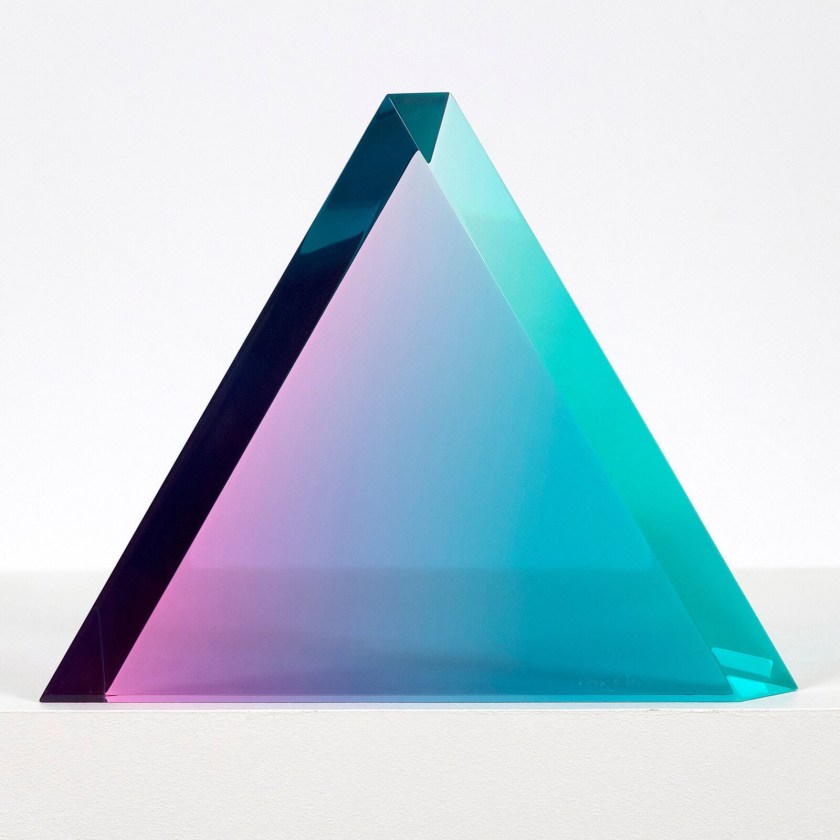
For EXPO Chicago, Taylor Graham staged an exhibition (which included works by Vasa, or Vasa Mihich) noting that “it is fascinating to explore the commonalities and differences among paintings and sculptures encompassing a range of mid-century into the 21st century abstract styles, including hard edge, stain, Light and Space acrylic sculpture, synchromist inspired, and kinetic sculpture.”
More
#vasa
BmoreArt says Sheila’s newest, Relief at New Door Creative, is one of nine April exhibitions to check out.
#sheilacrider

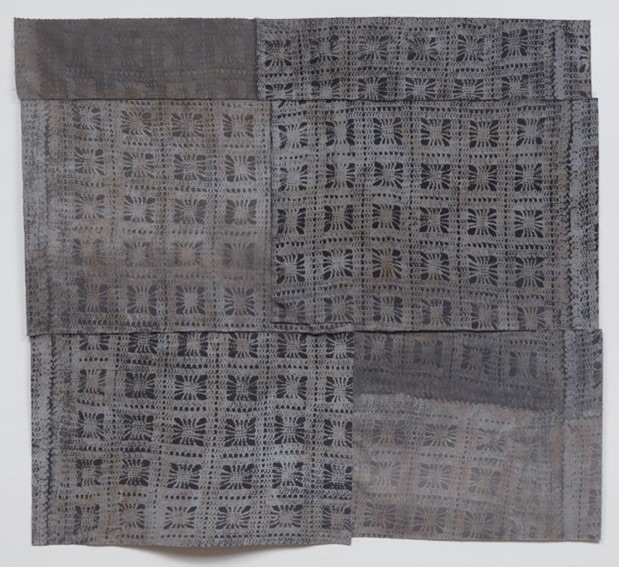
Michael at Two Coats has words about Caroline’s “compelling in-betweenness” – a commentary on her very unique process that involves found materials.
#carolineburton
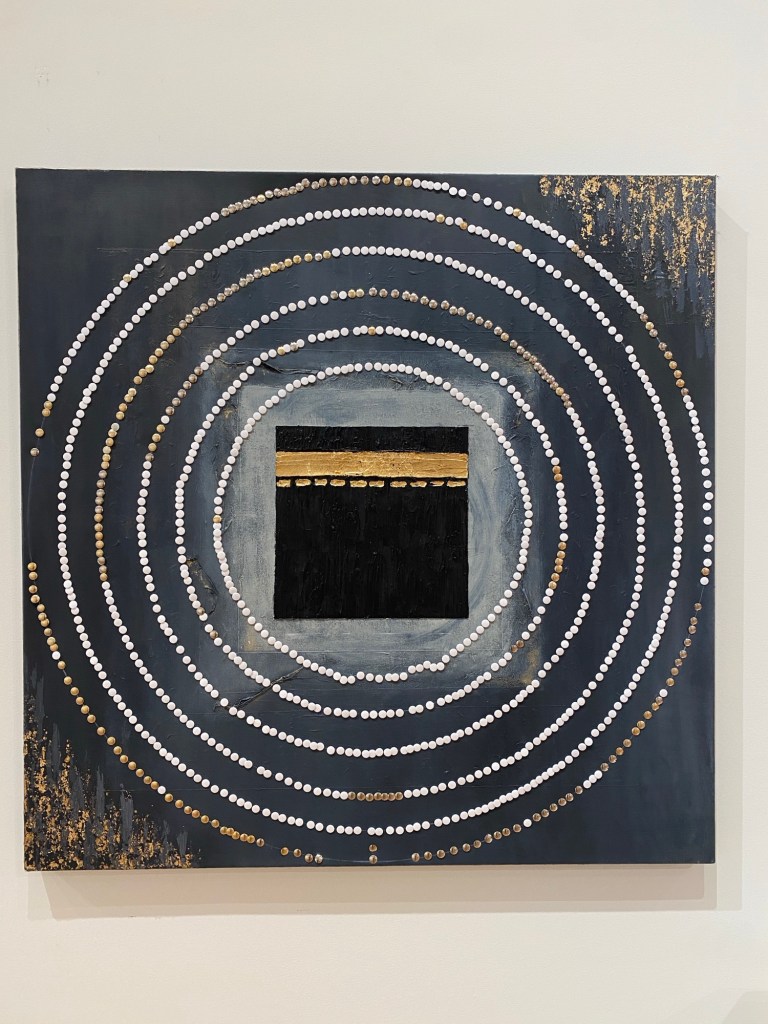
like Hiba and Hanane is included in Contemporary Muslim At of North Carolina. Pictured below is “The Invitation” (2023). With over 750 in person and online participants from the Triangle Muslim community, Ummah’s first community interactive art project asked for participants to make the intention to be “Invited” to perform the Holy pilgrimages, Hajj and Umrah. This traveling canvas visited several mosques and Muslim spaces, where participants inserted pins around the Ka’bah which represented themselves and their loved ones. While pinning their dot, they did Du’a for Allah to call them on this spiritually intense and challenging journey, the goal of which is cleansing of the heart and purification of the soul. The end result was a canvas symbolic of a community’s collective anticipation, yearning, and hope to be Invited.
#artistumah
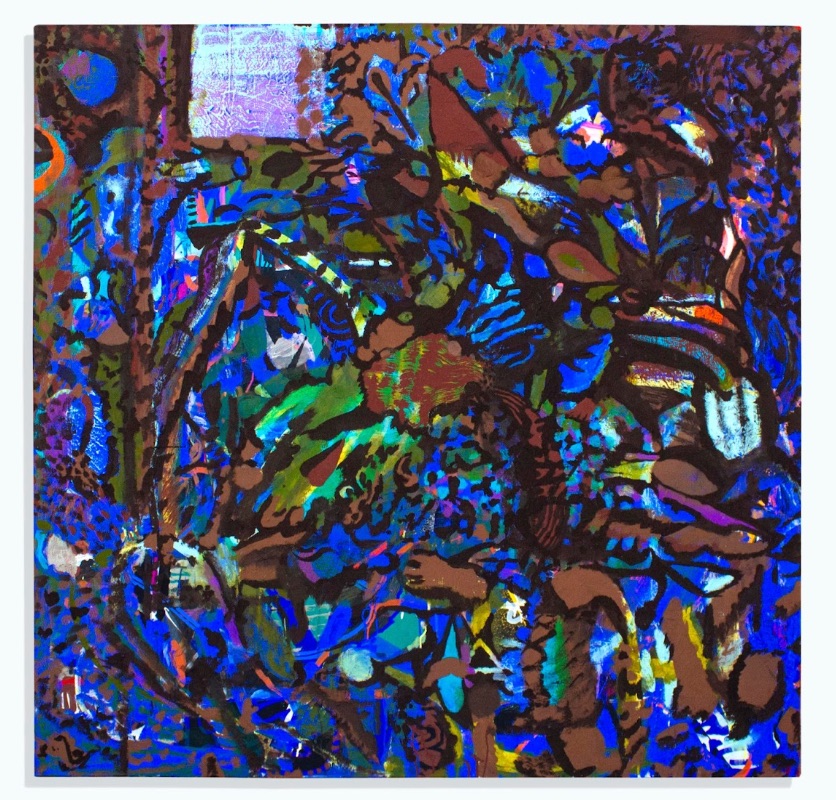
Hyperallergic says (among other, relevant things) Jackson’s “anti-canvases” in the Whitney Biennial is their “most thrilling discovery.”
#suzzanejackson

Laurie at Two Coats of Paint has words about Diane’s elegant quirkiness on the occasion of her show with James Cohan.

Ortega y Gasset Projects is pleased to present No Time, an exhibition of recent work by New York-based artist Michael Ambron in the gallery’s main space. Ambron’s wildly experimental approaches to painting include working with found substrates, collaged fabrics and packaging materials, surprising additives to his handmade paints, and unconventional tools and applications of various media. Michael Ambron not only uses paint to achieve the mark of a color, but to investigate paint’s materiality and broad possibilities.
#michaelambron
Lynne’s most recent (2023) show with Minus Space (home to Michael and Gabriele among others) was Lodestar, a new group of monochromatic objects intended to anchor and orient us in the world. Created from found rocks collected in personally significant locations, these pieces engage our surroundings through a lens of color-based and material-based reduction and a commitment to the power of monochrome.
#lynneharlow

In her most recent work, Gail transforms homely, everyday objects that typically go unseen. These repurposed objects and images speak to the possibility of transformation, humor – and the quantity of trash generated in our profligate 21st Century America. Finally, they remind us not to take even the most insignificant things for granted.
#gailgregg
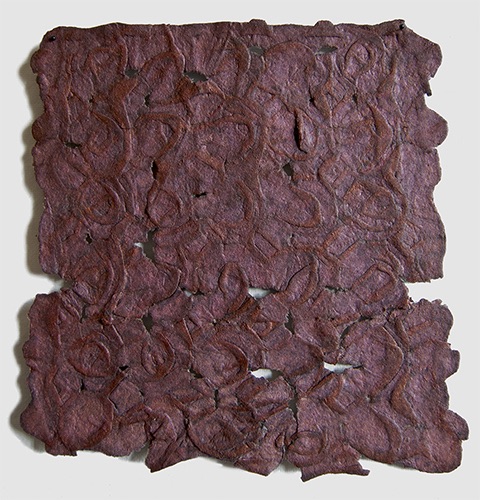
is one of the creatives Artsy staff is captivated by. The Colombian artist’s all-consuming installations transform mud into stunning Minimalist sculptures that fill cavernous rooms, drawing on Andean and Amazonian cosmologies.
#delcymorelos
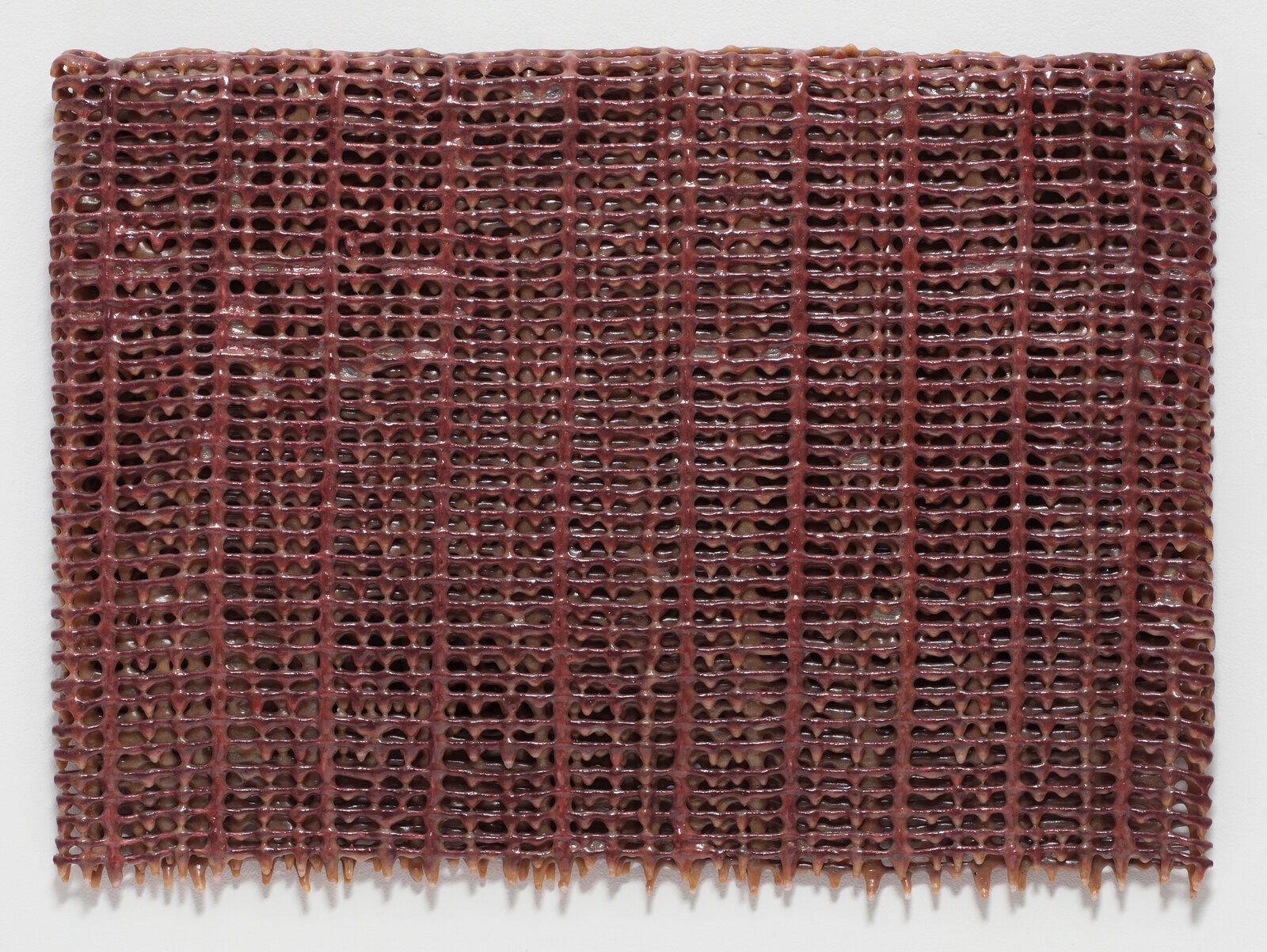
It often surprises and pleases me* when I discover I’ve not yet blog about an artist who is clearly canon (*my pleasure derives from the affirmation of my focus on what is happening today). It is with sadness that I have discovered Carl’s omission only open his obit in Artforum. As they so eloquently put it’ “Andre created works whose stark simplicity evoked deeply primal emotions, and whose modest makeup frequently sparked controversy, as detractors carped that his piled, strewn, or carefully laid-out groupings of humble objects could not possibly comprise artworks.”
#carlandre

 Painting After Art is Dead