Barbara is a Charlotte, NC-based artist who quests for balance. More
#barbaraellis
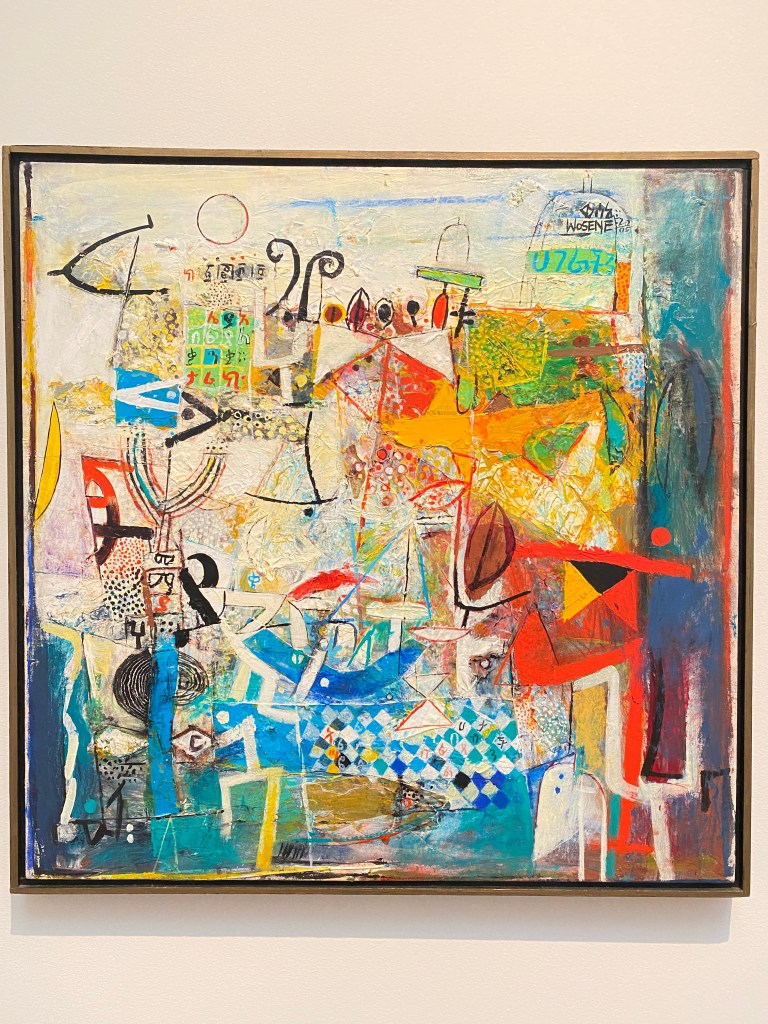
Wosene, who is Ethiopian born, nods to a multitudinous African experience of the Caribbean with this work (which is at the NCMA) and employs Ethiopian graphic systems, liturgical symbols, architectural forms, and Pan-African motifs. In drawing from such a rich vocabulary of written sources, Kosrof cleverly links past with present and Africa with diaspora, pushing the boundaries of visual literacy to new levels of hybridity.
#woseneworkekosrof
Spotted below at Expo Chicago. Howard was (1928-2021) an African-American artist, designer and collector. He worked with paper, pigments, wood, clay, textiles and metal. He designed for industry—e.g. print textiles for Vallila, tableware and interior items for Arabia (the esteemed ceramics factory in Helsinki). He planned interior designs for corporate offices, public buildings and cruise ships. He especially enjoyed recycling items like scrap metal, used cardboard, castoff clothing–which he took and created into whimsical compositions. More
#howardsmith
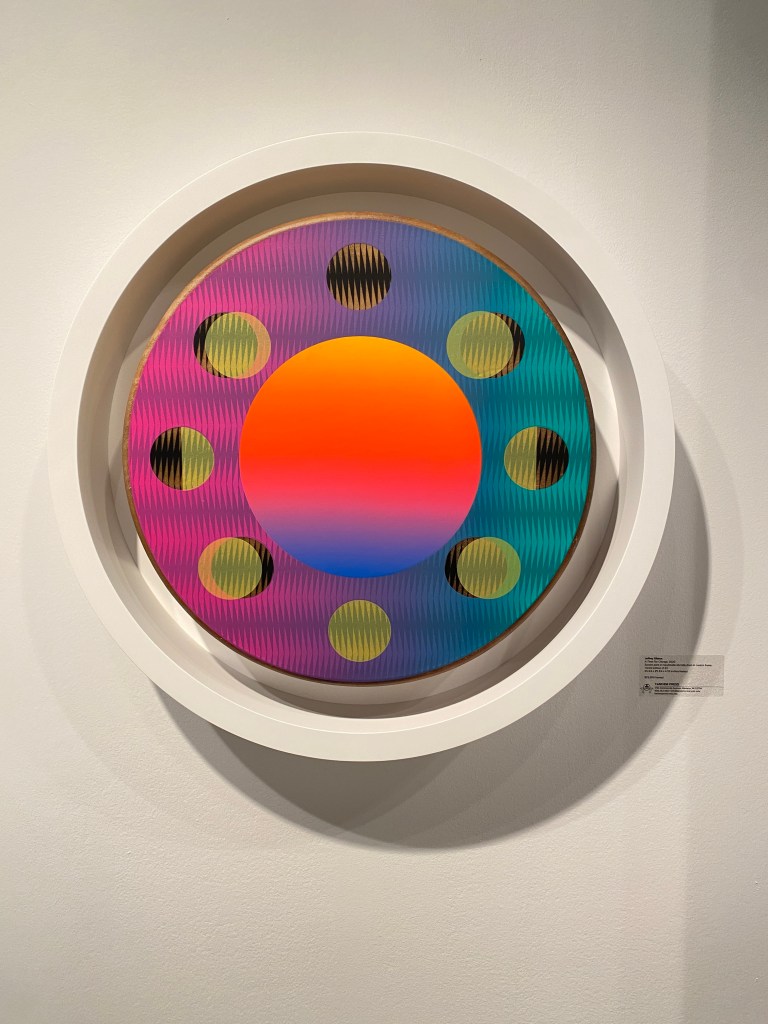
Sited below at Expo Chicago- it’s actually a functional drum. Apparently as always I’m the last to be on the know (he has almost 30k followers). His work has headed in new directions (although the galleria at informed me he still uses some of the drums in performances).
#jeffreygibson
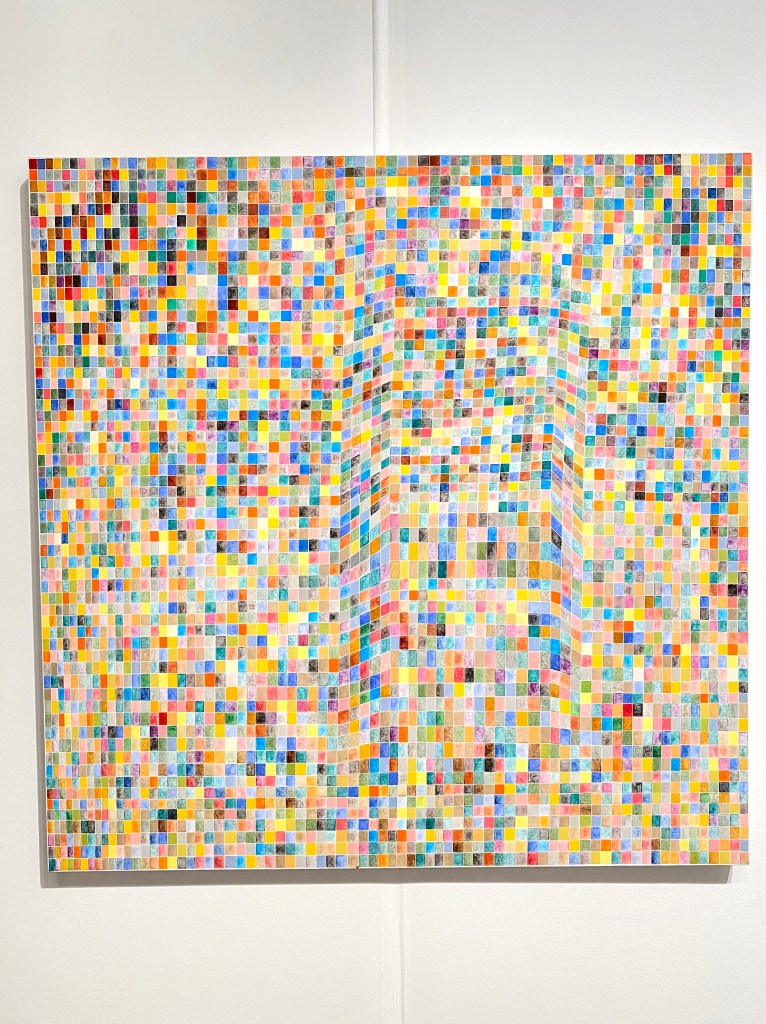
Below spotted at Expo Chicago in the Miles McEniry booth with a number of other creatives crushing it in the abstract “game.” Perusing his IG feed, looks like he enjoyed some of the work I did. I see some strong Overstreet influence at work (Rico is also a Black painter).
#ricogatson

#aliciapiller
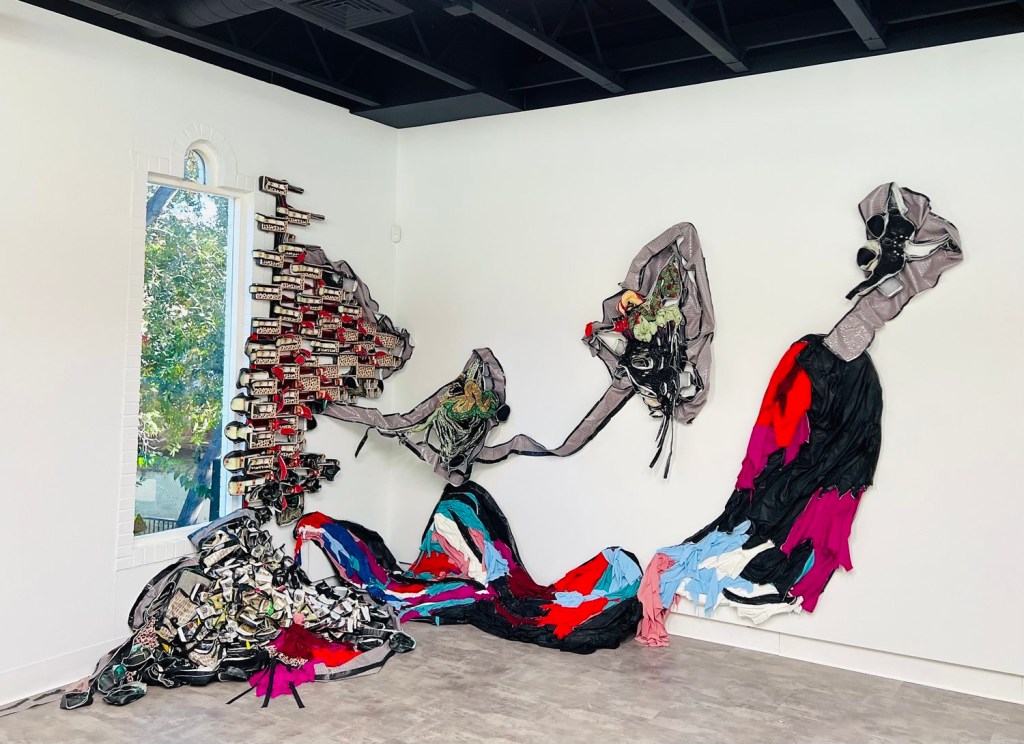
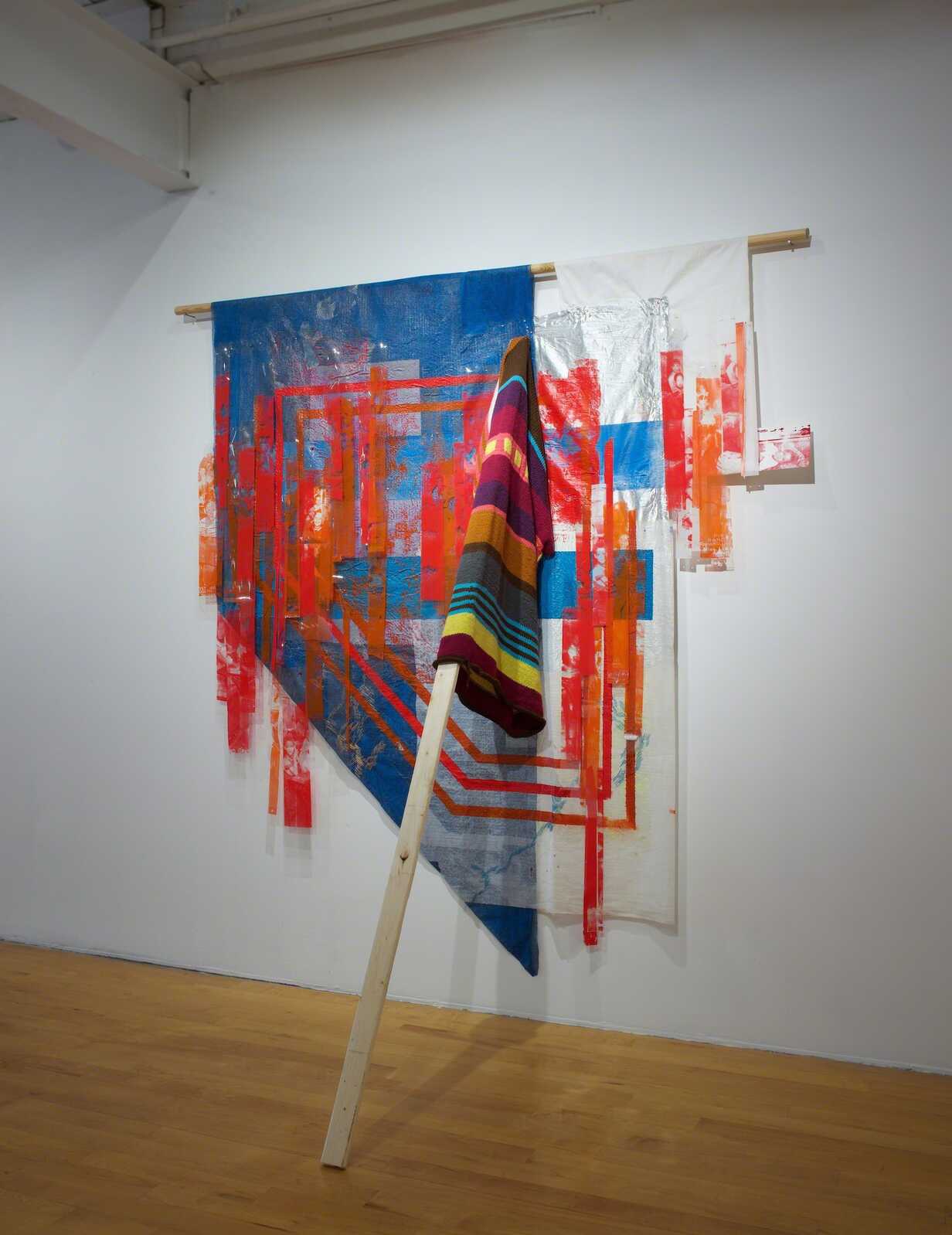
Shara Mays is an Oakland-based visual artist whose work addresses systemic racism through an autobiographical approach. Using abstract expression and intuitive impression, Mays’ paintings and installations invoke landscapes and emotions connected to her family history in North Carolina.
#sharamays
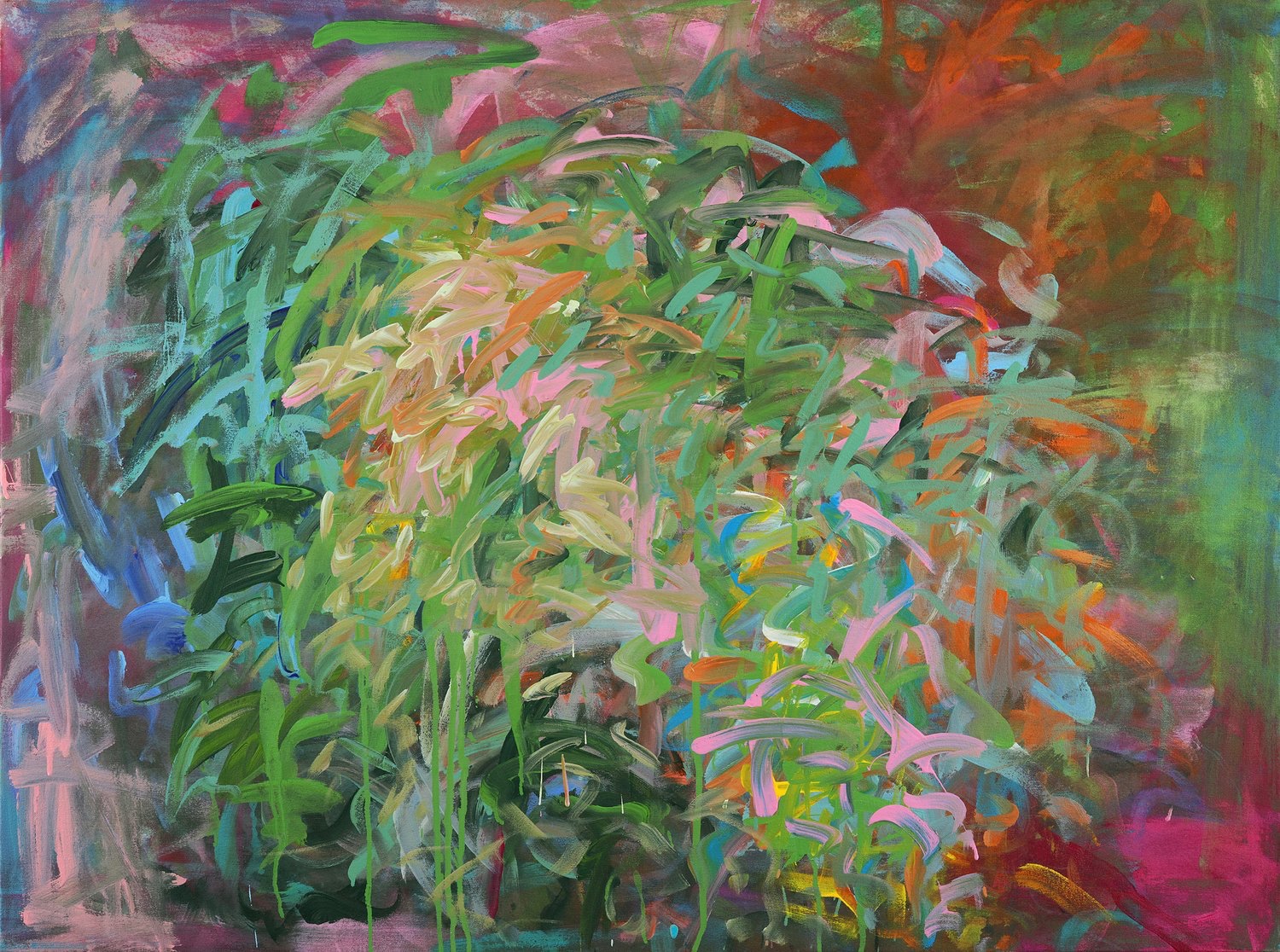
BmoreArt notes Ainsley’s exhibition Raktism and Metachaos. Burrows’ practice mainly uses two methodologies: NeoChaos and Raktism. The former is characterized by expressive gestures and lines, and deep, passionate swaths of color. With it, he explores the reverberations of a history that continues to affect him, showing how the past is alive and how we must make its legacy visible.
#ainsleyburrows
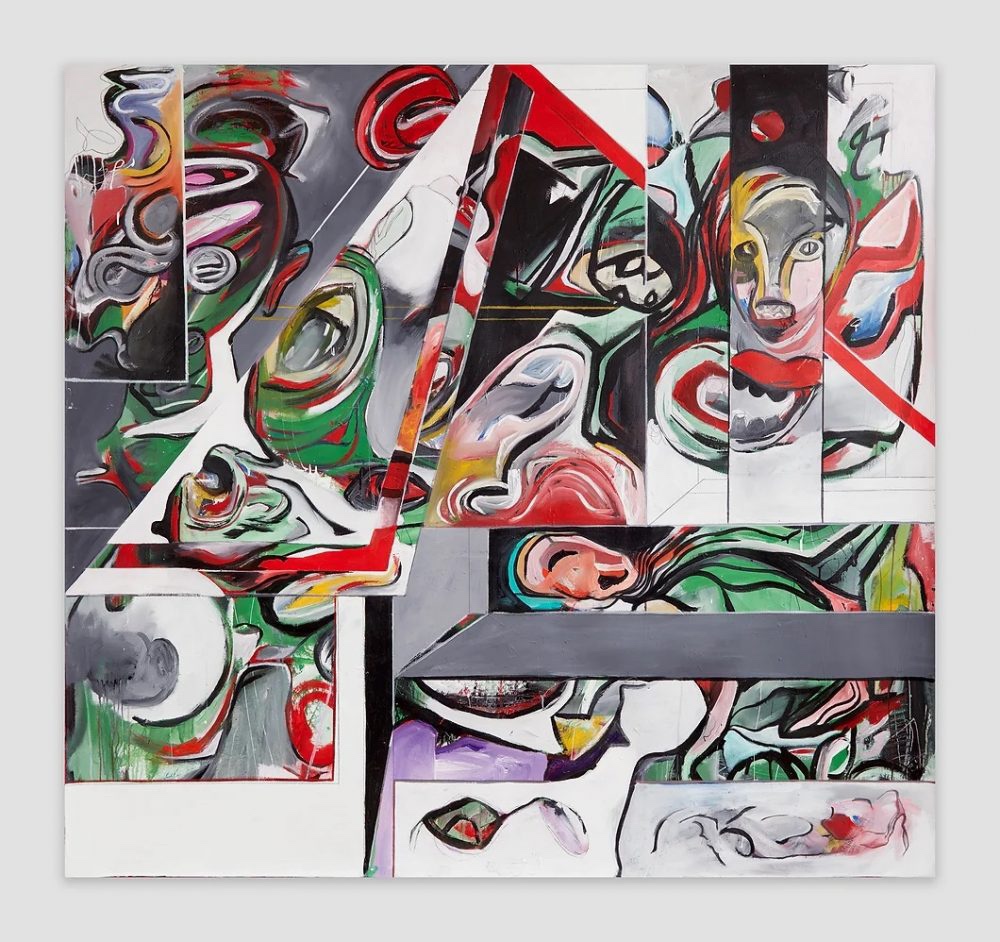
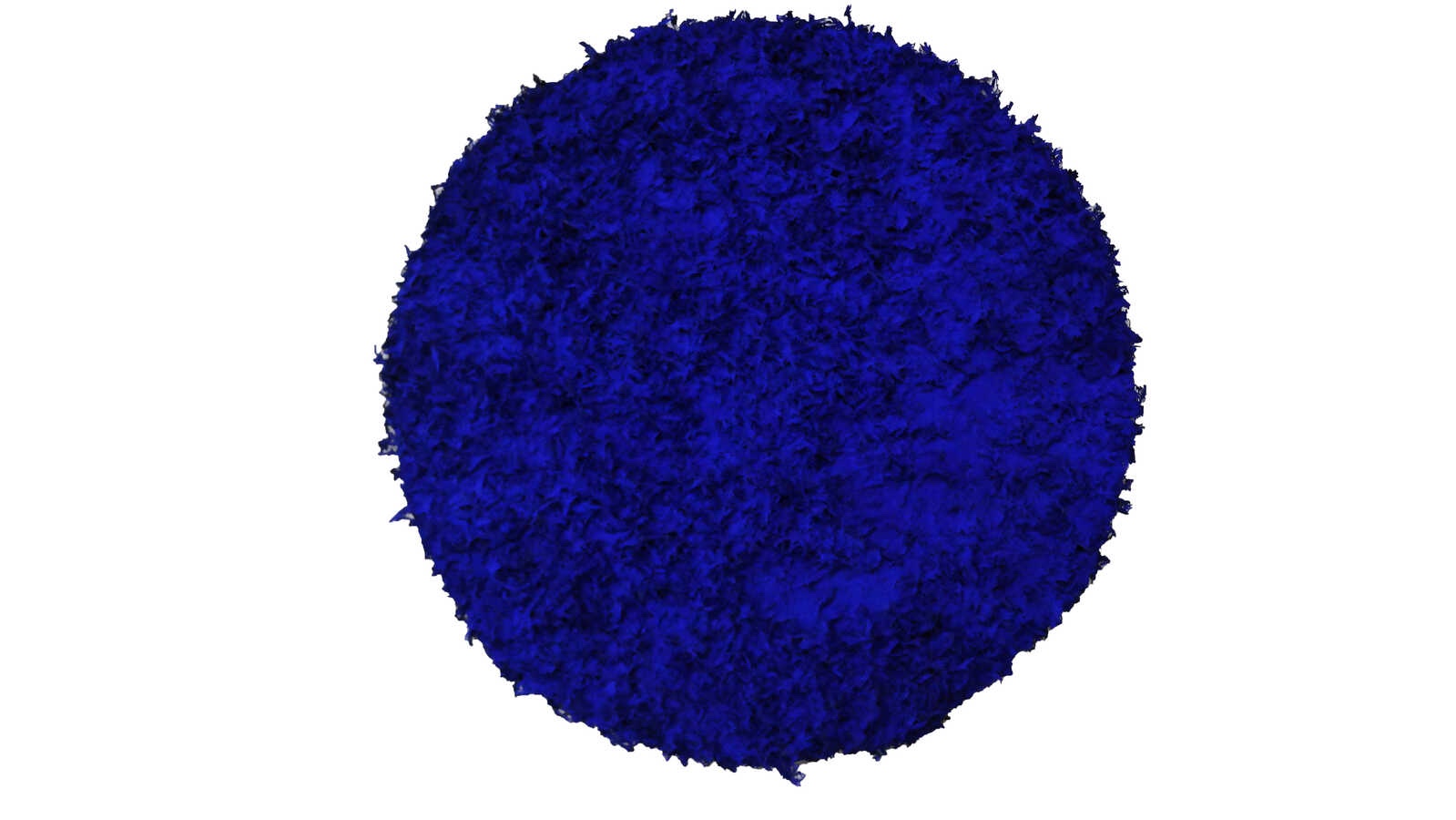
Larry Ossei-Mensah predicts to Artsy that abstraction by artists of color will become even more prominent in 2023. The genre, Ossei-Mensah believes, is essential to shifting the public’s belief that artists of color should only make representational work that is immediately legible. He refers to Atta.
#attakwami

Artforum notes that Bonolo decided early in her career what she did not want her art practice to be about: the political burden of being a Black woman in South Africa. Born in 1992, the artist found that most of the art history she encountered in her country was charged with the discourses of racial and cultural identity politics. Since her time studying at the Michaelis School of Fine Art in Cape Town, Kavula has been determined to play and experiment with form.
If readers find the broader conversation about abstraction in the hands of Black creatives interesting, you should look at Artsy’s ’23 curator outlook in which Larry Ossei-Mensah predicts that abstraction by artists of color will become even more prominent in 2023.
#bonolokavula
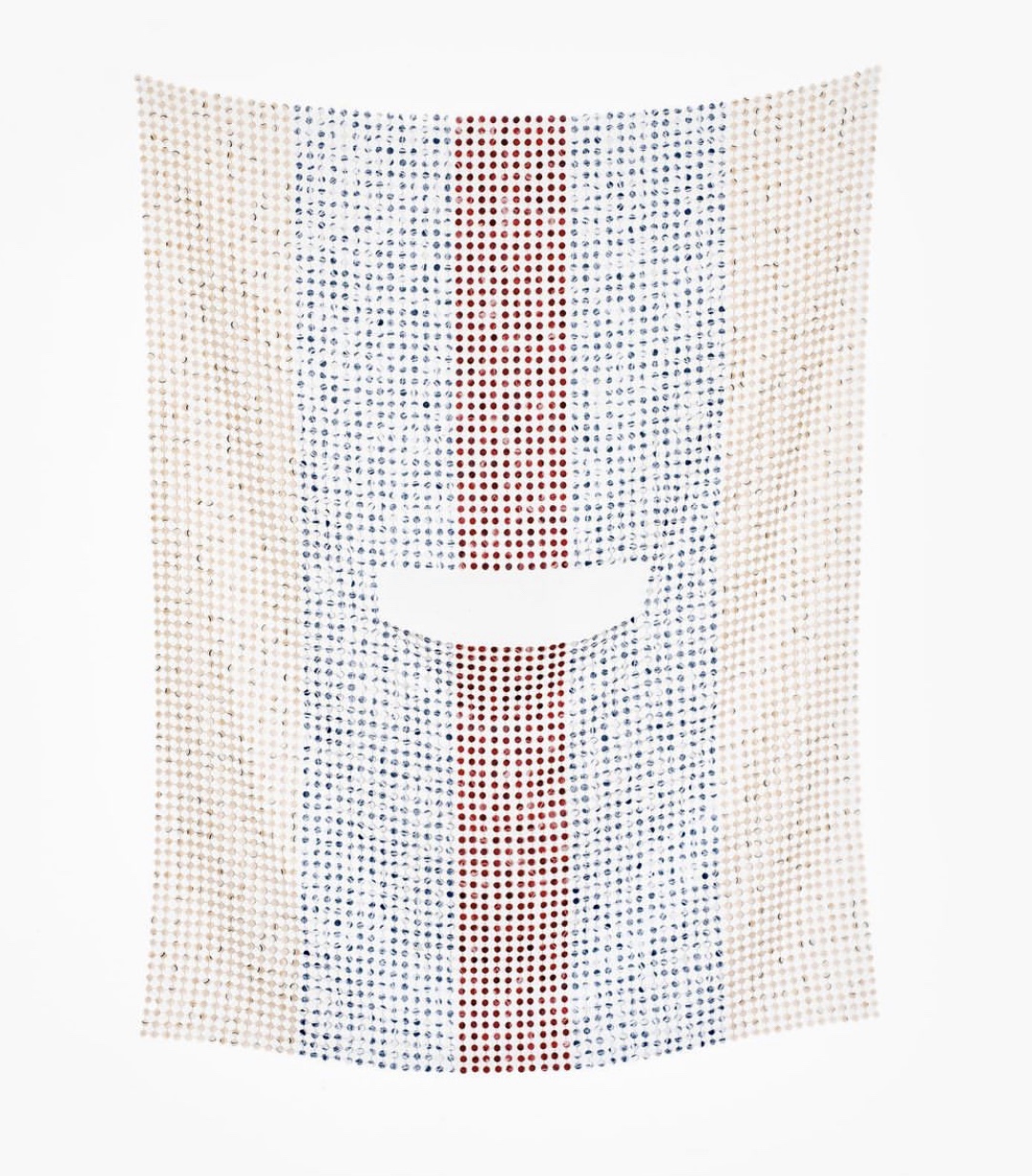
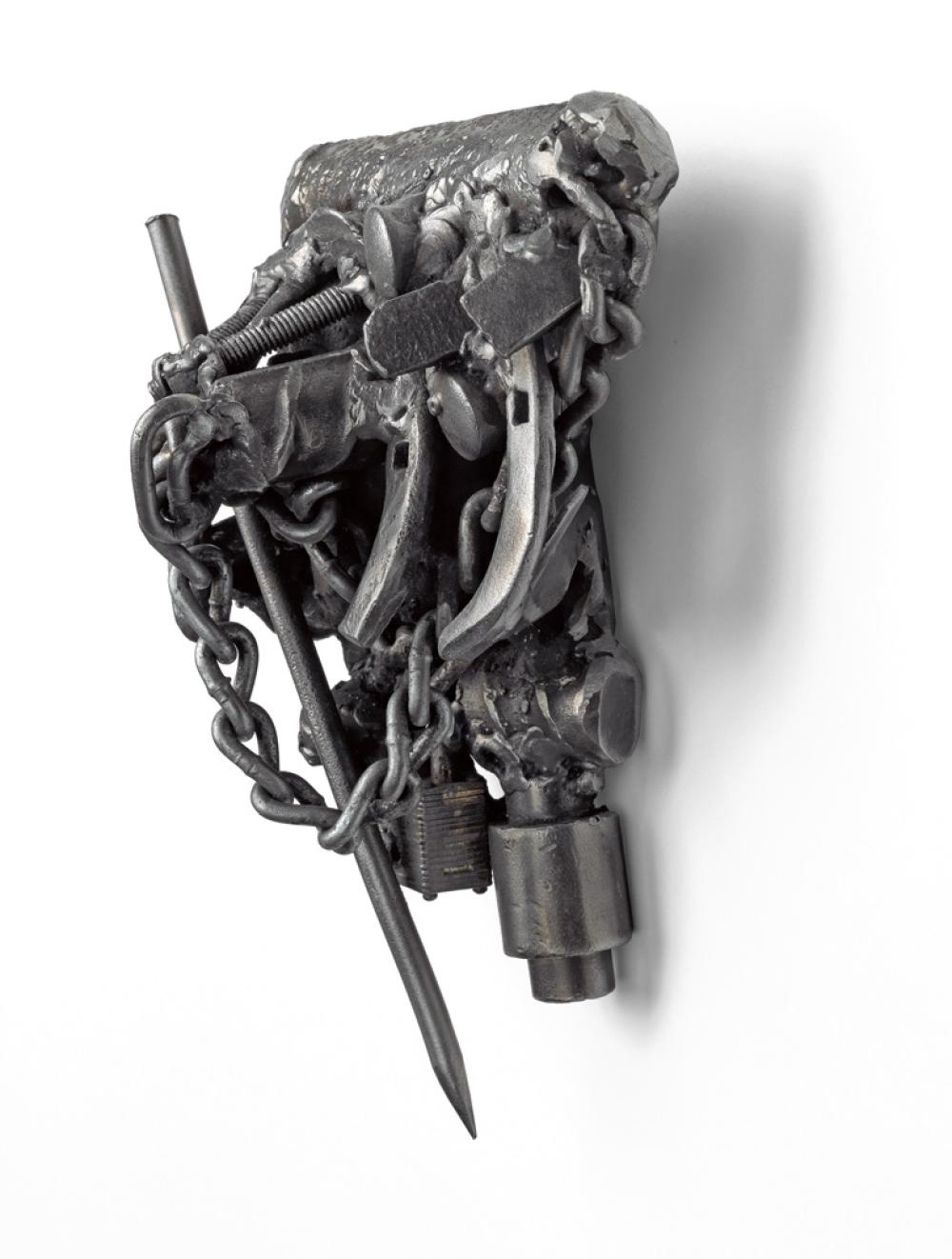
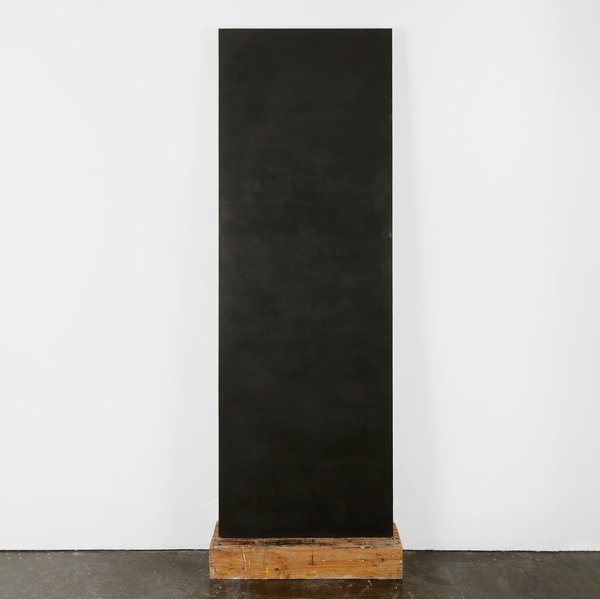
ArtNews asks us who gets to be abstract in the context of revisiting Frank Bowling‘s show from 1969, “5+1”(a show which also included Al, Jack, Daniel and William)? I had heard of Melvin Edwards before from listening to this amazing artist talk. In my head I didn’t lump Melvin in with Sam and William because candidly there is a lot of recognizable materials in his work (see below) and then of course this article made me question that. tldr- the punchline of the essay is that, when Stony Brook attempted to re-stage the show the curators found significant archival gaps because the academic gatekeepers of the late ’60s didn’t deem the show important enough to document. The show reboot also includes many black women such as Howardena and Mary.
More (and more #blackartists)
#melvinedwards
 Painting After Art is Dead