work is at the intersection of found image, three dimensional forms, installation and painting. She is on faculty at Harvard.
#kianjastrobert

work is at the intersection of found image, three dimensional forms, installation and painting. She is on faculty at Harvard.
#kianjastrobert
was a groundbreaking leader who devoted her life to creating space for artists, art, and arts education. A deeply creative and committed artist and activist, Blayton-Taylor was an influential arts leader in the Harlem art scene—and New York at large.
#bettyblaytontaylor
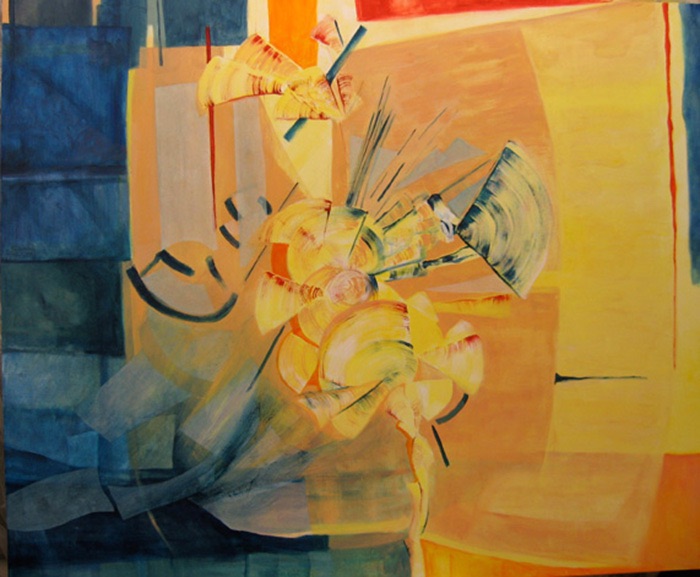
is a British-Ghanaian artist and curator living in London, and is the founder of the Black British Female Artist (BBFA) Collective – a platform that supports Black women artists. Gbewonyo studied BA European Textile Design at Bradford School of Art and Design and began her career as a knitwear designer in New York. Following six years in the industry, redundancy prompted her return to the UK and subsequent career change. Her art practice investigates identity, womanhood in particular, whilst advocating the healing benefits of craft.
#emamgbewonyo

says they are “drawn to works that were given a lot of attention to details. The devil is in the details. It’s in the color composition or orientation of the work or the clever use of contrasting materials that look or feel very seamless.” His artistic practice includes painting, ceramics, installation, performance, and film.
#alteroncegumby
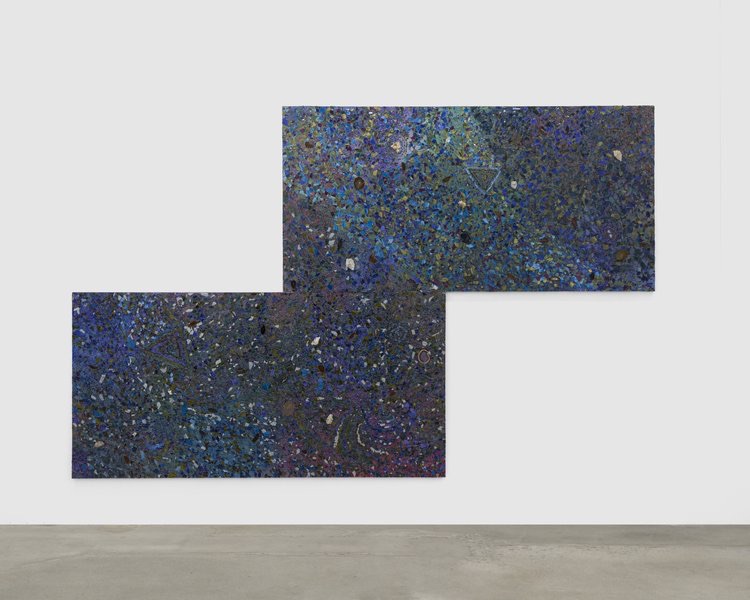
Vaughn’s radically divergent painting practice embraces duality. His canvases range from impastoed mixed-media abstractions to surreal portraiture that echoes the two halves of his output.
#vaughnspann

Ficre was an Eritrean-American artist who made colorful paintings in a series of styles including representational, abstract, and a surreal combination of the two. His paintings show influences of European and American art as well as the culture and scenery of his native country.
#ficreghebreyesus
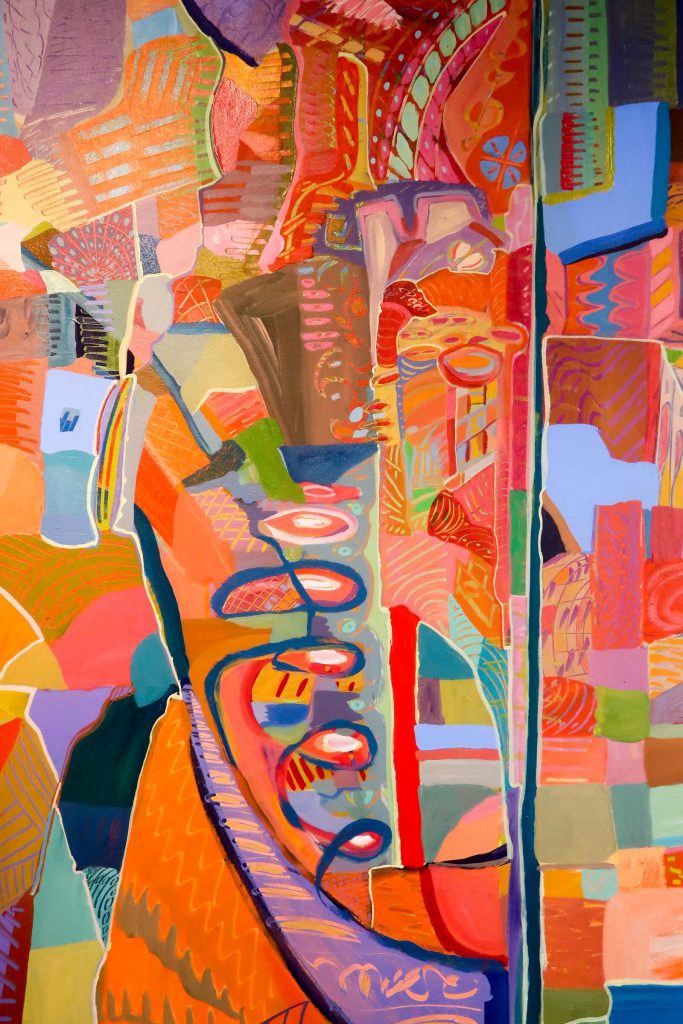
Frederick John Eversley (born 1941) is an American sculptor who lives in SoHo, New York, and for many years, as a Venice Beach resident, was associated with the California Light and Space movement. He is recognized for his “centripetal casting” process and for being a pioneer Black abstractionist.
#fredeversley
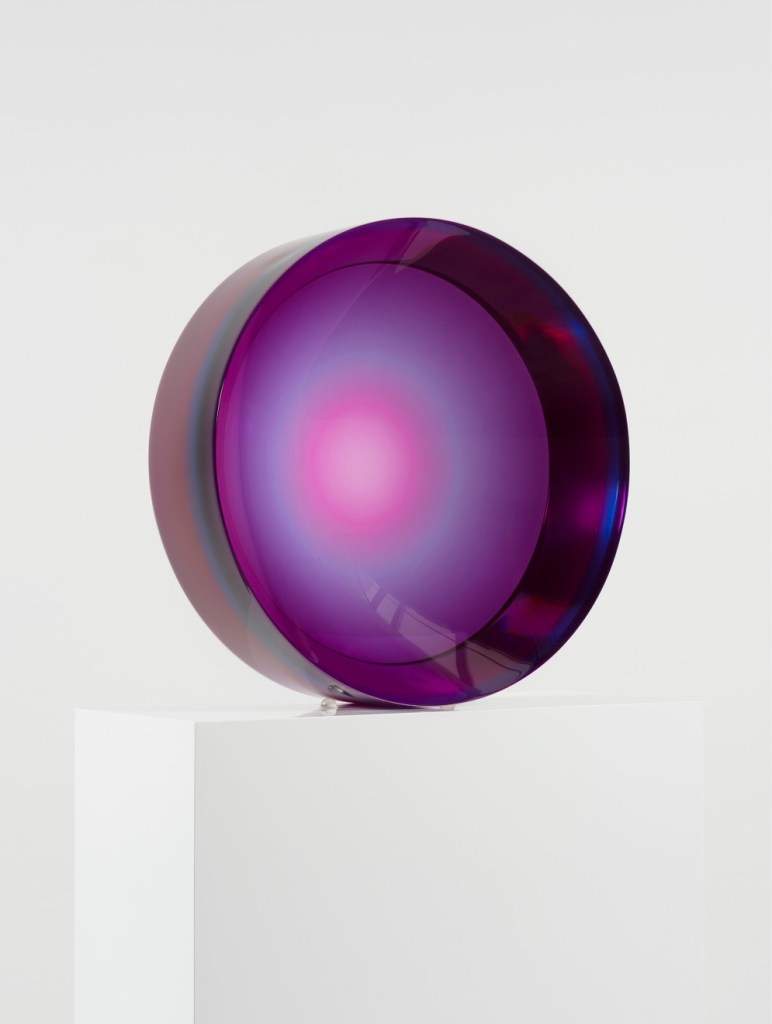
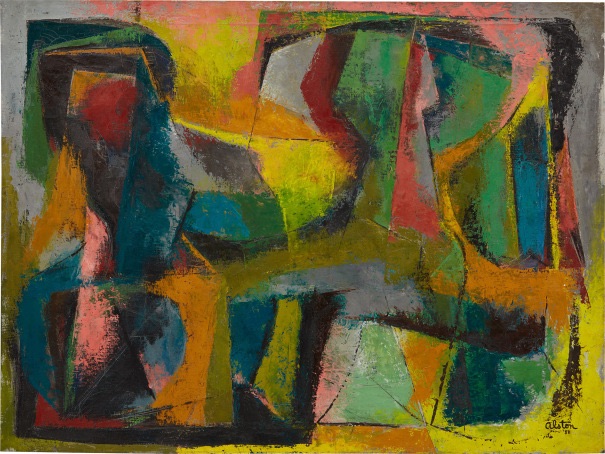
was an American painter, sculptor, illustrator, muralist and teacher who lived and worked in the New York City neighborhood of Harlem. Alston was active in the Harlem Renaissance; Alston was the first African-American supervisor for the Works Progress Administration’s Federal Art Project. Like many Modernists he explored figuration and abstraction.
#charlesalston
Throughout paintings, works on paper, ceramics, and site-specific mural and sound installations, Michaela Yearwood-Dan (b. 1994; London, UK) endeavors to build spaces of queer community, abundance, and joy. Yearwood-Dan’s singular visual language draws on a diverse range of influences, including Blackness, queerness, femininity, healing rituals, and carnival culture.
#michaelayearwooddan

Here is the beginning of a list of some of the exhibitions that have addressed the contributions of black artists to the canon over the last decade or so. I hope the critical community will add to this list over time and please leave me a comment if there is one I’ve missed.
Four Generations, at The Baltimore Museum of Art, featured the Joyner Giuffrida Collection of Abstract Art which is widely recognized as one of the most significant collections of modern and contemporary work by African and African Diasporan artists. The show drew upon the collection’s unparalleled holdings to explore the critical contributions made by black artists to the evolution of visual art.
Abstraction in the Black Diaspora at False Flag featured Tariku Shiferaw, Adebunmi Gbadebo, Alteronce Gumby, & Ashanté Kindle.
Black Abstractionists: From Then ‘til Now, curated by Dexter Wimberly focused on Black abstract artists spanning multiple generations, starting in the 1960’s and ending with young artists working today.
Beyond the Spectrum: Abstraction in African American Art, 1950-1975 at Michael Rosenfield Gallery presented abstract painting and sculpture by a group of American artists working in the years just before, during, and after the Civil Rights Movement. It took its queue from Kenkebala House which hosted The Search For Freedom: African American Abstract Painting 1945-1975 in 1991 (which, like several of these, has a catalog).
There are also, often online-only “exhibits” available from time to time, such as 10 Black British Artists Working in Abstraction organized by Allyssia Alleyne over on Artsy. Black Abstract Artists: Exploring Innovative Techniques from Swann Auction house covers many of the artists noted in the exhibits above and focuses on their technical contributions.
Kenneth Victor Young (1933–2017), was an American artist, educator, and designer. He is associated with the Washington Color School art movement (along with Sam and Alma).
#kennethvictoryoung

An African-American sculptor who at age 33 became an expatriate in Paris from America, Harold Cousins worked in a variety of mediums including stone, wood, metal and terra cotta, and in a variety of styles from realism to total abstraction.
More (gallery that represents his estate)
#haroldcousins
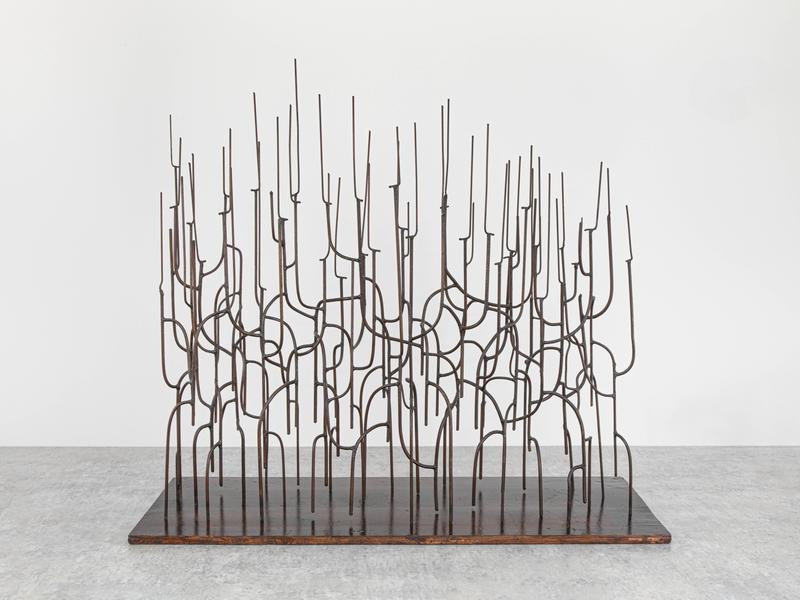
shows with Addis Fine Art which has outposts in London and Ababa (Ethiopia), and is a black-owned gallery (which I know about thanks to Artsy).
#tesfayebekele

If you are curious about the impact black artists are having on abstraction, you can use the hashtag function on the website (link).
Familiarize yourself and lift up these practices, particularly those that have been mostly ignored in the canon to date, such as



 Painting After Art is Dead