Joe Craig at Burnaway reviews the gradients and prismatic showpieces (and gives a nod to Tauba) in Bonnie’s Rainbow’s Bend at Ferrara Showman Gallery, New Orleans.
More
#bonniemaygarden
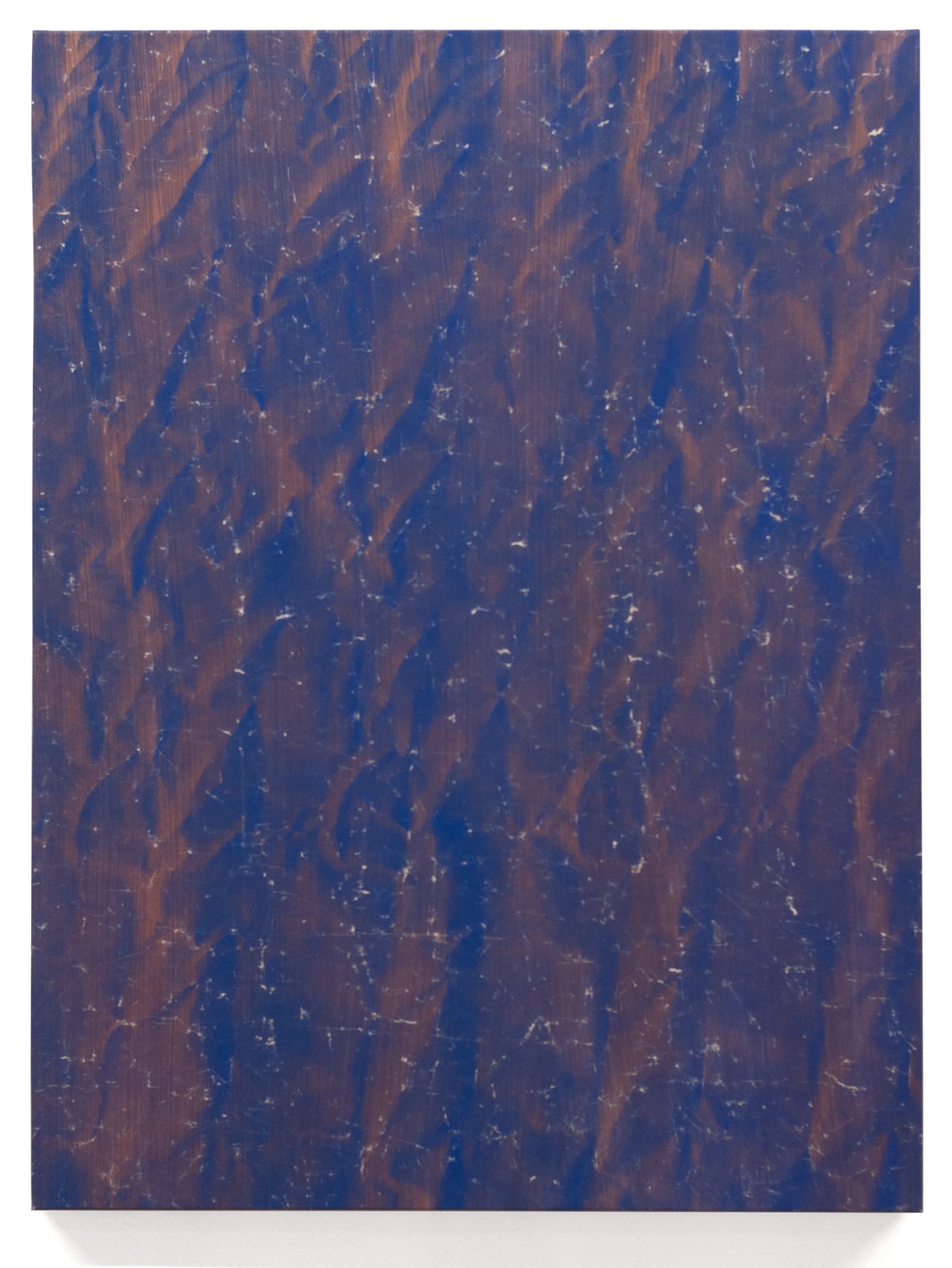
Joe Craig at Burnaway reviews the gradients and prismatic showpieces (and gives a nod to Tauba) in Bonnie’s Rainbow’s Bend at Ferrara Showman Gallery, New Orleans.
More
#bonniemaygarden
The ground I’m covering lately, with the new, square paintings on glass is somewhat familiar.


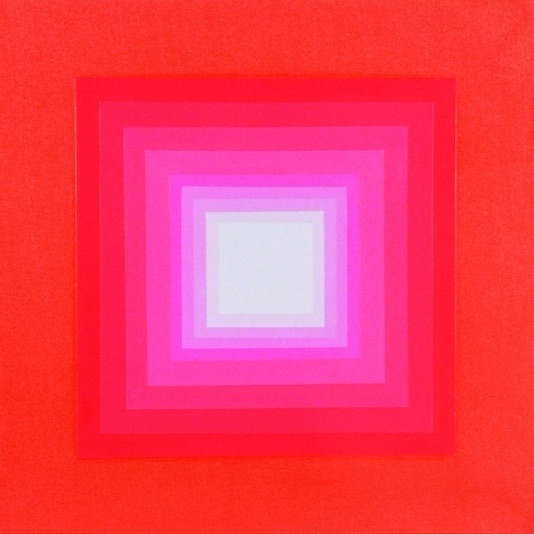

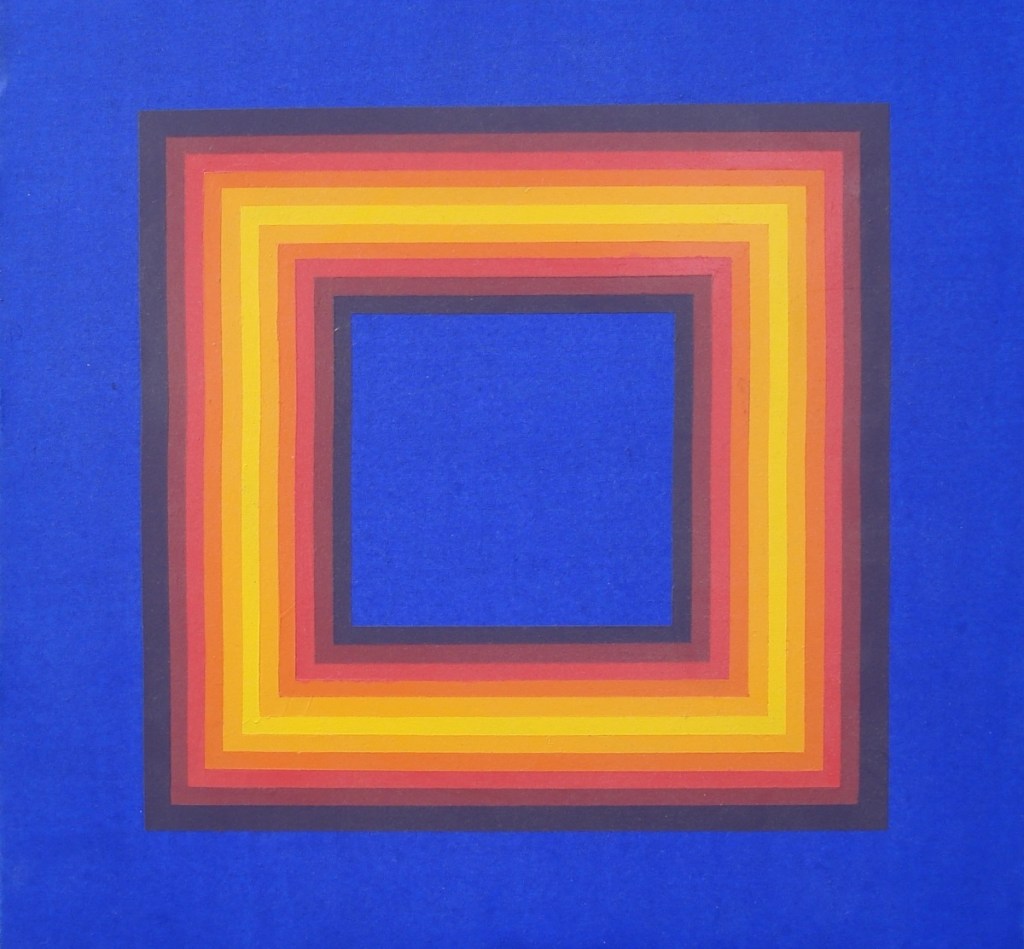
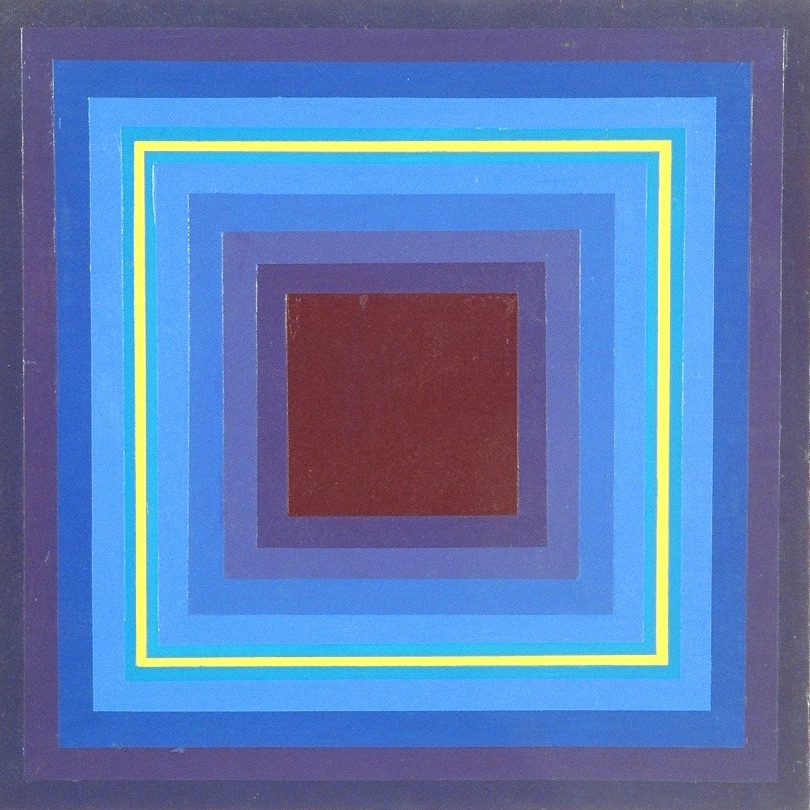
After taking a break from grad school in 2000, I began to make sketches in MS Paint that eventually turned into paintings. At the time these were a reaction to what I saw as an over-seriousness about being cool (a contradiction yes and at the time one I was not ready to receive) which I felt was a prominent theme among the abstractionists that were getting lots of shine in Houston and nationally at the time (my artists statement was, roughly, “yeah, video games and Saturday morning cartoons baby!”).

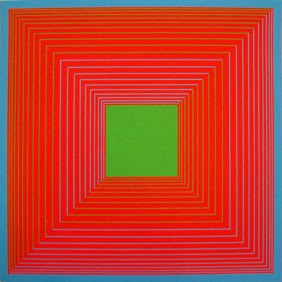
While my newer work intends to have a more direct line to Albers, as I’ve written, the earlier work above was a nod in the direction of Richard Anuskiewicz (for whom the former was a mentor). Both shared a quite well established interest in color theory, and also in perception. In addition to this relationship between bodies of work, I also hope to soon be in need* of a different strategy for production in my practice that looks more like this earlier body of work, which mirrored Richard’s approach to making (heavy emphasis on planning to make production easier in the sense of being straightforward). Organizing my work flow into “bites” that I can chomp off as time allows will be necessary. There will be time for free-form creativity.
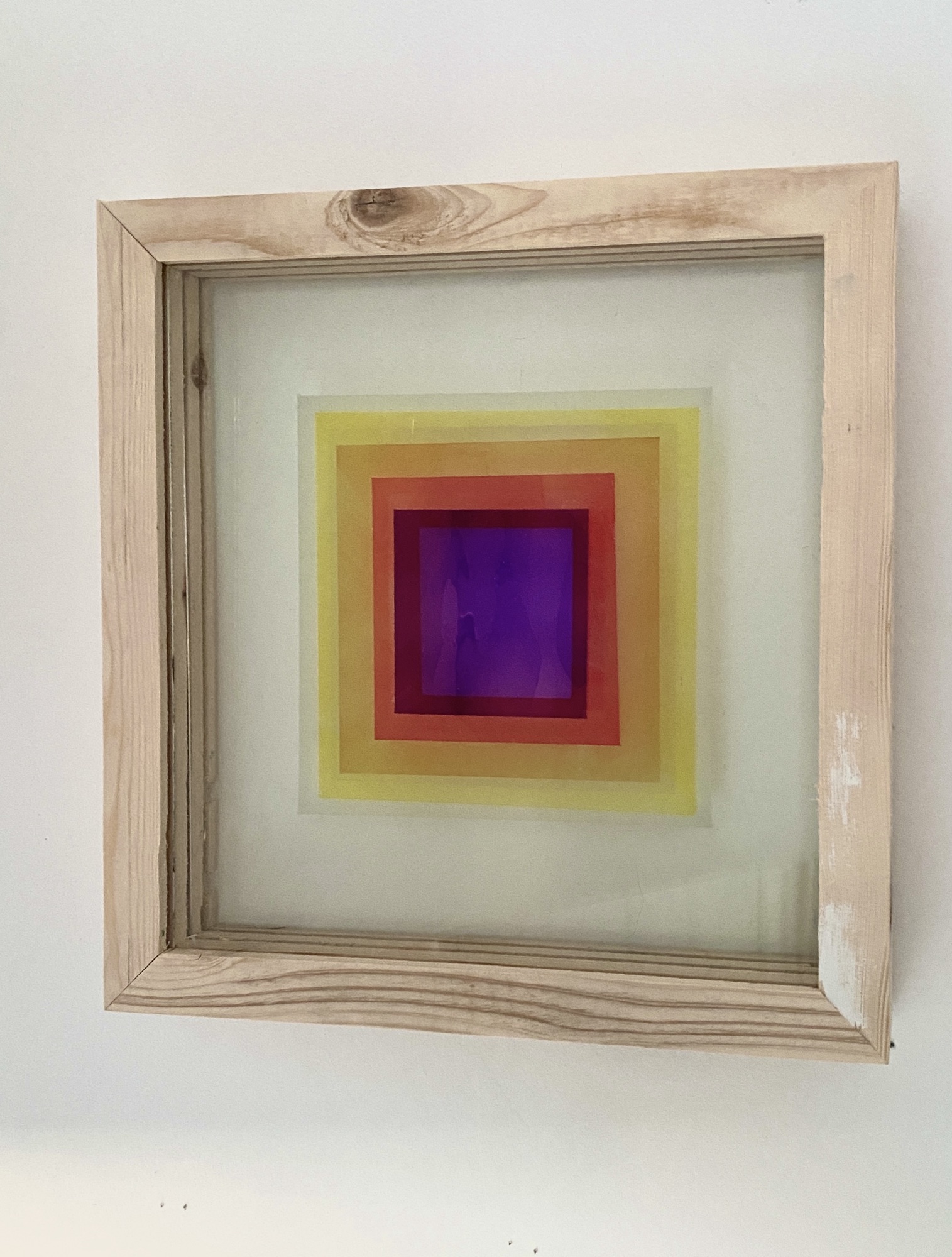
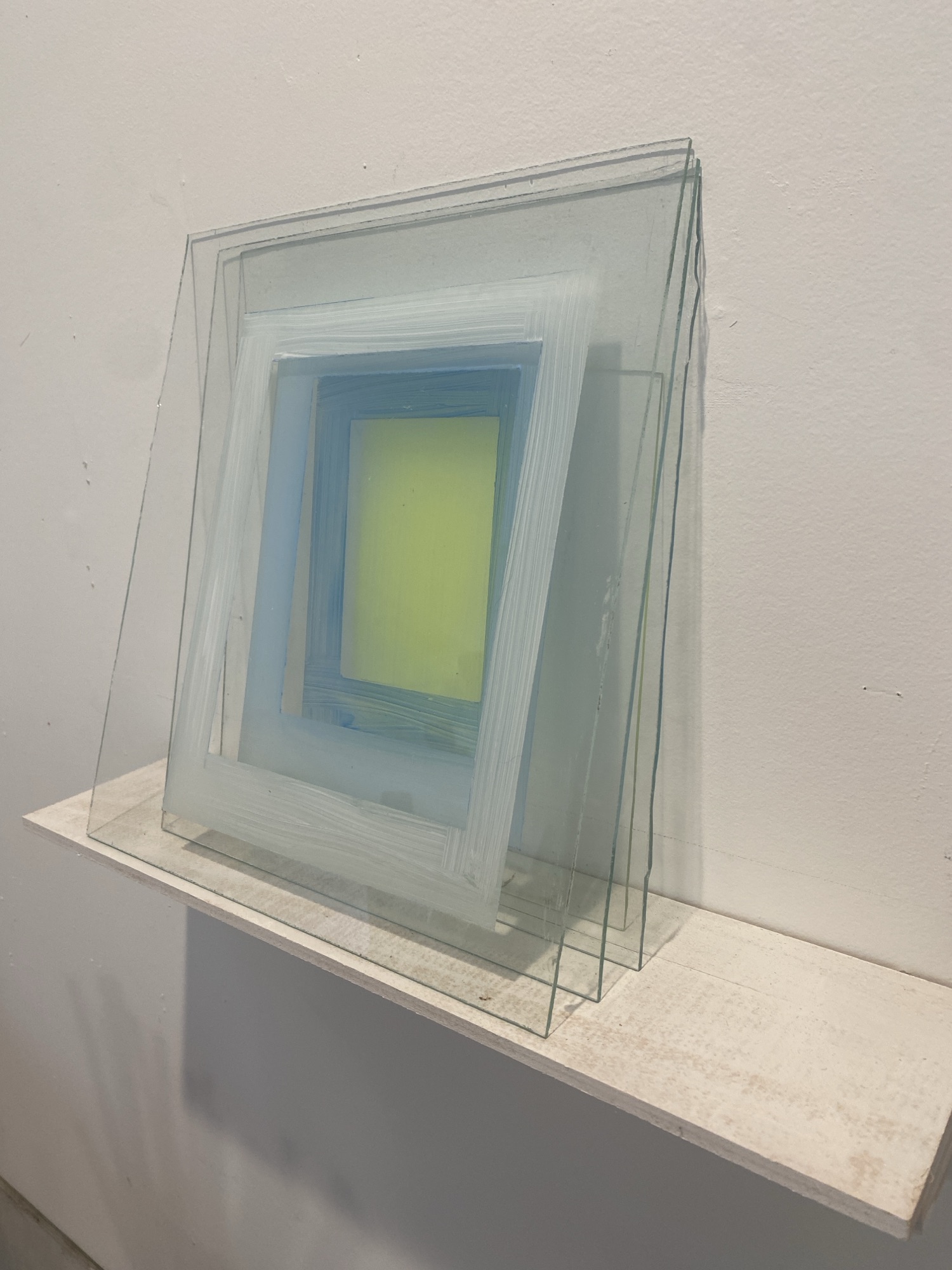


*More to come, suffice to say, life is in flux. Also, I am grateful to have this be the challenge I need to solve (verses so many others which could be my lot).
Not sure how Martha ended up in my IG feed but thanks, algorithm. Very interested in color-focused, small scale work atm.
#marthascheeren

whose work investigates the ways in which material is transmitted, utilized, and preserved, is one one of many artists included in Painting Deconstructed (some of whom you’ve read about here- Rachel, Mark and Yevgeniya to name a few) at Ortega y Gasset.
#scottvanderveen

Michael at Hyperallergic reminds us Lawrence showed in nine Whitney biennials, and was a lover to Beauford Delaney, and his legacy is yet to be fully explored.
More
#lawrencecalcagno

Generative relationships between luminous color and ephemeral form propel Lindsay Packer’s site-responsive work in performance, installation, film and video, photography and streaming media. She plays with the call and response of color and light, form and site, engaging an analog/digital continuum of shifting chroma and temporary geometries in which color and form are inseparable. She’s included in Bluets and Blue along with Erika and others.
#lindsaypacker

took a turn earlier this year in his ceramics practice (which is normally vessels) to present Now is Nowhere Else at Gerald Peters. The intentional development of a process that merged chance and choice caught my interest, and I love his thesis that “the strength of the total sum of the bricks depends solely on the richness and individualism of each single unit.”
#danieljohnston

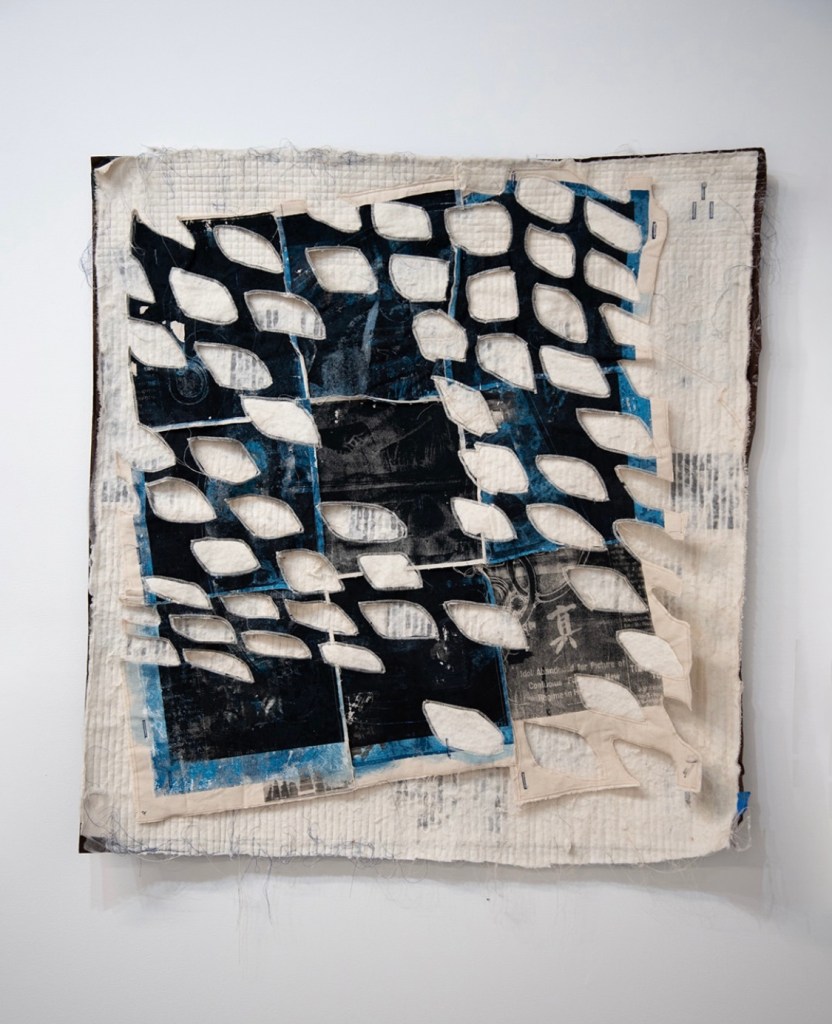
is one of the artists included in Intersectional Voices, the current exhibit at Greenville Tiger Strikes Asteroid. Clare is a weaver and artist whose practice examines personal and familial experience within the broader framework of myths and narratives that make up the American South.
#clarehu
This isn’t going to become a lesson in epistemology, I’m not that smart or well read.
Today, I caught an excerpt of a Sam Gilliam (RIP) interview that Hyperallergic reposted on their IG feed (youtube.com/watch). The full interview is available on Louisiana Channel (along with a lot of other good ones by a range of artists). The truth nuggets, paraphrased, are that a) abstract painting can be political because it asserts by its existence that there are things which we might not understand and that b) just recognizing something isn’t tantamount to understanding.
I also really got a lot from an Artforum interview with Jordan Nasser (FYI, there may be a pay wall, depending on how many free articles you’ve viewed this month) about the contradictions (hey-oh) of diasporic identity, the nuances of his relation to traditional craftmaking, and the role of artists in continuing cultural legacies. There’s an effort in Nassar’s practice to create understanding as well, I think of a similar kind to what Sam probably envisioned. I think they both refer not to “understanding” the noun which is the ability to perceive intended meaning in a specific way (so, decipher or interpret); instead they intend us to think about understanding the adjective– “sympathetically aware of other people’s feelings; tolerant.”
BTW, “yes” I do definitively think it is important right now for many more of us to make an effort to understand the lived reality of the peoples of the Palestinian state, not just over the last 6 months, and, certainly because of that context (and in general, to reconsider the tenants of Modernism and the idea of shared humanity).

PS, if you want to expand your understanding of other cultures by doing something here, locally, in the Triangle, go check out To Take Shape and Meaning.
Adam at Two Coats sits down with Larry to talk about why he restarted his practice (in the context of some recent success of the same). A good read and yes, I like backstory.
More
#larrygreenberg
Final post about 2024 Artfields artists*.
Cristina works with remnants of previous textile projects as well as materials donated by local makers in Charleston, and expands her study of the cane weaving pattern into a large-scale installation. Her relationship to cane weaving is one of nostalgia rooted in her memory of my elders, their homes and communing spaces.
*see also Brent, Kristy, Kai, Natalie, Ian, Amberly, Margaret and Emiko
#cristinavictor


 Painting After Art is Dead