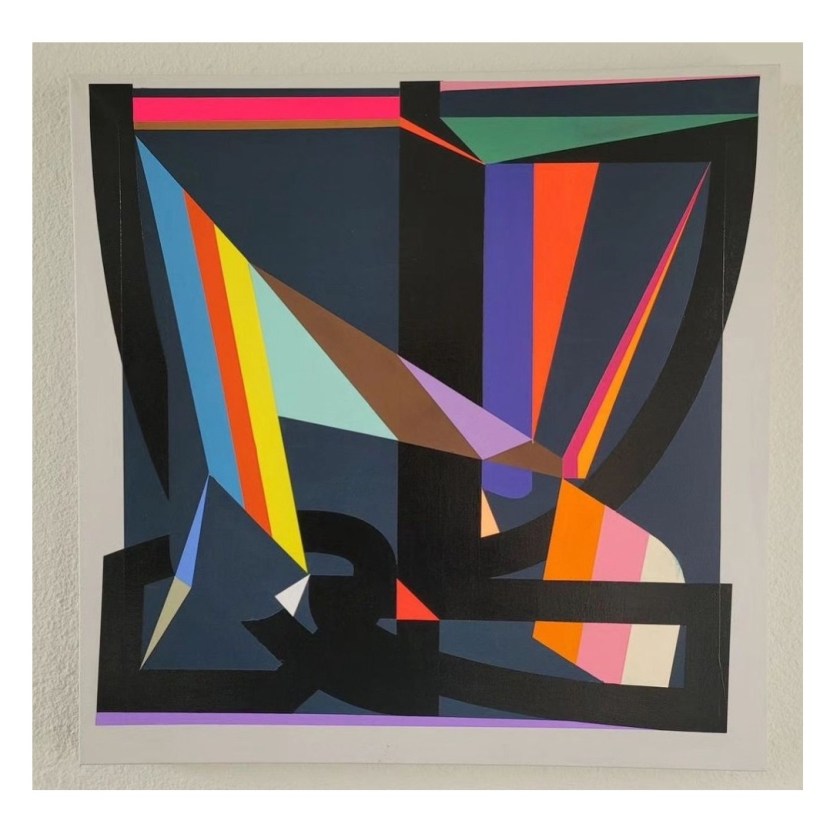
The first and only time I’ve seen one of Samia’s paintings was in Taking Shape, an overview of Modernist abstraction in the Arab world.
The Sidney and Lois Eskenazi Museum of Art at Indiana University was set to open the first American retrospective of Samia. The show “Samia Halaby: Centers of Energy” was scheduled to open on February 10th 2024, and run until June 9th 2024. The exhibition had been planned by the museum for more than three years and included a substantial catalog, as well as a sister exhibition at Halaby’s other alma mater, Michigan State University’s Broad Art Museum, to open in late 2024.
On December 20th 2023, Halaby was informed by the museum’s leadership in a two-sentence letter that the exhibition was canceled out of “safety concerns,” despite no evidence of threats to the artwork or the campus. After privately appealing the decision to IU President Pamela Whitten and receiving no response, the artist and her supporters have gone public to ask for support to reinstate the exhibition.
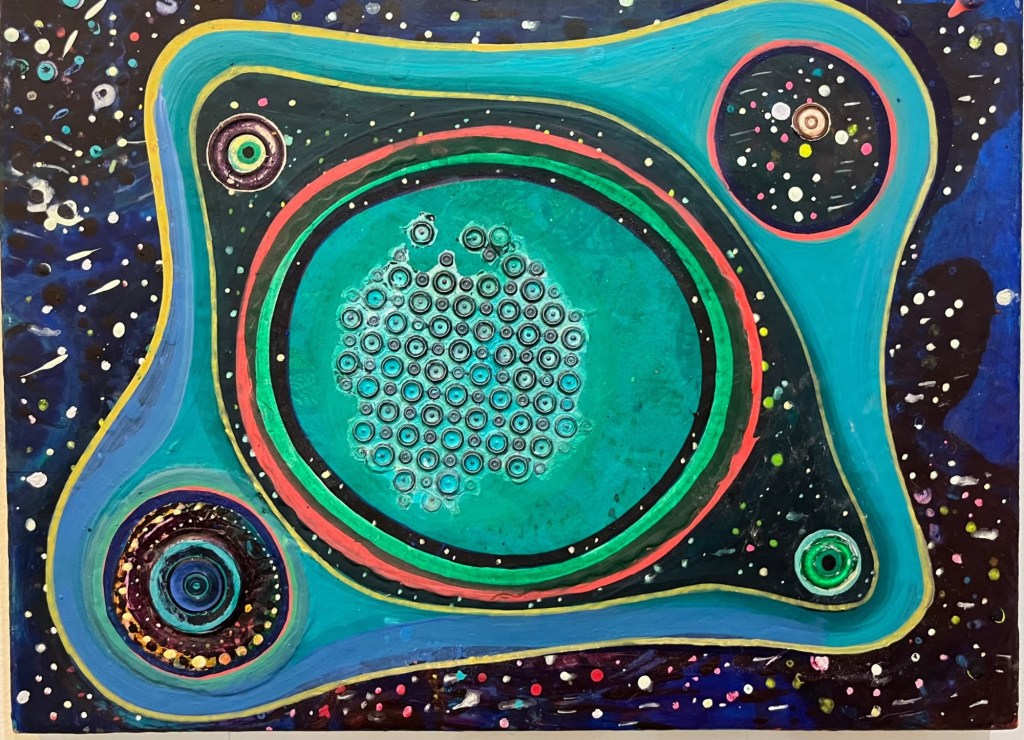
Debra is a self-taught painter, beginning at 12 years old in acrylic, always painting bright colors, forms, shapes and text. She attended Rowan University and then she also received her certificate for interior design at NYU. Her other art interests are photography, collage, landscaping design and writing. Through the years, her artistic language has changed from literal to abstract and vague. She like to use colors and shapes and forms as a language. In 2016, she formed 1milliondiamonds as away not only to help herself catalog art with its own semiotic language that was inspiring, but also to promote artists that were making art that others have not seen.
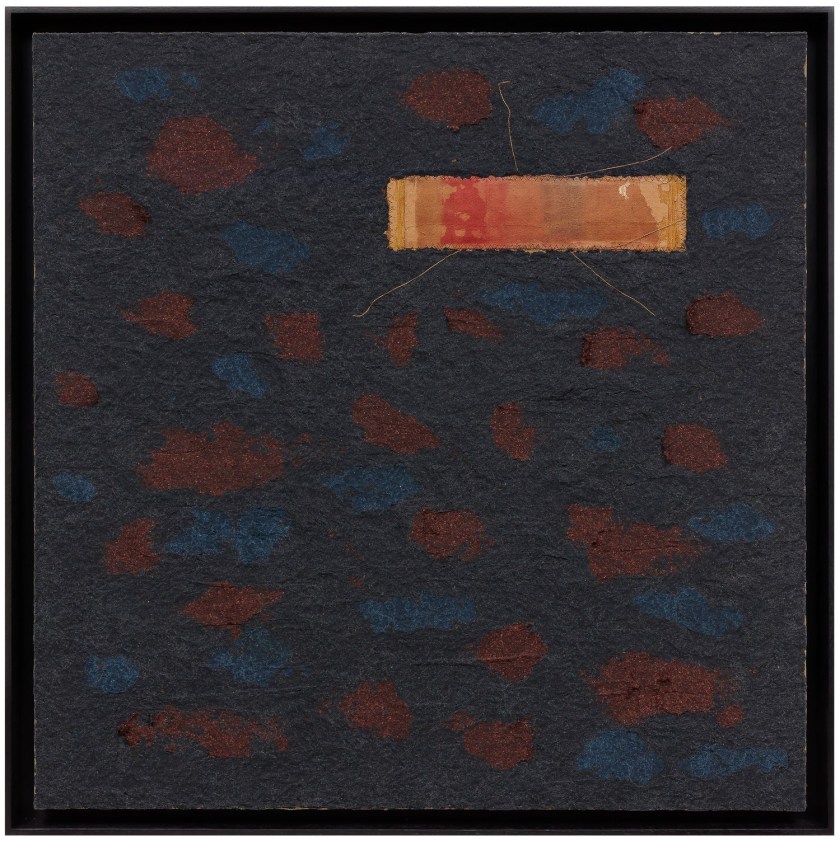
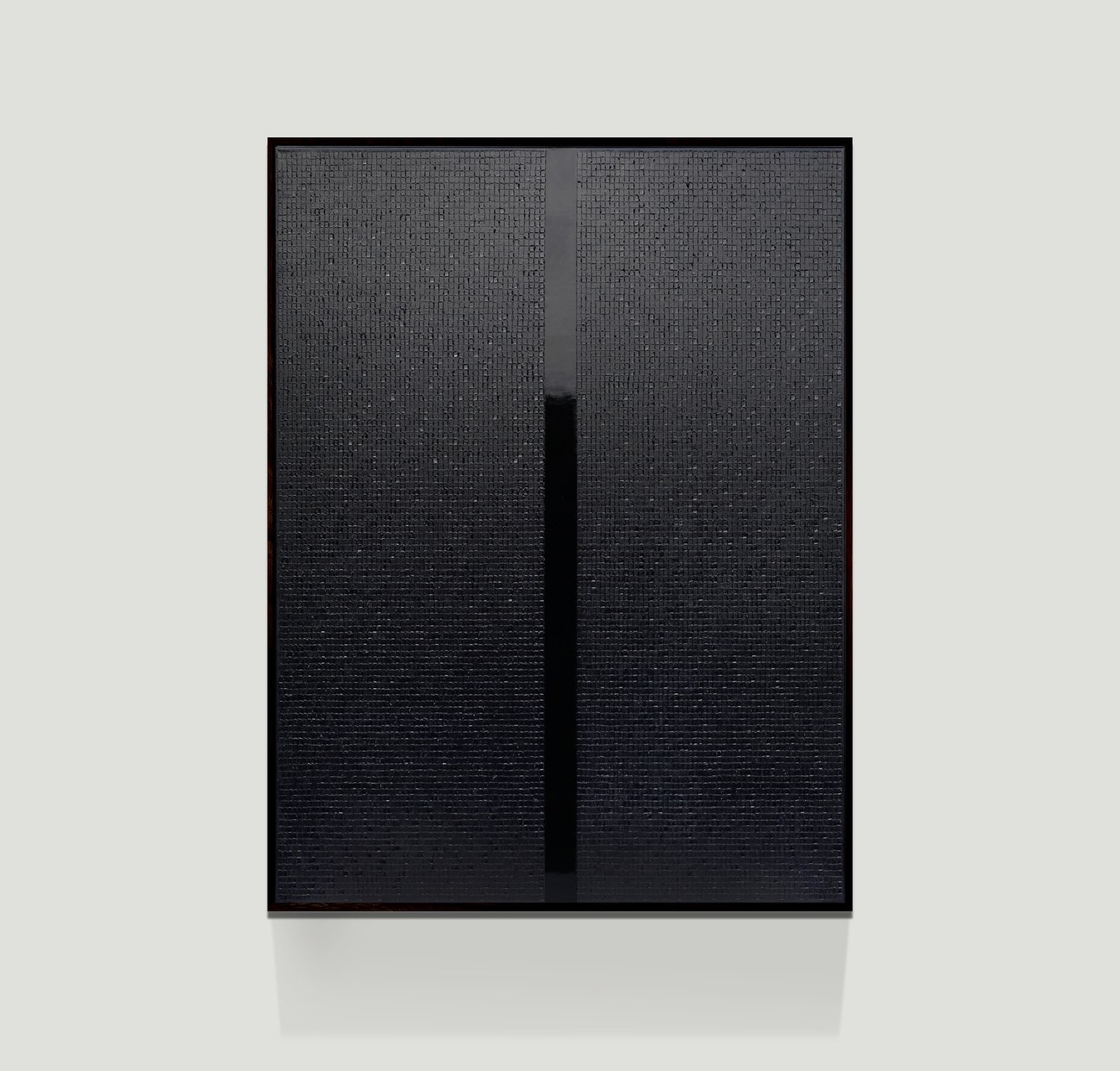
Samuel Levi Jones was born and raised in Marion, Indiana. Trained as a photographer and multidisciplinary artist, he earned a B.A. in Communication Studies from Taylor University and a B.F.A from Herron School of Art and Design in 2009. He received his MFA in Studio Art from Mills College in 2012.
His work is informed by historical source material and early modes of representation in documentary practice. He explores the framing of power structures and struggles between exclusion and equality by desecrating historical material, then re-imagining new works. Jones investigates issues of manipulation and the rejection of control in a broad sense.
Some of you may have caught one of my IG posts in the last month where I have soft unveiled a new work, which used to be called remixes (locals may have seen prior iterations at Golden Belt Arts in Durham or at Hartwell in Raleigh via Charlotte Russell Contemporary). While the piece still has the element of up cycling, the primary impetus and hope for the piece is that viewers will interact with it in the way I can be seen interacting in the stop motion video below. Not 100% certain what I’ll title this one yet*.
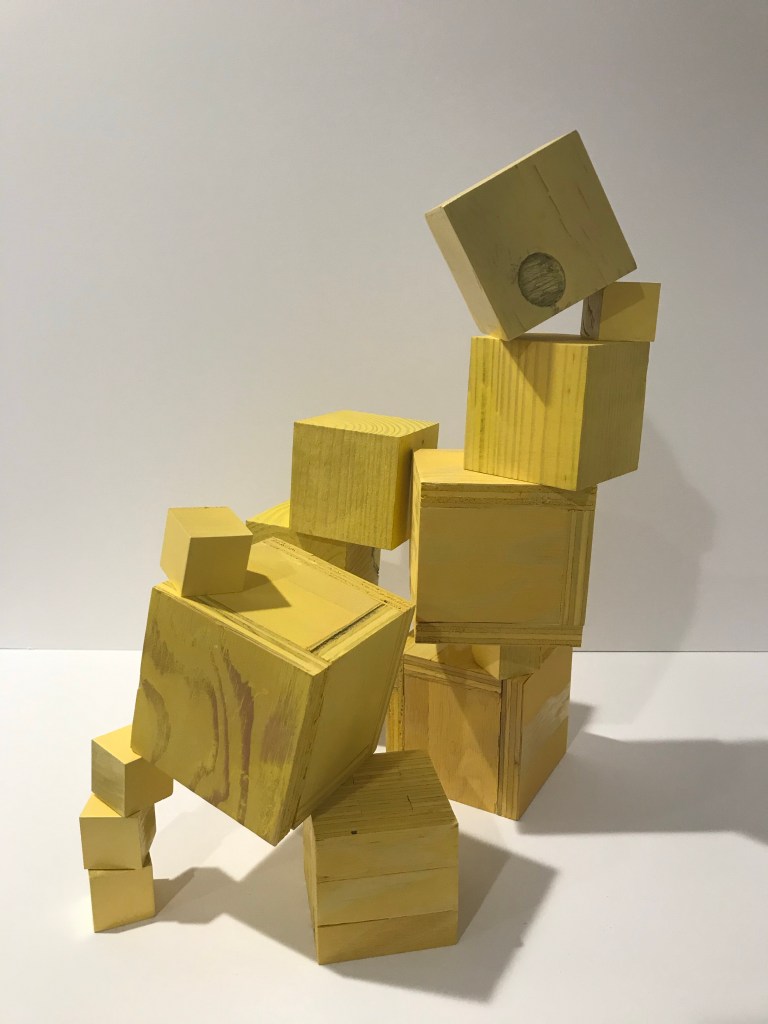
I’ve also previously done collab work with the audience using a web form, early on in development of the wooden cube system I’ve developed, which resulted in works like below. My collaborators were other friends who would give me instructions (an inverse Sol Lewit) via web form- they would indicate quantity, size and color of cubes that I could use to create a temporary work. Each participant was emailed an image of the configuration of cubes I made based on their instructions.
So I am still interested in Sol, sort of. I think the idea of an… idea that becomes a machine is interesting in 2023 across some dimensions that didn’t even exist in the ’60s. Also, as an artist interested in contradiction, I like the idea of inverting Sol’s positioning of his idea as the impetus for an audience-collaborator’s use of materials and giving the same materials but no prompt.
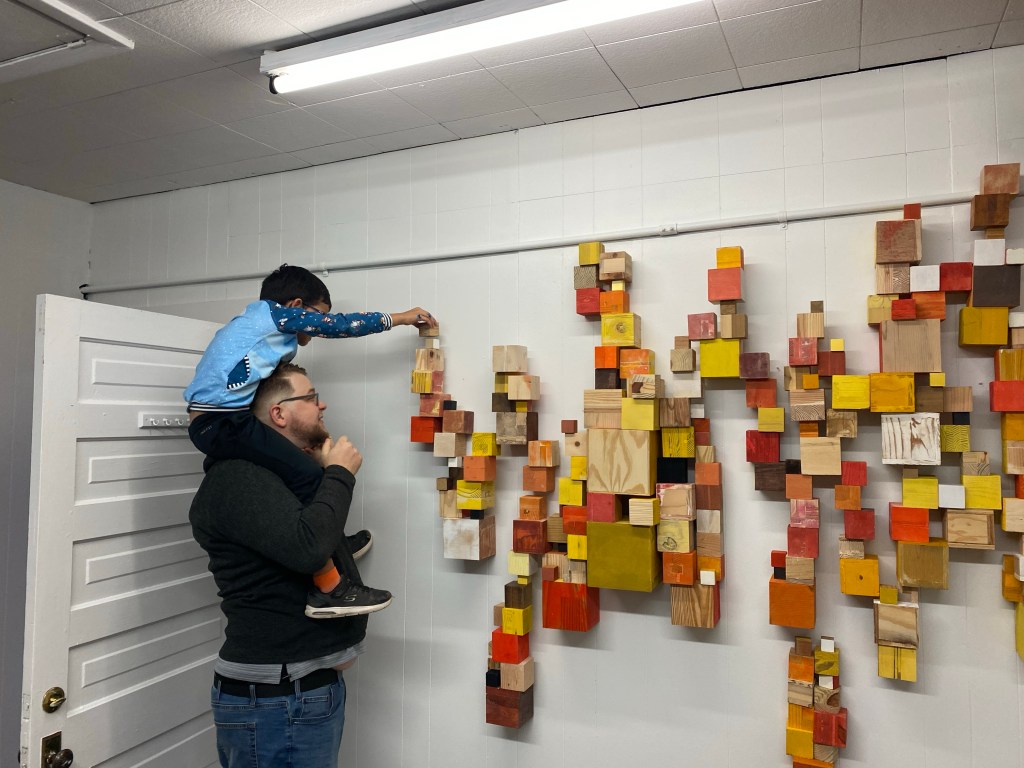
I have also integrated this thinking as part of my ongoing activation at/in my friend, Tom‘s, studio space at the Carter building on South Glenwood in Raleigh. I’ve made the open invitation to folks who pop through the space during the First Friday art crawl to participate in assembling the piece, and their reactions have been not surprising (they show surprise, and almost always uncertainty, too) and instructive. People also call them blocks btw (not “cubes”) because, well…
At first when I started all of these projects I felt like their guiding theme was a hypothesis of mine regarding the role of the audience in creating the content of the (non-figurative) work. Now, maybe, I think… the thematic entree for ideas into this work relates to another part of my practice, my afore-mentioned interest in contradiction, in particular the contradiction of the desire for control and chance to both exist in the work. These two concepts seem really material (haha) in the context of (American, middle class) life in 2023, no, oops- 2024 (Happy New Year, readers!). What I mean is that I have a sense, in my gut, that giving control of something you own to others, and letting chance- real abdication- steer outcomes in your work brings up all the feelings. Further, this set of actions seems to have a level of associated risk, in the context of this moment, that feels specific and intense. Said differently, I feel weird just trusting other people not to use power over me, or something I made, for ill intent. I am only beginning with this blog to attach words to these feelings and impulses and I look forward to talking about these ideas with many of you over the coming weeks!
*The working title I have for the piece, which will be shown publicly at Wilma Daniel’s gallery at Cape Fear Community College, is “Go Ahead Make Sense Of It All.” Part instructions, part acceding, part admonishment.
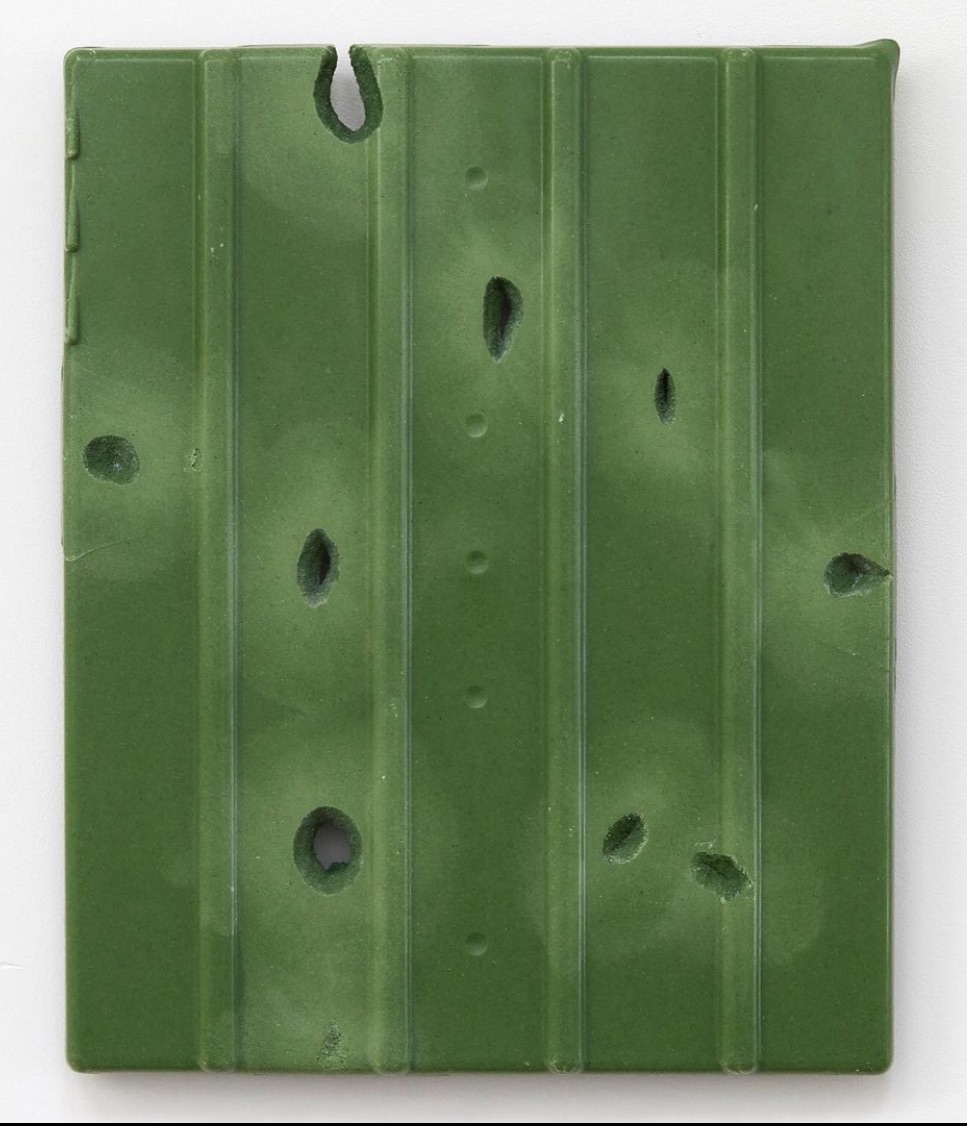
About her practice Sarah says she has developed a visual lexicon that focuses on the ubiquitous nature of non-biodegradable plastics. Anthropogenic materials such as containers, bins, disposable packaging etc. are embedding themselves into our geologic record as a layer of plastic sediment and hybrid plastiglomerate rock. I envision my extended body of work as processed-based art which further imagines a future geologic narrative that includes fossilized plastic waste.
Not sure what Artsy rabbit hole led me to Ellen’s painting (and video) work, but here’s an interview from her studio which overlooks the Hudson River, a subject that she has focused on for the past 20 years.
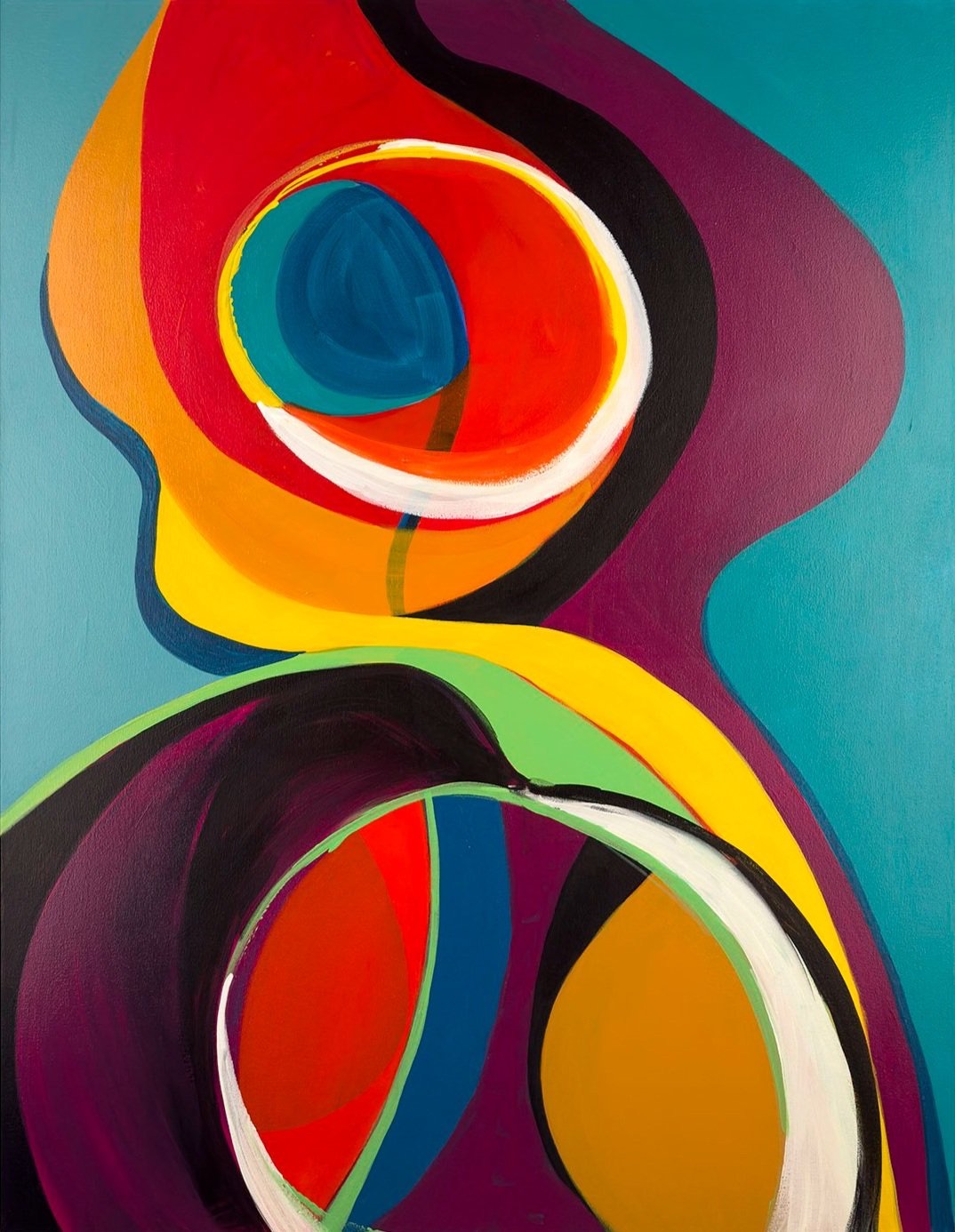
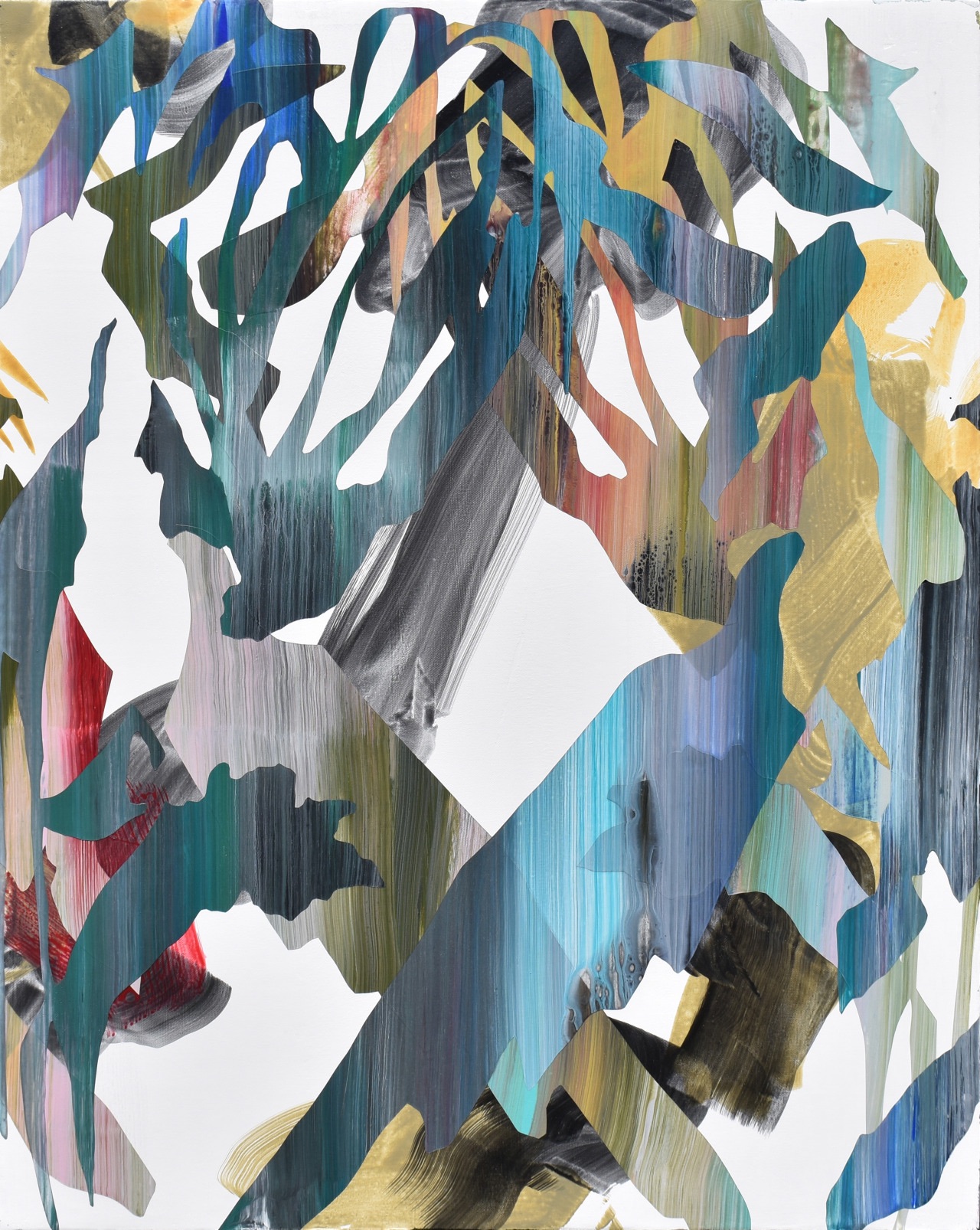
The Painting Center is pleased to present the solo exhibition “Beginner’s Mind” by Diane Novetsky in the Main Gallery. The exhibition features acrylic paintings on canvas exploring saturated color, crisply defined contours, and organic shapes that bend, twist, and leap in space.
Piers is a British artist working in painting and printmaking. His pieces often combine the use of a limited palette and application of the medium to create prominent forms and composition. Piers has enjoyed a successful career as an interior designer, which often informs his works.
Eyal is (posthumously) the subject of Michael Brennan‘s Embracing History in Abstraction from Two Coats of Paint, a good read that looks closely at the possibility for abstraction to, well, just read it.
Abstract artist Susan Bonfils was born in Lompoc, California. She studied at the University of California at Santa Barbara and the College of Creative Studies. Upon graduation in 1979, she moved to Baton Rouge, Louisiana. Bonfils has had solo exhibitions in Rome, Italy, and at Oxford University, England. She has been included in numerous curated and group exhibitions. Her work is held in private and public collections. And she curates.
makes paintings in a variety of media and installations (he notes that painting today “has to negotiate its place in a rapidly emerging technological environment” and that nonetheless he affirms “the vitality of the physical even as interiority and the embodied seem diminished in the face of the virtual.”
#jeffreybishop




 Painting After Art is Dead