Erik La Prade at WhiteHot had thoughts about Bob’s improvisational artworks, which are variations on a theme, in the context of the (posthumous) recent rerelease of his first solo album A Complete Unknown.
#bobneuwirth
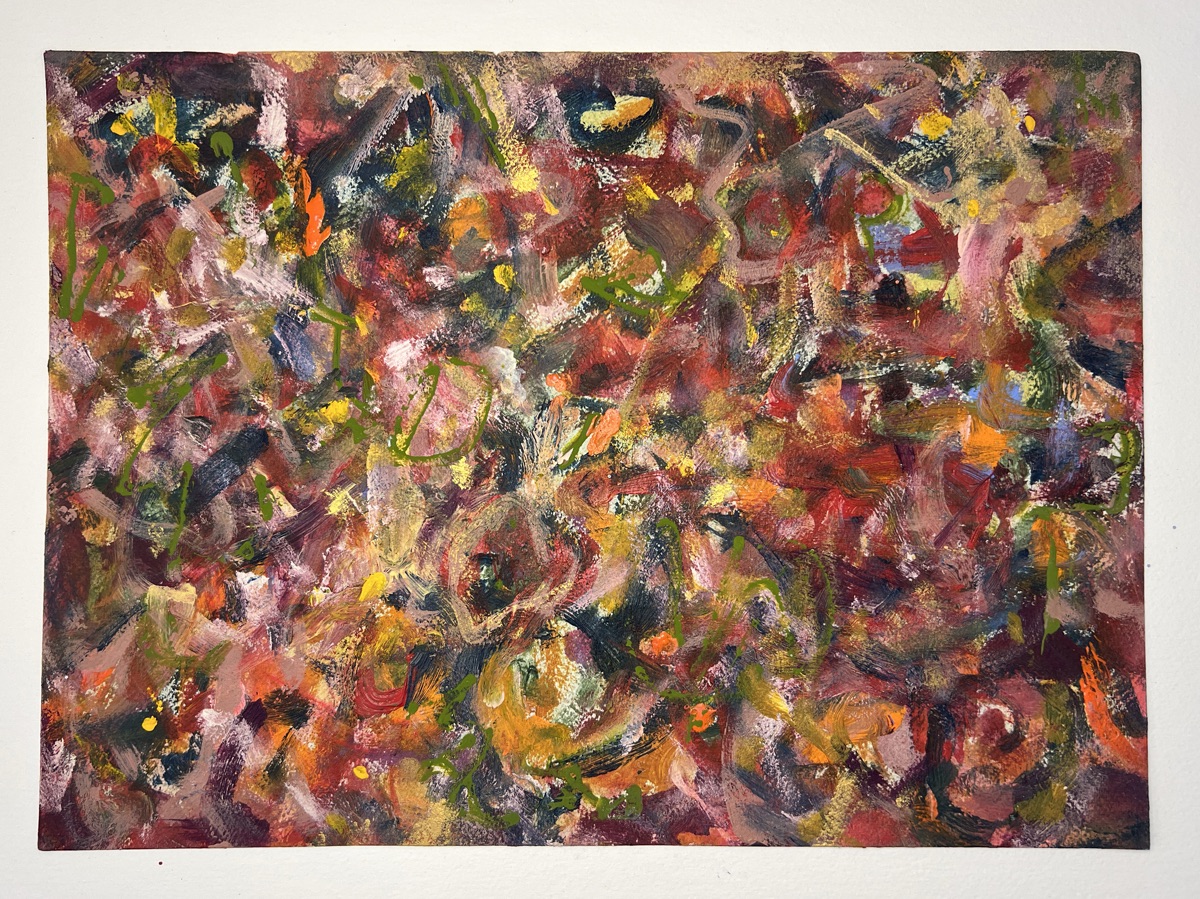
Erik La Prade at WhiteHot had thoughts about Bob’s improvisational artworks, which are variations on a theme, in the context of the (posthumous) recent rerelease of his first solo album A Complete Unknown.
#bobneuwirth
Mark Bloch at White Hot noted Messages: Overt-Covert at Paris Koh Fine Arts back in December (I do have a blogging backlog believe it or not). Bill was one of three artists who, “by sending subliminal signals of thoughtful examination, responsible action, and ethical solidarity, they each are addressing issues that permeate the globe.”
#billpangburn

Popped by Gorky’s Granddaughter to see what’s new and there’s a new and re-edited studio visit with Stephen up.
#stephengrossman
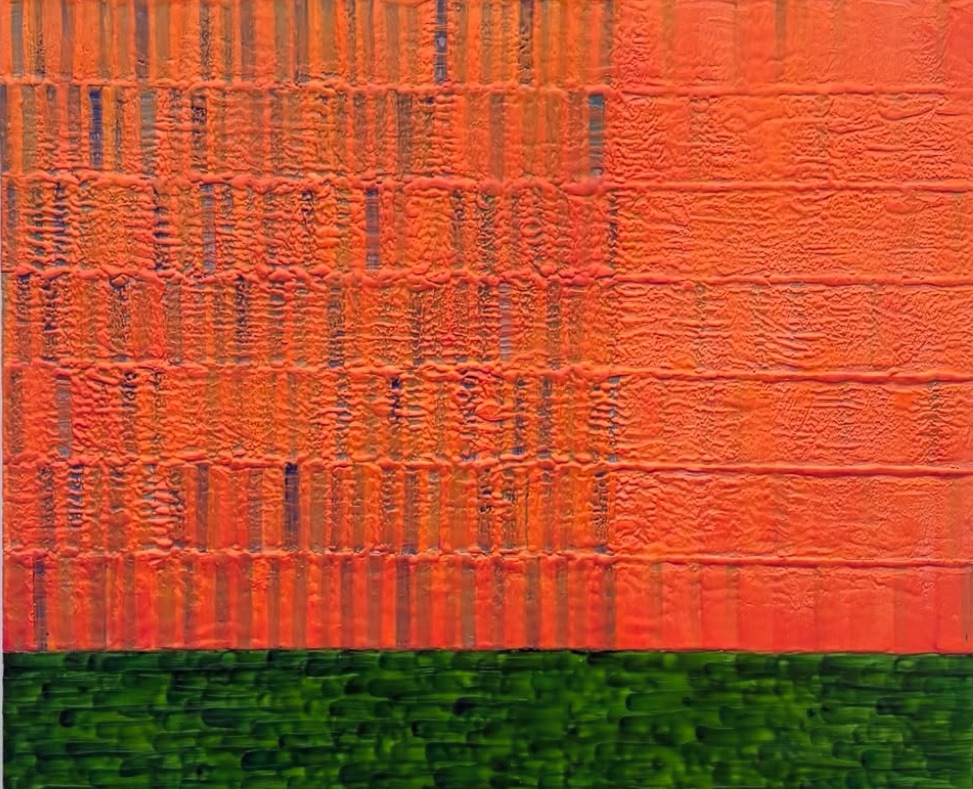
I originally wrote the essay in January of 2025. Later in the year I decided to revisit a number of essays, this one among them. Grateful to see with the distance of time what a curmudgeonly tone I had taken, unfortunate because I take this critique seriously.
…
About a month ago*, I was listening to a podcast about Richard Serra courtesy of David Zwirner which is an excellent and thorough interview by Helen Molesworth of Hal Foster (their “Has Art lost its edge” is a good listen also). Molesworth and Foster’s convo is focused primarily on the latter’s perspectives about Serra as an important late twentieth century artist. So what about the pod made me stew for a month? While I saw Curve in LA last summer and it did blow my mind, there is another bee I have for your bonnets, loves.
Around the 46 minute mark of the pod one of the audience participants (who I’m not able to identify), made a heartfelt acknowledgement of a powerful experience in front of Serra’s work, followed up with an observation that Serra once made a comment about wanting to physically assault them. They then proceeded to assert that Serra’s work embodies “rhetorics of masculinity” because it touches on big, heavy, dark things “that can’t be moved,” which are, in their estimation, “some of the worst aspects of masculinity.”
For her part, Molesworth, who is both female-identifying and feminist, responds brilliantly to a good, tough question about gender. After being thankful for the opportunity to address said toxicity, calling the conflation “easy,” she notes first the “slippage” between the addressed, toxic themes and others which are not that (masculine, and toxic). Next she lays responsibility for what she identifies as the “problematic” aspects of the presentation of Serra’s work with MOMA, specifically because of who they excluded in their elevation of his work**. Around the 51 minute mark she says, roughly, “he was a jerk who made good and important work*”; tldr “its’ both.” In the spirit of holding contradiction, which I’ll credit the speaker with as well, *this. And…
I recently had a touching conversation with my oldest, male child (23 at the time, now going on 25, white, cis, and currently with a heterosexual woman) about the November 2025 election outcome, which saw the US electorate make some choices which many saw, rightfully so, as a right-ward shift in the zeitgeist We were unpacking that fact, since he knew, not surprisingly, several 20-something white men who voted for our orange child-tyrant. I asked him to unpack for me what the culture war looks like for young men and hear that, in my son’s lived experience, the leftist observation that manliness is “the” problem is as culturally prevalent as we’ve all heard everyone from talking heads to our neighbors complain that it is. By his telling, he has heard his whole life that he is part of the group responsible for everything that’s wrong with… everything.
Wow.
I won’t lie that, when initially listening to the podcast referenced above, hearing two intellectuals talk un-self-consciously about how masculinity has inherently bad qualities was hard to hear when the US just chose a sociopath as chief executive. The audience member in fact went so far as to link these “worst aspects of” masculinity and the election. I mean, there it was- the very position that many take and which ostensibly drove a generation of men away from my value set, clearly and explicitly and proudly stated. Toxicity is the cornerstone of Western civilization.
Yes it was partly hard because contending with this should be, for people who look like me, god damn it. The word choices though, OMG… they are. Such. A clear example of what’s driving the cultural gulf. Think about this- there’s no Art world discursive strategy to interrogate the adjectives “heavy” and “dark” and our personal experience of them without perpetuating outdated cultural dominance assigned to “the masculine” and being complicit in… something.
That certainly was not my experience of growing up- IE, this is a new-ish cultural phenomena- and I don’t pretend to understand how it feels to hear that refrain through your formative years. In these moments with my son I was so grateful that in our house we have tried to use the language of Dialectical Behavior Therapy, which emphasizes that two things that appear to conflict- like being a specific man who is empathetic, kind and committed to a better world and being a member of a demographic responsible for so much destruction- can both be true. And, that he has had the resilience to hear his whole adolescence that he’s horrible by default and not internalize it, or react by veering onto the path too many of his twenty-something associates and even friends have followed. I hope I’ve also modeled alternatives to being “toxic.”
There is no rulebook I would would want him to follow though that would allow my son to call behaviors that stem from class-conscious and mental-health appropriate values masculine, let alone feel an emotion like pride about being a man. At least in the way that the left celebrates femininity, or blackness, or queerness, as we should rightfully do- human diversity is a treasure. Would any of us ever countenance uttering a phrase like “the worst aspects of femininity.” It’s histrionic for effect again and be honest, it sounds really fucking dumb right? Yeah.
Look, if our linguistic tools were working you would find me embracing them, and I certainly do understand the broader discourse. Do I think the approach of using catch-all words that are shorthand for values (like “toxic masculinity”) but not a statement of actual values is winning ground in this damnable culture war? Ahem, election. So why lean in then? I want better language, for the sake of the next generation of American men, to talk about our values than “if men wanna be good they have to be more like women.” Plus, I’m not and wasn’t the only person to wave this flag prior to the election.
I want to acknowledge now (and did at the time) that reactions to the dominance of post-structuralist language in the visual arts were having a small Art world moment. “No” I did not and do not like feeling or sounding like a reactionary. I bet more than one of you read Dean Kissik’s Harper article (who is the subject and guest of another Zwirner podcast) and maybe some reactions to the same. Critiques of the challenges of… critique in an Art world where the imperative is alignment with leftist morality is not new though, including at Two Coats (and also elsewhere). While “everyone is too far left!!” is *not* the point I’m making, I do in fact see that I’m (another) white dude over here taking up space and saying “but hold on.” Maybe I should STFU?
Thesis statement; if we can’t paint (pun intended) a vision of the world where people are beautiful and whole by default, why would anyone listen to us? Sure it’s gonna be science fiction.
**Also and, Molesworth’s comment about the neglect by MOMA of creatives like Maren Hassinger resonates for me, as part of my practice is this blog, which I hope amplifies the uncovering so many academics are doing. I feel like making a h/t here to John Yau who turned me and many of you, I hope, on to a number of artists who were asked to forced to “wait by the coat room” such as Ruth and John Pai. I hope my regular readers will believe that I very much want the work of expanding the canon to continue.
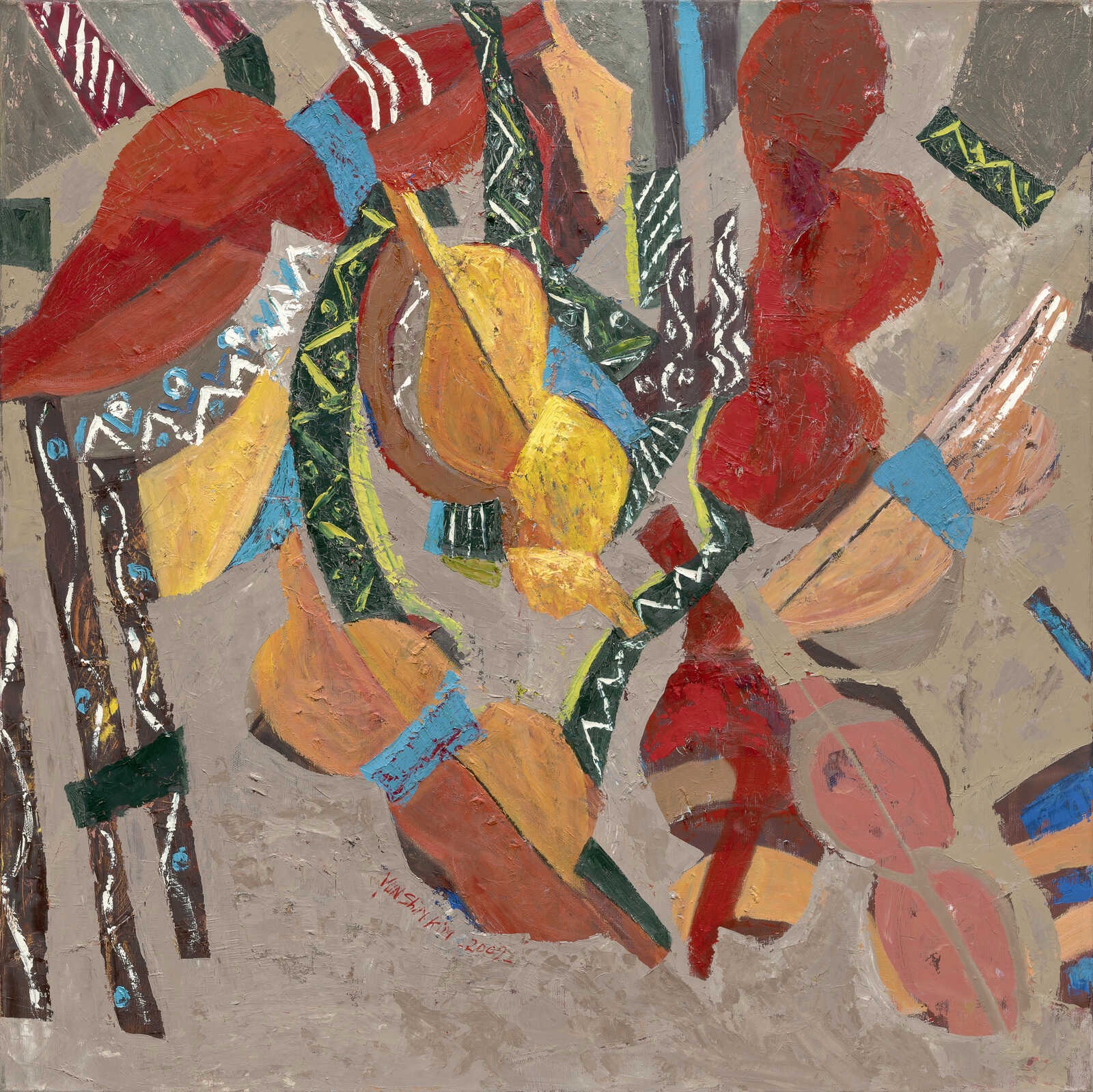
In addition to Julie and Jeffrey, Artsy selected Kim Yun as one of the 10 artists who made the biggest impact on the art world this year. They emerged dramatically on the global art scene this year at the age of 88, after spending more than six decades crafting kaleidoscopic paintings and chainsaw-carved wooden sculptures largely outside the limelight.
More
#kimyunshin
Isabella Marie Garcia at Burnaway reviews the distillations of nature and visual ekphrasis located throughout the installations in Of what surrounds me at The Patricia and Phillip Frost Art Museum at Florida International University, which includes images and words about some of Mette’s large scale work.
More
#mettetommerup

Jonathan Stevenson at Two Coats says Gary is far from content (and has been an abstract painter for over fifty years so his command of that vocation is duly acknowledged).
#garystephan
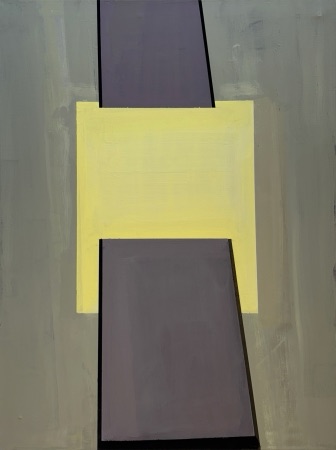
Artsy points us towards a survey show at Thaddaeus Ropac of the autobiographical and expressive work of this abstract painter-
at 84 (!), Joan is still energized by painting.
#joansnyder

has a solo show opening at Aye Gallery in Beijing later this month—and he lets us know what’s in store, as Artnet asks him 7 questions on creating the conditions for a ‘perfect picture’. Tldr; for this new work Ji leverages the compositional structures of traditional Chinese landscape paintings to tap into psychological, experiential themes and ideas (abstraction is a departure for him).
#jidachun
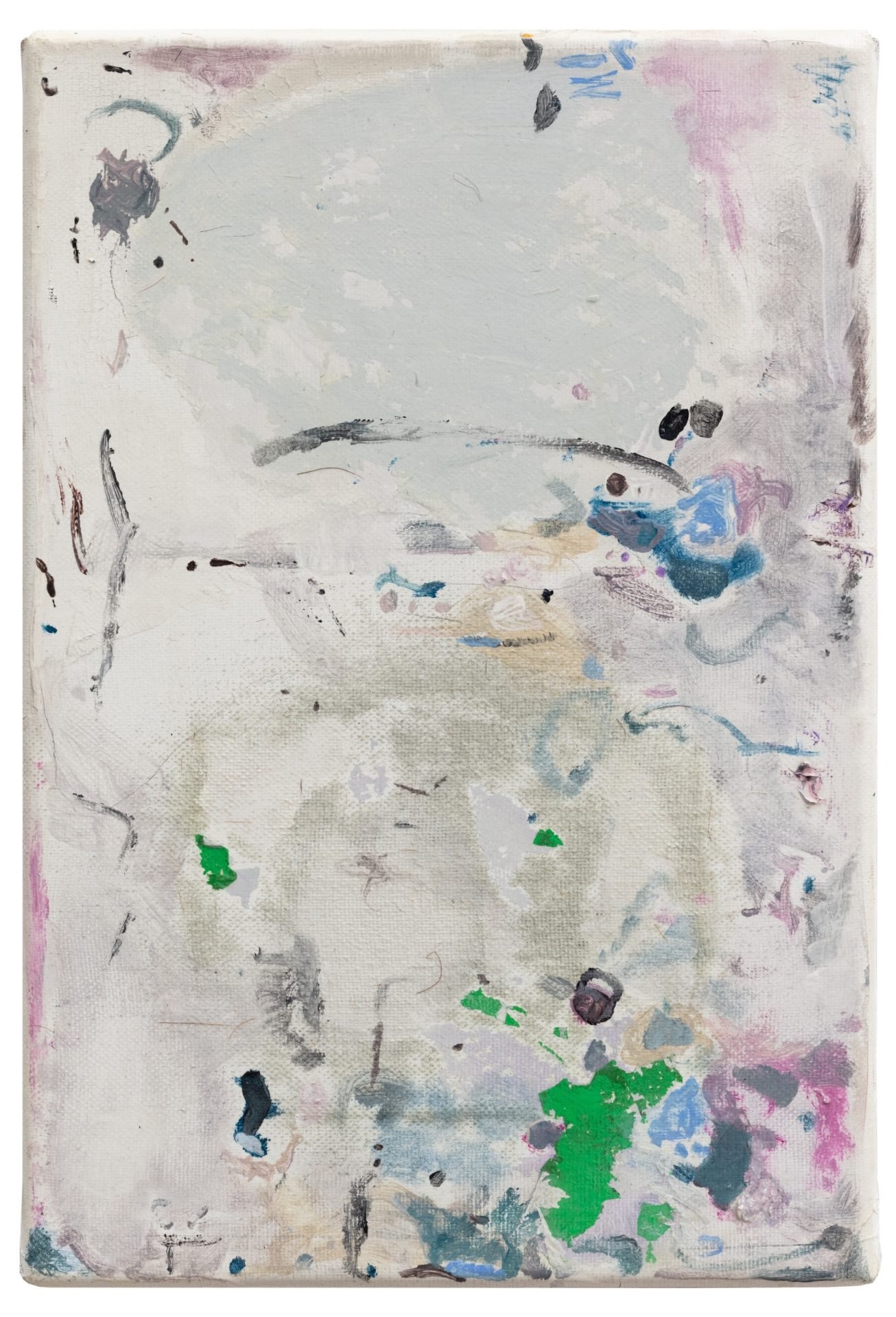
who is best known as one of the founders of the Pattern and Decoration movement is the subject of a recent Hyperallergic podcast which focuses on many of the feminist threads in her work, no pun intended. Her work has taken several turns across her career including beginning as a full on abstractionist (like almost all artists of her generation who went to Art school). Given the importance of patterns on the arc of abstraction across the last quarter of the last century she belongs on this blog.
#joycekozloff

recently showed Summer Song at Larkin Logerfo. The paintings on display primarily focus on a period of 12 years in which Kikuo returns again and again to the implied shape of an ellipse as a site to explore notational mark-making and dynamic color relationship.
More
#kikuosaito

Maren Hassinger (born Maren Louise Jenkins in 1947) is an African-American artist and educator whose career spans four decades. Hassinger uses sculpture, film, dance, performance art, and public art to explore the relationship between the natural world and industrial materials.
#marenhassinger

Here we are the end of another year. Wow. So much good stuff went on this year and once again I feel compelled to recap my personal favorites. Which is important, I think, to clarify- these shows are the ones that resonated the strongest for me, as an abstractionist primarily although as in the past you’ll see I’m not totally myopic (maybe a little…).
I’m not a formally trained art writer so apologies if I’m not doing any of this correctly*, really just trying to show the love for the amazing art thing we have goin’ on in the Triangle, for which I am un-quantifiably grateful. I can’t wait to see what you all do in 2025 and if you live in the Triangle I hope you got to see all of these exhibits at least once! *if any correction is needed please let me know with a comment or a note to sterling at sterlingbowen dot com.
For those that want to reminisce a little, here are links to the 2023 and 2022 editions of my recap.
Stacey L. Kirby presents Division of Ancestral Deeds at Anchorlight was the freshest and most impactful Art happening/installation I encountered this year. I’ve seen as much performance Art as the average non-performance artist does and it’s a little challenging to put this one in the same league as anything else, probably due to the interactive elements (during the two performances viewers were allowed to interact directly with the artist and a supporting cast of characters). The fact that I’m a fan of Wes Anderson’s ability to world-build with a minutiae that astounds aside (which is clearly part of the work’s appeal to many and which Kirby could go toe-to-toe with undoubtedly), the central theme- of centering the viewer as a an ancestor by recalling their own- is simultaneously simple and profound. And, how lovely and loving, to think in our time of upheaval about what our relationship to the past and future means. I don’t have the art critical language to do this one justice in terms of its relationship to the broader Art world. So much love and gratitude for this one, and I hope that Anchorlight will repeat their summer residency in future years although the bar is indeed very high now.


I don’t think I’d have to convince any local that Jean Gray Mohs, Celia Gray, and Harriet Hoover Material Encounters from early in the year, which was curated by Jameela Dallis at Peel, was worth the look. The opening was bananas, and for good reason. Celia’s work jumped off the wall and tried to become drawing and just became even more surreal. Jean Gray delighted us with somber poetry- as an artist I enjoy the spontaneousness that hides in her work. Harriet flattened things out and took our eyes on a journey where any material can be a mark and any mark can be material.

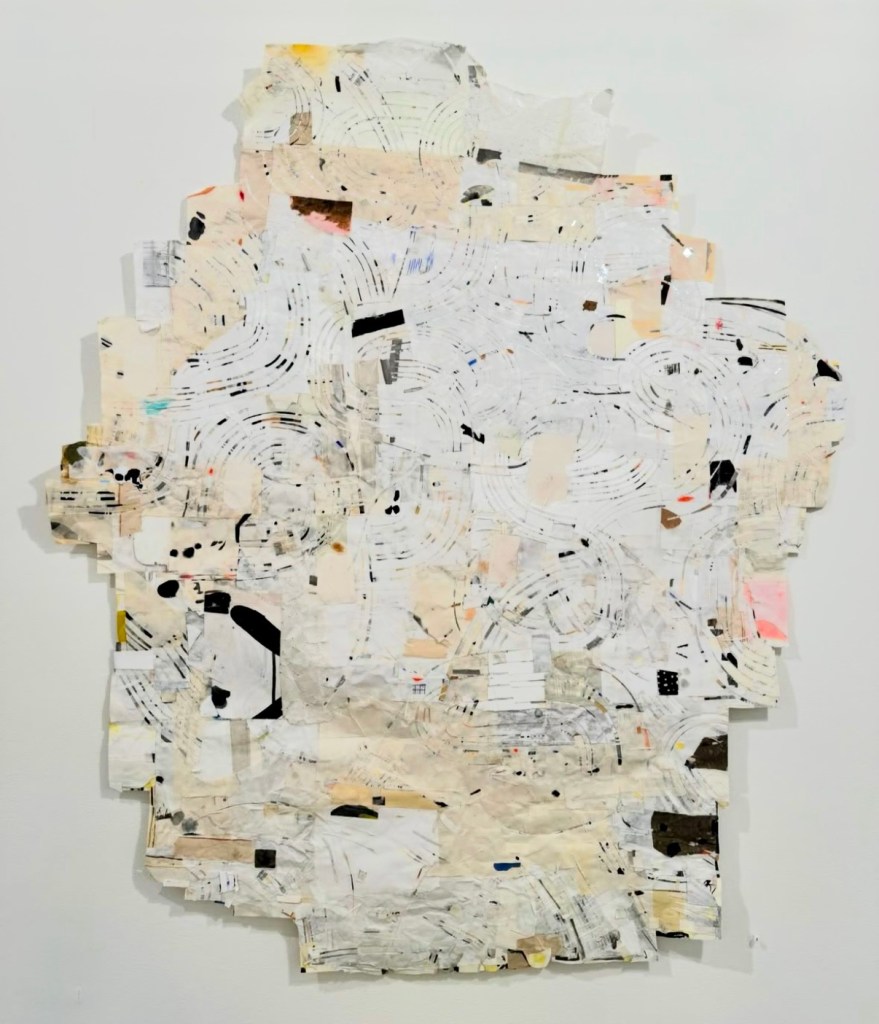
Ashlynn Browning at Horace Williams House was a delightful combination- it really is the weirdest little space in the Triangle. Whatever neutral the walls are painted somehow seems to pull out every color you place over it. Which made it the perfect place for the Ashlyn’s wacky brain children to hang out. I mean, look at this one over the fireplace. Love. It. I think Ashlynn always does a good job with scale, including leaving room in her practice to work big and small, while allowing both size ranges to be space for working through similar concepts with different strategies.

Unstable by Jenny Eggleston at CAM was a show that I heard discussed a lot and for good reason- as someone who comes at things in the abstract it was very refreshing to see work that is so blunt. Also- damn good paintings. I’m grateful that we all got to see and contend with them, and given the socio-cultural close out to this year it was eerily prescient, and telling that it was tucked into the back gallery downstairs (great choice btw to paint the walls of the gallery black).
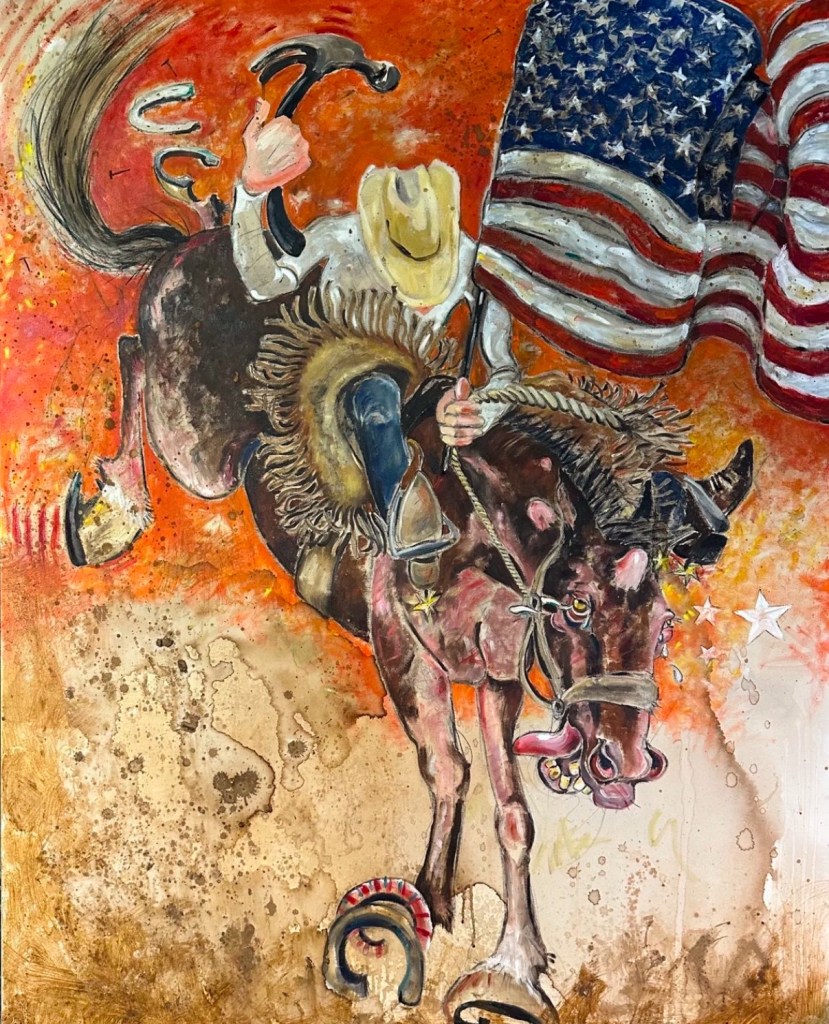
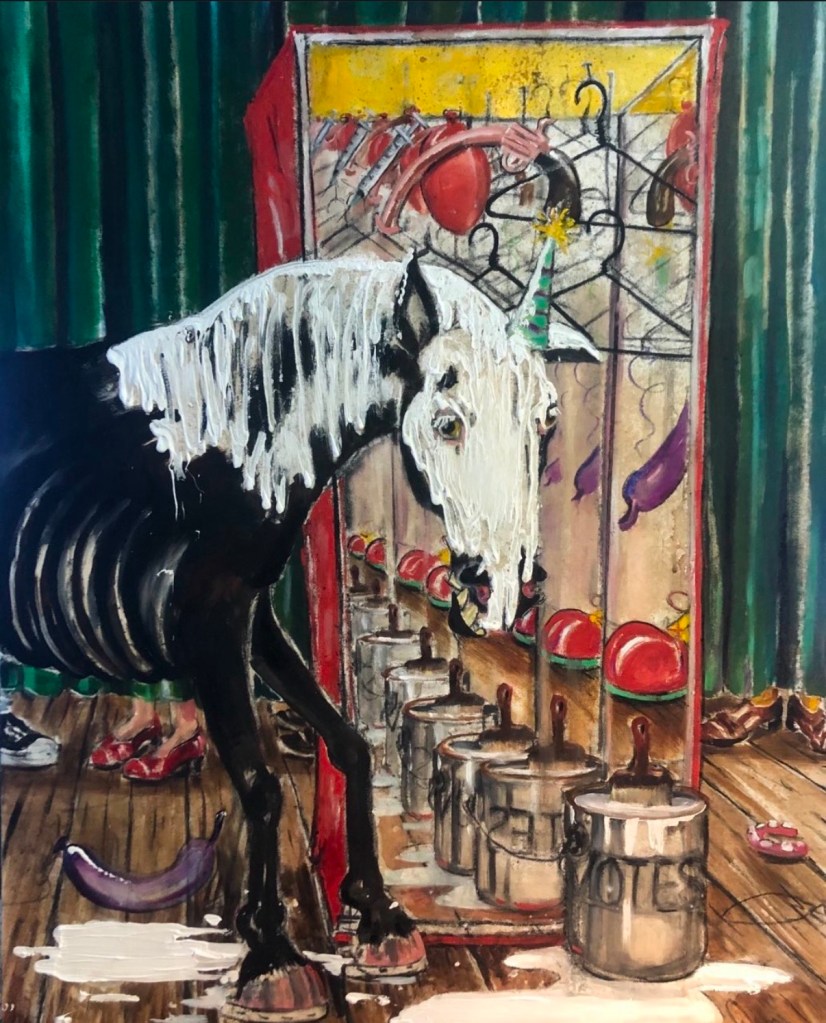
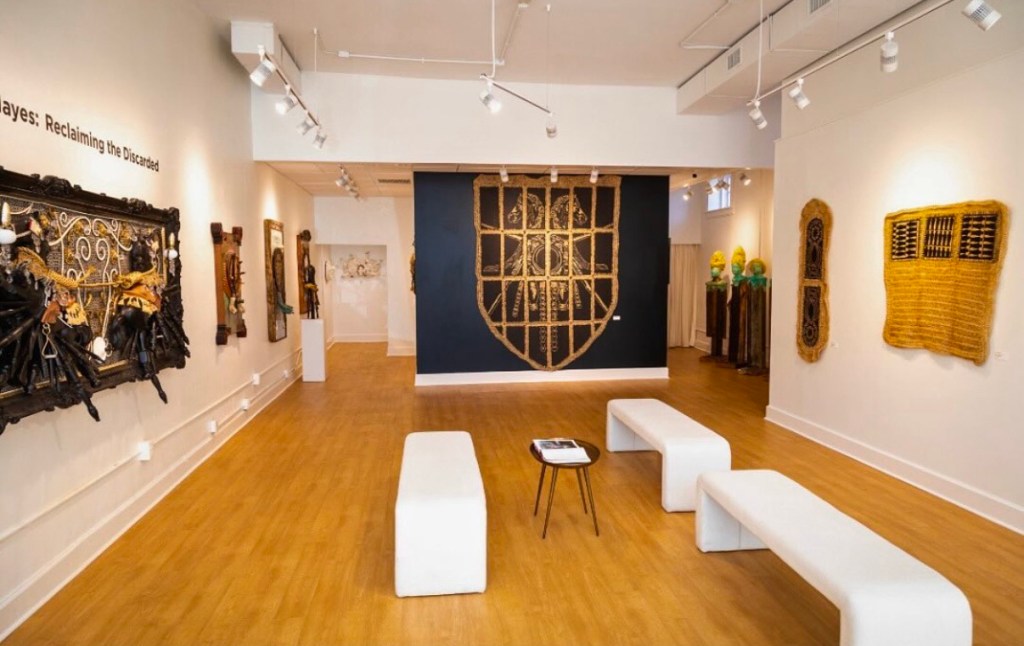
Stephen Hayes, Reclaiming The Discarded at Ella West also wasn’t abstraction and as a counterpoint to the gut punch delivered by Jenny put a lot of the western world’s troubled relationship with race on display in layer upon layer. And by a lot I mean, a lot- Maximalism and finish fetish don’t always coexist but there it was for all of us to enjoy. I think the Triangle area is so lucky to have this newish commercial gallery. My impression as a Raleigh native is it has a very Durham vibe. We’re all lucky that Stephen decided to move here to teach at Duke and decided to show with Linda Shropshire. I look forward to more from both the artist and the owner in 2025.

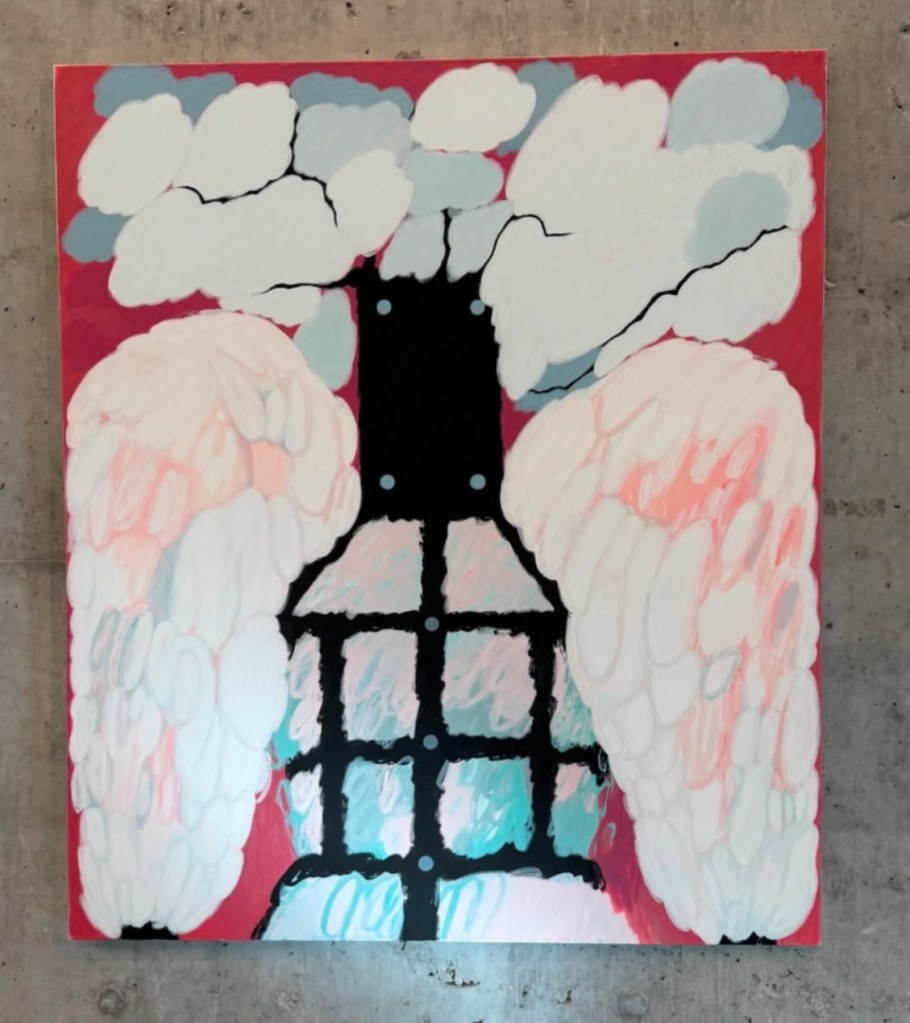
Gallery OneOneOne is in a beautiful space in Chapel Hill, another newish addition to the scene that I look forward to visiting many times in the coming years. The Contemporaries is (yes, it’s still up) a powerhouse of NC-based or born talent- and it’s part one so look out for more in 2025! A small sample below of the 12 (!) artists that were included.


Todd Jones found even more ways to use paint discards in From Ruin to Renewal at Diamante. Beyond my personal affinity for the sweet shades of Lynda Benglis (one of my favorites) and the use of recycled materials, I really dig the subtle domestic elements that creep in- yes, it’s the current designer colors on a sort of towel bar. Peter Marin continues to program solid work!

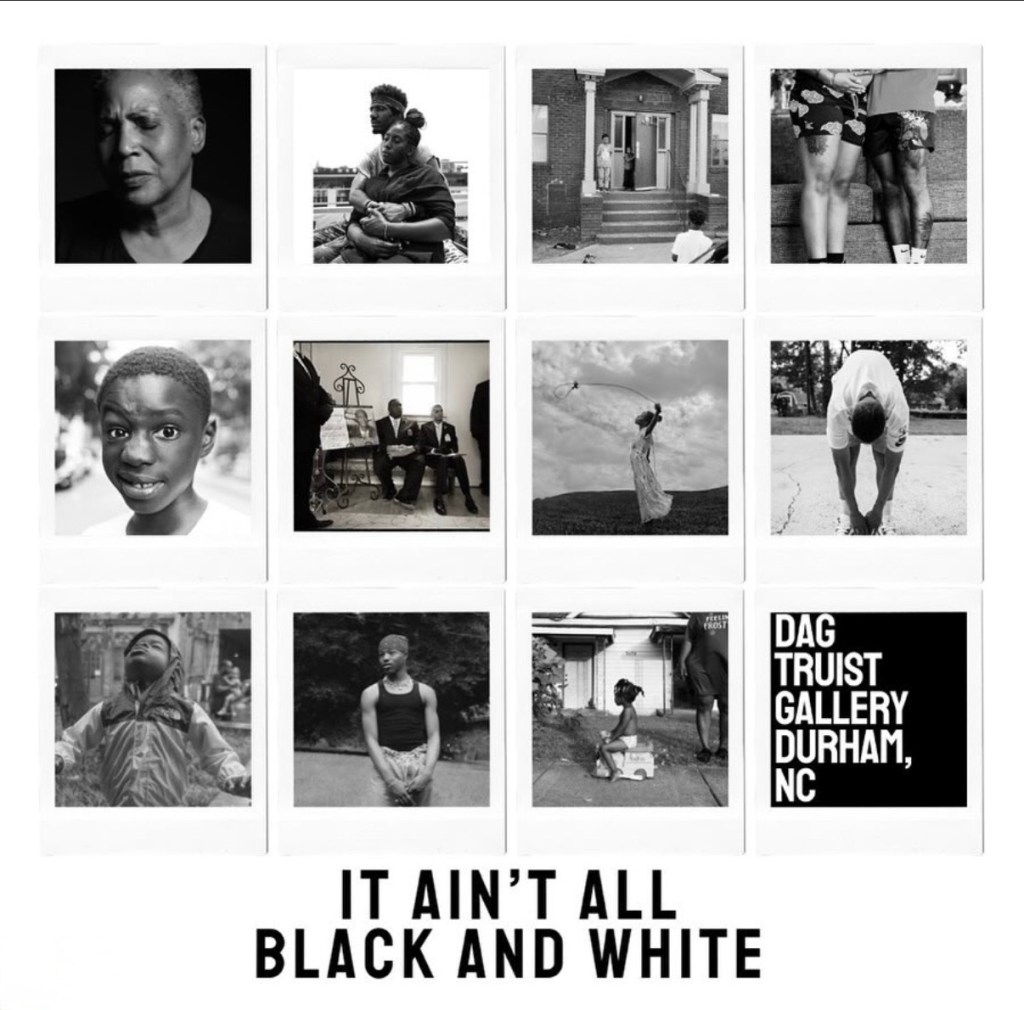
Leticia Clementia It Ain’t All Black and White at Durham Art Guild was special to me. Photography has a way of being direct that’s unique and the approach of including only black & white photographs both underscores that and also is a counterpoint to the intention of the title (meant to center our thinking on how racial issues aren’t black and white). What a wonderful range of stylistic approaches to varying content, and what a showcase of local talent as well. I don’t know about you the reader, but I feel like photography had a good year and got some deserved attention. Several other exhibits that caught my eye were Second Nature at the Nasher, Truth Told Slant at High Museum in Atlanta, and Chris Metz at CAM here in Raleigh. Lens-based work ftw!
Jean Michel Dissake’s BABENGA, The Sacred Forest at The Gregg, c0-curated by Marriott Sheldon and Roger Manley, was a real treat, and not just because we got to delight in work from overseas. Raw was a word I heard used a lot as I was beginning my artistic training and while it was overused and eventually commodified, I don’t have to tell anyone who saw this show that it’s the right adjective. (from the Museums’ description) Babenga refers both to the village where Dissake’s grandfather was the local king for over fifty years as well as the idea of the continuity of humans – a ceremonial invocation of a future land and new spirituality where humans and nature thrive. Dissake’s understanding and deep respect for the natural world imbue the works with symbolism that serves as a wakeup call to realize our connection with nature.


Extant forms, with works by Rigoberto Mena, Jason Craighead, G. Alan Stewart and with sounds and words by Shay Stifelman and Sam Pepple was such a great way to wrap up 2024. Sprawling, barely organized chaos- absolutely beautiful. As an abstractionist, there wasn’t anything I was left wanting. The exhibit was organized by Sam and Alan in partnership with the Grid Project (you can find them on insta and Substack) who brought us several great exhibits this year.


Honorable mention – Arranged at the Ackland
I loved this show; and (what would a blog here be without that word) I do also have to acknowledge that all of the artists are either exhibited posthumously or are not local. I really hope you all got to see this one though, yum-my!
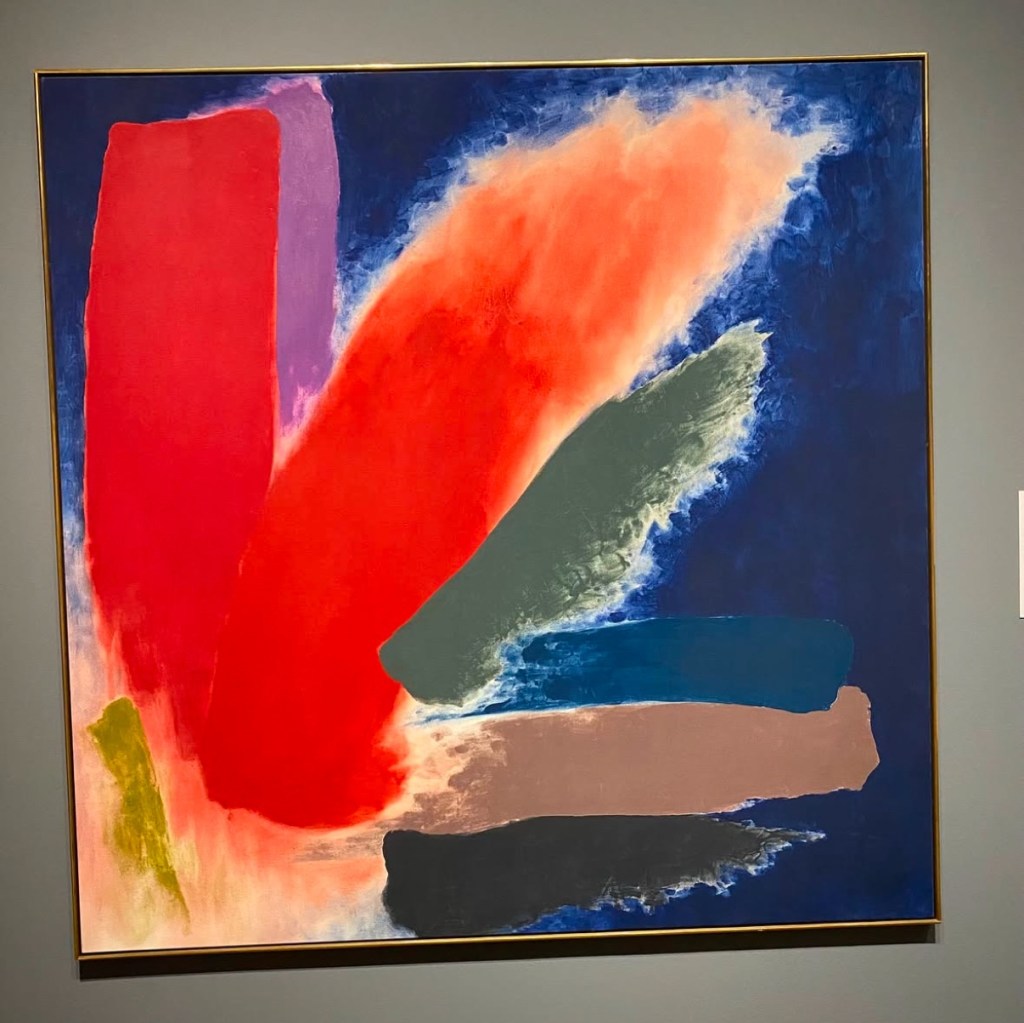
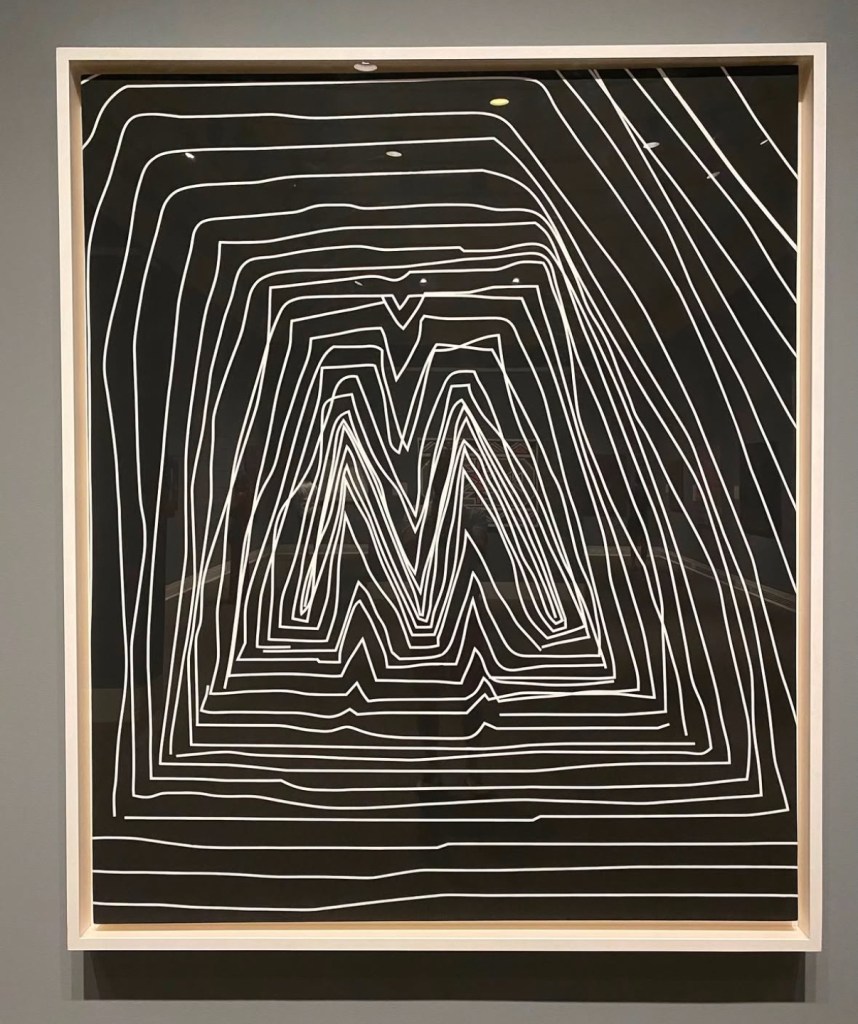

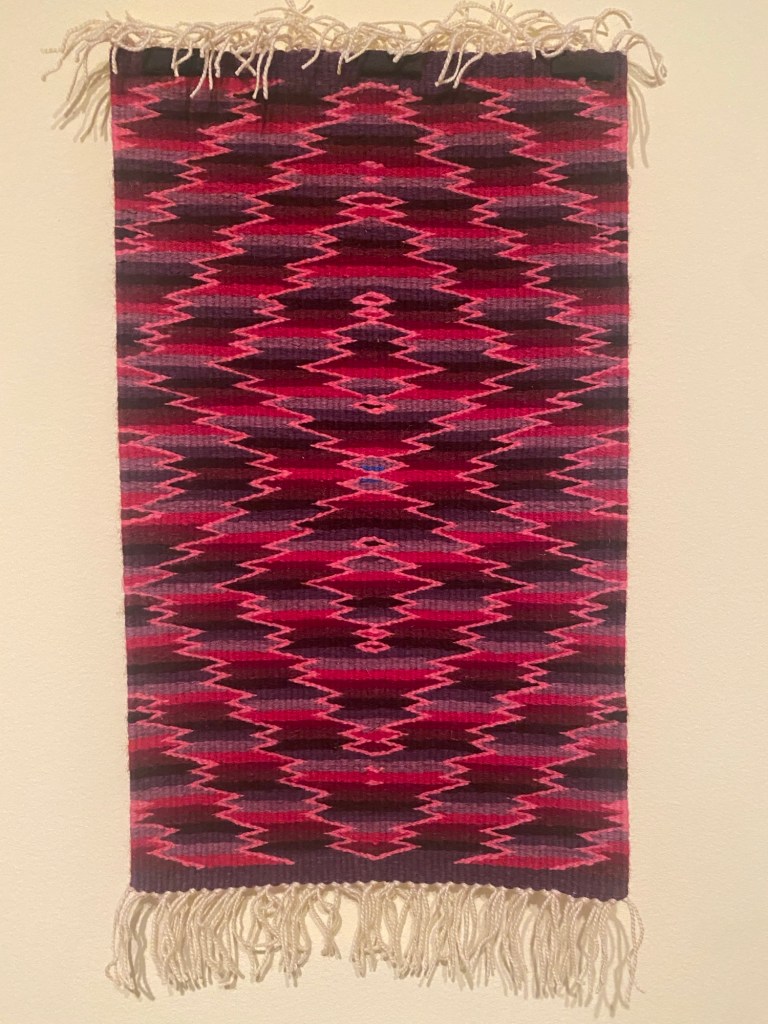
I also want to both acknowledge our amazing North Carolina Museum of Art and treat this institution a little differently or at least separately, because it’s a museum (so the bar is and should be higher). To Take Shape and Meaning; Form and Design in Contemporary American Indian Art was too good not to mention. Gibson and Edgewater are personal faves and I discovered so many other artists from across our nation (here’s hoping that increased awareness can move us closer to it really being the most full definition of “ours” possible, too). I was, as I often am, impressed with the good job the museum does of fulfilling its educational duty to our state.



 Painting After Art is Dead