Meg Lipke

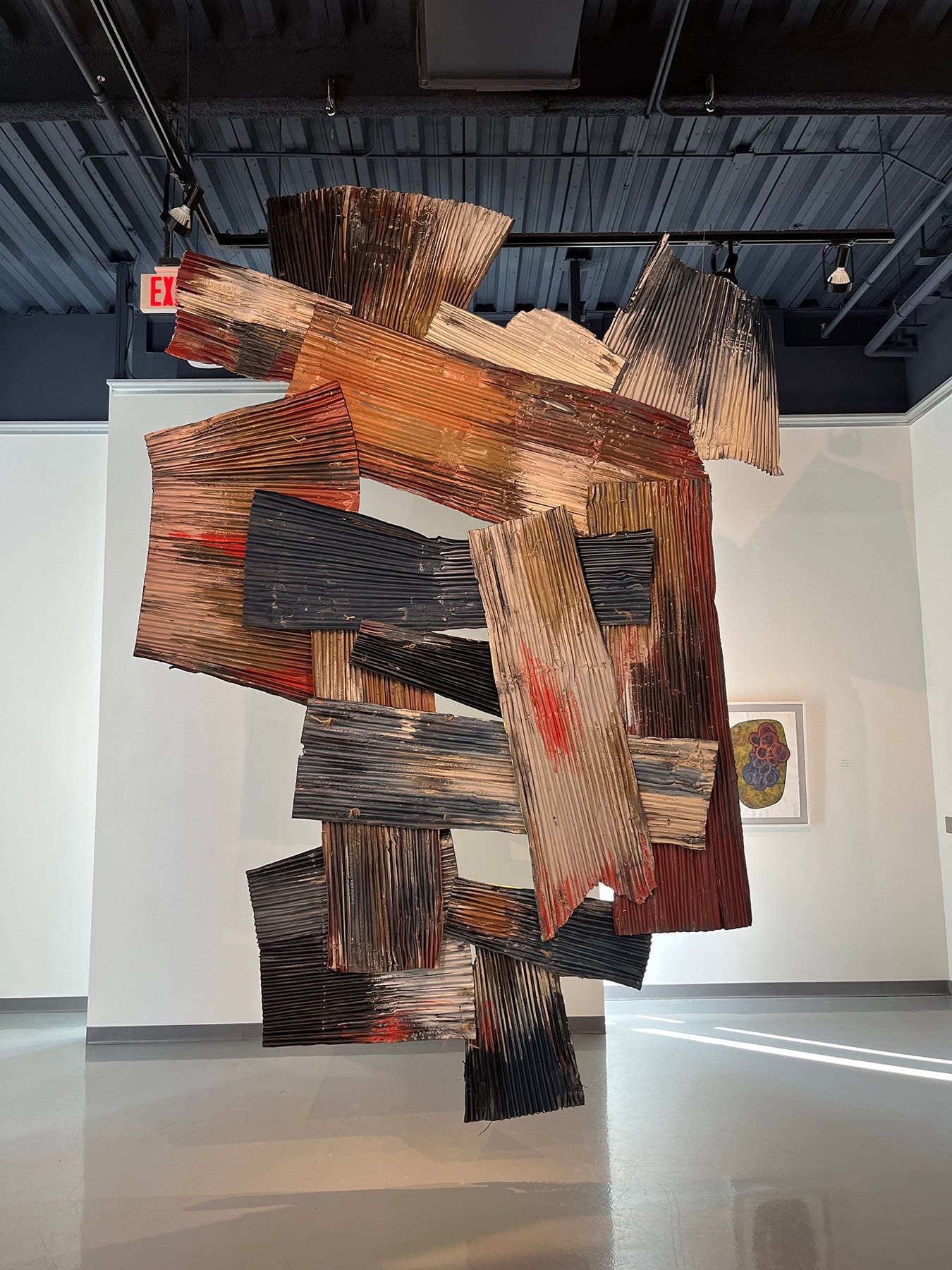
Lawre Stone shouts out Meg’s newest noting they make enormity relatable.

This blog also represents a change for me. I posted about Meg once already in 2019 noting at the time the work was “one of the most interesting takes on the question of what is painting I’ve seen recently”- this is her IG post to which I linked. Prior to, well, today, I’ve typically avoided writing about an artist more than once, as a big part of this practice for me has been discovering new work or researching the canon. And, I have realized that keeping this catalog fresh is a legitimate way to pay respect to creatives that are working to stay relevant, so this will probably not be the last time I revisit a painter or other creative.

#meglipke

Marc Devade

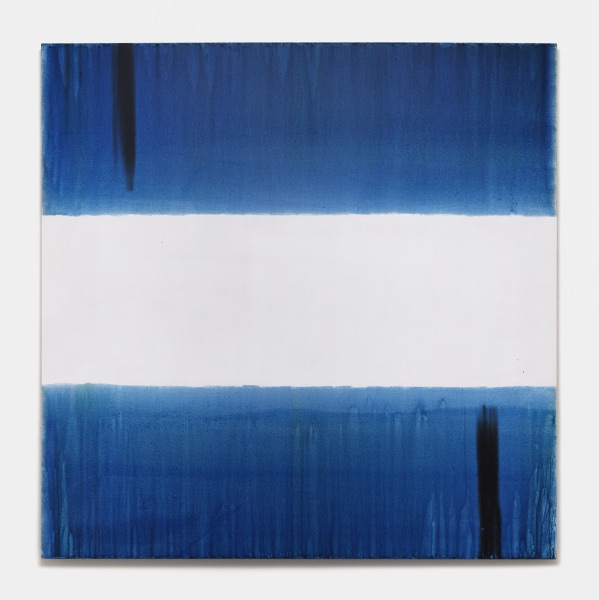
is one of the creatives featured (posthumously) in the group show “Fold, Drape, Repeat” now up at Ceysson & Bénétière (Two Coats essay contributed by Marjorie Welish). A select showing of work by the loosely aggregated French collective Supports/Surfaces, the exhibition embodies the very assembly involved in making art. Devade’s first intention was not to devote himself to painting. Initially a poet, fascinated by philosophy, it was when he met Marcelin Pleynet, who published his first poems in Tel Quel in 1964, that he became more particularly interested in painting. He became one of the main animators of the debates on the relationships between practice and theory in the field of visual arts.

#marcdevade

Robert Morris

I find it to be a special treat when I discover there is an important artist from the canon that I’ve not yet covered here. Robert obviously made major contributions. In reading a bit more about his career. I was pleased to learn that he trained as an engineer, began his career in the Arts as an academic, and was also very interested in dance. During the 1960s and 1970s, Morris played a central role in defining three principal artistic movements of the period: Minimalist sculpture, Process Art, and Earthworks. In fact, Morris created his earliest Minimalist objects as props for his dance performances. He also had an important relationship with Linda Benglis that sparked some iconic photographs (NSFW!).

#robertmorris

Mindy Shapero

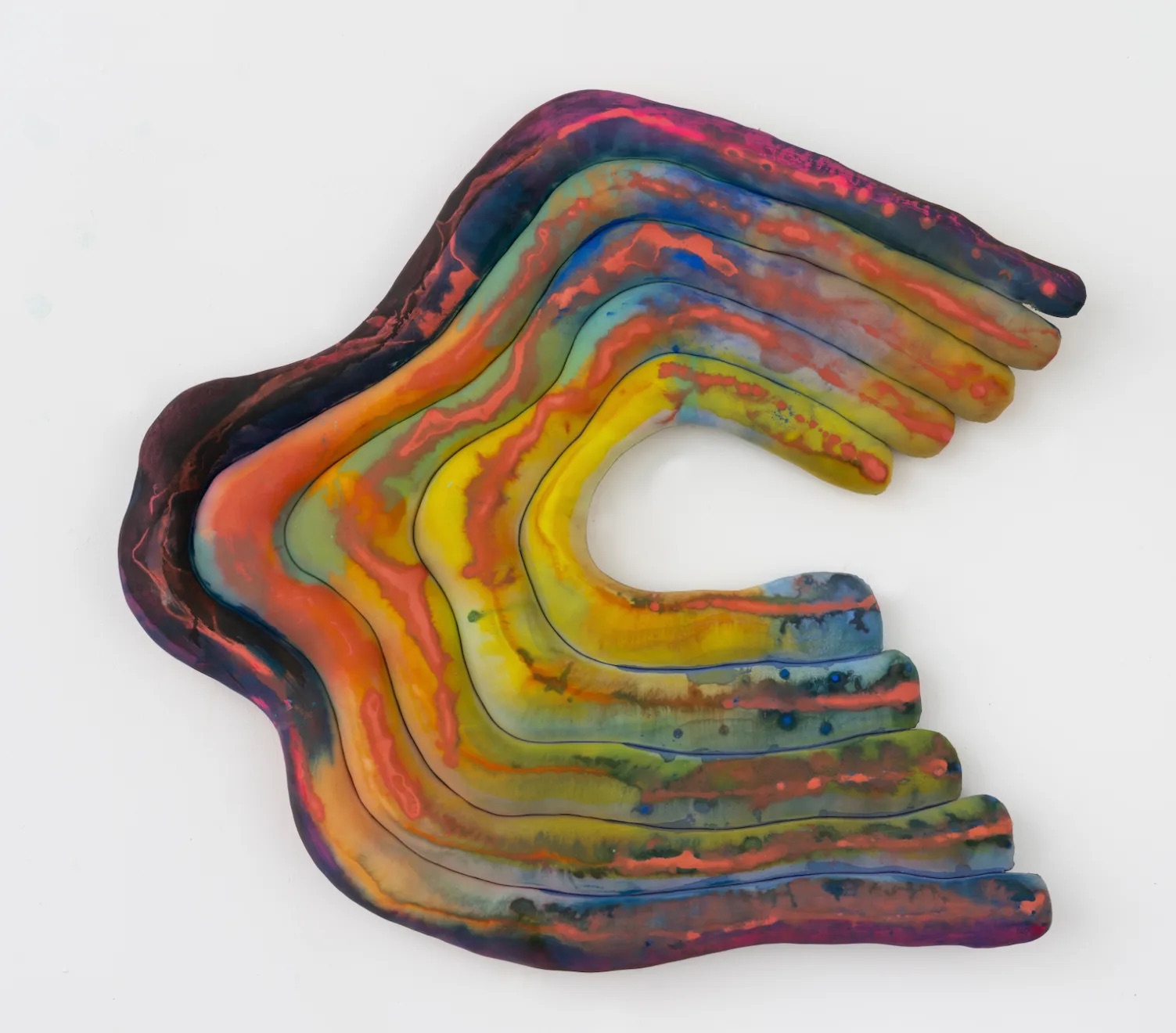
Shapero transmutes negatives from past sculptural pieces into positive shapes that form the bedrock of her cosmic abstractions. Shapero’s repeating motifs—irregular rectangles and ovals that resemble “scars” or ruptures in the surface— are highlighted through the artist’s application of delicate gold leaf, an adornment dating back more than 8,000 years in the canon of art history.

#mindyshapero

Yuji Agematsu

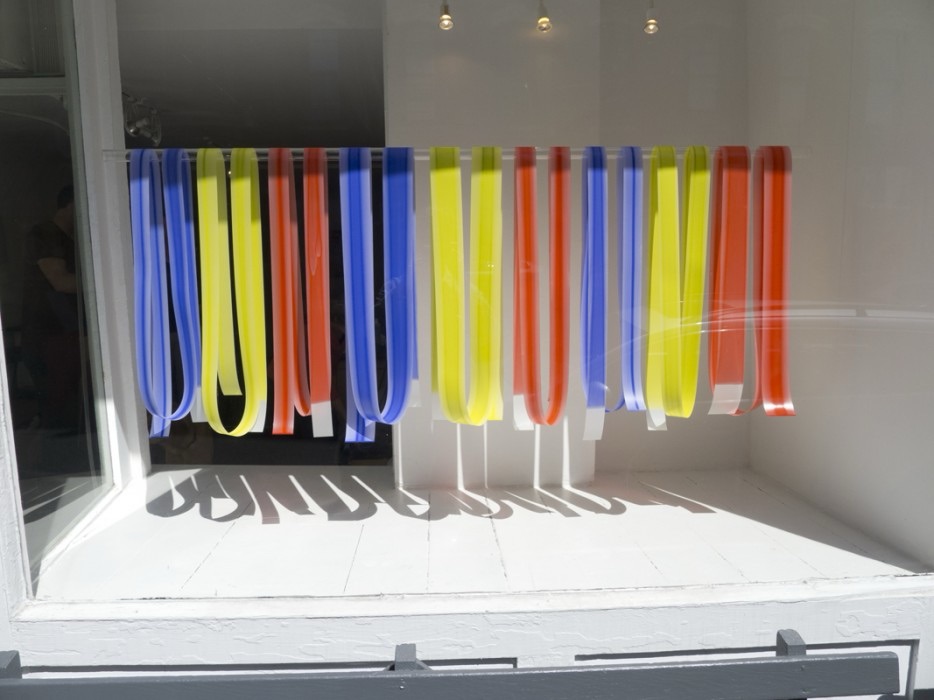
Back in May, Debra at Hyperallergic drew our attention to the unexpected beauty of detritus. Specifically, how, through his art, Yuji brings reverence and discipline to the job of living, and acknowledges each human’s durational condition. They are abstract in the sense that compositional decisions are driven by formalist prerogative (they are clearly recognizable materials also).

More
#yujiagematsu