Stanley Whitney

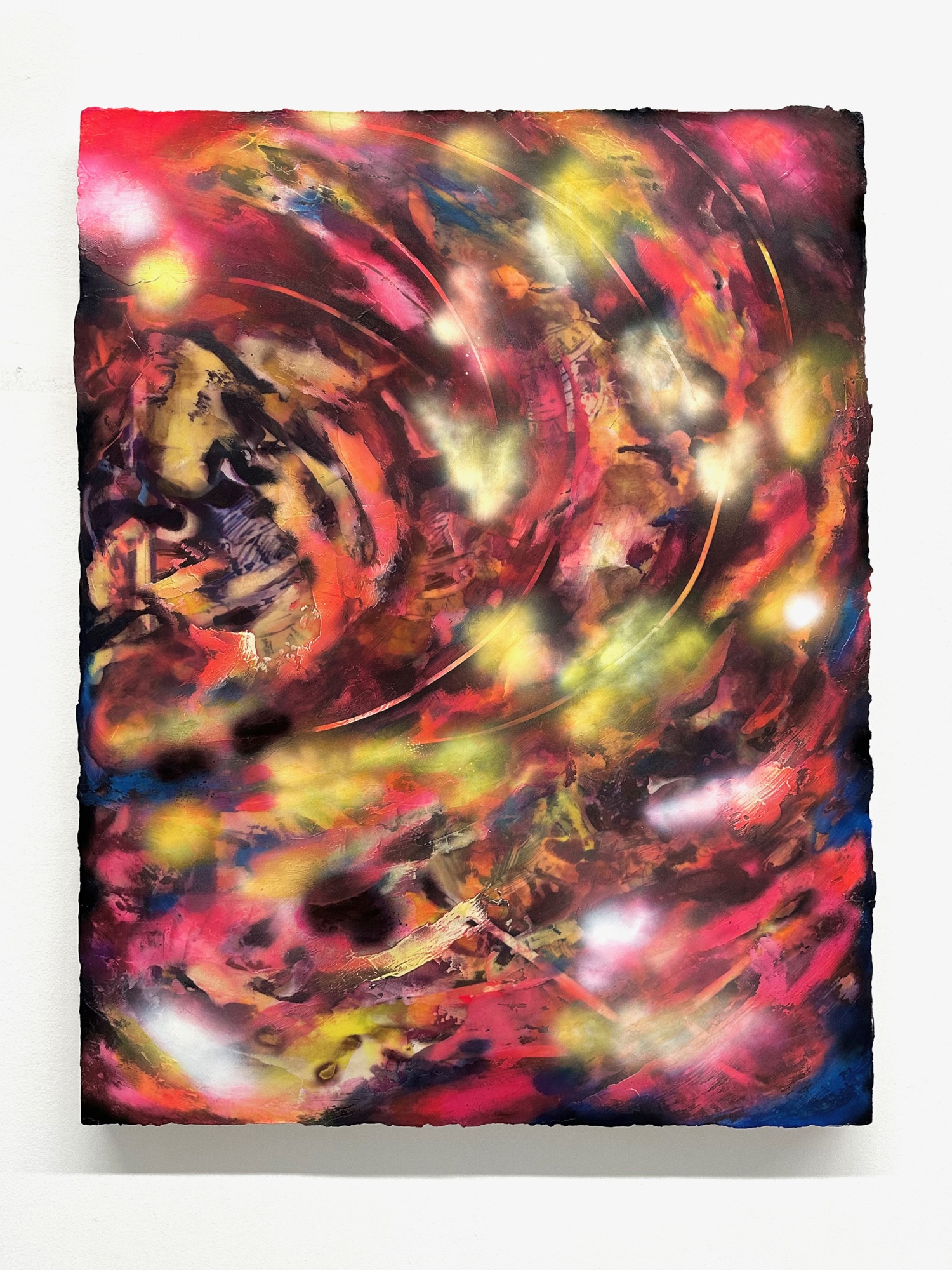
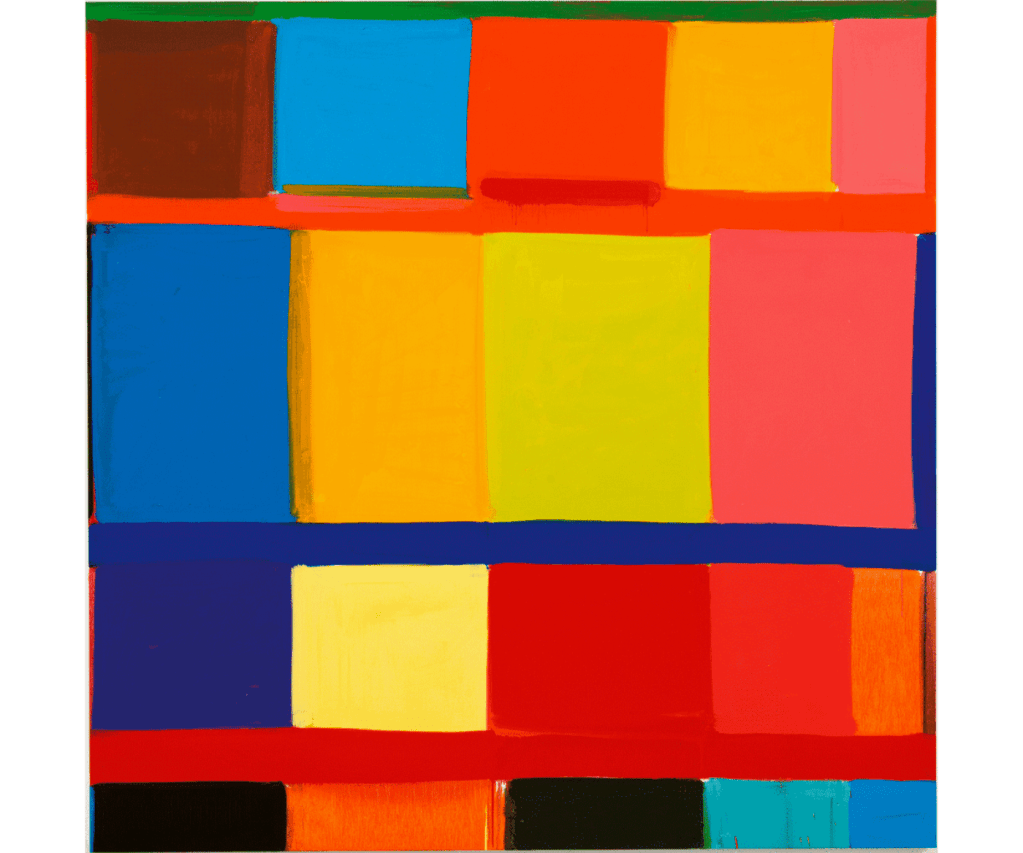
On the final day of Black History Month, I want to give snaps to my favorite living painter, who happens to be a person of color, Stanley Whitney. At the highest level, I actually don’t have anything to add to what’s been written about him, other than I have wanted to lick every one of his paintings I’ve ever seen in person. #sorrynotsorry

I have Stanley to thank for my introduction to John Yau, who did a great write up on Stanley and two other painters* in the context of a two-location exhibit with Lisson Gallery in NYC in 2018, around the time my practice reignited.

Stanley popped to the top of mind for me not so much because of the importance of February for all of us to educate ourselves, but because, like Jack, Helen put his show at ICA Boston last year on her top shows list. (link is to Spotify)

*btw, that Yau article also makes note of Harriet and Melissa; speaking of fantastic painters who are also female, Stanley’s spouse Marina is an effing savant with color as well.

Update- this video with Stanley includes my favorite quotable bit of wisdom from him regarding following a painting out the window (just watch- link will take you to YouTube).

#stanleywhitney
Jack Whitten

Jack had a really great moment in 2025, and deservedly so- Helen Molesworth put his retrospective at the top of her “best shows” list (link is to her year end wrap on the David Zwirner pod “Dialogues”). I did not get to see The Messenger but I did see to see 9.11.01 shortly after MOMA reopened in 2020.

In the snobbish spirit of “I dug him before you guys,” I first blogged about Jack in 2019 to note a fantastic show at the Baltimore Museum of Art which (posthumously) included his work and many others* and which at the time, inspired me to create a “gallery” on Pinterest of Jack’s work.

I also really like to show my students, when I have occasion to teach, this wonderful (YouTube) Art21 video that includes some interview audio with Jack made while he is in his studio.

*I’ve previously blogged about a number of exhibits including above at BMOA, which center the practice of nonfigurative art work created by Black Americans. I’ll note that Black artists on this blog are not all of African descent, and, if you are interested in what artists from Africa are up to, I have a hashtag for that, too.

More (Wikipedia)

#jackwhitten

Joshua Adeyemi

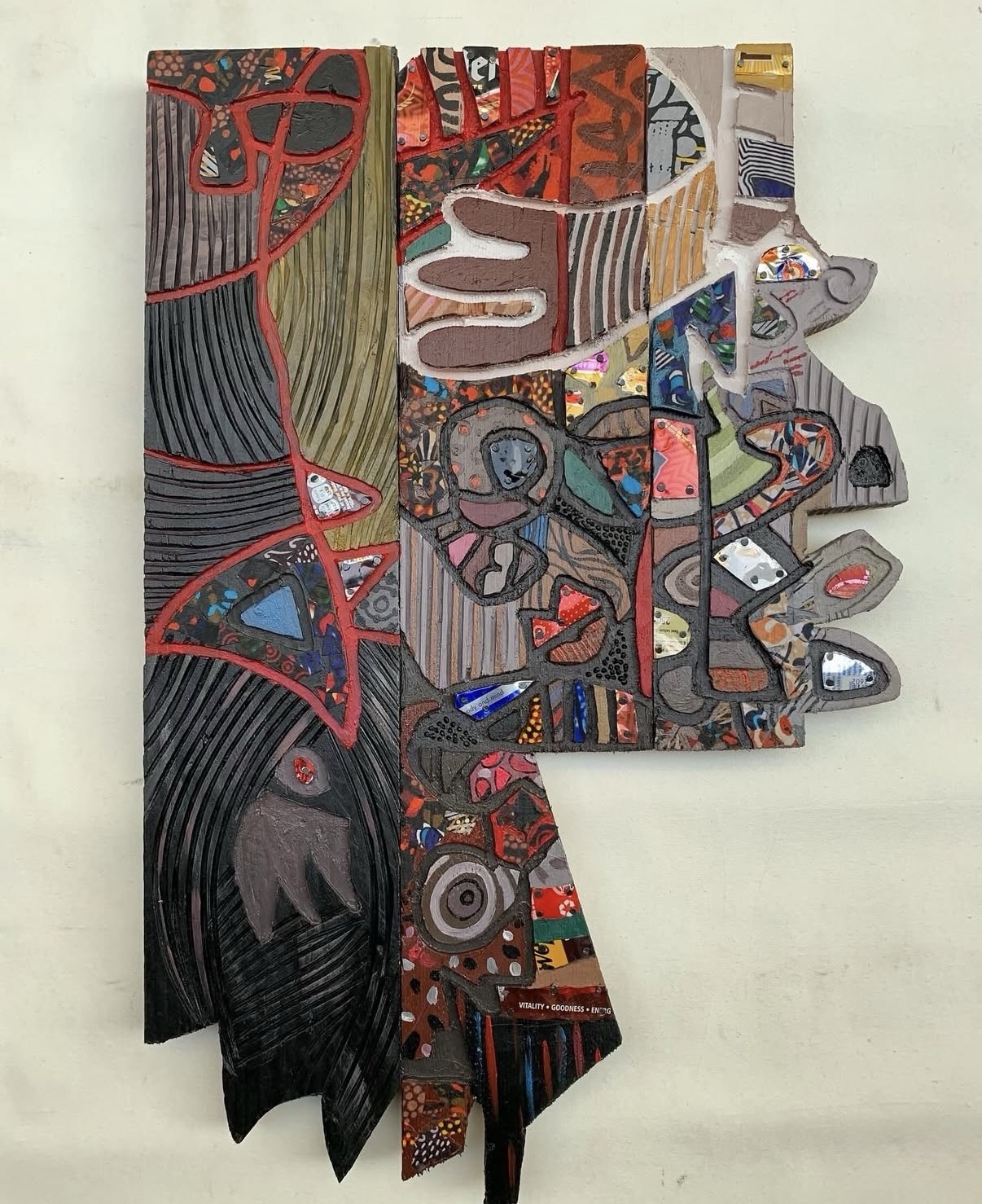
(From Artsy) Adeyemi (b. 1991, Nigeria) is a Neo-traditional artist living and working in Lagos. His mixed-media practice transforms materials such as pallet wood, fabric, leather, aluminum cans, and paper into layered compositions that balance figurative and abstract elements. Drawing on African motifs, symbols, and patterns, Adeyemi’s work explores themes of history, folklore, and personal and political narratives (and is not all abstract).

More

#joshuaadeyemi

Sylvia Snowden

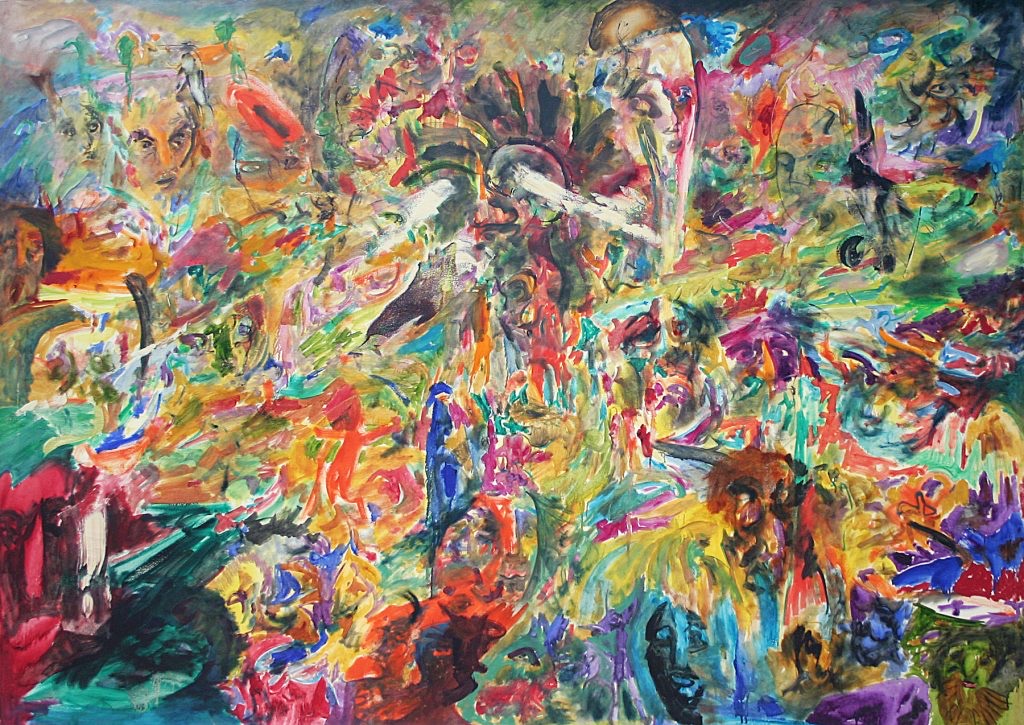
Jasmine Weber at Hyperallergic notes (among other things) that the 83-year-old artist has dubbed her painterly detonations of color, which physically undulate from their surfaces, as “structural abstract expressionism.”

If you like paintings that “hover delicately between figuration and abstraction” check out Mary as well.
#sylviasnowden

Nnena Kalu

Nnena is the 2025 winner of the Turner Prize. She is the first learning-disabled artist to win. Born in Glasgow in 1966 to Nigerian parents, Kalu is known for sculptures resembling cocoon-like forms that she strews with videotape, cellophane, and other unconventional materials. 
#nnenakalu

Allie McGhee

I wasn’t familiar with Allie until I saw below in an ArtNews article about updates to the Detroit Institute of Art’s collection*.

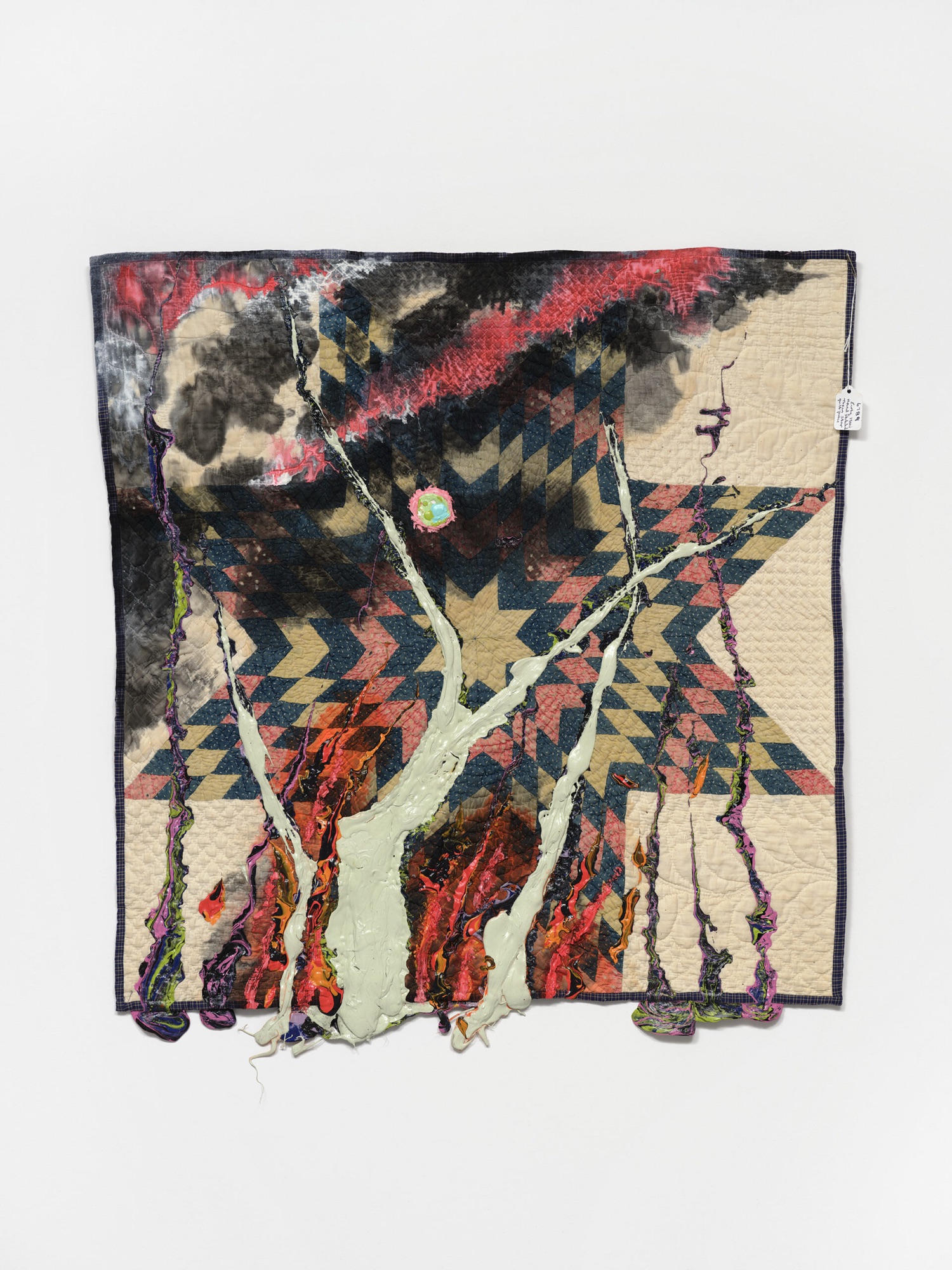
Allie McGhee has been a leading figure in the Detroit art scene since the 1960s. Initially a figurative painter, McGhee moved away from representation and toward the more universal abstract language he is best known for today. His mixed-media paintings, including sculptural works in which he folds, bends, and crumples the canvas, are notable for their signature arcing forms and brilliant washes of color.

*The DIA was among the first museums anywhere to build and exhibit a collection of African American art, which it began in 1943. In 2001 it became the first US museum to name a curator devoted to that field in Valerie J. Mercer, who still serves as the museum’s curator and head of African American art.  
#alliemcghee