Advancing Mystified Perspective is one of Artsy’s 5 standout small gallery shows to check out this January.
#reishikusaka

Advancing Mystified Perspective is one of Artsy’s 5 standout small gallery shows to check out this January.
#reishikusaka
gets a nod from Alan Lo in Artsy recent survey of 9 collectors. Naotaka was in New Abstracts at LACMA last fall along with Sarah, Jade, Lee and others.
#naotakahiro
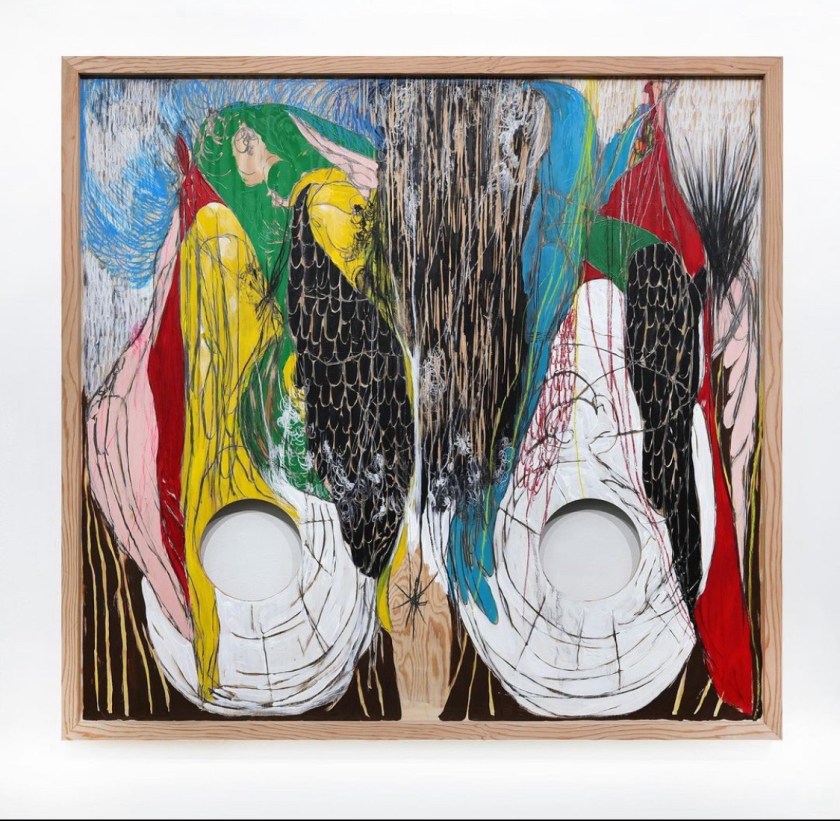
has recently been the subject, belatedly in the opinion of some, of a retrospective. A colorful and wide-ranging retrospective of the Chinese American visual artist and poet might finally change that. The show, titled “Walasse Ting: Parrot Jungle,” opened on November 10 at the NSU Art Museum in Fort Lauderdale, Florida, and sheds light on an artist who spent nearly five decades living and working in Europe and United States across several styles and movements (he made both figurative and abstract works), but whose impact and influence was often overlooked.
#walasseting

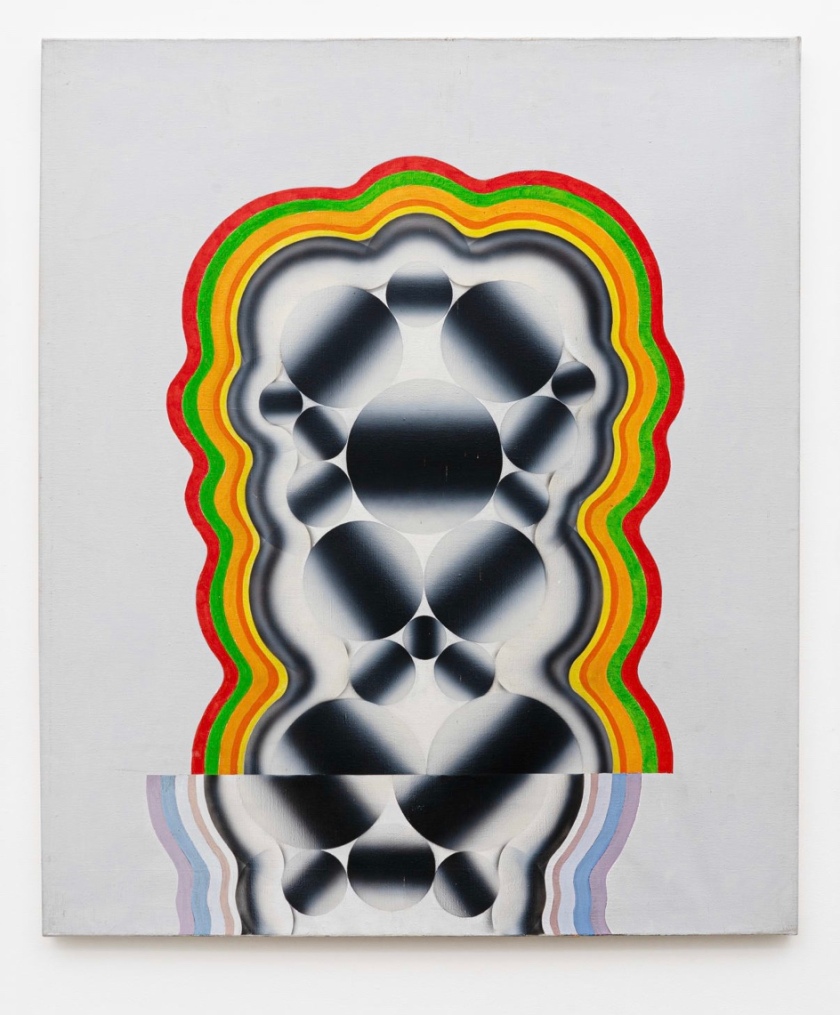
For 2023’s ADAA The Art Show, Tina Kim Gallery presented a historical presentation highlighting two seminal Asian and Asian-American artists: sculptor Minoru Niizuma (b. 1930, Tokyo; d. 1998, New York) and painter Kim Tschang-Yeul (b. 1929, Pyongannamdo; d. 2021, Paris). When Kim moved to New York in 1965, Pop Art prevailed as the artistic lifeblood of the city. It was in New York that Kim began his earliest experiments into painting the bulbous abstract forms that would later lead to his signature style—the waterdrop.
#kimtschangyeul
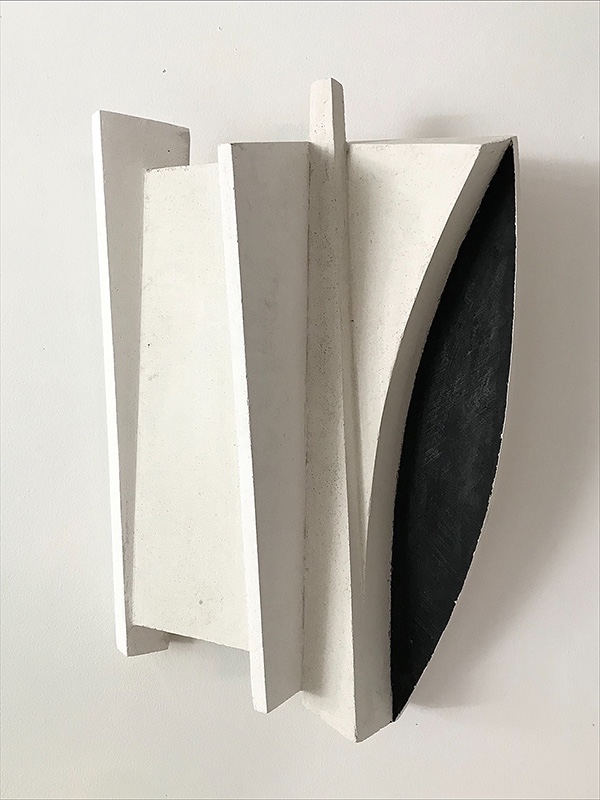
shows with Carrie Haddad. About his work he says the form comes first and he avoids “intentional thoughts. What happens then seems to emerge from some deep subconscious reservoir: maybe from childhood, maybe from an unconscious feeling in the moment, maybe from something beyond this lifetime.”
#daiban
TUSSLE recently noted Gahae Infinite Melodies at Artego.
#gahaepark

Ha Chong-Hyun came to prominence with his Conjunction series in the early 1970s. These early experiments have led him to build his signature style, pushing the paint from the back to the front of hemp cloth. As a leading member of the movement known as Dansaekhwa, or “monochrome painting”, he has consistently used material experimentation and innovative studio processes to redefine the role of painting, playing a significant role bridging the avant-garde traditions between East and West.
#hachonghyun

Gallery Vacancy recently held Shi Jiayun’s second solo exhibition with the gallery, Wanderlust, and their work was included at Frieze as well.
More
#shijiayun

was included in Tina Kim’s Frieze London booth. Suki assembles her sculptures according to an idiosyncratic syntax of form, material, and referent. In compelling the viewer to navigate around and amongst these constructs, Kang suggests an awareness of how one occupies space and navigates the interstices of self and other.
#sukiseokyeongkang
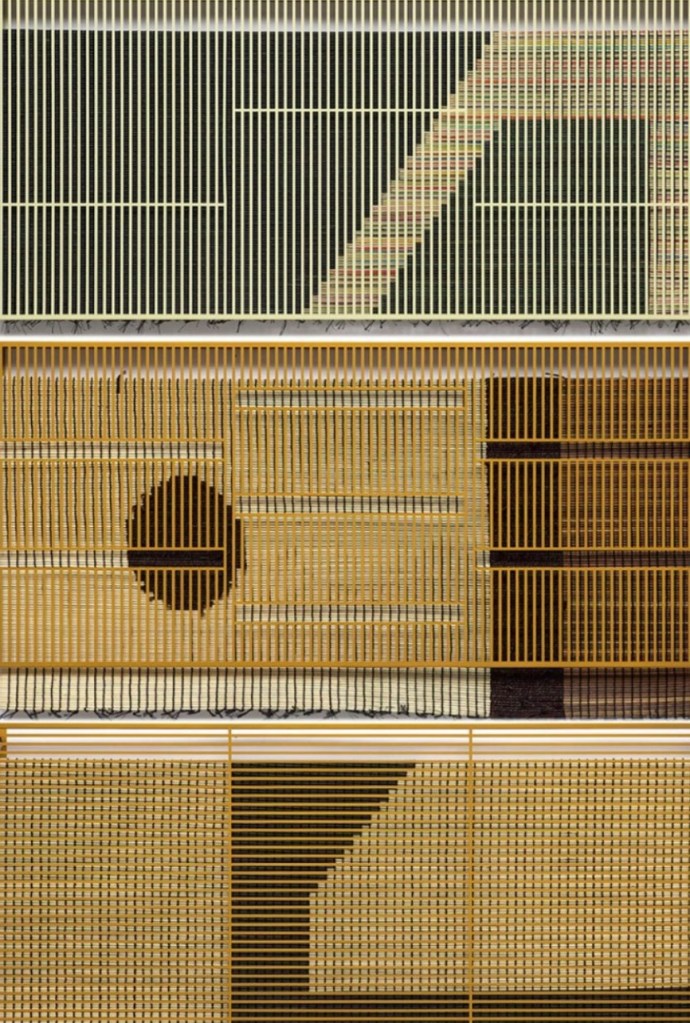
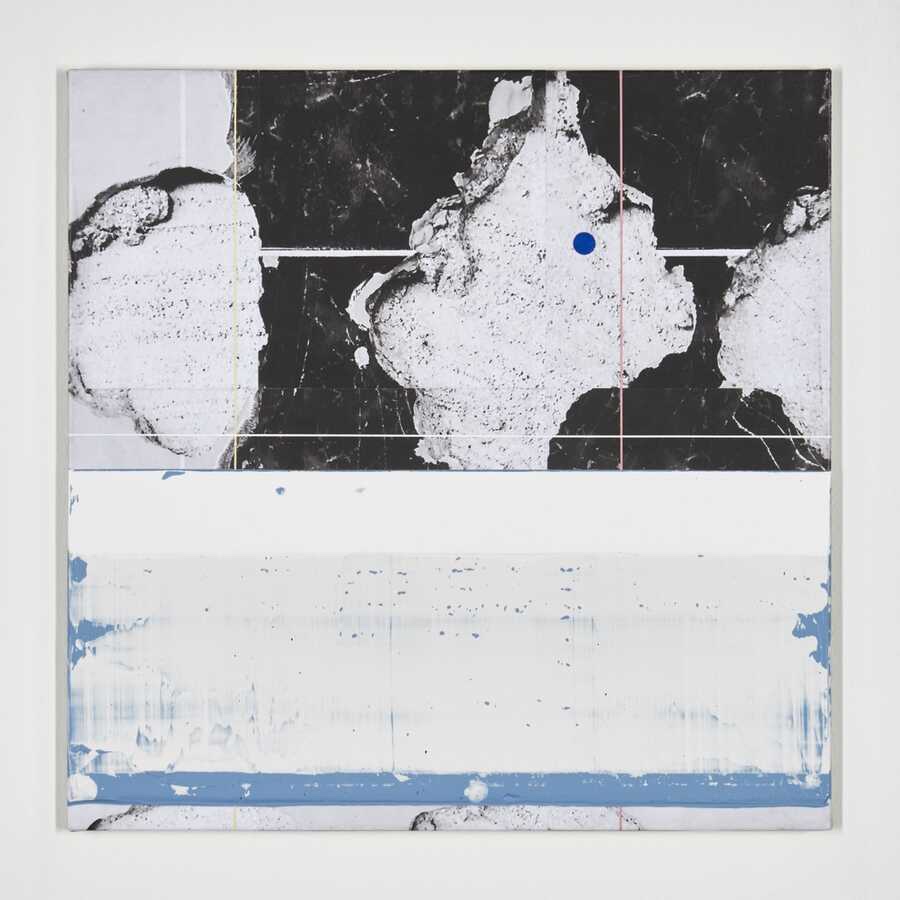
Korean painter Heejoon Lee compares his work to a kind of “platform.” Rather than anchoring in a single idea, his abstract oil and photo collage works place viewers into a pictorial space built through experiments that can mobilize their own experiences, memories, and knowledge.
#heejoonlee
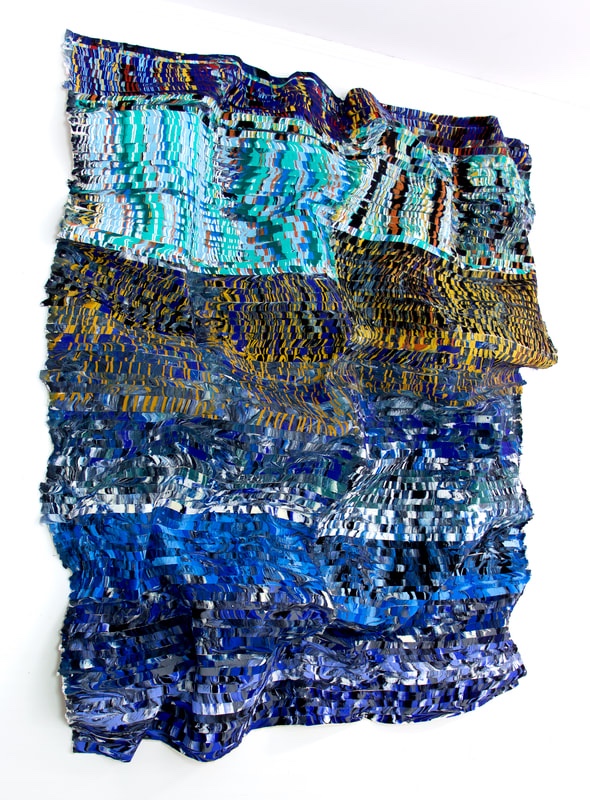
Tackling complex concepts of identity and displacement, Kenny Nguyen’s work is a painting, textile art and sculpture all at once, achieved through a process he has perfected through years of experimentation and exploration. In the studio, strips of silk get cut, pressed into the paint and firmly attached to the canvas to create a dynamic mosaic of texture and colour. However, the work is not truly finished until the moment of installation when Nguyen hand-sculpts the canvas onto the wall, transforming the expansive piece into a light-catching topography of undulating drapes and folds.
#kennynguyen
Andrew Kreps Gallery recently presented a survey exhibition of works by Tomie . At the age of 37, Ohtake made her first artistic works after joining Brazil’s Seibi group, which brought together artists of Japanese descent. While in her first years of painting, she focused on representational works, she would soon immerse herself in abstraction, which would thereafter become a lifelong exploration, spanning over 50 years of production.
#tomieohtake



 Painting After Art is Dead