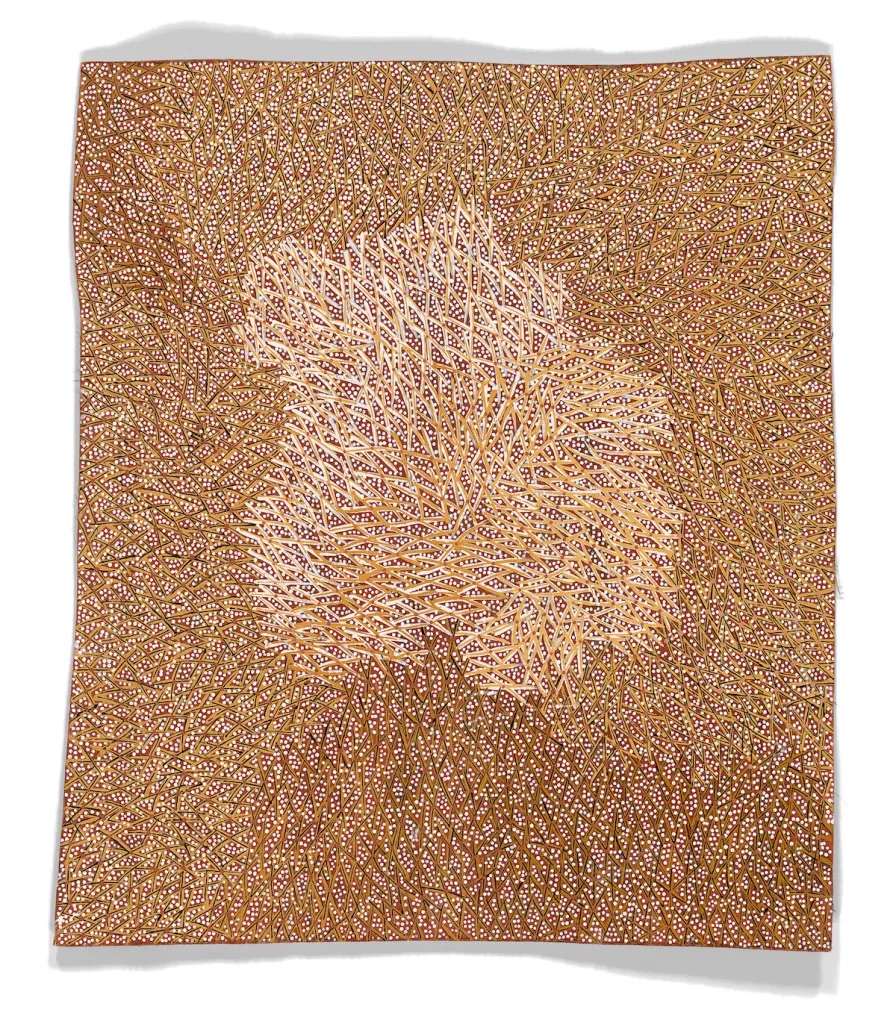
ArtNews says Gulumbu is one of 10 under-recognized Artists who got their due in 2025. Maria is also on the list.
#gulumbuyunupiŋu
was Janice‘s brother and also an abstract painter. Tworkov’s early work owes much to Cézanne. Applying paint in large blocks that flaunt the flatness of the picture plane, his paintings cohered into still lifes, landscapes, and narrative scenes.
More and more
#jacktworkov

was a Polish-born American artist whose work, spanning seven decades, is well regarded both in France (where she spent many years) and the United States. Her work lies between figuration and abstraction.
Rebecca at Two Coats has words about a recent, posthumous exhibit of this rarely discussed Modernist.
#janicebiala

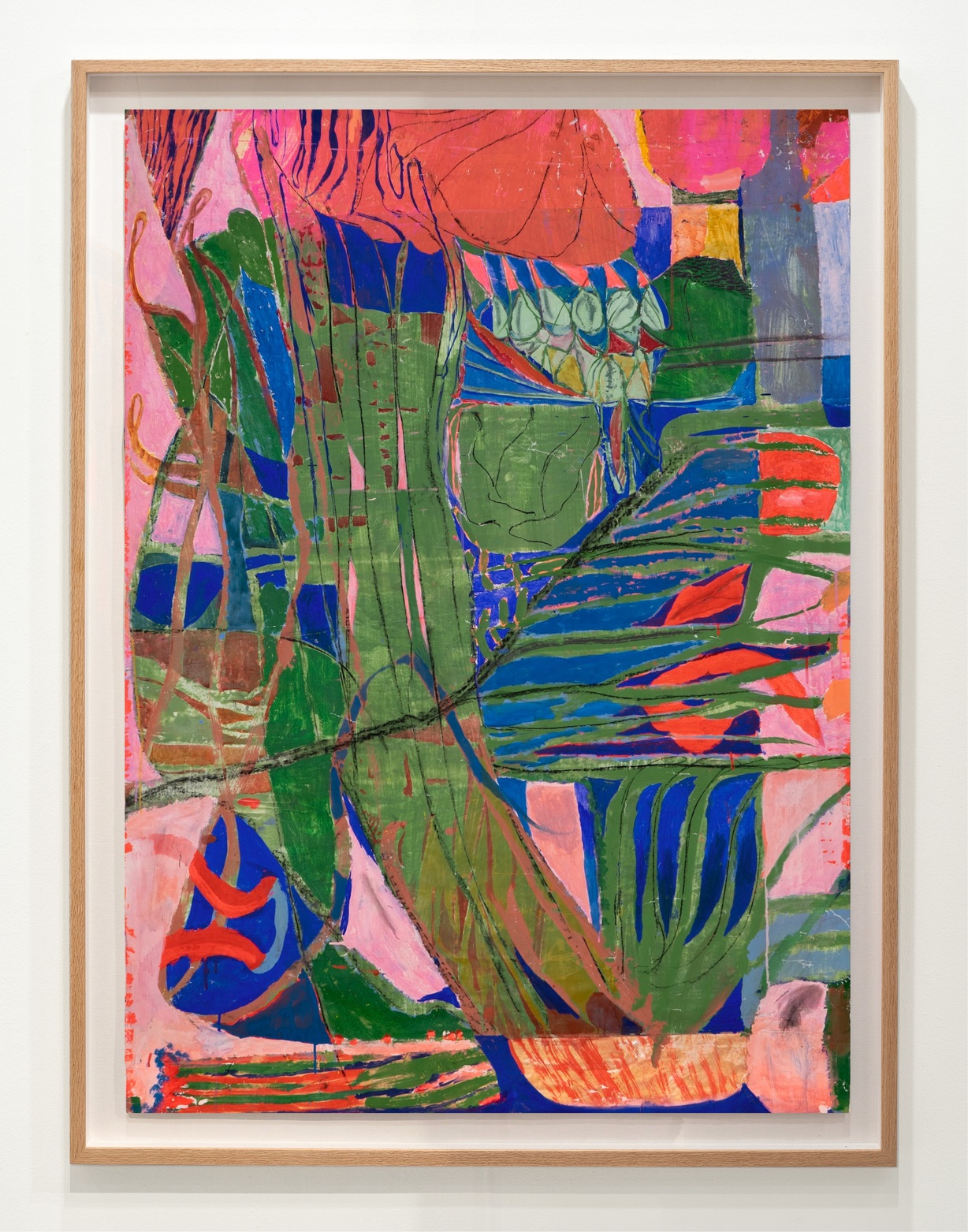
Agrade Camiz channels trauma and her youth spent in Rio’s graffiti scene into sensual, urban paintings (she is in Artsy’s Vanguard along with Geoffroy and Sayan).
#agradecamiz

made The Artsy Vanguard (now in its eighth year of highlighting the most promising artists working today).
#geoffroypithon
was influenced by light and architecture. While I had previously made a blog on this West Coast painter, David at Two Coats recently had a revelatory encounter with his oeuvre at Gagosian that is worth the read (and taking some time to revisit his catalog- more and more).
#richarddiebenkorn

Jasmine Weber at Hyperallergic notes (among other things) that the 83-year-old artist has dubbed her painterly detonations of color, which physically undulate from their surfaces, as “structural abstract expressionism.”
If you like paintings that “hover delicately between figuration and abstraction” check out Mary as well.
#sylviasnowden
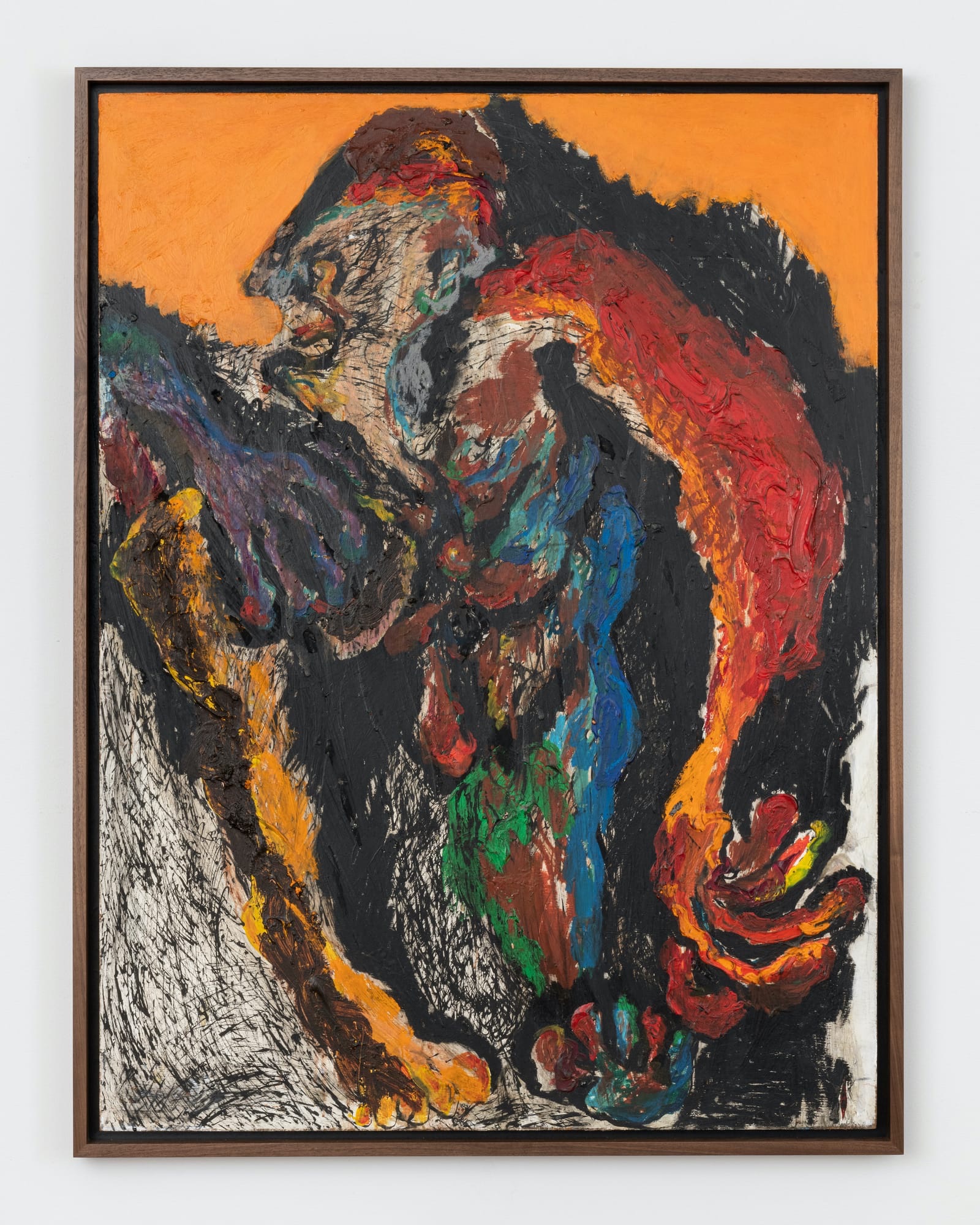
Bill Arning notes over at Two Coats that Private Public Gallery has earned its reputation for mounting deeply considered exhibitions of painting that honor artists who have spent decades refining their own private grammars of mark and color, and that Kylie’s first solo exhibition there is fully in that lineage.
#kylieheidenheimer
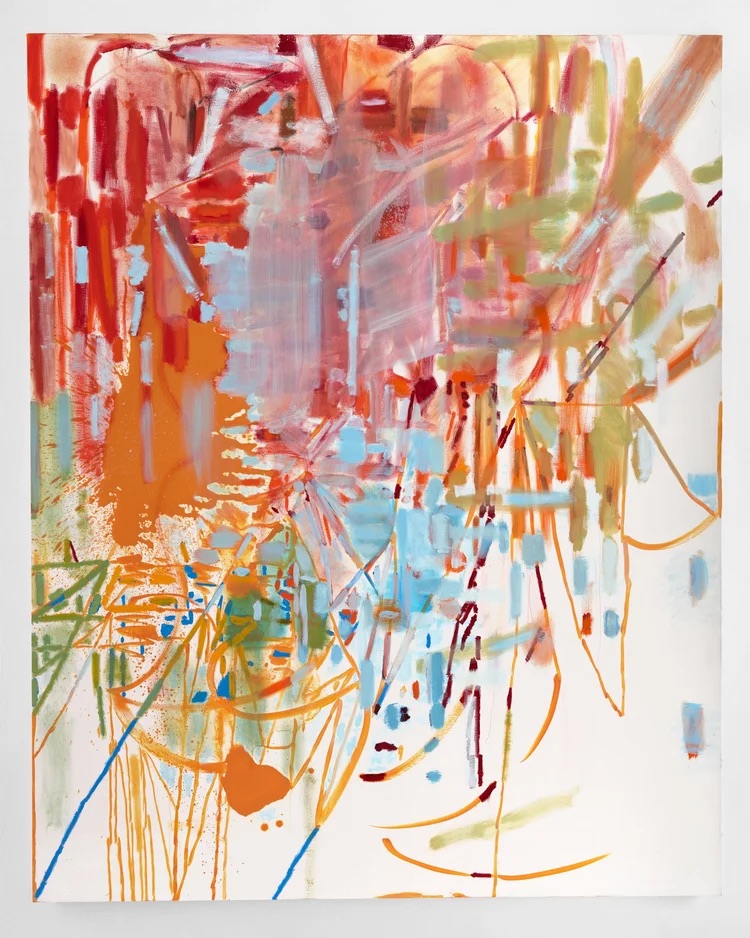
Sestra Kuya are a multidisciplinary artist duo that create both
visual and sound art simultaneously. In 2025, they invented and engineered a process that transmits fluctuating electrical voltage applied to titanium sheets – turning color into soundscapes. Together, they make energy both visible and audible..
#sestrakuya
Brother

Here at the turn of the calendar year I find myself looking back, and feeling many things. Since I’m pointing myself that way intentionally, I’d note I’m grateful and hopeful. Tired, for sure. Although I’m on vacation and “relaxed” there is always the background energy of my anxiety, and I’m grateful for the progress I’ve made on that this year.
Marking occasions is not only important, it’s an easy assignment. Writers live for these kinds of things. By that I do refer to easy assignments, of course, and, I also mean a topic that gets automatic gravitas. I have read some of your year-end reflections** and look forward to a few more. I also say “easy” because I’m writing about the topic I know best- myself and my thoughts and my experiences. Did you see me call myself a writer btw? Hopefully you have been around here enough lately you take that for granted.
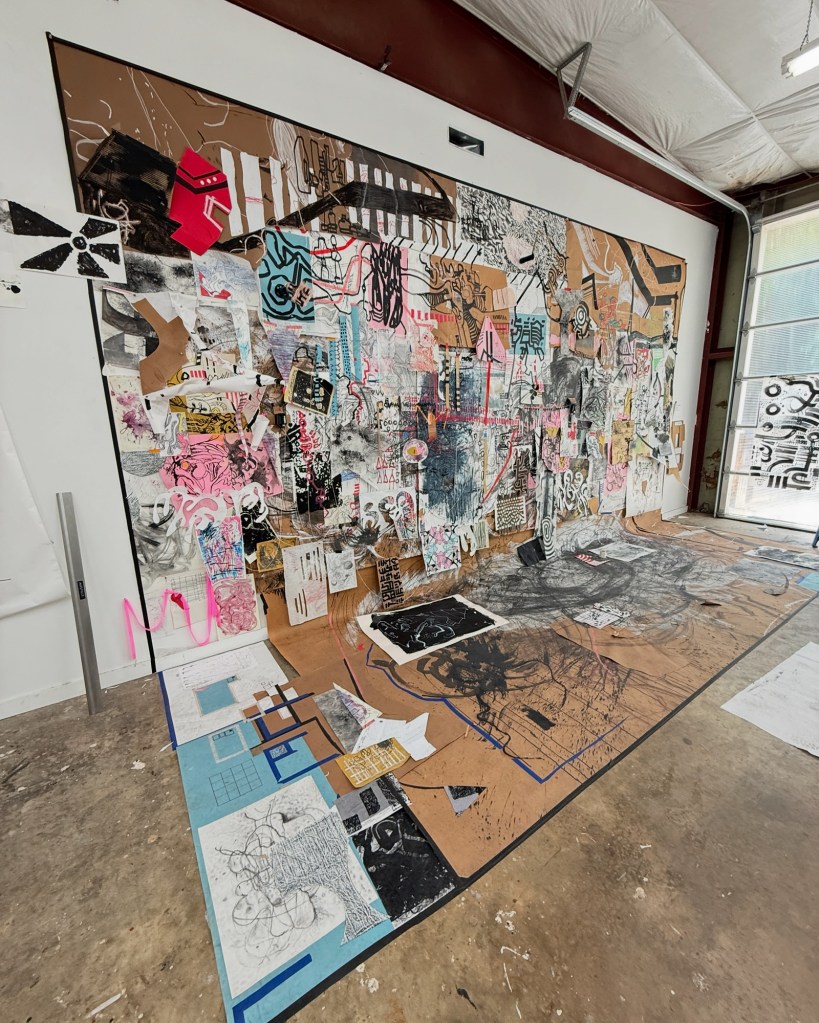
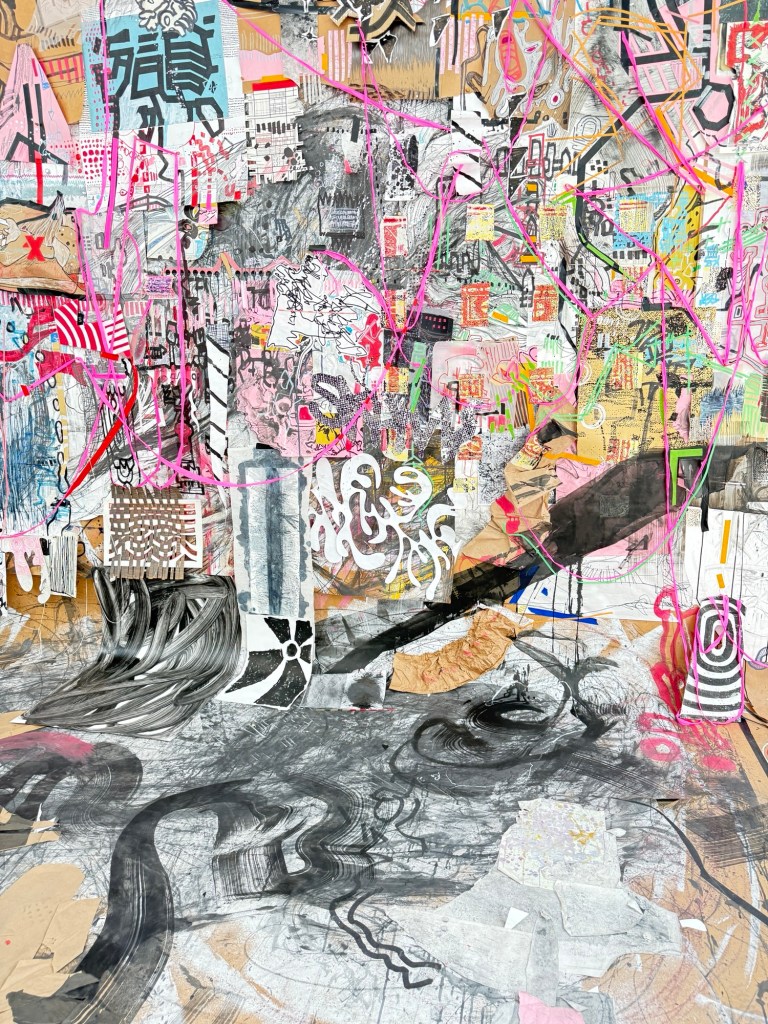
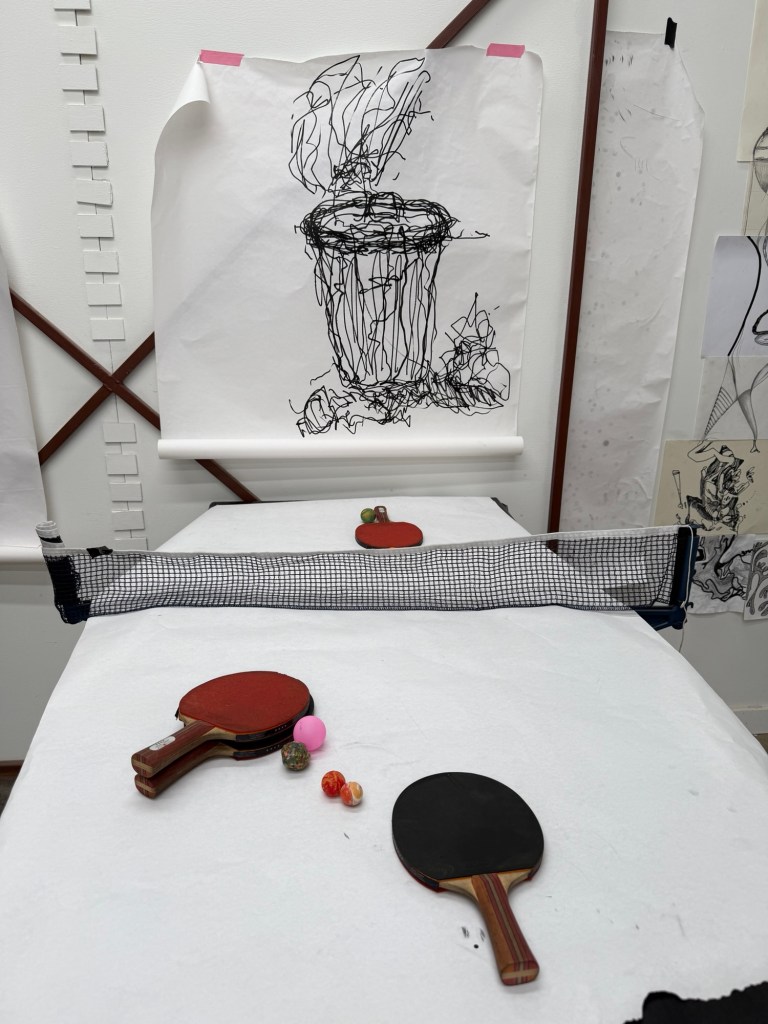
I think one major theme, maybe the most significant, in my practice in 2025 has been trying new and different things. Village Impulse was a little of both for me. Most of my energy on the front end of the year went into this multi-artist collaboration in which I utilized media and modalities that aren’t normally part of my strategies (“No,” there aren’t squares or cubes in the large work of Art below). This drawing-cum-happening was the centerpiece of an exhibit that pointed at several themes, such as opening up the subconscious and finding ways to let go of control. We all made a commitment that no one’s ego would ever be a filter for another creative’s license. I got lost and found my way… somewhere. It was gratifying to turn off the monkey brain and act with no judgement. If you don’t know those artists btw, that’s (left to right) yours truly, Chris Thomas, Cindy Morefield, Jason Lord and Peter Deligdisch.



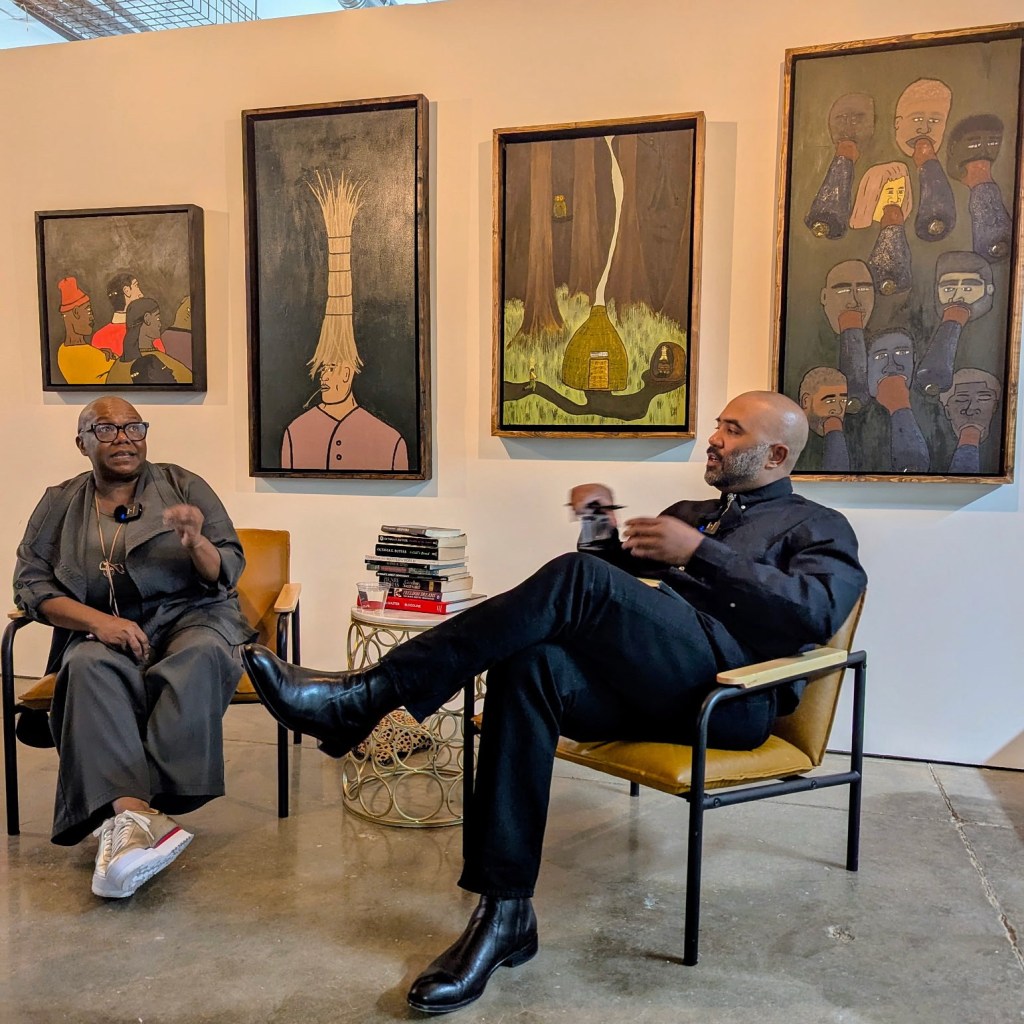
I also got to work as a background enabler for an artist’s solo show. This was a lighter touch than curating, and definitely less “editorial,” as I did not select the work, only the artist, a creative whose practice is pretty different from mine. Derrick Beasley is a culture-maker. In addition to being at the center of all that is cool about Durham, NC, he organized, funded and manages a cooperative centered around equity and black farmers. His visual art also imagines a future culture. He’s a lens-based artist as well, and produced a short film for this exhibit. I was glad to be a small part of helping the Triangle show out regionally. I’d be remise if I didn’t also say that I. Am. So. Grateful for all I’ve learned through my membership in Tiger Strikes Asteroid. The experience has also been an education in collaboration and collective decision making, given that I am one of a 20+ group of the most wonderful artists and humans. And, my membership in TSA and this project specifically enabled me to put Derrick in the same room with Michaela Pillar Brown (you guys missed out on this talk let me tell you). Can’t wait to announce my main project through this platform next year!

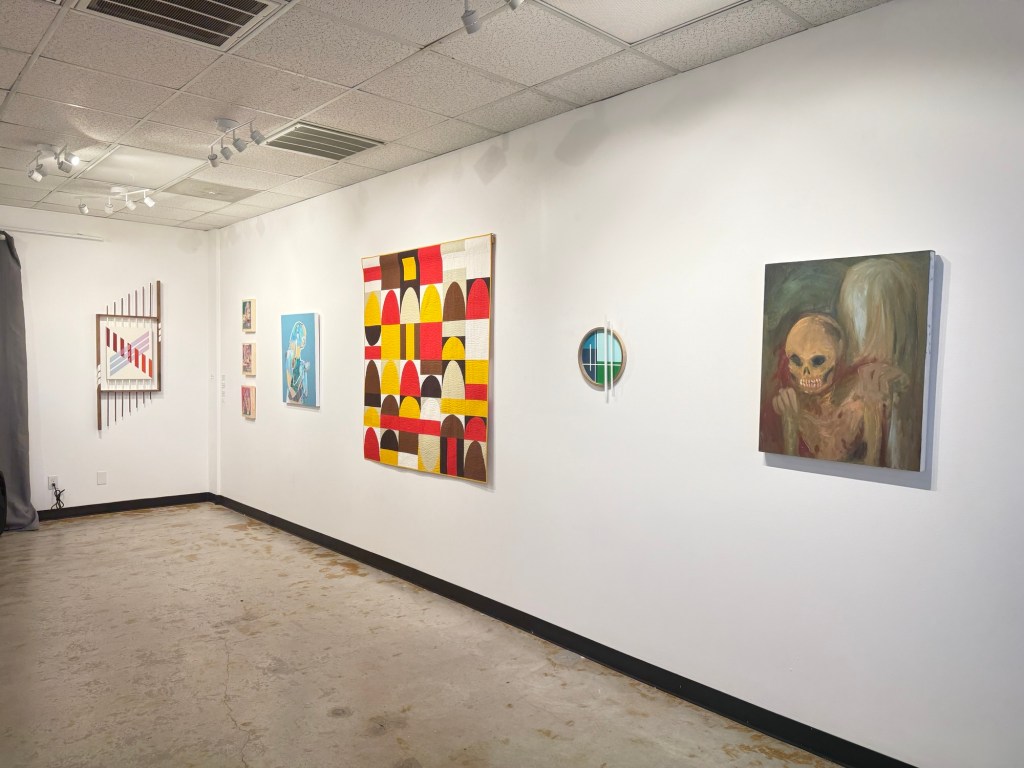
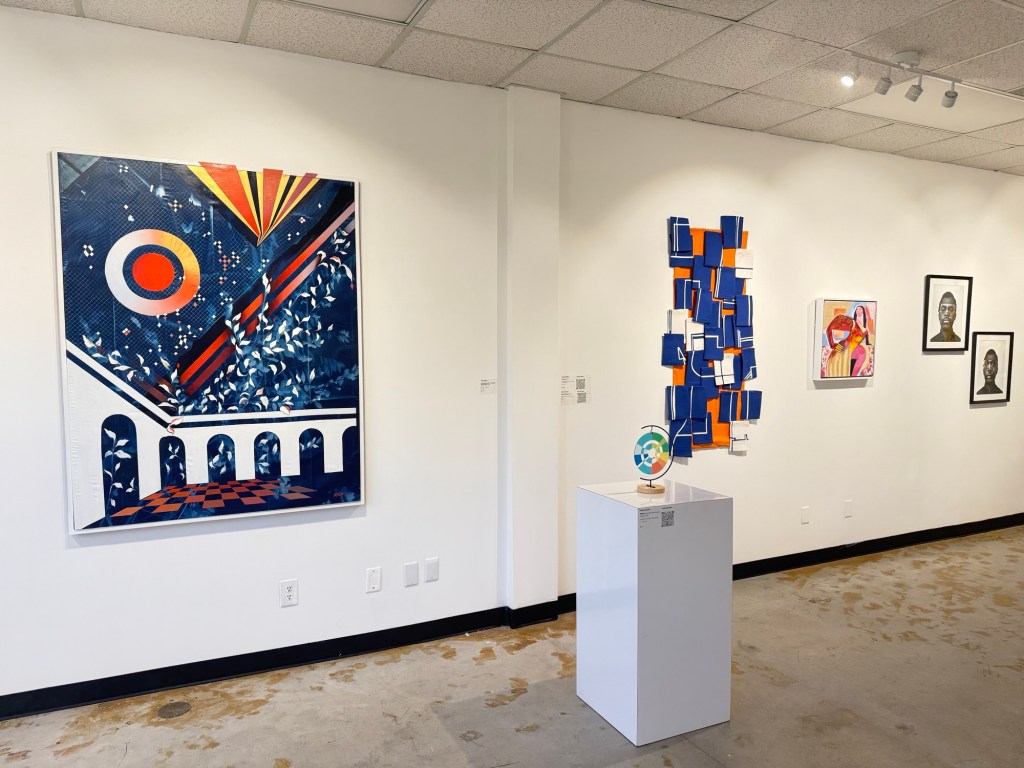
Backing up a bit, my first curating project of this year was also my most ambitious exhibit to date. A 10 artist group exhibit titled Modernism Redux which gave me the chance to work with the Diamante Arts and Cultural Center, and of course Peter Marin, their Director. The exhibit was the inaugural Community Highlight, which I look forward to Diamante repeating annually. I am privileged and grateful for the honor of kicking things off. As part of this exhibit I utilized AI- specifically the large language model Chat GPT- as a tie-in to the themes of the show, which was very eye opening, although I have no plans to repeat the exercise. This was (is!) an amazing collection of artists, and the show looked. So. Good. If I do say so myself.



I also made a collaborative piece with Ariana Gomez for Party Line. This work was definitely more planned than Village Impulse- it had to be, since my partner in shenanigans lives in Texas. And even with planning, the universe saw fit to present me with unexpected outcomes anyway during fabrication, a couple of which I’ll be revisiting very soon (this wouldn’t be a year end/year ahead reflection without some teasers). I hope Ariana and I can show this or a similar work together in 2026.
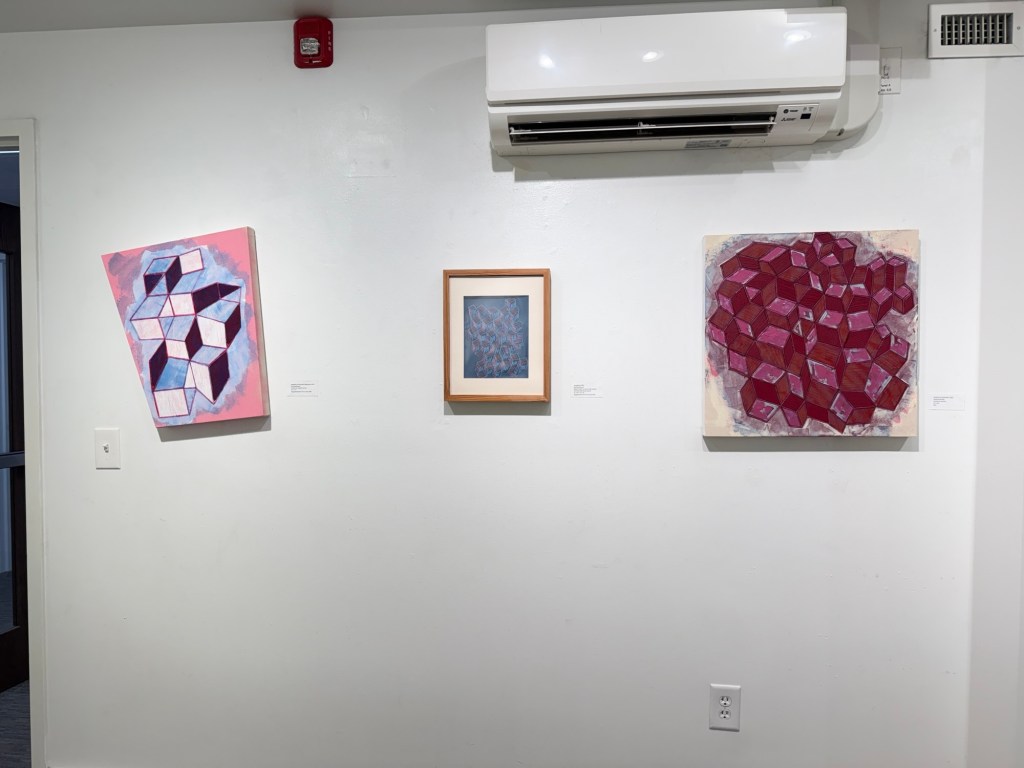
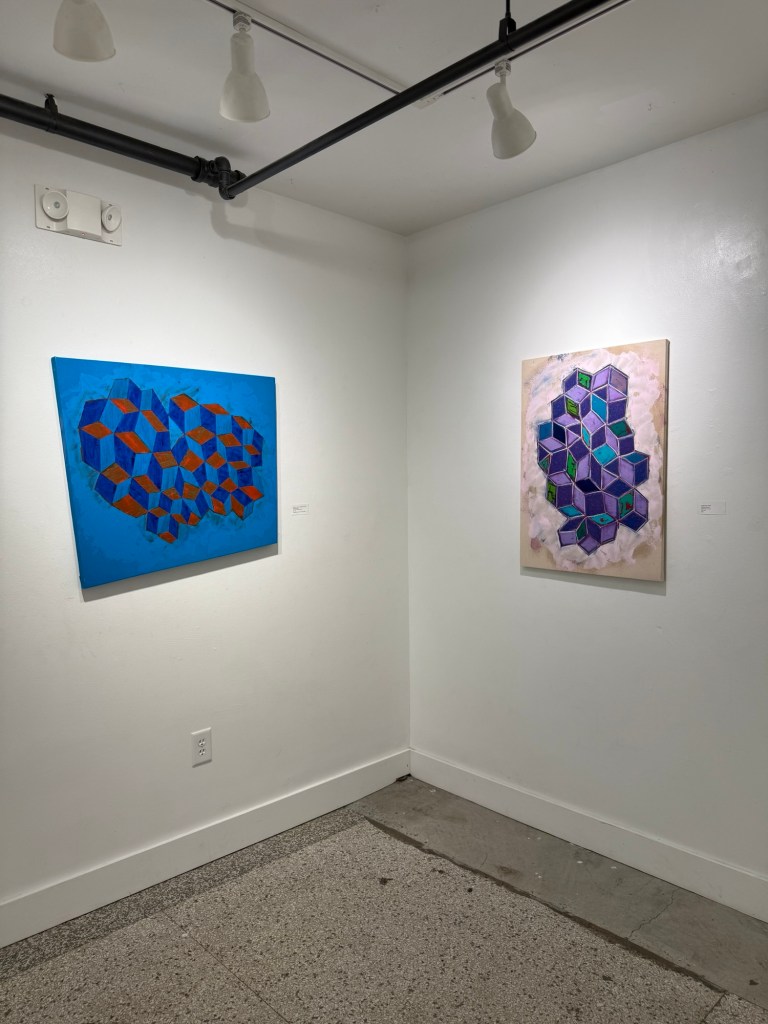
I did get to show my own work this year, a *huge* privilege and honor, in an exhibit at Greensboro Project Space which was titled And, and, and… This show included work from a two-year period but was from a body of work that I developed over six years, and from which I’ve now moved on. While it is hard to think or talk of “and” ending, it was like a period at the end of a sentence. I got to share the space with the wonderful Leah Smith, and do an artist roundtable* with her, Allison Tierney and Chris Thomas (I discovered over the course of this year is my favorite format for engaging a show’s topic, the artists in the exhibit, and the community.



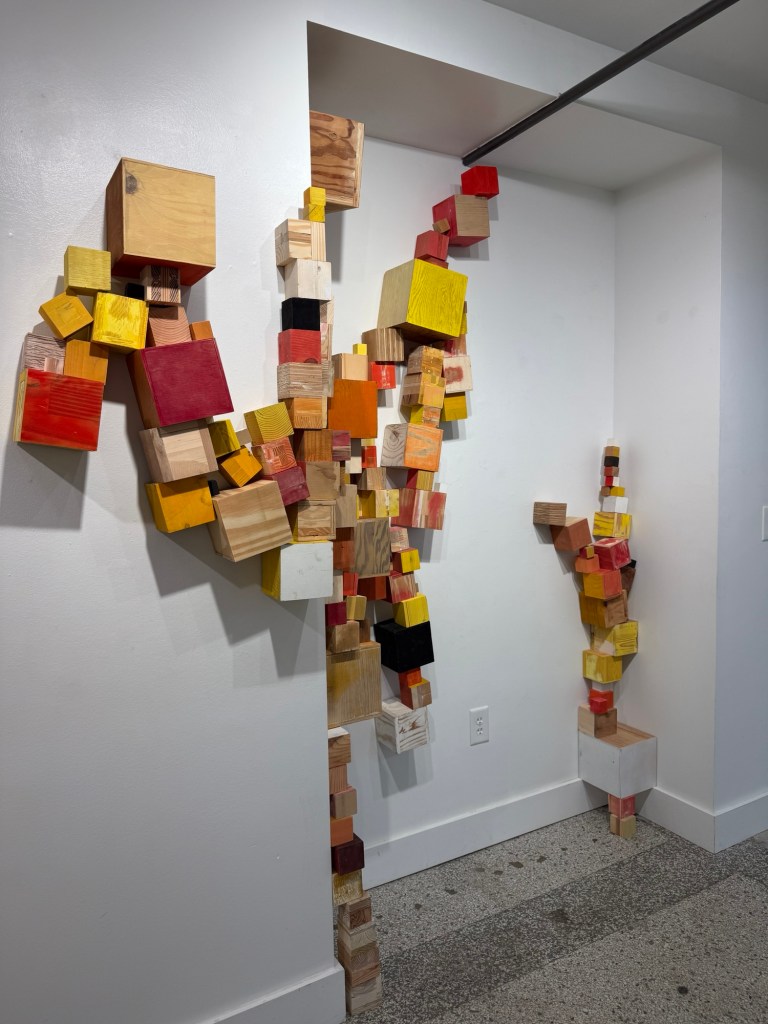
…
What do I have on deck? Besides the two teasers above, I have some writing goals and strategies in motion to get things on deck for 2027. I am, honestly, looking forward to a year centered on making which is focused on the work and not on meeting a deadline or satisfying someone else’s criteria. I choose optimism in this moment.
If you’re wondering about the title choice for this essay, it’s my values, and here’s an attempt at specificity…
Breathe in. Release. Now, go forth and be amazing, lovelies. See you around!
** Speaking of year end reflections, you should read and participate in Allison Kirkland’s reflection questions in her lovely piece December (and you should follow her over on the Substack if you don’t already- we’re very lucky to have her practice among us in the Triangle). I took a go myself, answers below…
What parts of my creative life/writing practice felt the most meaningful this year?
Writing became a bigger part of my (visual art-centric) practice due in large part to encouragement from others in the community- as I saw others considering it seriously, I found myself re-orienting its importance in my practice.
At what points in 2025 did I feel most present with my own creative voice and writing practice?
When I put together my application for the Burnaway Writers Incubator. I felt really good about the application and at the time, it felt like something clicked for me in terms of how serious I wanted this part of my practice to be. I did not get invited to participate (this year!), and the rejection really hardened my resolve to continue to push my craft.
Did I have any creative challenges that pushed me to grow or taught me important lessons in 2025?
Definitely! A lot of 2025 was about new experiences- I’m going to write about that very topic shortly for my own blog; the tldr was ‘25’s theme was doing new things (“yes” that’s what you’re reading now).
Which habits or routines have supported my creative practice?
It’s not the thing for everyone, but, goals and schedules. I had given my art goals framework a miss for a good chunk of the beginning of 2025 because reasons (seriously, though, I was looking for and then starting a new job). Daily blogging helped keep my interest in Art and my engagement and enthusism up, and being regular about social media (to maintain my brand) kept me accountable for progress as well. I also really make a point of getting out to see the things, and being around the community gets me humming. Towards the end of the year I started scheduling time to be in the studio and make on a weekly basis.
Did I have any habits or routines that felt detrimental to my writing or creative practice?
Yes and no. I definitely have been working more lately than I have in years. It’s reminded me that there was an earlier time in my life when I was this busy when I didn’t make time for making Art and, eventually, fell out of love with it. I don’t think correlation is causation, but… That feeling, when I can recognize it (lack of enthusiasm), is a powerful reminder of the importance of the momentum that I’ve built.
Are there any beliefs I want to leave behind in 2025 when it comes to my creative life and writing practice?It may not seem like this to many people but I don’t enjoy being bad at something. However, I need to start practicing what I preach to my own kids, that no one gets to be good at anything they aren’t willing to suck at for a few minutes.
What are two tangible ways I can show myself more compassion in the year ahead?
Besides like, literally just doing exactly that (therapy for OCD has helped me a lot here)? I wasn’t prepared to answer this when I sat down but will direct some thought to specificity in this area. Thank you!
show with Miles McEnery. Dowell’s unique visual language, developed over the past 45 years, stems from his interest in cross-cultural iconography and symbols. With a process as varied and layered as his ideation for the work, Dowell thins Flashe paints to achieve a transparent, matte quality once dry.
More
#roydowell

still makes luscious paintings (thanks Amanda at Two Coats). I’ve previously blogged about her work and made a Pinterest “gallery” (below is from the #armoryshow in 2020).
I remember that she was having her first good art world moment when I was in undergrad. It’s often weird what sticks in your head but I still remember a cover of Art in America with one of her paintings.
More (Brooklyn Rail 2006)
#karindavie

Alex’s practice touches many parts of the Art world. In addition to being a practicing artist (he is in Refraction/Abstraction with Minku) he is the founder and (now, former*) Director of Tiger Strikes Asteroid and a writer for Hyperallergic.
*see below pic for more on all Alex has done to guide the development of one of the most important artist run spaces in the US.
#alexpaik

(From TSA) After nearly 17 years of visionary leadership, our founder Alex Paik is stepping down as Network Director of Tiger Strikes Asteroid (TSA). We are grateful that Alex will continue to guide our organization as Advisory Steering Committee member, ensuring his wisdom and vision remain part of TSA’s future.
From our DIY beginnings in 2009 to our current five-location network, Alex Paik has long been the North Star by which we navigate as an organization. He has shepherded us from scrappy and ragtag beginnings to a nationally recognized model of what artist-run spaces can achieve. Under Alex’s leadership, Tiger Strikes Asteroid grew from a tiny space in Philadelphia to become a national network of artist-run spaces sharing an ethos of community and collaboration, a commitment to exploring the work and practice of artists both emerging and established, giving a platform to the marginalized, and championing works that are resolutely non-market-driven. Through countless exhibitions, community gatherings, and collaborations, Alex cultivated not just a network but a model and philosophy for artist-led collaboration.
Alex led and guided our institution with remarkable grace, humility, and openness. Through a pandemic that pushed his family to relocate from Brooklyn to Los Angeles, through wildfires and cycles of economic uncertainty, Alex kept us focused and attentive to our goals and mission. We are forever indebted to Alex for his vision of an equitable and transparent horizontal operating structure, his embracing of the unconventional, and his willingness to experiment, knowing it could all fall apart.
As Alex transitions to Advisory Steering Committee Member, we honor his service.
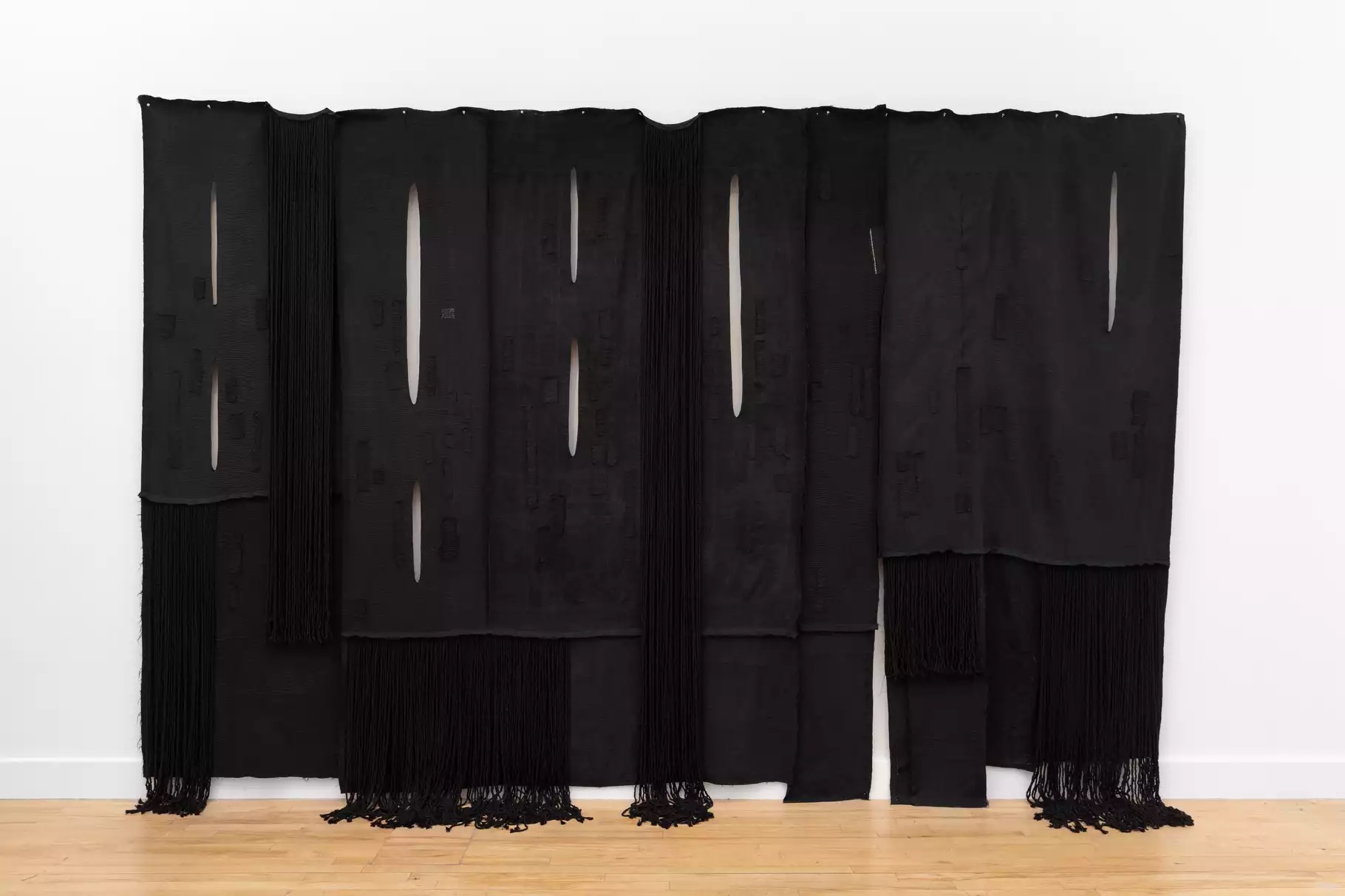

 Painting After Art is Dead