Hale Woodruff

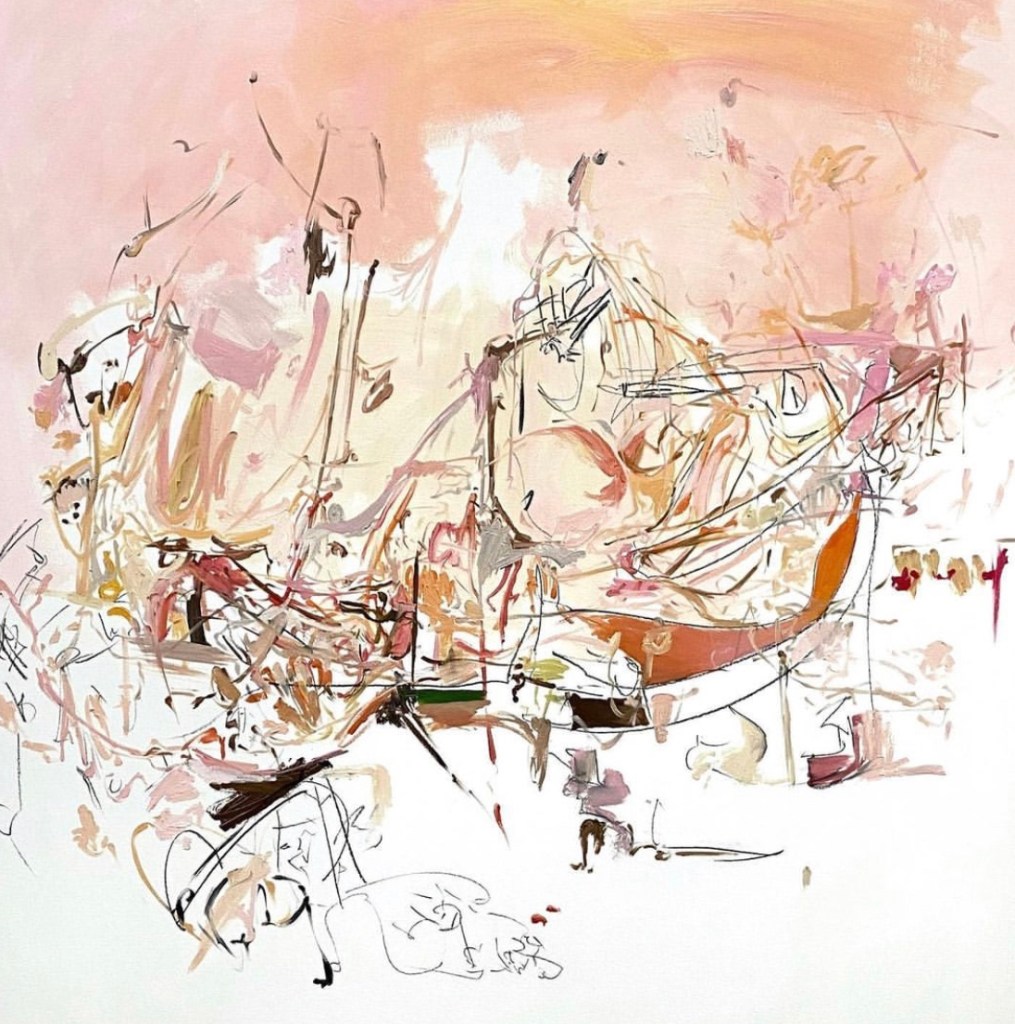
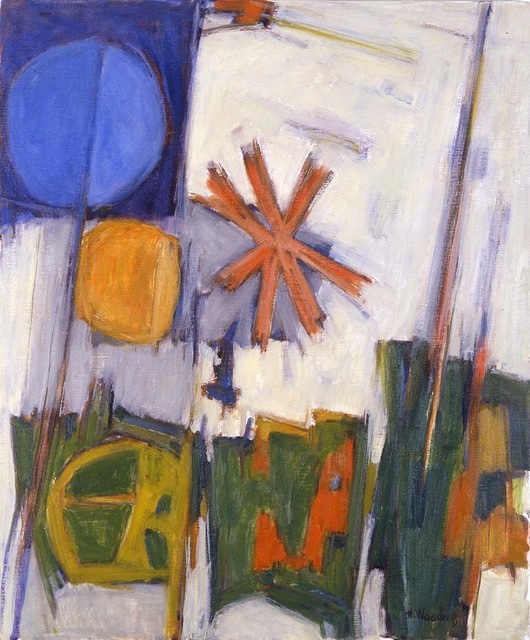
Green Family Art Foundation presents Black Abstractionists: From Then Till Now, curated by Dexter Wimberly. Readers can find the other artists featured in the show on this blog. His early work is figurative. During the mid-1960s Woodruff and fellow artist Romare Bearden were instrumental in starting the Spiral organization, a collaboration of African-American artists working in New York. Woodruff’s New York works were greatly influenced by abstract expressionism. More

#halewoodruff
Alonzo Davis

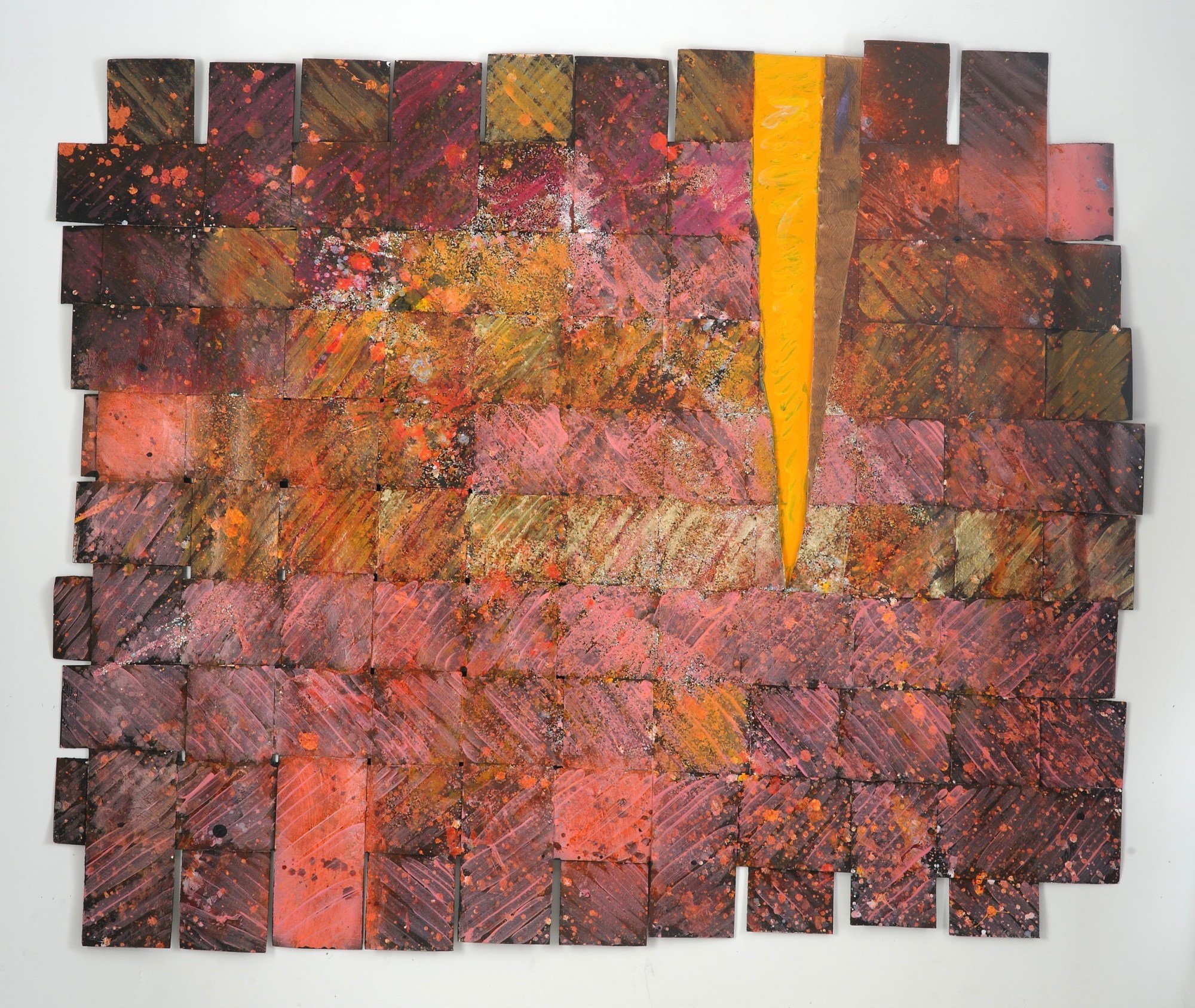
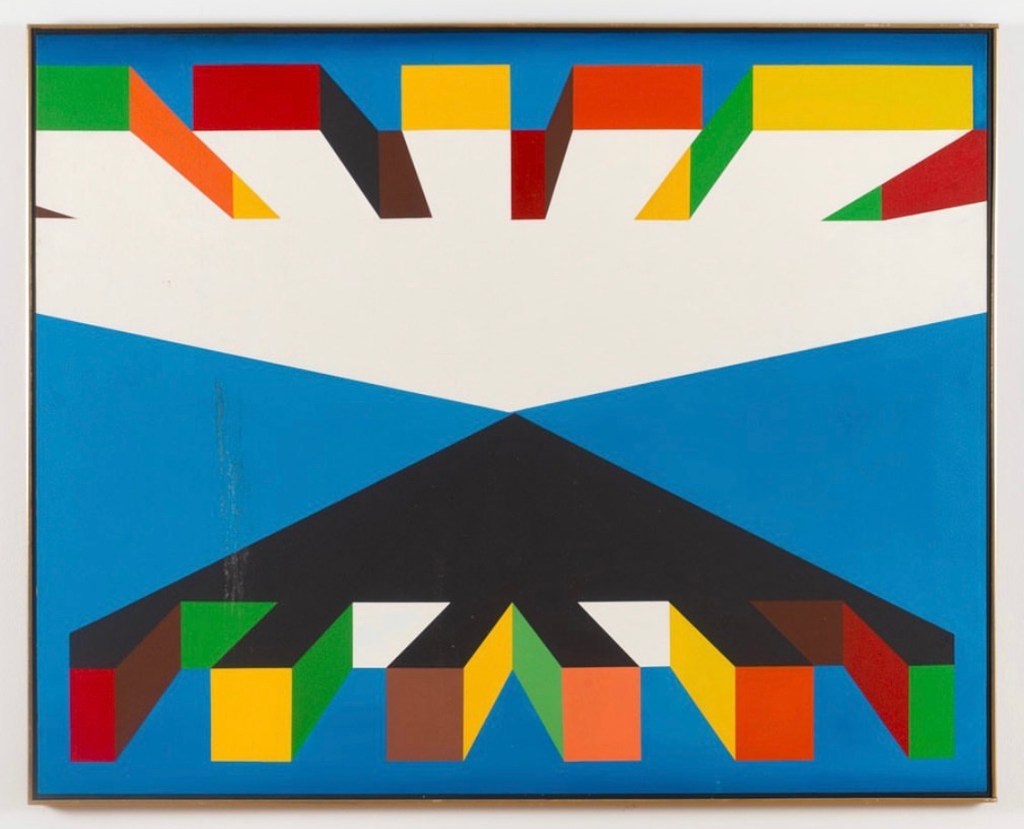
Davis’ six-decade-long career (which Parrasch Heijnen is pleased to highlight in the gallery’s first solo exhibition covering the same) has explored a wide range of media and methods, from mural to print, painting, sculpture, performance, and installation. As co-founder of the Brockman Gallery, the first major Black-owned contemporary art gallery in Los Angeles (1967 – 1990), Alonzo Davis sought to champion Black artists including David Hammons, Suzanne Jackson, Betye Saar, Senga Nengudi, Noah Purifoy, and John Outterbridge, among many others, in a time when white, male art was prevalent. Davis’ appreciation and promotion of Black artists and cultural references collected on trips all over the world are often referenced in his own work.

#alonzodavis

Leasho Johnson

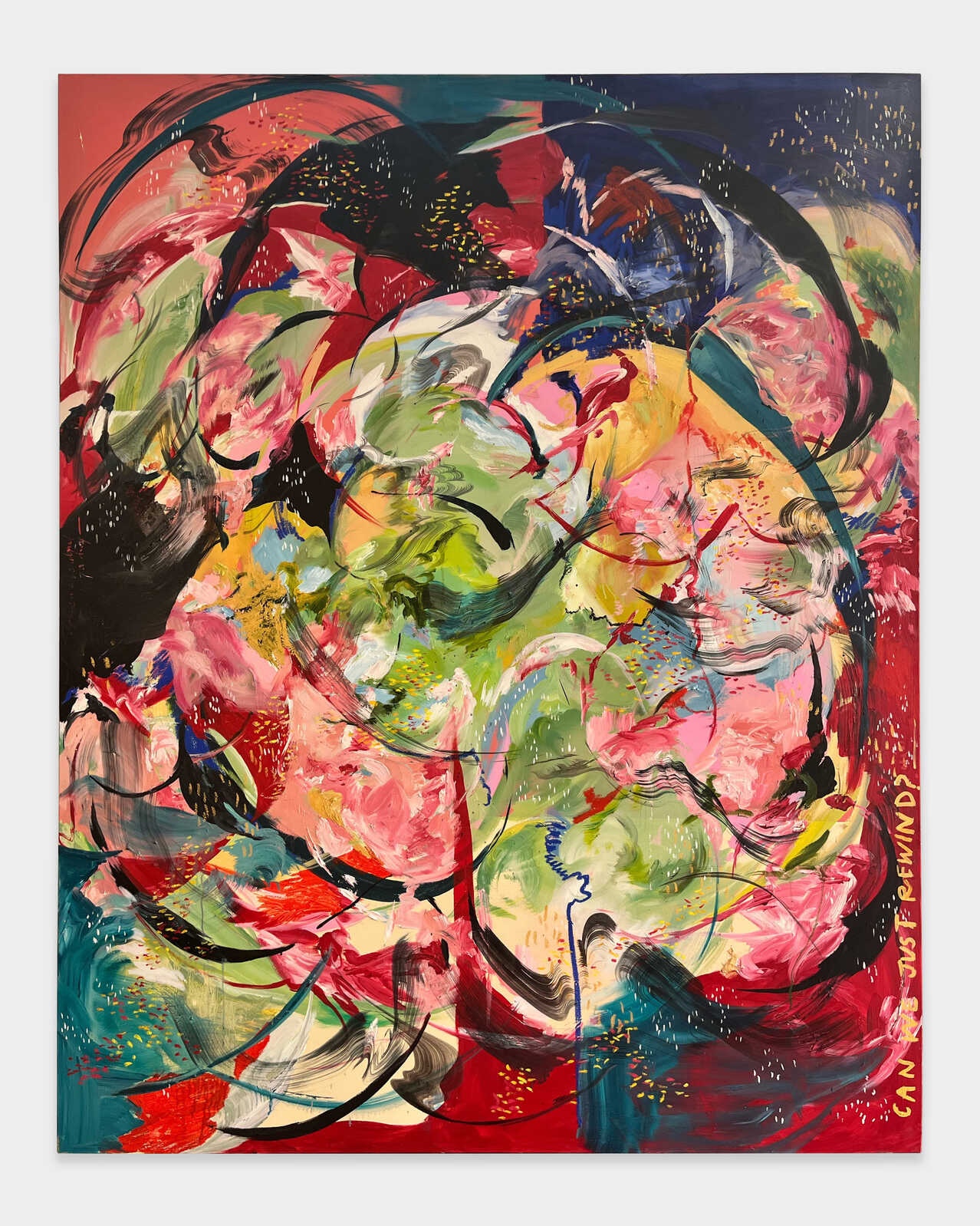
is one of October artists-in-residence at Fountainhead. Born in Montego Bay, Jamaica, and raised in Sheffield, a small town on the outskirts of Negril. Leasho uses his experience growing up Black, queer, and male to explore concepts around forming an identity within the post-colonial condition of Jamaican Dancehall street culture.

More

#leashojohnson

Ilma Savar

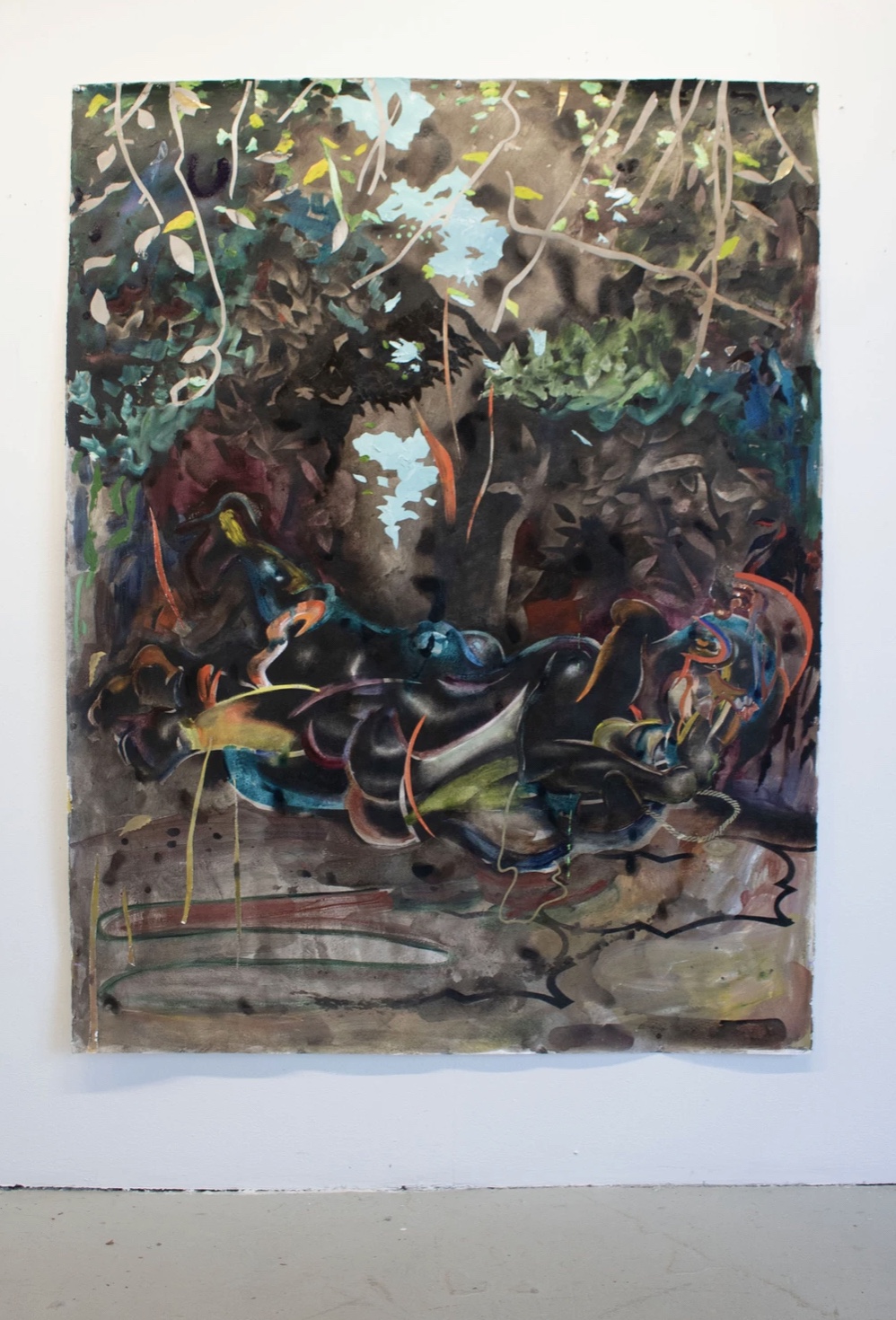
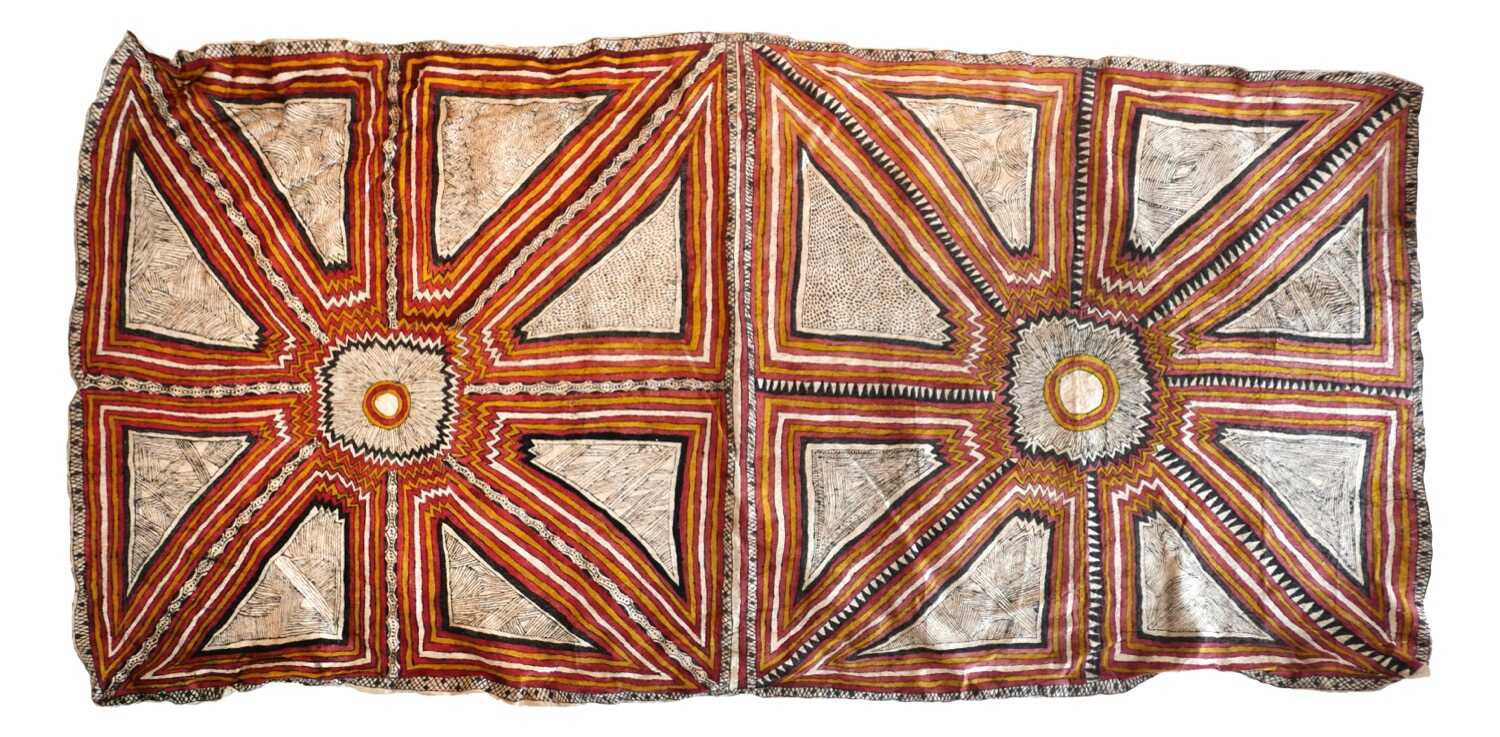
Artsy says Ilma is one of 10 women artists shattering expectations feminist art. She lives in the remote Anahobehi village (Gora) in Ömie territory, a five-day trek up the volcanic slopes of Mount Lamington, Papua New Guinea. It was there that London-based gallerist Rebecca Hossack first met the Indigenous artist and encountered her textile paintings on nioge—or fine-grained, beaten cloth made from the inner bark of mulberry or fig trees—that Savari stitches additional details on top of with a superfine bat wing bone.

#ilmasavar

Beverly Buchanan

Dead Lecturer / distant relative: Notes from the Woodshed, 1950-1980 focuses on works by Asian American and African American artists whose approaches to abstraction provided alternatives to prevailing vocabularies for representation and resistance during the social movements of the 1960s and 70s, and for whom the parameters of visibility continue to remain a problem for thought today. Beverly is one of the selected creatives (also including Howardena and Al). Her work mined a strong motif for decades and slowly became more abstracted although never was true “abstraction.” Readers of who like below should also explore Jennifer and Nicky.

More

#beverlybuchanan

Mirdidingkingathi Juwarnda Sally Gaborone

Mirdidingkingathi’s paintings have a proprioceptive pull. Their gulfs of color are fed by the late artist’s sweeping ken of the sandbars, salt pans, and billabongs of her native Bentinck Island, off Queensland’s northwestern coast.

#mirdidingkingathijuwarndasallygabori

Richard Mayhew

Approaching American Abstraction · at SFMOMA is an exhibition of selected American artists that explores the diverse approaches to abstraction developed since 1950. Many of the featured artists (like Cy and Ellsworth) will be familiar to readers of this blog, while Richard may not, especially given that his “abstractions” are just that (they still retain clear landscape references).

Also, bruv is still at it, yo.

Readers who appreciate this will also enjoy Turner , Letha Wilson and Elliot Green as well as Clemente’s more recent work.

#richardmayhew